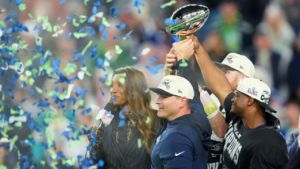


A press release wasn’t necessary for Bill Belichick to know something was off. The call came Friday afternoon, and rather than confirmation, it brought confusion. Sources told ESPN he was “puzzled” and “disappointed,” asking one associate, “Six Super Bowls isn’t enough?” and another, “What does a guy have to do?” For a coach with eight rings, 333 total wins, and a half-century in the sport, the answer should’ve been rather obvious. Instead, Belichick learned that first-ballot Hall of Fame induction is not considered automatic. It’s that revelation, more so than the snub itself, that sent shockwaves through the league.
When the Résumé Still Isn’t Enough
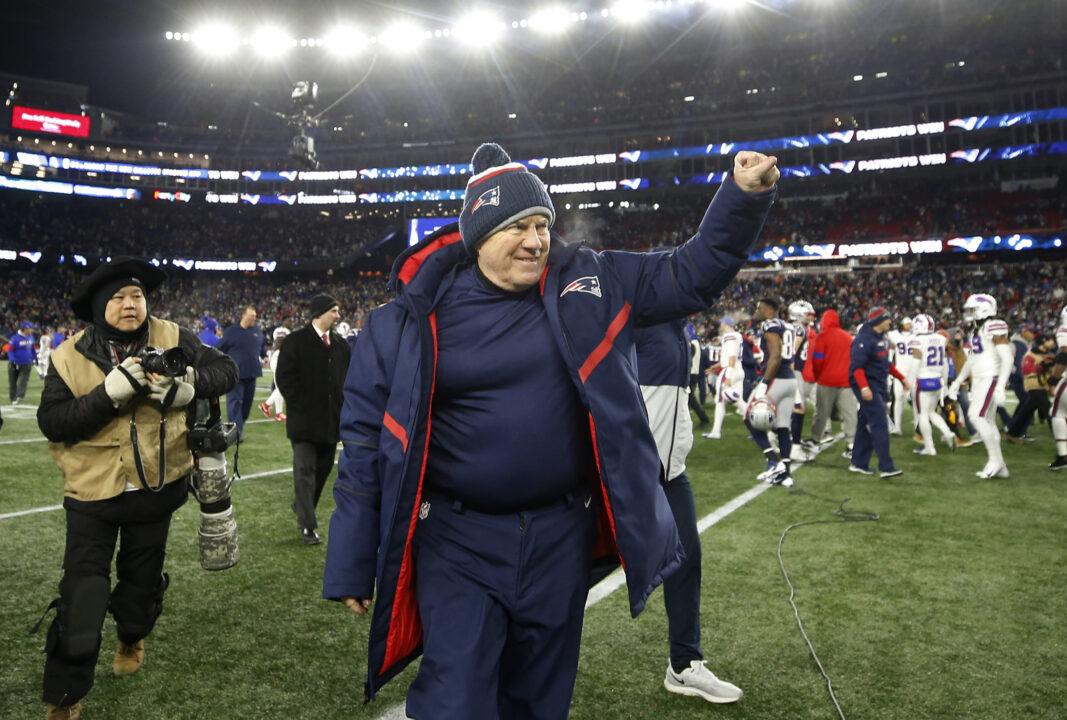
There is no coaching résumé like it in modern history. Belichick has six Super Bowl wins as a head coach, two as a defensive coordinator, 17 division titles, nine conference championships, created the greatest dynasty in NFL history, and his 333 wins are topped only by his mentor, Don Shula. Yet, it was still not sufficient to pass the 80 percent test for electoral voting. At least 11 voters failed to put his name up. This situation changes the Hall of Fame concept. If such a résumé is not enough to get a first ballot entry, then induction is no longer purely about dominance. It’s about timing, politics, and which ghosts follow you into the room.
Spygate’s Shadow Still Lingers
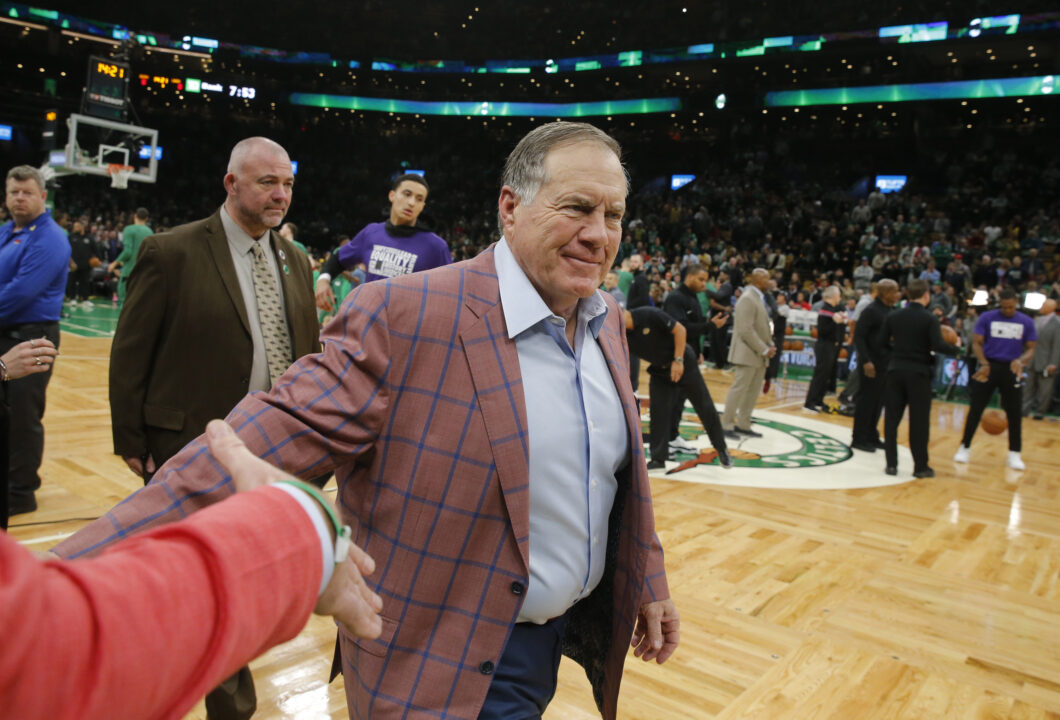
Almost two decades later, Spygate remains an unresolved issue in the court of Hall voters. Multiple sources with ESPN said the topics of Spygate and Deflategate were raised during deliberations. As one veteran voter assessed it succinctly: “The only explanation was the cheating stuff. It really bothered some of the guys.” The penalties were historic at the time: massive fines and a stripped first-round pick. Belichick served the punishment and kept winning, but the stain never fully faded. The Hall insists it judges careers, not controversies. This vote suggests otherwise. Fair or not, the scandals still carry weight, especially when margins tighten.
The Polian Factor Changes Everything
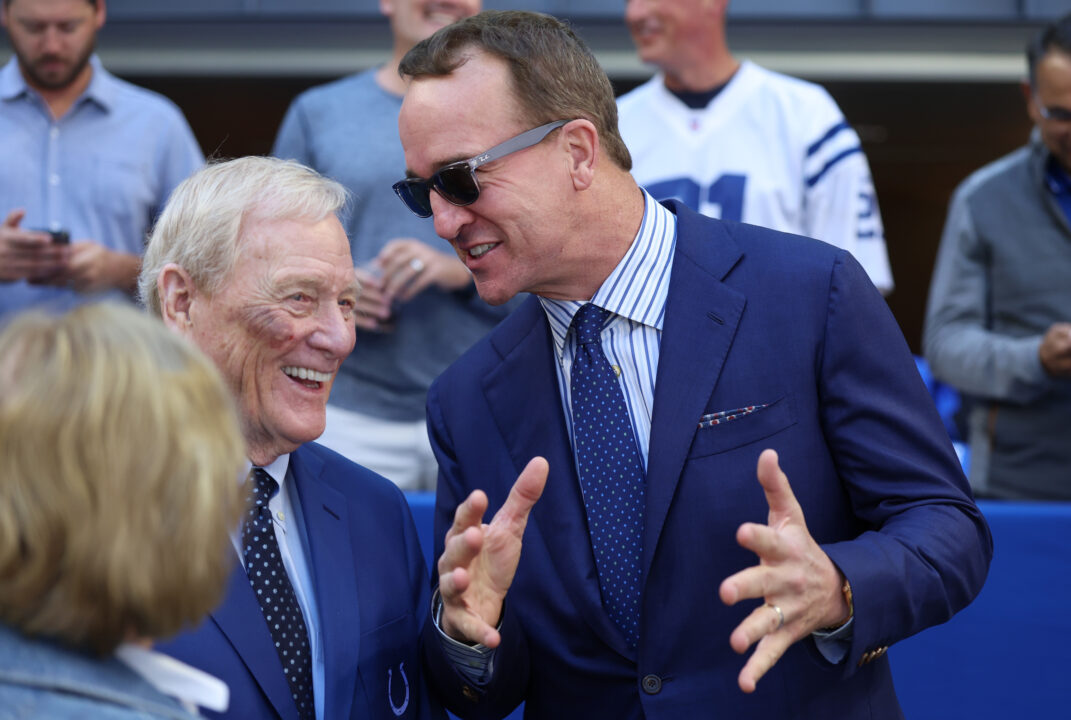
But the most explosive news came in softly spoken fashion. According to ESPN, Hall of Fame exec and longtime rival of Belichick, Bill Polian, informed some voters of Belichick on Spygate that he should “wait a year.” Polian declined to comment on such accusations.A sitting Hall of Famer advocating against the possibility of another’s admission into the Hall of Famers is highly unusual. When that advocacy stems from a reputation for competitive rivalry, questions regarding the potential for influence linger. This advocacy level was not mere sentimentality floating through discussion that occurred. It was a specific belief system represented by someone with substantial institutional reputation. Regardless of the legitimacy of the approach, it clearly had impact on the vote, which ended so closely.
When the System Forces the Wrong Outcome
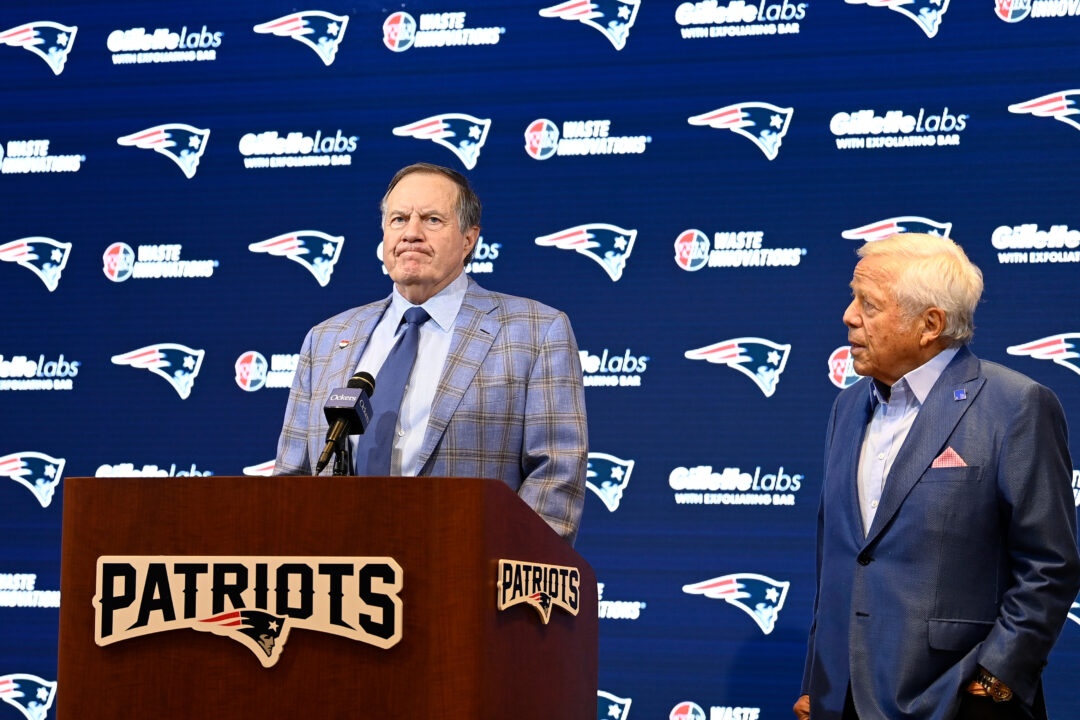
The structure of the vote allowed for this outcome. Belichick was grouped with four others: Robert Kraft, and three senior nominees: Ken Anderson, Roger Craig, and L.C. Greenwood. Each voter could only select three names from this group. That tough choice meant some people had to miss out. Older candidates who had waited for decades felt more important to include. Greenwood died way back in 2013. Anderson and Craig might not get another chance to be voted on. Belichick will, though. Several voters, including the only one who talked about it publicly, said the rules gave them no other option. When the way things are set up forces voters to choose between someone’s past achievements and someone who needs to get in now, people start questioning the whole process.
A Coaching Logjam Is the Collateral Damage
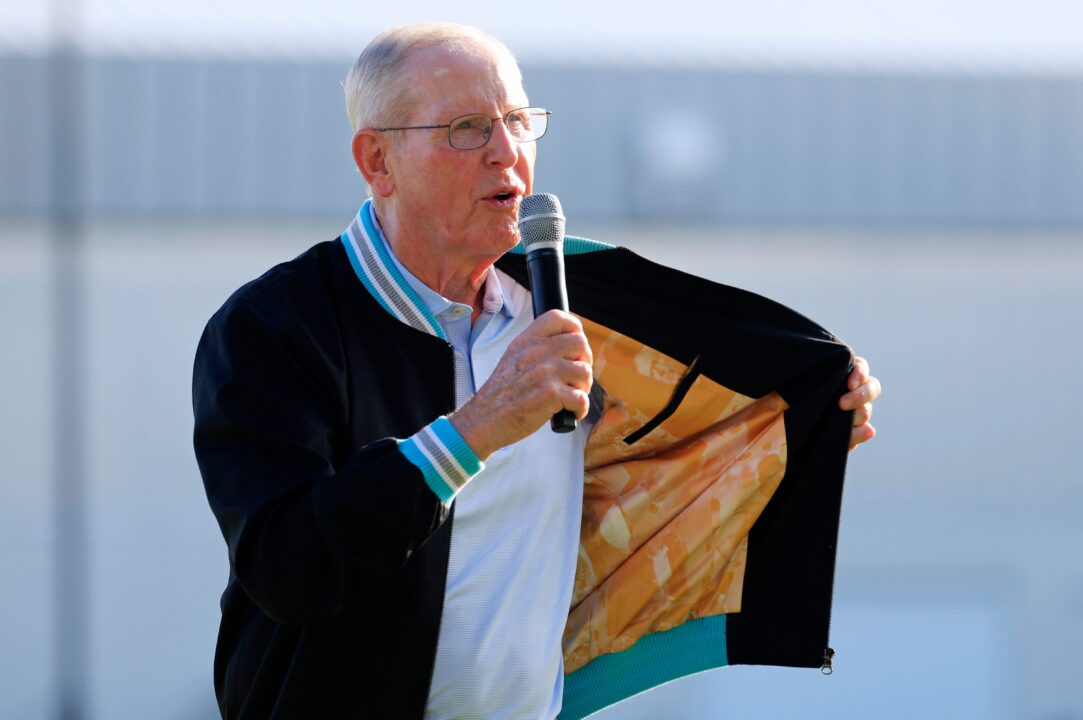
The decision about Belichick also delayed the Hall of Fame entry for other coaches like Mike Shanahan, Tom Coughlin, and Mike Holmgren. According to Peter King, “this decision has a major impact beyond just one year.” Belichick will be eligible again in 2027 and will likely dominate the discussion. This means more divided votes, delays, and frustration for other candidates. The Hall should recognize history, not create delays, but the process has only ensured more waiting and a repeat of the same debate.
The Kraft Cold War Reaches Canton
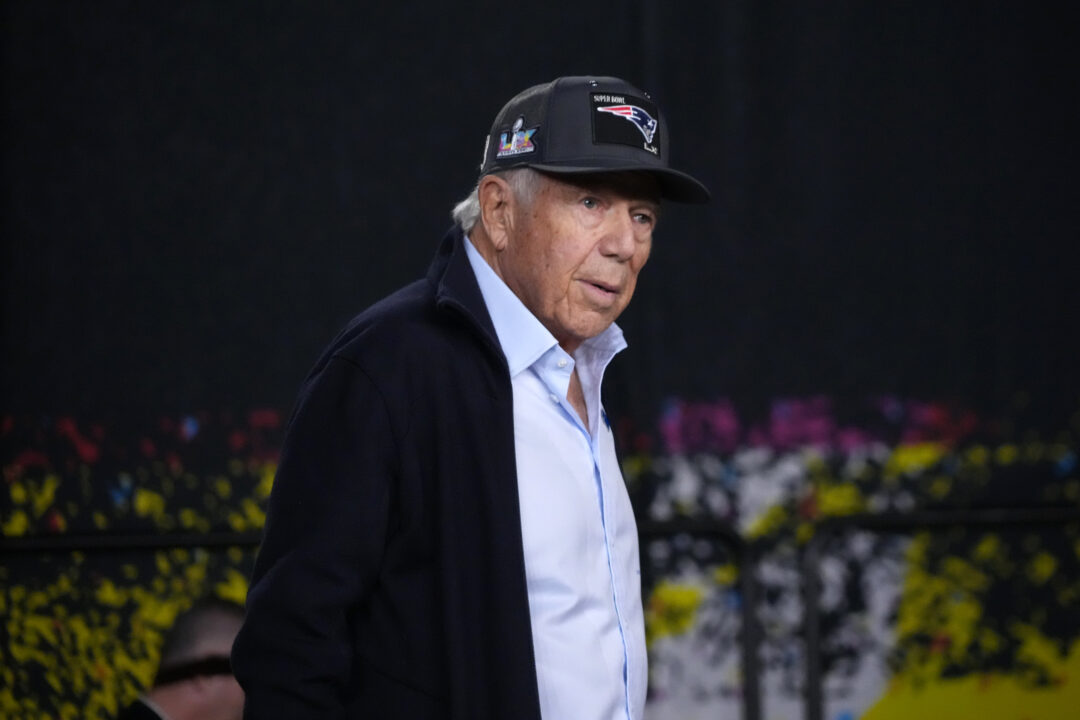
The vote was complicated by the personal feud between Belichick and former Patriots owner Robert Kraft, who are now enemies after their split in January 2024. Both were on the Hall ballot for the first time, and both were rejected. Kraft still called Belichick the greatest coach ever, but those words didn’t equal Hall of Fame votes. Their ongoing feud now involves the Hall of Fame, and it impacted the results. The system wasn’t designed for two people who built a dynasty to compete for limited spots. When personal feelings enter history, objective choices become more difficult.
When the League Itself Is Stunned
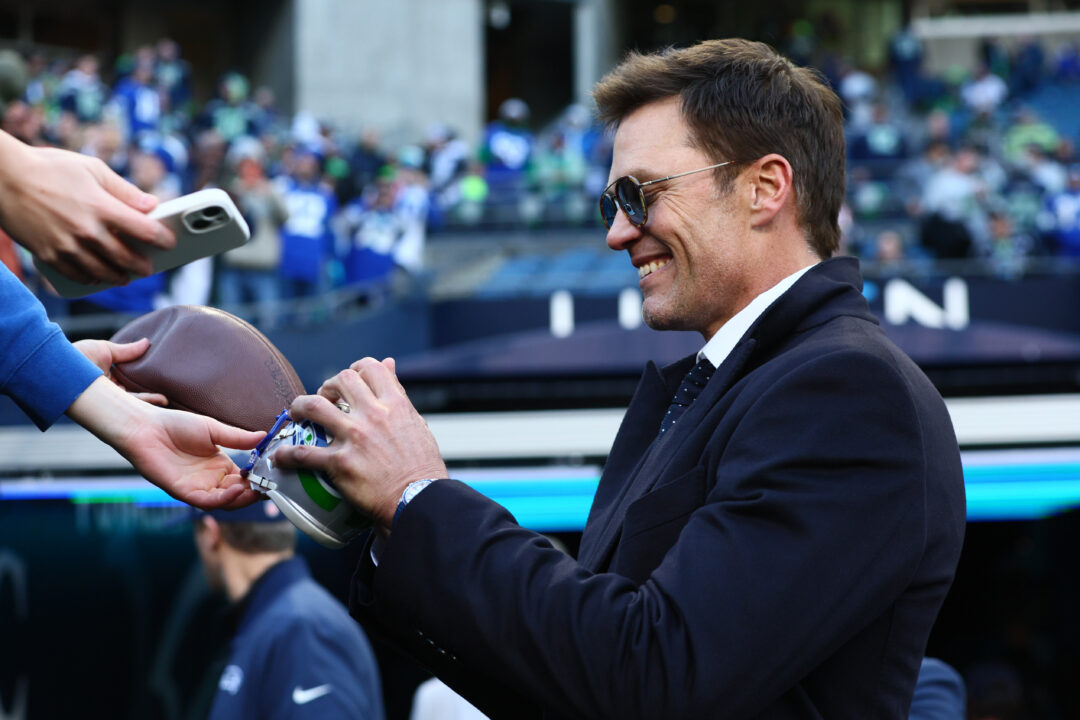
People immediately reacted strongly to the decision. Tom Brady was shocked, and Patrick Mahomes called it “insane.” J.J. Watt, Ryan Clark, and Pat McAfee also expressed disbelief. Peter King was completely surprised, saying, “I’m very, very surprised.” When current star players and longtime Hall of Fame voters question the decision, it suggests a problem with the Hall’s credibility. This confusion wasn’t just limited to Boston fans; it was felt across the league. The Hall’s authority relies on trust in its process, and this vote damaged that trust.
Why the Hall Is Already Changing the Rules
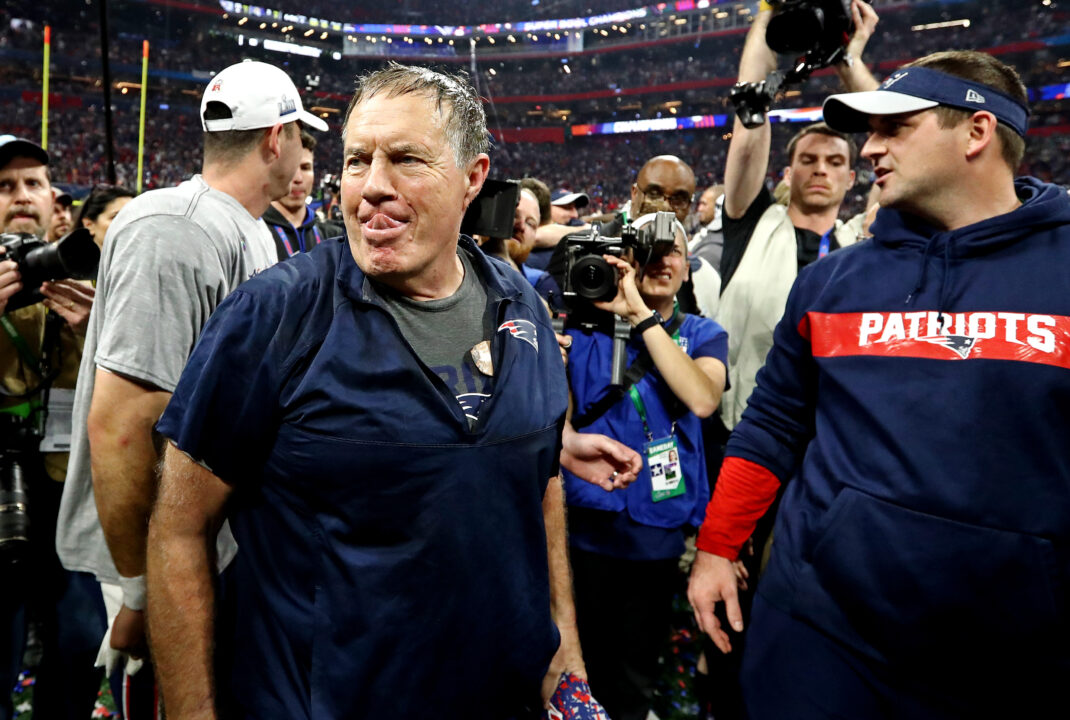
The Hall of Fame is reportedly planning major changes to its voting process soon, including committee size, membership, in-person voting, and possibly public ballots. These significant changes show the Hall acknowledges issues with its current system. Institutions only change systems when the process reveals unintended flaws. Belichick’s exclusion forced this realization. It’s ironic: the coach known for exploiting weaknesses inadvertently triggered reform by becoming a victim of one. It’s unclear if these changes will fix the problem or just move it, but the Hall clearly believes this vote exposed a defect.
Vindication or Consolation When Canton Finally Calls?
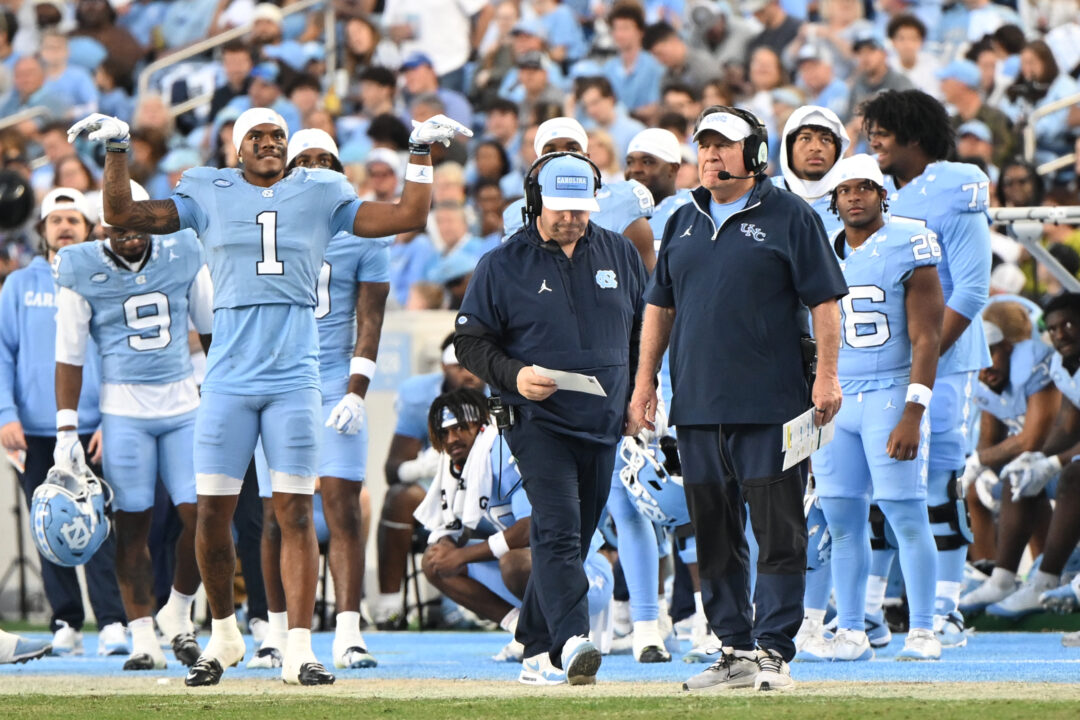
Belichick will get in. Almost everyone agrees on that. The real question is what the moment will mean when it finally happens. Will it feel like overdue justice or a procedural correction? Will Spygate still frame the conversation, or will the résumé reclaim center stage? The Hall had a chance to make this easy. Instead, it made it complicated. If eight Super Bowl wins and 333 victories don’t guarantee first-ballot entry, then the Hall isn’t just honoring greatness. It’s debating it. And that debate may end up defining Belichick’s legacy as much as the trophies ever did.
If you enjoyed this article please like and follow us here on MSN! Thank you for reading and have a great day!