
What happened to Parker Sutherland demands more than grief – it demands examination. An 18-year-old tight end, 6-foot-6 and 221 pounds, cleared to play and preparing for his second year at Northern Iowa, collapsed during what was described as a routine offseason workout on a Thursday morning. By Saturday, the university announced his death. The cause has not been publicly released, and there’s no official finding tying his passing to any specific condition or decision. The pattern is familiar enough to anyone who follows college football: young athlete, offseason conditioning, sudden collapse, and a sport once again forced to reckon with how much it really knows about the bodies it pushes to the edge.
A Roster Loss That Goes Deeper Than The Depth Chart
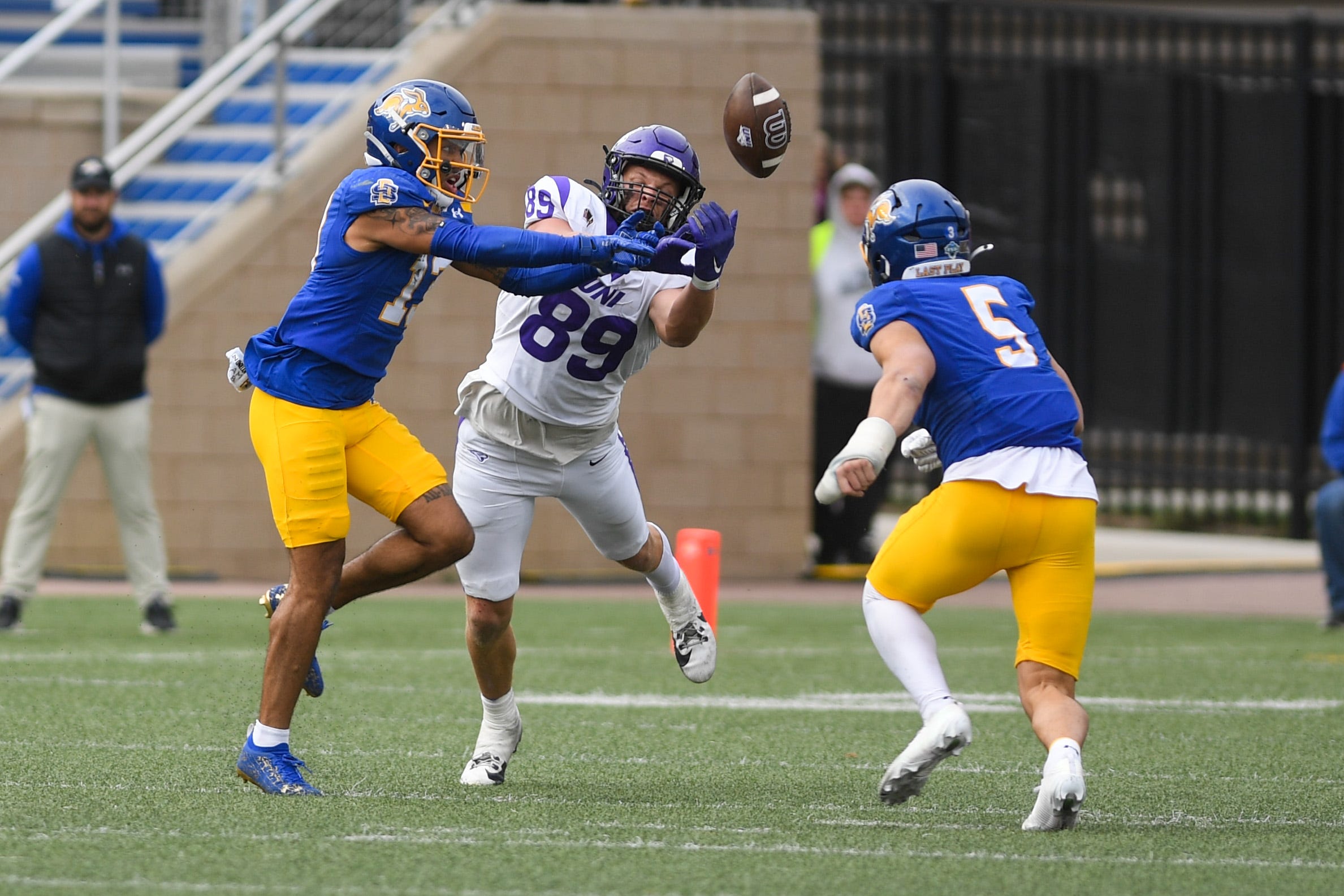
Northern Iowa Panthers tight end Parker Sutherland (89) goes for the catch during a game against South Dakota State Jackrabbits on Saturday, Oct. 11, 2025, at Dana J. Dykhouse Stadium in Brookings, South Dakota.
Parker Sutherland’s death wasn’t supposed to be the story this offseason. He was supposed to be the kind of quiet that builder programs like Northern Iowa are built on—a 6-foot-6 developmental tight end with real upside, a full year in the system, and the kind of multi-sport background from Iowa City High that coaches trust. UNI went 2–7 last season, and Sutherland was exactly the type of player head coach Todd Stepsis was counting on to help turn that around. Not a headline recruit, just a kid doing the work, earning respect, showing up every day with the humility and toughness that made Stepsis call him “everything we look for in a UNI Football Panther.” When athletic director Megan Franklin said the entire Panther family was “devastated,” it wasn’t corporate speak—it was the sound of a program trying to process the fact that someone who embodied what they were trying to build was suddenly gone.
Offseason Workouts: Where Oversight Gets Thin
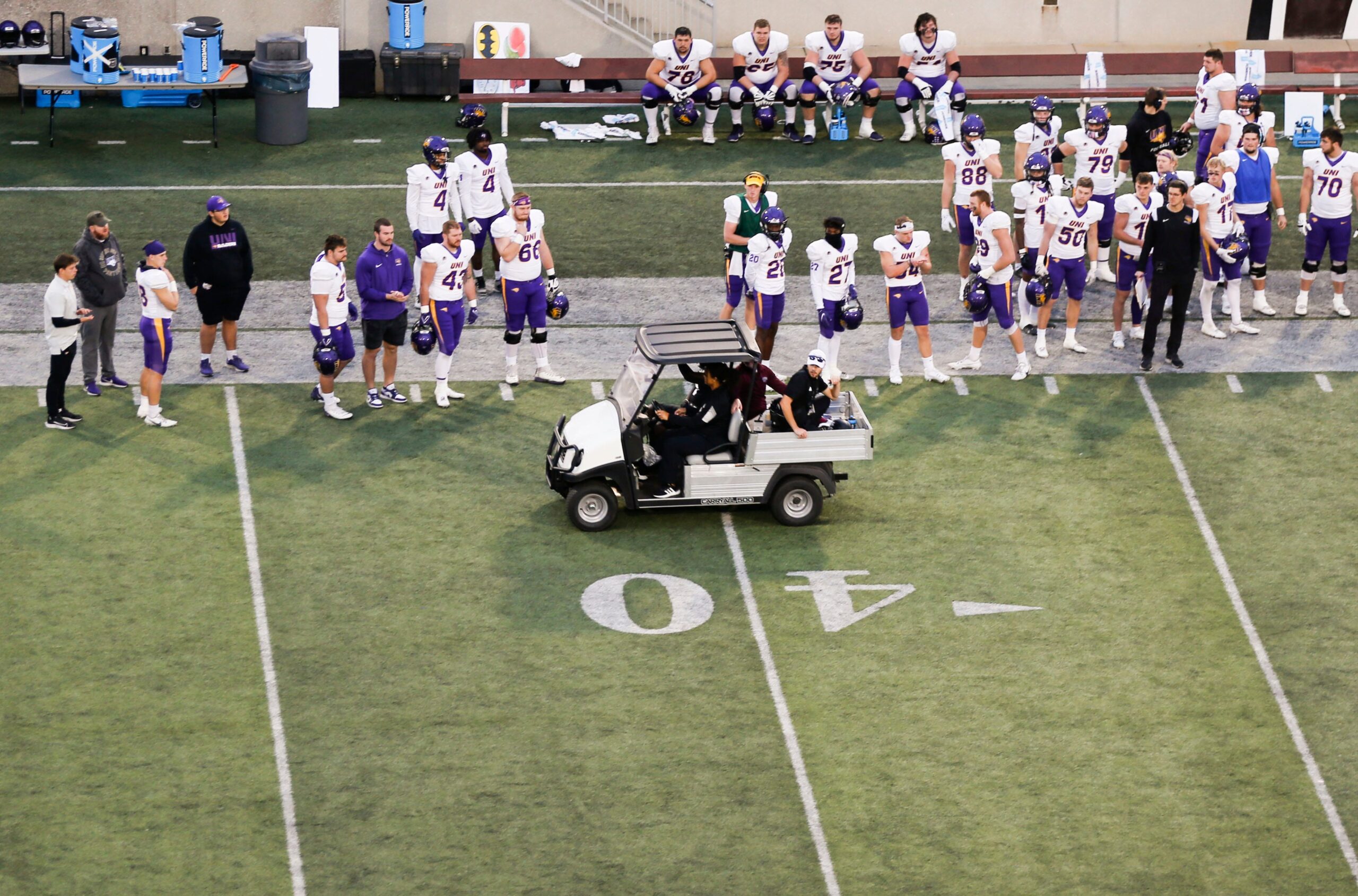
Missouri State’s Jacardia Wright (9) is carted off the field after an injury during a game against the University of Northern Iowa Panthers at Plaster Stadium on Saturday, Nov. 11, 2023.
There’s a reason this keeps happening during offseason conditioning and not during games. Gameday operations are heavily regulated: independent medical staff, concussion protocols, and return-to-play standards enforced by conferences and the NCAA. Offseason workouts exist in a grayer space—technically voluntary in many cases, culturally mandatory in practice, and often run with leaner staffing and fewer eyes watching. Across college football, that’s where some of the sport’s least-scrutinized habits still live: conditioning tests pushed hard, fatigue treated as something to coach through, and a baseline assumption that young athletes are resilient enough to handle whatever’s on the board.
“Cleared To Play” Doesn’t Mean What Fans Think It Means
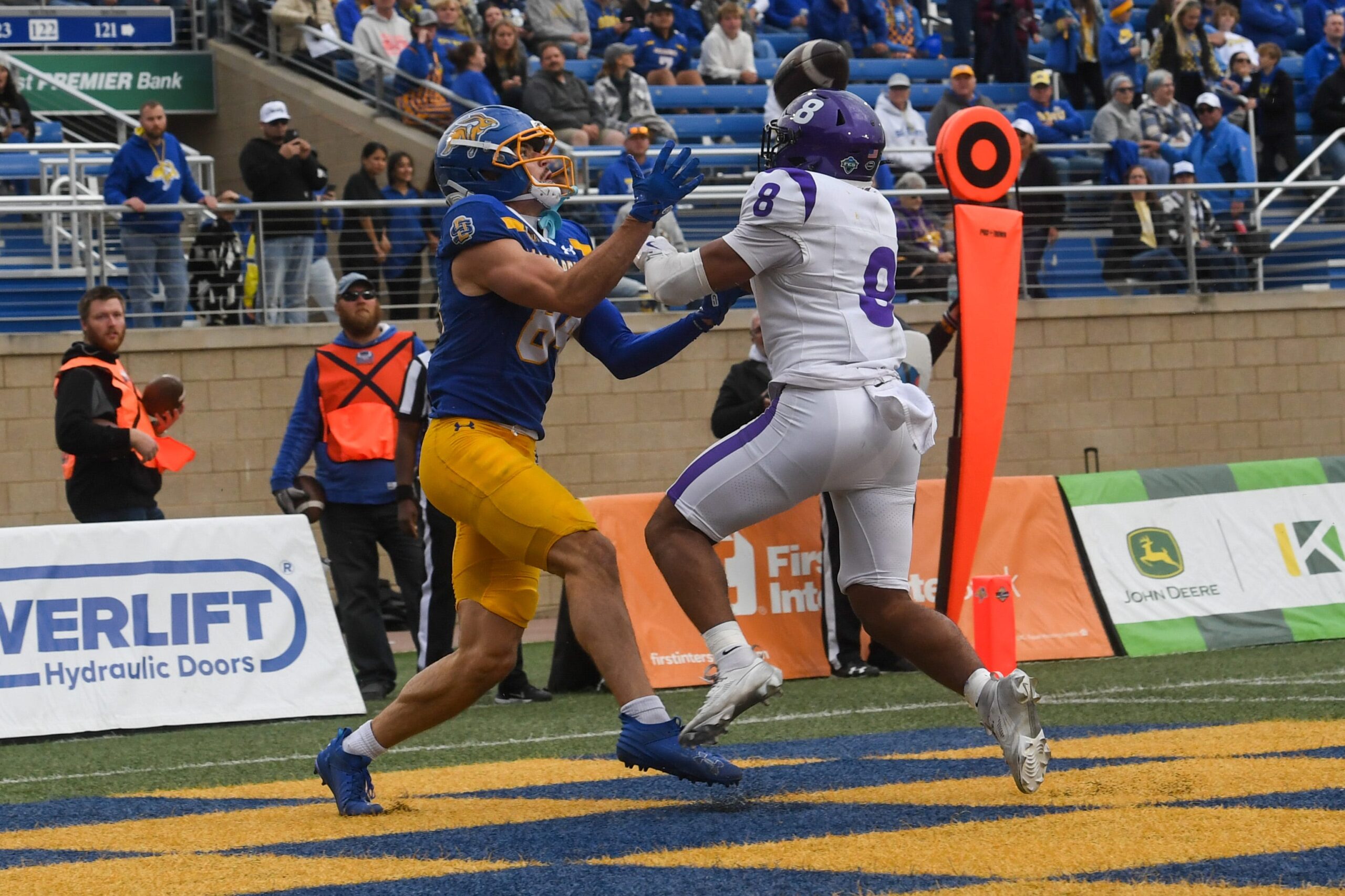
South Dakota State Jackrabbits wide receiver Alex Bullock (84) goes for the catch in the end zone during a game against Northern Iowa Panthers on Saturday, Oct. 11, 2025, at Dana J. Dykhouse Stadium in Brookings, South Dakota.
One of the most repeated phrases in the aftermath of any athlete’s death is, “He passed his physical.” It sounds reassuring; medically, it’s not nearly as comprehensive as people assume. Traditional pre-participation exams rely heavily on medical history questionnaires and basic physical exams, tools that research consistently shows catch fewer than a third of serious underlying cardiac conditions in athletes, and in some studies, as low as 9–20%. By contrast, adding a 12-lead electrocardiogram to the screening process pushes detection rates above 90%, with modern criteria achieving roughly 94% sensitivity and 93% specificity. The gap between those two approaches is enormous, and across college football, especially outside the Power Four, ECG-based screening is still far from universal.
Northern Iowa As Mirror, Not Villain
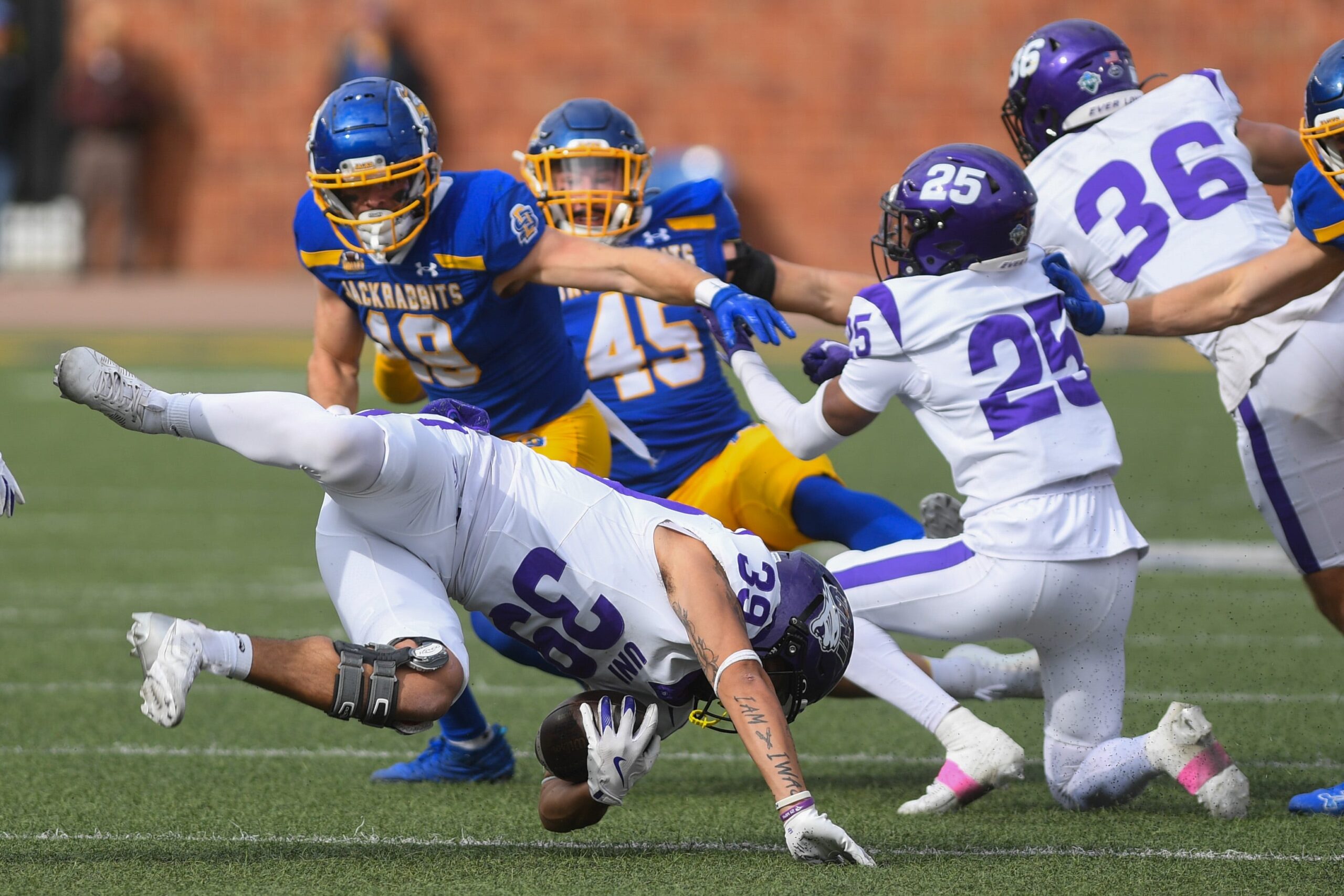
Northern Iowa Panthers running back Kaden Amigon-Suiter (39) tumbles during a game against Northern Iowa Panthers on Saturday, Oct. 11, 2025, at Dana J. Dykhouse Stadium in Brookings, South Dakota. Credit: Samantha Laurey / Argus Leader / USA TODAY NETWORK via Imagn Images
It would be easy to single out UNI as uniquely careless, but that would be unfair. Northern Iowa is exactly the kind of mid-major program that reflects how most of college football actually operates: enough resources to demand elite-level commitment from athletes, not always enough budget or institutional pressure to match the very top programs’ medical infrastructure. They have a new athletic director talking about a “bold new era,” a head coach selling culture and toughness, and now they’ve joined a list no school wants to be on, programs whose names are forever tied to a player dying after a workout. The uncomfortable truth is that UNI looks a lot like dozens of other schools across the FCS and Group of Five landscape, which is exactly why this story matters beyond one campus.
The Cardiac Risk Hiding In Plain Sight

Adam and Lisa Salberg at Superior Court, Morristown Img 1931 Credit: Peggy Wright/Daily Record -Imagn Images
From a football operations perspective, the heart has become as significant a roster risk as knees and shoulders—it just doesn’t show up on the injury report until it’s catastrophic. Hypertrophic cardiomyopathy affects roughly 1 in 500 people and is the leading cause of sudden cardiac death in young athletes, often producing no symptoms until extreme exertion triggers a crisis. Inherited electrical disorders can sit dormant through years of high school ball, then surface during a hard offseason push. Coaches obsess over hamstring loads and soft-tissue management, but the sport has been slower to treat cardiac risk with the same rigor, despite decades of data showing it’s the single most preventable cause of sudden death in young athletes.
The Other Half Of The Equation
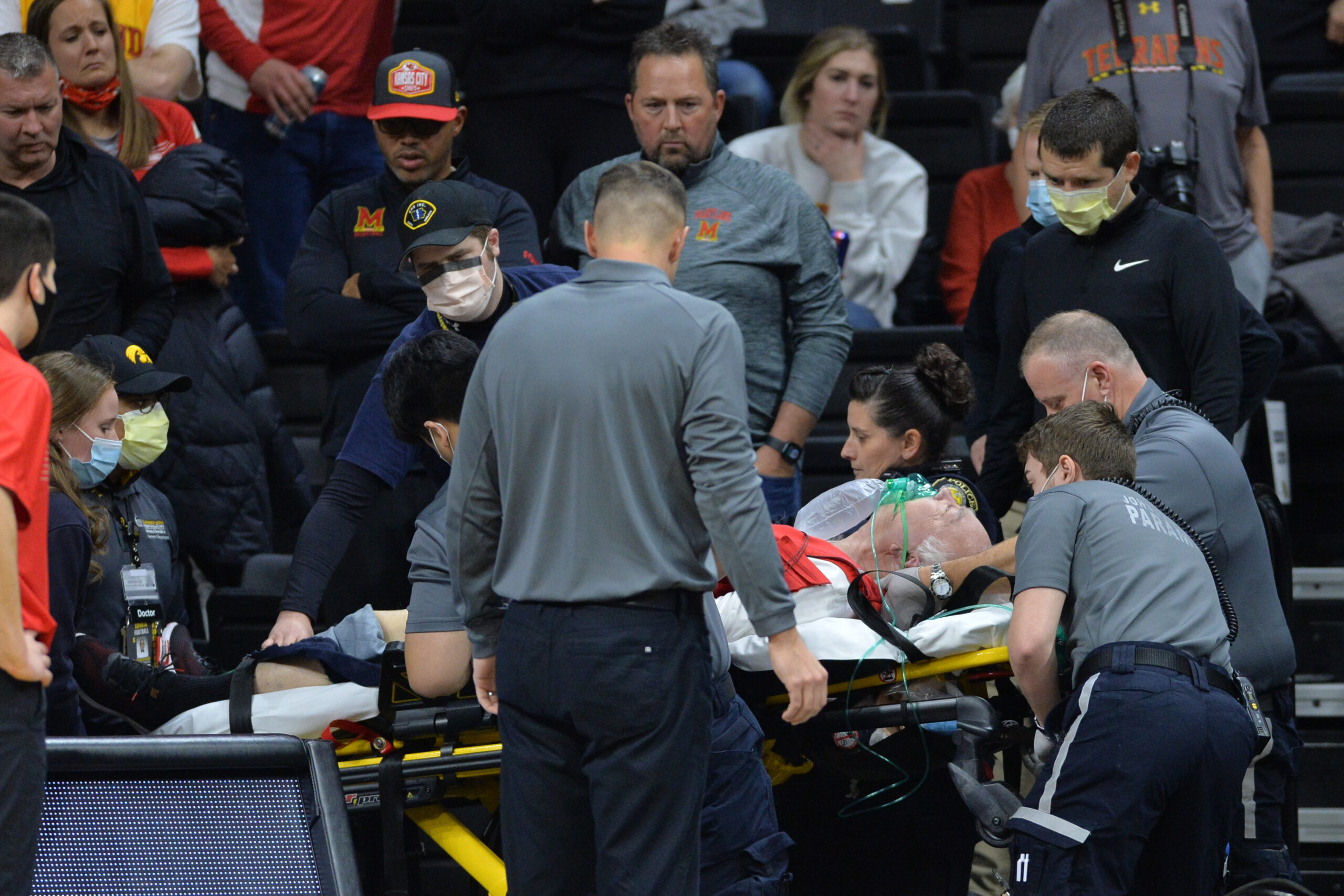
Jan 3, 2022; Iowa City, Iowa, USA; A fan is administered CPR and taken away on a stretcher during the game between the Iowa Hawkeyes and the Maryland Terrapins at Carver-Hawkeye Arena. Mandatory Credit: Jeffrey Becker-Imagn Images
Even when screening misses something, survival often comes down to the first three minutes. Research on sudden cardiac arrest in athletes is clear: every minute without defibrillation drops survival by roughly 7–10%, which is why best-practice protocols demand CPR within one minute and an AED shock within two to three. When that happens—when someone recognizes what’s unfolding, starts compressions, and has an AED within arm’s reach—survival rates can hit 80–90%. When it doesn’t, you get obituaries for teenagers. That’s not fate. That’s preparation. Emergency action plans, rehearsed protocols, and AEDs mounted in every practice space aren’t medical luxuries, they’re football infrastructure, as essential as any piece of equipment on the field.
The Competitive Reality Of Doing This Right
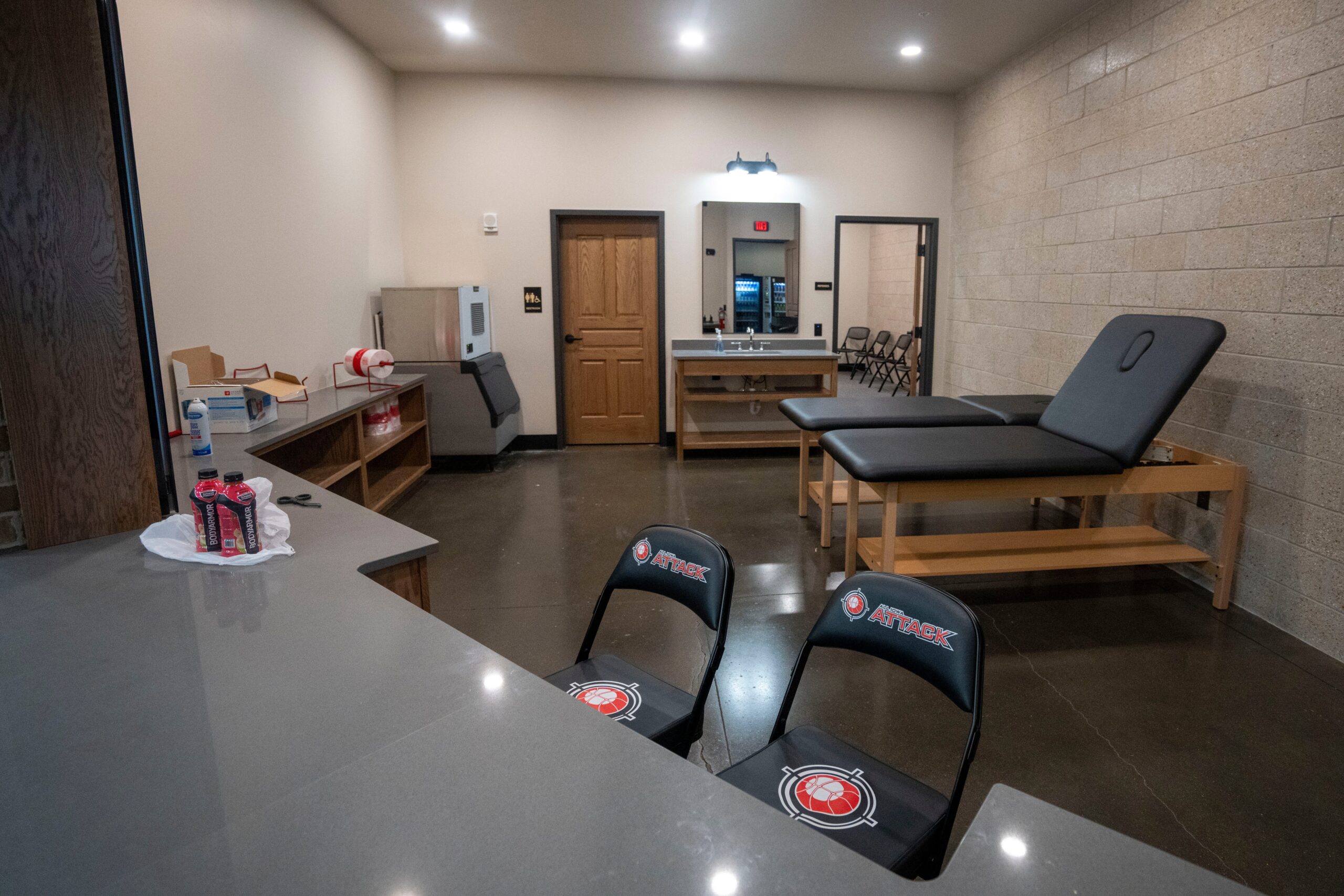
A sports medicine area with referee locker rooms at Kettlestone Central Sports Complex on May 15, 2025, in Waukee. Credit: Lily Smith/The Register / USA TODAY NETWORK via Imagn
For the biggest programs, comprehensive cardiac screening and detailed emergency action plans are already standard, not just because it’s the right thing to do, but because losing a key player can wreck an entire season. Elite programs treat sports medicine like an arms race: regular ECGs, full-time cardiology consults, and athletic training staff that could rival those of small hospitals. Mid-majors and FCS schools don’t always have the same resources, but they do have access to the same guidelines, the same consensus statements from the NCAA and medical task forces, and the same responsibility. In a sport that preaches accountability and attention to detail, protecting players with real medical infrastructure isn’t a luxury; it’s foundational.
The Questions That Never Leave A Locker Room
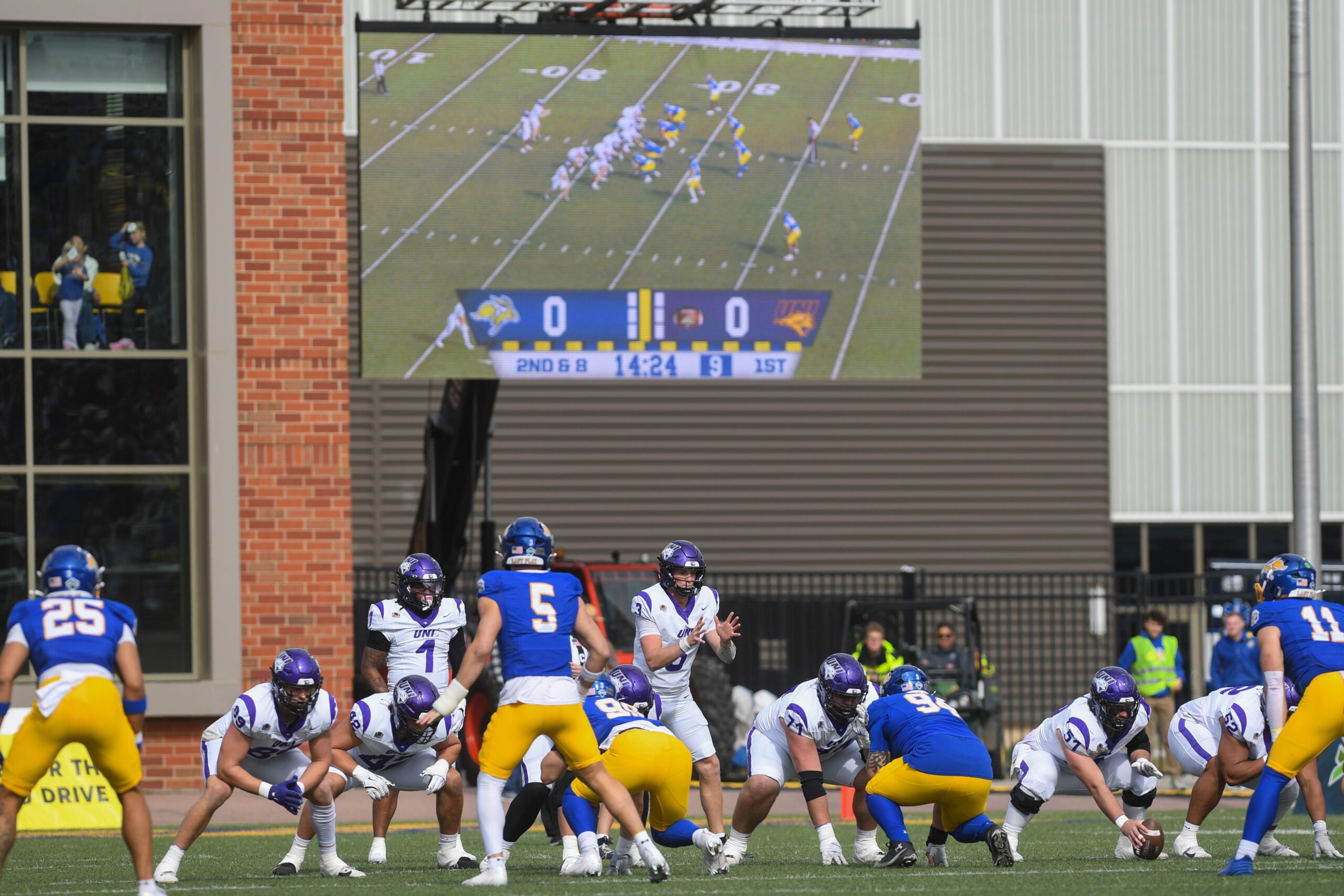
South Dakota State Jackrabbits and Northern Iowa Panthers start off the play on Saturday, Oct. 11, 2025, at Dana J. Dykhouse Stadium in Brookings, South Dakota. Credit: Samantha Laurey / Argus Leader / USA TODAY NETWORK via Imagn Images
For the players who suited up next to Sutherland, the hardest part isn’t just processing the loss; it’s living with the questions that don’t have clean answers. Was there any sign anyone could have caught? Could one different decision, one additional test, one faster response have changed the outcome? Those questions echo in every weight room where tragedy has struck, and they’re part of the reason more players and parents are quietly asking tougher questions during recruiting visits. It’s not just, “What’s my role in the offense?” It’s, “What happens here if something goes really wrong?” For UNI’s roster heading into spring ball, that’s no longer hypothetical. It’s the reality they’ll carry into every drill.
College Football Knows What Works—It Just Doesn’t Always Do It
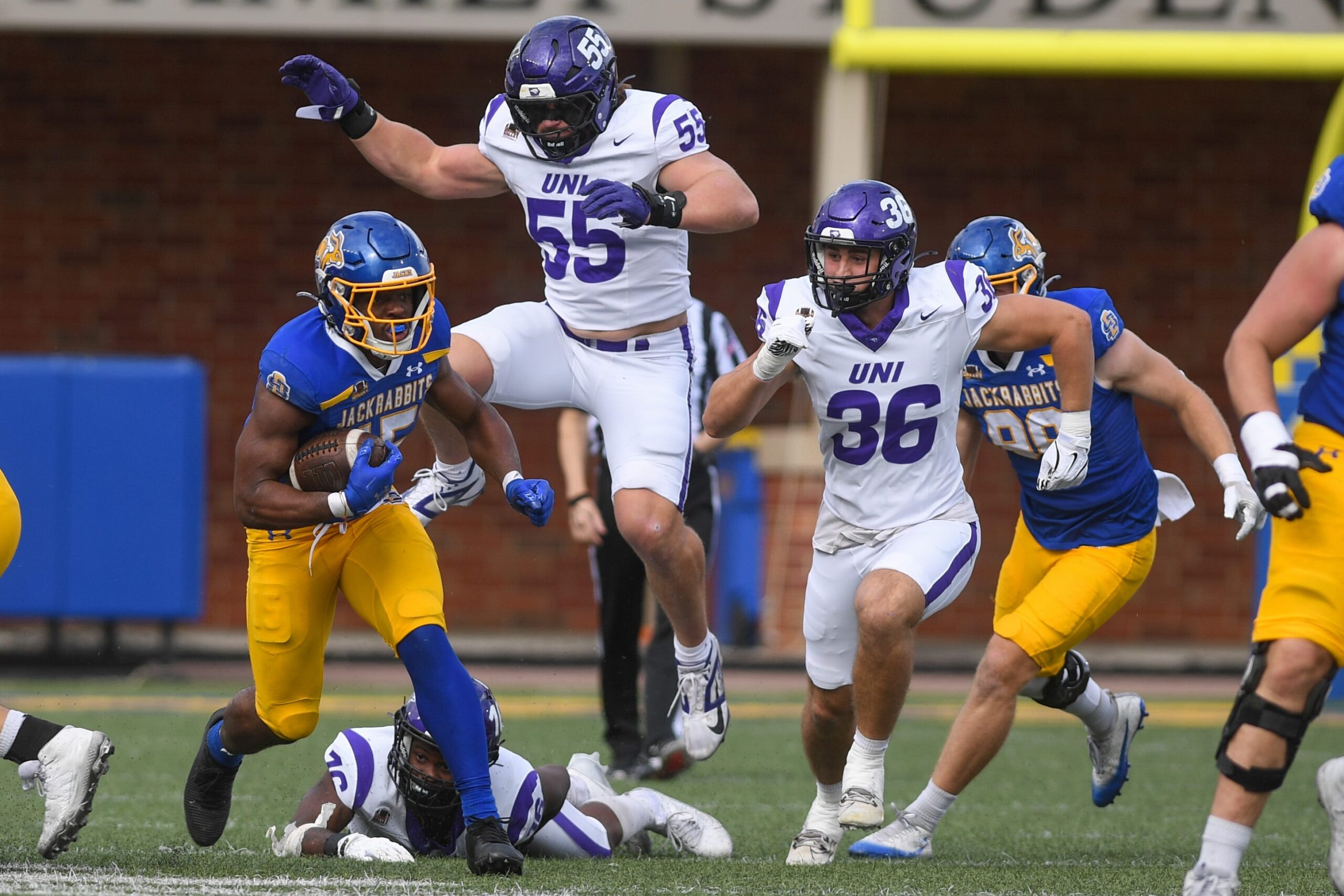
South Dakota State Jackrabbits running back Julius Loughridge (15) runs with the ball during a game against Northern Iowa Panthers on Saturday, Oct. 11, 2025, at Dana J. Dykhouse Stadium in Brookings, South Dakota. Credit: Samantha Laurey / Argus Leader / USA TODAY NETWORK via Imagn Images
You can’t talk about Parker Sutherland purely as a football asset lost, and you shouldn’t. But on a football analysis page, you also can’t ignore what his death reveals about the sport’s priorities and pace of change. College football has access to the research, case studies, consensus guidelines, and technology to dramatically reduce the odds of this happening again. What it doesn’t always have is the urgency, funding, or accountability structure to ensure those tools are actually deployed consistently across hundreds of programs with wildly different resources. Sutherland’s death should be a line-in-the-sand moment—a reminder that “routine workout” cannot mean “we hope nothing goes wrong today,” and that the game owes its players a continued, relentless push to close the gap between what’s known and what’s done. For all the talk about toughness and sacrifice, the most basic duty the sport has is this: that a kid who walks into a morning workout has every possible safeguard in place to walk back out.
If you enjoyed this article please like and follow us here on MSN! Thank you for reading and have a great day!
Sources:
The effectiveness of screening history, physical exam, and ECG to detect potentially lethal cardiac disorders in athletes – British Journal of Sports Medicine
Cardiac screening in athletes: benefits and potential challenges – British Journal of Cardiology
Cardiac screening to prevent sudden death in young athletes – Translational Pediatrics
Pre-participation screening in the young competitive athlete: International recommendations and controversies – BC Medical Journal
What is more important: defibrillation or compression? – Journal of Thoracic Disease
Why speed matters in sudden cardiac arrest: the golden 3 minutes – Defibshop/Defib Supplies (clinical summary of SCA timing data)