
The NFL used to be simple. A single cable bundle brought fans every game, all in one place. Today, following every regular-season match requires juggling 10 separate platforms and paying roughly $750 a year. A Forbes analysis shows this shift hits wallets and routines alike. Networks and streaming services now dictate how fans watch, framing it as choice and flexibility. For many, it feels like a toll on tradition. Understanding how this landscape became so fractured starts with tracing the league’s new media strategy.
How NFL Sunday Viewing Fragmented
Under its 11-year media deal, the NFL divided exclusive rights across partners. Thursday Night Football airs on Amazon Prime Video, Christmas games moved to Netflix, and Sunday Ticket now sits in YouTube’s streaming bundle. CBS, Fox, NBC, and ESPN still carry weekly windows. According to Awful Announcing in February, Wall Street anticipates new five-game packages for Netflix, Amazon, and YouTube on top of that. What was once a straightforward schedule now feels like a multi-app scavenger hunt, with fans chasing content across screens and apps every week.
“The Landscape Is Changing”
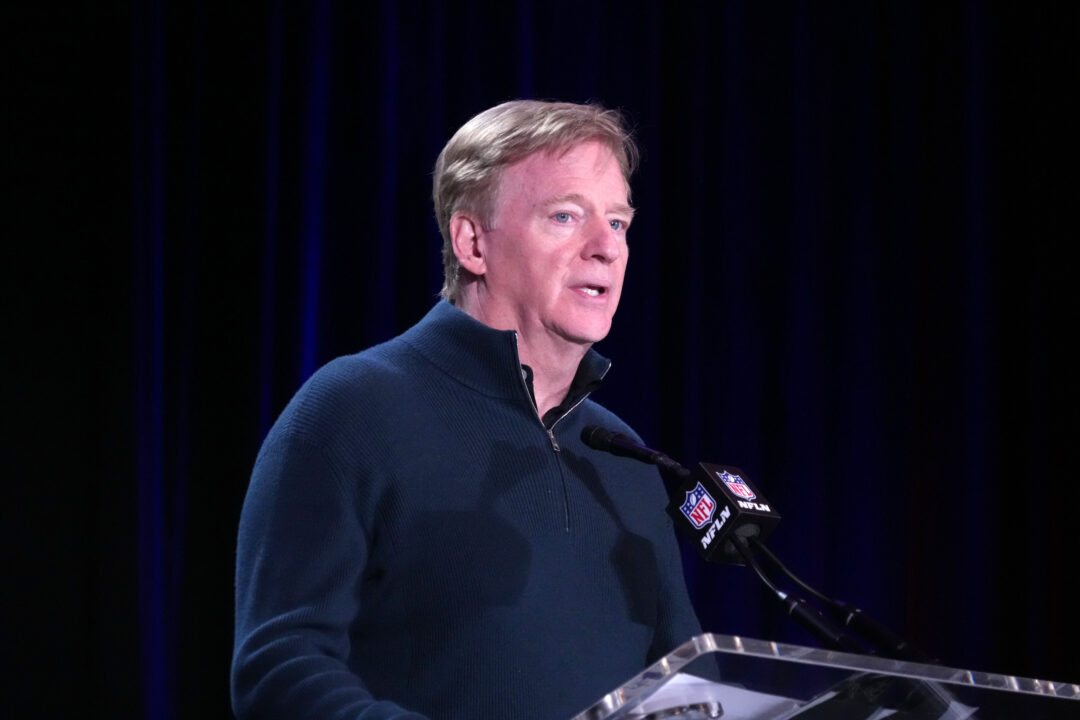
When asked why the NFL seeks early options for new media deals, Commissioner Roger Goodell explained, “The reason why we felt so strongly about the option is the landscape is changing.” Speaking to CNBC in late September, he added that things “change so quickly” and the league wants “the ability to move.” Framed as flexibility to keep up with trends, the reasoning seems logical. Yet the question remains: who or what exactly reshaped the viewing landscape the league now describes as rapidly evolving? This points toward deliberate strategic shifts.
The League That Engineered Complexity
The NFL’s “changing landscape” is self-created. In 2021, the league signed its $111 billion, 11-year media deal, moved Thursday nights off broadcast, steered Christmas games to Netflix, and planned Sunday Ticket’s full digital transition. Awful Announcing reported that the next step could shift up to 15 games per season to streaming-only packages, though six of those already air on streaming platforms. This was not a market drift but a calculated strategy. Fans already see the impact in their monthly statements. The league’s design of distribution highlights growing costs and complexity that affect viewers long before new deals are discussed.
How The $750 Annual Cost Builds Up
The $750 annual price comes from multiple subscriptions, not guessing. The Forbes analysis shows fans chasing every NFL game must access 10 platforms. Sports streaming averages $88 a month, compared with $64 for non-sports viewers, according to industry research by InterDigital. Cable downgrades only partially offset these costs. Even paying this premium, the viewing experience is fragmented and inconvenient. Fans are required to track schedules across apps and accounts, making the weekly routine less about enjoyment and more about logistical planning. This leaves many questioning whether modern “flexibility” is worth the cost.
“You Have To Sign Up For 1,200 Services”
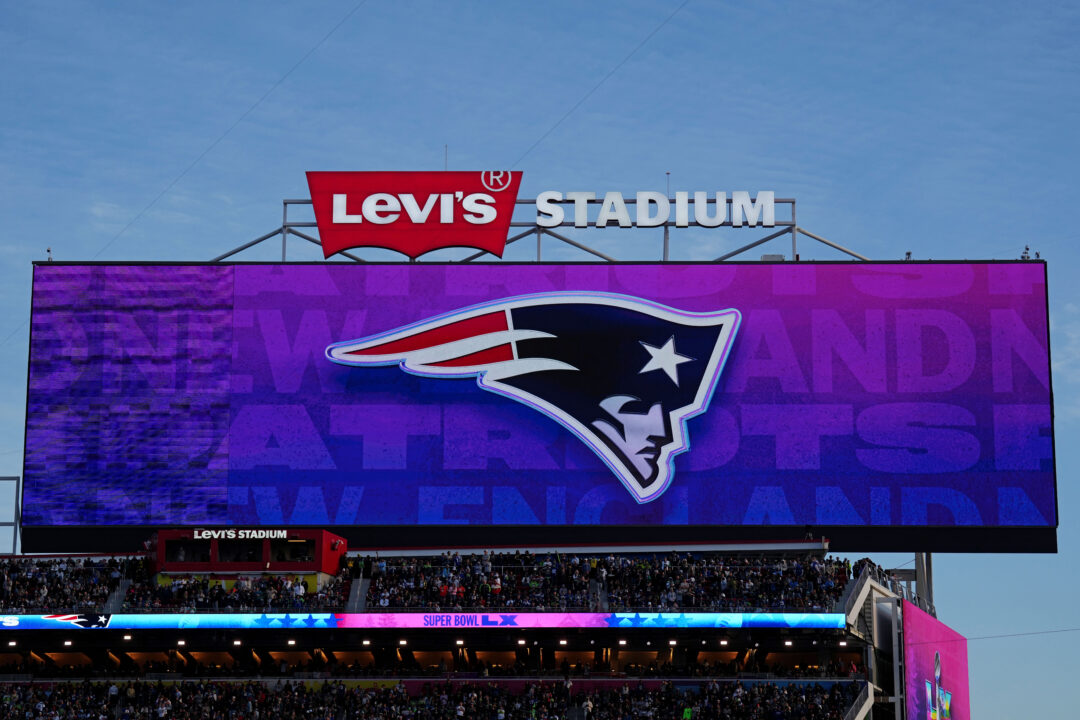
Tech executives are noticing the strain. Apple services chief Eddy Cue warned in mid-October that sports streaming has become so fractured, “you have to sign up for 1,200 subscriptions” just to follow content. Cue argued leagues should push partners to reduce blackouts and offer bundled access, limiting platform roulette. The NFL, however, continues with this model. When someone selling streaming calls the system “broken for fans,” the warning is clear. Despite warnings from industry leaders, fragmentation grows, leaving viewers navigating a maze of subscriptions just to watch the games they care about most.
Record Ratings Strengthen The NFL’s Position
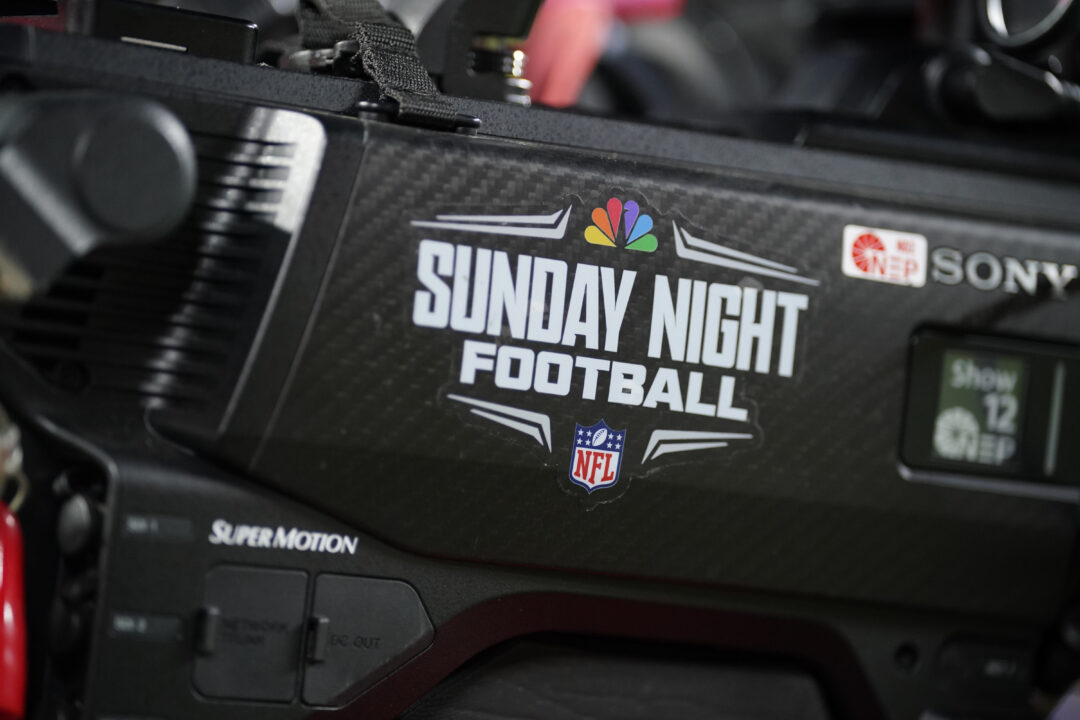
Fragmentation has not dented demand. Nielsen data, cited by Forbes, shows NFL games accounted for 72 of the 100 most-watched U.S. broadcasts in 2024, with average regular-season audiences above 17 million. Sunday Night Football set a prime-time franchise record, NBC Sports reported. High ratings increase the league’s leverage to negotiate higher media fees, potentially doubling annual payments from $10 billion to $20 billion. Fans face rising costs while the NFL strengthens its position. The combination of ratings dominance and multi-platform expansion explains why the league feels urgency in renegotiating contracts sooner than planned.
Early Negotiations On The Horizon
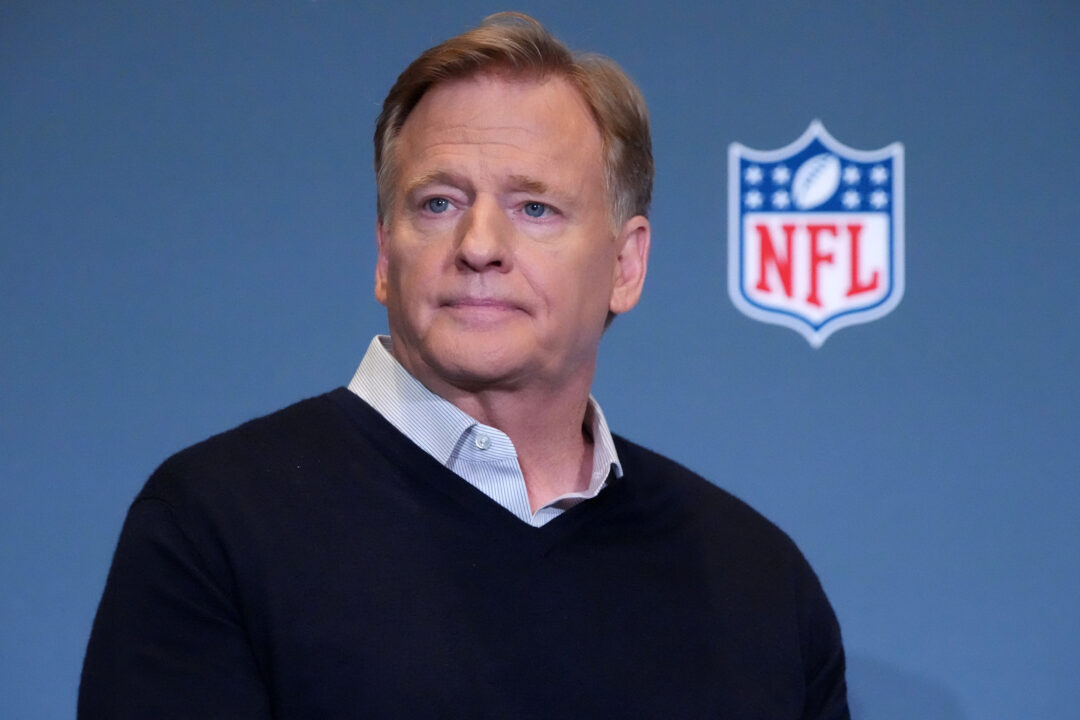
The current media deal runs into the early 2030s with an opt-out window near decade’s end. Goodell told CNBC the league “could” begin talks as early as next year, three years sooner than expected. He said early-move options “are going to give us a lot of flexibility to potentially go earlier.” Leveraging record ratings and the ongoing streaming arms race benefits the league strategically. Yet for fans, the rush to renegotiate adds pressure to already high subscription costs. This situation raises questions about how accessible NFL content will remain for households already paying more.
Paying More Without Simplicity
Fans now pay a premium but rarely get a simple solution. The Forbes analysis shows spending more than $750 per season grants access, not certainty. Single services cannot reliably deliver every game, forcing viewers to share passwords or skip matchups. The NFL promotes reaching new demographics via multiple platforms, but the reality is a complicated ecosystem. Each year brings more apps and carve-outs, making navigation harder rather than easier. Understanding what might realistically improve the system requires examining alternatives outside the NFL’s current strategy, where consolidation has proved effective elsewhere in sports.
Can The Fragmented Model Be Fixed?
Alternatives exist, according to insiders. Cue suggested leagues could “provide a better experience” by bundling games across platforms rather than scattering them. Major League Soccer offers every match on a single Apple TV package, demonstrating consolidation works. The NFL, however, is pursuing expansion into more platforms, creating carve-outs, and maximizing leverage. Until the league reverses course, fans face the same consequence: higher annual costs for the same access. For now, the so-called “changing landscape” signals one outcome clearly—more fragmentation, more subscriptions, and less predictability for viewers trying to keep up.
If you enjoyed this article please like and follow us here on MSN! Thank you for reading and have a great day!
Sources:
Apple’s Eddy Cue admits sports streaming fragmentation has gone too far. Fortune, October 16, 2025
NFL Commissioner Roger Goodell says league could renegotiate TV rights deals early. CNBC, September 24, 2025
Amazon, YouTube, Netflix ‘likely’ to get 5-game packages in next wave of NFL deals. Awful Announcing, February 19, 2026
Apple SVP Eddy Cue wants to reinvent sports streaming, says it is broken for fans. AppleInsider, October 16, 2025