

Two offseasons. Nearly identical budgets. The Seahawks spent roughly $57–$59 million on free agents in 2024 and 2025—close enough to call it a wash. But in 2024, the team missed the playoffs entirely. 2025 delivered a Super Bowl champion that crushed New England 29–13 for the franchise’s second ring. The spending didn’t change. The roster philosophy did. And that difference cost Seattle a year they’ll never get back.
The One-Year Trap
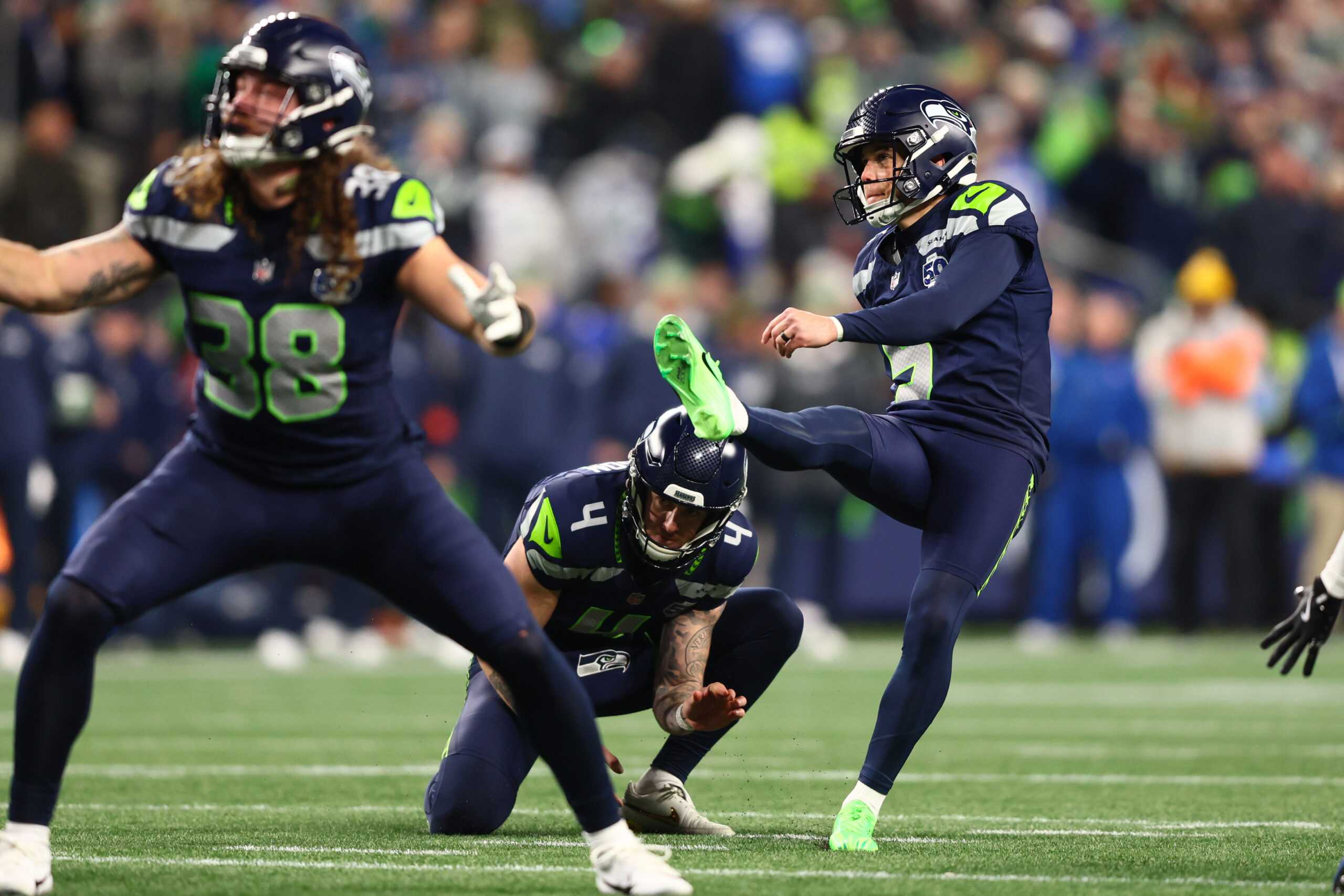
Jan 25, 2026; Seattle, WA, USA; Seattle Seahawks place kicker Jason Myers (5) kicks a field goal against the Los Angeles Rams during the second half in the 2026 NFC Championship Game at Lumen Field. Mandatory Credit: Kevin Ng-Imagn Images
In 2024, Seattle entered the draft with veterans locked into every position. Sounds smart, right? Wrong. The front office burned cap space on one-year deals to “fill gaps”—aging players on short contracts, eating snaps that younger guys needed. The logic: stay competitive while rookies develop behind them. But the 2011 CBA killed that strategy. Practice time restrictions mean “develop behind them” is a fantasy with no real mechanism for making it work.
Buried Talent
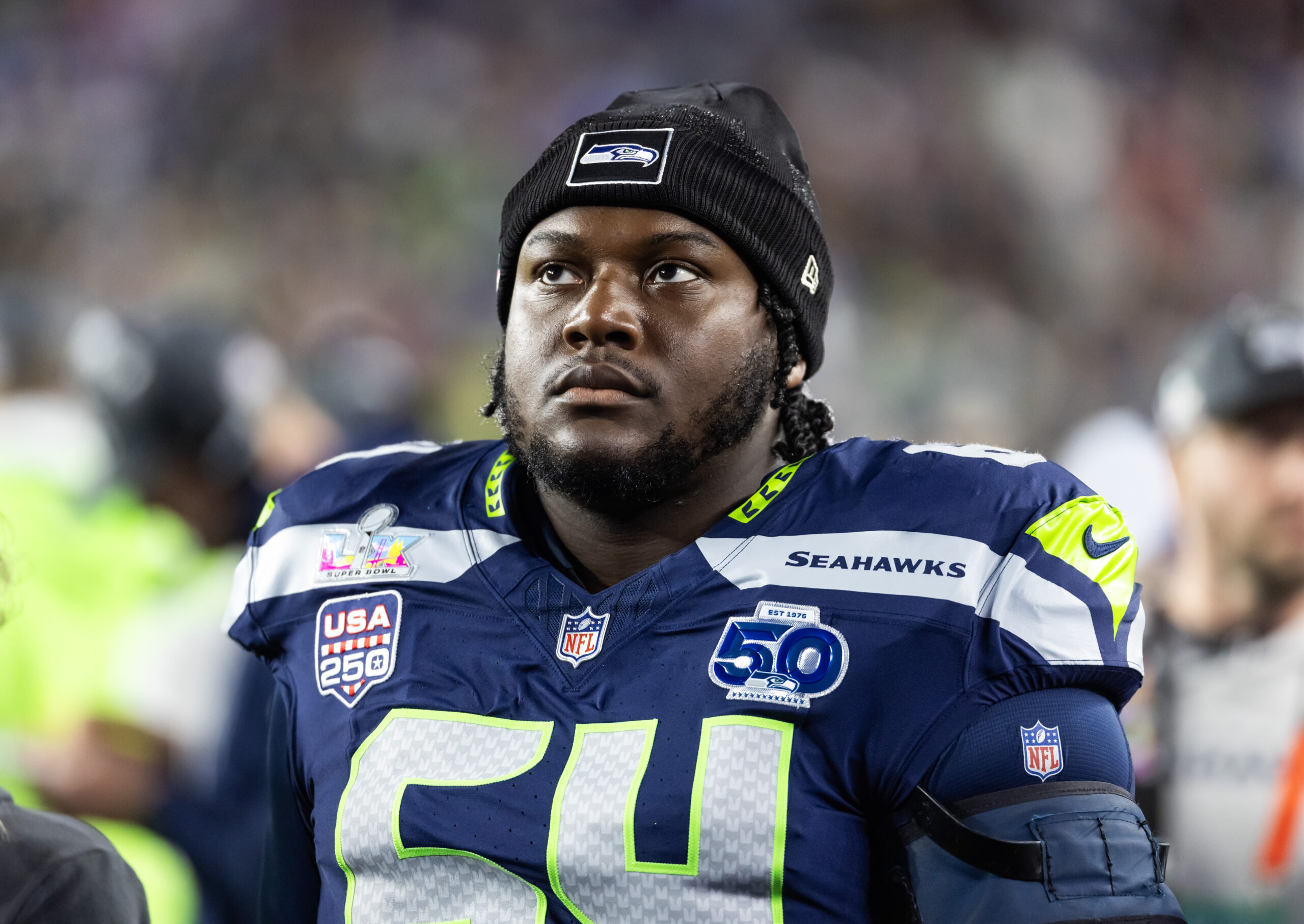
Feb 8, 2026; Santa Clara, CA, USA; Seattle Seahawks guard Christian Haynes (64) against the New England Patriots during Super Bowl LX at Levi’s Stadium. Mandatory Credit: Mark J. Rebilas-Imagn Images
Laken Tomlinson signed a one-year, $1.21 million deal in 2024 at age 32 to play left guard. He wasn’t Seattle’s future. Meanwhile, third-round pick Christian Haynes—a pure right guard—logged just 167 snaps as a rookie. Sure, they played different positions, but the pattern held across the roster: veteran starters limited young players’ development opportunities. The CBA’s practice restrictions made it nearly impossible for rookies buried on the depth chart to close that gap.
The Pivot That Changed Everything
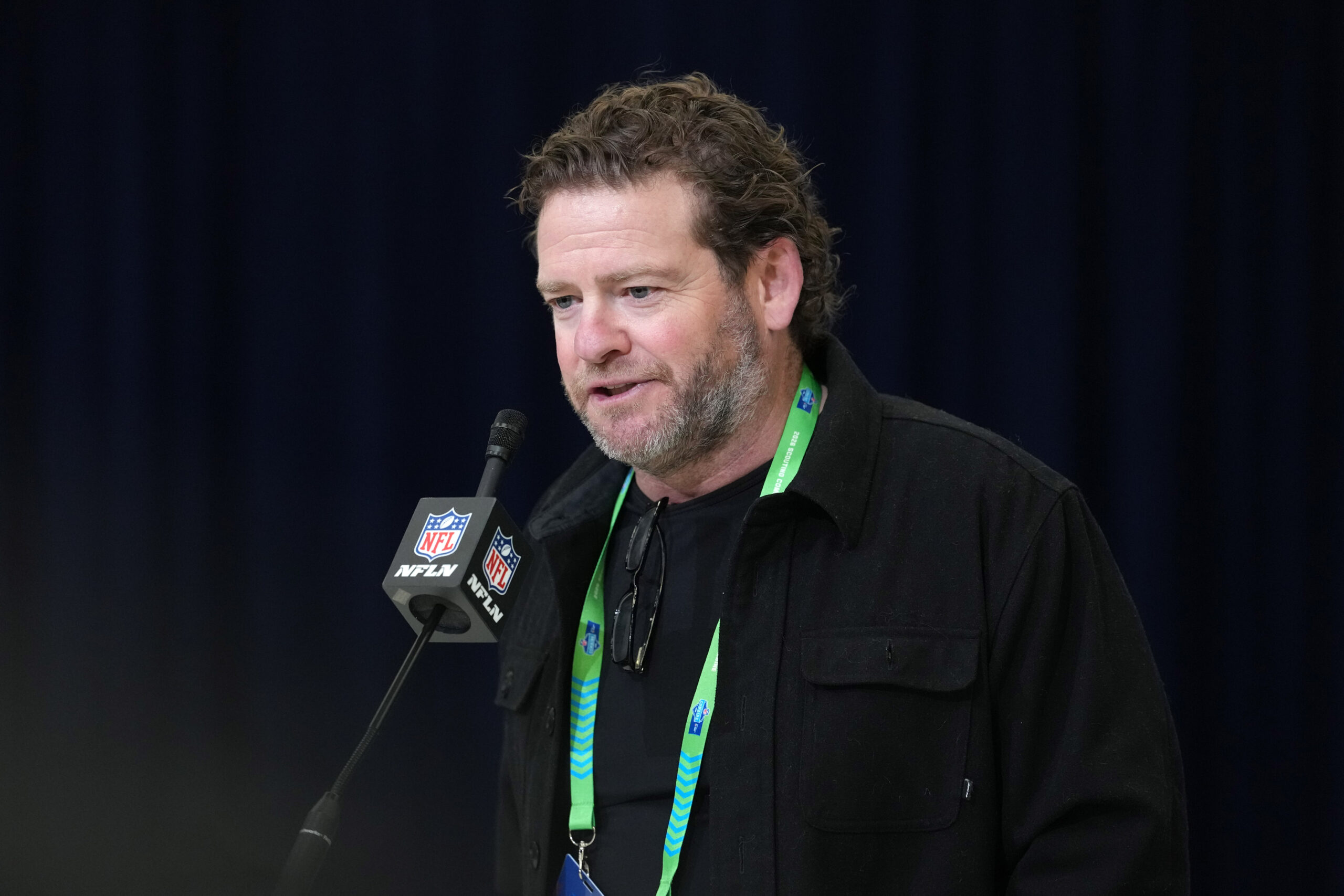
Feb 24, 2026; Indianapolis, IN, USA; Seattle Seahawks general manager John Schneider speaks at the NFL Scouting Combine at the Indiana Convention Center. Mandatory Credit: Kirby Lee-Imagn Images
In 2025, GM John Schneider flipped the script. Sam Darnold got a three-year, $100.5 million deal. Cooper Kupp signed a three-year, $45 million contract. DeMarcus Lawrence is locked in a three-year deal worth up to $42 million. The multi-year commitment volume dwarfed recent history. Then Seattle won Super Bowl LX, 29–13 over the Patriots. Same budget. Different architecture. Championship. That’s not luck—it’s proof that contract structure, not spending volume, builds winners.
The CBA’s Hidden Penalty
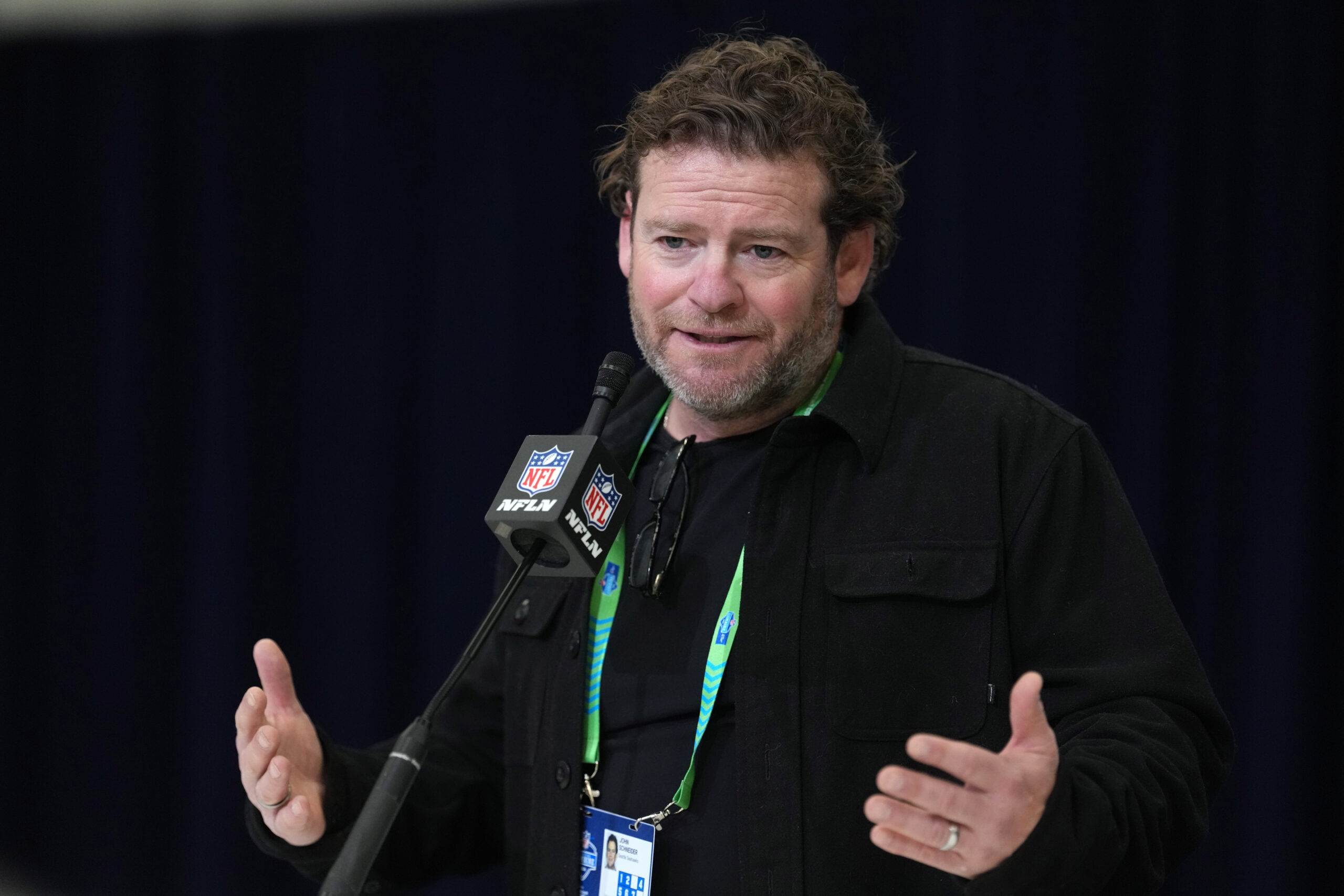
Feb 24, 2026; Indianapolis, IN, USA; Seattle Seahawks general manager John Schneider speaks at the NFL Scouting Combine at the Indiana Convention Center. Mandatory Credit: Kirby Lee-Imagn Images
The 2011 CBA changed how cap space works, and most teams still haven’t figured it out. Before 2011, one-year veteran deals were efficient—young players developed through practice while vets held roster spots. After 2011, practice restrictions and the rookie wage scale flipped it. One-year vets became development blockers. Schneider learned his trade in Green Bay before the CBA existed. He ran a pre-2011 playbook in a post-2011 world, and it took a missed playoff season to expose it.
Follow the Money
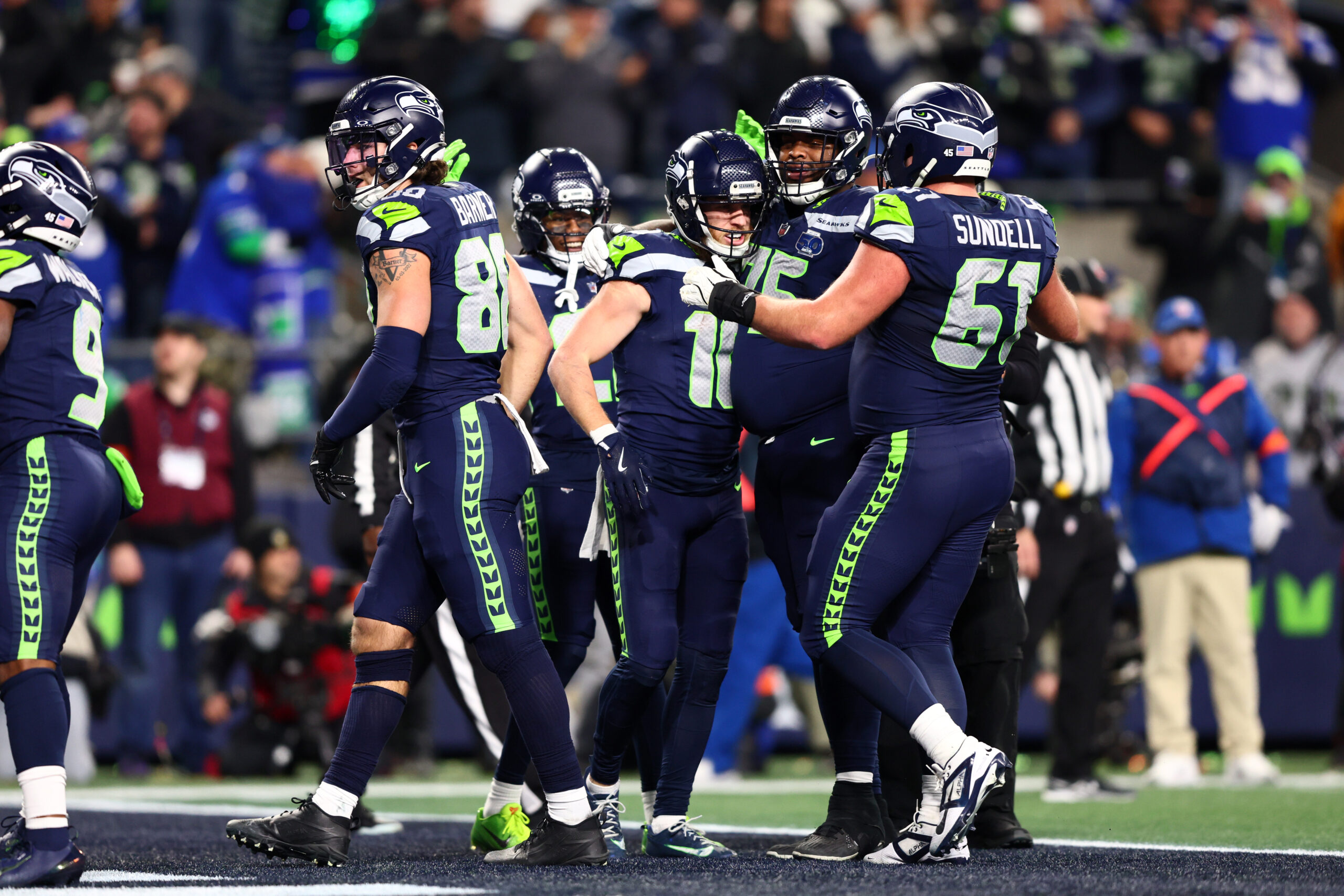
Jan 25, 2026; Seattle, WA, USA; Seattle Seahawks wide receiver Cooper Kupp (10) celebrates with teammates after scoring a touchdown against the Los Angeles Rams during the second half in the 2026 NFC Championship Game at Lumen Field. Mandatory Credit: Kevin Ng-Imagn Images
The NFL salary cap sat around $120 million when the 2011 CBA launched. By 2013, it hit $123 million. By 2016, $155 million—fueled by massive broadcast deals. The acceleration continued: $255 million in 2024, $279 million in 2025. That rising cap didn’t just boost player salaries. It reshaped how cap space functions. Teams burning money on one-year veterans were wasting dollars that the CBA had already made more valuable as long-term roster-building currency.
The Real Cost
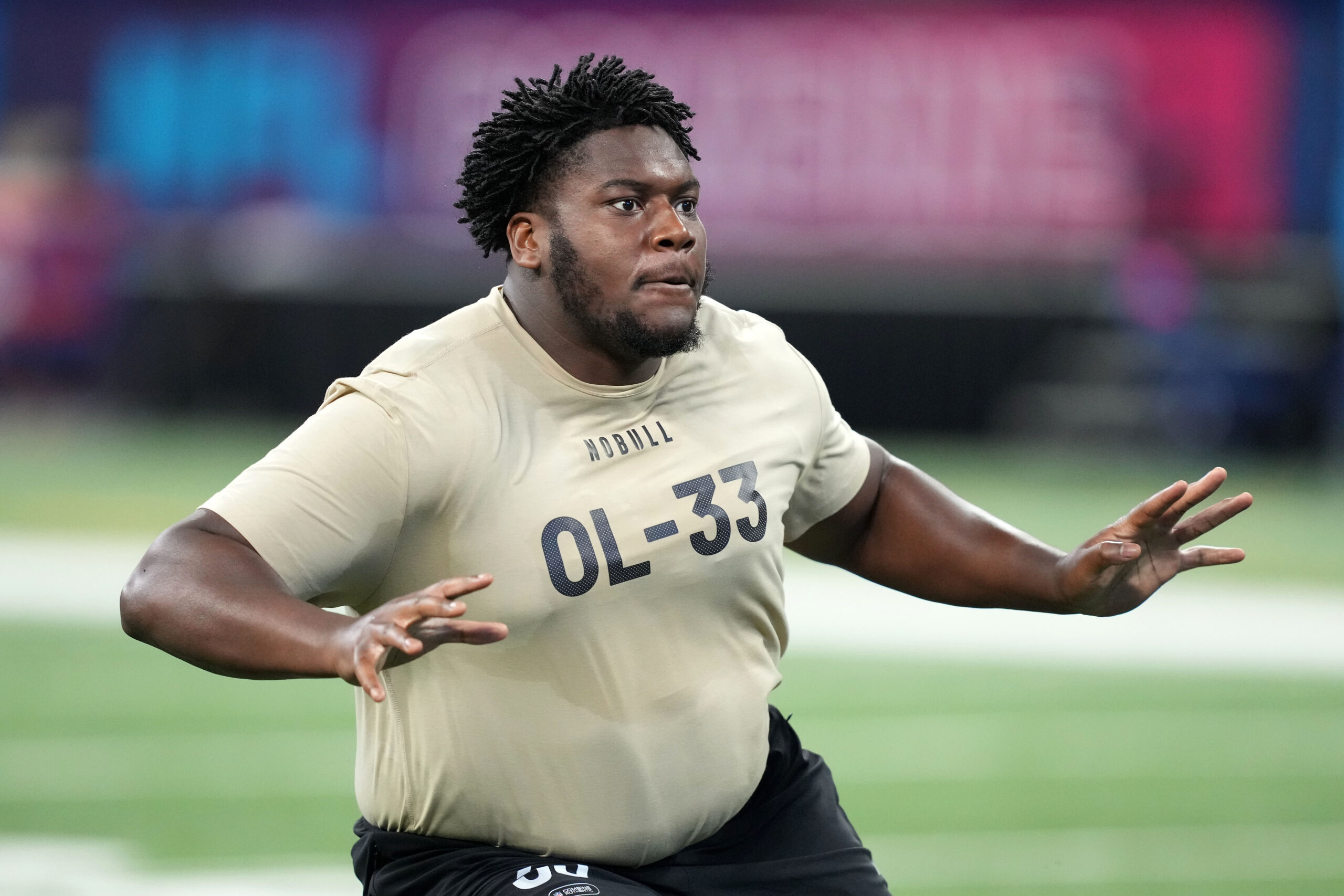
Mar 3, 2024; Indianapolis, IN, USA; Connecticut offensive lineman Christian Haynes (OL33) during the 2024 NFL Combine at Lucas Oil Stadium. Mandatory Credit: Kirby Lee-Imagn Images
Christian Haynes’ development was slowed by limited rookie reps—that’s just reality. A third-round pick who needed game snaps got roughly 167 while veterans absorbed the rest across the offensive line. Multiply that pattern across every position where Seattle plugged a one-year vet over a young player, and the cap dollars spent on short-term deals understate the damage. The money’s gone. The development windows are closed. Other NFL teams running the same playbook in 2026 face identical erosion.
No Time to Celebrate
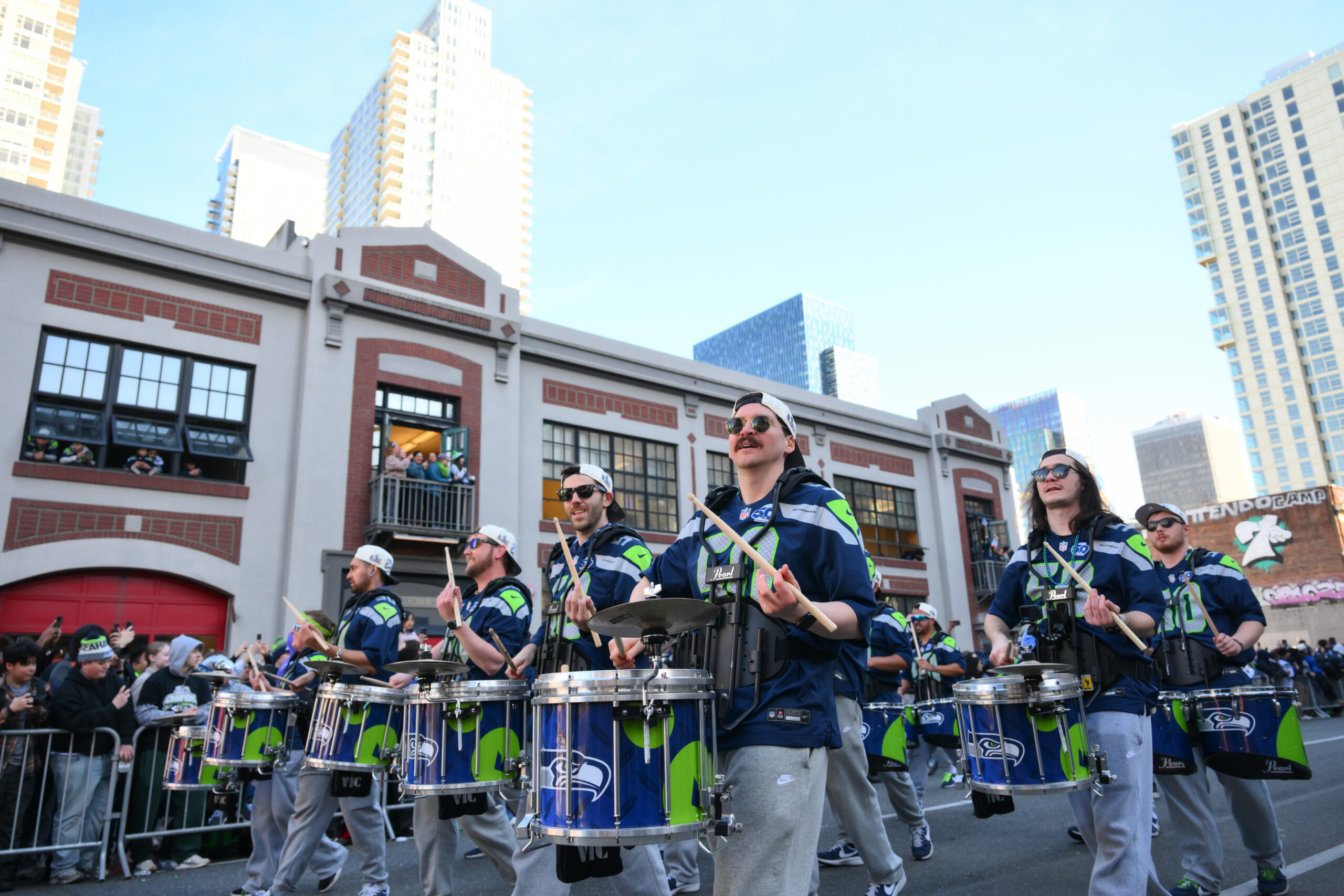
Feb 11, 2026; Seattle, WA, USA; The Seattle Seahawks band Blue Thunder march during the Super Bowl LX World Champions parade in downtown Seattle. Mandatory Credit: Steven Bisig-Imagn Images
Days after winning Super Bowl LX, Seattle signed 15 players to reserve/future contracts. The machine didn’t pause. The Seahawks’ 2025 championship—built on a single-offseason pivot from one-year deals to multi-year commitments—now stands as one of the clearest examples in the post-2011 CBA era that contract architecture shapes roster success. Every team that still relies on one-year veteran signings risks unknowingly limiting its young talent. Once you see the mechanism, you can’t unsee it.
Market Shift Coming?
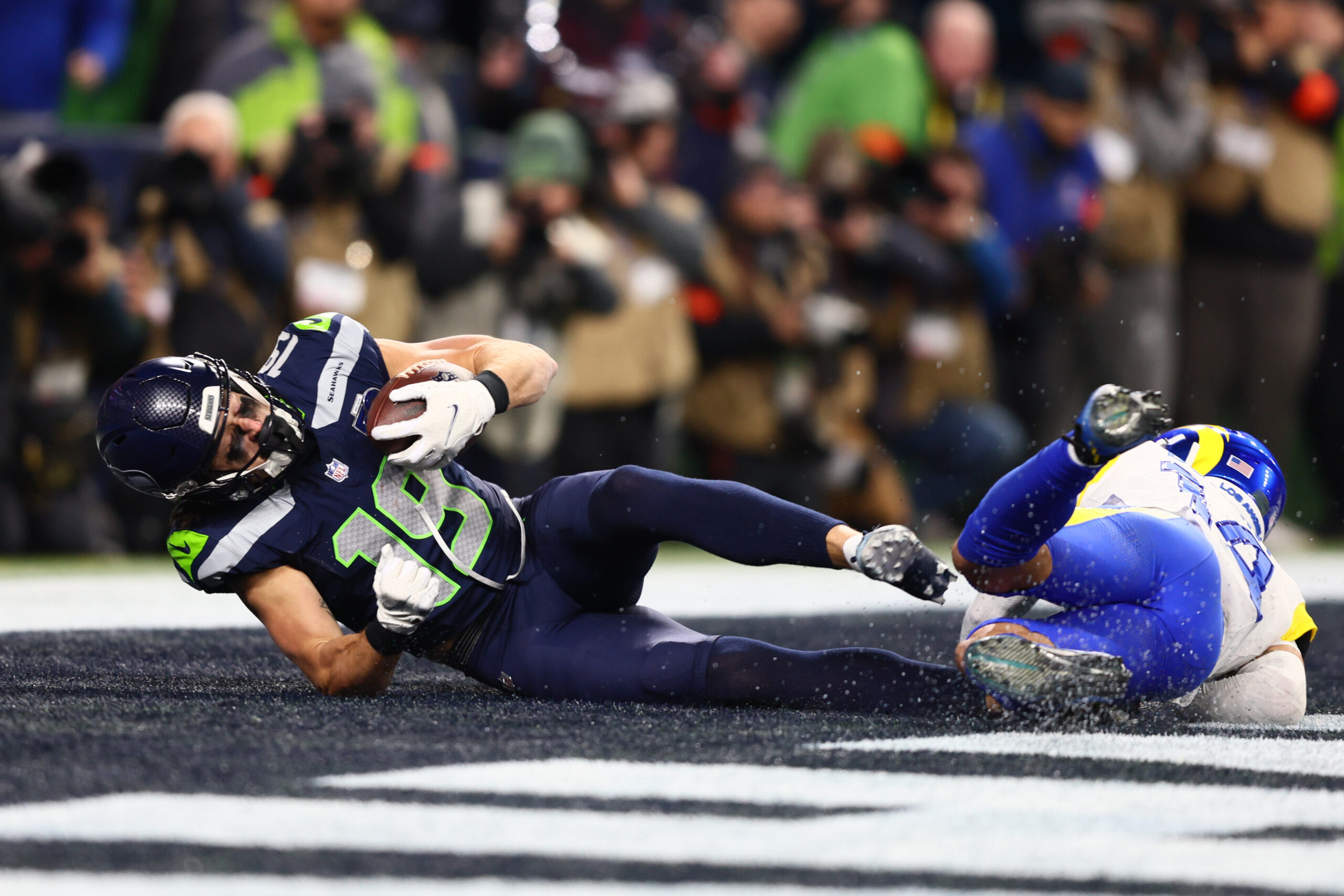
Jan 25, 2026; Seattle, WA, USA; Seattle Seahawks wide receiver Jake Bobo (19) makes a catch for a touchdown against Los Angeles Rams cornerback Cobie Durant (14) during the second half in the 2026 NFC Championship Game at Lumen Field. Mandatory Credit: Kevin Ng-Imagn Images
If more championship teams follow Seattle’s blueprint, the one-year veteran free agent market could collapse. Aging players who once commanded gap-filler deals may face reduced demand or get pushed into longer commitments at lower annual values. GMs still running heavy one-year rosters heading into 2026 will face internal pressure to audit their strategy against Seattle’s results. The fault line is forming: teams that adapt to post-2011 CBA logic versus those that pay for the illusion of flexibility.
The New Framework
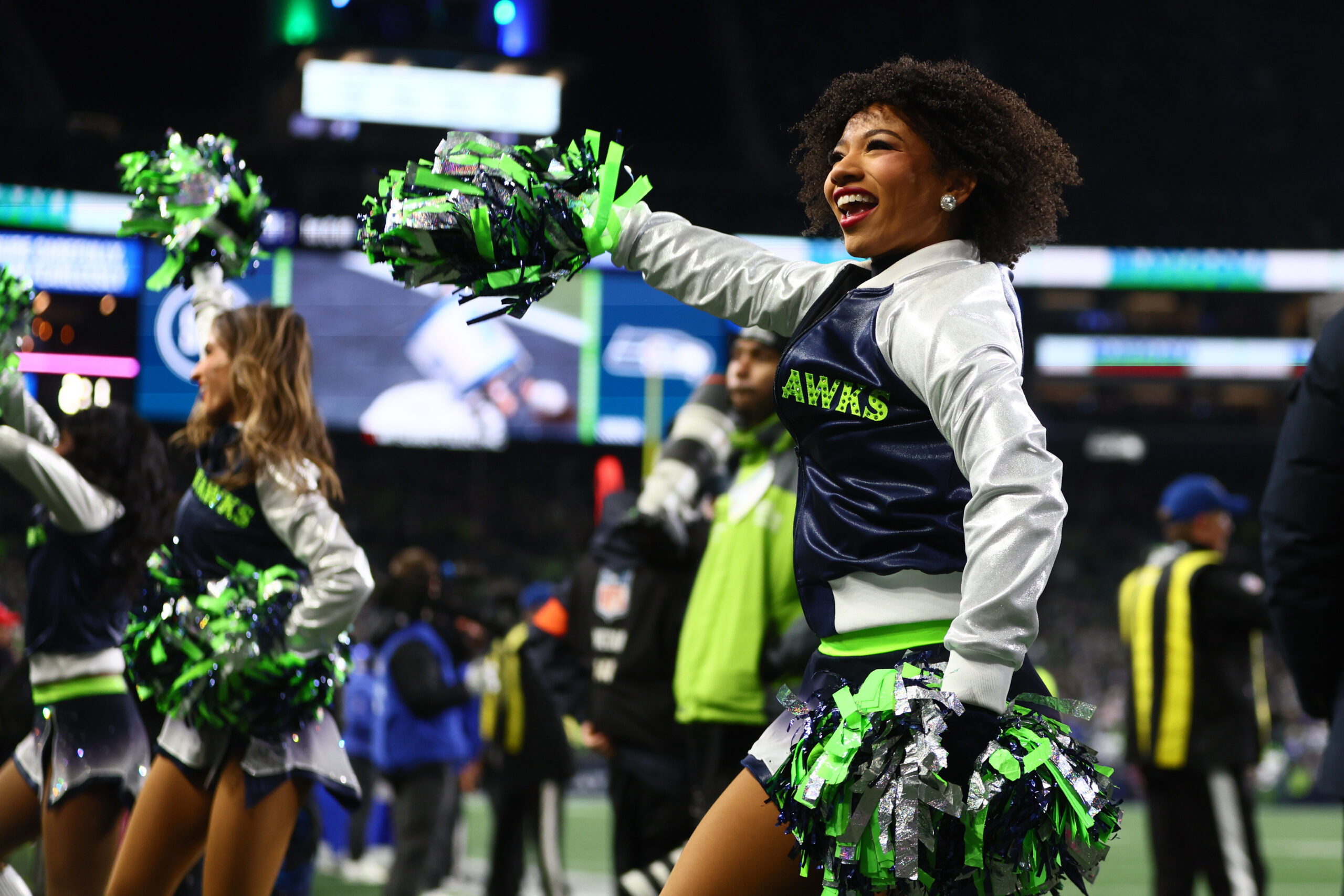
Jan 25, 2026; Seattle, WA, USA; Seattle Seahawks cheerleaders perform after the 2026 NFC Championship Game against the Los Angeles Rams at Lumen Field. Mandatory Credit: Kevin Ng-Imagn Images
Some front offices will resist. They’ll bet that the right veteran on the right one-year deal can still overcome structural inefficiency. Maybe. But the Seahawks just ran the cleanest possible experiment: same GM, same budget, different contract architecture, opposite outcomes. Fans who understand this story now have something most don’t—not just knowledge of what Seattle did, but a framework for evaluating every free agency move their team makes. The next front office to ignore it won’t have ignorance as an excuse.
If you enjoyed this article, please like and follow us here on MSN! Thank you for reading, and have a great day!
Sources:
Field Gulls, Seahawks free agency analysis, 2025
PFF, Christian Haynes player stats, 2024
Spotrac, NFL contract and salary data, 2024–2025
Harvard PON (Program on Negotiation), NFL CBA analysis, 2015
12th Man Rising, Seahawks post–Super Bowl coverage, 2025
Yahoo Sports, Seahawks reserve/future contract signings, February 2026