
On March 05 2026, Logan Paul escalated a social media exchange with Tom Brady into a public $1 million boxing challenge aimed at any NFL player. The claim was direct: no NFL player could beat him in a boxing match. The terms added weight. Opponents would match $1 million in escrow, creating a $2 million purse under controlled gym conditions. Delivered as a WWE Superstar and amplified across platforms, the challenge quickly moved beyond entertainment into a measurable test of credibility, drawing attention across both leagues and media circles.
How The Stakes Turned Real Fast
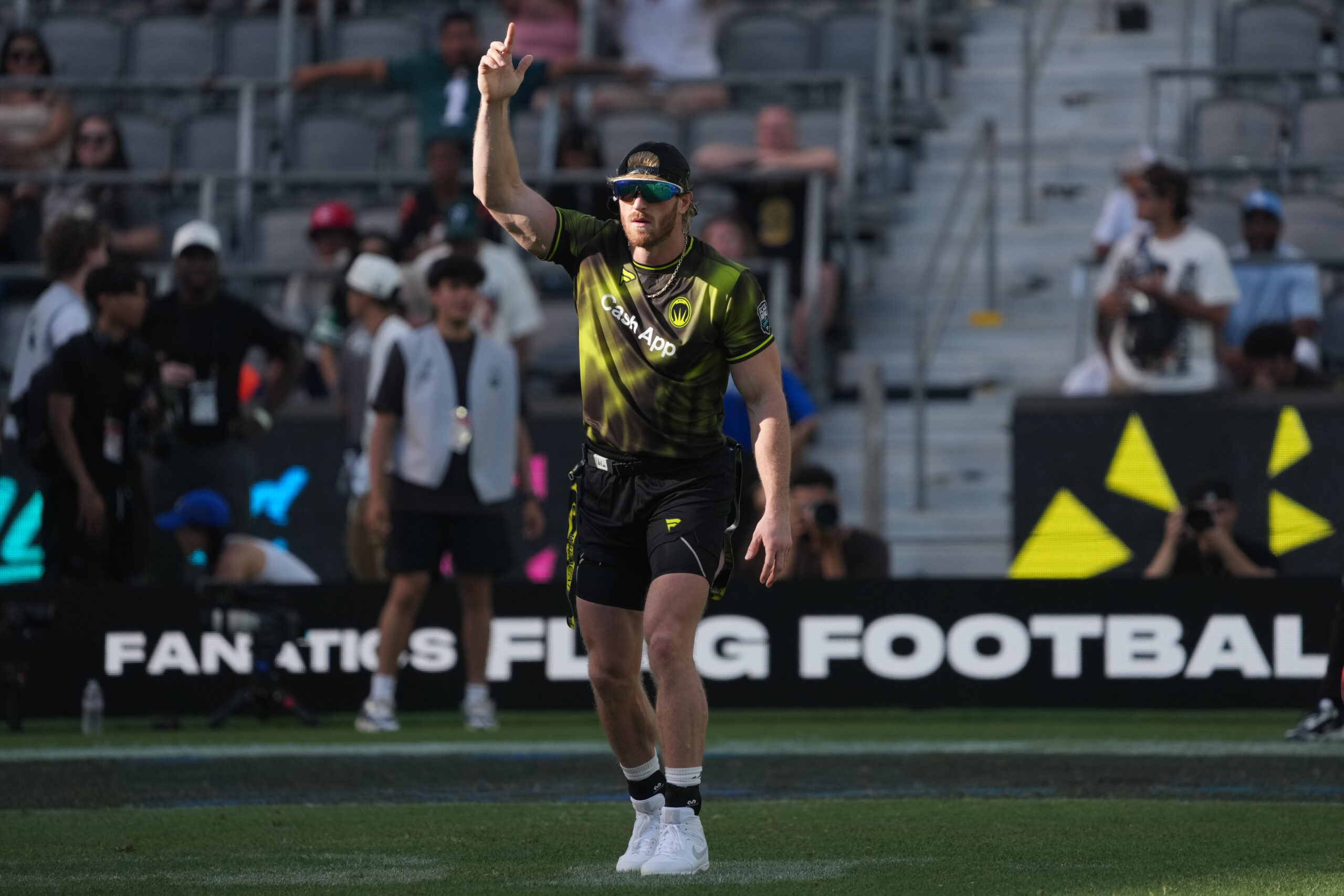
Mar 21, 2026; Los Angeles, CA, USA; Logan Paul of Wildcats FFC during the Fanatics Flag Football Classic at BMO stadium. Mandatory Credit: Kirby Lee-Imagn Images
The structure made this more than talk. Ten ounce gloves, no headgear, three minute rounds, and a finish when one fighter quits created a pro level framework. Hosting it in Paul’s Puerto Rico gym added control while keeping production costs low. The $2 million combined purse stood out when compared to crossover events where payouts rarely exceed $100,000 per player. Within days, the offer shifted from content to opportunity. Players began calculating risk versus reward, and the league started paying attention to who would actually step forward first.
When NFL Players Took The Offer Seriously
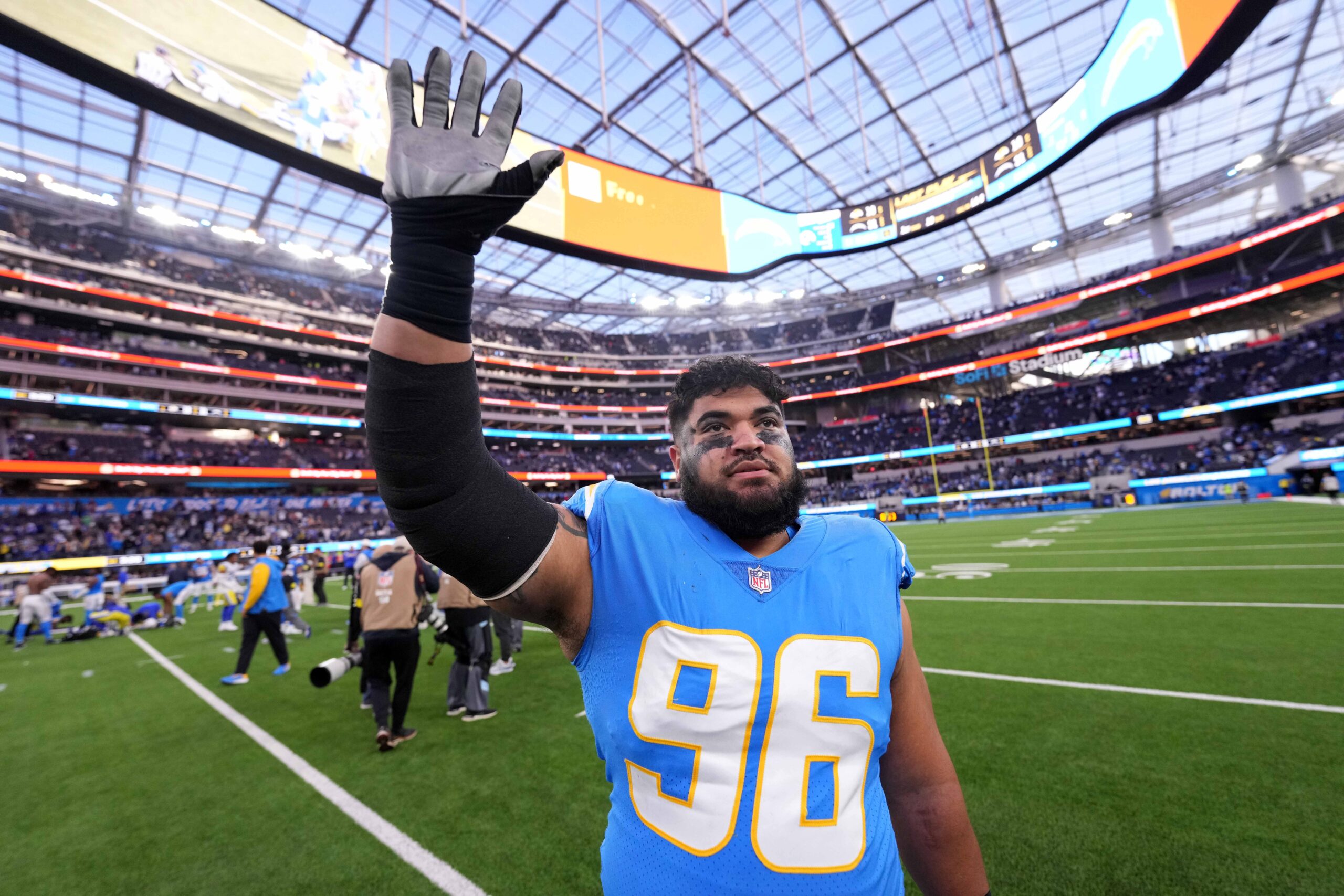
Jan 1, 2023; Inglewood, California, USA; Los Angeles Chargers defensive tackle Breiden Fehoko (96) reacts after the game against the Los Angeles Rams at SoFi Stadium. Mandatory Credit: Kirby Lee-Imagn Images
The first real turning point came on March 06 2026 when Le’Veon Bell publicly accepted. Bell brought a 2–1 professional boxing record and immediate legitimacy to the challenge. This was no longer hypothetical. Terms were discussed, rules were agreed upon, and a path to a sanctioned fight existed. Around the same window, Breiden Fehoko also signaled willingness, giving the challenge multiple credible takers. What began as a broad callout now had real opponents attached, and the conversation shifted from hype to execution.
Five Players Step Forward And Change Tone
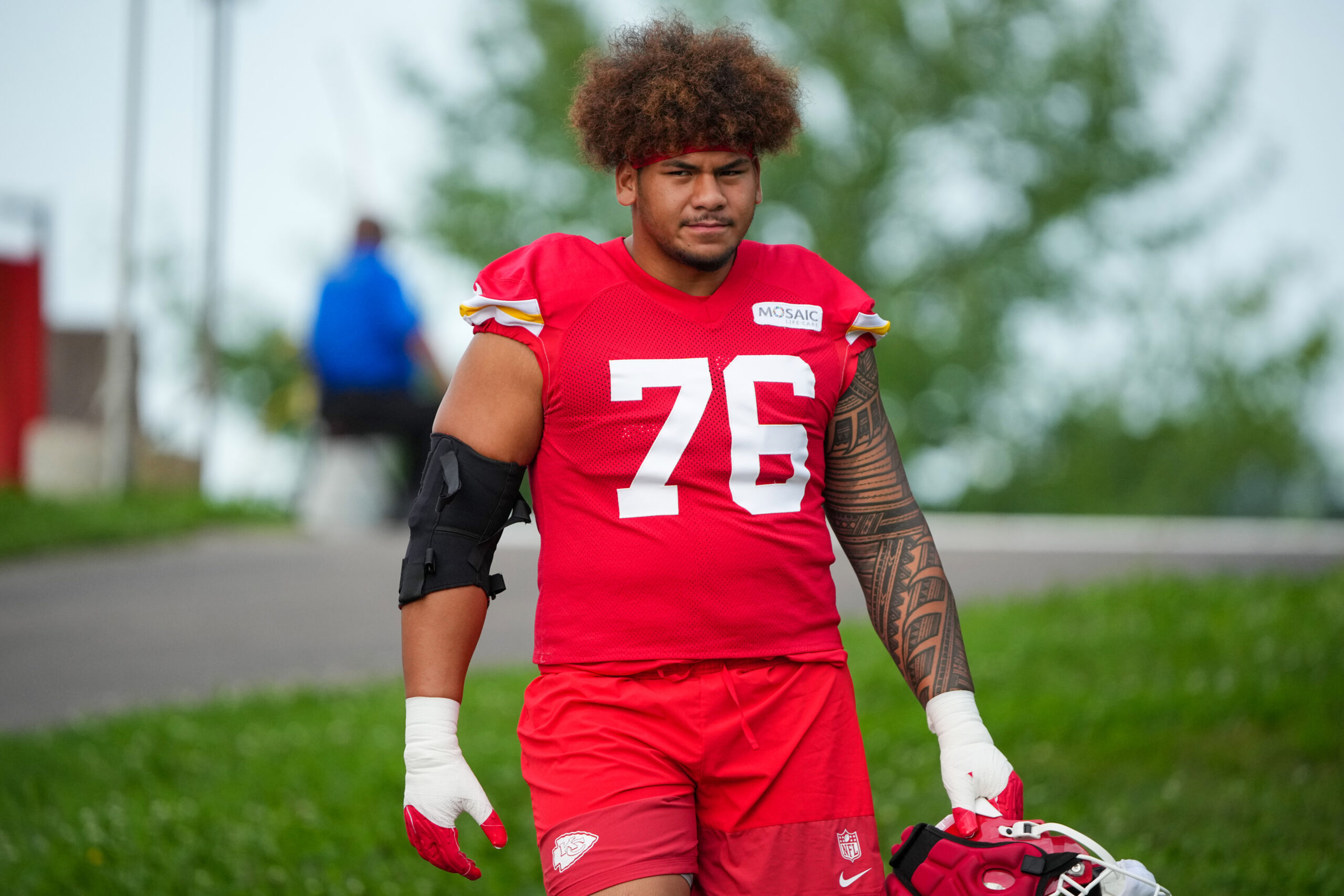
Jul 22, 2025; St. Joseph, MO, USA; Kansas City Chiefs offensive tackle Kingsley Suamataia (76) walks down the hill to the practice fields during training camp at Missouri Western State University. Mandatory Credit: Denny Medley-Imagn Images
Momentum built quickly as more names entered the mix. Kingsley Suamataia joined the list of interested players, while Dion Dawkins engaged publicly and added pressure. Combined with Bell and Fehoko, at least five NFL figures had either accepted or pushed for the fight within days of the challenge. The dynamic flipped. This was no longer one opponent responding. It became a queue. At that point, the original claim faced real testing conditions, and the spotlight moved directly onto Paul’s next decision.
The Sudden Pivot That Raised Questions
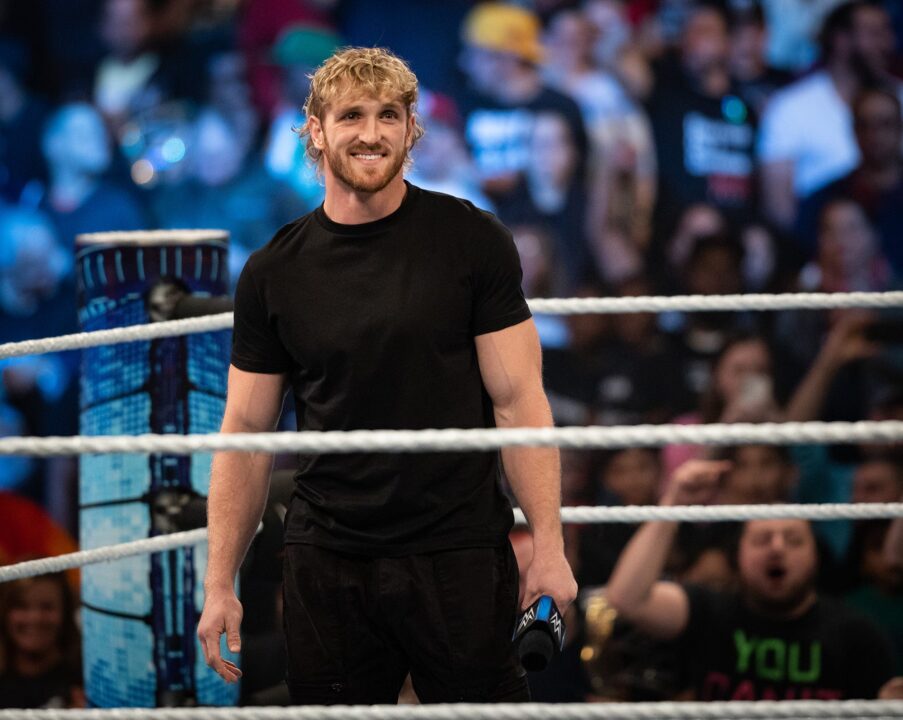
By March 08 2026, the tone changed. Paul announced that the fight would not happen, citing WWE intervention. His public message framed it as a corporate decision tied to his value as a WWE Superstar. The timing stood out. The withdrawal came less than a week after multiple players accepted under his own terms. From an analyst view, the sequence mattered more than the explanation. A controlled challenge had turned into a contested reality, and the response shifted just as risk became tangible.
WWE’s Role In The Decision
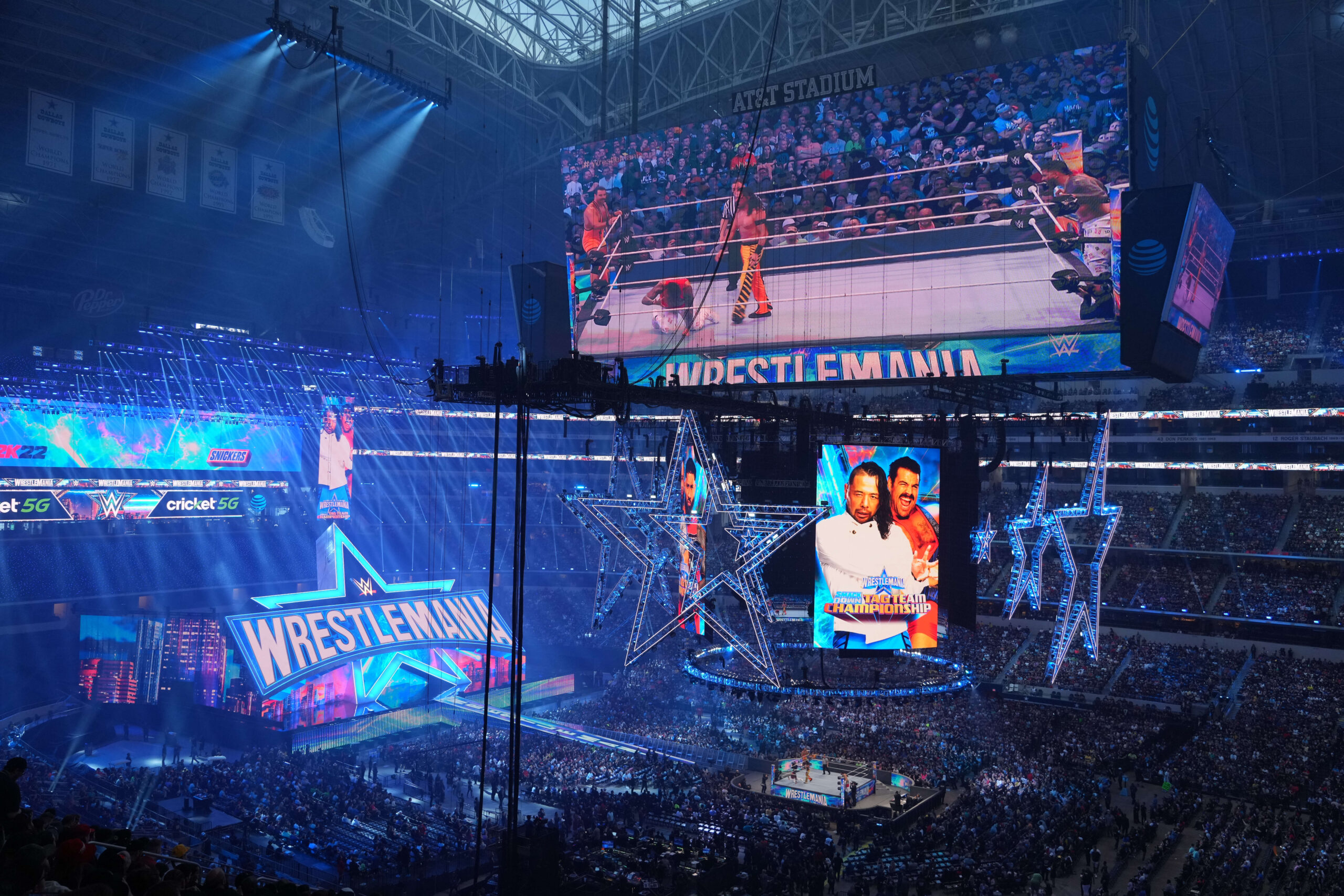
Apr 2, 2022; Arlington, TX, USA; A general view during the Smackdown tag team championship match between Shinsuke Nakamura and Rick Boogs vs The Usos during WrestleMania at AT&T Stadium. Mandatory Credit: Joe Camporeale-Imagn Images
WWE’s position centers on asset protection. With WrestleMania 42 scheduled for April 2026 in Las Vegas, any injury to Paul would carry financial consequences across ticket sales, streaming commitments, and promotional campaigns. Paul later stated the decision cost him a potential $2 million fight. From WWE’s perspective, that figure is minor compared to event revenue tied to a headline performer. The move aligns with standard risk management across sports entertainment, though the public framing created a different perception among NFL players and fans.
How NFL Players Reacted Publicly
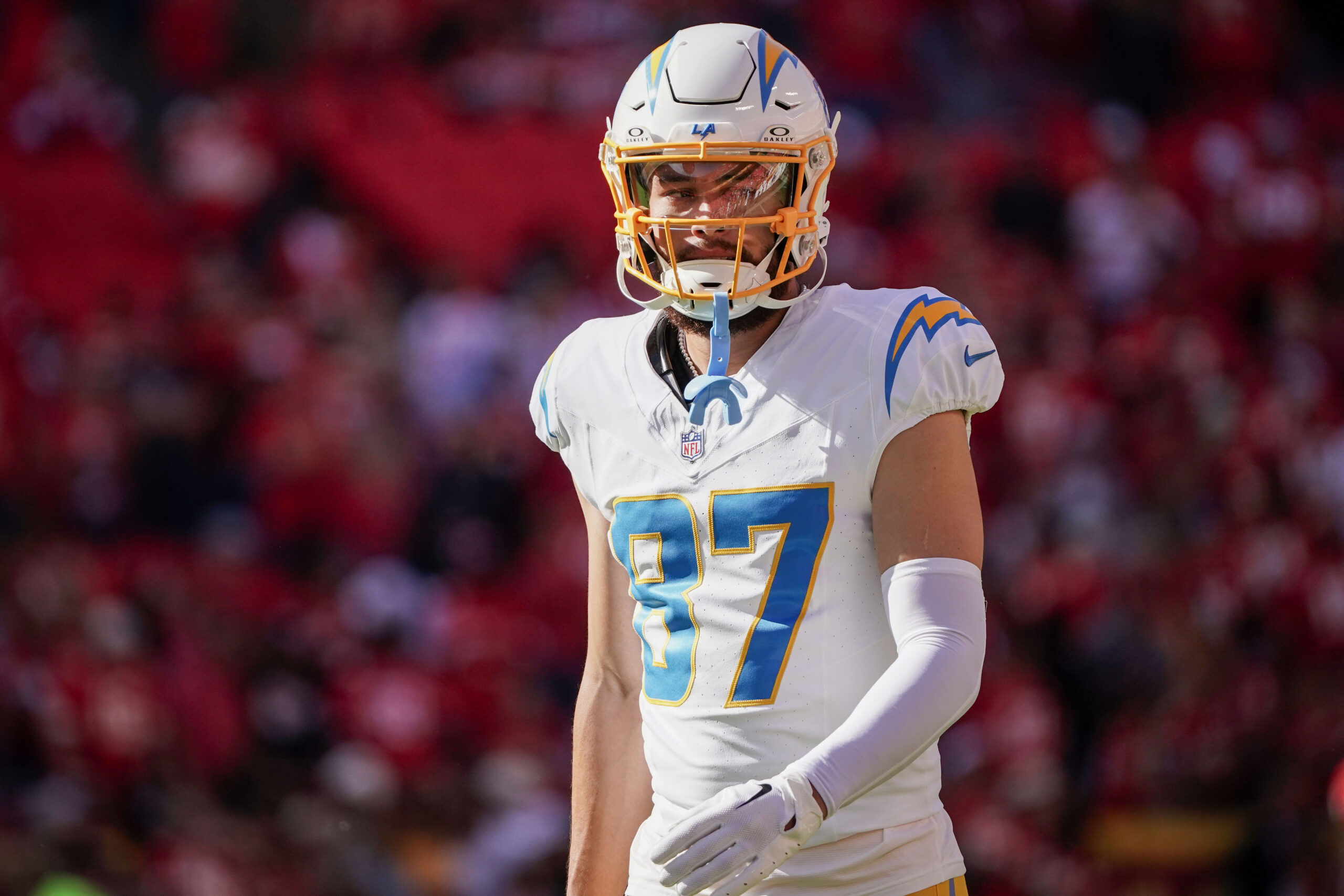
Oct 12, 2023; Kansas City, Missouri, USA; Los Angeles Chargers wide receiver Simi Fehoko (87) warms up against the Kansas City Chiefs prior to a game at GEHA Field at Arrowhead Stadium. Mandatory Credit: Denny Medley-Imagn Images
The response from NFL players was immediate and direct. Fehoko criticized the reversal, pointing to multiple players stepping forward after the challenge was issued. Others echoed similar sentiments, framing the situation as a shift once real opponents appeared. The reaction was less about personality and more about sequence. A public dare, defined terms, and confirmed interest created expectations. When the fight did not materialize, the narrative leaned toward credibility rather than logistics, and that perception spread quickly across social platforms.
The $2M Opportunity That Disappeared
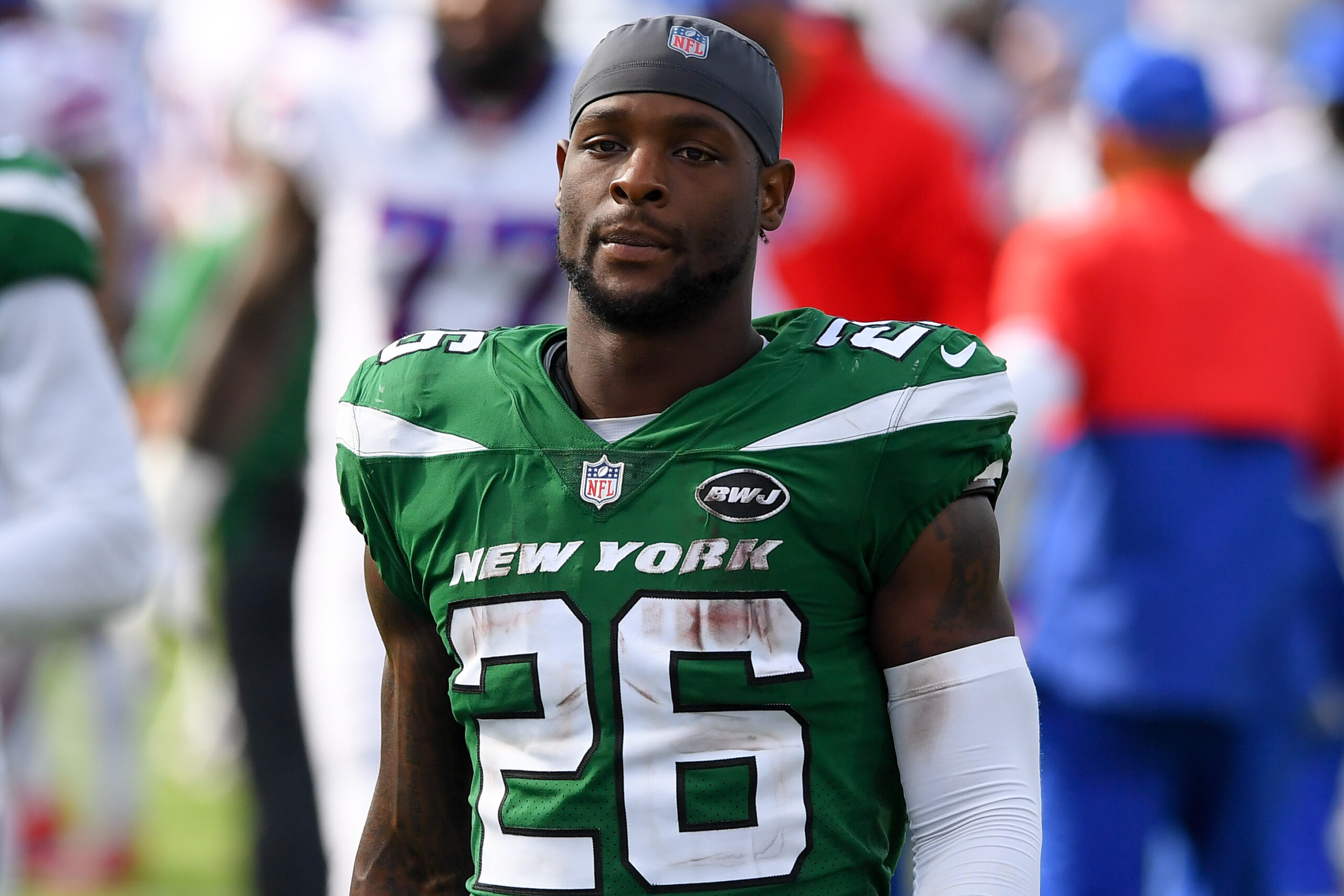
Sep 13, 2020; Orchard Park, New York, USA; New York Jets running back Le’Veon Bell (26) walks off the field following the game against the Buffalo Bills at Bills Stadium. Mandatory Credit: Rich Barnes-Imagn Images
Financially, the missed fight represented a rare structure. A $2 million escrow based purse for a single bout stands above most crossover events involving NFL players. For comparison, the Fanatics Flag Football Classic paid approximately $100,000 per player, placing Paul’s offer at ten times that figure for one night. For veterans or fringe players, that gap matters. Bell and others were positioned to gain both exposure and earnings. Once the fight collapsed, that window closed, leaving only the discussion around what could have been.
The Flag Football Moment That Added Context
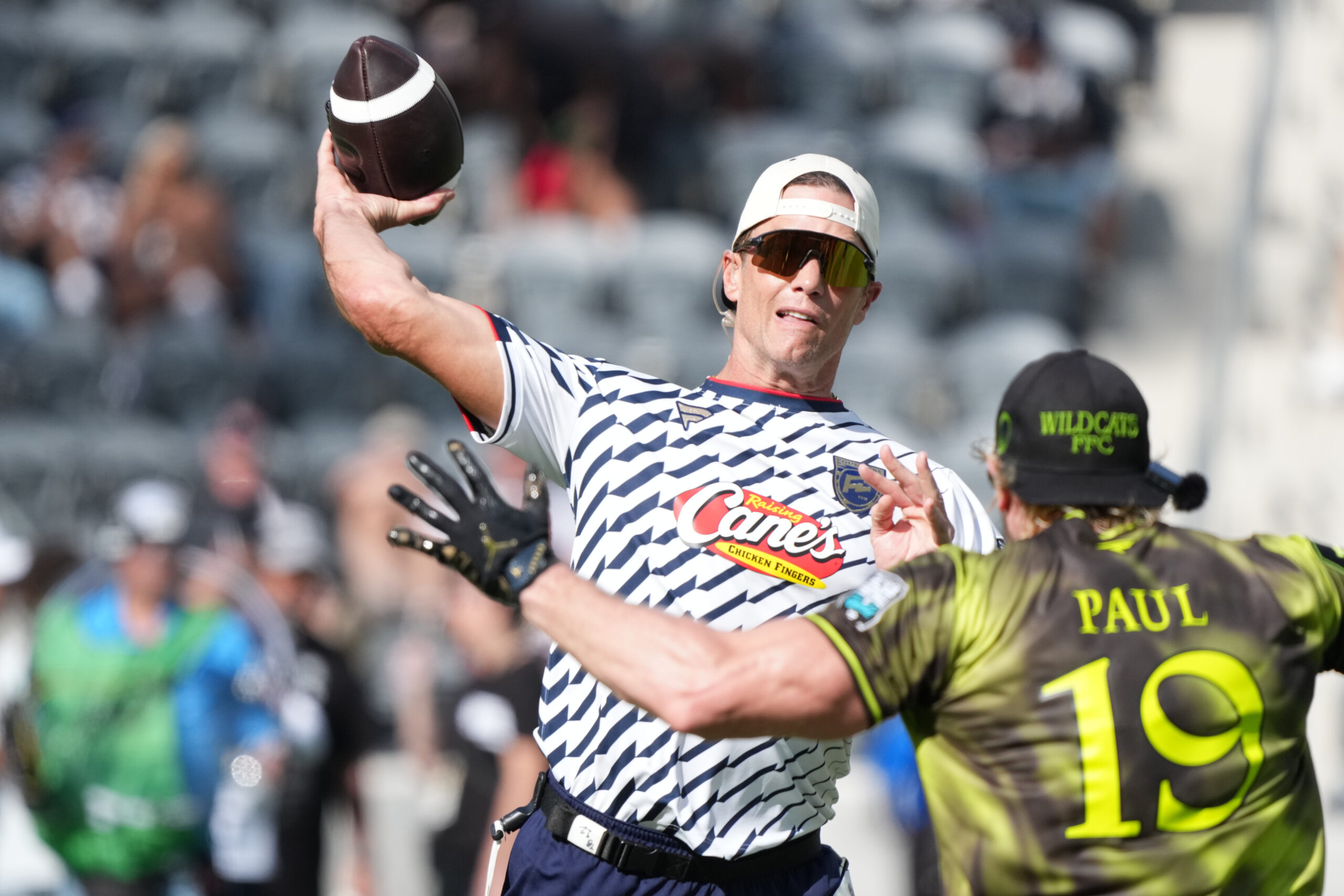
Mar 21, 2026; Los Angeles, CA, USA; Founders FFC quarterback Tom Brady (12) throws ball against Logan Paul of Wildcats FFC during the Fanatics Flag Football Classic at BMO stadium. Mandatory Credit: Kirby Lee-Imagn Images
On March 21 2026, the conversation carried into the Fanatics Flag Football Classic in Los Angeles. Paul participated alongside NFL talent, where on-field moments, including Saquon Barkley’s widely shared juke, reinforced the physical gap between elite football athletes and crossover personalities. Team USA dominated the event and each player earned $100,000, adding further context to the earlier $1 million challenge. The contrast between controlled boxing conditions and open-field competition became part of how audiences interpreted the entire saga.
What This Episode Really Revealed
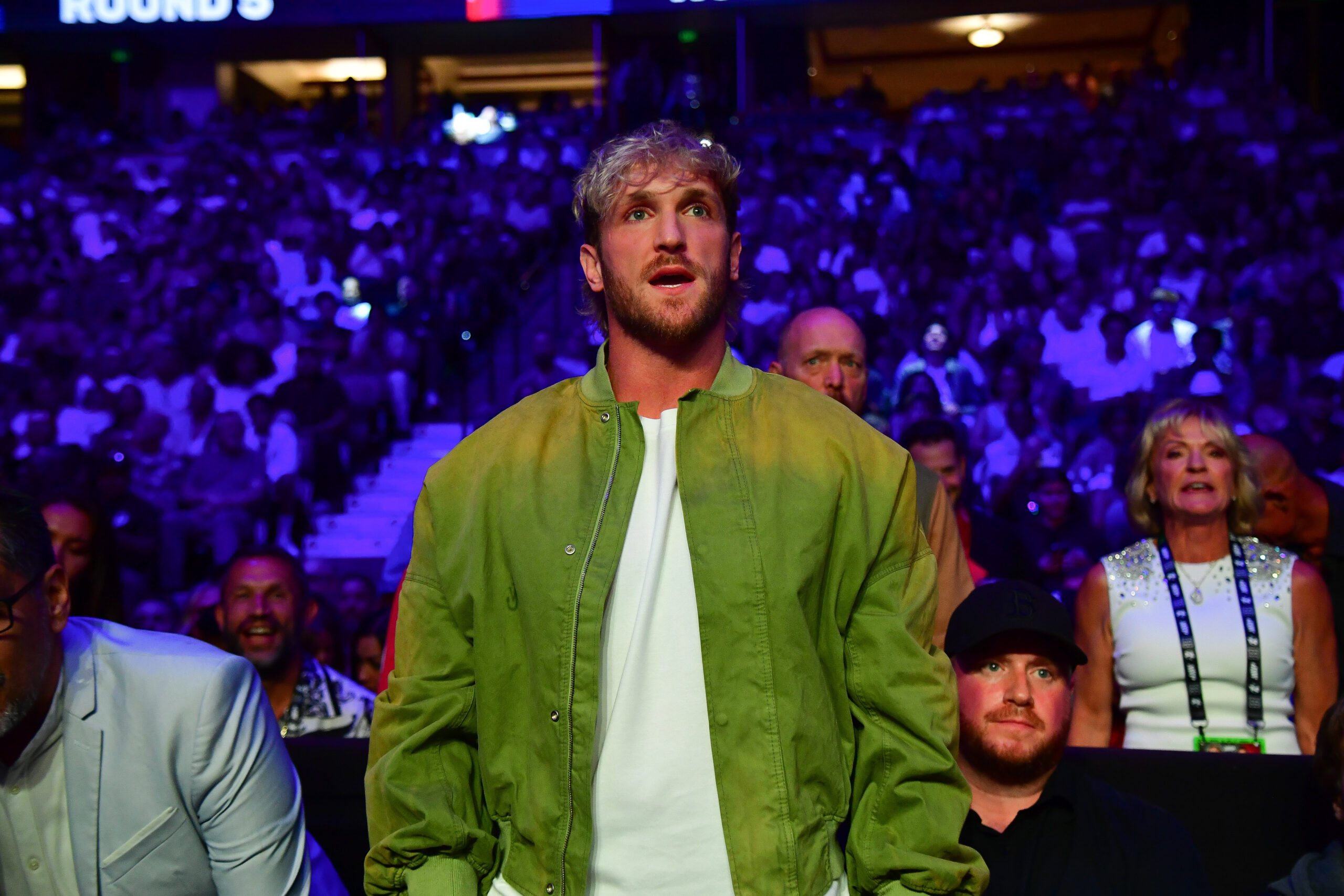
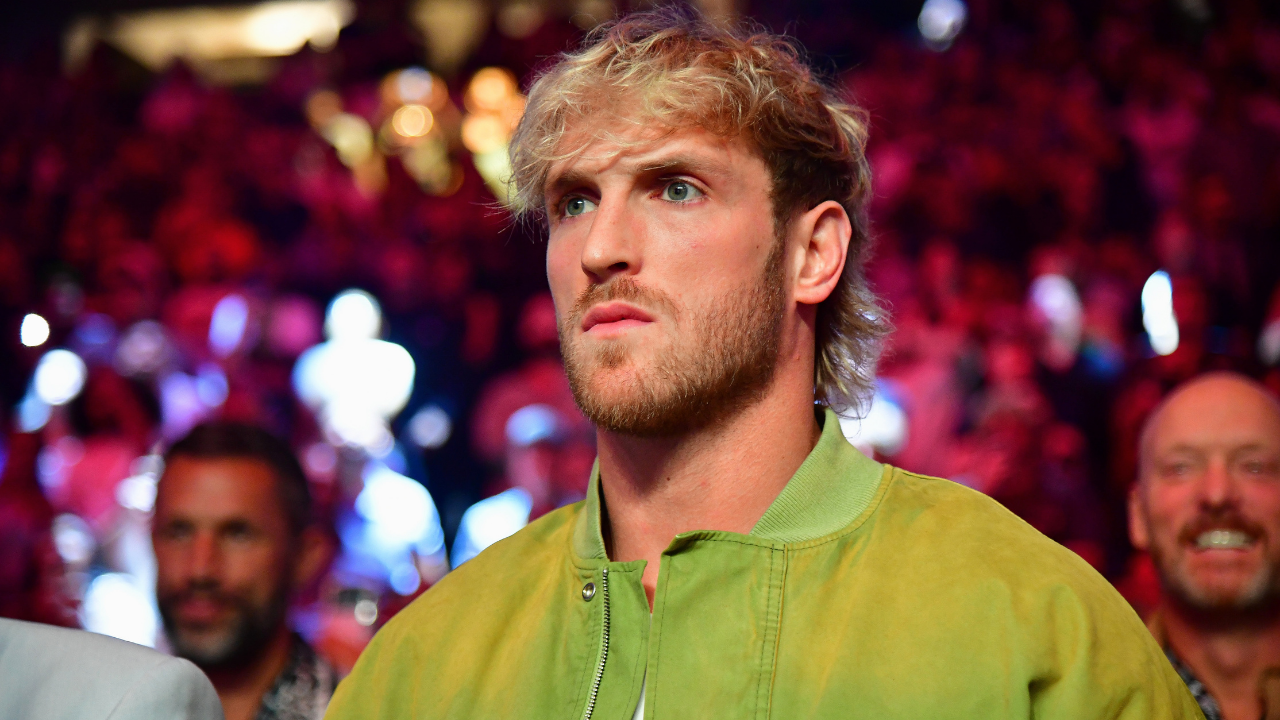
Jun 28, 2025; Anaheim, California, USA; Social media personality Logan Paul attends the boxing match between Jake Paul and Julio Cesar Chavez Jr. at Honda Center. Mandatory Credit: Gary A. Vasquez-Imagn Images
By March 22, the full picture was clear. A $1 million challenge generated immediate attention, drew at least five credible NFL responses, and created a short window where a $2 million fight looked viable. The withdrawal, whether driven by WWE or not, reshaped the narrative. In league terms, this follows a familiar cycle. Public challenges create value before any contract is signed. The content becomes the product. The fight rarely happens, but the exposure still delivers exactly what it was designed to produce.
Sources:
Former NFL All-Pro Accepts Logan Paul’s $1 Million Fight Challenge. Newsweek, March 06 2026
YouTuber-turned-WWE Superstar Logan Paul offers $1 million to any NFL player who can beat him in boxing. Fox 13, March 05 2026
Logan Paul Wants NFL Opponent To Put Up $1 Million Before Boxing. TMZ, March 05 2026
Logan Paul Says WWE Decision Cost Him $2 Million Fight. Yahoo Sports, March 12 2026
NFL star Saquon Barkley humiliates Logan Paul at Fanatics Flag Football practice. Yahoo Sports, March 20 2026
Logan Paul sparks backlash after Tom Brady taunt as Team USA expose bigger truth at Fanatics Flag Football event. The Times of India, March 22 2026