
Somewhere between the confetti from Super Bowl LX and the first warm week of spring, the NFL quietly started dismantling the way America watches football. Netflix, fresh off the most-streamed NFL game in U.S. history, walked into negotiations demanding double its current inventory. YouTube countered. Amazon raised its hand. And Roger Goodell stood at the center of it all, telling reporters the league was “leaving money on the table.” Four years before anyone expected it, the $111 billion media deal signed in 2021 suddenly looked cheap.
The Christmas Proof of Concept
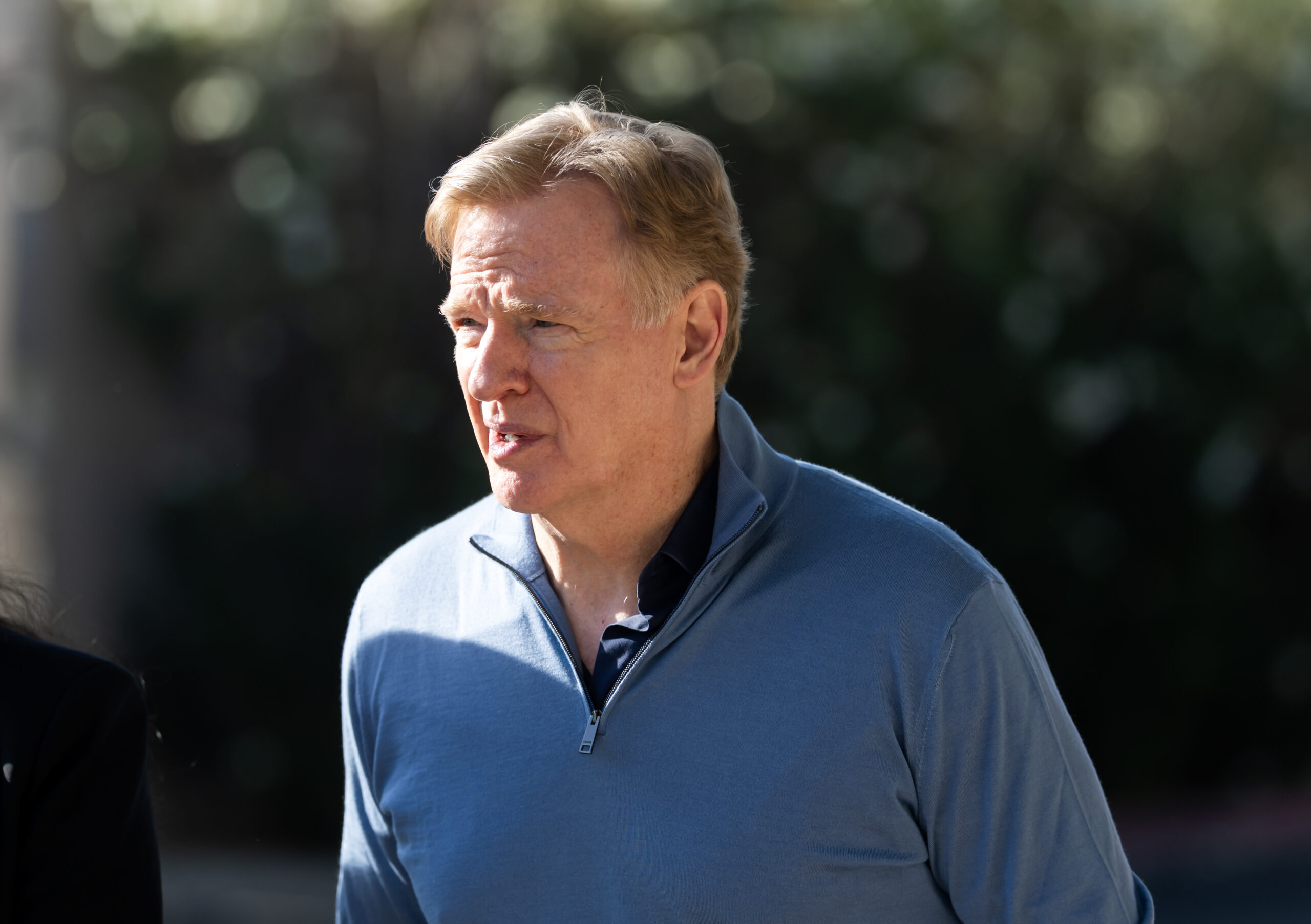
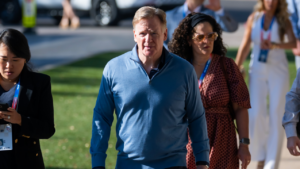
Mar 30, 2026; Phoenix, AZ, USA; NFL commissioner Roger Goodell arrives during the 2026 NFL Annual League Meeting at the Arizona Biltmore. Mandatory Credit: Mark J. Rebilas-Imagn Images
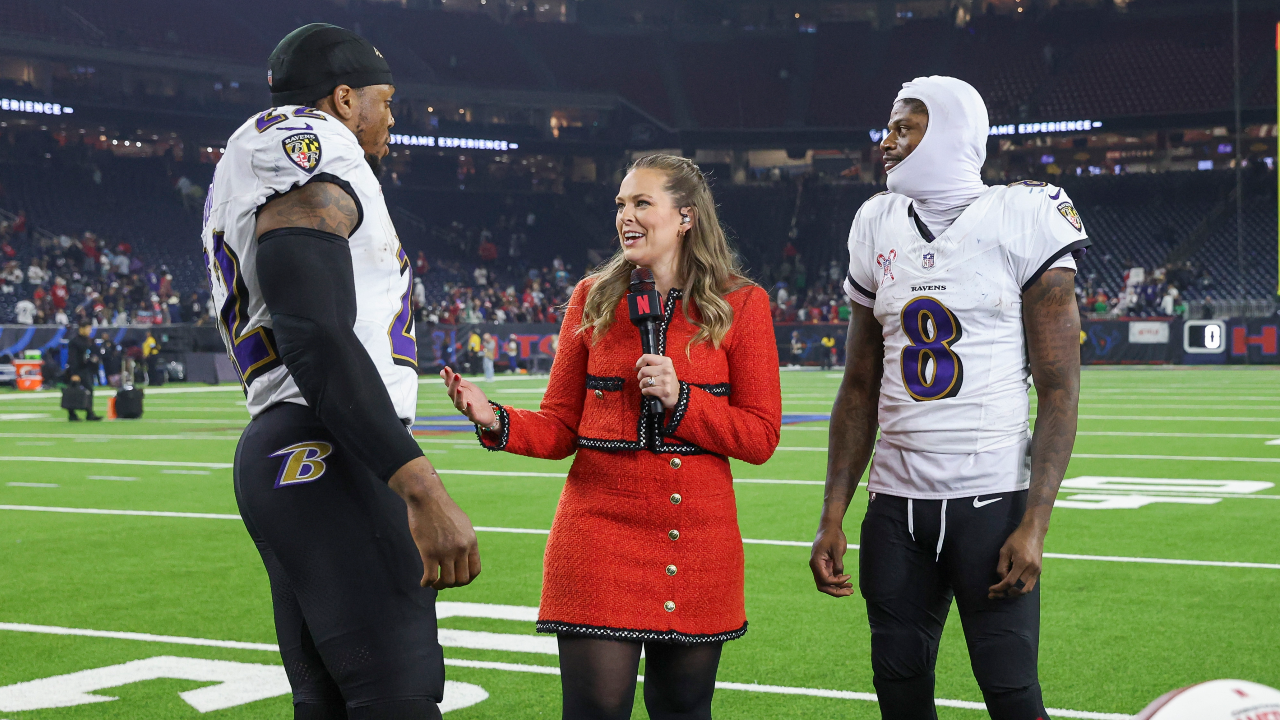
Netflix’s December 25 Lions-Vikings broadcast pulled 27.5 million average viewers and drove 430,000 new U.S. subscribers, the platform’s largest signup spike of 2025. That single game reached viewers in over 200 countries, generated 632 million social impressions, and proved something cable executives had feared: streaming-exclusive NFL content moves the subscriber needle in ways traditional broadcast cannot match. The NFL averaged 18.7 million viewers per game last season, its second-highest mark since 1988. Netflix turned one holiday into a business case worth billions.
The Myth of Cheaper Streaming
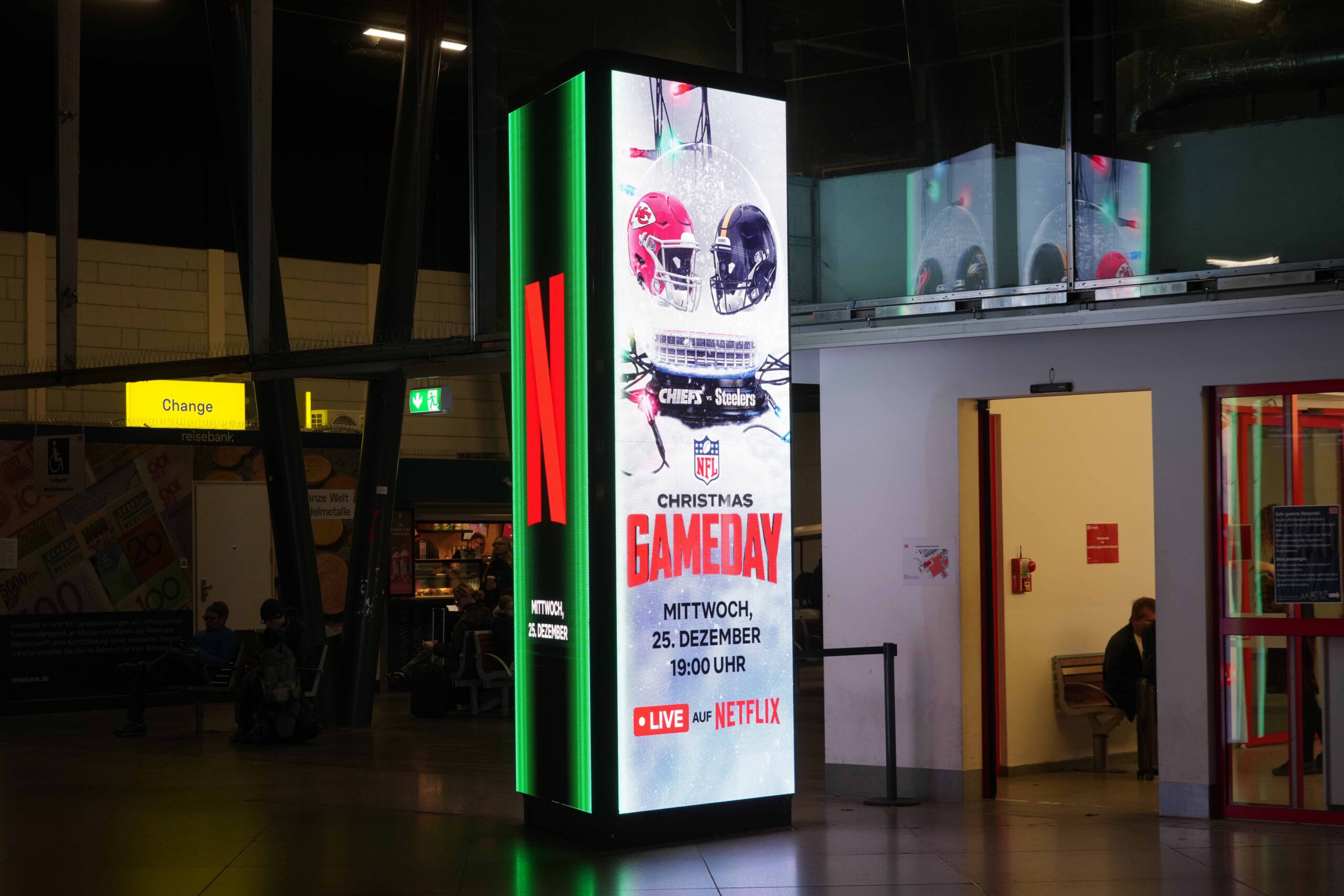
Nov 10, 2024; Munich, Germany; A Netflix advertisement for the Christmas Day game betweeen the Kansas City Chiefs and the Pittsburgh Steelers at the Hauptbhanoff railway station. Mandatory Credit: Kirby Lee-Imagn Images
Everyone assumed streaming would save fans money. Netflix hiked its price to $26.99 a month in March. YouTube TV charges $64.99 for its sports bundle. Add Paramount+, ESPN+, Amazon Prime, and Peacock, and a fan chasing comprehensive NFL access stares down roughly $1,500 a year across ten-plus platforms. That is not disruption lowering costs. That is fragmentation hiding them. An estimated 72% of sports fans believe major events should stay on free broadcast television. The league heard that number and kept negotiating with streamers anyway.
Goodell’s Confession
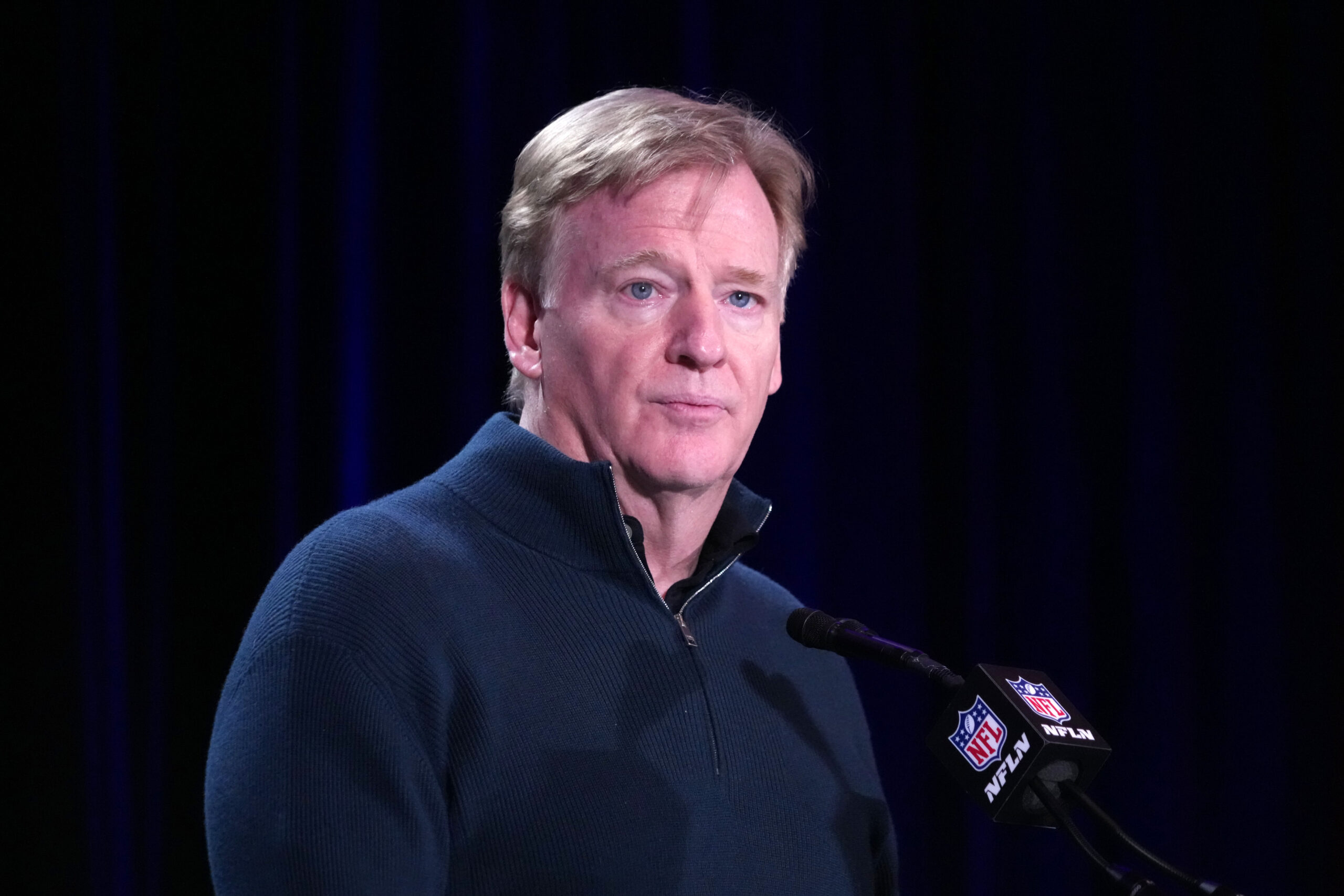
Feb 9, 2026; San Francisco, CA, USA; NFL commissioner Roger Goodell speaks at the Super Bowl LX host committee handoff press conference at Moscone Center. Mandatory Credit: Kirby Lee-Imagn Images
Roger Goodell told reporters, “I think our partners would want to sit down and talk to us at any time.” Read that again. The most powerful sports league on earth positioned itself as the party asking for permission to renegotiate. The current deal generates roughly $10 billion annually. Projections suggest the next round could reach $15 to $18 billion. Yet the league cannot start formal talks until every existing partner agrees. Netflix proved the money exists. Goodell admitted it. And the partners who locked in 2021 rates hold the keys.
How Subscriber Math Replaced Ad Revenue
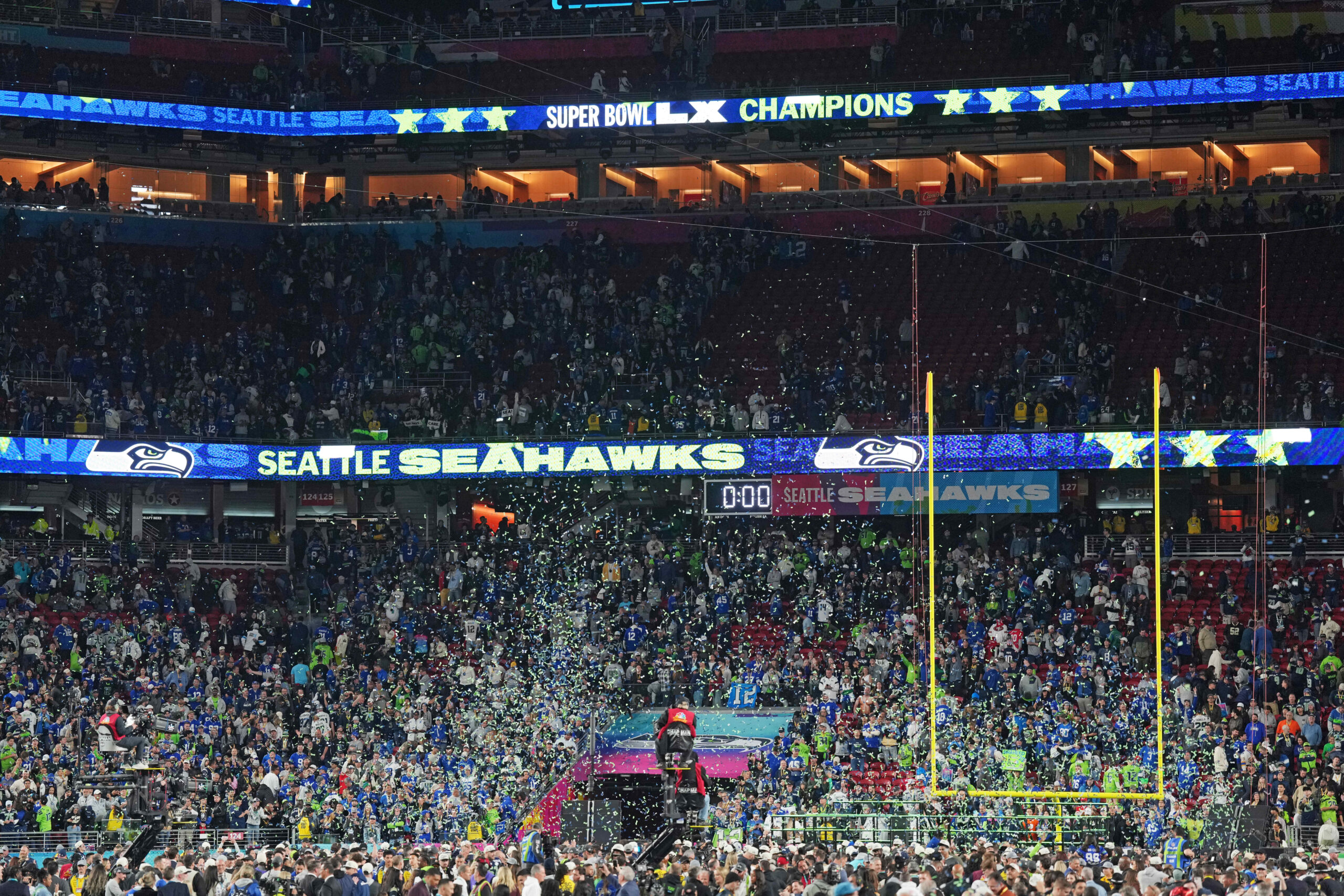
Feb 8, 2026; Santa Clara, CA, USA; Fans celebrate after the game between the New England Patriots and Seattle Seahawks in Super Bowl LX at Levi’s Stadium. Mandatory Credit: Darren Yamashita-Imagn Images
Netflix did not buy NFL games for the ad revenue. It bought them for the 430,000 new subscribers who signed up because of a single broadcast. Streaming-exclusive NFL games deliver 66% stronger ad effectiveness than the broadcast average, but the real currency is customer lifetime value. Netflix’s advertising revenue more than doubled to exceed $1.5 billion in 2025. Amazon is projected to spend $3.8 billion on streaming sports rights in 2026, across the NFL, NBA, and UEFA Champions League, making it the largest streaming sports investor globally. The old model priced games by eyeballs. The new model prices them by credit cards.
The Numbers Behind the Land Grab
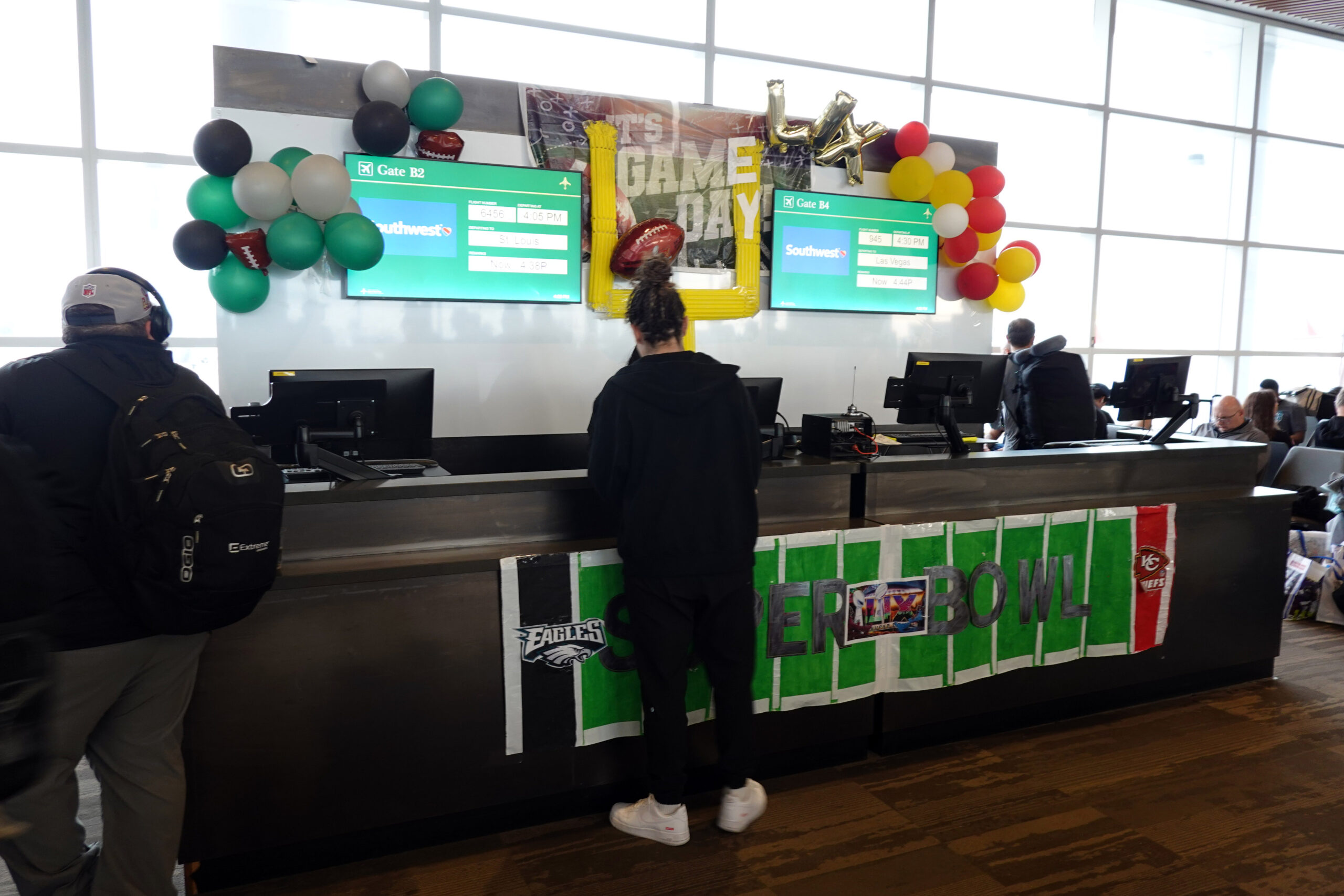
Feb 10, 2025; New Orleans, LA, USA; A Southwest Airlines ticket counter with Super Bowl LIX decorations at the Louis Armstrong International Airport. Mandatory Credit: Kirby Lee-Imagn Images
NFL games currently command just $1.20 in cost per viewer hour, a figure financial analysts call dramatically undervalued compared to other premium content. Super Bowl LX drew 125.6 million viewers and sold every ad slot at $8 million per 30-second spot, the highest price in Super Bowl history. That works out to roughly $266,666 per second of airtime. Streaming platforms collectively spent $14.2 billion on sports rights in 2026, up 7% year over year. The NFL generates approximately $5.2 billion in annual advertising alone. Every metric screams the same thing: the 2021 deal priced a Rolls-Royce like a sedan.
Who Gets Crushed Next
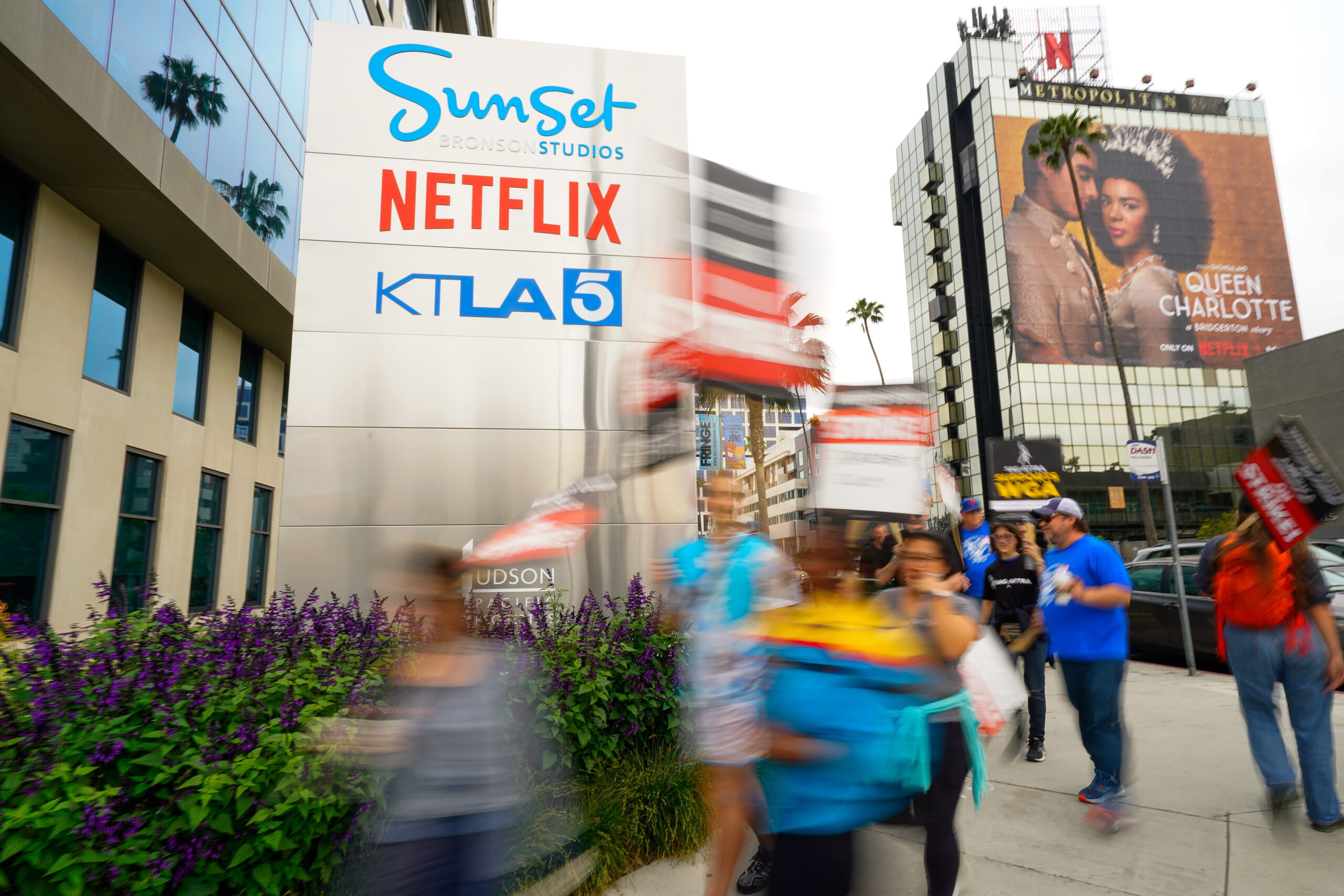
May 23, 2023; Los Angeles, California, USA; Members of the Writers Guild of America picket at Sunset Bronson Studios where Netflix Studio is located. The writers are seeking a new contract with the Alliance of Motion Picture and Television Producers. WGA members went on strike May 2 after negotiations for a new contract seeking improved residuals for streaming shows and staffing guarantees, among other demands broke down. Mandatory Credit: Robert Hanashiro-USA TODAY
Netflix wants four games annually, including Thanksgiving Eve and an international matchup. YouTube emerged as the early leader for a separate four-game package. Amazon expanded Thursday Night Football with a 16% viewership increase. Traditional broadcasters now face a brutal choice: absorb higher rights fees or lose inventory to platforms with deeper pockets. Households earning under $50,000 a year face the sharpest edge. Regional sports networks, already struggling, could become irrelevant. The NBA, NHL, and MLB will use NFL comparables to demand equivalent increases from their own partners.
The Antitrust Trap Nobody Sees Coming
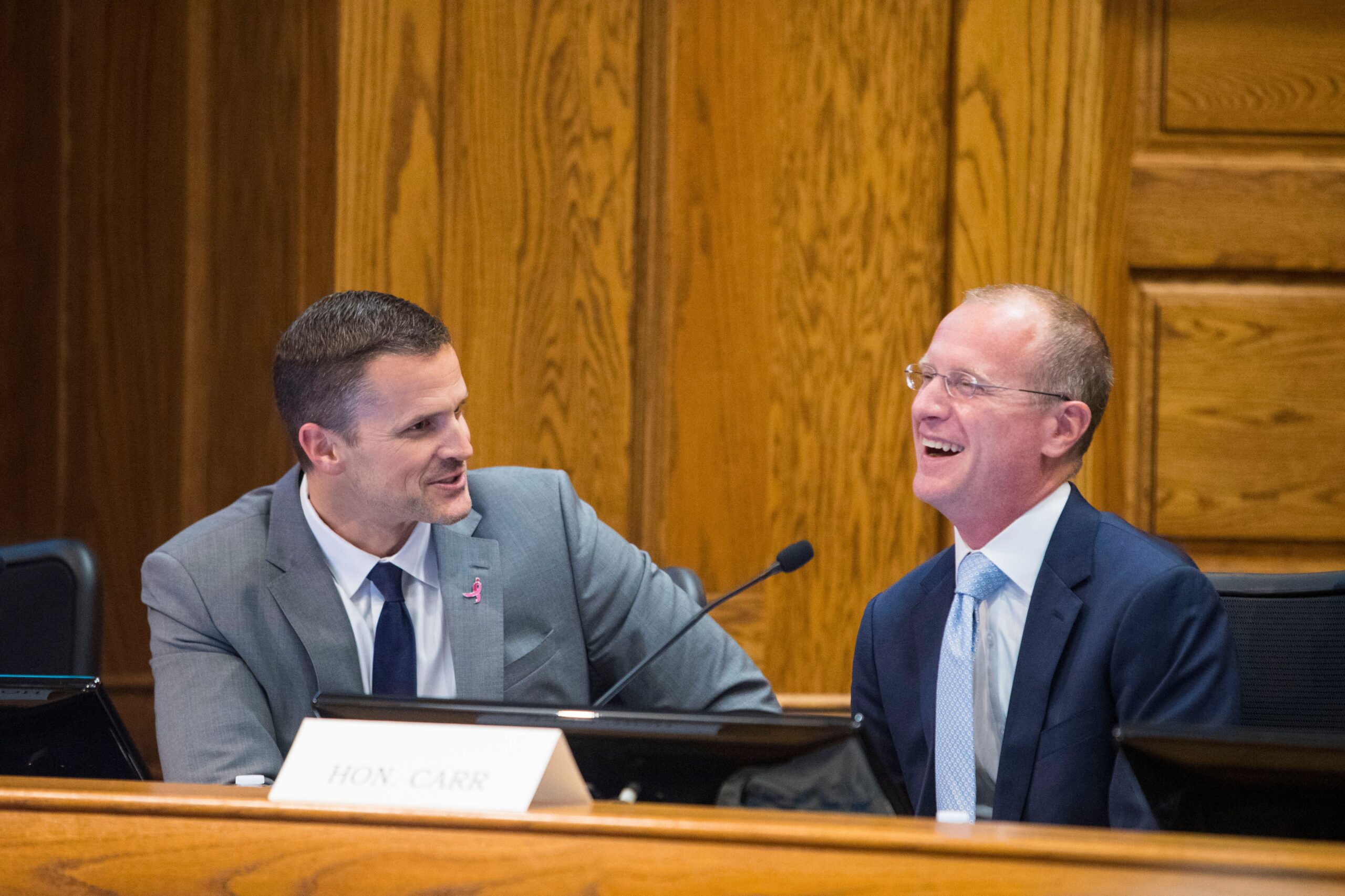
Mayor Paul TenHaken speaks with Brendan Carr, Commissioner of the Federal Communications Commission, at a hearing at Carnegie Town Hall Friday, Oct. 12, 2018 in Sioux Falls, S.D. 39i5976
FCC Chair Brendan Carr warned that aggressive streaming expansion could trigger “actions at other portions of government and Congress.” The FCC received thousands of public comments demanding games stay on free broadcast television. The NFL’s antitrust exemption, dating to 1961, allows the league to negotiate media rights as a single entity. Revoke it, and 32 teams negotiate separately, destroying unified bargaining power and fragmenting content across dozens of platforms. The league’s streaming success created the regulatory pressure that now threatens the legal foundation of its entire business model. That is not irony. That is a death spiral.
The September Deadline
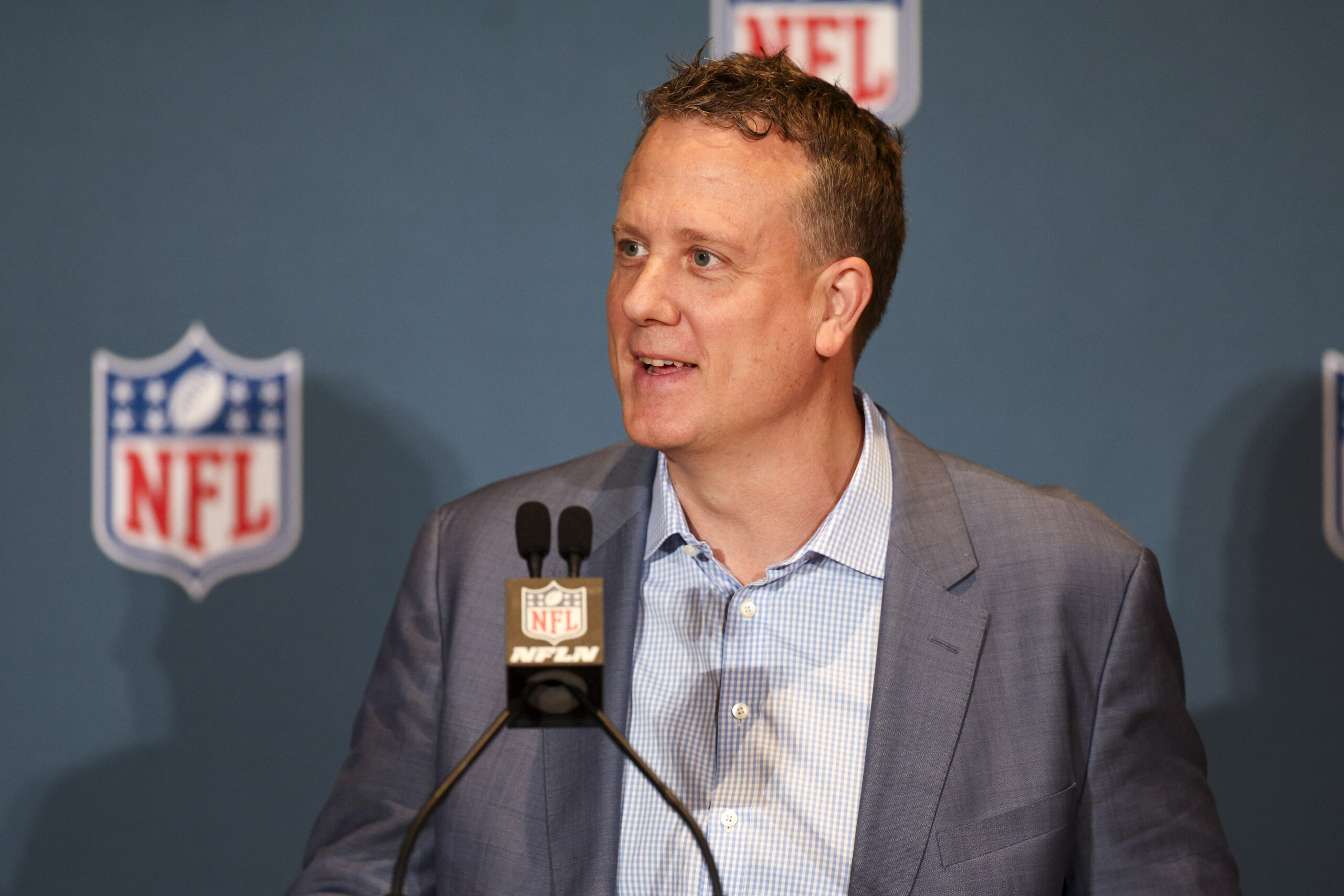
Mar 26, 2024; Orlando, FL, USA; NFL executive vice president of media distribution Hans Schroeder speaks to media during the annual league meetings at the JW Marriott. Mandatory Credit: Nathan Ray Seebeck-Imagn Images
The NFL wants new deals finalized before the September 2026 kickoff. Paramount is expected to announce first, with Fox and NBC following within weeks. New contracts would run through 2033 or 2034, locking in seven to eight additional years at escalated rates. NFL EVP Hans Schroeder said the league has “lots of inbound” interest. Netflix’s current Christmas deal expires after the 2026 season. Every major streamer and broadcaster knows the window is closing. Whoever loses this round of bidding loses premium NFL content for nearly a decade.
The Bill Arrives at Your Door

Jan 27, 2020; Miami, Florida; USA; General overall view of replica Super Bowl tickets at the NFL Experience at the Miami Beach Convention Center. Mandatory Credit: Kirby Lee-Imagn Images
The NFL posted $23 billion in total revenue last fiscal year, a 14.1% increase, and targets $25 billion by 2027. The league plans to expand to 16 international games annually and owners are targeting an 18-game season. More games means more inventory to sell to streamers. More streamers means more subscriptions for fans. Congress may eventually force minimum free-to-air game quotas, but until legislation passes, the consolidation around Netflix, YouTube, and Amazon accelerates. The fan who grew up watching football for free now builds a cable package from scratch, one $27 subscription at a time.
If you enjoyed this article please like and follow us here on MSN! Thank you for reading and have a great day!
Sources:
“NFL Christmas Gameday on Netflix Scores Again With the Lions-Vikings.” Netflix, December 2025.
“The Power of Live: Netflix’s Christmas NFL GameDay Drove the Biggest US Sign-Up Spike of 2025.” Ampere Analysis, January 2026.
“NFL Sees Second-Highest Regular Season Average Viewership Since 1988.” NFL.com, January 2026.
“Nielsen Super Bowl LX Final Viewership Rises to 125.6 Million Viewers.” Nielsen, February 2026.
“Amazon Prime Video Overtakes DAZN as Top Sports Rights Spender in 2026.” Ampere Analysis via Sports Pro, February 2026.