
The Chicago Bears, founded in 1919 and tenants of the NFL’s oldest stadium for over five decades, are weeks away from a decision that could sever a 107-year bond with Chicago. Indiana passed $1 billion in public stadium financing unanimously. Illinois can’t get a bill out of committee without a party-line brawl. Bears President Kevin Warren says the team is in “an excellent position” targeting a late spring decision. That’s corporate speak for: the clock is almost out, and one state already crossed the finish line. The other state just revived a site the NFL rejected in January.
Two States, One Functioning Legislature
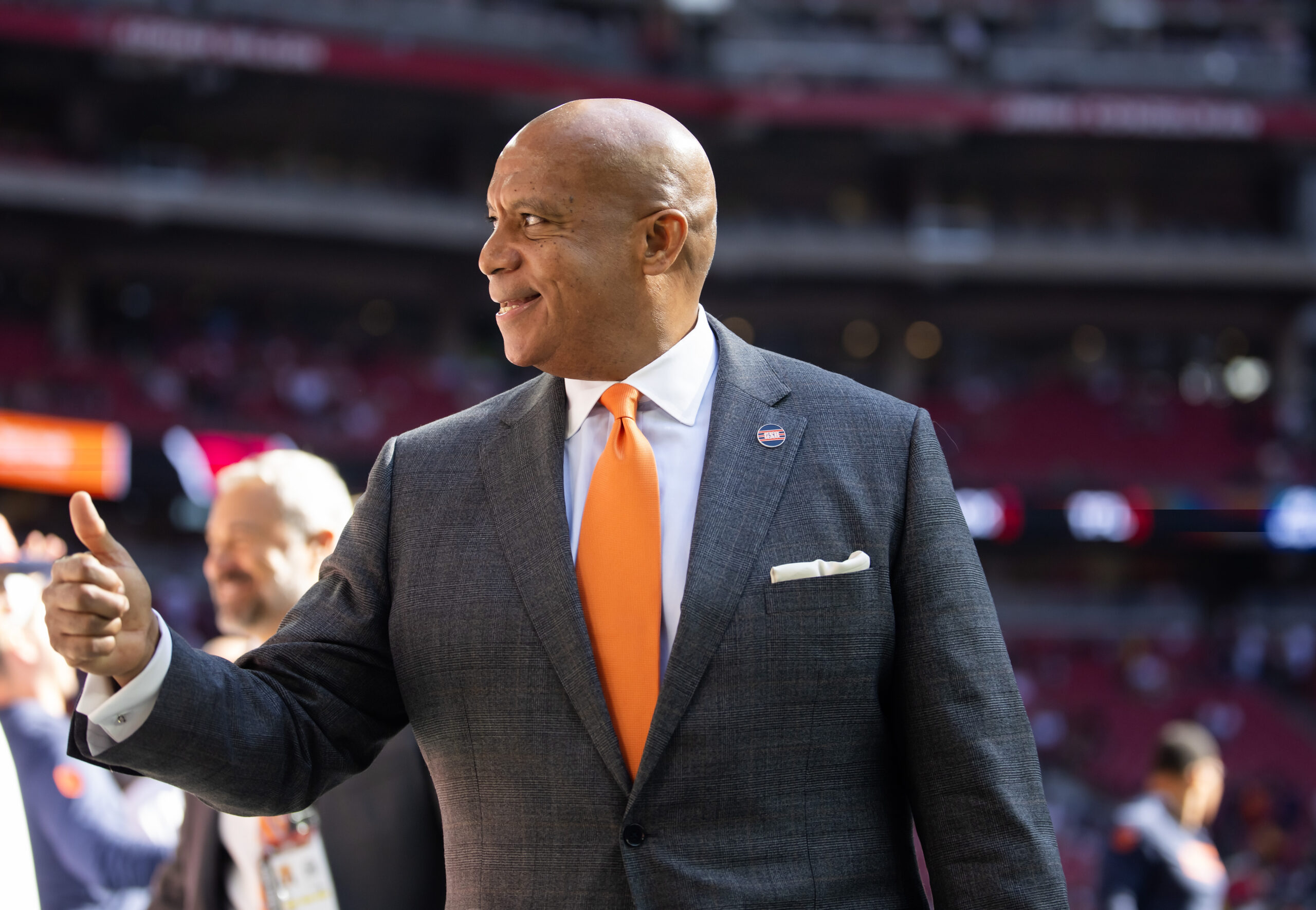
Nov 3, 2024; Glendale, Arizona, USA; Chicago Bears president and ceo Kevin Warren against the Arizona Cardinals at State Farm Stadium. Mandatory Credit: Mark J. Rebilas-Imagn Images
Indiana’s Republican-controlled legislature passed SB 27 through committee 24-0. No opposition. Bond authority granted. A brand-new Northwest Indiana Stadium Authority created with the power to issue debt and build. Illinois’ HB 910 cleared committee 13-7 along party lines and stalled. The House needs 60 votes to pass it. That threshold hasn’t been reached. Warren told reporters Illinois state leadership informed the team they were “not a priority in 2026.” One state built a financing vehicle. The other told the Bears to wait in line. That legislative gap is the entire story.
Your Grocery Bill Picks a Side
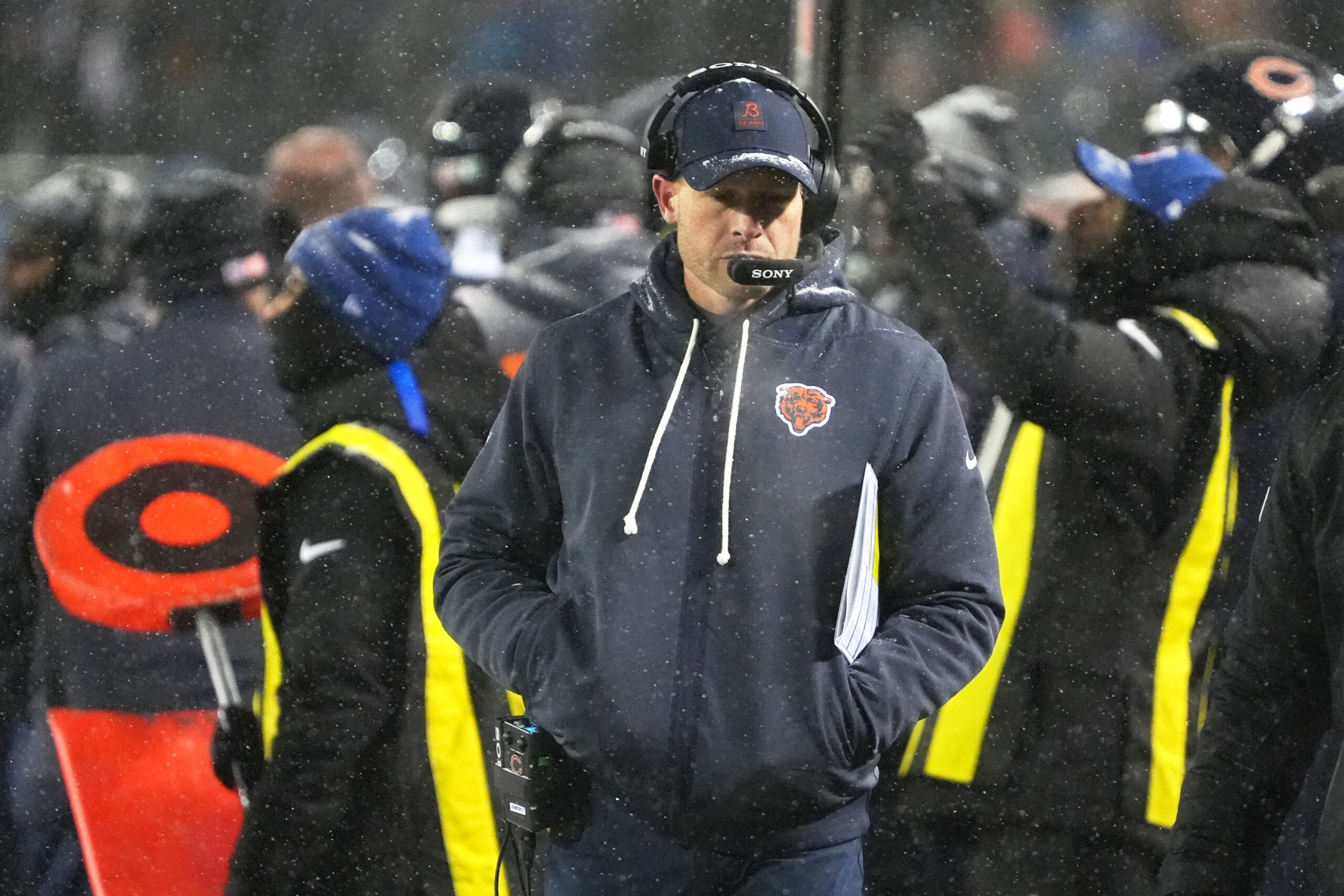
Jan 18, 2026; Chicago, IL, USA; Chicago Bears head coach Ben Johnson looks on against the Los Angeles Rams during the second quarter of an NFC Divisional Round game at Soldier Field. Mandatory Credit: David Banks-Imagn Images
Indiana’s financing hits visitors: a new 1% food and beverage tax across Lake and Porter counties, plus a hotel tax doubling from 5% to 10% in Lake County. Tourists and gameday crowds absorb the cost. Illinois took the opposite approach. The proposed property tax assessment freeze would lock the stadium’s rate for 23 to 40 years while neighboring homeowners cover the difference. Arlington Heights residents already pay over $8,000 annually in property taxes, the highest state average in the nation. One plan taxes visitors. The other taxes neighbors who never asked for a stadium.
Corporate Math Favors Indiana
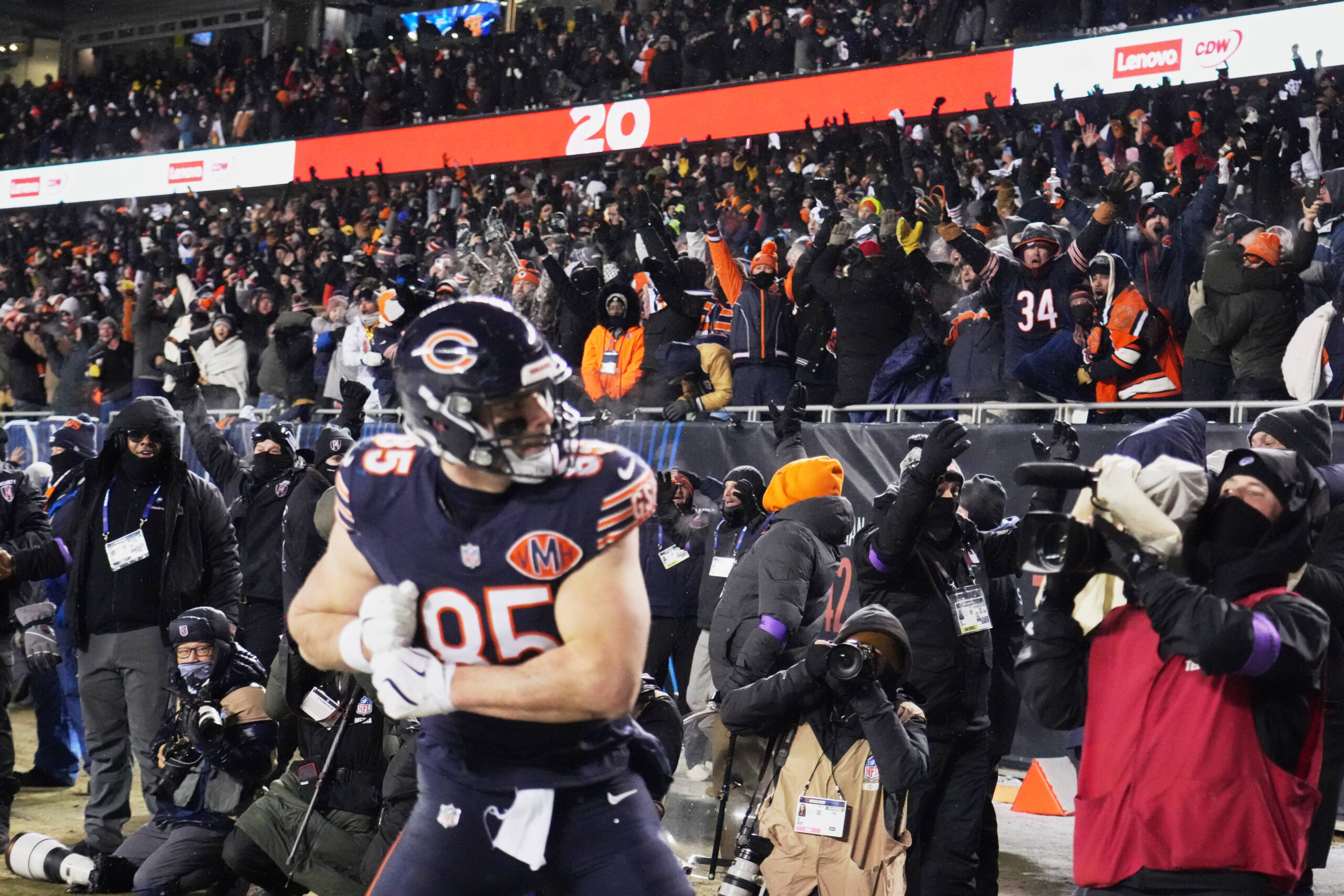
Jan 18, 2026; Chicago, IL, USA; Fans cheer after a touchdown scored by Chicago Bears tight end Cole Kmet (85) against the Los Angeles Rams with eighteen seconds remaining in the fourth quarter of an NFC Divisional Round game at Soldier Field. Mandatory Credit: David Banks-Imagn Images
The Bears committed $2 billion in private funding and requested $855 million in public infrastructure support for roads, sewers, and rail. Indiana answered with $1 billion in public financing, legislation signed, bond authority operational. Illinois offered a property tax freeze whose cash value remains indeterminate and politically toxic. From a boardroom perspective, Hammond’s 340 acres near Wolf Lake come with a lease on a publicly owned stadium. Arlington Heights’ 326 acres come with land the Bears already bought for $197.2 million but no legislative certainty to build on it.
A Mayor Pitches a Dead Site
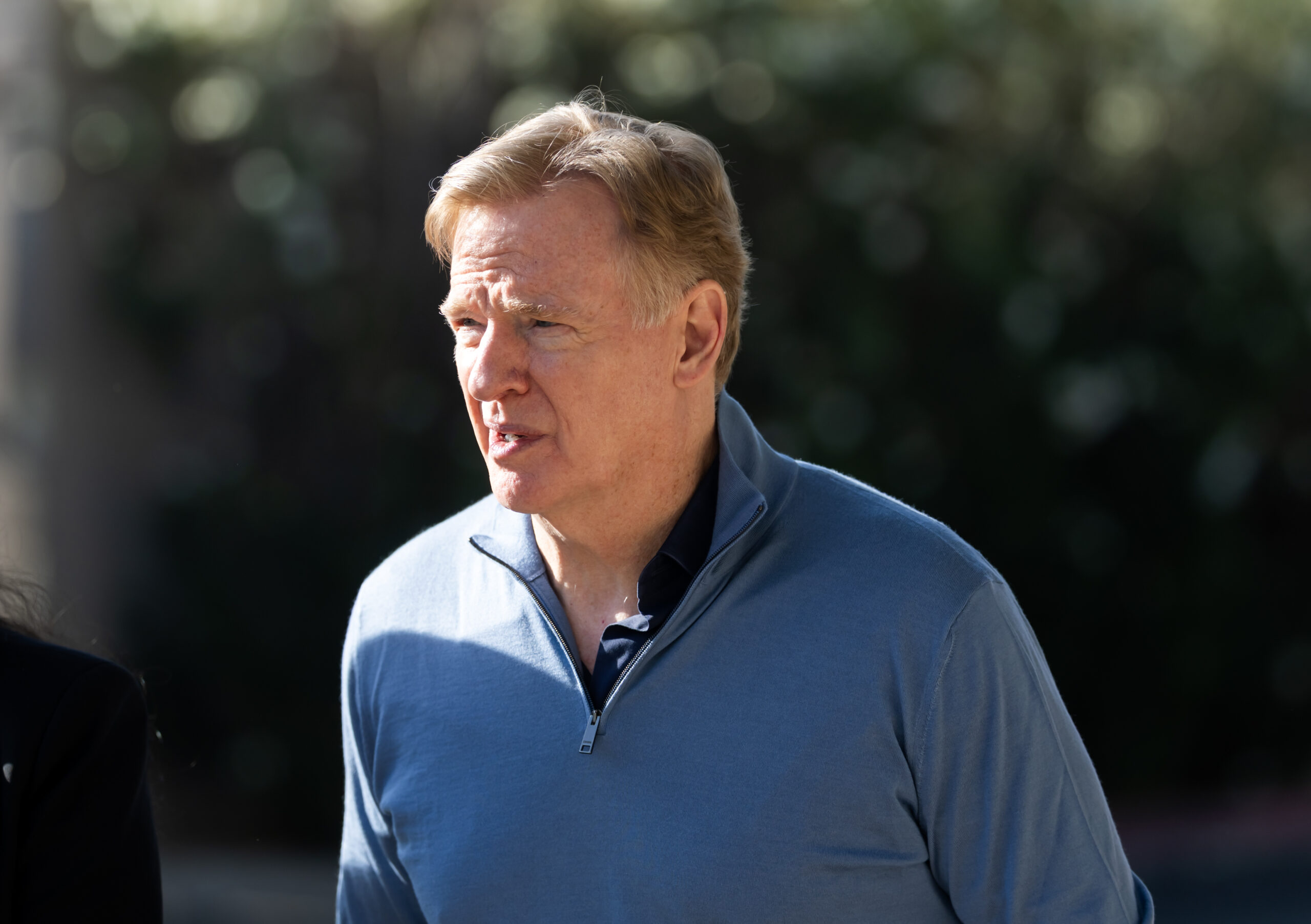
Mar 30, 2026; Phoenix, AZ, USA; NFL commissioner Roger Goodell arrives during the 2026 NFL Annual League Meeting at the Arizona Biltmore. Mandatory Credit: Mark J. Rebilas-Imagn Images
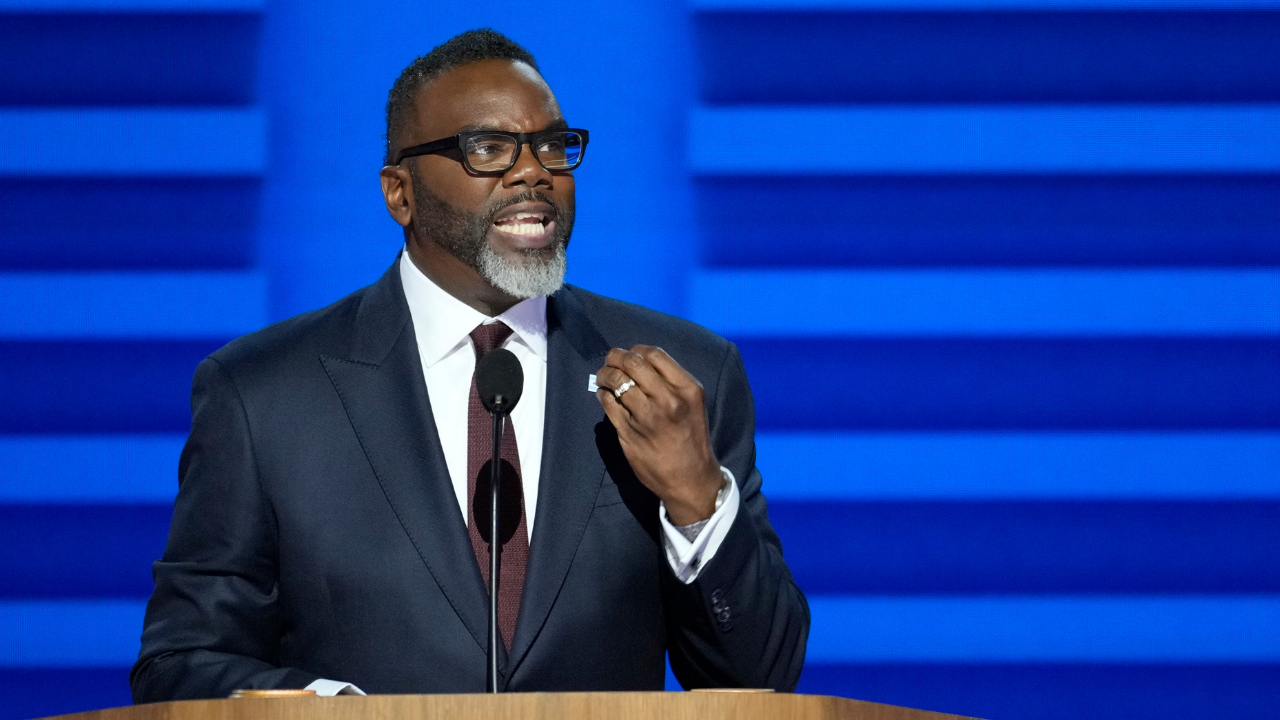
Mayor Brandon Johnson revived the Michael Reese Hospital site in Bronzeville, south of McCormick Place. NFL Commissioner Roger Goodell personally evaluated and rejected it in January. The site was deemed not viable due to its narrow layout and active rail lines running through it. The Bears confirmed that assessment. Johnson pushed it anyway. Think about what that signals. The mayor of Chicago is pitching the NFL a location the league already said no to, because the two real options are a suburban site with no legislation and an Indiana site with all of it.
The Machine Behind Every Ripple
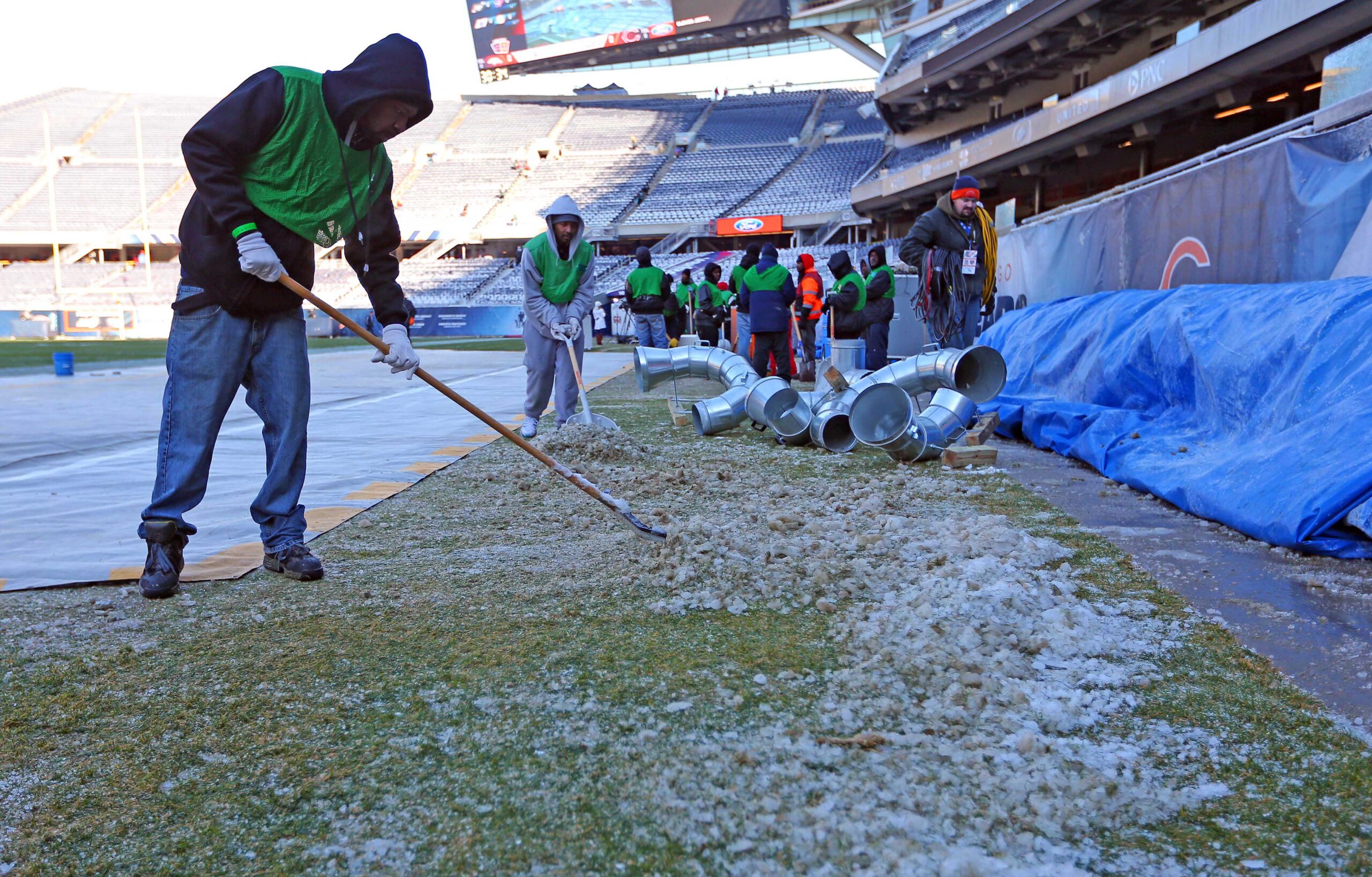
Nov 22, 2015; Chicago, IL, USA; Stadium workers clear snow prior to a game between the Chicago Bears and the Denver Broncos at Soldier Field. Mandatory Credit: Dennis Wierzbicki-Imagn Images
Every one of these consequences traces to the same structural failure: state legislative capacity determines franchise location. Indiana’s unified government legislates at speed. Illinois’ divided statehouse cannot. That single difference produced the $1 billion package, the Stadium Authority, the bond power, the tax mechanism. It also produced Illinois’ stall, the party-line vote, the 60-vote threshold nobody can reach. Stadium site. Tax model. Financing certainty. Timeline. All of it flows from whether a legislature can pass a bill. Indiana can. Illinois can’t. The Bears noticed.
The Voice From Inside the Standoff
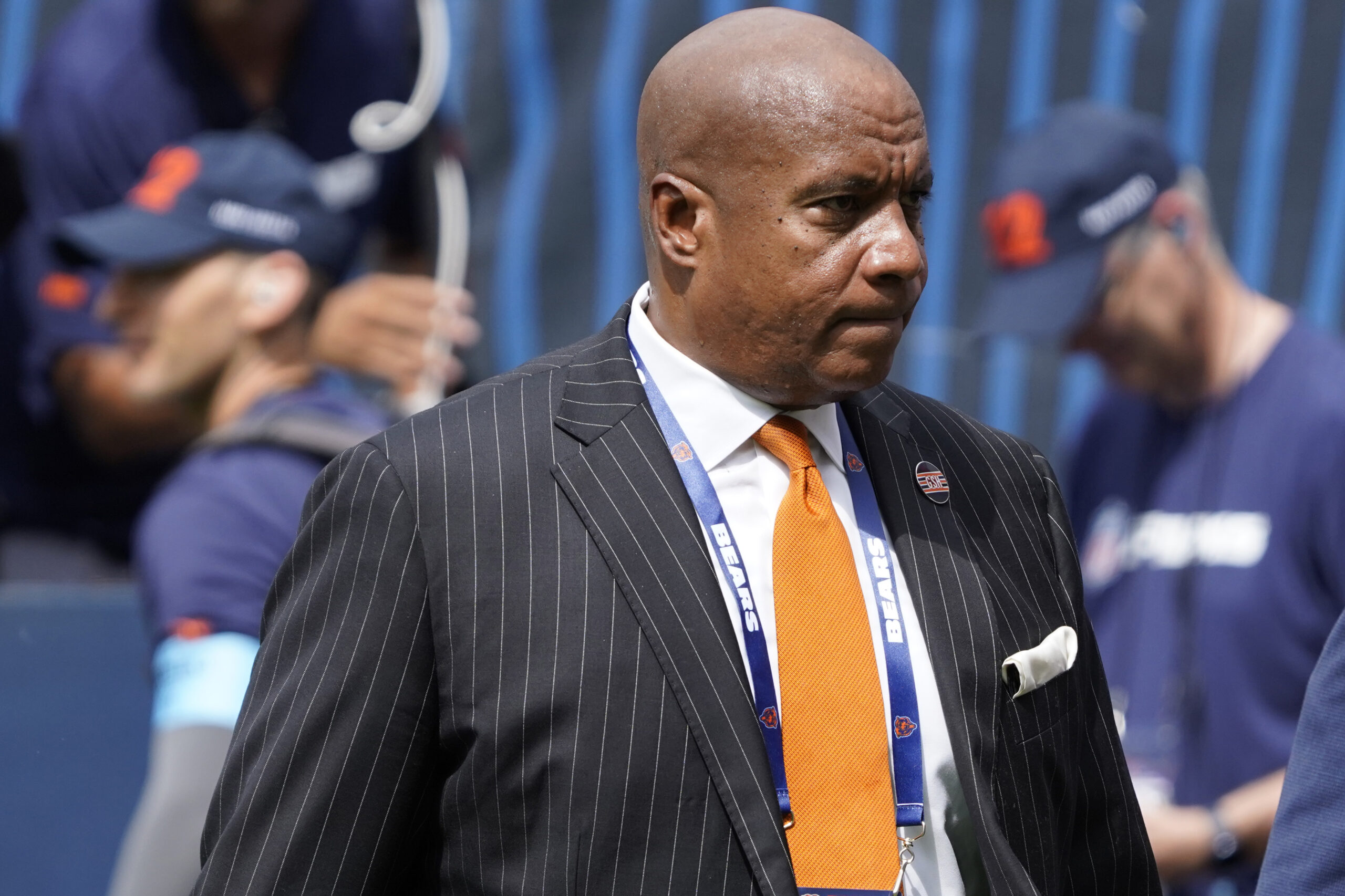
Aug 17, 2024; Chicago, Illinois, USA; Chicago Bears President Kevin Warren on the field before the game against the Cincinnati Bengals at Soldier Field. Mandatory Credit: David Banks-Imagn Images
Warren’s public statement carries a quiet devastation: “We’ve been working on our stadium and feel very strongly that we are making progress. We are in an excellent position.” Excellent position. While Illinois’ legislature sits deadlocked. While the mayor pitches a site the NFL rejected. While Indiana’s financing package sits ready to execute. Ball State economist Michael Hicks offered a colder read: neither proposal delivers net benefits to taxpayers. Both states lose money. The only question is which state’s politicians moved fast enough to lose it first.
The Precedent Other Teams Are Watching
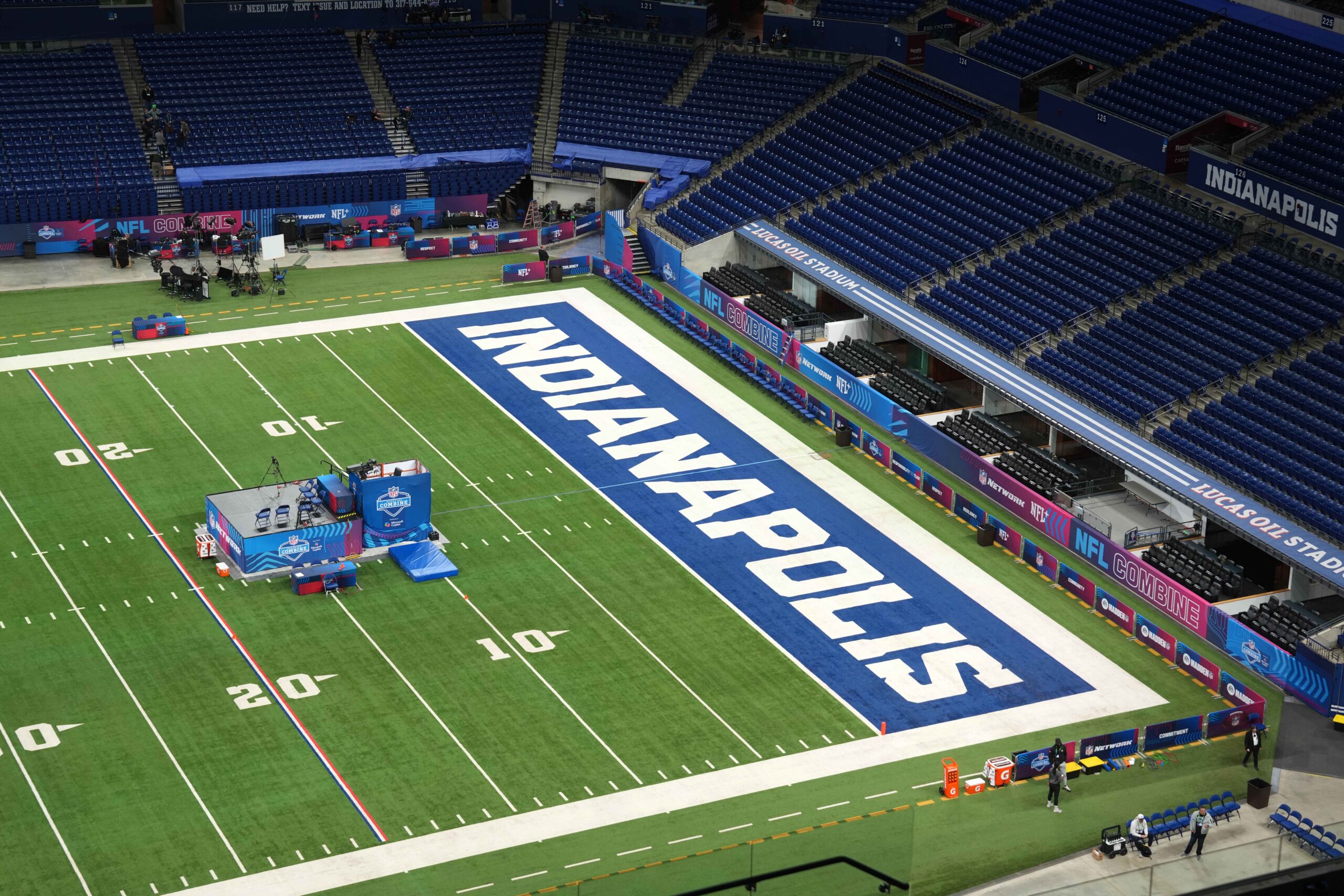
Mar 1, 2026; Indianapolis, IN, USA; The Indianapolis Colts logo in the eod zone at Lucas Oil Stadium. Mandatory Credit: Kirby Lee-Imagn Images
Indiana replicated the Lucas Oil Stadium financing model from 2008, the same playbook that brought the Colts their home. Eighteen years later, the state ran the same strategy and won again. The precedent now radiates outward. Every NFL franchise watching this learns the lesson: if your home state stalls, a neighboring state with unified government can legislate a billion-dollar package in weeks. May 31 marks the end of Illinois’ spring session. If no bill passes, Illinois would need a rare special session to revisit. Indiana’s law is already signed.
Winners, Losers, and the Wolf Lake Wild Card
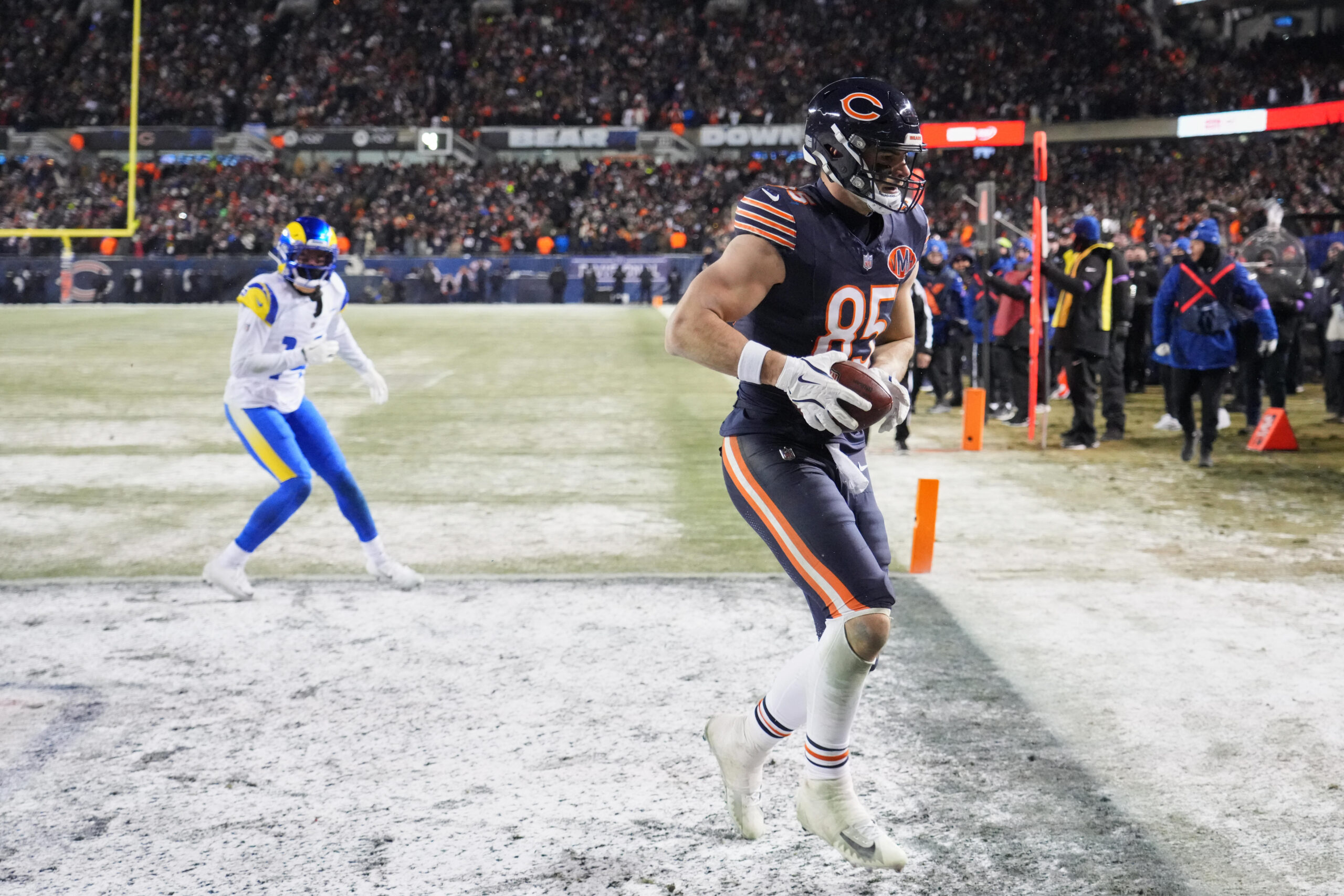
Jan 18, 2026; Chicago, IL, USA; Chicago Bears tight end Cole Kmet (85) catches a fourteen-yard touchdown pass thrown by quarterback Caleb Williams (not pictured) against Los Angeles Rams cornerback Cobie Durant (14) with eighteen seconds remaining in the fourth quarter of an NFC Divisional Round game at Soldier Field. Mandatory Credit: David Banks-Imagn Images
Indiana’s political class wins national credibility. Hammond Mayor Thomas McDermott, 22 years in office, lands the biggest economic project in northwest Indiana history. Illinois politicians face blame from every direction. Chicago loses 56,000 projected construction jobs and 9,000 permanent positions. The Bears’ 326-acre Arlington Heights property sits in limbo, its $197.2 million value uncertain. And environmental groups flagged the Wolf Lake site as a migratory bird route built on a former industrial dump. McDermott dismissed the concerns. Litigation could follow. The cascade reaches the wetlands now.
The Cascade Keeps Breaking
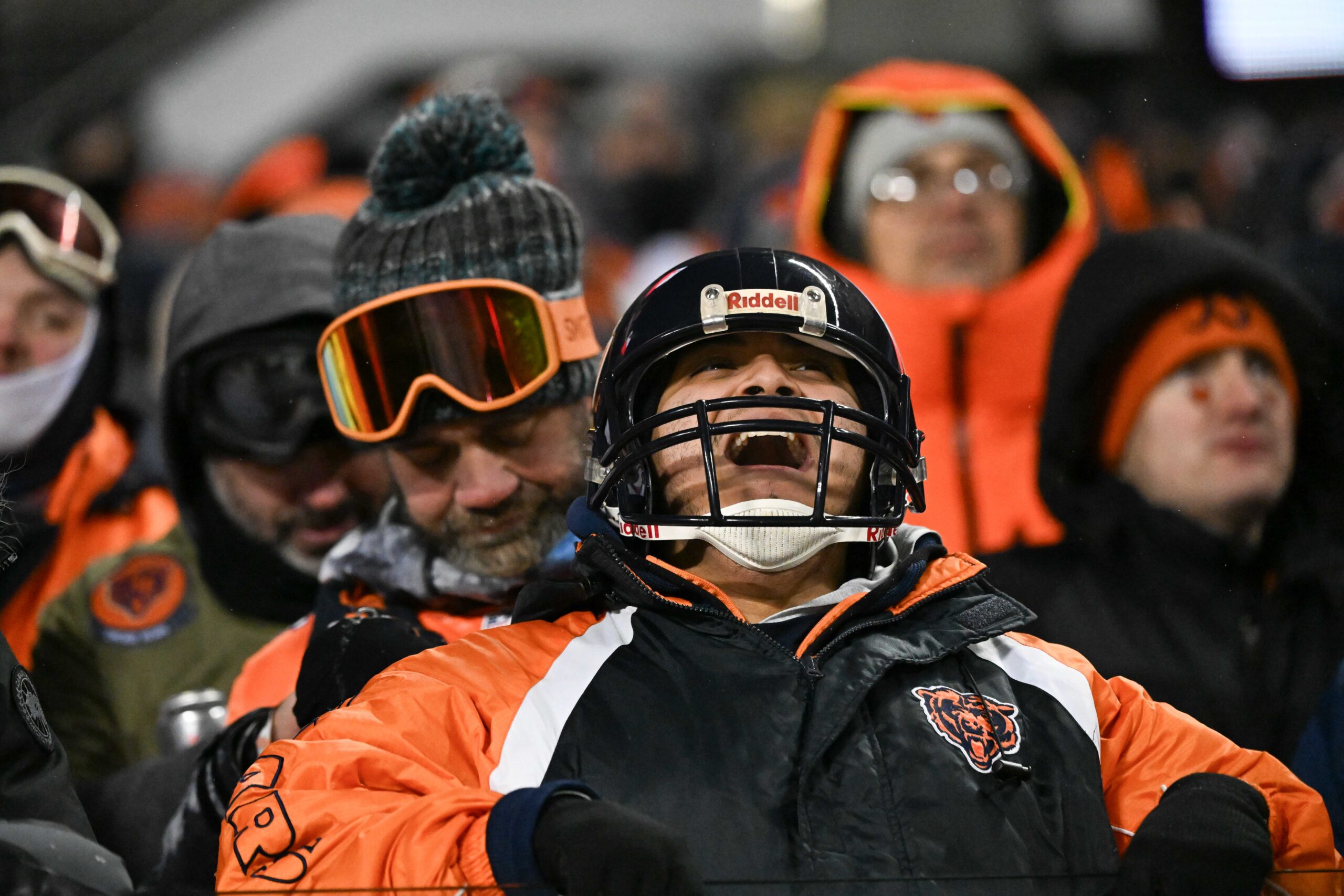
Jan 18, 2026; Chicago, IL, USA; Chicago Bears fans during an NFC Divisional Round game at Soldier Field. Mandatory Credit: Matt Marton-Imagn Images
The Bears’ Soldier Field lease runs through 2033. Any new stadium wouldn’t open before then regardless. So the franchise plays in Chicago for years while building in Indiana. Picture that: a team representing one state, constructing its future in another, because the home state’s legislature couldn’t pass a bill. Illinois could attempt emergency legislation. Environmental groups could file suits against the Hammond site. Neither changes the core math. Indiana legislated. Illinois didn’t. After 107 years, the Bears’ Chicago era ends not with a decision but with a deadline nobody met.
Sources:
“Indiana Unanimously Passes Bill to Lure Bears Away from Chicago.” ESPN, 18 Feb. 2026.
“Chicago Mayor Pushes for Rejected Downtown Bears Stadium Site.” Front Office Sports, 5 Apr. 2026.
“Bears’ Stadium Decision ‘Late Spring, Early Summer,’ Says Warren.” ESPN, 31 Mar. 2026.
“Bears Seek $855M in Public Funding for Infrastructure to Build Stadium.” ESPN, 29 Sept. 2025.