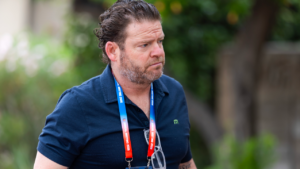

USA Today fired NFL reporter Crissy Froyd on April 16 after she posted critical comments about Dianna Russini’s resignation from The Athletic. Froyd had worked with the outlet for years as an NFL reporter and independent contractor. Her termination came via email and was effective immediately, with USA Today citing professionalism and ethical standards in its public statement. The official statement said her recent remarks did not “reflect our commitment to professionalism or uphold our principles of ethical conduct.” Froyd’s response landed like a brick: “I want to say firstly that I do not regret anything that I said and that I stand behind the fact it is all indeed true.” The story everyone saw was a firing. The story underneath it reaches a lot further.
The Photos That Started the Chain Reaction
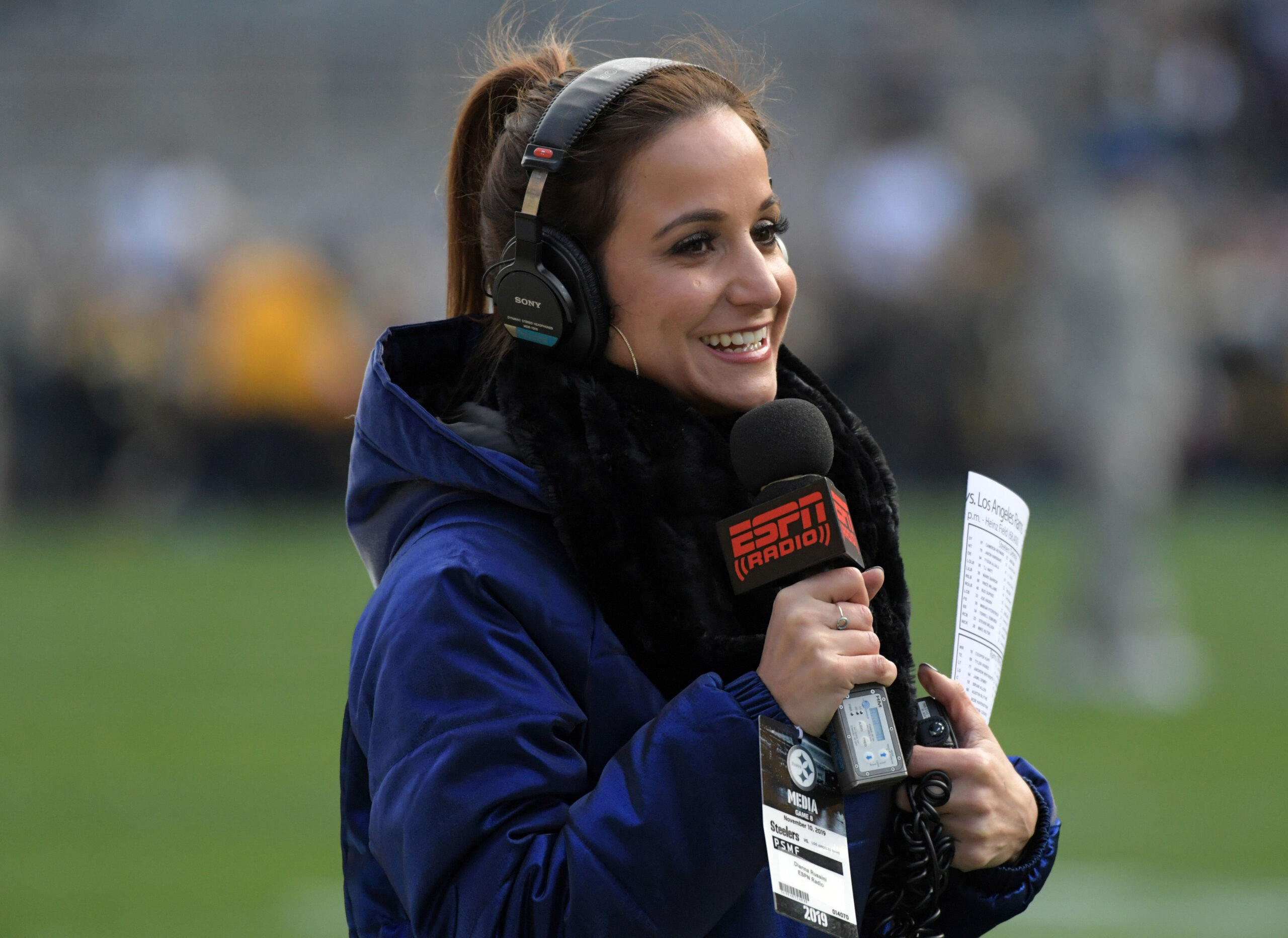
Nov 10, 2019; Pittsburgh, PA, USA; ESPN radio sideline reporter Dianna Russini during the NFL game between the Pittsburgh Steelers and the Los Angeles Rams at Heinz Field. The Steelers defeated the Rams 17-12. Mandatory Credit: Kirby Lee-Imagn Images
The New York Post’s Page Six vertical published photos in early April, allegedly taken March 28, showing Russini and New England Patriots coach Mike Vrabel at Ambiente, an adults-only Sedona resort where suites can run into the thousands of dollars per night. The images showed them holding hands, embracing, and spending time together at the pool. Both are married. Vrabel called the interaction “completely innocent.” Reporting has indicated that those photos were shopped to multiple outlets, including TMZ, before the Post ran them. That distribution strategy turned a private moment into an institutional crisis across two major media organizations within days.
Two Careers Gone in Five Days
Jan 12, 2026; Pittsburgh, PA, USA; ESPN Monday Night Football logo on an end zone camera before the Pittsburgh Steelers host the Houston Texans in an AFC Wild Card Round game at Acrisure Stadium. Mandatory Credit: Charles LeClaire-Imagn Images
Russini resigned April 14, stepping down before the expiration of a contract set to end June 30. Froyd posted her criticism that evening, publicly celebrating Russini’s exit and accusing her of hurting women in sports. By April 16, Froyd was terminated. Two journalists, two organizations, five days. Russini walked away from the remaining value of her contract with no reported payout; Froyd’s income from USA Today ended immediately, though her exact financial loss hasn’t been disclosed. The speed tells you something. Russini had time to craft a resignation letter and exit ahead of her contract end date. Froyd got an email and a public statement. The person who spoke publicly about the problem paid faster than the person at the center of it.
The Athletic’s 72-Hour Reversal

Feb 7, 2022; Westlake Village, CA, USA; ESPN reporter Dianna Russini at Los Angeles Rams Super Bowl LVI Opening Night at Oaks Christian High School. Mandatory Credit: Kirby Lee-Imagn Images
This is where the institutional math gets ugly. The Athletic’s executive editor initially defended Russini “unequivocally,” according to Russini’s own resignation letter, which said the outlet expressed confidence in her work and pride in her journalism when the Page Six item first appeared. Within roughly 72 hours, that same leadership informed staff that The Athletic had taken the matter seriously from the start and was conducting an investigation into Russini’s conduct and her coverage of Vrabel. Public defense on one day. Private investigation by the end of the week. Same organization. Same leader. Same journalist being evaluated. That reversal tells you the public statement was reputation management, not a final factual assessment.
The Chill Spreads Across Every Newsroom
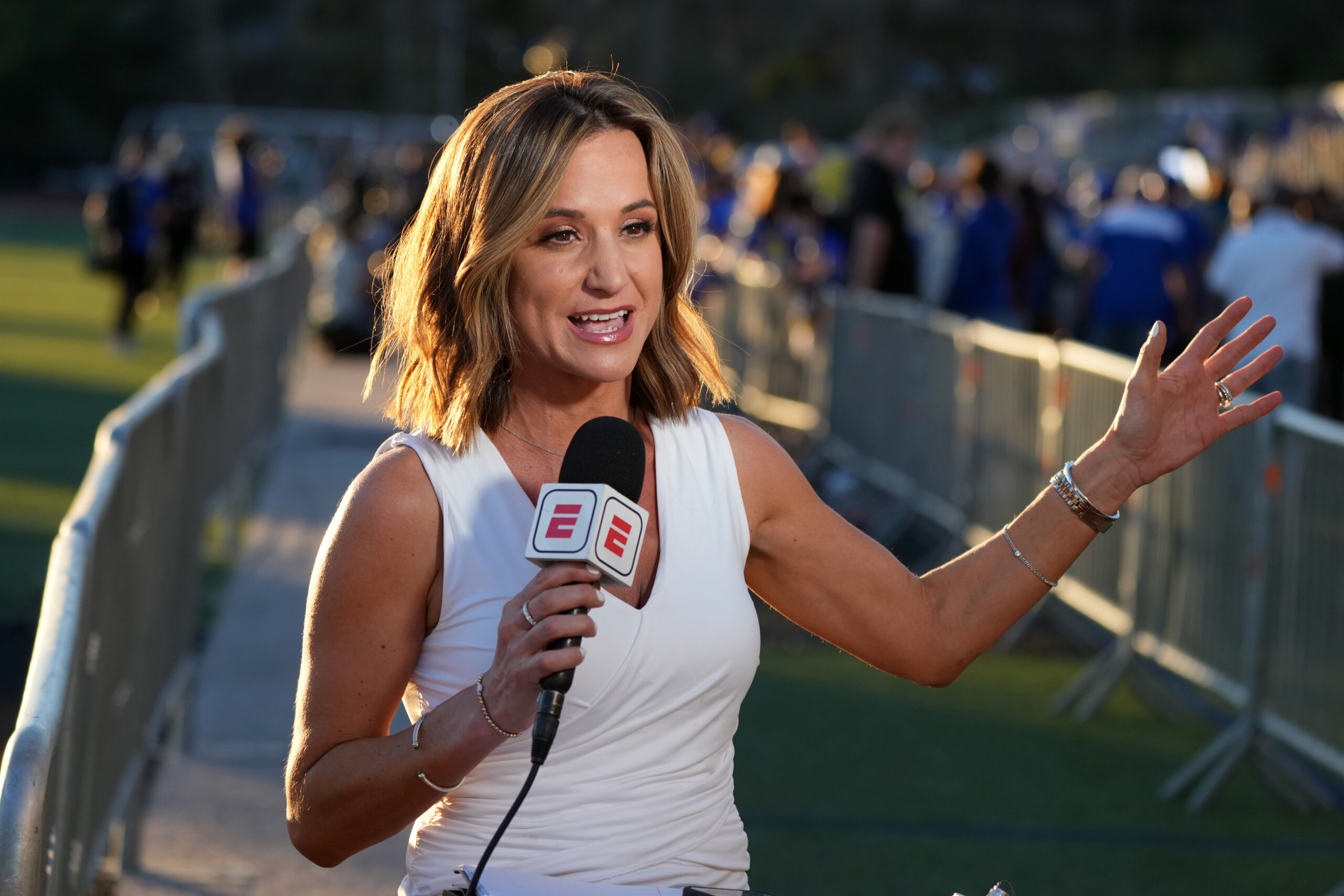
Feb 7, 2022; Westlake Village, CA, USA; ESPN reporter Dianna Russini at Los Angeles Rams Super Bowl LVI Opening Night at Oaks Christian High School. Mandatory Credit: Kirby Lee-Imagn Images
Froyd described what she characterized as widely known allegations in NFL reporting circles when she later discussed the situation publicly. She framed it as the “worst‑kept secret in the NFL reporting world,” citing stories about reporters and married NFL coaches. Now every sports journalist who has ever observed a colleague’s alleged misconduct knows the price of saying it publicly. USA Today didn’t fire Froyd for being proven factually wrong about a game score or transaction. They fired her for speaking loudly about an ongoing controversy involving another reporter, with much of the underlying speculation still unverified by traditional reporting standards. That distinction rewires how reporters think about peer accountability.
The Machine Behind the Silence
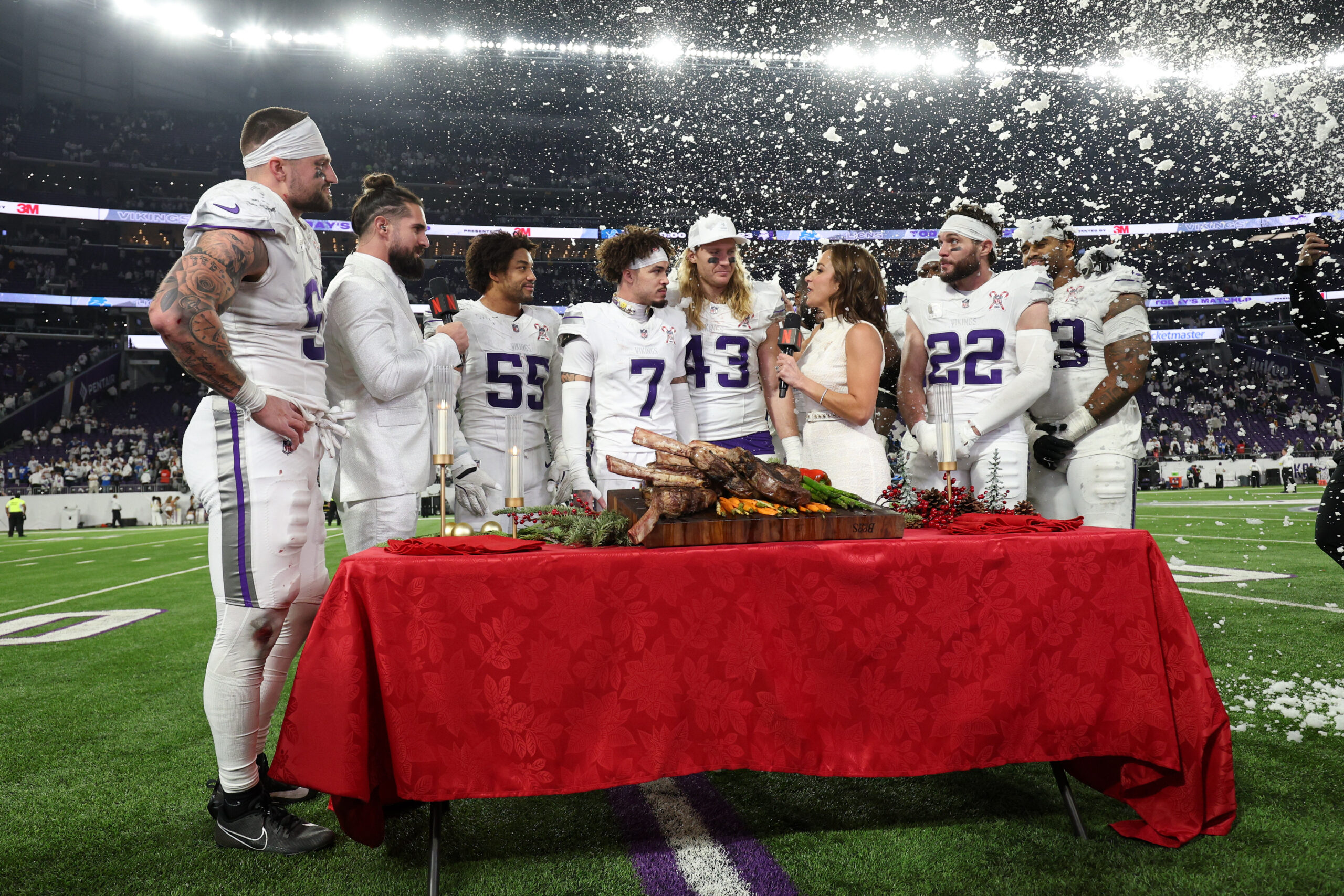
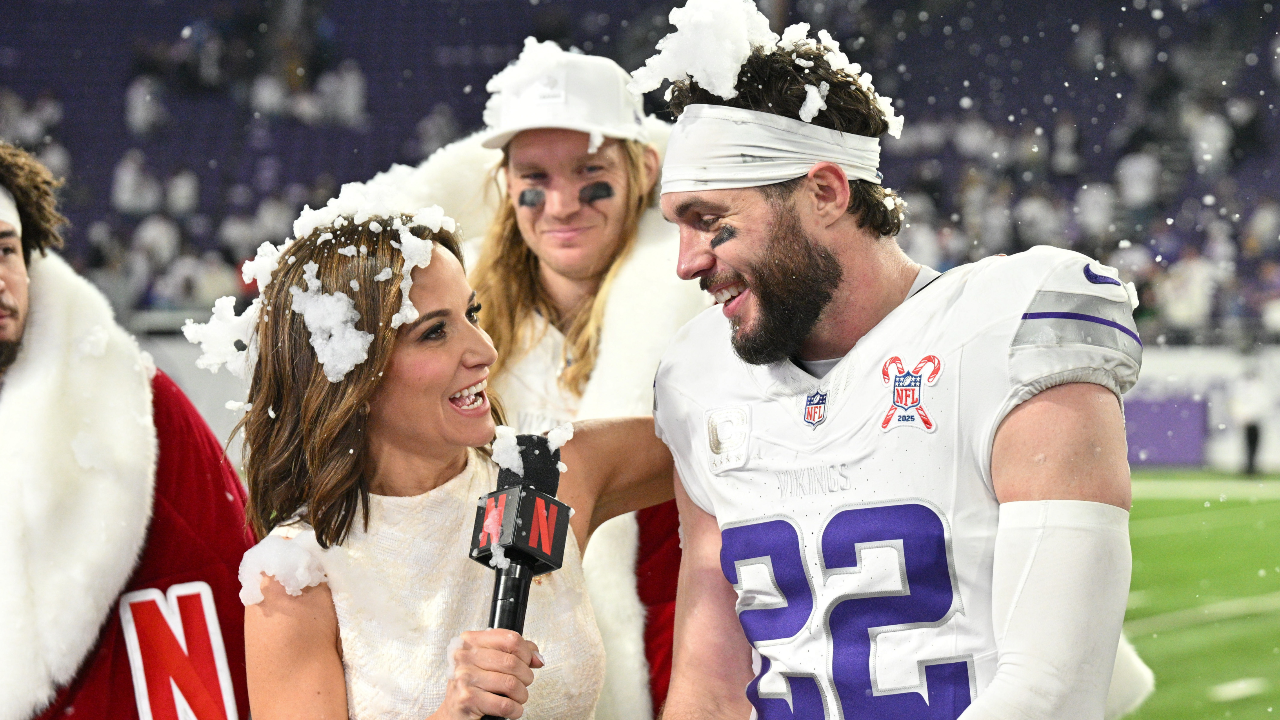
Dec 25, 2025; Minneapolis, Minnesota, USA; The Minnesota Vikings defense is interviewed by WWE Superstar wrestler Seth Rollins and Dianna Russini after the game against the Detroit Lions at U.S. Bank Stadium. Mandatory Credit: Matt Krohn-Imagn Images
A three-stage pattern now operates in plain sight. Stage one: defend the subject publicly. Stage two: investigate the subject privately. Stage three: discipline or fire anyone who discusses the problem outside approved channels. Froyd received an internal message warning that her posts created a “news‑making cycle” linking USA Today to the controversy and noting that much of the speculation about Russini remained unverified. The violation, as framed by her employer, was not that she had published a misreported game story. The violation was visibility and association: her independent posts were being linked back to USA Today in multiple articles. One organization defended its reporter while investigating her. Another organization fired its reporter for criticizing the same person. Same scandal. Same week. Professionalism now means institutional compliance, not truthfulness.
A Voice From Inside the Wreckage
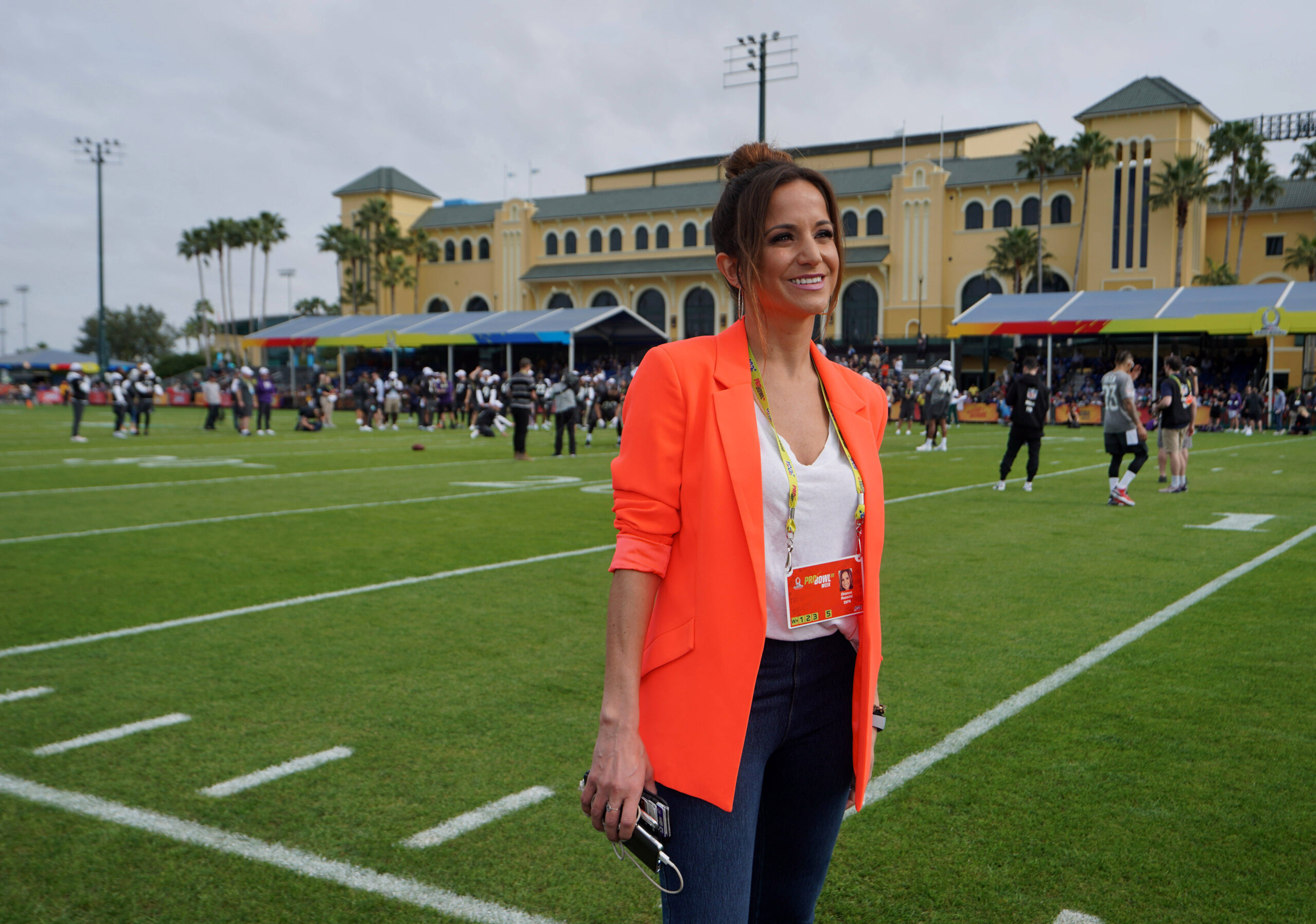
Jan 23, 2020; Kissimmee, Florida, USA; ESPN NFL Countdown analyst Dianna Russini poses during AFC practice at ESPN Wide World of Sports. Mandatory Credit: Kirby Lee-Imagn Images
Russini framed her exit carefully: “When the Page Six item first appeared, The Athletic supported me unequivocally, expressed confidence in my work and pride in my journalism.” She said she chose to resign rather than “lend it further oxygen.” That phrasing matters. She left before the investigation concluded. The Athletic, a New York Times subsidiary, opened a review of her Vrabel coverage to determine whether her reporting was compromised by the relationship being alleged in public speculation. As of this writing, that investigation remains ongoing. Russini chose narrative management. Froyd chose defiance. Only one of them controlled the terms of departure.
A Precedent That Rewrites the Rules

Feb 7, 2022; Westlake Village, CA, USA; ESPN reporter Dianna Russini at Los Angeles Rams Super Bowl LVI Opening Night at Oaks Christian High School. Mandatory Credit: Kirby Lee-Imagn Images
This appears to be one of the first high‑profile cases of a sports reporter losing a job for publicly criticizing a journalist peer during an active investigation into that peer’s conduct, rather than for inaccuracies in their own reporting. The parallel to Matthew Dowd’s firing from MSNBC after controversial on‑air comments about another public figure shows how this pattern has been accelerating across media: speech about others’ conduct can now be as career‑threatening as errors in your own work. Post‑2020s social‑media enforcement has expanded from policing what reporters publish to policing what reporters say about each other. The new rule is clear: public peer criticism creates employment risk, even when the criticism overlaps with what your peer’s own employer is formally reviewing.
Who Wins When Truth‑Tellers Lose

ESPN’s Dianna Russini photographed for (201) Magazine at Northern Valley Regional High School in Old Tappan. Dsc 5235
The winners are institutional leaders who maintain public credibility while conducting private investigations. The losers are readers who depend on journalists holding each other accountable. Russini has said that more than just the two of them were present at the resort gathering; she referenced a larger group, with some reports citing six people, but no public evidence has independently substantiated that specific headcount. The investigation into whether her Vrabel coverage was compromised remains unresolved. Meanwhile, Froyd rebuilds a career outside the outlet where she’d spent a significant part of her professional life. The person who raised the alarm lost her job. The person under investigation chose her exit. That inversion should bother anyone who believes accountability flows in both directions.
The Cascade Keeps Breaking
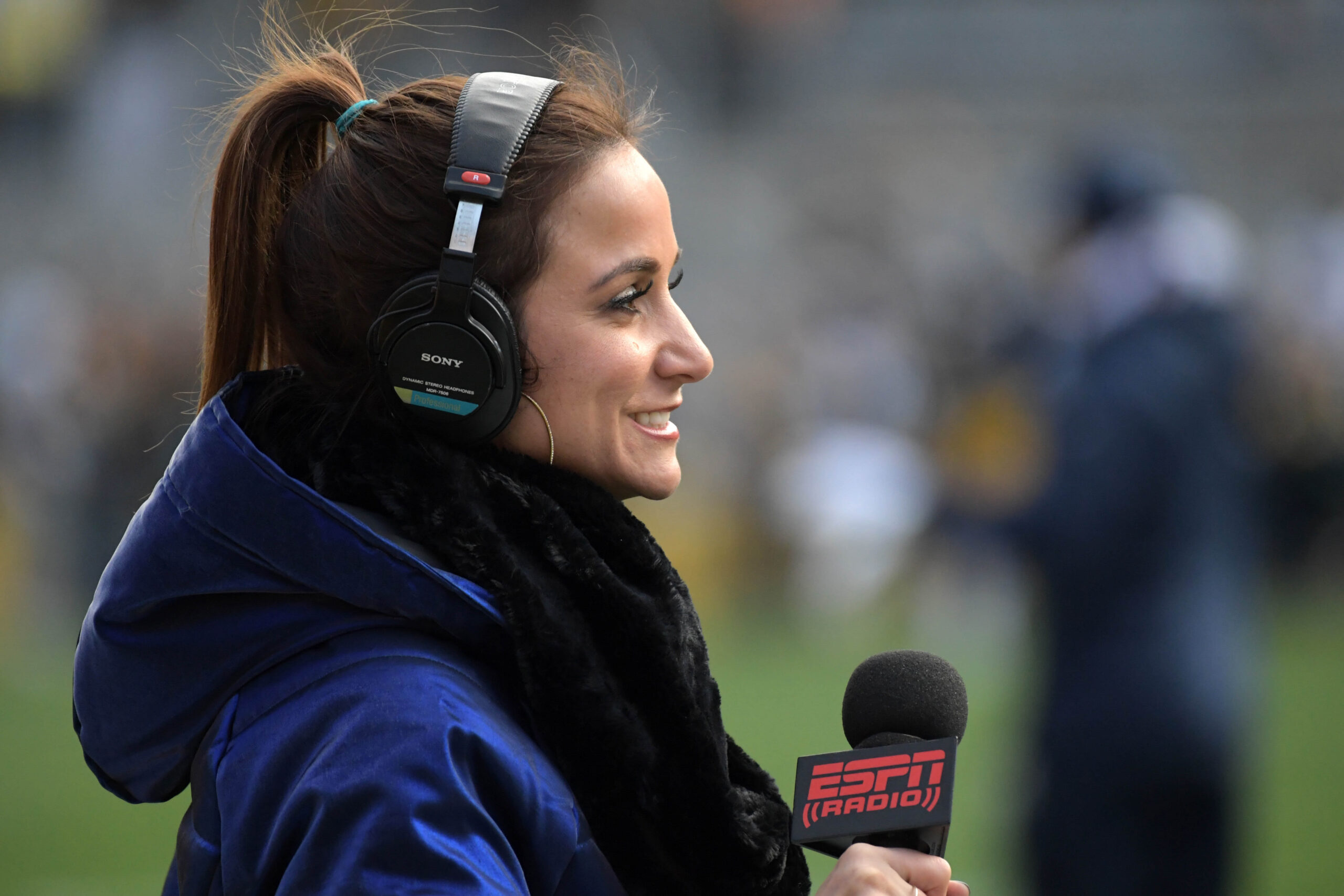
Nov 10, 2019; Pittsburgh, PA, USA; ESPN radio sideline reporter Dianna Russini during the NFL game between the Pittsburgh Steelers and the Los Angeles Rams at Heinz Field. The Steelers defeated the Rams 17-12. Mandatory Credit: Kirby Lee-Imagn Images
If The Athletic’s investigation ultimately finds Russini’s Vrabel coverage was compromised, questions cascade into every story she filed about the Patriots. If those stories fall, other reporters face scrutiny. If more reporters face scrutiny, more misconduct could surface. Media organizations may now draft formal social‑media policies explicitly restricting employee commentary on peer situations, citing the Froyd episode as justification. The system that fired Crissy Froyd did not fix anything. It taught every journalist in America that silence is safer than honesty. That lesson will cost readers far more than one reporter’s contract.
Sources:
“Dianna Russini Resigns From The Athletic Amid Mike Vrabel Controversy.” Fox News, 13 Apr 2026.
“N.F.L. Reporter Resigns From The Athletic Amid an Investigation.” The New York Times, 14 Apr 2026.
“NFL Reporter Fired Over Comment on Dianna Russini’s Resignation Post.” Entertainment Weekly, 16 Apr 2026.
“Crissy Froyd Defends Past Relationship With Coach After Dianna Russini Criticism.” People, 17 Apr 2026.