

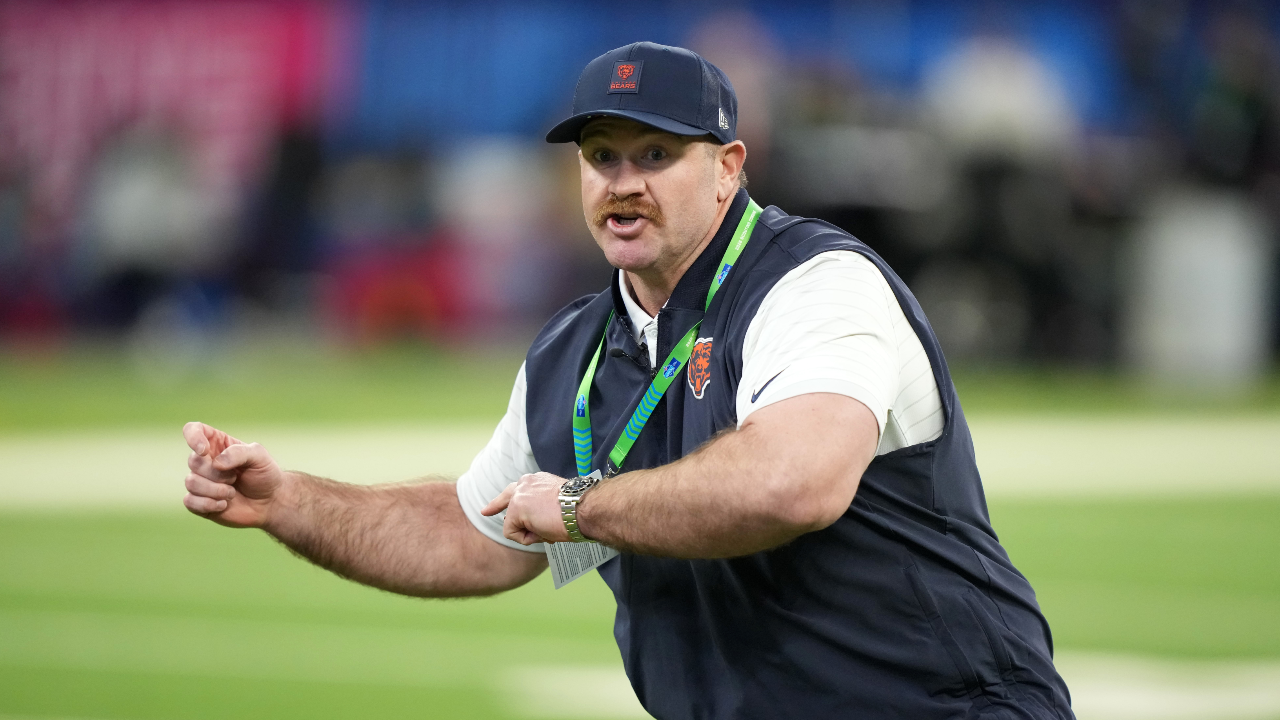
The Illinois House just voted to advance a stadium bill for the Chicago Bears in Arlington Heights. On paper, that looks like progress. In reality, it looks like a state scrambling to keep a franchise that already has one foot out the door. Indiana has offered around $1 billion in incentives to pull the Bears across the state line to Hammond. One billion. That number landed on the table while Illinois legislators were still debating whether to act. The vote passed, but the scoreboard already favors the other side.
Why Indiana Smells Blood
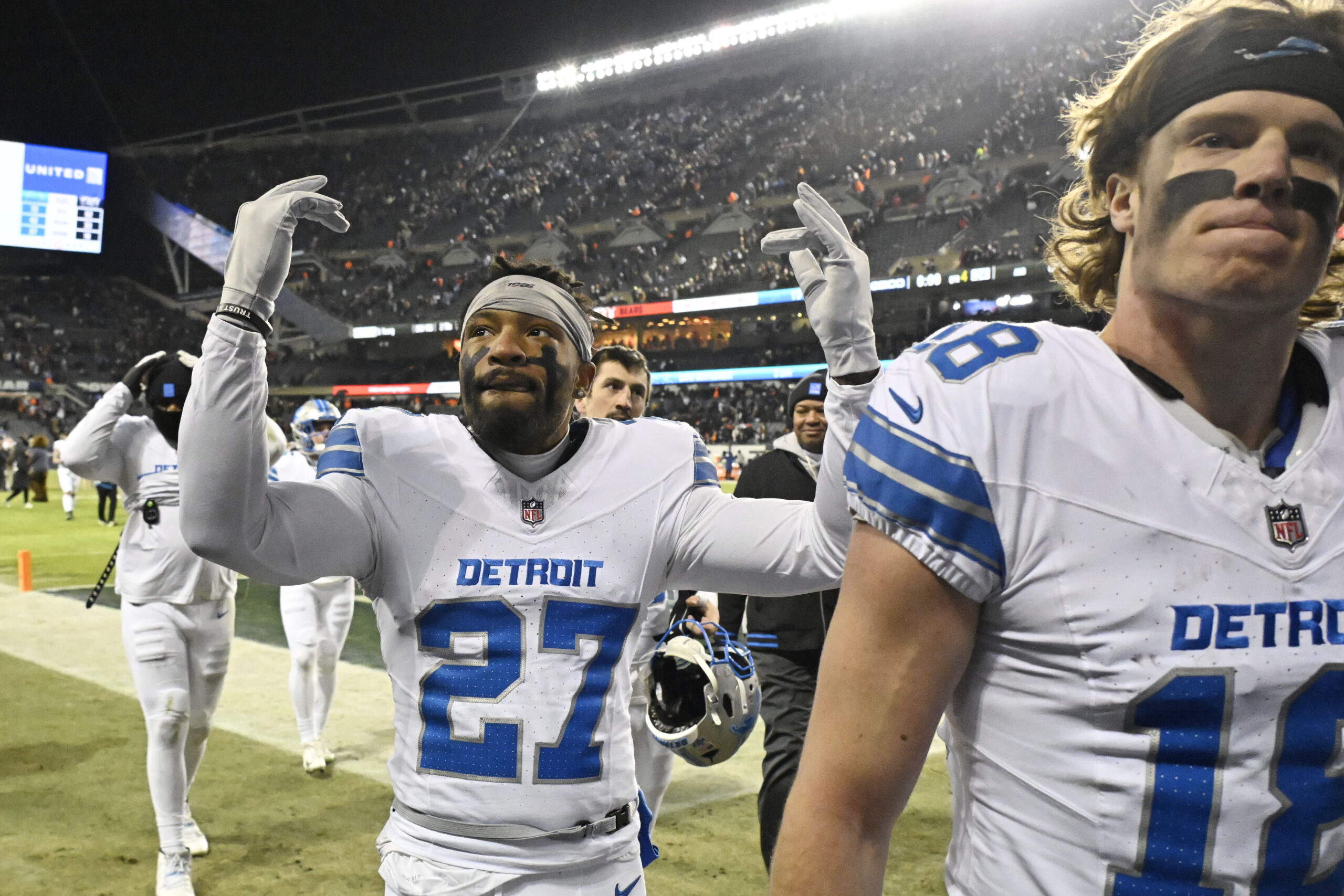
Jan 4, 2026; Chicago, Illinois, USA; Detroit Lions cornerback Arthur Maulet (27) reacts after their win against the Chicago Bears at Soldier Field. Mandatory Credit: Matt Marton-Imagn Images
Indiana’s billion-dollar offer exists because states have learned that NFL franchises are leverage machines. A team doesn’t just bring Sunday attendance. It brings broadcast revenue, hotel taxes, construction contracts, and political capital. Indiana watched the Rams leave St. Louis, watched the Raiders leave Oakland, and built a playbook. The mechanism is simple: offer a number so large that the home state either matches it or watches the moving trucks arrive. Illinois now faces exactly that math, and the clock started before the vote.
What Chicago Fans Lose First
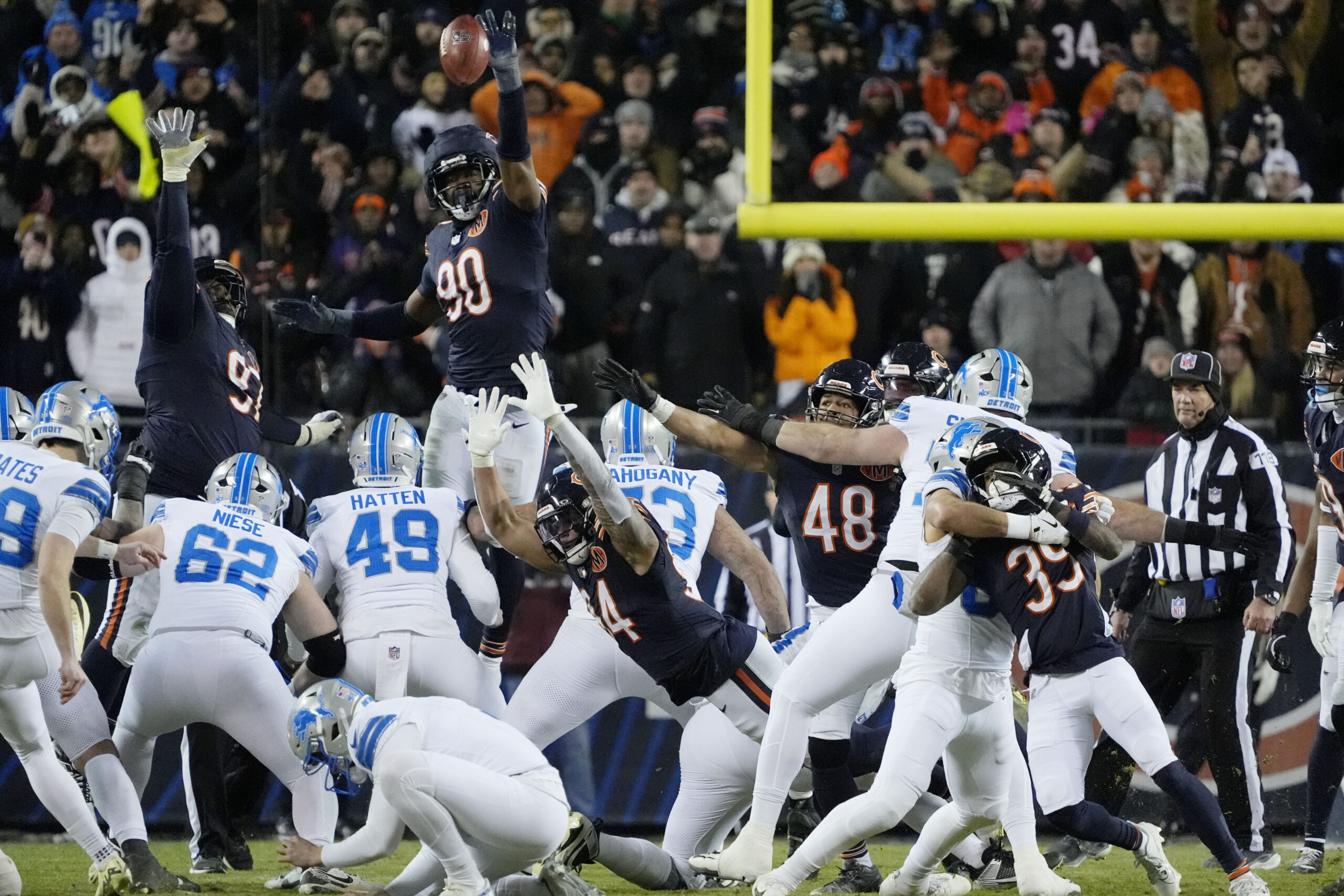
Jan 4, 2026; Chicago, Illinois, USA; Chicago Bears defensive end Dominique Robinson (90) attempts to block the game-winning field goal made by Detroit Lions place kicker Jake Bates (39) during the second half at Soldier Field. Mandatory Credit: David Banks-Imagn Images
Forget the stadium debate for a moment. If the Bears relocate, season ticket holders face an immediate choice: commit to a new venue in a different state or walk away from years of waitlist loyalty. Tailgate culture, game-day rituals, the entire Sunday economy around Soldier Field or a suburban replacement vanishes. Restaurants, bars, and parking operators near any Chicago-area stadium site lose their anchor tenant. The direct consumer hit lands on the people who built their weekends around this team for generations.
Arlington Heights Gambled Everything

Jan 18, 2026; Chicago, IL, USA; Los Angeles Rams placekicker Harrison Mevis (92) reacts with punter Ethan Evans (42) and tight end Davis Allen (87) after kicking the game-winning forty-two yard field goal against the Chicago Bears during overtime of an NFC Divisional Round game at Soldier Field. Mandatory Credit: Matt Marton-Imagn Images
Arlington Heights positioned itself as the Bears’ suburban savior. The former Arlington Park racetrack site—where the Bears currently own 326 acres—became the centerpiece of a development vision that extends well beyond football: mixed-use retail, housing, entertainment corridors. Local officials and developers priced their futures into a Bears commitment. If Indiana wins this bidding war, Arlington Heights holds a massive parcel with infrastructure plans built around an anchor tenant that chose a different state. The business response from suburban developers is already shifting from optimism to contingency planning.
The Ripple Hits Tourism and Hospitality
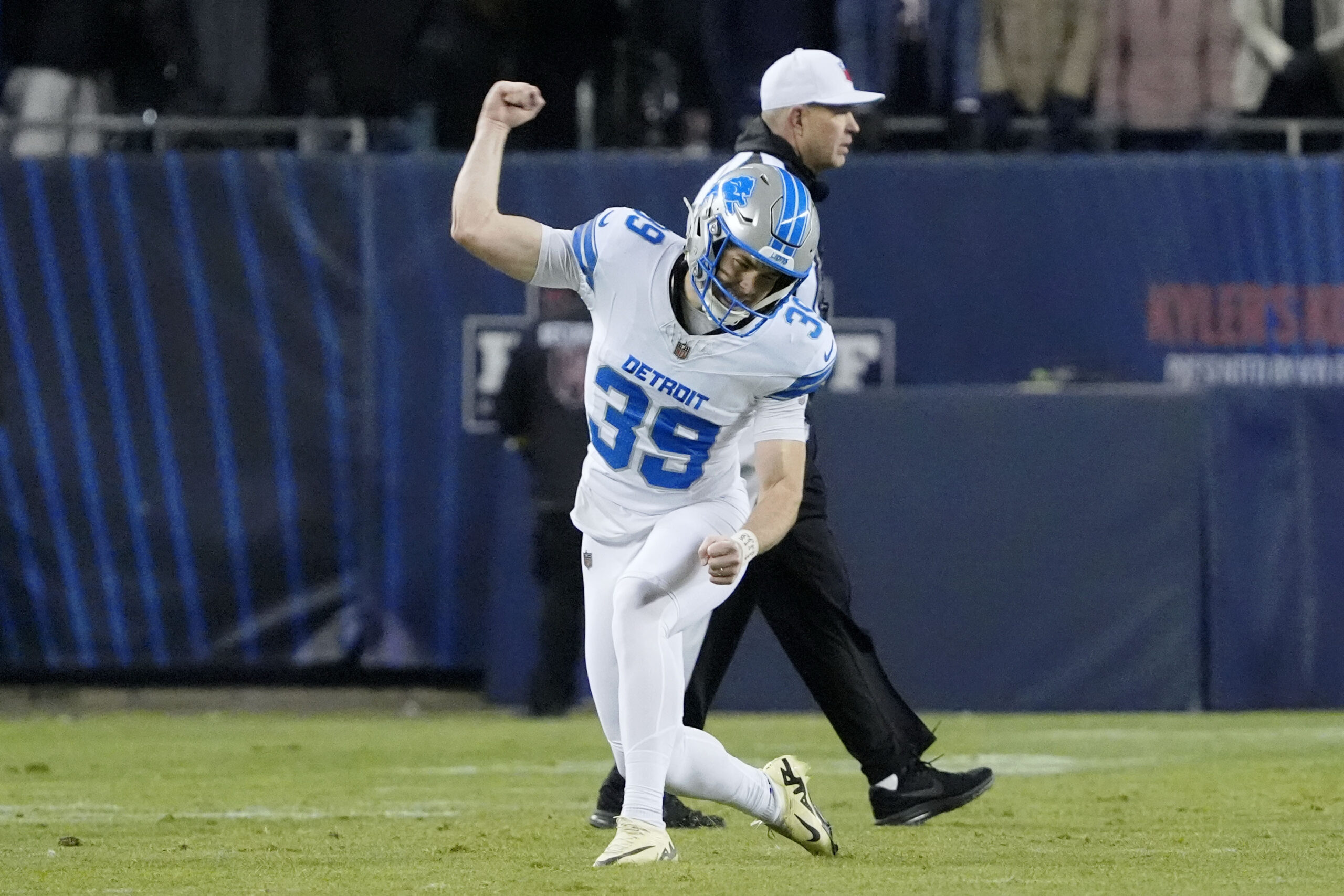
Jan 4, 2026; Chicago, Illinois, USA; Detroit Lions place kicker Jake Bates (39) celebrates after making the game-winning field goal against the Chicago Bears during the second half at Soldier Field. Mandatory Credit: David Banks-Imagn Images
Here’s where the cascade crosses a line nobody expected. NFL game days generate hotel bookings, airport traffic, and convention spillover. Losing the Bears means losing eight guaranteed weekends of regional tourism infrastructure demand. Indiana already hosts the Colts in Indianapolis, and a Bears move to Hammond—just across the state line from Chicago—would give Indiana two NFL teams while siphoning game-day spending from the Chicago metro. Two NFL teams in Indiana. Think about that for a second. Chicago’s hospitality sector just entered a competition it didn’t know it was in.
The Bidding War Machine

Mar 30, 2026; Phoenix, AZ, USA; Chicago Bears head coach Ben Johnson during the 2026 NFL Annual League Meeting at the Arizona Biltmore. Mandatory Credit: Mark J. Rebilas-Imagn Images
Every one of these ripples traces back to the same structural failure: states bidding against each other with public money for private franchises. The NFL has perfected this system. Teams float relocation threats. States panic. Taxpayers fund stadiums. The franchise captures the surplus. Indiana’s billion-dollar offer. Illinois scrambling to match. Arlington Heights betting its development future. Chicago’s tourism sector sweating. Same mechanism driving all of it. The league profits from the panic. The states absorb the cost. The pattern repeats every decade.
Voices From Inside the Fight
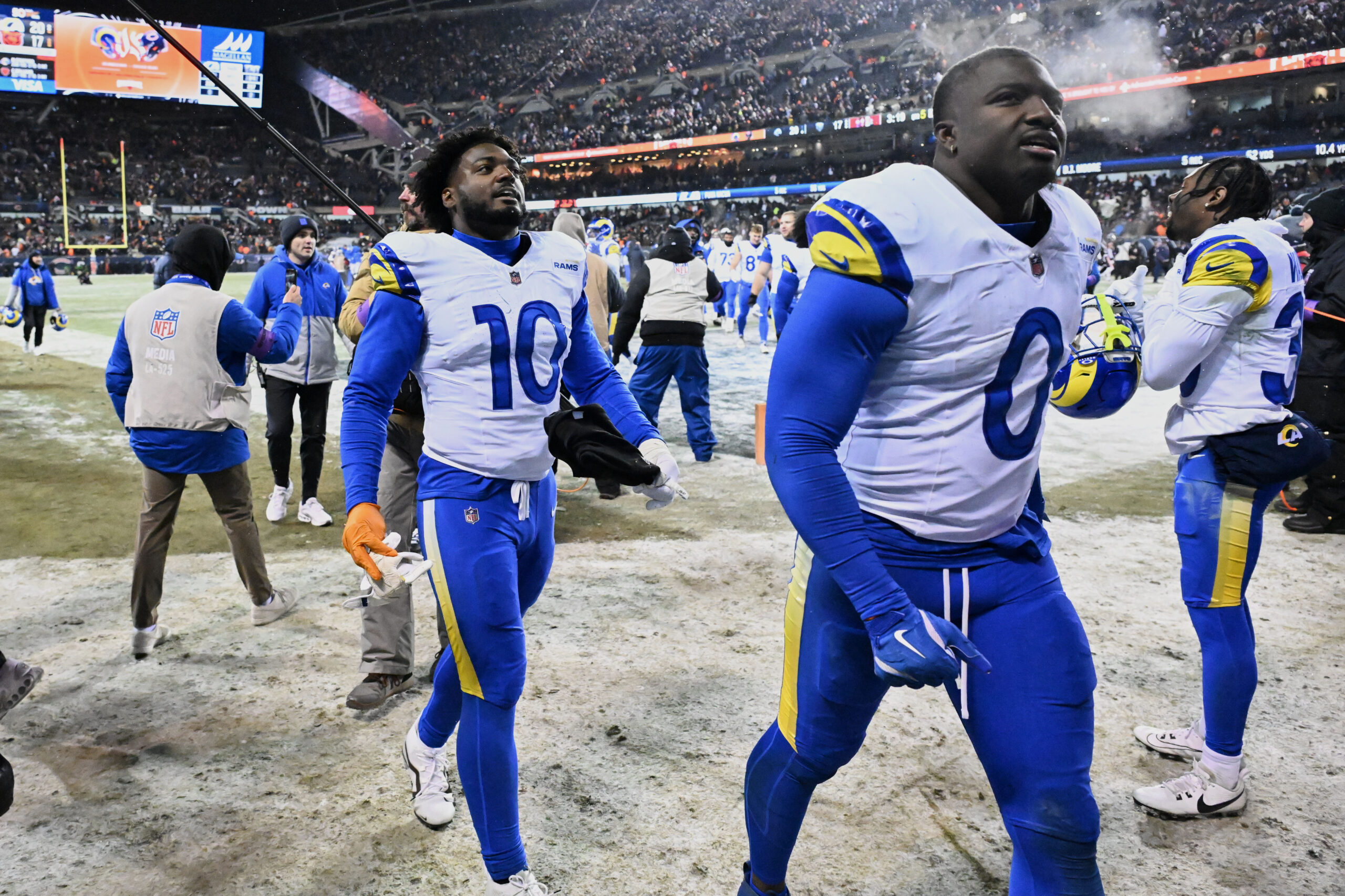
Jan 18, 2026; Chicago, IL, USA; Los Angeles Rams linebackers Josaiah Stewart (10) and Byron Young (0) leave the field after an NFC Divisional Round game against the Chicago Bears Soldier Field. Mandatory Credit: Matt Marton-Imagn Images
Illinois House members who backed the stadium bill framed their vote in survival terms: the state cannot afford to lose a franchise that has called Chicago home for over a century. That argument carries real weight. The Bears franchise, founded in 1919, is older than the Super Bowl and predates modern NFL television contracts. Supporters argued the economic activity and regional identity tied to the franchise justify legislative action. But voting to advance a bill and actually funding a competitive counteroffer are two very different things. Legislative momentum without money is just applause.
The Precedent That Changes Everything
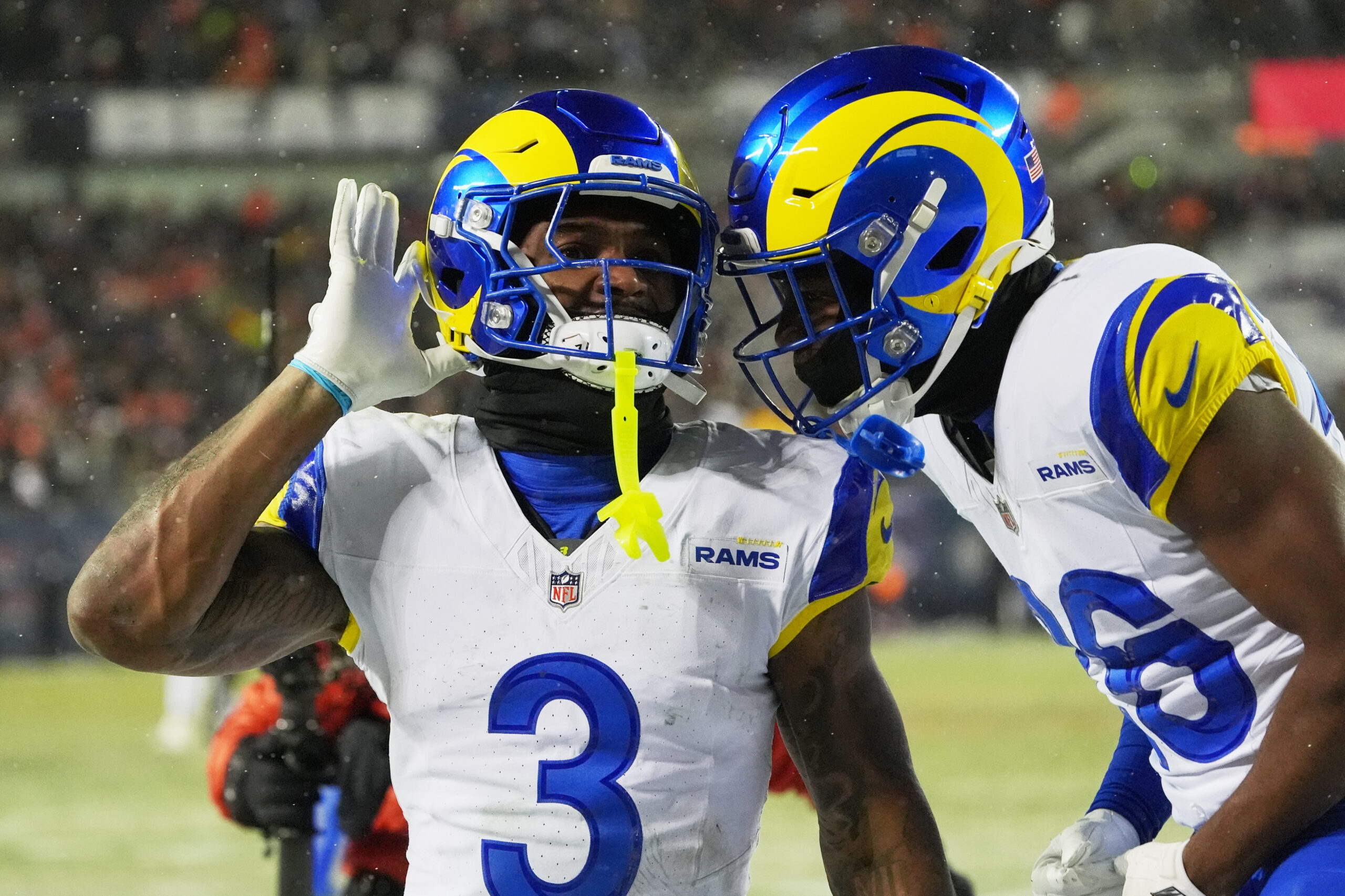
Jan 18, 2026; Chicago, IL, USA; Los Angeles Rams safety Kam Curl (3) acknowledges the crowd with safety Kamren Kinchens (26) after intercepting a pass intended for Chicago Bears wide receiver DJ Moore (not pictured) during overtime of an NFC Divisional Round game at Soldier Field. Mandatory Credit: David Banks-Imagn Images
If the Bears leave Chicago, they become the first major professional sports franchise to abandon the city in decades. That precedent rewrites every future negotiation between Illinois and its remaining teams. The Cubs, the White Sox, the Bulls, the Blackhawks: every ownership group watches this play out and learns exactly how much leverage relocation threats carry. One departure creates a template. Other states will study Indiana’s playbook and deploy it against cities nationwide. The Bears leaving wouldn’t end the bidding wars. It would accelerate them.
Winners, Losers, and the Tax Bill
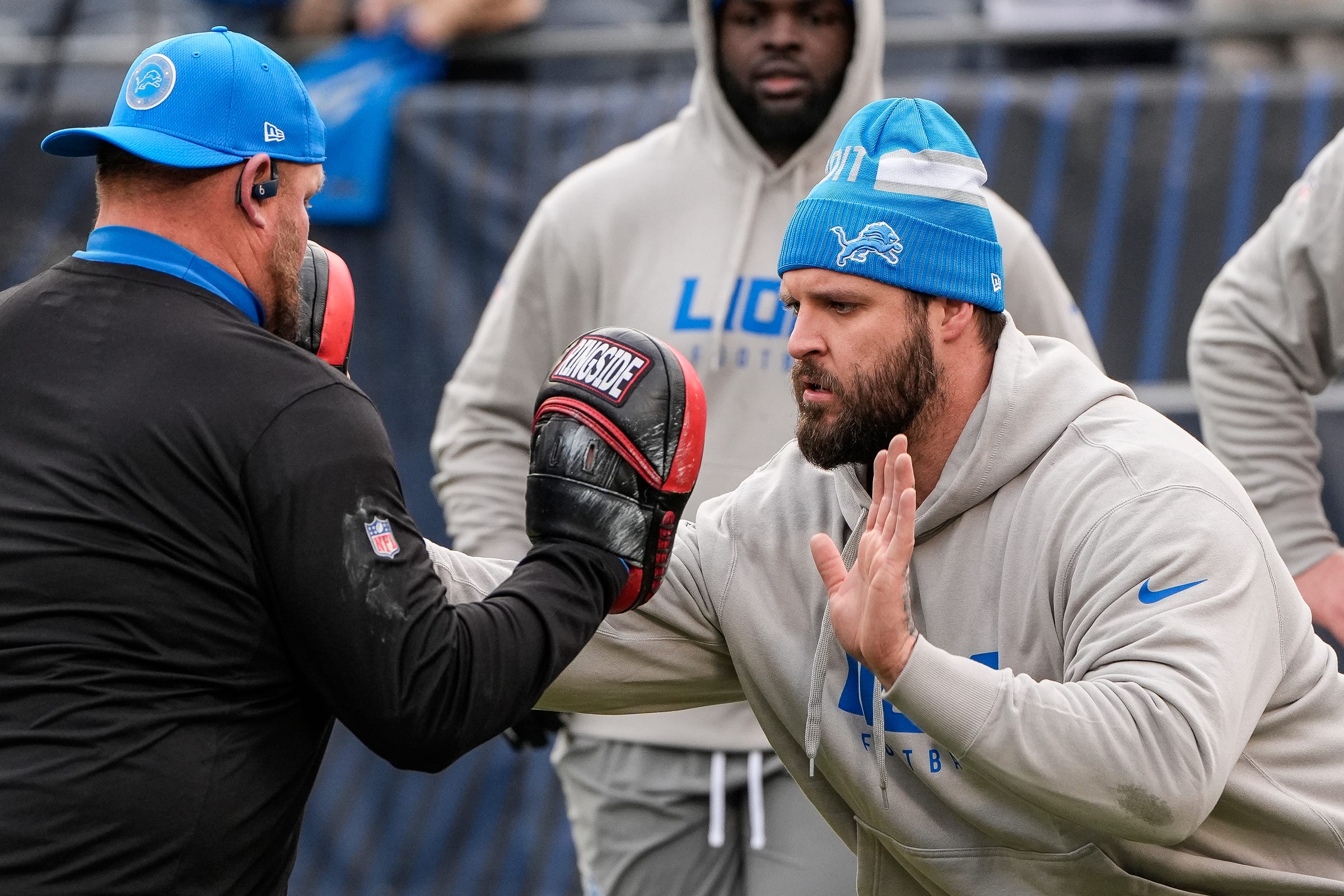
Detroit Lions offensive tackle Taylor Decker (68) warms up before the game between Chicago Bears and Detroit Lions at Soldier Field in Chicago, Ill. on Sunday, Dec. 22, 2024.-Imagn Images
The winners are easy to spot: Indiana’s political class gets a trophy franchise, and the Bears ownership secures a roughly billion-dollar subsidy package regardless of which state blinks. The losers are Illinois taxpayers who either fund a massive counteroffer or absorb the economic fallout of departure. And the next losers are already lining up. Every mid-market NFL city with an aging stadium just watched Indiana prove that aggressive poaching works. Jacksonville, Buffalo, Cincinnati: their owners are taking notes. The franchise leverage playbook just got a new chapter.
The Cascade Keeps Breaking
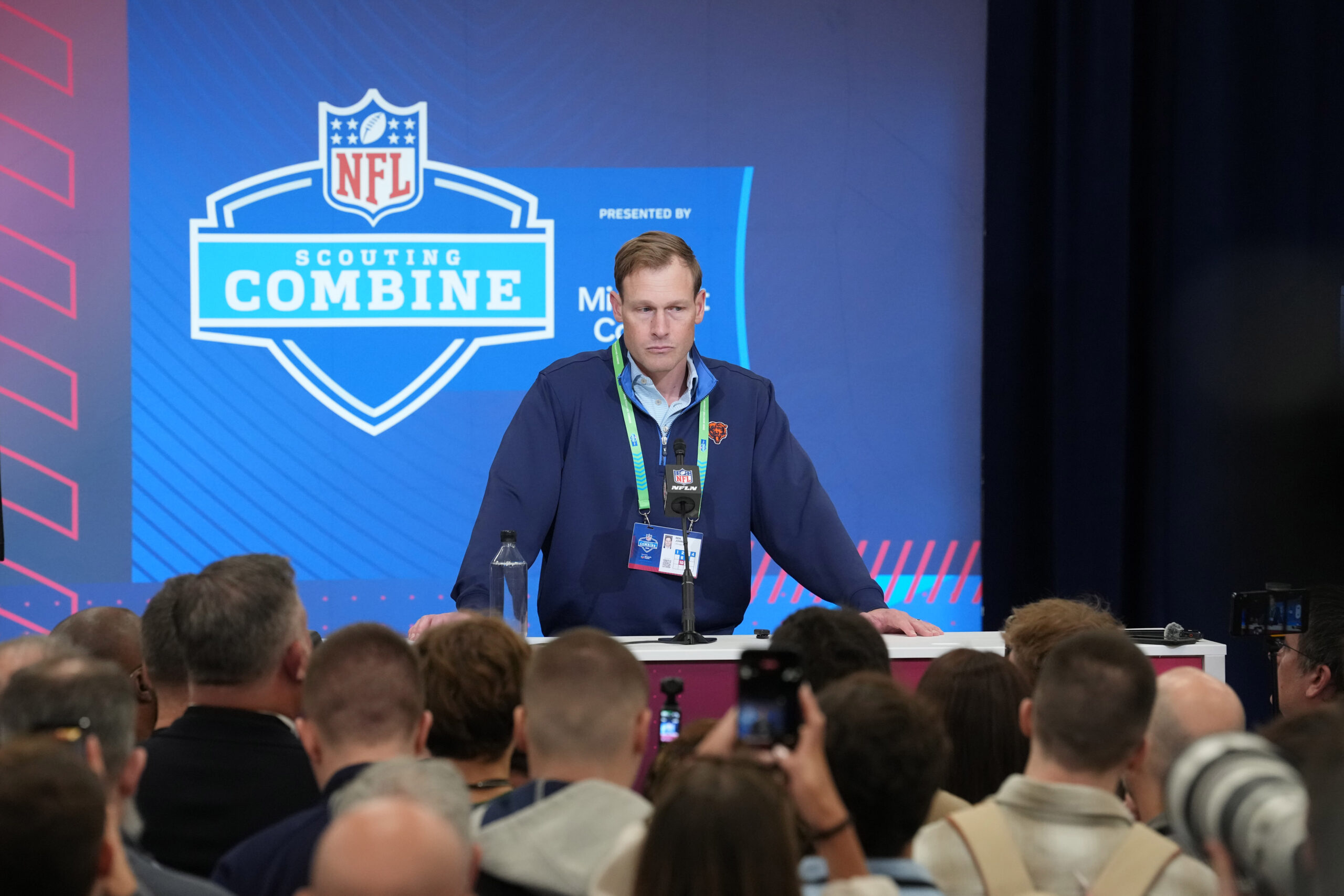
Feb 24, 2026; Indianapolis, IN, USA; Chicago Bears coach Ben Johnson speaks at the NFL Scouting Combine at the Indiana Convention Center. Mandatory Credit: Kirby Lee-Imagn Images
The Illinois House vote bought time. Nothing more. Without actual funding commitments that rival Indiana’s billion-dollar package, legislative support is a gesture, not a counteroffer. The Bears have said they’ll make a site decision by late spring or early summer 2026, continuing to entertain both bids and extract maximum concessions from each side. That process keeps Arlington Heights developers in limbo, keeps Chicago’s sports identity uncertain, and keeps taxpayers in both states hostage to a negotiation they never asked for. The cascade started with one vote. The system guarantees it won’t end with one.
Sources:
ABC7 Chicago, “‘Megaprojects’ bill passes Illinois House, Bears say changes needed,” April 22, 2026
Patch, “IL House Approves Bears Megaproject Legislation, Moves On To Senate,” April 22, 2026
CBS News Chicago, “Momentum for new Chicago Bears stadium plan moves toward Hammond, Indiana,” February 18, 2026
Fox 32 Chicago, “Indiana pushes forward on Bears stadium plan in Hammond,” February 18, 2026
ESPN, “Time running out on Bears to decide on new stadium site,” April 16, 2026
Chicago Tribune, “Bears will release plans for a new dome in Arlington Heights,” September 8, 2025