
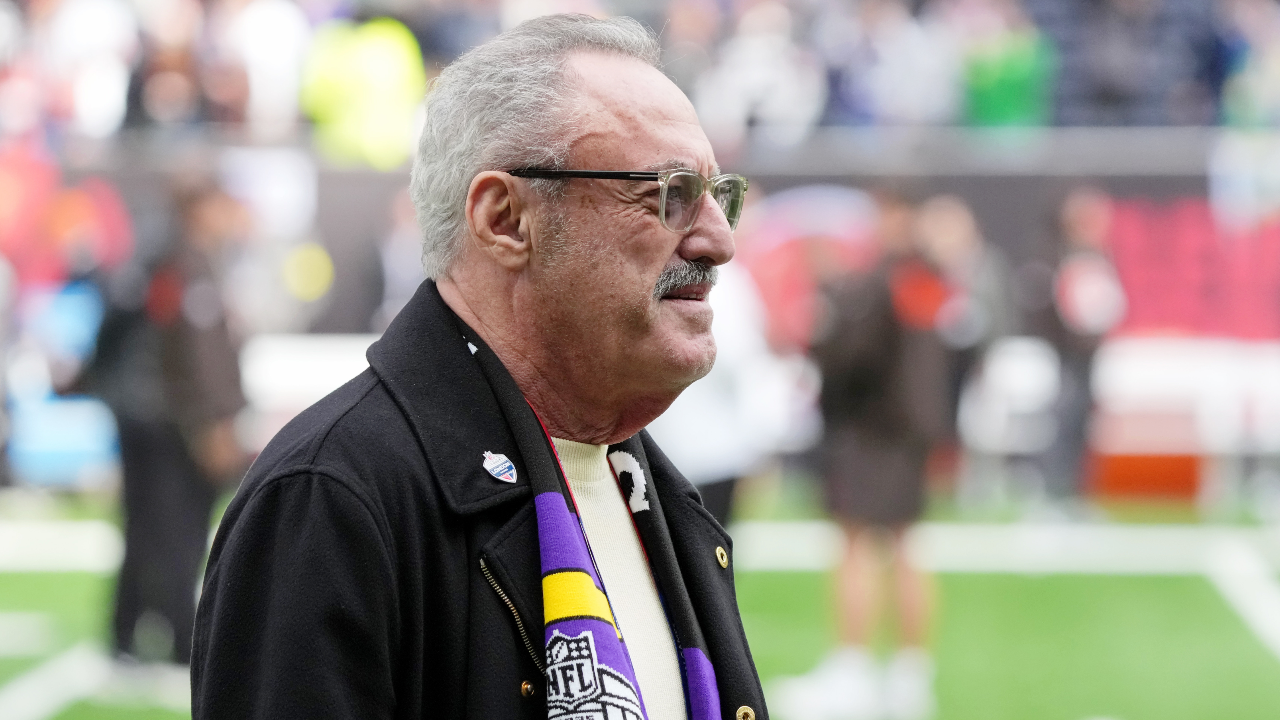
Somewhere between the confetti that never fell in January and the silence of a front office still searching for its next general manager, a single newspaper column lit Minnesota sports media on fire. Pioneer Press columnist Charley Walters connected a few spending dots on May 2 and floated a question nobody inside the building wanted asked: were the Wilfs getting ready to sell? Within hours, the franchise was in full damage control mode. The speed of the response told you everything about the stakes.
The Spending Cliff That Started It All
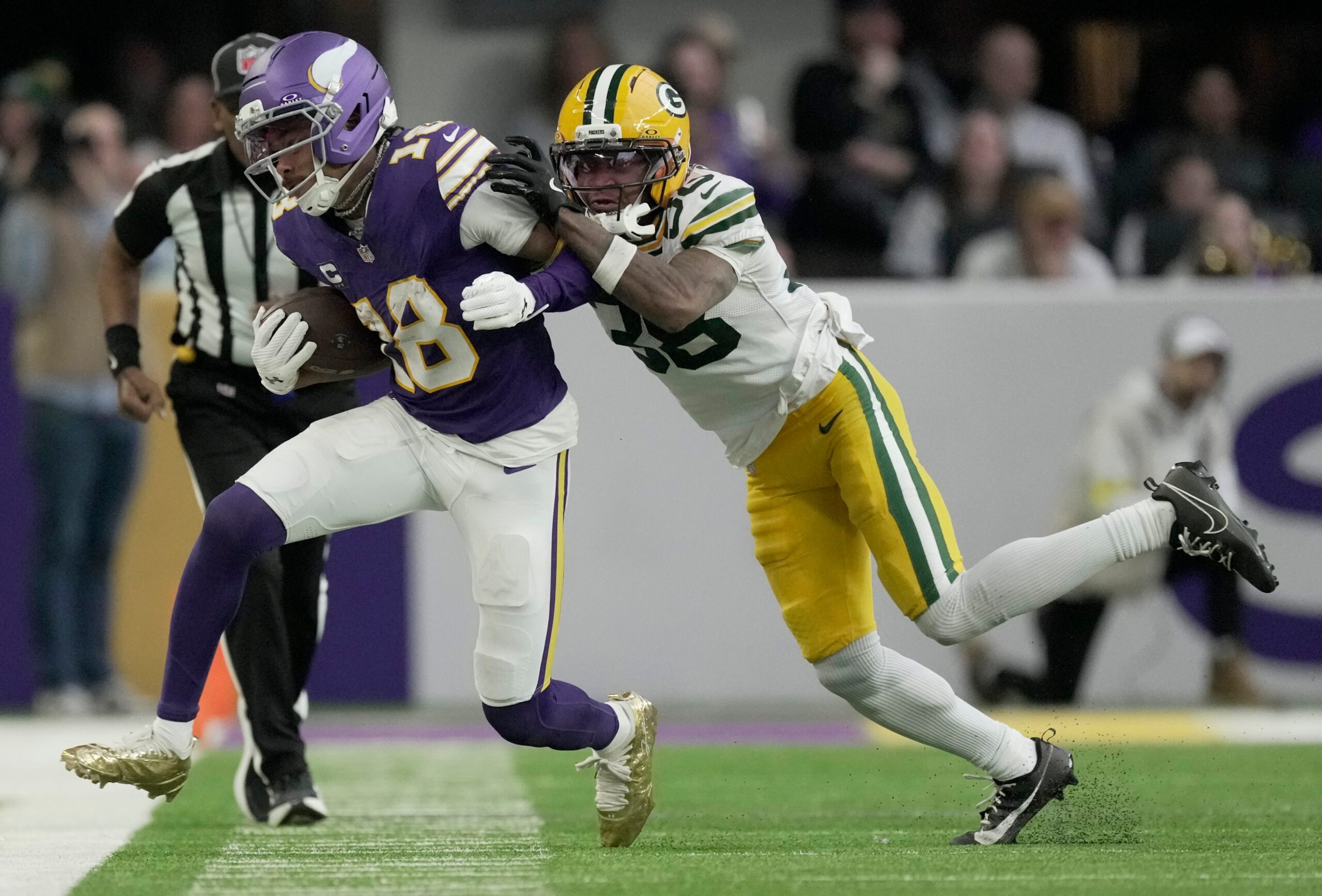
Minnesota Vikings wide receiver Justin Jefferson (18) is shoved out of bound by Green Bay Packers safety Jaylin Simpson (38) during the third quarter of their game Sunday, January 4, 2026 at U.S. Bank Stadium in Minneapolis, Minnesota.
The numbers were genuinely jarring. In 2025, the Vikings outspent all 31 other NFL teams with roughly $350 million in player payroll, a massive championship bet. One year later, that figure cratered to about $226 million, among the lowest in the league. A roughly $124 million reduction in a single offseason. For context, the Wilfs had just watched their playoff hopes die in a late season collapse, ending a season that proved big spending alone guarantees nothing. The pullback felt surgical rather than panicked, but the optics screamed something else entirely.
Minnesota’s Ownership Trauma
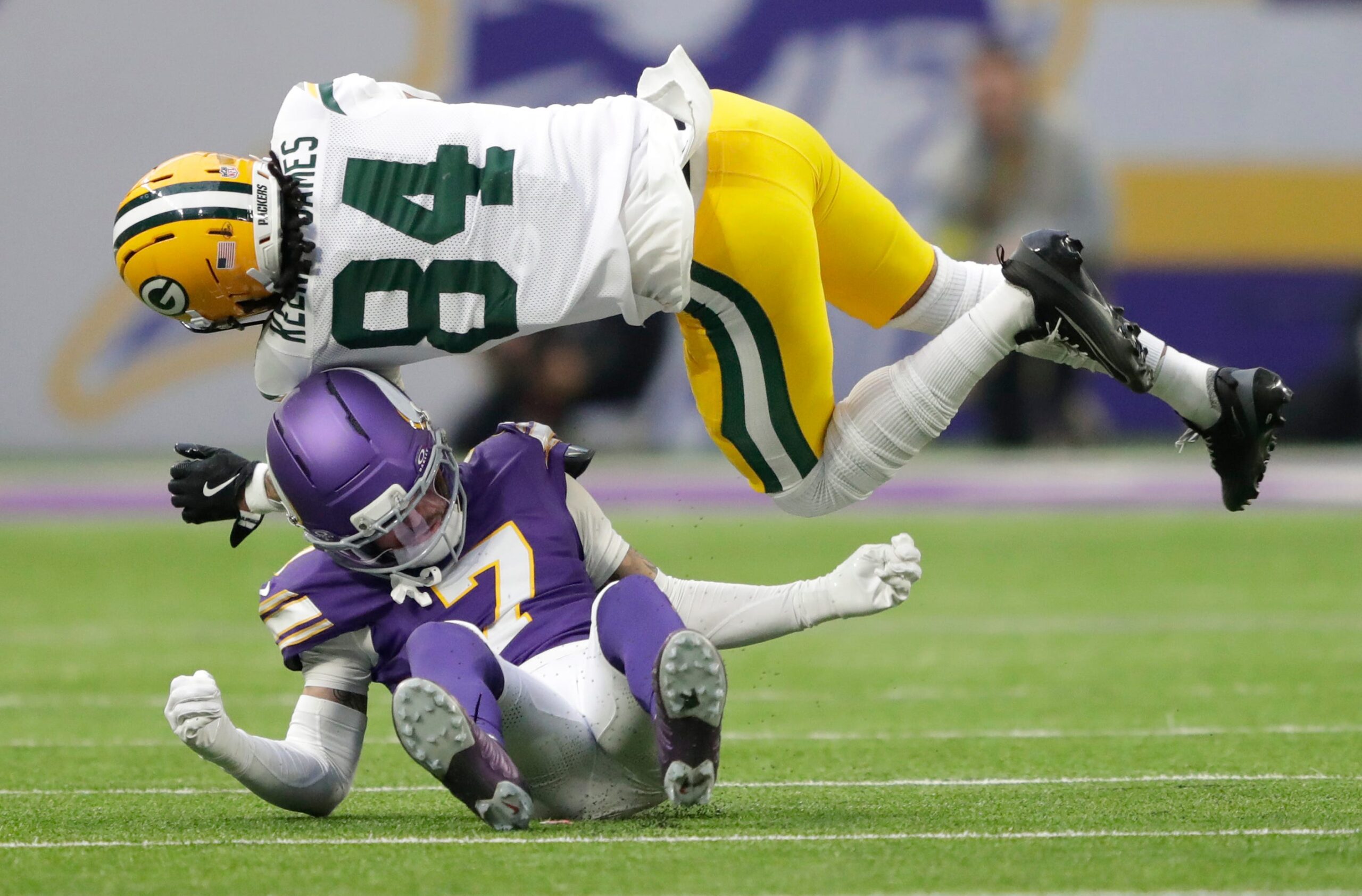
Green Bay Packers wide receiver Jakobie Keeney-James (84) pulls down a reception against Minnesota Vikings cornerback Byron Murphy Jr. (7) during their football game Sunday, January 4, 2026, at U.S. Bank Stadium in Minneapolis, Minnesota.
Here is why the speculation caught fire so fast. Minnesota fans have seen this movie before. The Twins explored a sale in late 2024 before pivoting to limited partners. That local precedent wired fans to read any spending reduction as an exit signal. Red McCombs bought the Vikings in 1998, slashed payroll, and sold to the Wilfs in 2005. Cutting then selling became the template. So when the Wilfs pulled back roughly $124 million, the assumption was automatic. That assumption, it turns out, was built on the wrong blueprint.
The Cap Math the Columnist Skipped
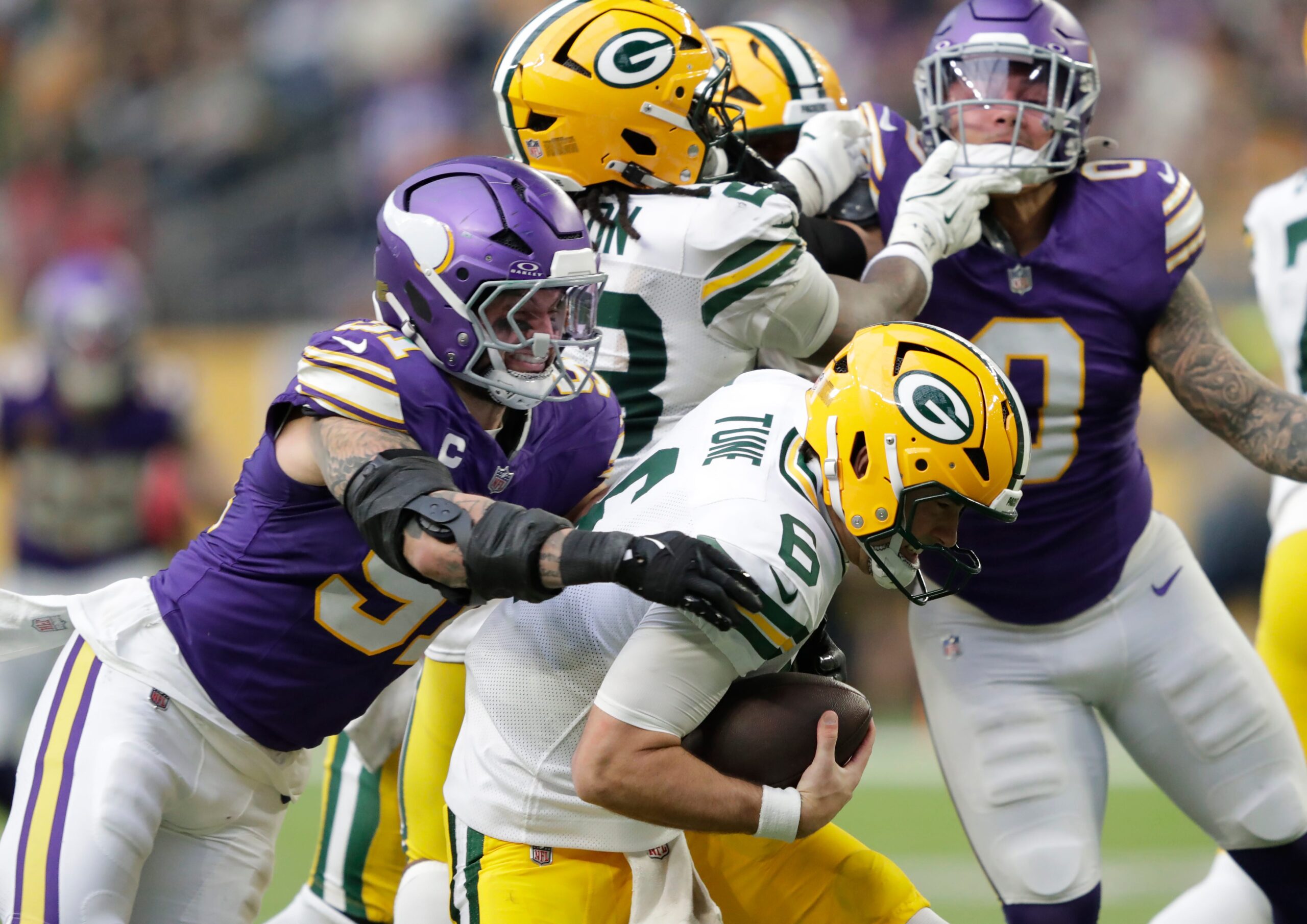
Minnesota Vikings linebacker Blake Cashman (51) sacks Green Bay Packers quarterback Clayton Tune (6) during their football game Sunday, January 4, 2026, at U.S. Bank Stadium in Minneapolis, Minnesota.
The Vikings entered the 2026 offseason roughly $40 to $43 million over the salary cap, forcing structural cuts before any philosophical pullback could even be debated. The cap administration team spent weeks modeling releases, restructures, and extensions just to get the roster compliant. Post June 1 cut mechanics alone were projected to release more than $12 million back into the budget. That is not an ownership group cashing out. That is an accounting team catching up after a cap bill came due.
The Quote That Predated Everything
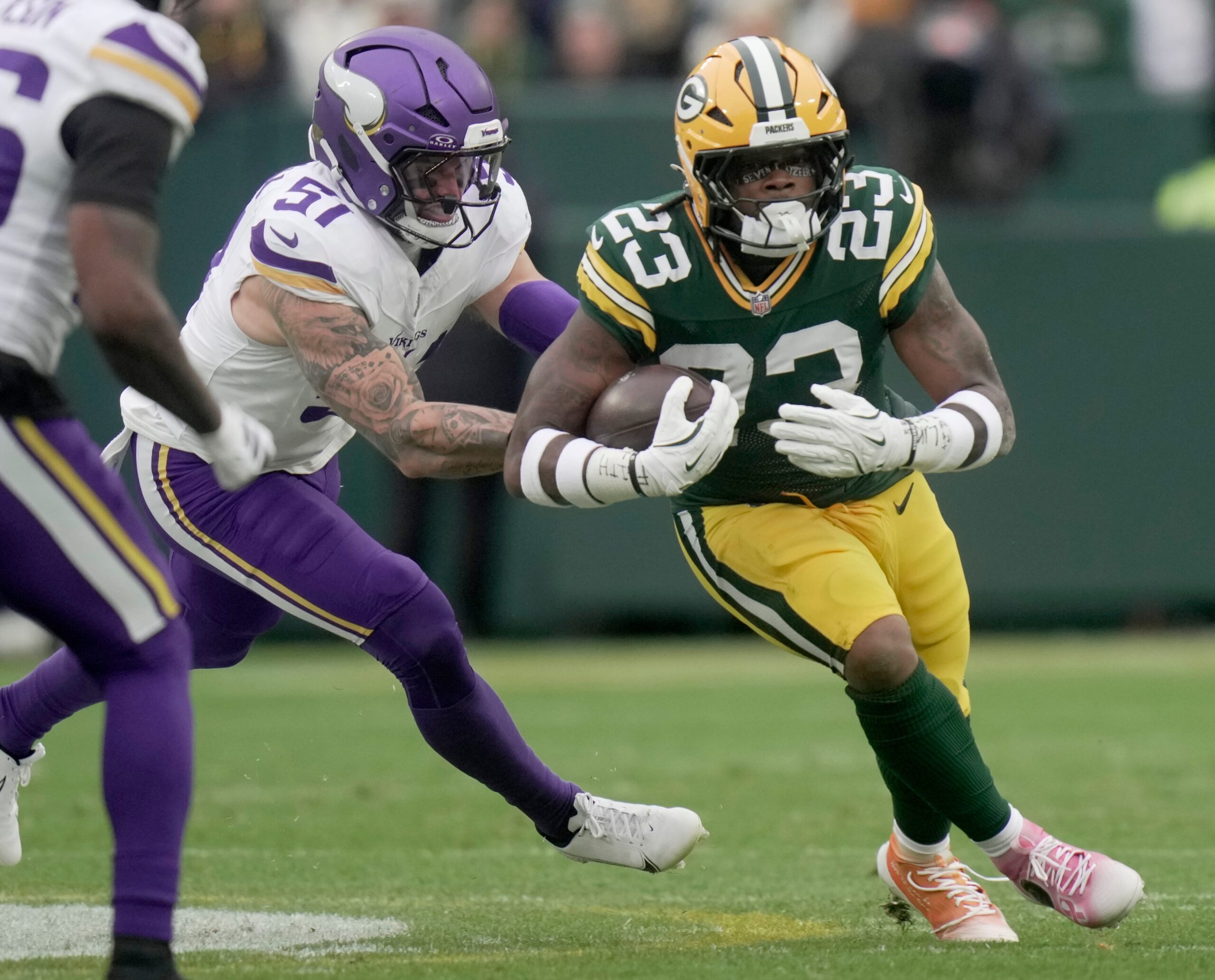
Green Bay Packers running back Emanuel Wilson (23) runs the ball during the first quarter of their game against the Minnesota Vikings Sunday, November 23, 2025 at Lambeau Field in Green Bay, Wisconsin.
Earlier this year, Mark Wilf fired GM Kwesi Adofo Mensah and publicly reaffirmed the family’s competitive intent around building a team capable of contending for championships. Months before any columnist connected spending dots, ownership declared competitive intent on the record. By early May, a source close to the Wilfs told ESPN’s Ben Goessling there was “zero truth” to sale speculation. The family had long talked about the team staying in the family for multiple generations. Two owners, multiple family members in organizational roles, championship rhetoric backed by succession infrastructure rather than exit planning.
The Interim GM Nobody’s Talking About
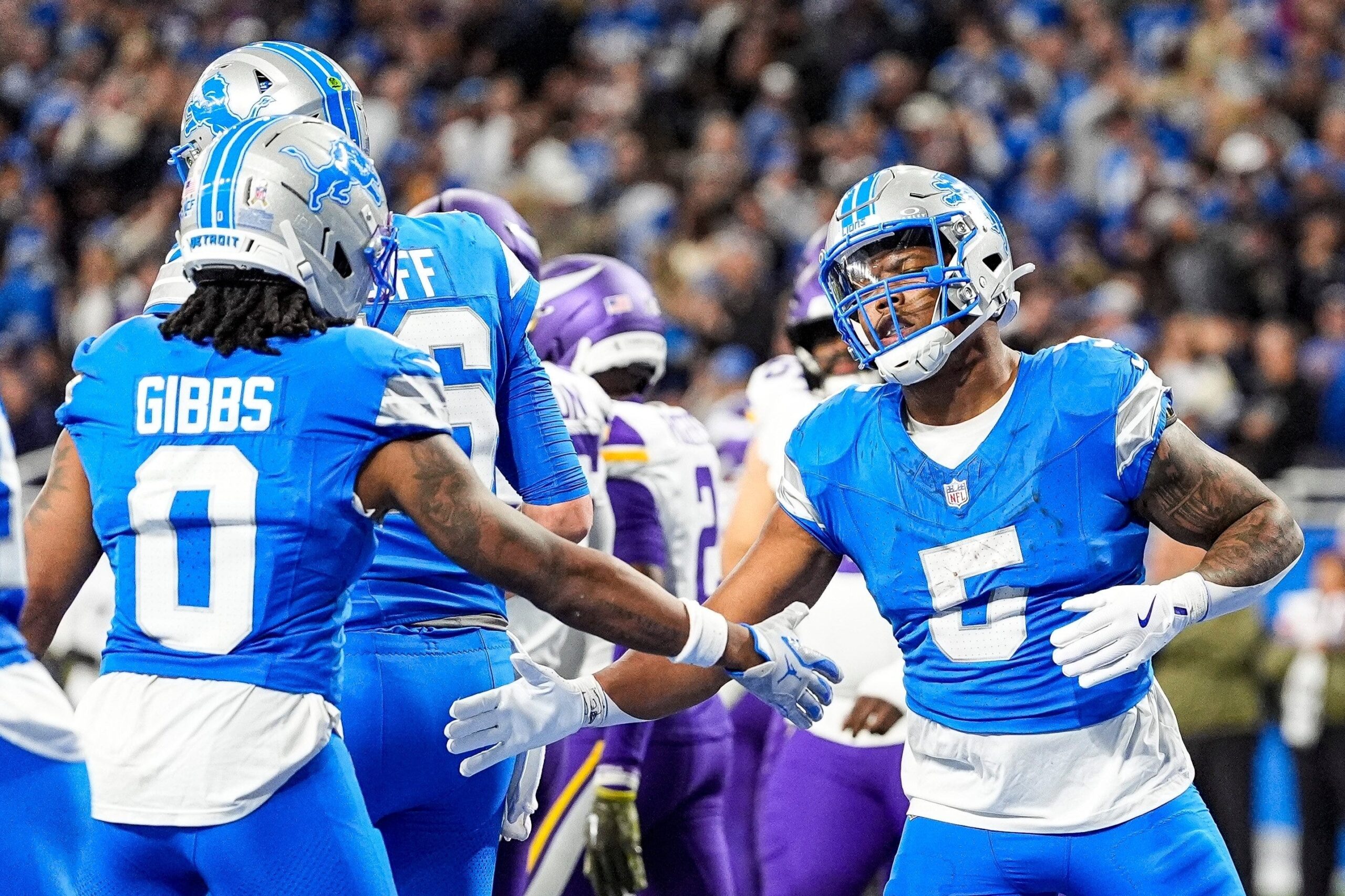
Detroit Lions running back David Montgomery (5) celebrates a touchdown against Minnesota Vikings with running back Jahmyr Gibbs (0) during the first half at Ford Field in Detroit on Sunday, November 2, 2025.
Rob Brzezinski, the Vikings’ longtime cap architect, has been serving as interim general manager since the firing of Kwesi Adofo Mensah. He ran the entire 2026 Draft on behalf of the franchise and carried full draft authority into the first round. A franchise preparing to sell does not hand draft authority to an interim executive and then publicly endorse his picks. On April 28, the ownership group released a formal statement about the ongoing GM search, which is the opposite of a silent exit posture.
Actions That Don’t Fit the Exit Story
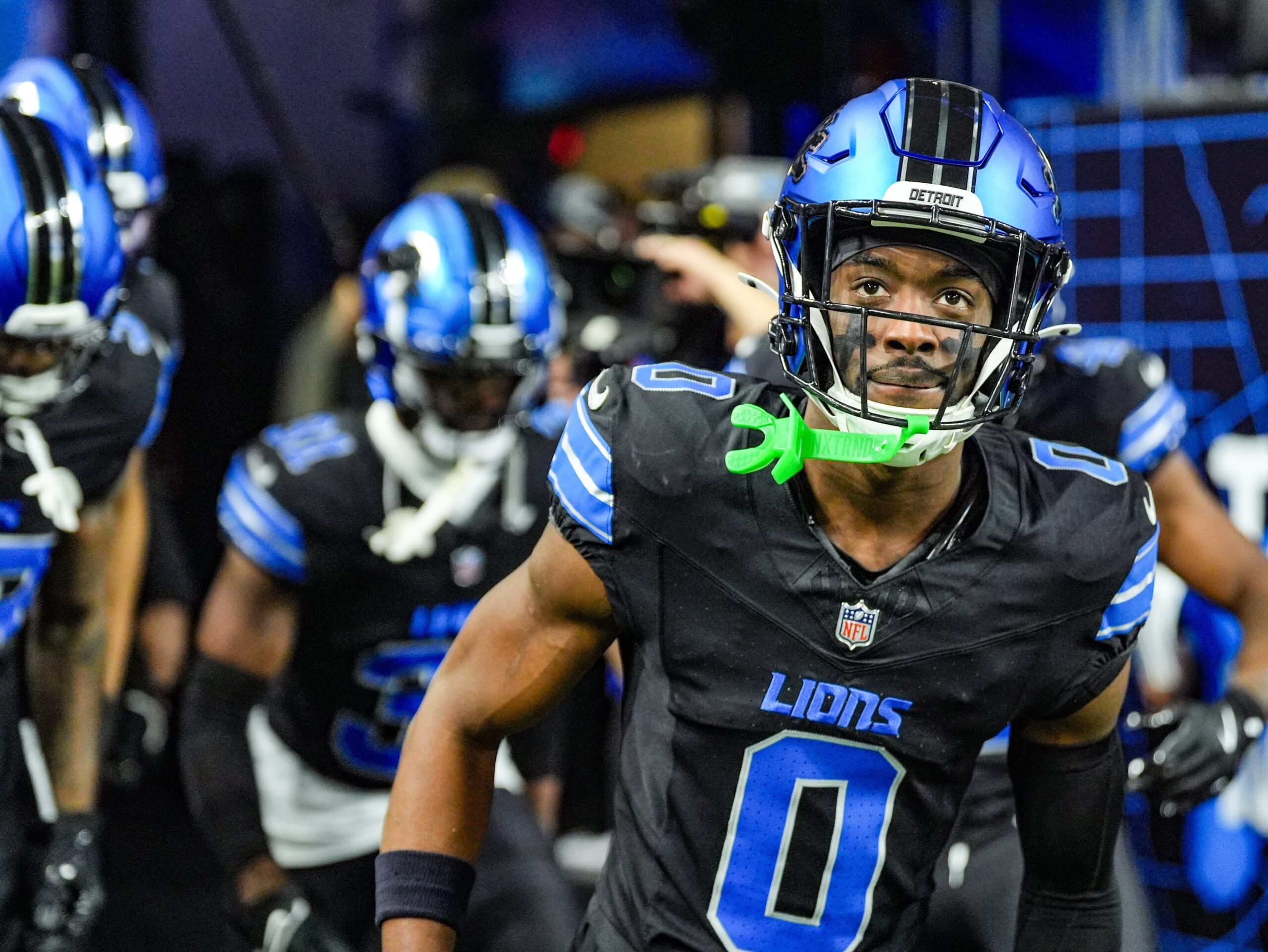
Detroit Lions cornerback Terrion Arnold (0) runs onto the field for the Minnesota Vikings game at Ford Field in Detroit on Sunday, Jan. 5, 2025. Arnold left the game injured.
If you are preparing to sell a franchise, you do not submit a formal bid to host the 2028 NFL Draft. The Wilfs did exactly that this spring, positioning U.S. Bank Stadium as the centerpiece and TCO Performance Center as a secondary hub. Reports called them clear favorites. They also launched a formal GM search, a multi month hiring process that locks ownership into long term organizational commitment. Hosting bids and executive searches are two year infrastructure plays. Sellers do not build two year plans.
The 2026 Draft Haul as Evidence
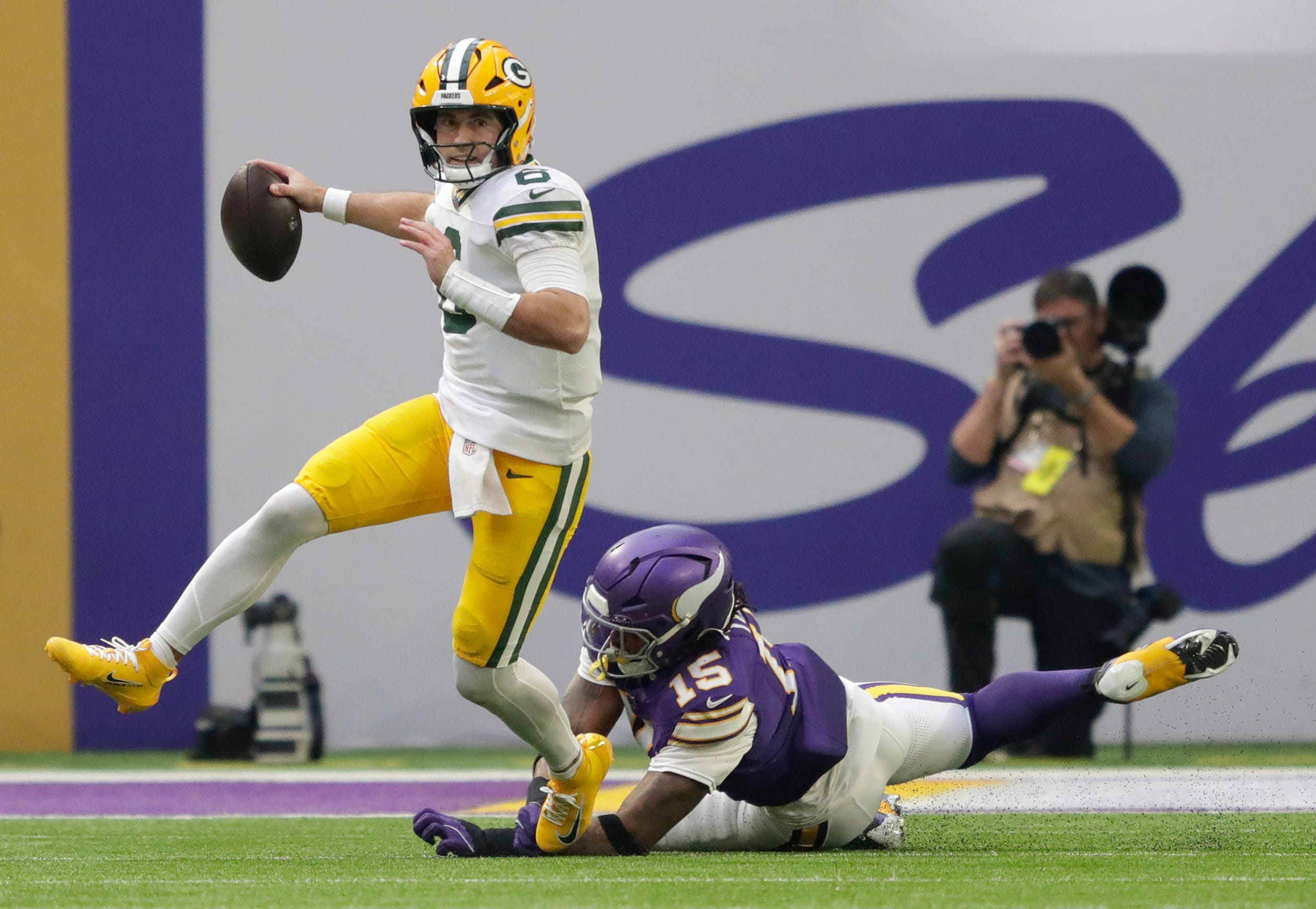
Green Bay Packers quarterback Clayton Tune (6) eludes Minnesota Vikings linebacker Dallas Turner (15) in the third quarter during their football game Sunday, January 4, 2026, at U.S. Bank Stadium in Minneapolis, Minnesota.
Minnesota used its full allotment of picks in Pittsburgh, headlined by a first round defensive lineman investment at No. 18 overall. Teams preparing to transfer ownership typically trade future picks for present assets to sweeten the book for incoming buyers. Minnesota did the opposite, investing in defensive front youth that only pays off in 2027 and beyond. Rookie cap space was budgeted to sign the full class, which is a multi year financial commitment that outlives any fast sale timeline.
The Numbers Behind the Noise
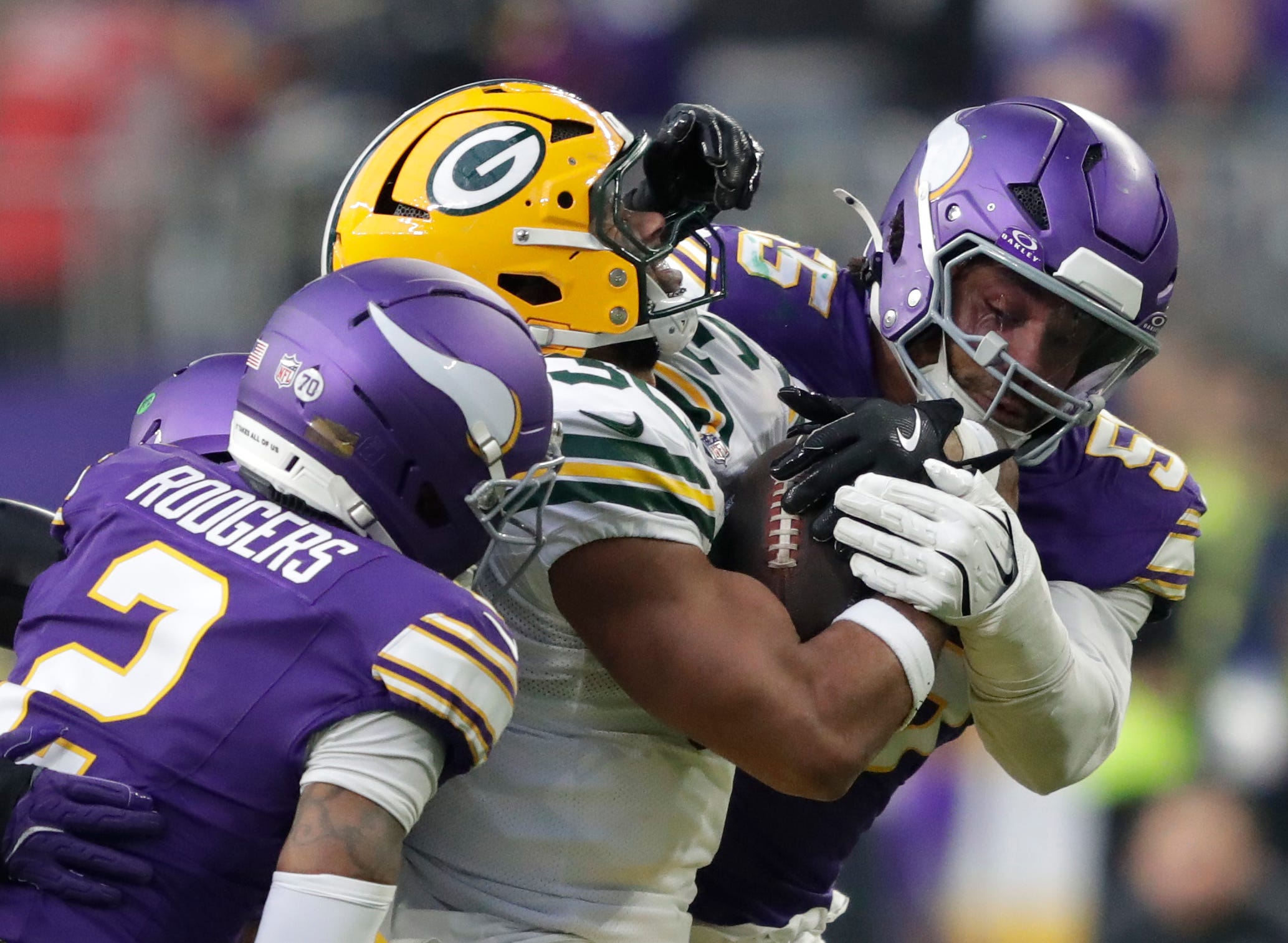
Green Bay Packers running back Chris Brooks (30) is stopped by Minnesota Vikings cornerback Isaiah Rodgers (2) and linebacker Eric Wilson (55) during their football game Sunday, January 4, 2026, at U.S. Bank Stadium in Minneapolis, Minnesota.
The Wilfs bought the Vikings in 2005 for $600 million. Current valuation sits between roughly $6.25 billion and $6.8 billion. That is about a 10x return on investment, and speculation suggested a sale could fetch $8 to $9 billion. Which means the Wilfs are sitting on billions in unrealized profit and choosing not to take it. Meanwhile, U.S. Bank Stadium has generated substantial direct economic activity since opening. Ownership that builds sustained community economic activity does not quietly slip out the back door.
How This Compares to Real Sale Signals
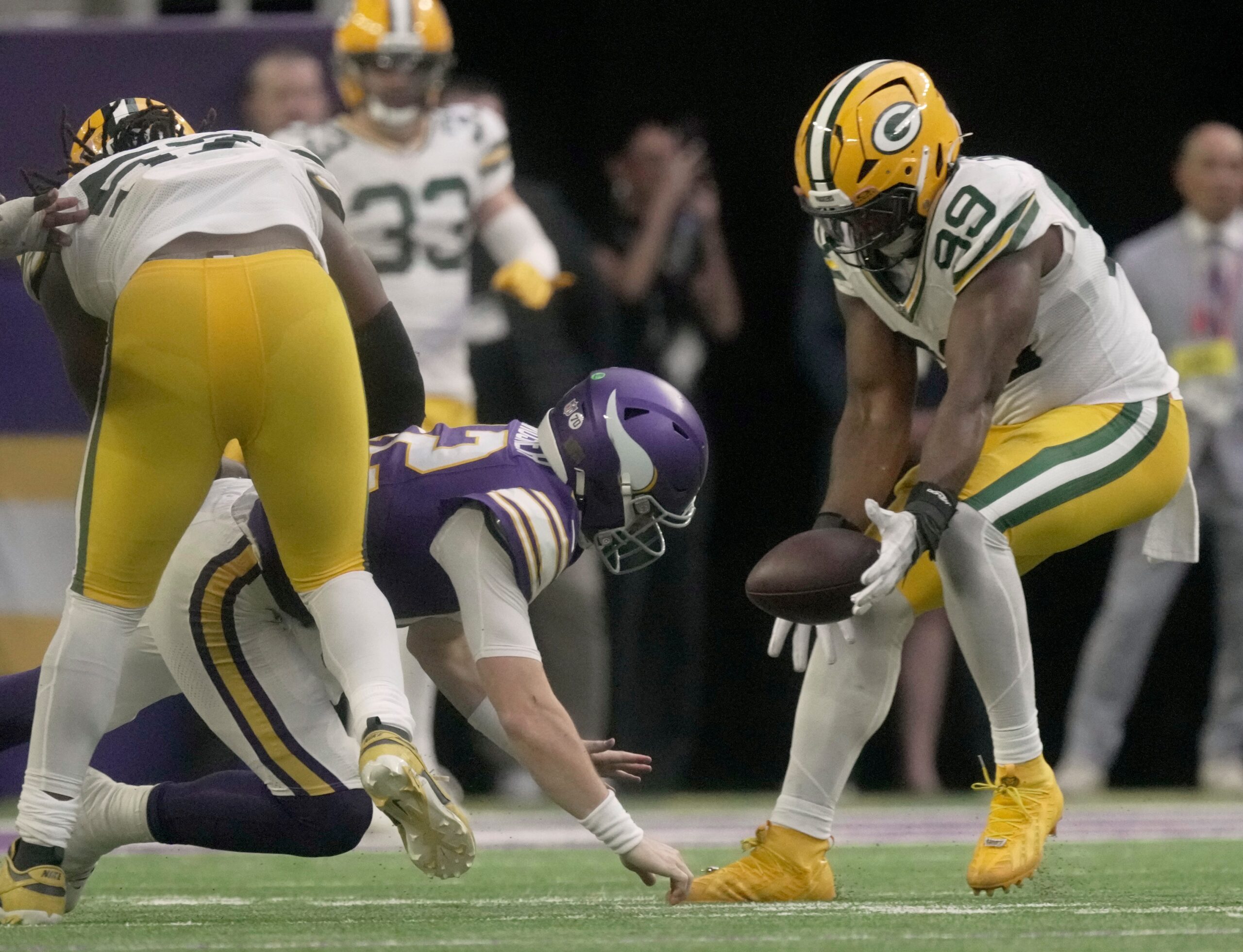
Green Bay Packers defensive end Barryn Sorrell (99) recovers a fumble by Minnesota Vikings quarterback Max Brosmer (12) during the fourth quarter of their game Sunday, January 4, 2026 at U.S. Bank Stadium in Minneapolis, Minnesota. The Minnesota Vikings beat the Green Bay Packers 16-3.
When franchises have actually gone up for sale in recent years, the tells have been consistent. Frozen executive hires, deferred capital projects, and pulled or paused stadium and event bids tend to arrive together. Minnesota is doing the inverse on every axis, running an active GM search, an active 2028 Draft bid, and an active rookie class investment cycle at the same time. Walters’ column identified a correlation worth asking about, but the behavioral pattern of actual sales shows no causation here.
The Ripple Across the League
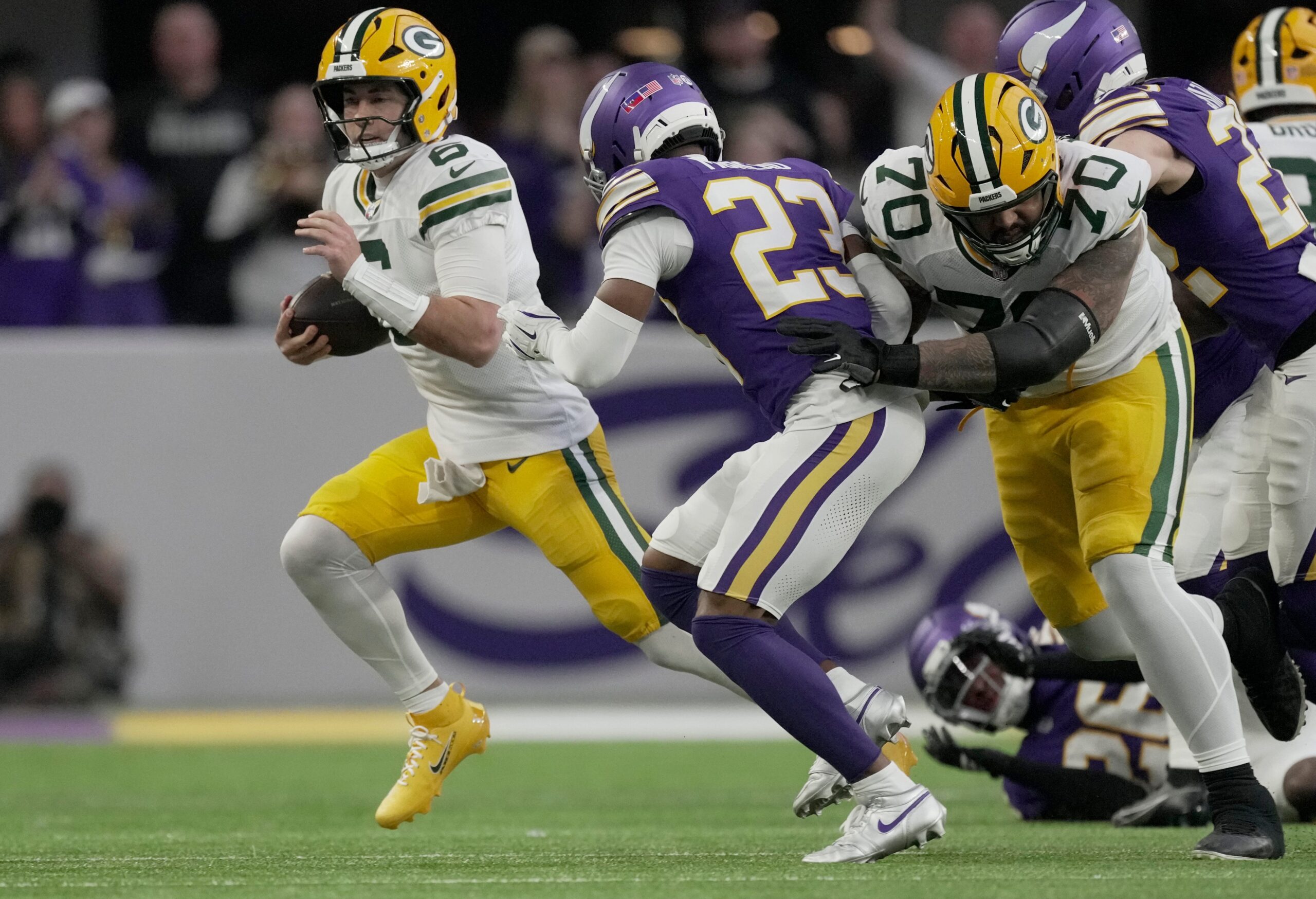
Green Bay Packers quarterback Clayton Tune (6) runs for a first down during the first quarter of their game against the Minnesota Vikings Sunday, January 4, 2026 at U.S. Bank Stadium in Minneapolis, Minnesota.
Every NFL team executing a cap correction just inherited the Vikings’ problem. The speculation template now exists. Spending drops, a columnist connects dots, national media amplifies, ownership scrambles to deny. Any of the 32 franchises pulling back after a failed push will face identical noise. The NFL events committee is expected to announce the 2028 Draft host around May 19 to 20. If Minnesota wins that bid, it creates a tangible, public, multi year commitment that makes future sale speculation much harder to sustain. The timing could not be more convenient for the Wilfs.
The System You Can’t Unsee
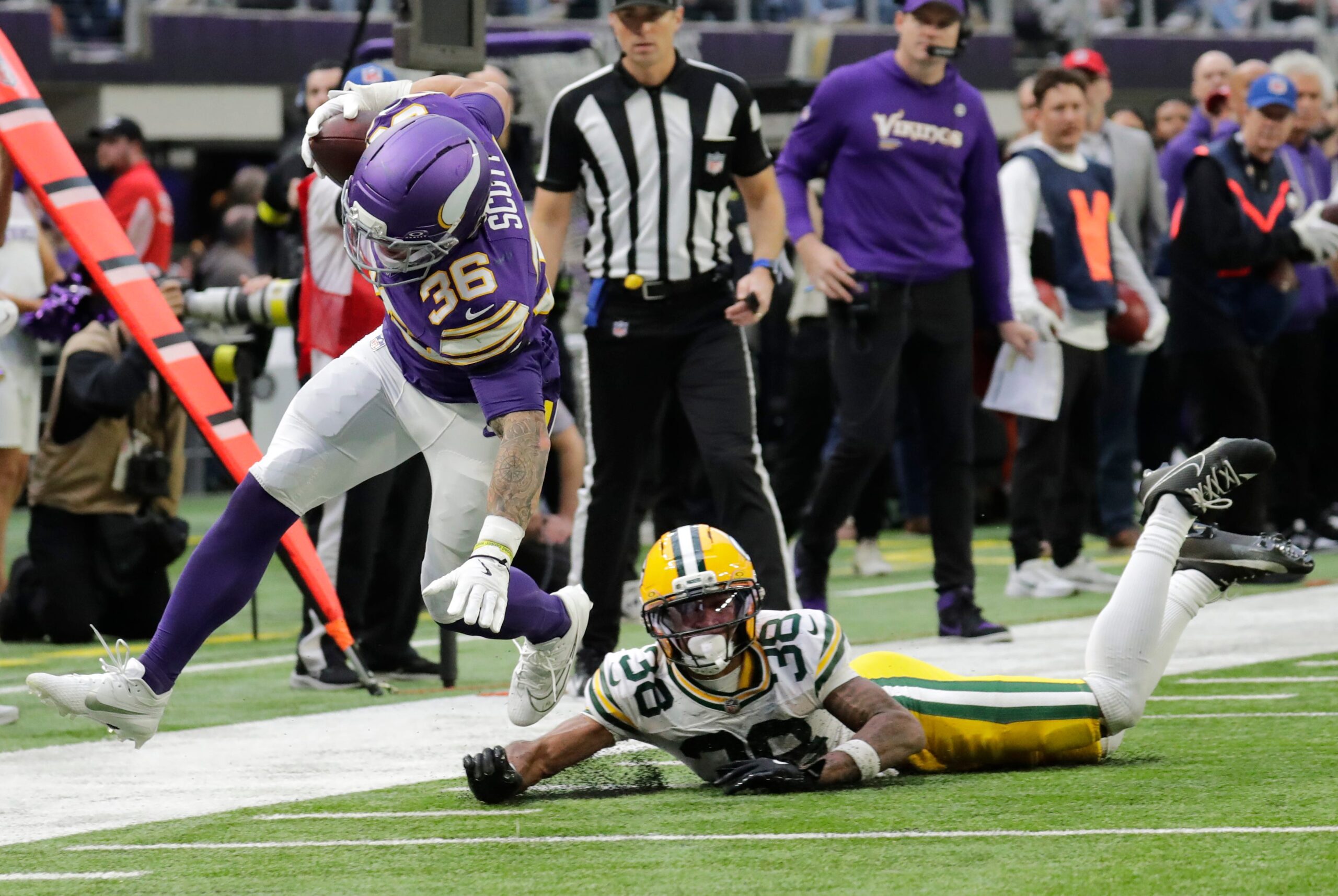
Minnesota Vikings running back Zavier Scott (36) gets a first down on a reception against Green Bay Packers safety Jaylin Simpson (38) in the fourth quarter during their football game Sunday, January 4, 2026, at U.S. Bank Stadium in Minneapolis, Minnesota.
NFL ownership operates as a generational wealth transfer vehicle rather than a trading portfolio. There are only 32 teams. No expansion is coming. Once you exit, you cannot re enter. The Wilfs’ 20 year tenure already ranks among the longest continuous family ownerships in modern football. Their children hold expanding organizational roles. The Twins took on limited partners to manage financial pressure. The Wilfs rejected that model entirely, choosing family only succession. That philosophical distinction separates a family building a dynasty from a group managing an asset.
The Patience Test Ahead
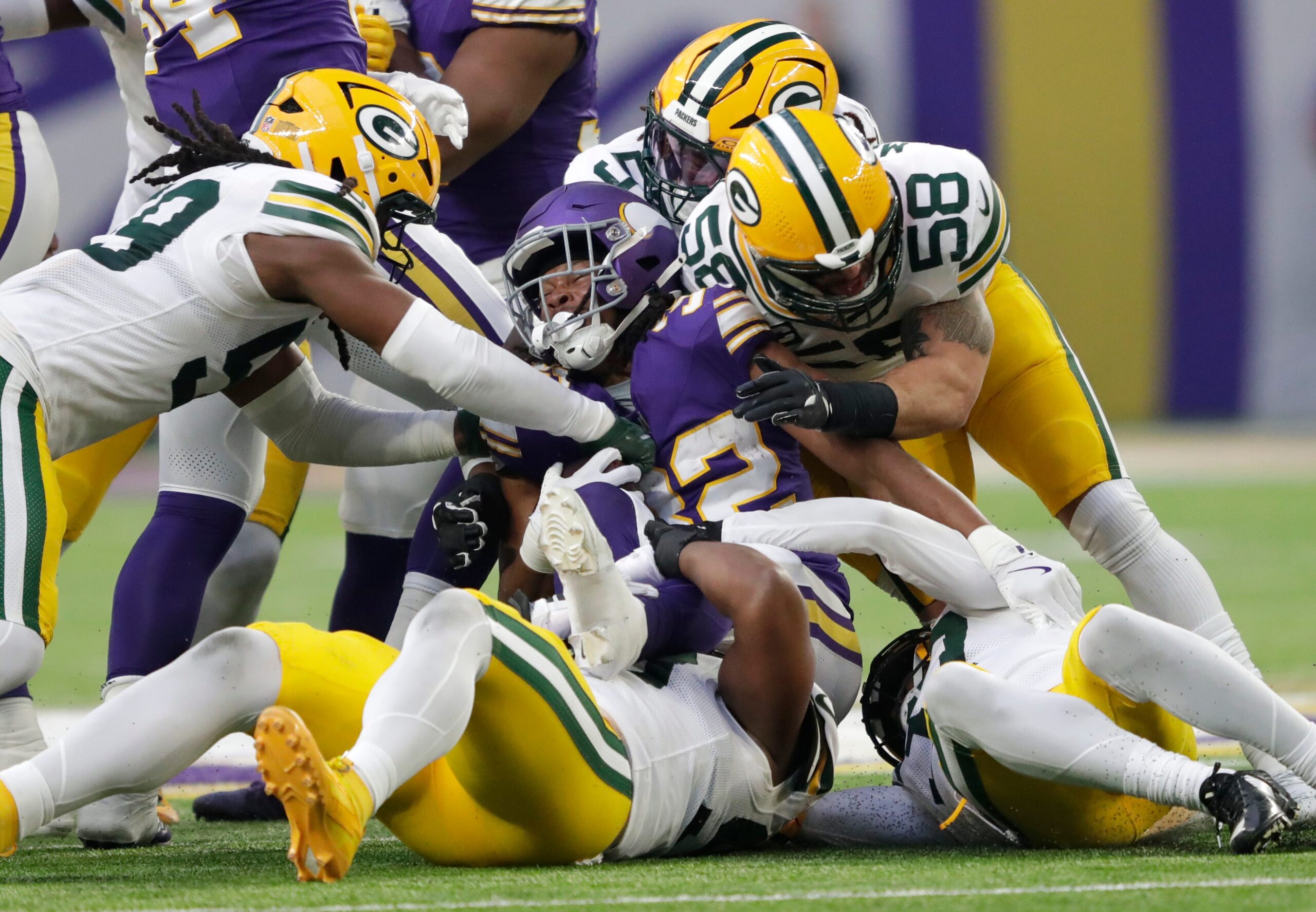
Minnesota Vikings running back Ty Chandler (32) is stopped for a loss by Green Bay Packers defensive end Barryn Sorrell (99) during their football game Sunday, January 4, 2026, at U.S. Bank Stadium in Minneapolis, Minnesota.
If the Vikings miss the 2026 playoffs despite this cap reset, the speculation returns with twice the volume. A second consecutive miss plus continued spending restraint would give columnists fresh ammunition. But a three year window now exists. If the Wilfs maintain family succession commitments through 2028, host the Draft, advance their children’s roles, and restore competitive spending, the sale narrative resets entirely. JJ McCarthy’s hand injury in 2025 cost them a season. The franchise needs the young quarterback healthy to prove the reset worked.
What to Watch Between Now and May 20
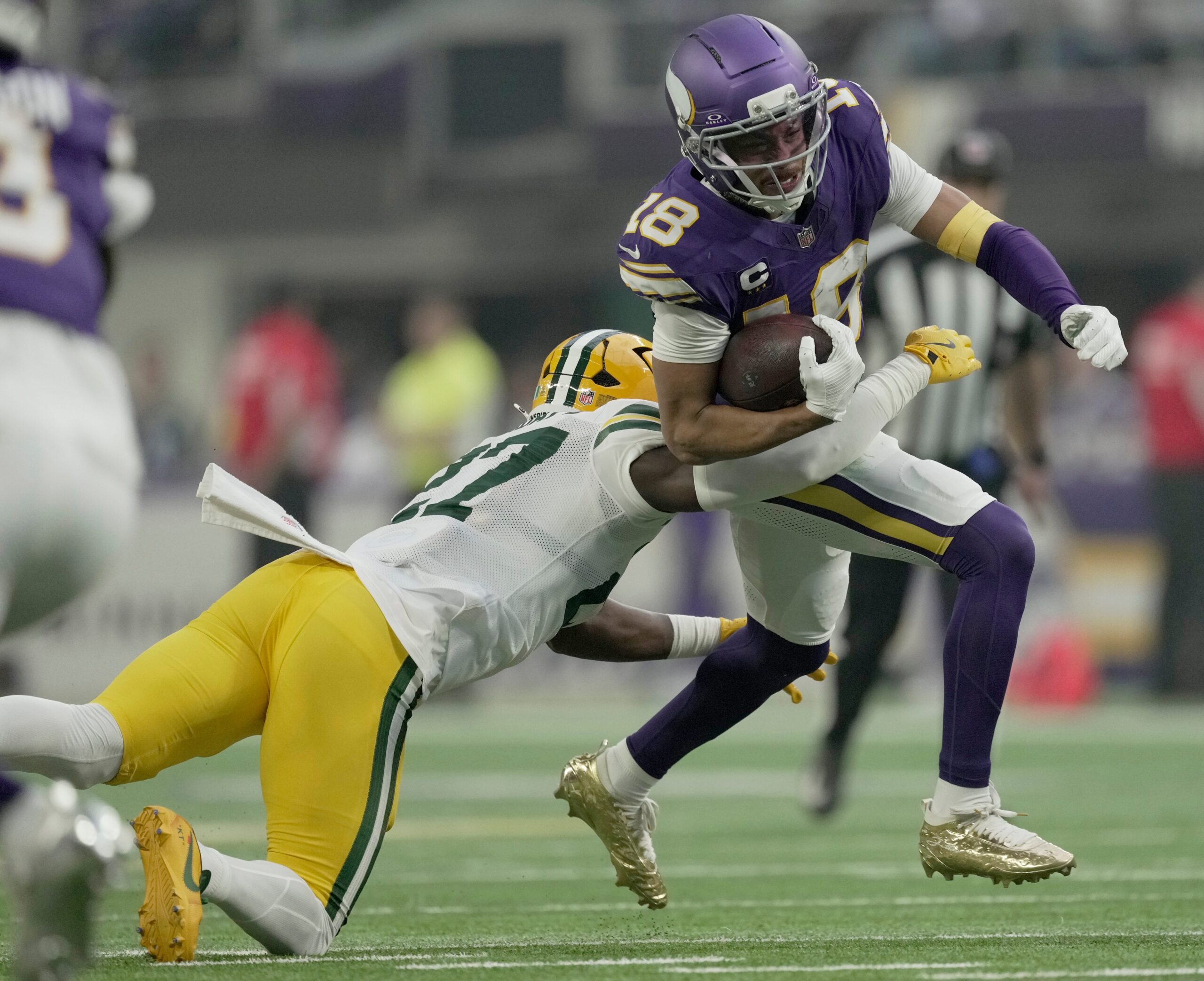
Minnesota Vikings wide receiver Justin Jefferson (18) is tackled by Green Bay Packers safety Kitan Oladapo (27) during the first quarter of their game Sunday, January 4, 2026 at U.S. Bank Stadium in Minneapolis, Minnesota.
Three dated checkpoints will either quiet the speculation or amplify it. First, the NFL events committee’s 2028 Draft host decision, expected around May 19 to 20. Second, the Wilfs’ permanent GM hire, which ownership flagged as an active priority in its late April statement. Third, the post June 1 cap windfall that will reveal whether the $226 million payroll was a floor or a ceiling. All three land inside a three week window, which is unusually fast resolution for an ownership story of this size.
What Most Fans Still Miss
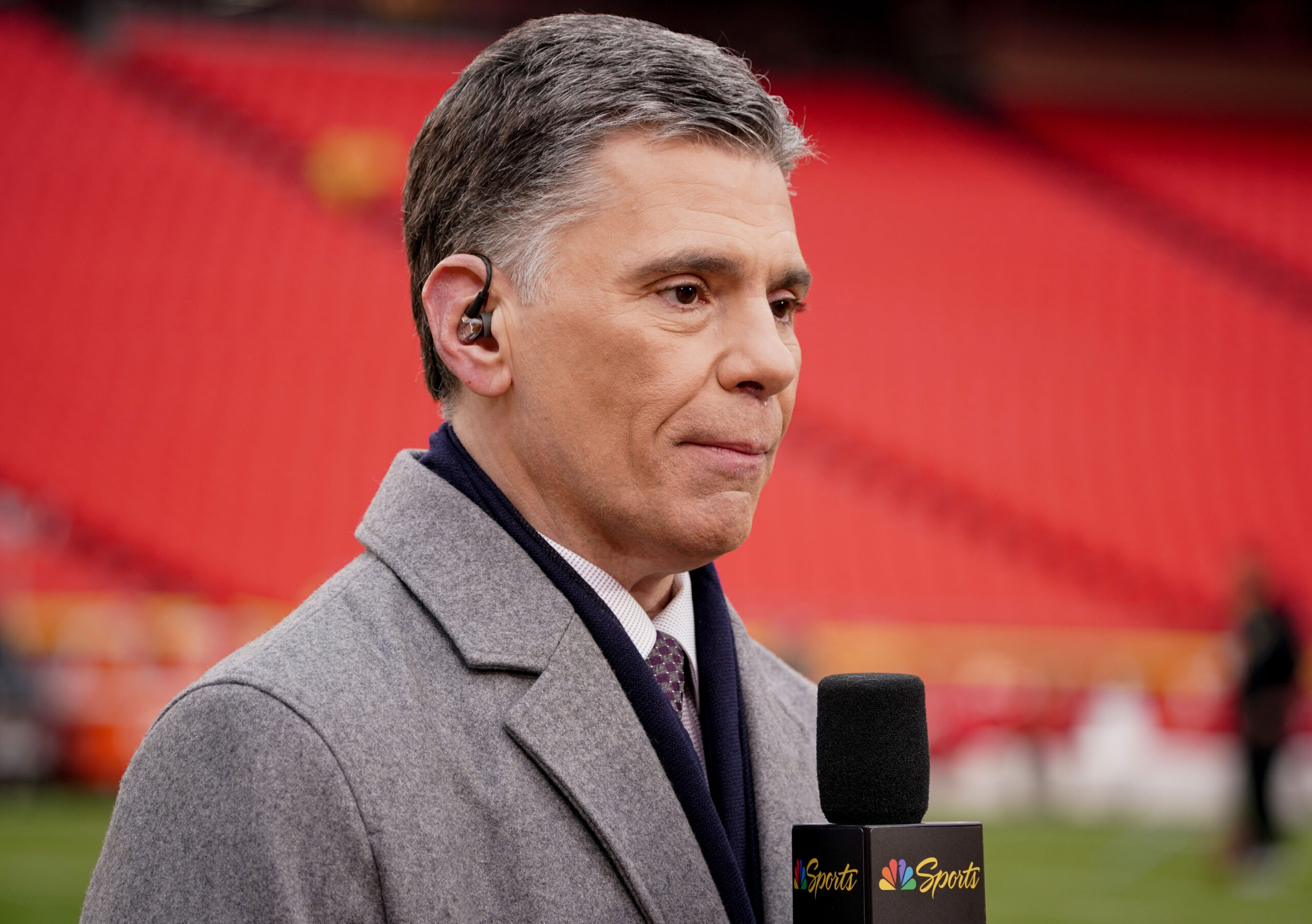
Jan 21, 2023; Kansas City, Missouri, USA; CBS Sports sideline announcer Mike Florio on field prior to an AFC divisional round game between the Kansas City Chiefs and Jacksonville Jaguars at GEHA Field at Arrowhead Stadium. Mandatory Credit: Denny Medley-Imagn Images
Mike Florio put it plainly, noting that the NFL is an exclusive 32 team club and the Wilfs are not currently looking to leave it. The real story was never whether the Wilfs are selling. The real story is that casual observers still cannot tell the difference between a family tightening its belt after a failed championship push and a family heading for the exits. The Wilfs are sitting on billions in unrealized gains and choosing to stay. That choice tells you more than any spending spreadsheet ever could.
So the question is not whether the Wilfs are selling, it is whether you trust a $124 million spending cut as discipline or read it as the first chapter of a goodbye, and Vikings fans rarely agree on which one it is, so tell us in the comments which side you land on and why.
Sources:
Walters, Charley. “Are the Wilfs Getting Ready to Sell the Vikings?” St. Paul Pioneer Press, May 2, 2026.
Florio, Mike. “Source: Wilfs Aren’t Selling the Vikings.” NBC Sports Pro Football Talk, May 2, 2026.
Goessling, Ben. Post on X regarding Vikings ownership. ESPN, May 3, 2026.
Krammer, Andrew. “The Vikings Are $43 Million Over the Salary Cap. Here’s How They May Fix It.” The Athletic, February 27, 2026.
Patch Staff. “Pioneer Press Column Sparks Vikings Sale Rumors, But Wilfs Are Not Selling: Report.” Patch Minneapolis, May 3, 2026.
Minnesota Vikings. “Statement From Vikings Owners About General Manager Search.” Vikings.com, April 28, 2026.