

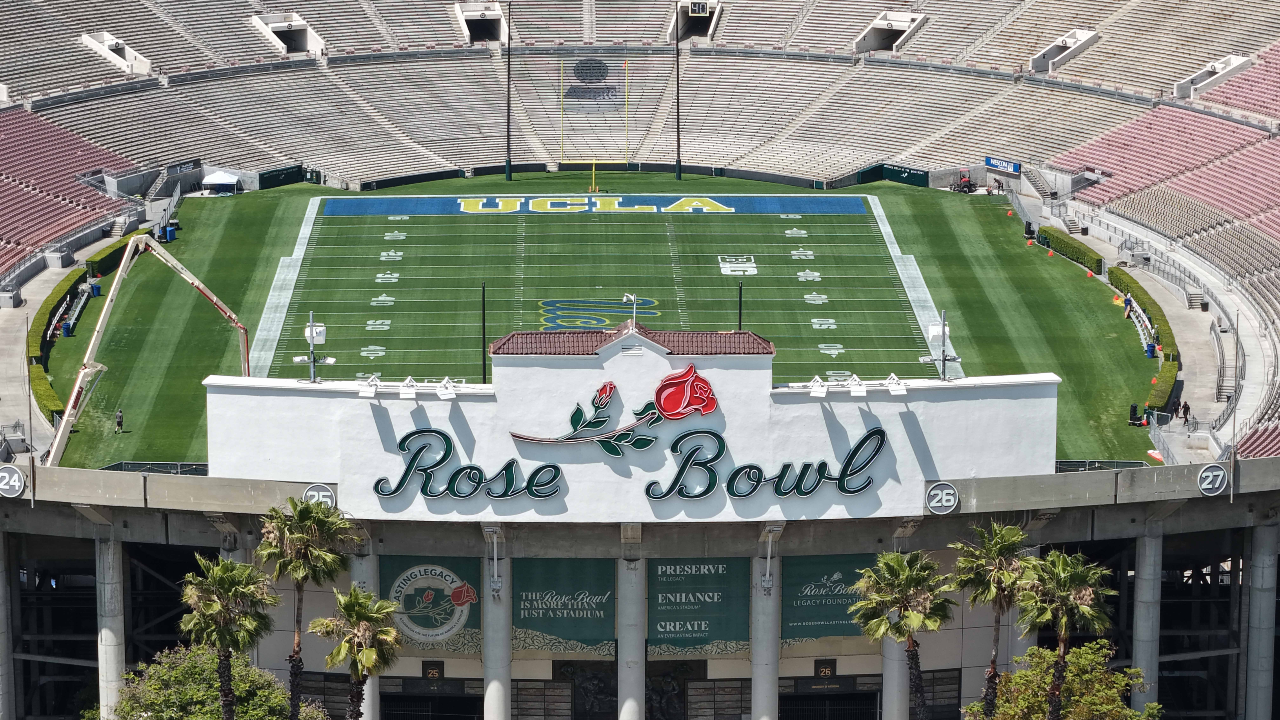
Construction crews broke ground on the south end zone of the Rose Bowl on January 15, 2026, ripping out bench seats that had held fans since before most of them were born. The Granddaddy of Them All, built in 1922, host of five Super Bowls, was tearing itself apart on purpose. A $30 million privately funded renovation would replace 5,000 bench seats with a luxury field-level club. The stadium had never offered field-level premium seating in its entire century of existence. That desperation had a name attached to it.
The Tenant Bleeding Cash
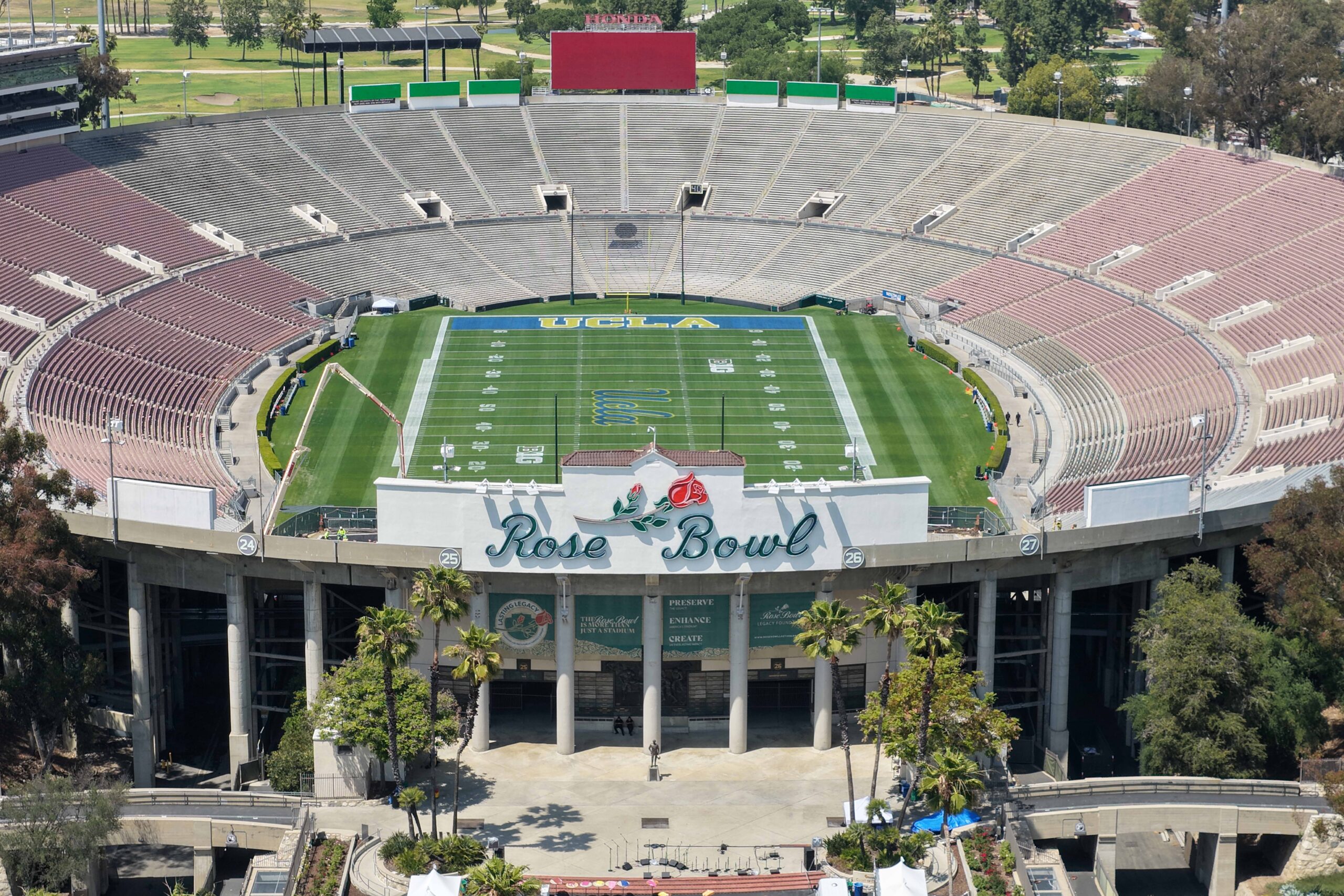
May 2, 2026; Pasadena, CA, USA; A general overall aerali view of the Rose Bowl. Mandatory Credit: Kirby Lee-Imagn Images
UCLA’s athletic department has lost more than $200 million over six years. That works out to roughly $33 million annually vanishing into a deficit no amount of tradition could cover. The Bruins drew an average of 37,282 fans per game in 2025, filling approximately 42% of the Rose Bowl’s 89,702 seats. Sixty other college football programs outdrew them. Pasadena taxpayers had already poured well over $100 million into Rose Bowl renovations over the years. Now the stadium needed $30 million more just to keep its anchor tenant from walking.
The Myth Starts Cracking
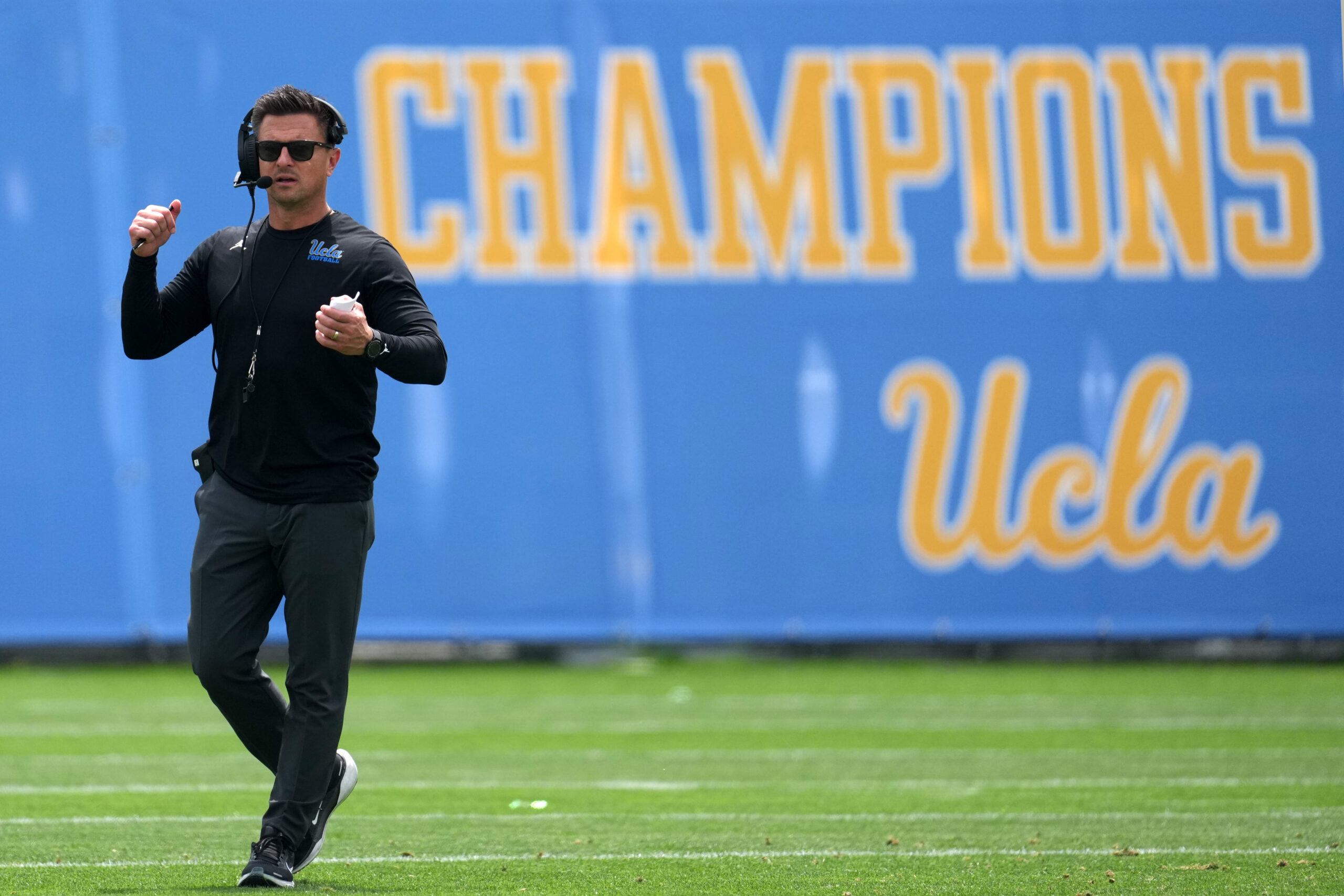
May 2, 2026; Pasadena, CA, USA; UCLA Bruins coach Bob Chesney reacts during the spring game at Rose Bowl. Mandatory Credit: Kirby Lee-Imagn Images
Everyone assumed a venue this historic was untouchable. Five Super Bowls. The oldest bowl game in college football, dating to 1902. UCLA’s home since 1982. But court filings revealed UCLA had been coordinating with SoFi Stadium executives well before the renovation announcement. UCLA was modeling its escape before the Rose Bowl ever picked up a shovel. Tradition, it turns out, has a price tag.
“Pretty Special” Means Pretty Temporary
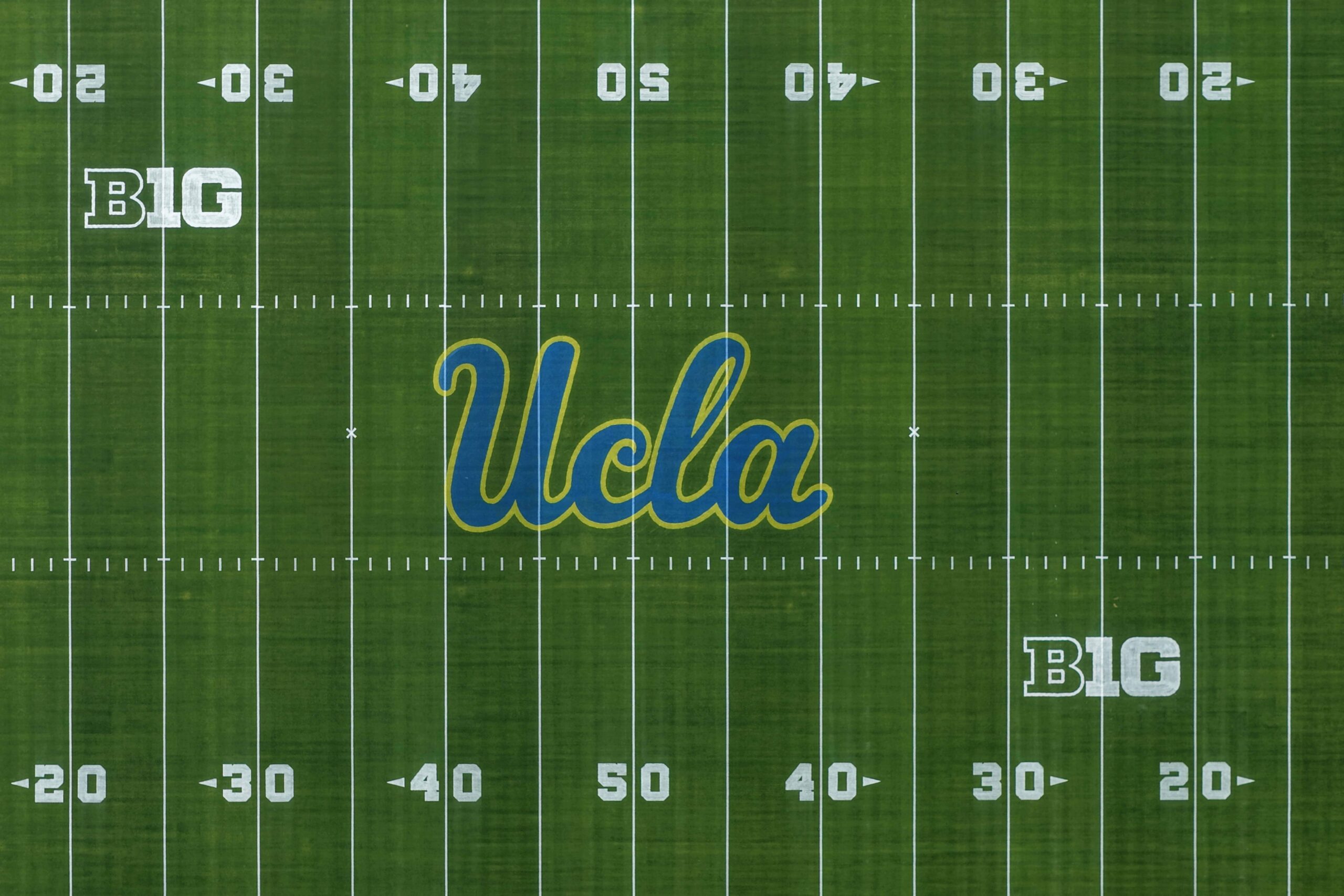
May 2, 2026; Pasadena, CA, USA; A general overall view of the UCLA Bruins and Big Ten Conference logos on the field at the Rose Bowl. Mandatory Credit: Kirby Lee-Imagn Images
UCLA head coach Bob Chesney stood inside the Rose Bowl in early 2026 and said, “To get a chance to walk in here and just feel this … is pretty special.” His own program had been negotiating to leave for SoFi Stadium since before he arrived. Pasadena and the Rose Bowl Operating Company filed a breach-of-contract lawsuit against UCLA in October 2025. The amended complaint named Kroenke Sports & Entertainment and SoFi Stadium as co-defendants for allegedly interfering in the contract. Chesney praised the cathedral. His program was already halfway out the door.
The Billionaire Behind the Exit
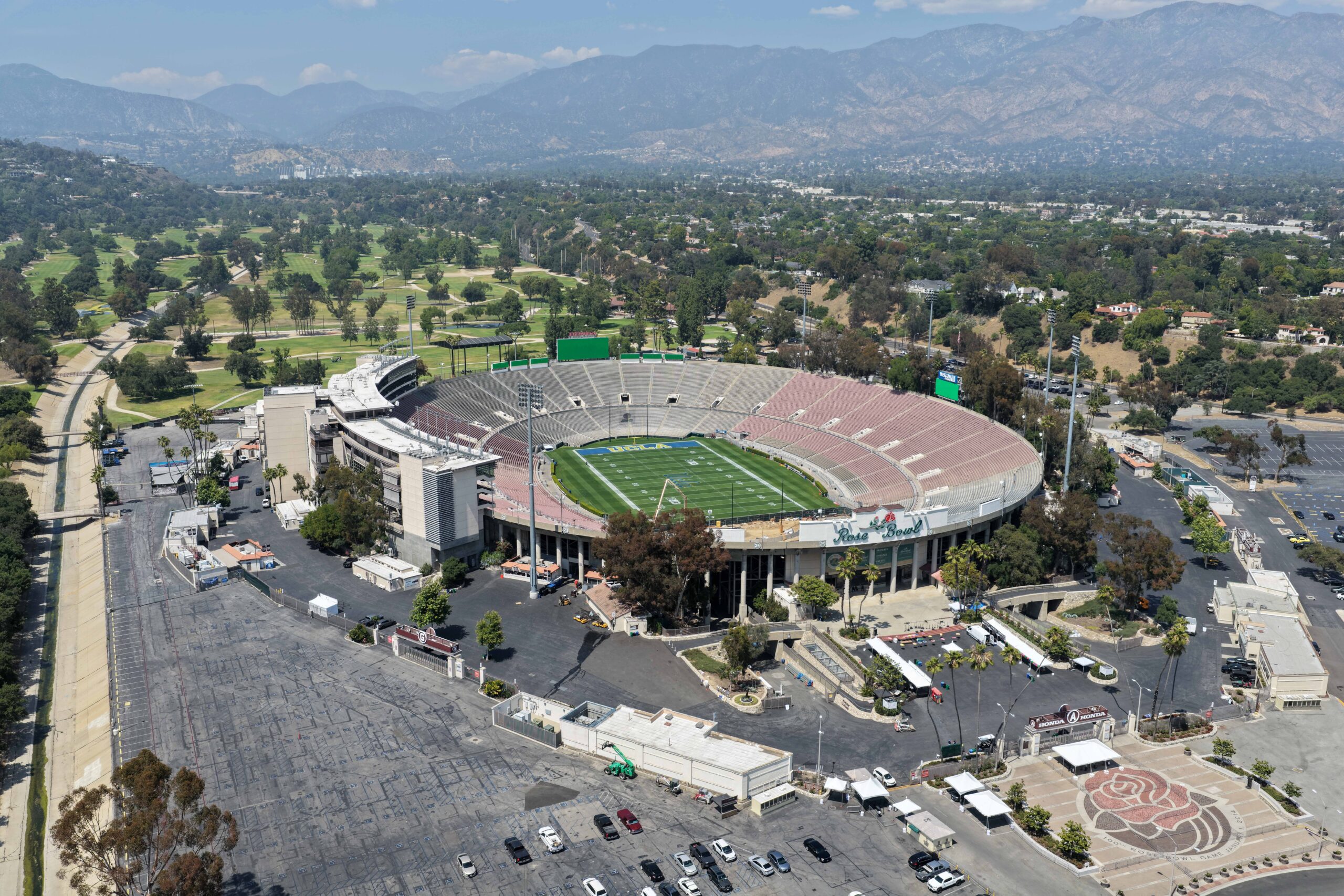
May 2, 2026; Pasadena, CA, USA; A general overall aerali view of the Rose Bowl. Mandatory Credit: Kirby Lee-Imagn Images
Kroenke Sports & Entertainment owns SoFi Stadium, which sits closer to UCLA’s Westwood campus than the Rose Bowl in Pasadena. The lawsuit alleges Kroenke’s organization actively facilitated UCLA’s potential departure. That framing matters. A billionaire-backed mega-facility pulling a financially distressed university away from a publicly funded historic venue is not a stadium story. It is a consolidation story. The Rose Bowl’s $30 million renovation competes against a facility built for billions. Expensive window dressing on one side, unlimited capital on the other.
The Numbers That Bury Nostalgia
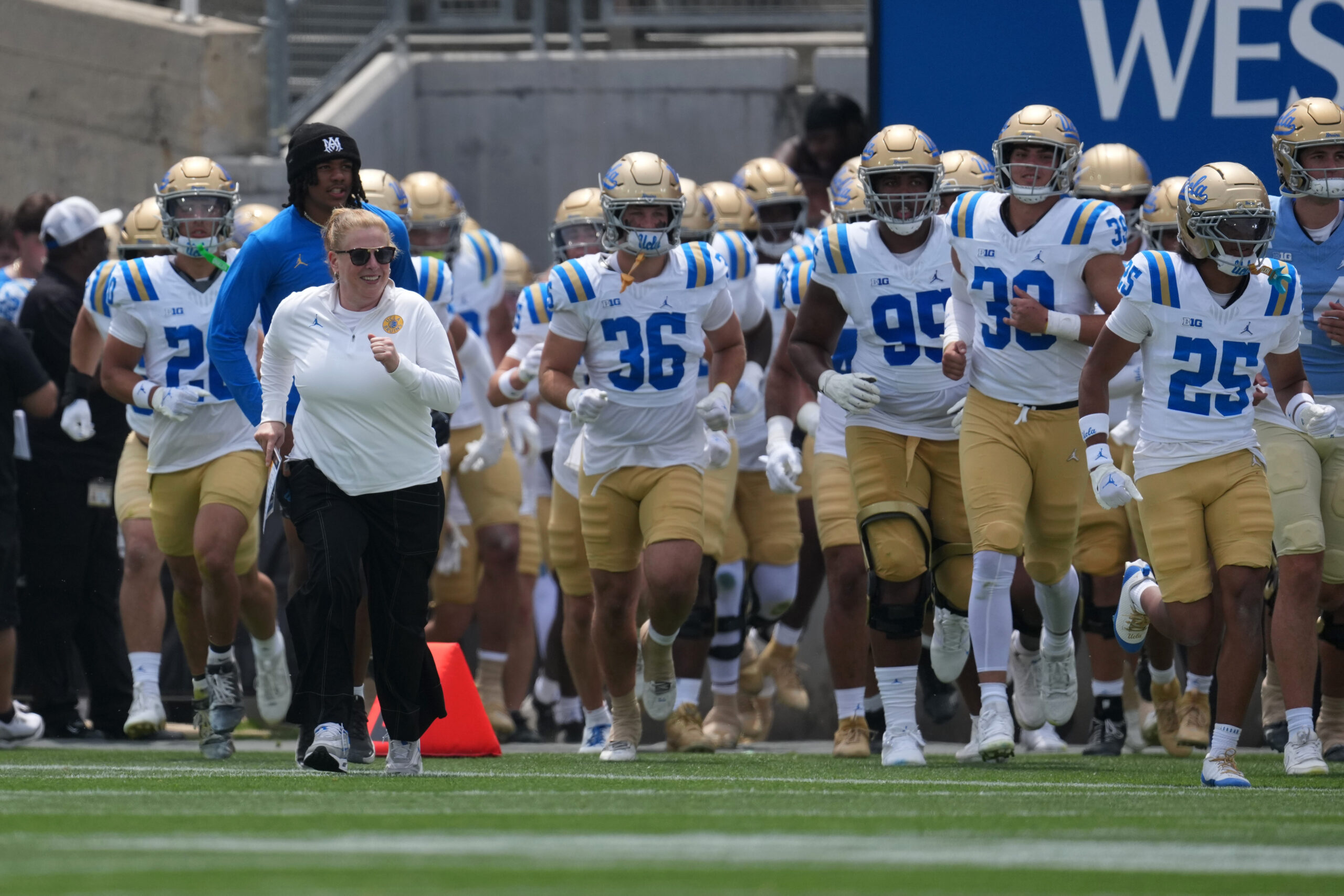
May 2, 2026; Pasadena, CA, USA; UCLA Bruins women’s basketball coach Cori Close leads players onto the field during the spring game at Rose Bowl. Mandatory Credit: Kirby Lee-Imagn Images
Moving to SoFi could generate substantial additional annual revenue for UCLA, helping offset a program deficit running roughly $33 million per year. The Rose Bowl renovation, meanwhile, reduces capacity by removing 5,000 bench seats and adding just over 1,000 premium spots. The stadium is betting on margin over volume. But when your tenant fills 42% of your seats, the math screams that luxury upgrades alone cannot close a gap this wide.
Who Gets Hurt If UCLA Walks
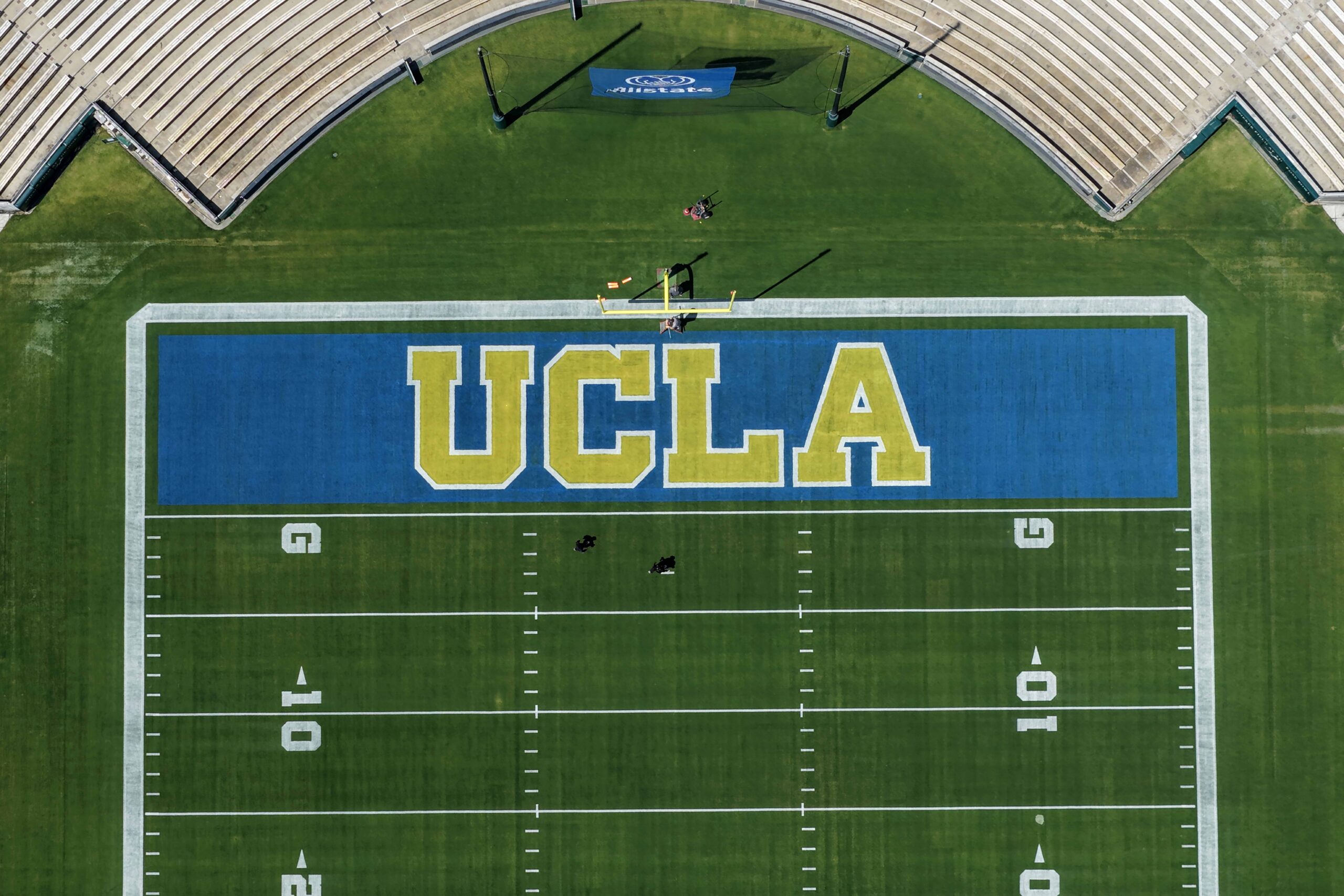
May 2, 2026; Pasadena, CA, USA; A general overall view of the UCLA Bruins logo in the end zone at the Rose Bowl. Mandatory Credit: Kirby Lee-Imagn Images
If UCLA leaves, the Rose Bowl could lose tens of millions in annual revenue tied to its anchor tenant. Pasadena’s bonds tied to the stadium become financially vulnerable, a concern the presiding judge specifically flagged. Local workers, vendors, and nearby businesses dependent on game days face income loss. The Rose Bowl CEO, Jens Wiedenhoeft, said the stadium continues to honor its past by investing in its future. Honoring the past gets harder when the future walks out the door. Other universities watching this case may see a blueprint for breaking their own stadium deals.
A New Rule for American Sports
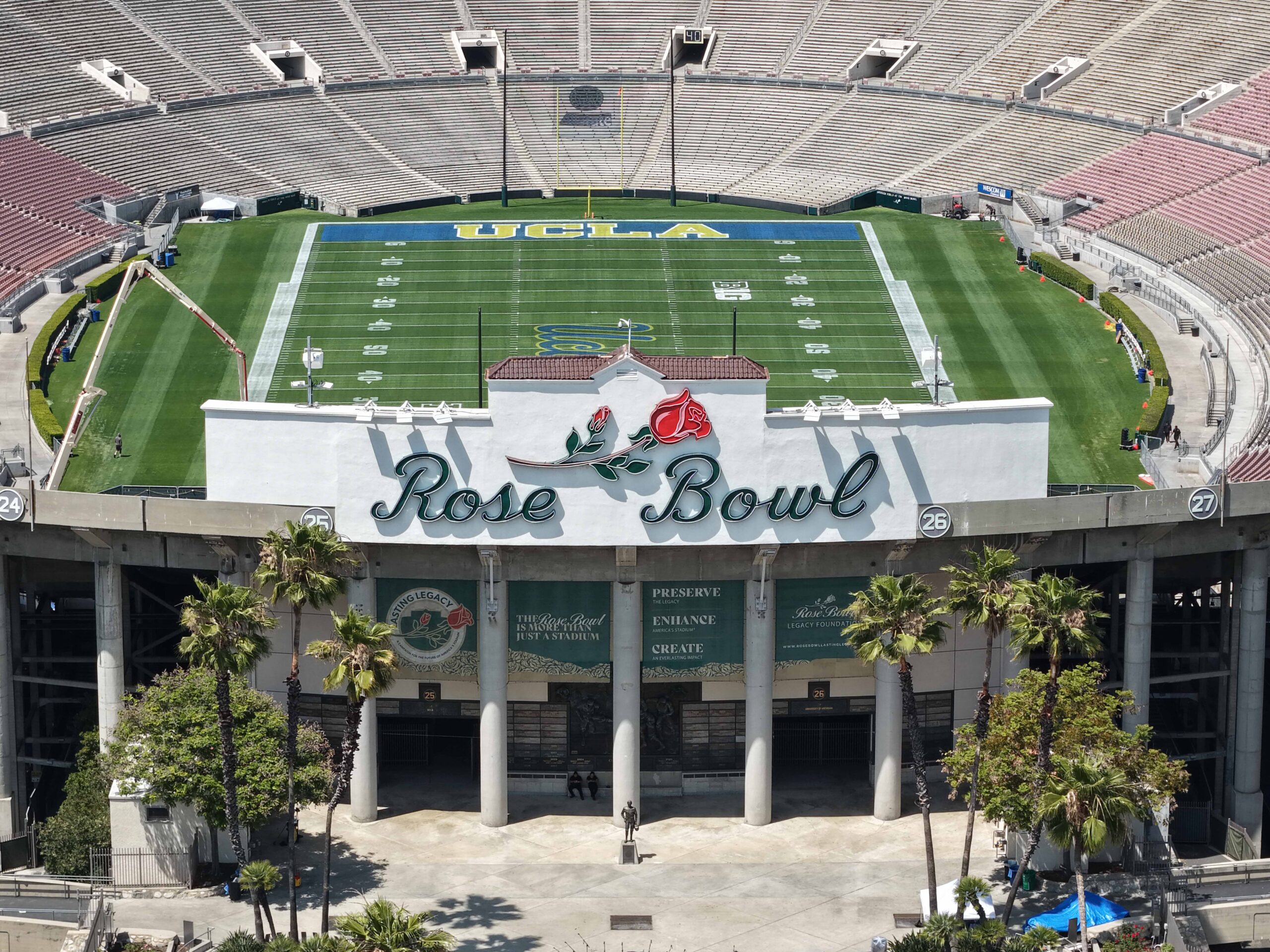
May 2, 2026; Pasadena, CA, USA; A general overall aerali view of the Rose Bowl. Mandatory Credit: Kirby Lee-Imagn Images
The court ruling in this case could set precedent for how enforceable university-venue contracts are when financial conditions shift. That is the real story at altitude. The oldest bowl game in America and a billionaire’s competing facility may together establish that no contract is sacred once the economics tilt. The Rose Bowl is slated to host soccer matches at the 2028 Olympics, guaranteeing some future revenue. But an Olympic weekend is not a football season. Once you see this as a precedent case, every historic stadium in America looks fragile.
The Dominoes Still Falling
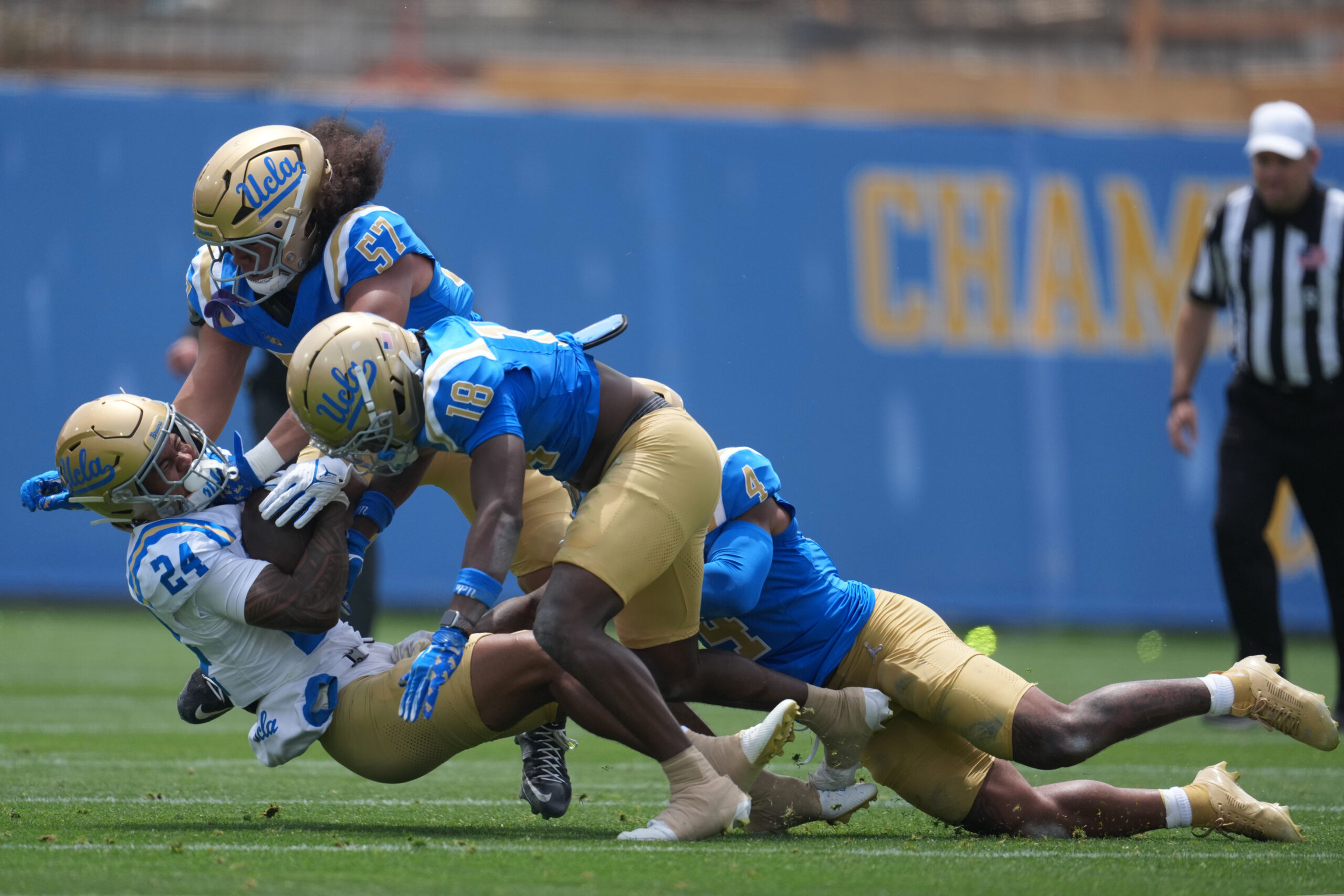
May 2, 2026; Pasadena, CA, USA; UCLA Bruins linebacker Matthew Muasau (57) and defensive backs Osiris Gilbert (18) and Cole Martin (4) tackle receiver Jonah Smith (24) during the spring game at Rose Bowl. Mandatory Credit: Kirby Lee-Imagn Images
UCLA confirmed it will play the 2026 season at the Rose Bowl, with the renovation targeting a September 12 home opener. That commitment came against the backdrop of the active lawsuit and a judge’s pointed warnings about Pasadena’s financial exposure. Temporary compliance, not loyalty. Legal battles could intensify toward larger settlements or even legislative responses around stadium contracts. The renovation features a 360-degree bar mimicking the bowl’s oval shape and a speakeasy-style reception area. Beautiful additions to a building whose primary tenant is counting the months until it can leave.
The Fight Nobody Sees Coming
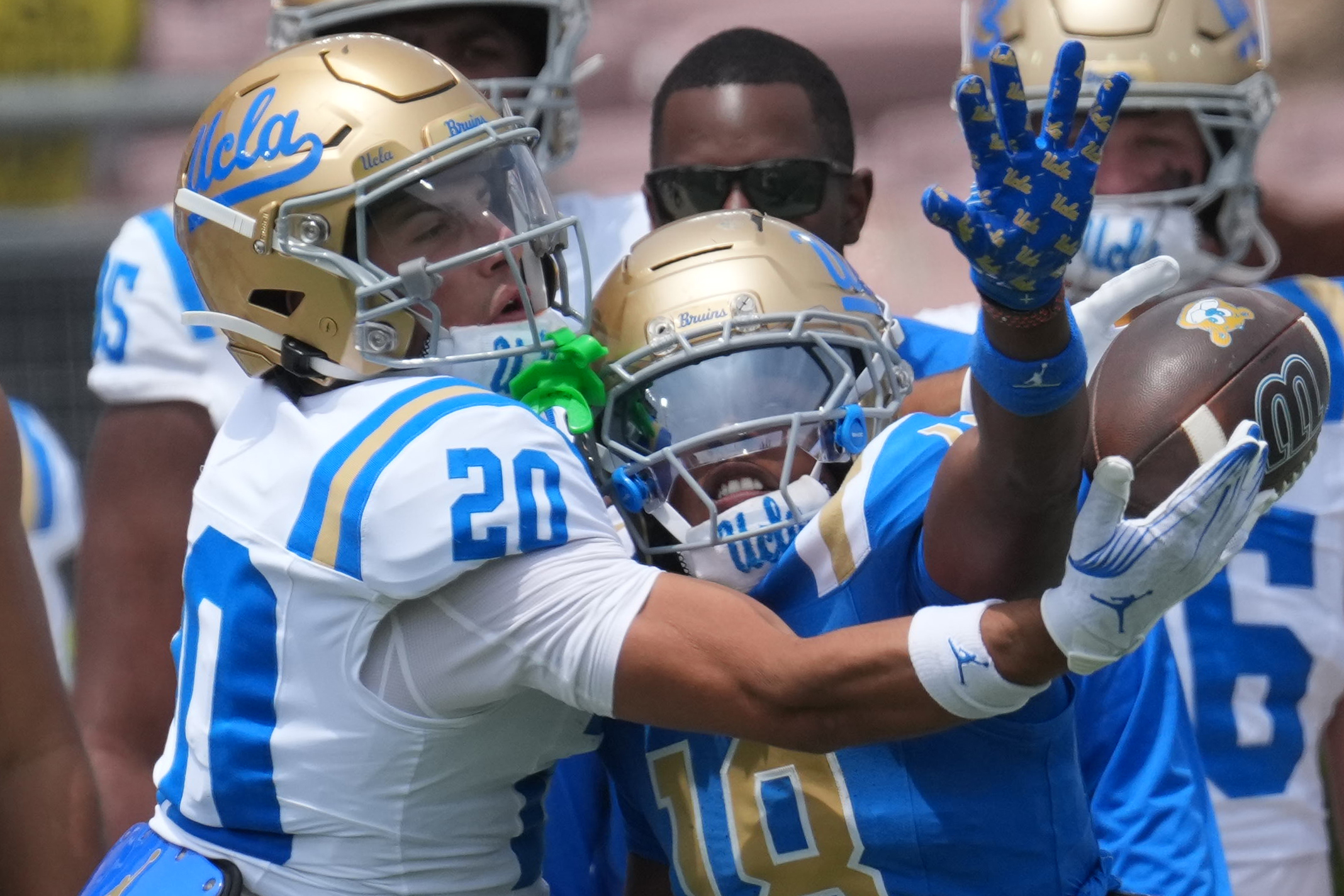
May 2, 2026; Pasadena, CA, USA; UCLA Bruins receiver Shane Rosenthal (20) attempts to catch the ball against derfensive back Osiris Gilbert (18) during the spring game at Rose Bowl. Mandatory Credit: Kirby Lee-Imagn Images
Pasadena and the Rose Bowl may need to find new tenants, additional events, and fresh partnerships to replace UCLA revenue. The stadium’s 2028 Olympic role offers some bridge revenue, but Olympic events are not a football season’s worth of game days. The real question every college town should ask: if the Rose Bowl, the most iconic stadium in American college football, can be abandoned over spreadsheet math, what protects yours? Most fans see a renovation. The informed see a last stand against forces that have already won everywhere else. If your school’s stadium got the same offer SoFi made UCLA, would you want them to take the money — or stay loyal to the building? Tell us in the comments.