
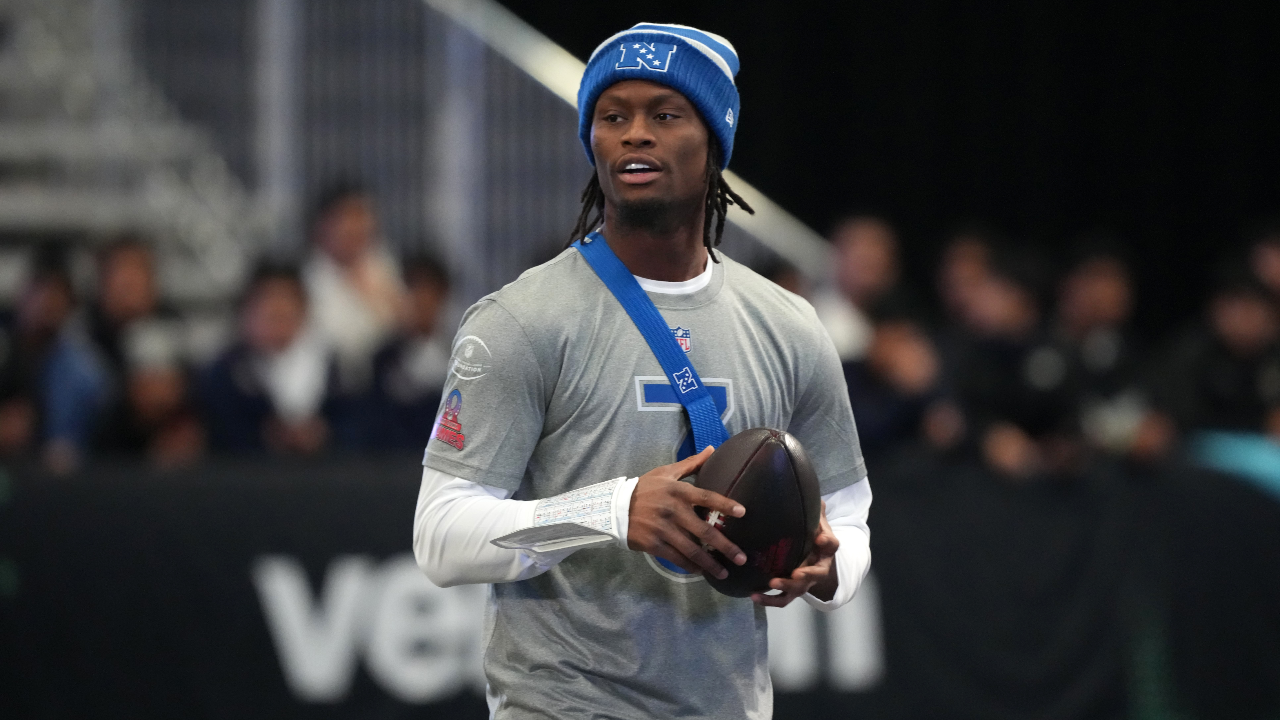
The practice field at The Star was full on May 12, 2026. CeeDee Lamb ran routes. Position coaches barked assignments. The Cowboys’ first voluntary offseason workout hummed along like every other spring session in Frisco. Except for one detail that screamed louder than anything on the field: the locker belonging to the team’s Pro Bowl receiver sat empty. George Pickens, fresh off signing a $27.3 million franchise tag, chose the very first day available to not show up. Nobody from his camp offered an explanation.
A Career Year That Changed Nothing
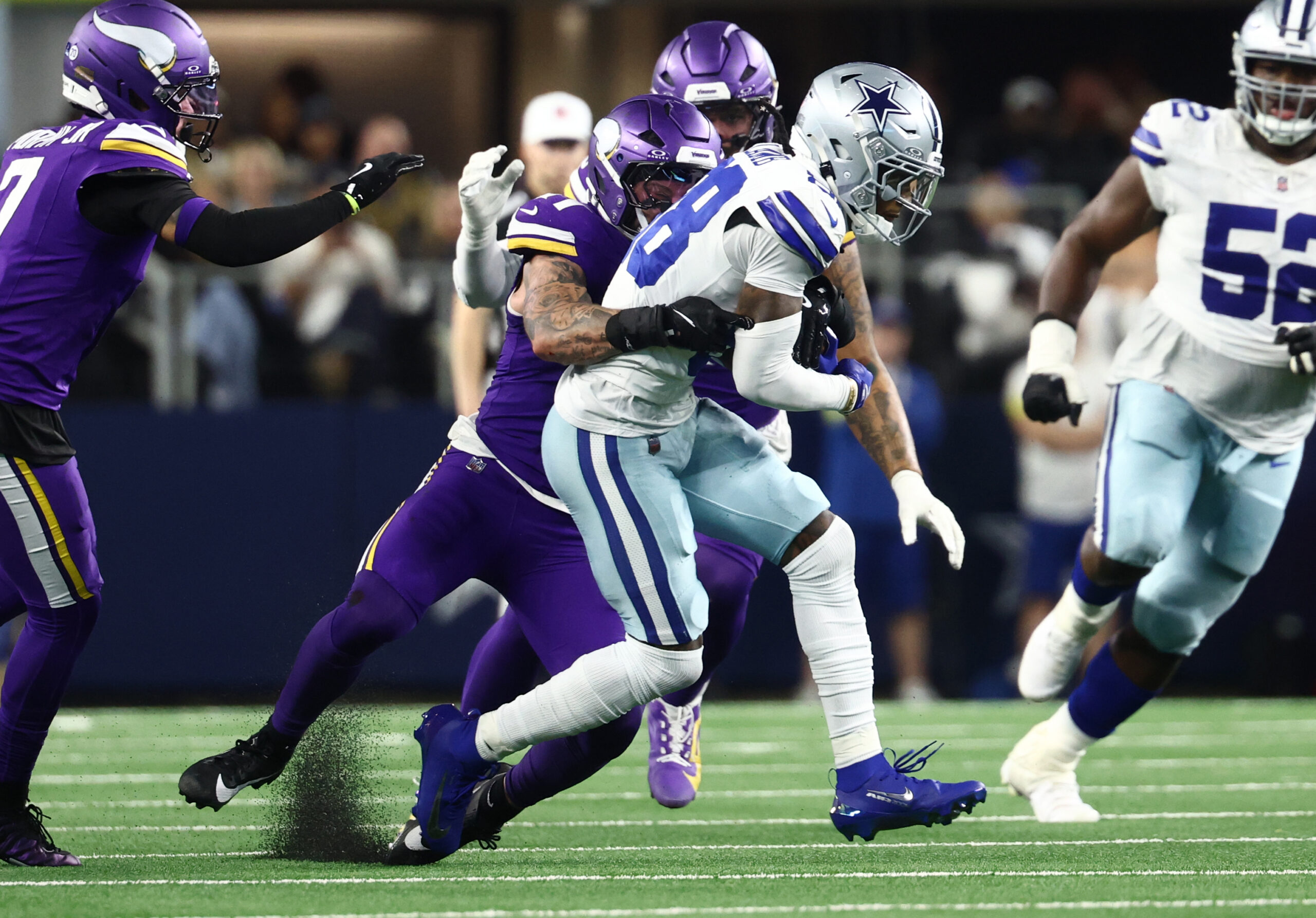
Dec 14, 2025; Arlington, Texas, USA; Dallas Cowboys wide receiver Ceedee Lamb (88) is tackled by Minnesota Vikings linebacker Blake Cashman (51) during the second half at AT&T Stadium. Mandatory Credit: Kevin Jairaj-Imagn Images
Pickens arrived in Dallas via trade from Pittsburgh, costing the Cowboys a third-round and fifth-round pick. Then he delivered the kind of season that’s supposed to end all contract debates: 93 receptions, 1,429 receiving yards, 9 touchdowns. All career highs. He led the Cowboys in receptions in 2025, ahead of Lamb’s 75 catches. A Pro Bowl nod. The kind of production that typically earns long-term security. Instead, Dallas slapped a one-year franchise tag on him and told the world they had “long-term plans.” Plans that apparently didn’t include a long-term contract.
The Promise That Cracked
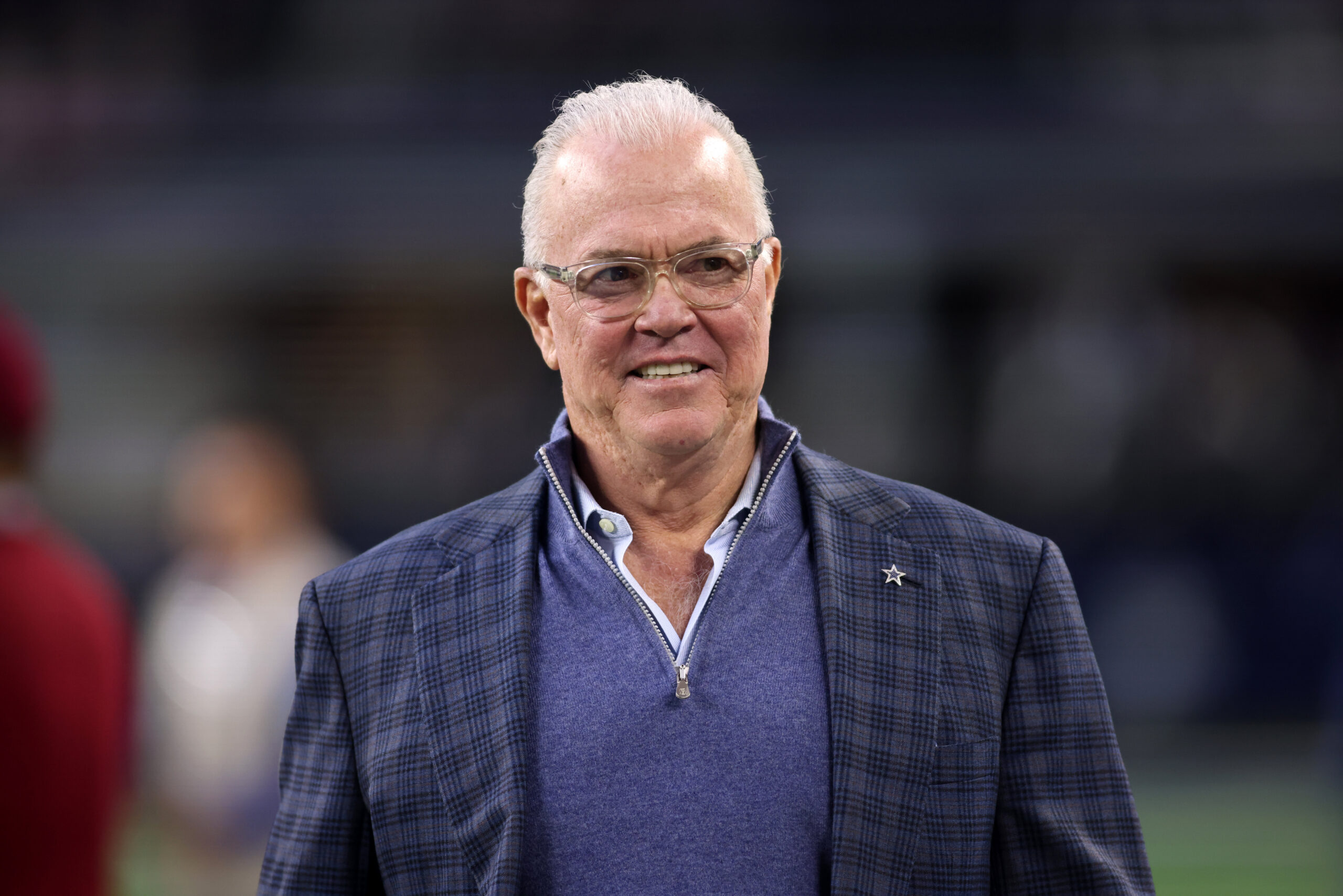
Dec 22, 2024; Arlington, Texas, USA; Dallas Cowboys CEO Stephen Jones walks on the field before the game against the Tampa Bay Buccaneers at AT&T Stadium. Mandatory Credit: Tim Heitman-Imagn Images
On May 1, the Cowboys made it official: no extension negotiations. Period. Executive VP Stephen Jones declared the team “won’t” discuss a multi-year deal. This from the same front office where Jerry Jones told reporters they had “long-term plans” for Pickens. Those two statements can’t coexist. One is a vision. The other is a wall. Pickens’ agent, David Mulugheta, had already gauged the trade market during the draft. No takers materialized. The non-exclusive tag promised leverage it couldn’t deliver, trapping Pickens between a team that wanted him and a contract that insulted him.
Fired Up About an Empty Building
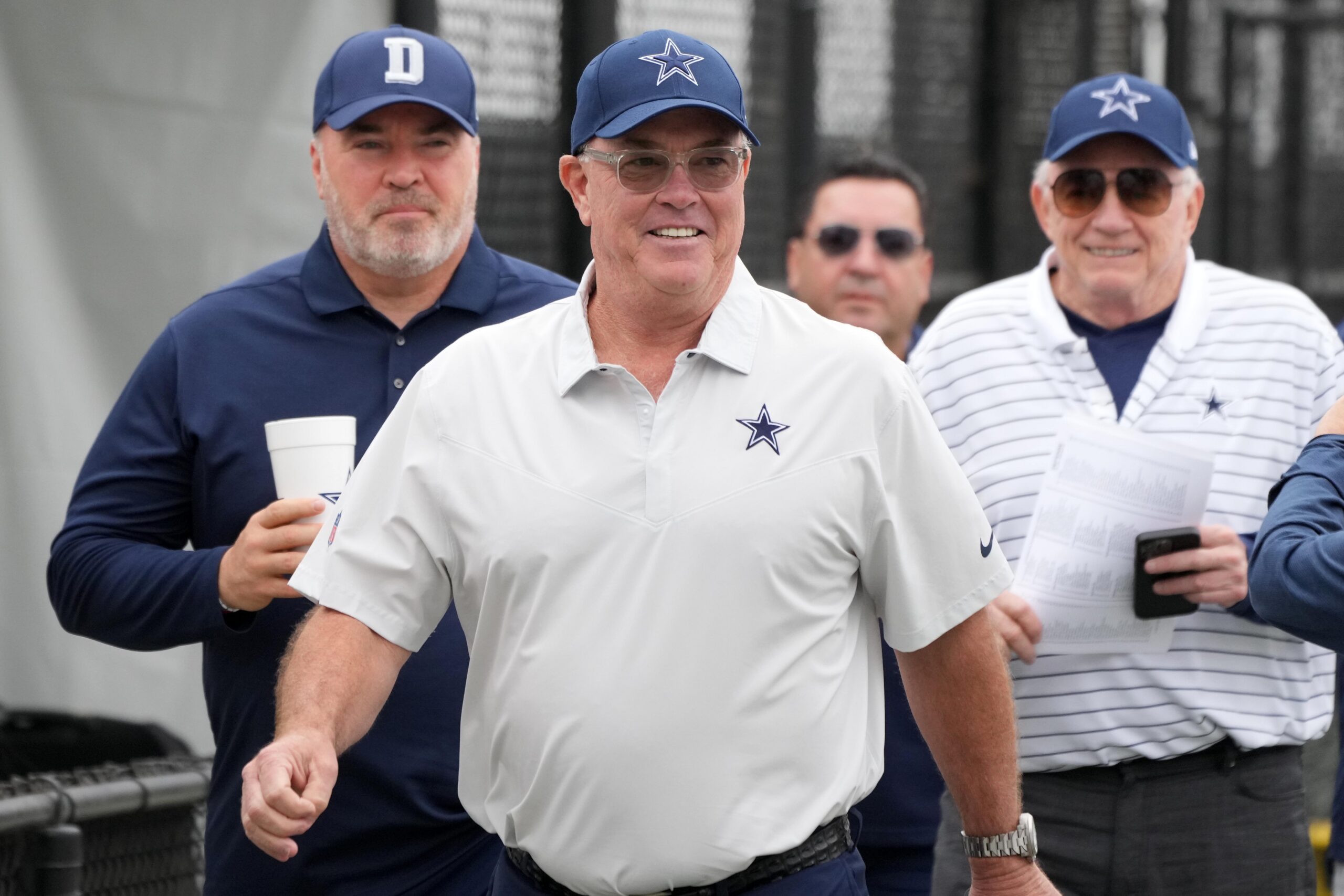
Jul 26, 2022; Oxnard, CA, USA; Dallas Cowboys chief operating officer Stephen Jones (center) arrives with coach Mike McCarthy (left) and owner Jerry Jones at training camp press conference at the River Ridge Fields. Mandatory Credit: Kirby Lee-Imagn Images
Stephen Jones told reporters: “We’re fired up about him signing his tag, because it means he’s ready to come in here and get to work.” Eleven days later, Pickens skipped the first workout. That quote aged like milk left on a Dallas sidewalk in July. The tag was signed April 29. The no-extension announcement came May 1. The absence landed May 12. Three events in two weeks. Each one shorter on goodwill. The franchise tag bought Dallas a receiver’s rights but couldn’t purchase his enthusiasm.
The System’s Built-In Flaw
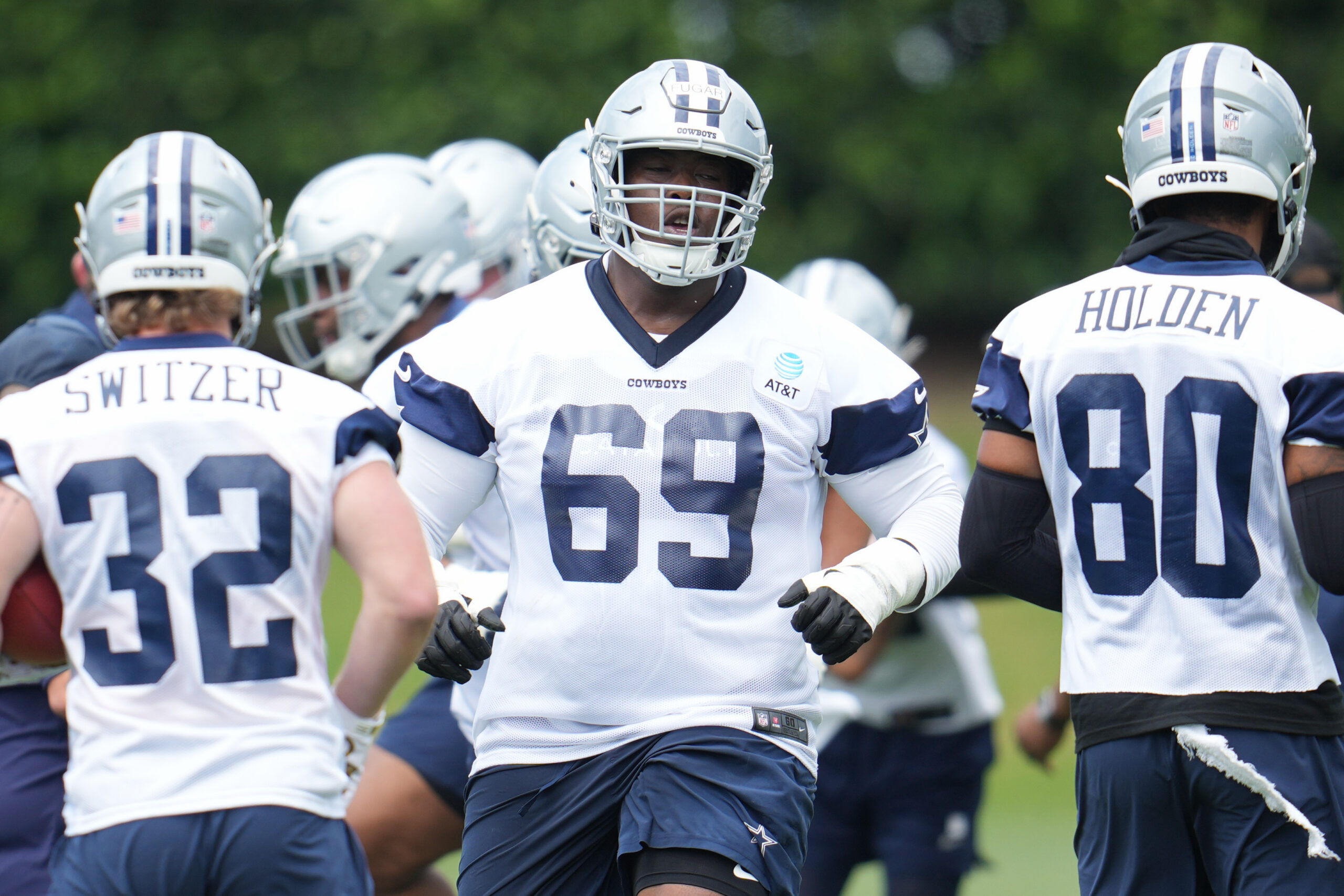
May 1, 2026; Frisco, TX, USA; Dallas Cowboys offensive tackle Sidney Fugar (69) goes through a drill during practice at the Ford Center at the Star Training Facility in Frisco, Texas. Mandatory Credit: Chris Jones-Imagn Images
The franchise tag exists to protect teams. It lets a front office retain a player without committing long-term money. But it creates a perverse incentive: the player’s only remaining power is absence. Pickens can’t negotiate elsewhere because no team made an offer. He can’t force Dallas to extend him. His sole leverage is withholding the one thing the tag can’t guarantee: voluntary effort. The Cowboys built a trap for Pickens. They just didn’t realize they locked themselves inside it too.
The $7 Million Discount That Costs More
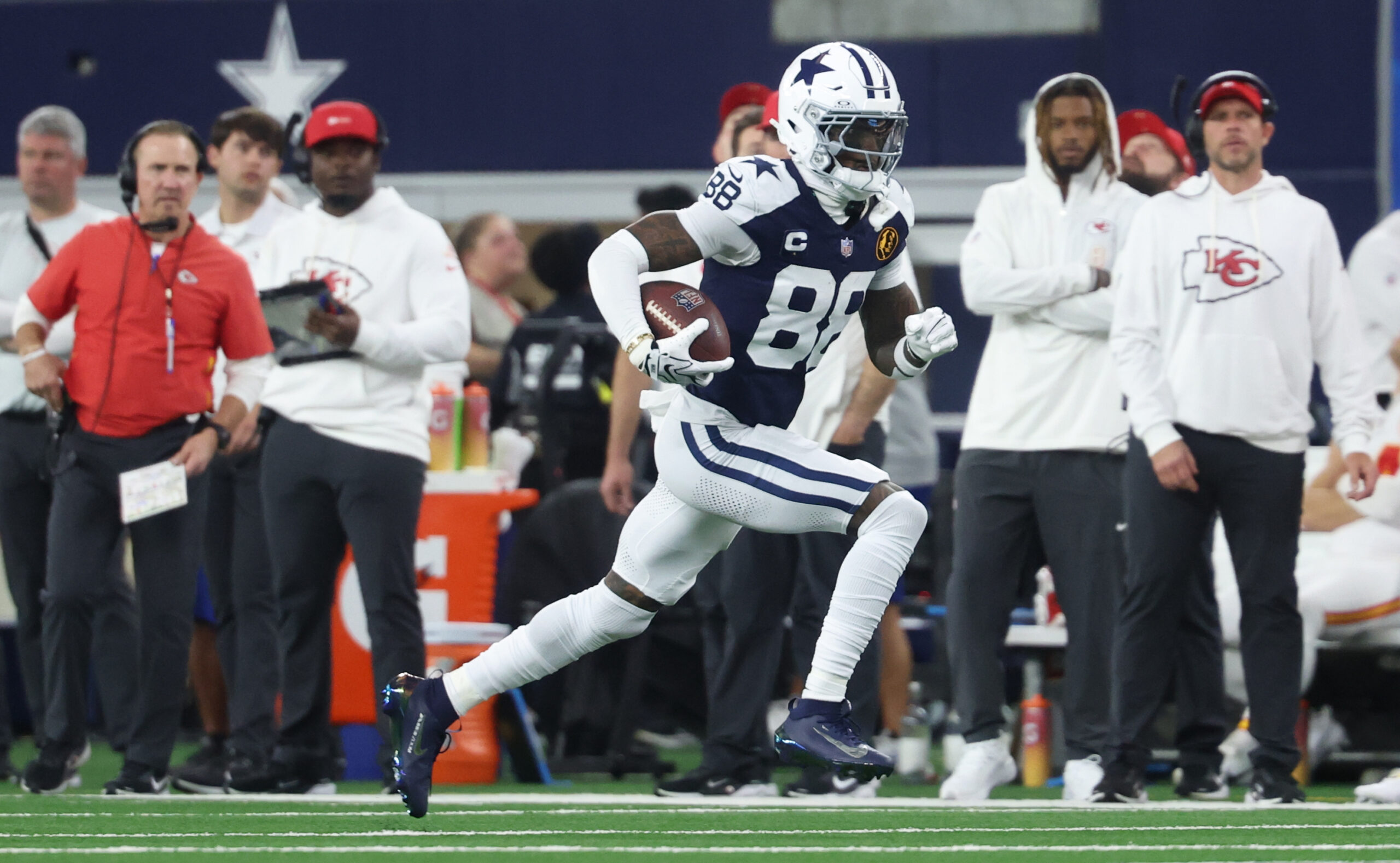
Nov 27, 2025; Arlington, Texas, USA; Dallas Cowboys wide receiver CeeDee Lamb (88) runs after a catch against the Kansas City Chiefs during the second quarter at AT&T Stadium. Mandatory Credit: Kevin Jairaj-Imagn Images
CeeDee Lamb earns roughly $34 million per season. Pickens’ tag pays $27.3 million. That gap represents approximately $7 million in annual savings for Dallas. But if the standoff continues and Dallas tags Pickens again in 2027, that number jumps significantly under the CBA’s 120% rule. Meanwhile, the Cowboys restructured deals for Prescott, Lamb, and Tyler Smith to create cap room for the 2026 free-agency cycle. The money they saved by tagging Pickens may have already been spent elsewhere.
Who Pays When the Star Stays Home
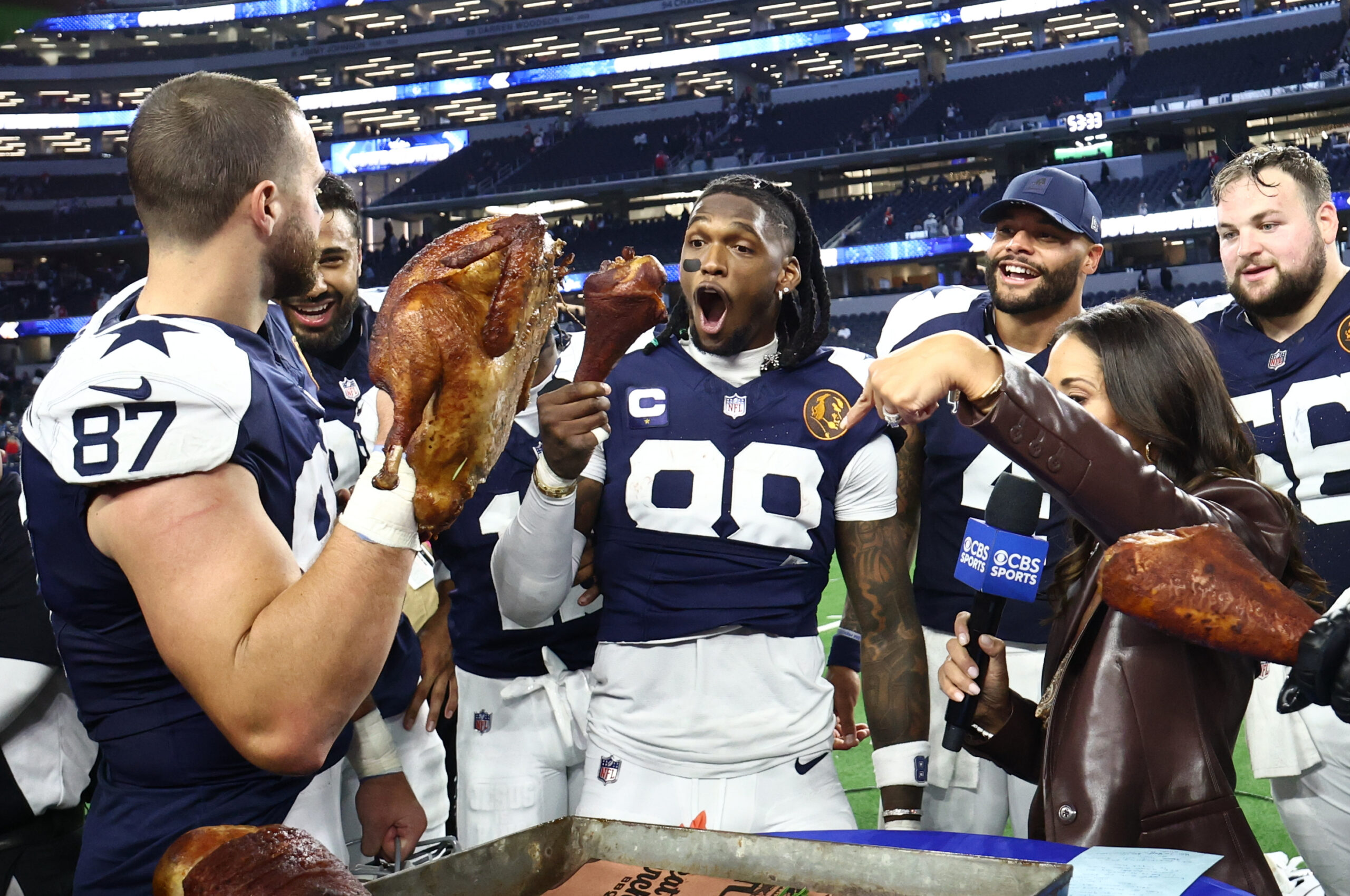
Nov 27, 2025; Arlington, Texas, USA; Dallas Cowboys tight end Jake Ferguson (87) and Dallas Cowboys wide receiver CeeDee Lamb (88) celebrate with a turkey after the game against the Kansas City Chiefs at AT&T Stadium. Mandatory Credit: Kevin Jairaj-Imagn Images
Every voluntary workout Pickens misses compresses the timeline for building offensive chemistry. Lamb’s target share balloons, making the passing game predictable for opposing coordinators. Backup receivers absorb reps they weren’t built for. If Pickens skips OTAs through June and holds past mandatory minicamp on June 16, fines begin accumulating. Other franchise-tagged players’ agents across the league are already watching. If Pickens’ holdout works, every agent in football cites it next spring. Dallas didn’t just create a roster problem. They may have handed the players’ union a blueprint.
Eleven Years Since Dez
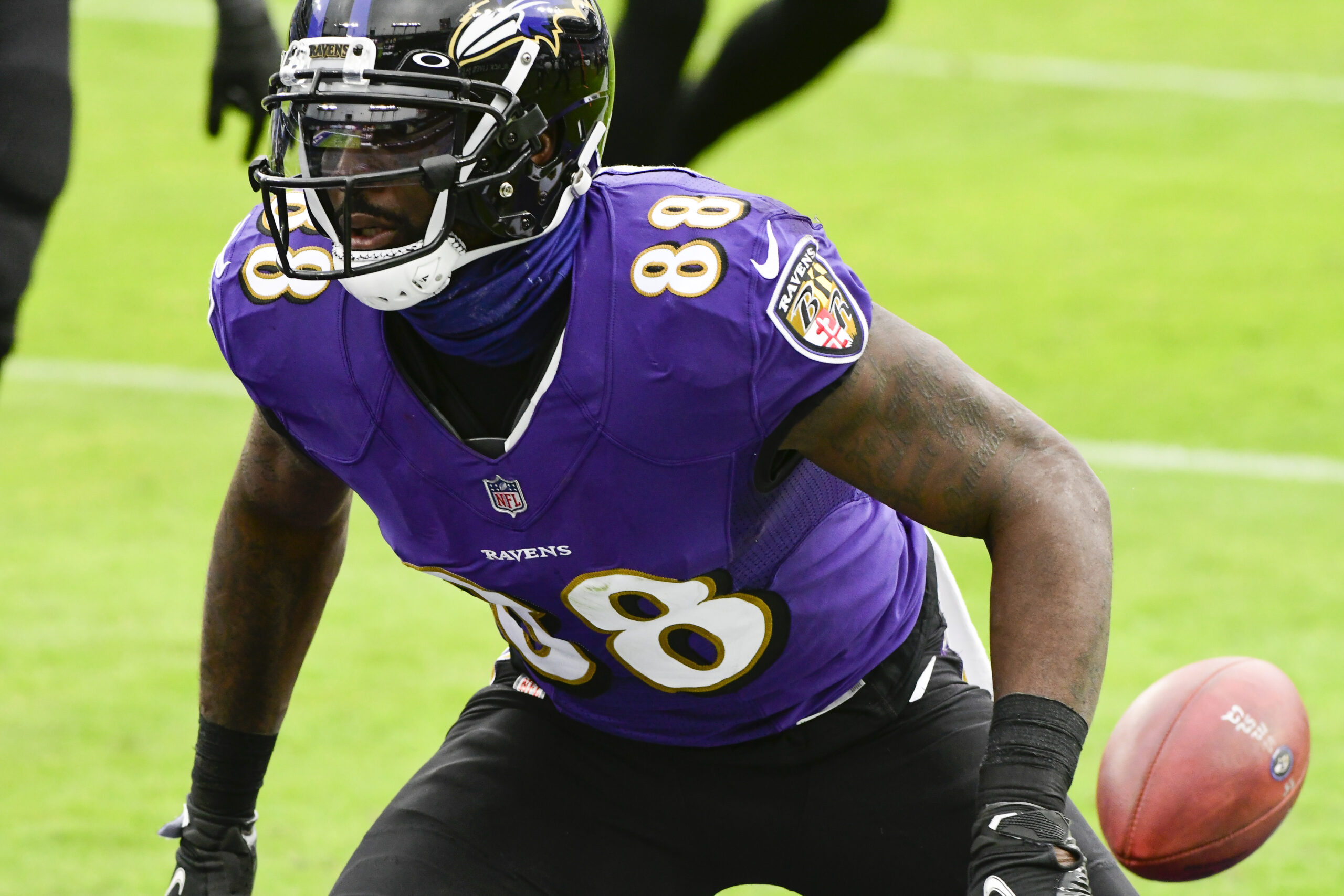
Dec 20, 2020; Baltimore, Maryland, USA; Baltimore Ravens wide receiver Dez Bryant (88) reacts after scoring a second quarter touchdown against the Jacksonville Jaguars at M&T Bank Stadium. Mandatory Credit: Tommy Gilligan-Imagn Images
The last time Dallas signed a first-time franchise-tagged receiver to an extension was 2015. Dez Bryant. That’s an 11-year gap in tag-to-deal strategy at the position. Once you see that number, the Cowboys’ posture stops looking cautious and starts looking like organizational doctrine: tag receivers, defer commitment, let the clock decide. Pickens’ Pittsburgh history gives them cover. He accumulated fines during his Steelers tenure for on-field conduct, and Dallas reportedly fined him during the 2025 season too. But behavioral concerns didn’t stop 93 catches. They’re a justification, not a reason.
The Calendar Is a Weapon
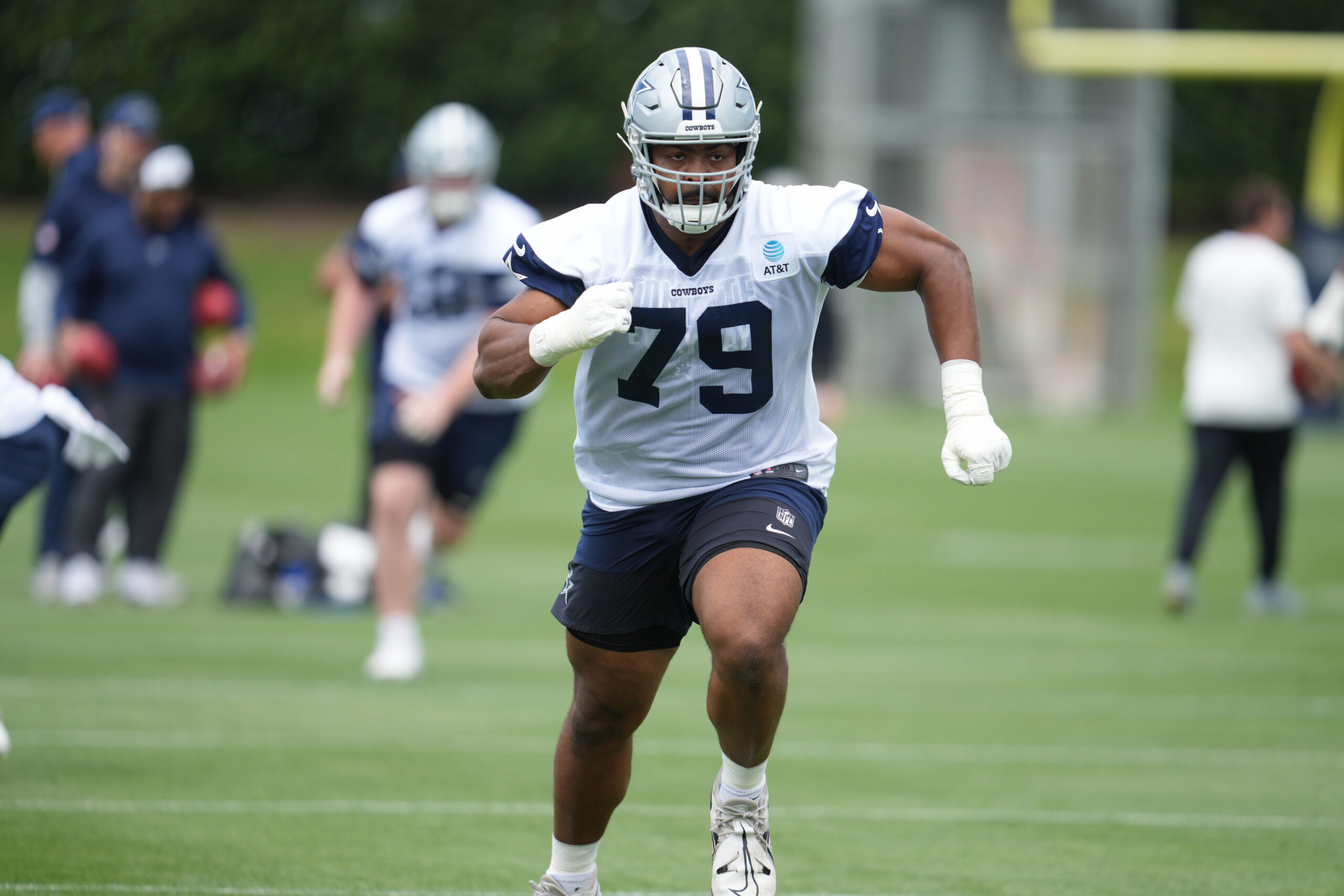
May 1, 2026; Frisco, TX, USA; Dallas Cowboys offensive tackle Marcellus Johnson (79) goes through a drill during practice at the Ford Center at the Star Training Facility in Frisco, Texas. Mandatory Credit: Chris Jones-Imagn Images
Mandatory minicamp starts June 16. The extension deadline falls July 15. And under the CBA, Pickens can hold out through Week 10 of the regular season and still accrue credit toward unrestricted free agency. That’s the nuclear option. If he walks after 2026 without an extension, Dallas gets a compensatory draft pick in 2028. Not a trade haul. A future consolation prize for losing a Pro Bowler they refused to pay. Dak Prescott told Pickens not to take it personally. Dallas made that advice impossible to follow.
The Bet Neither Side Can Afford to Lose
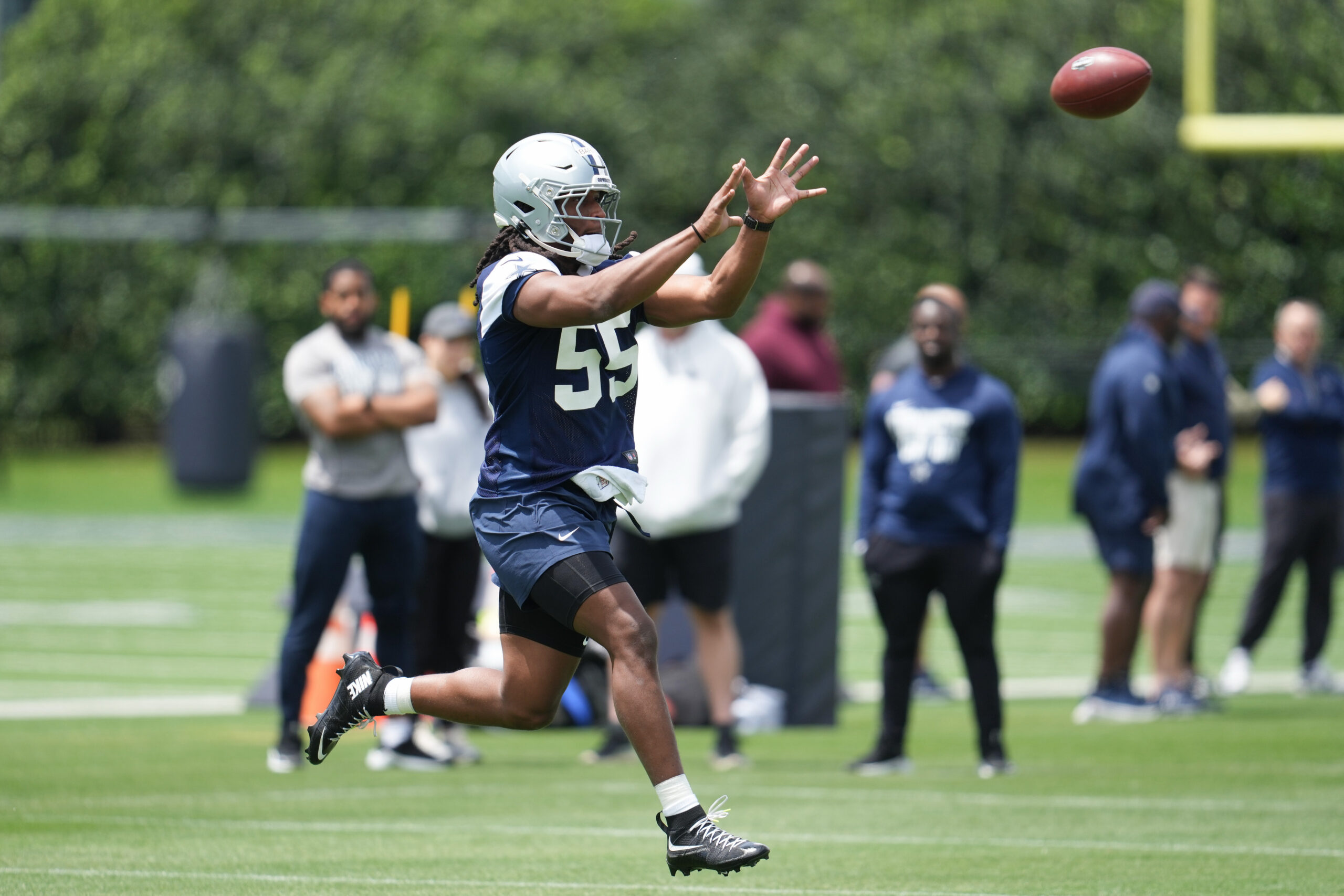
May 1, 2026; Frisco, TX, USA; Dallas Cowboys linebacker Jaishawn Barham (55) goes through a drill during practice at the Ford Center at the Star Training Facility in Frisco, Texas. Mandatory Credit: Chris Jones-Imagn Images
Dallas is wagering that Pickens’ breakout was a product of escaping Pittsburgh’s dysfunction, not sustained growth. Pickens is wagering that 93 catches prove otherwise and that his absence will force a reckoning before July. Both sides know the franchise tag can compel a player’s presence but never his performance quality. That’s the part nobody in the Cowboys front office said out loud. They own his contract. They own his rights. They tagged him for $27.3 million. And on the first day he could walk through the door, he chose not to. Is Pickens right to dig in, or is Dallas right to hold the line at $27.3 million? Tell us in the comments who blinks first — the Cowboys or their Pro Bowl receiver.