


The Raiders executive landed in Provo, Utah, with a briefcase and a number he figured would end the conversation. Across the table sat a 6-foot-8, 330-pound offensive tackle who’d already sent letters to all 30 NFL teams telling them not to bother. Eli Herring, a projected first-to-third round prospect for the 1995 draft, had made his position clear months earlier. The Oakland Raiders drafted him anyway, sixth round at No. 190 overall, convinced the right offer would fix whatever this was. They flew senior assistant Bruce Allen across the country to deliver it personally.
The Letter Nobody Believed
Thousands attend the annual Nevada Day Parade in Carson City on Oct. 26, 2024.
Before the draft, Herring instructed BYU to send a letter to every NFL franchise. The message was blunt: do not waste a pick on me. Herring observed the Sabbath as a devout member of The Church of Jesus Christ of Latter-day Saints. The NFL plays on Sundays. The structural conflict was total. Twenty-nine teams respected the letter. The Raiders read it, shrugged, and burned a sixth-round selection on a man who told them he would never suit up.
A Bet Oakland Couldn’t Lose
Green Bay Packers quarterback Aaron Rodgers (12) celebrates his 74 yard touchdown pass to Marquez Valdes-Scantling with Green Bay Packers head coach Matt LaFleur during the 4th quarter of the Green Bay Packers 42-24 win over the Oakland Raiders at Lambeau Field in Green Bay on Sunday, Oct. 20, 2019. Photo by Mike De Sisti/Milwaukee Journal Sentinel ORG XMIT: DBY1
The logic made sense from Oakland’s side. Herring was a projected early-round talent sliding to the sixth round because of a letter. If money moved him, the Raiders got an elite tackle at a discount. If it didn’t, they lost a late pick. Low risk, massive upside. That calculation reveals something deeper than roster strategy: the entire professional sports machine assumes every principled objection is really just an opening bid. A negotiation dressed up as conviction. The Raiders weren’t being reckless. They were being normal. And that’s the problem.
$1.5 Million On The Table
ORG XMIT: 01/20/02 — New England Patriots host the Oakland raiders in an AFC playoff game at Foxboro Stadium. — Patriots defeated the Raiders 16-13 in overtime. Photo shows Tom Brady loosing the ball during the controversial fumble that occured in the 4th quarter. The ruling on the field was that Brady fumbled the ball while he was being pressured by # 24 Charles Woodson (right) and was recovered by #54 Greg Biekert of the Raiders (left). The refs signal 1st down for the Raiders as the Patriots leave the field. The call was then reviewed and overturned as it was determined that Bradys arm was in a forward motion when he lost control and the play was ruled an incomplete pass. The Patriots went on the tie the game with and Adam Vinatieri fieldgoal and then won in overtime on another Vinatieri field goal. Photo by Bob Breidenbach
Bruce Allen flew from Oakland to Provo and laid a three-year, $1.5 million contract in front of Herring. For a sixth-round pick in 1995, that was exceptional money. Herring said no, reportedly telling Allen, “money is not the issue here.” He declined and accepted a math teaching position at Mountain View High School in Orem, Utah. Starting salary: approximately $22,000 a year. Allen flew a thousand miles to offer a fortune, and Herring chose a classroom in the same town where he already lived.
The System’s Blind Spot
Green Bay Packers coach Matt LaFleur argues with an official about a call at the one yard line late in the second quarter against the Oakland Raiders Sunday, October 20, 2019, at Lambeau Field in Green Bay, Wis.
Professional sports operate on a Sunday-dominant schedule baked into television contracts and stadium leases. For Sabbath-observant athletes, that schedule creates an invisible wall. Most players compartmentalize: worship during the week, play on Sundays. Herring refused to compartmentalize. His refusal didn’t just cost him a career. It exposed an assumption the entire industry runs on: that money dissolves all religious conviction. The Raiders treated his letter like negotiation theater. It was a statement of identity. The system literally cannot tell the difference, and that’s what makes Herring’s story so uncomfortable.
The Numbers Side By Side

Anthony Solano, Woonsocket football
The Raiders offered roughly $500,000 a year. Herring took $22,000 to start. He went on to teach math at Mountain View, where he remains today, and has long coached high school football there. By 1997, two years into teaching, he told the Deseret News he had no regrets. That detail alone tells you this wasn’t a man who agonized over what he left behind.
A Precedent With No Followers
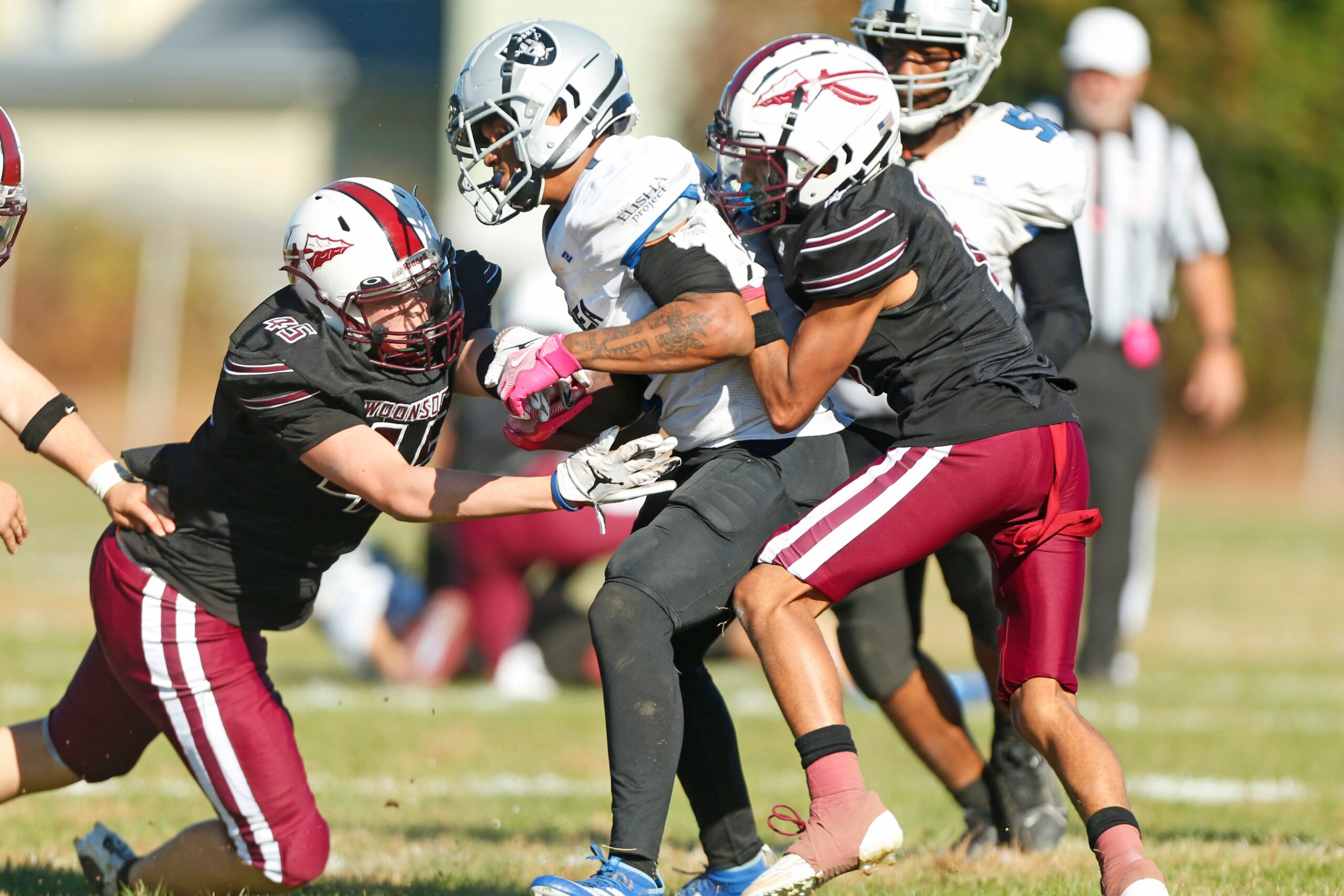
Jalen Putney, Woonsocket football
Herring’s pre-draft letter remains widely cited as unprecedented in the modern NFL. His decision created a template: athletes could declare non-negotiable values before draft day. Yet the NFL never adjusted. Sunday games remain the commercial backbone. Athletes from Sabbath-observant traditions, whether LDS, Jewish, or Seventh-day Adventist, face the same structural wall Herring faced in 1995. His stand proved refusal was possible. The league’s response proved accommodation was never on the table.
The Man Who Already Knew
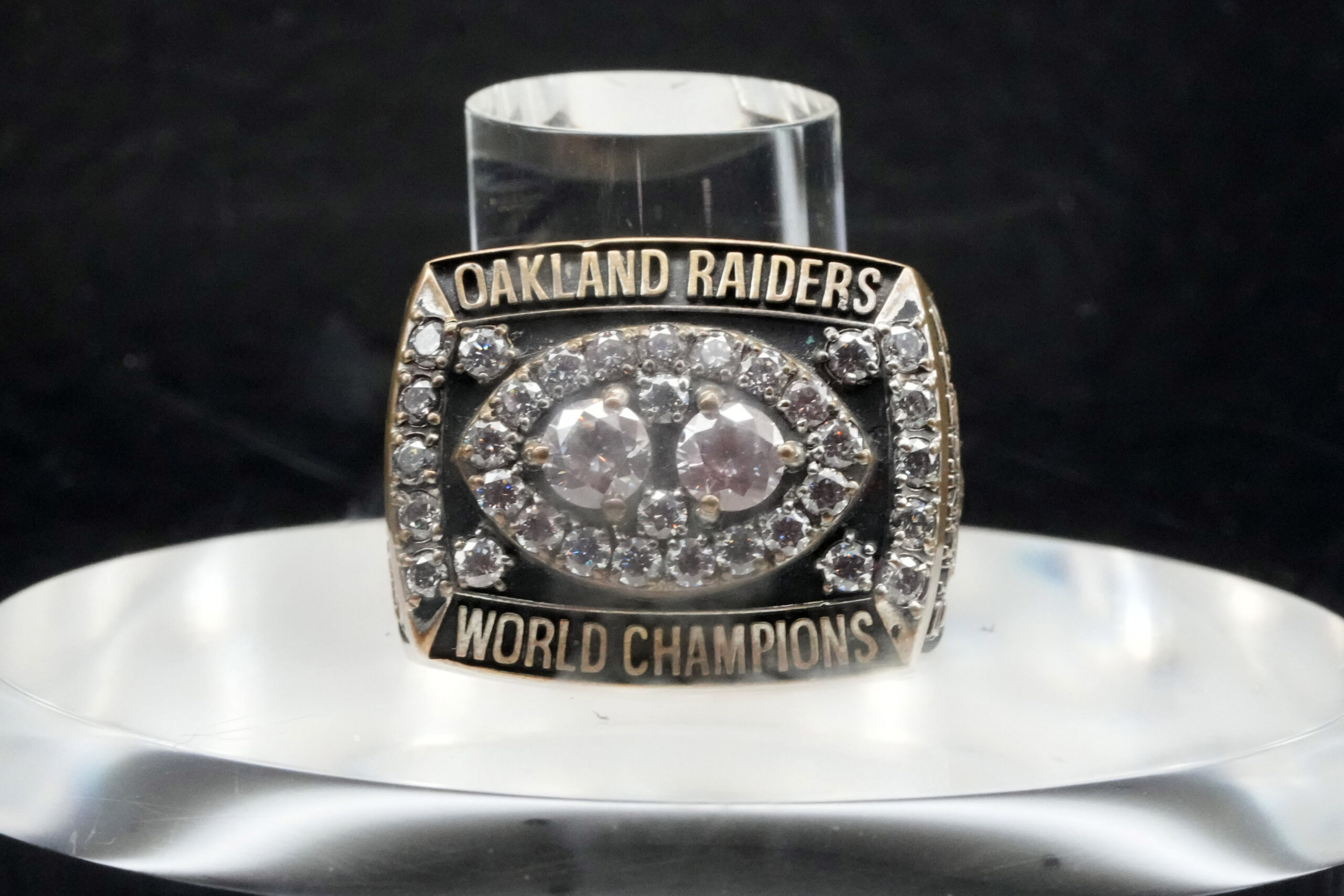
Feb 8, 2025; New Orleans, LA, USA; The Super Bowl XV ring to commemorate the Oakland Raiders victory over the Philadelphia Eagles in Super Bowl XV at the Superdome in New Orleans on Jan. 20, 1980. Mandatory Credit: Kirby Lee-Imagn Images
During a two-year LDS mission to Argentina from 1988 to 1990, Herring drew inspiration from Erroll Bennett, a Tahitian soccer player who refused to play on the Sabbath after his baptism. Bennett’s example gave Herring historical permission years before the NFL came calling. His conviction was pre-set, not improvised under pressure. “I knew barring injury I was going to play great football and make a lot of money, or I was going to know for myself that the Sabbath was so important that I needed to set that career opportunity aside,” Herring said. He saw both futures clearly. He picked the one that matched who he already was.
Three Decades, Zero Regrets
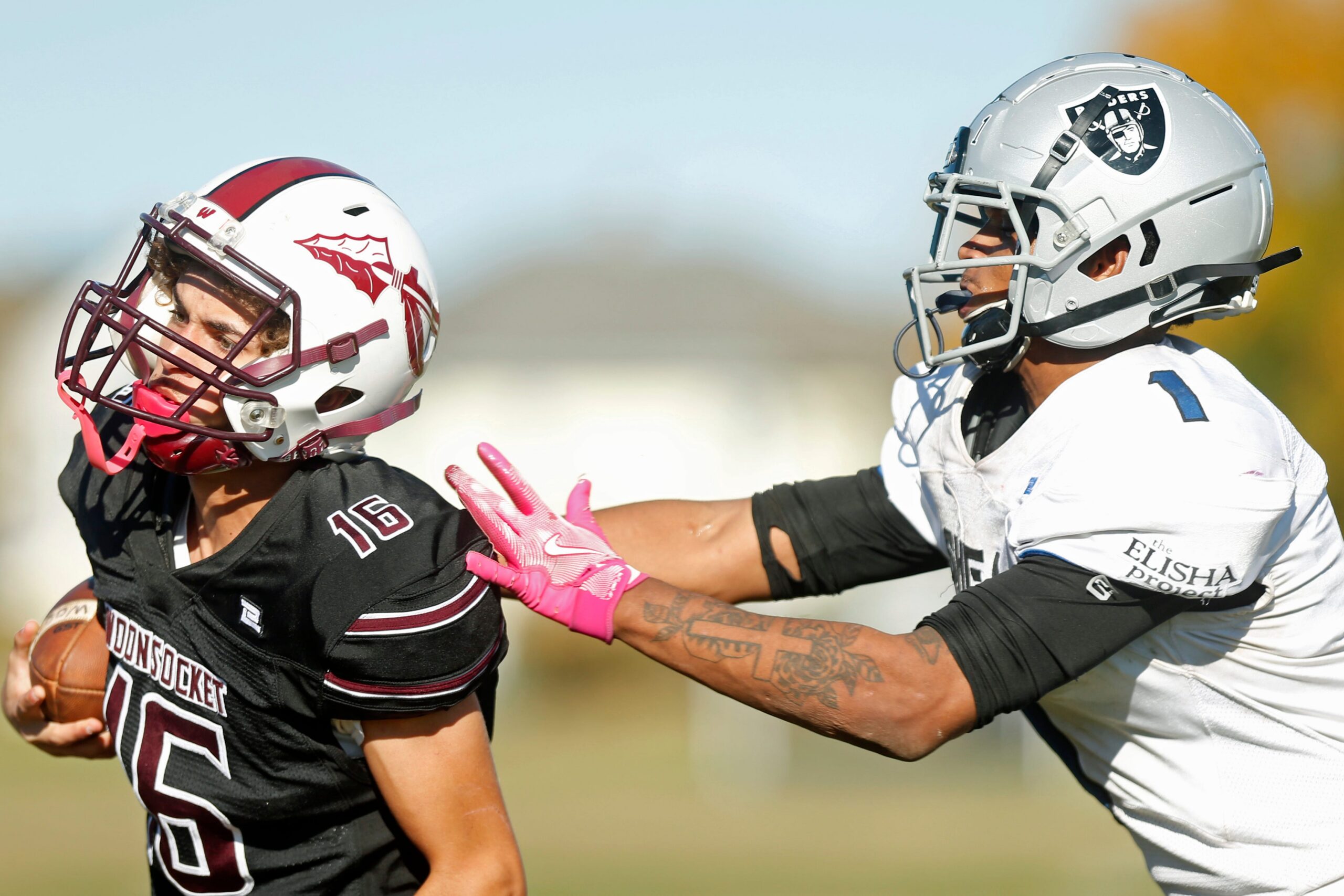
Edy Soares, Shea football Jayce Rodriguez, Woonsocket football
As of 2026, Eli Herring still teaches math at Mountain View High School. Same school. Same subject. Same town. “There was never a regret,” he has said of the decision. Most people hear that and search for the crack, the quiet moment of doubt he won’t admit. But the three-decade tenure and the continued coaching point the same direction. Herring didn’t sacrifice a football career for faith. He never wanted the football career more than the faith. The Raiders just couldn’t imagine someone wired that way.
The Price That Wasn’t One
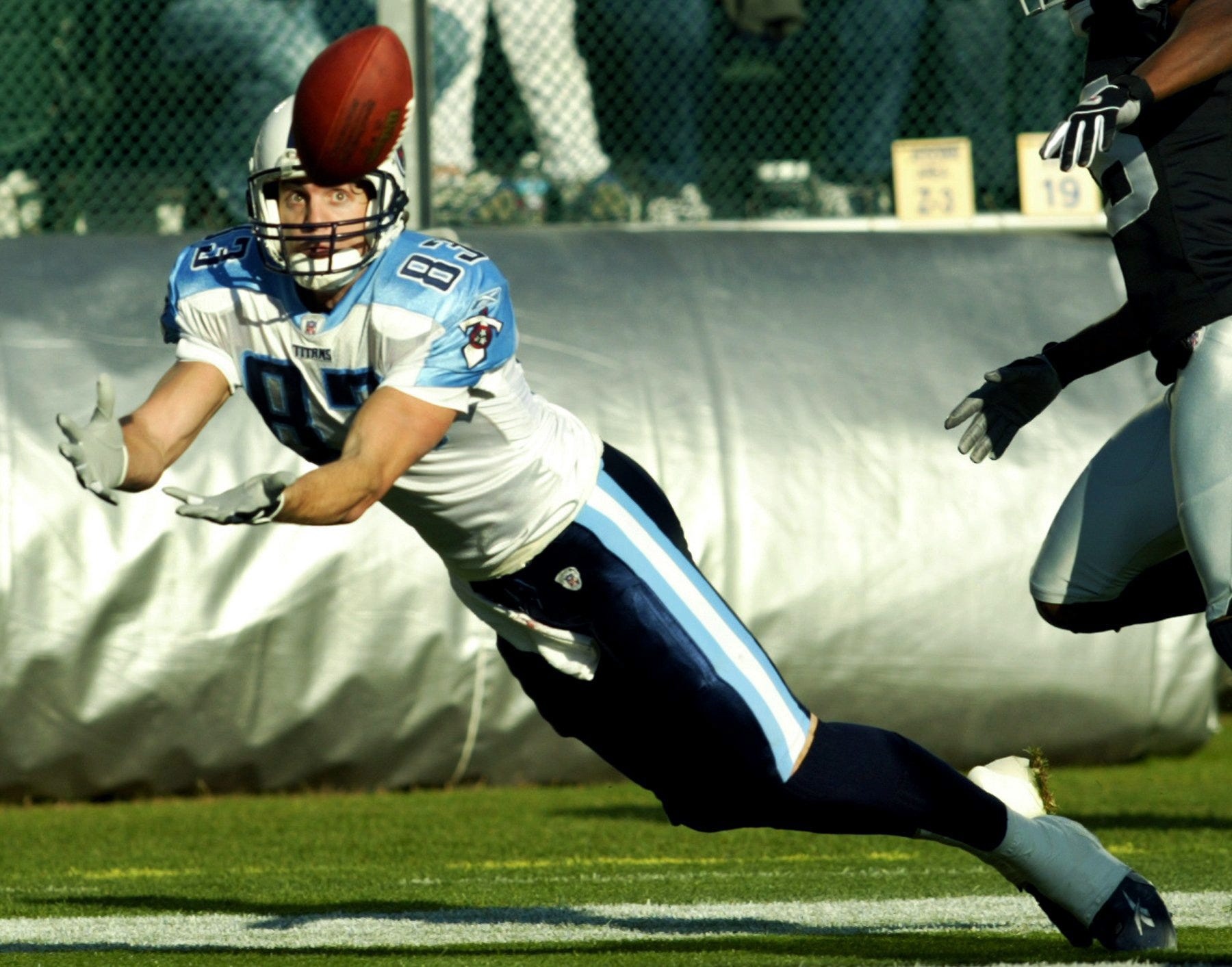
Tennessee Titans wide receiver Drew Bennett (83) lays out to make the touchdown catch against the Oakland Raiders at Network Associates Coliseum in Oakland, Calif. on Dec.19, 2004. The Titans lost 40-35 to the Raiders and fall to 4-10 for the season.
Every conversation about Herring circles back to what he gave up. Millions. Fame. A body built for dominance at the highest level. But framing it as sacrifice assumes he wanted what he refused. He didn’t. His value system was fixed before the offer arrived, before the letter went out, before a Raiders executive ever boarded a plane to Utah. The NFL’s commercial engine still runs on Sundays. Somewhere in Orem, a math teacher still doesn’t work them. And the system still has no idea what to do with a man whose answer was always no. Would you have boarded the plane home with $1.5 million on the table, or stayed for the chalkboard? Tell us in the comments.