
The microphone was still warm when the damage started. Bryson Kennedy, a 15-year-old Class of 2029 quarterback with nearly 20 Division I offers, sat for a podcast earlier this year and talked about his transfer from Little Rock Central to Duncanville, Texas. Casual conversation. A kid explaining a family decision. He had offers from programs including Arkansas, Auburn, Miami, Missouri, Kentucky, Mississippi State and Toledo before his sophomore season even started. Then one sentence from that recording landed on the wrong desk.
The Move That Cost $15,000
Apr 25, 2026; El Segundo, CA, USA; The lockers of center Tyler Biadasz (63), quarterback Justin Herbert (10) and guard Cole Strange (69) at The Bolt. Mandatory Credit: Kirby Lee-Imagn Images
Kennedy’s family relocated from Little Rock to Duncanville in late February 2026. Not a weekend visit. A full move. His father, Anthony Kennedy, later wrote on Facebook that the family spent over $15,000 out of pocket. “No one paid us,” he wrote. Duncanville is one of the most successful high school football programs in Texas, and Kennedy transferred in to compete for the starting job against Maximus “The Great” Denson. The family put real money behind a real move, believing residency would settle any eligibility concerns. That belief had an expiration date nobody warned them about.
The Assumption Every Parent Makes
Dec 25, 2025; Kansas City, Missouri, USA; General view of the Amazon Prime Thursday Night Football logo at GEHA Field at Arrowhead Stadium. Mandatory Credit: Denny Medley-Imagn Images
Most families assume the same thing: move into the district, enroll your kid, play ball. That’s how it works everywhere else. Texas operates differently. UIL transfer rules require schools to certify that a move was not made for athletic purposes, and Duncanville’s review pulled in evidence beyond the family’s address. Social media posts, text messages, podcast clips. All admissible. The Kennedys had relocated with their own money and their own reasons, but compliance officials were already building a different story from the evidence trail.
Twelve Words That Ended a Season

Buffalo Bills quarterback Josh Allen (17) rushes for yards just shy of the goal line as Jacksonville Jaguars defensive tackle Arik Armstead (91) and safety Antonio Johnson (26) combine to make the tackle during the fourth quarter of an NFL football AFC Wild Card playoff matchup, Sunday, Jan. 11, 2026, in Jacksonville, Fla. The Bills defeated the Jaguars 27-24. [Corey Perrine/Florida Times-Union]
On that podcast, Kennedy said “the opportunity was better for me as a player.” Twelve words. A teenager explaining his excitement in what felt like casual conversation. Duncanville ISD treated it as evidence the move was for athletic purposes. The district cited the podcast clip, along with video and text message evidence, in ruling Kennedy ineligible for the entire 2026 season. A 15-year-old unknowingly handed compliance its smoking gun. Fifteen thousand dollars spent. Zero varsity snaps earned. The family never saw it coming.
The System Behind the Ruling

Ohio State Buckeyes kicker Jayden Fielding places a ball on the tee for a kickoff during Pro Day for NFL scouts at the Woody Hayes Athletics Center on March 25, 2026.
The UIL standard leaves little gray area. If a transfer is determined to be for athletic purposes, the student faces ineligibility for the season at the new school. The burden falls on the family to show the move wasn’t athletically motivated. That’s the hidden mechanism most parents never learn until it’s too late. In Kennedy’s case, the ruling did not come from a District Executive Committee hearing — Duncanville ISD’s own internal compliance office deemed him ineligible. Compliance read the family’s digital footprint, including the podcast and texts to other schools, and the financial sacrifice didn’t change the outcome.
$15,000 Bought Zero Protection
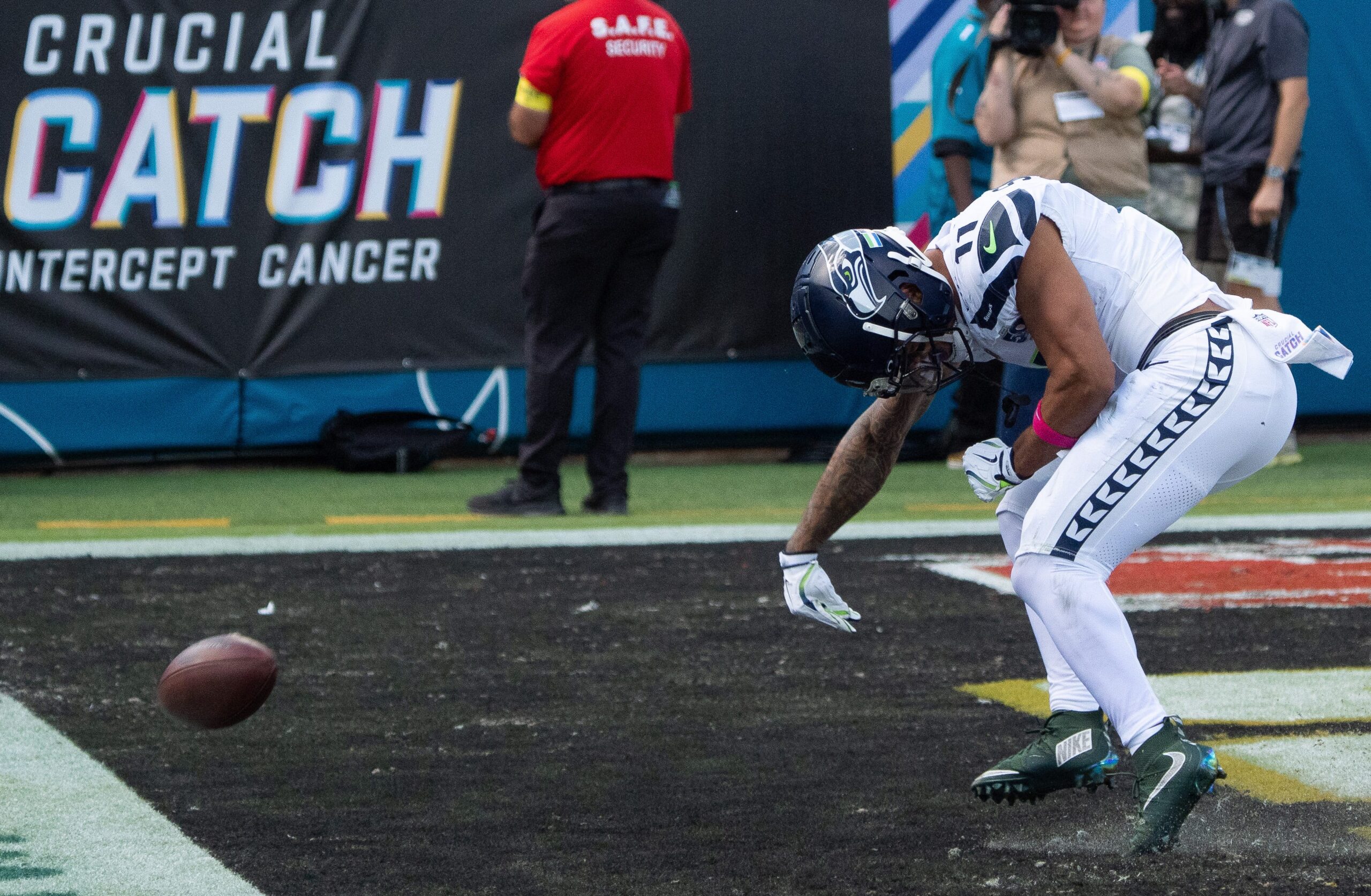
Seattle Seahawks wide receiver Jaxon Smith-Njigba (11) spikes the ball after scoring a touchdown during the second quarter in an NFL football game at EverBank Stadium, Sunday, Oct. 12, 2025, in Jacksonville, Fla. [Doug Engle/Florida Times-Union]
Anthony Kennedy laid out the math on Facebook. Over $15,000 in relocation costs. No booster money. No school funding. The family bankrolled the move themselves, then watched the district erase the investment with a single ruling. Kennedy holds offers from programs including Miami, Arkansas, Auburn, Kentucky, Missouri, Mississippi State and Toledo, with reporting placing his total at nearly 20. That’s a recruiting portfolio most college seniors would envy, attached to a kid who was the starting quarterback at Little Rock Central as a freshman in 2025. None of it changed the call. Compliance found athletic intent, and the money evaporated like it never existed.
The Recruiting Freeze Nobody Talks About
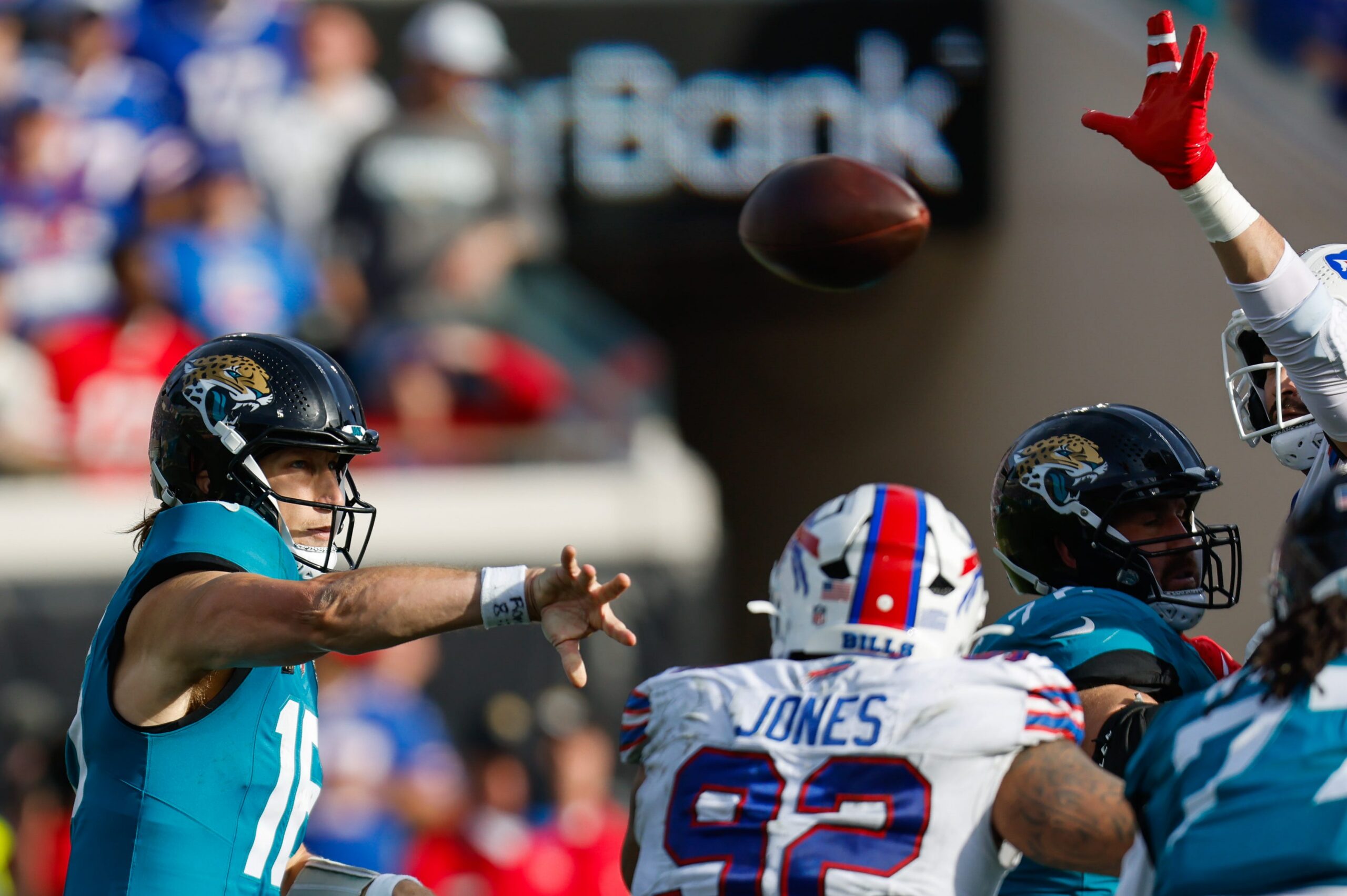
Jacksonville Jaguars quarterback Trevor Lawrence (16) passes under pressure during the fourth quarter in an NFL football AFC Wild Card playoff matchup, Sunday, Jan. 11, 2026, in Jacksonville, Fla. Bills lead 10-7 at the half over the Jaguars. The Bills defeated the Jaguars 27-24. [Doug Engle/Florida Times-Union]
Kennedy returned to Little Rock Central after the ruling. But the damage extends beyond one lost season. His sophomore year was supposed to be a critical development window, the year college coaches evaluate trajectory and lock in early commitments. That window froze. Duncanville lost a potential franchise quarterback. Coaches at Power 4 programs now watch a prospect whose eligibility saga adds a layer of institutional risk to his recruitment. The ripple effect reaches every family considering an out-of-state transfer into Texas, because the Kennedy case just became the cautionary blueprint.
The New Rule Nobody Voted For

Jan 10, 2026; Charlotte, NC, USA; The NFL Wild Card logo on the field prior to the 2026 NFC wild card playoff football game between the Los Angeles Rams and the Carolina Panthers at Bank of America Stadium. Mandatory Credit: Bob Donnan-Imagn Images
This case set a precedent that changes the transfer calculation. Podcast statements are now treated as discoverable evidence. Text messages to coaches at multiple schools can be flagged as recruitment activity. A school’s compliance office can decline to certify eligibility, and the family may have no appeal. Once you see it, the pattern is unmistakable: Texas high school eligibility has less to do with where your family lives than with what compliance decides about why you moved, reconstructed from every digital breadcrumb your teenager left behind. That’s not an exception. That’s the operating system.
No Appeal, No Recourse

(EDITOR’S NOTE: A tilt lens was used to create this image.) Jacksonville Jaguars defensive end Josh Hines-Allen (41) runs on the field before an NFL football matchup at EverBank Stadium, Sunday, Jan. 4, 2026, in Jacksonville, Fla. The Jaguars defeated the Titans 41-7, capturing the AFC South title. [Corey Perrine/Florida Times-Union]
Anthony Kennedy wrote that the family was denied an appeal. “They wouldn’t allow me to appeal the decision, which was fine,” he posted. Read that again. A father who spent $15,000, relocated his family across state lines, and watched his son’s elite recruitment stall used the word “fine.” That’s not acceptance. That’s a man who realized the system was never built to hear him out. Families planning transfers into Texas are now consulting lawyers before signing leases, because the Kennedy case proved that good faith and a moving truck aren’t enough.
Your Kid’s Podcast Is Evidence Now
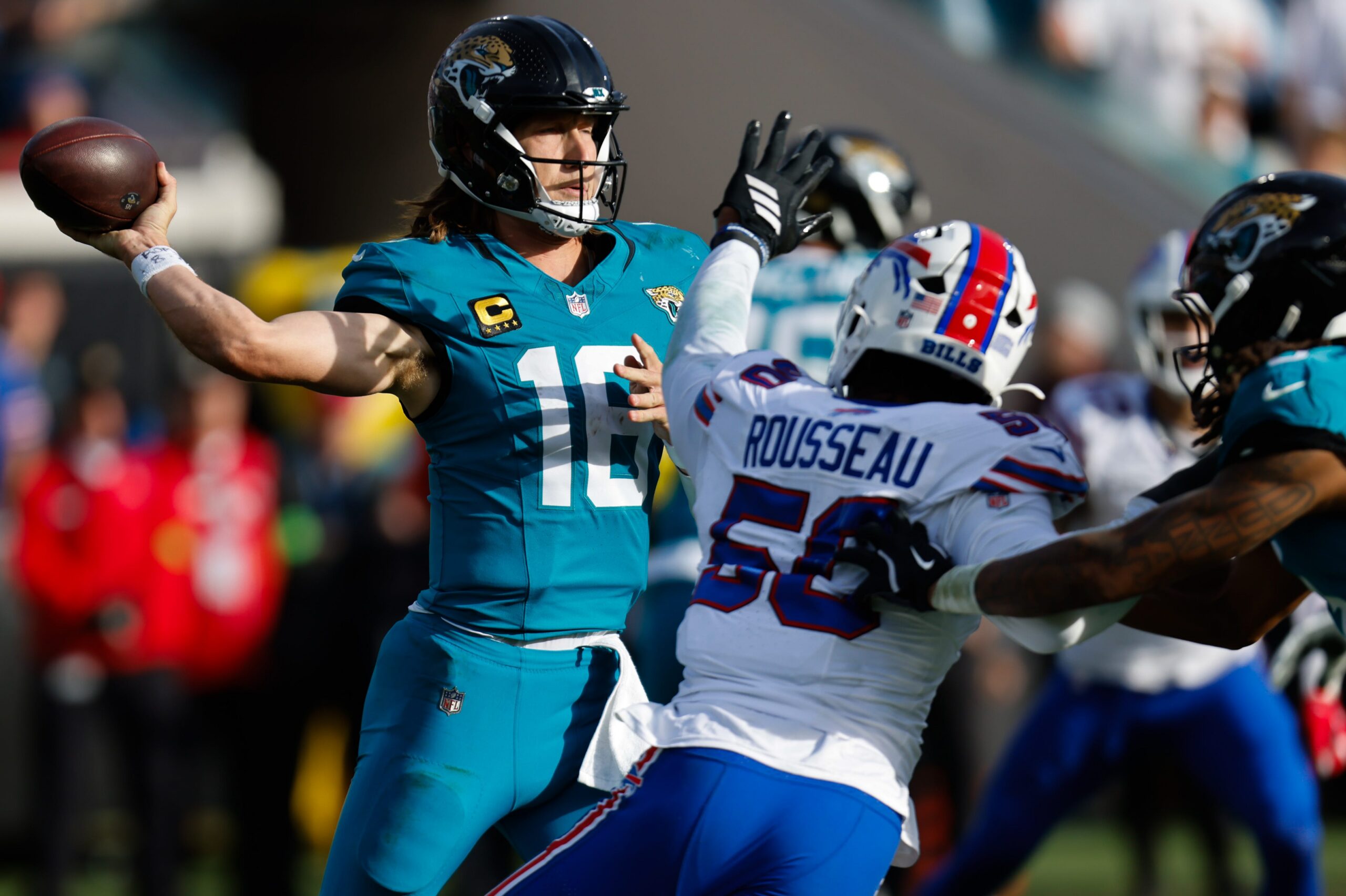
Jacksonville Jaguars quarterback Trevor Lawrence (16) is pressured by Buffalo Bills defensive end Greg Rousseau (50) during the fourth quarter in an NFL football AFC Wild Card playoff matchup, Sunday, Jan. 11, 2026, in Jacksonville, Fla. Bills lead 10-7 at the half over the Jaguars. The Bills defeated the Jaguars 27-24. [Doug Engle/Florida Times-Union]
Every parent with a talented athlete should understand what this case revealed. Compliance didn’t need a wiretap or a subpoena. A teenager’s podcast appearance, recorded months before any ruling, carried real evidentiary weight in the eligibility decision. Anthony Kennedy noted the family could have enrolled Bryson in a private or charter school and been “eligible immediately.” Instead, they chose to go home. The next family facing this won’t have the luxury of ignorance. Somewhere right now, a 14-year-old with college offers is recording a podcast, and nobody in the room knows it could cost him a season.