
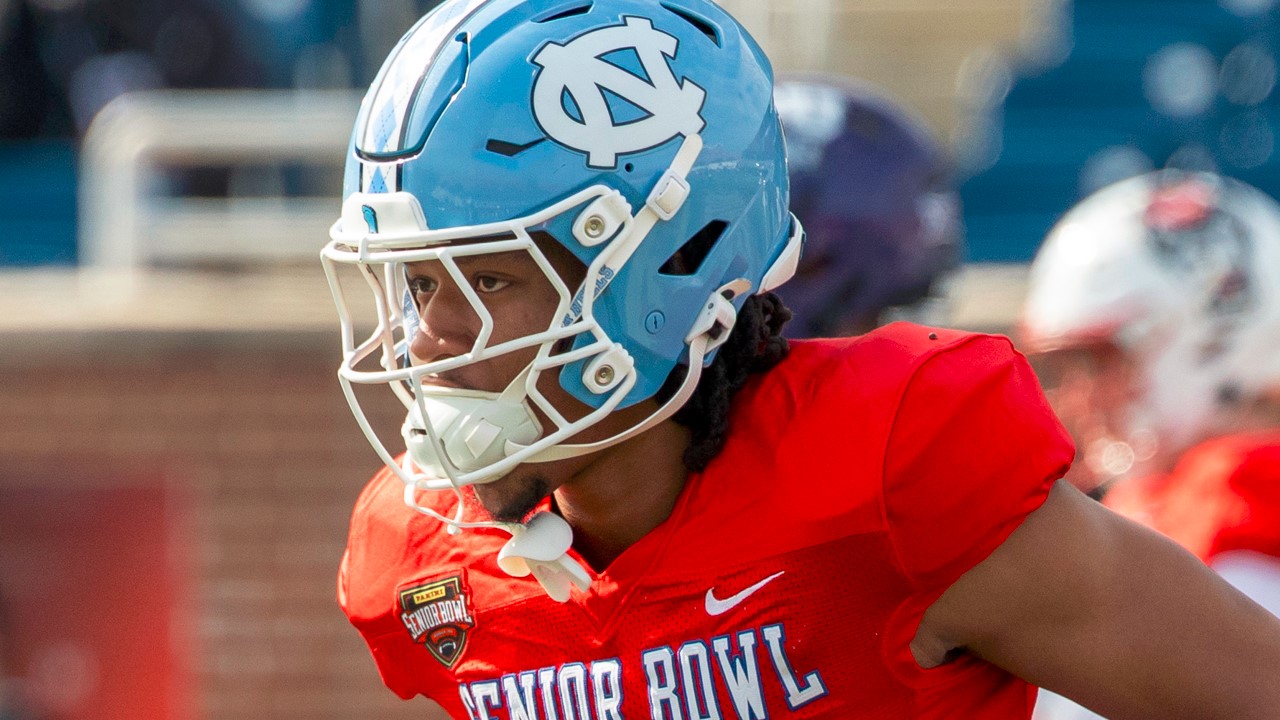
Thaddeus Dixon signed with the New York Giants as an undrafted free agent shortly after the 2026 NFL Draft, beating odds that crush most undrafted free agents. Days later, on Wednesday, May 13, his Achilles tendon tore during a team workout. The 24-year-old cornerback from North Carolina had secured a deal that included $282,500 in guarantees, proof the Giants saw a real player. Then his rookie campaign ended before he ever lined up for a regular-season snap. The cruelty of that timeline only scratches the surface of what this injury actually costs.
Why the Achilles Changes Everything
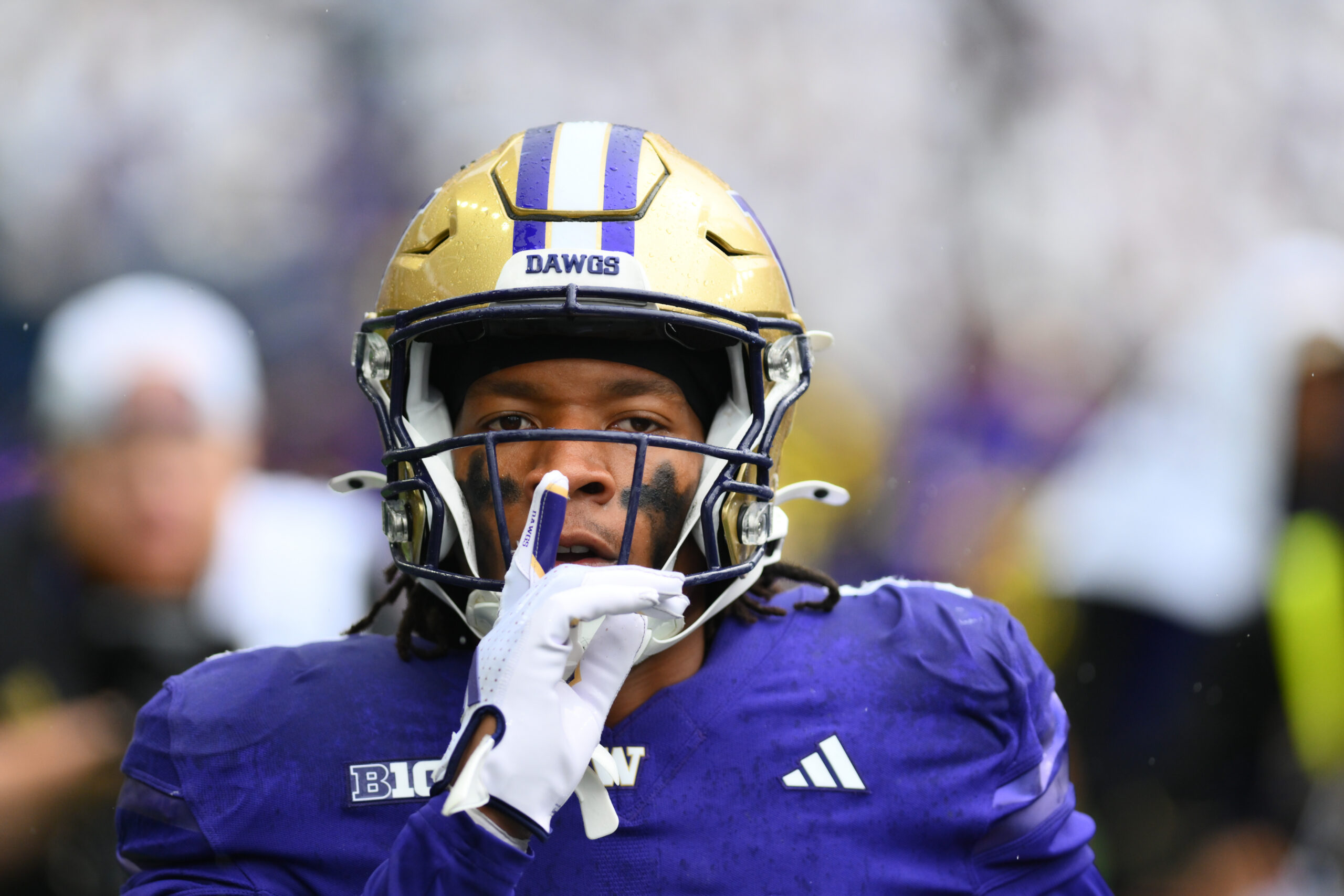
Sep 14, 2024; Seattle, Washington, USA; Washington Huskies cornerback Thaddeus Dixon (9) celebrates after intercepting a pass against the Washington State Cougars during the second half at Lumen Field. Mandatory Credit: Steven Bisig-Imagn Images
A torn Achilles typically requires many months of rehabilitation, with most reporting placing Dixon’s recovery window deep into 2026 and likely costing him the entire season. For most people, that means limping through physical therapy. For a cornerback, it means rebuilding the explosive first-step quickness that defines the position. Dixon’s college career at North Carolina was already hampered by a hamstring injury that limited him to seven games and contributed to him going undrafted. The same injury vulnerability that hurt his draft stock just struck again, in the same body, targeting the exact athletic traits he needs most.
The Guarantee That Disappears Into Rehab
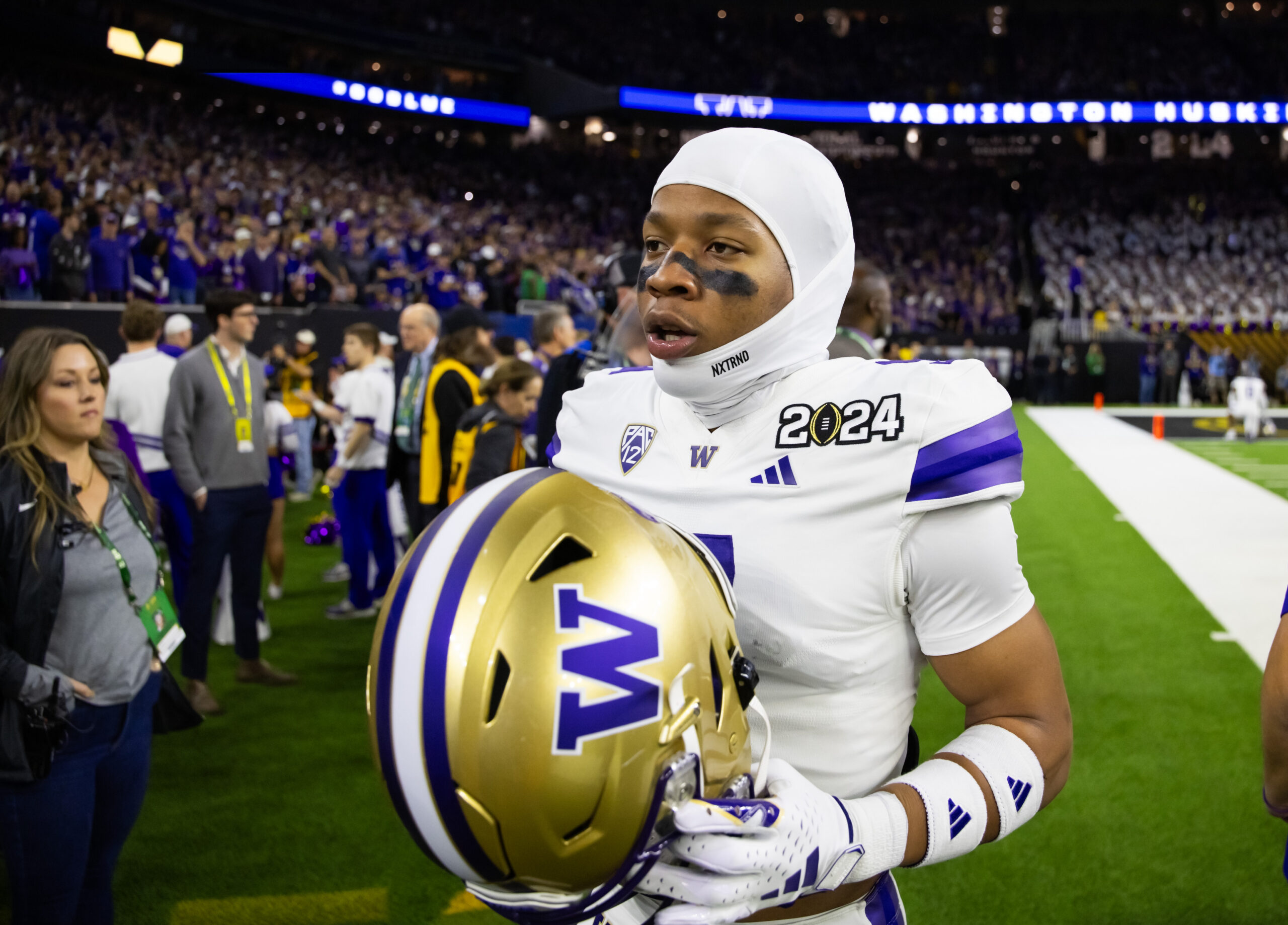
Jan 8, 2024; Houston, TX, USA; Washington Huskies cornerback Thaddeus Dixon (9) against the Michigan Wolverines during the 2024 College Football Playoff national championship game at NRG Stadium. Mandatory Credit: Mark J. Rebilas-Imagn Images
Dixon’s $282,500 in guaranteed money sounds like a lifeline until you realize what an Achilles rehab actually costs a player financially. Months of specialized treatment, potential surgery, and zero opportunity to earn performance bonuses or fight for a roster spot. Undrafted free agents operate without the financial cushion of draft-pick signing bonuses. Dixon transferred from Washington, where he spent two seasons, to North Carolina for the 2025 campaign, chasing this career across multiple programs. Every dollar of that guarantee now funds recovery instead of building a life. The restaurant bills hit different when the paycheck has an expiration date.
The Giants’ Secondary Just Lost Its Cheapest Insurance
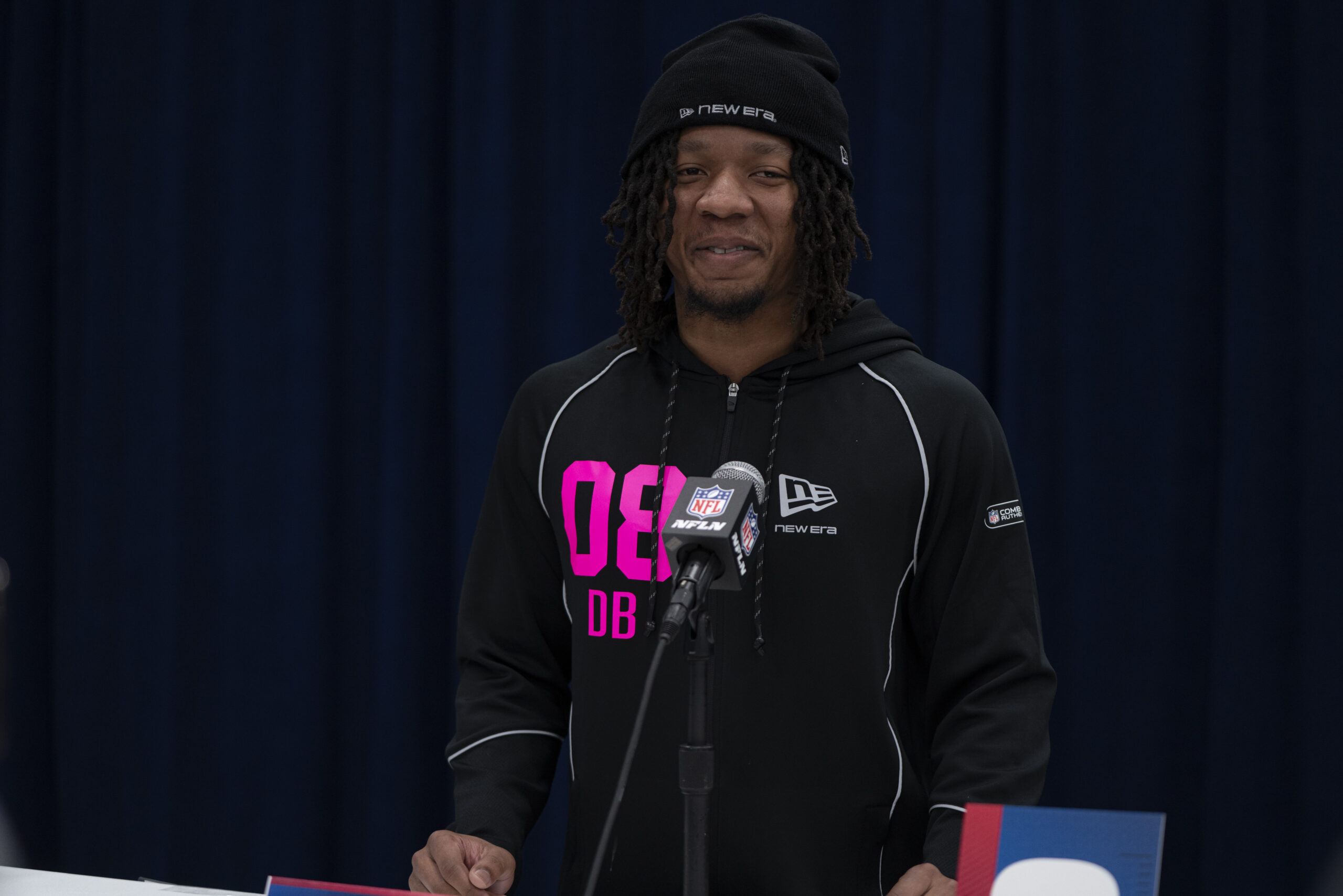
Feb 26, 2026; Indianapolis, IN, USA; North Carolina defensive back Thaddeus Dixon (DB08) speaks to members of the media during the NFL Combine at the Indiana Convention Center. Mandatory Credit: Jacob Musselman-Imagn Images
Teams sign undrafted corners as low-cost depth bets. Dixon represented exactly that for a Giants defense that has been working to revamp its cornerback depth chart this offseason. Now the front office has already moved on, giving Dixon’s roster spot to former Cincinnati Bengals outside linebacker Khalid Kareem. Replacing Dixon’s potential meant adding a veteran from the free agent pool rather than waiting for another camp body to develop. Which, honestly, is the part nobody talks about: one torn Achilles doesn’t just end a player’s season. It reshuffles an entire position group’s economics heading into training camp.
The Workout Injury Problem Nobody Wants to Name
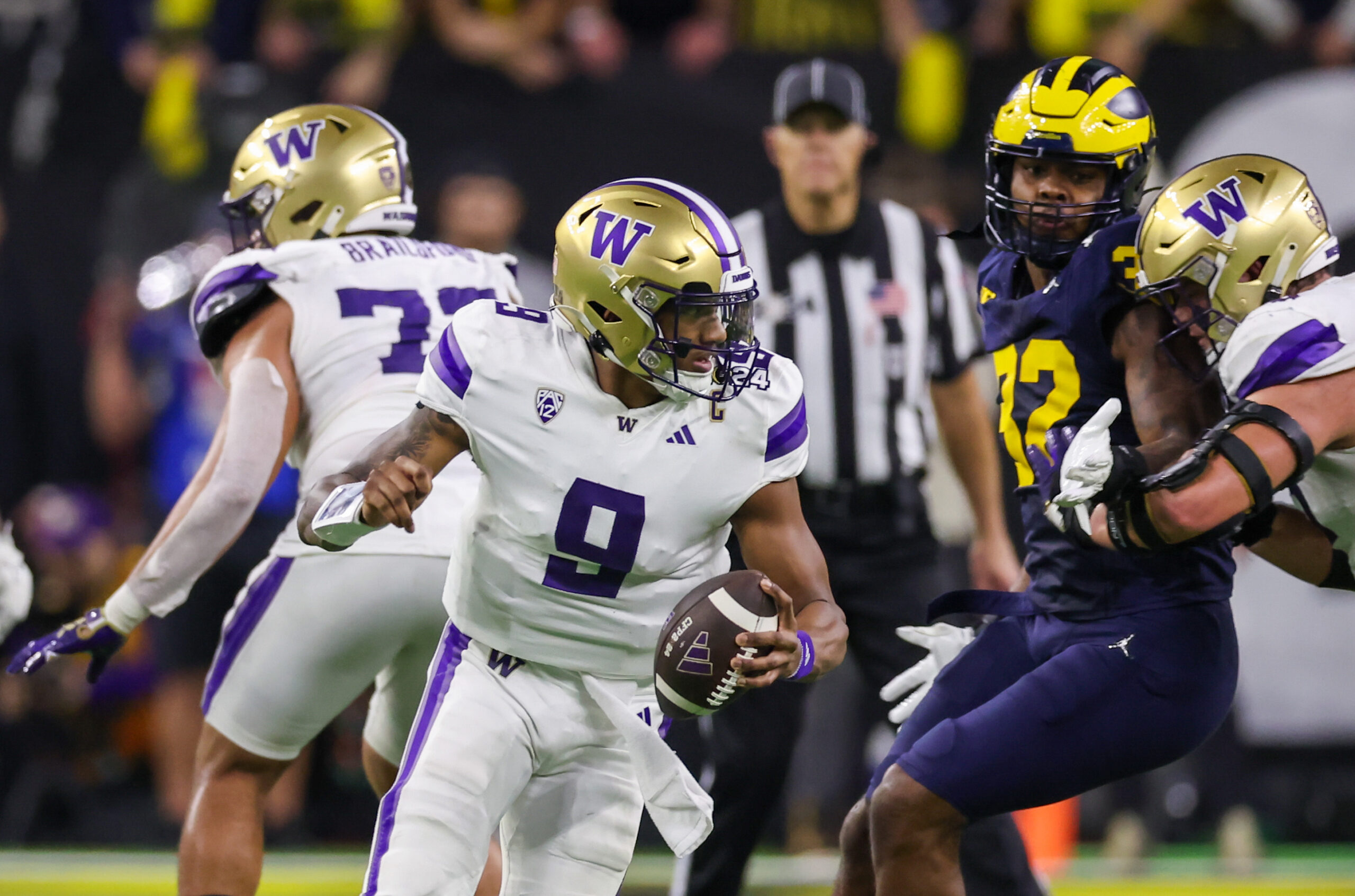
Jan 8, 2024; Houston, TX, USA;Washington Huskies cornerback Thaddeus Dixon (9) against the Michigan Wolverines in the 2024 College Football Playoff national championship game at NRG Stadium. Mandatory Credit: Thomas Shea-Imagn Images
Dixon’s Achilles didn’t snap during a game. It didn’t snap during a full-contact practice. It snapped during a workout, the controlled environment where players are supposed to be safest. The NFL’s offseason program structure puts rookies through organized team activities almost immediately after signing. Dixon went from pen-to-paper to catastrophic injury well within the league’s own structured timeline. That pattern keeps repeating across the league, and it raises a question teams would rather not answer: whether the acceleration from signing to full-speed activity creates preventable risk for players whose bodies haven’t adjusted.
Same Body, Different Injury, Identical System
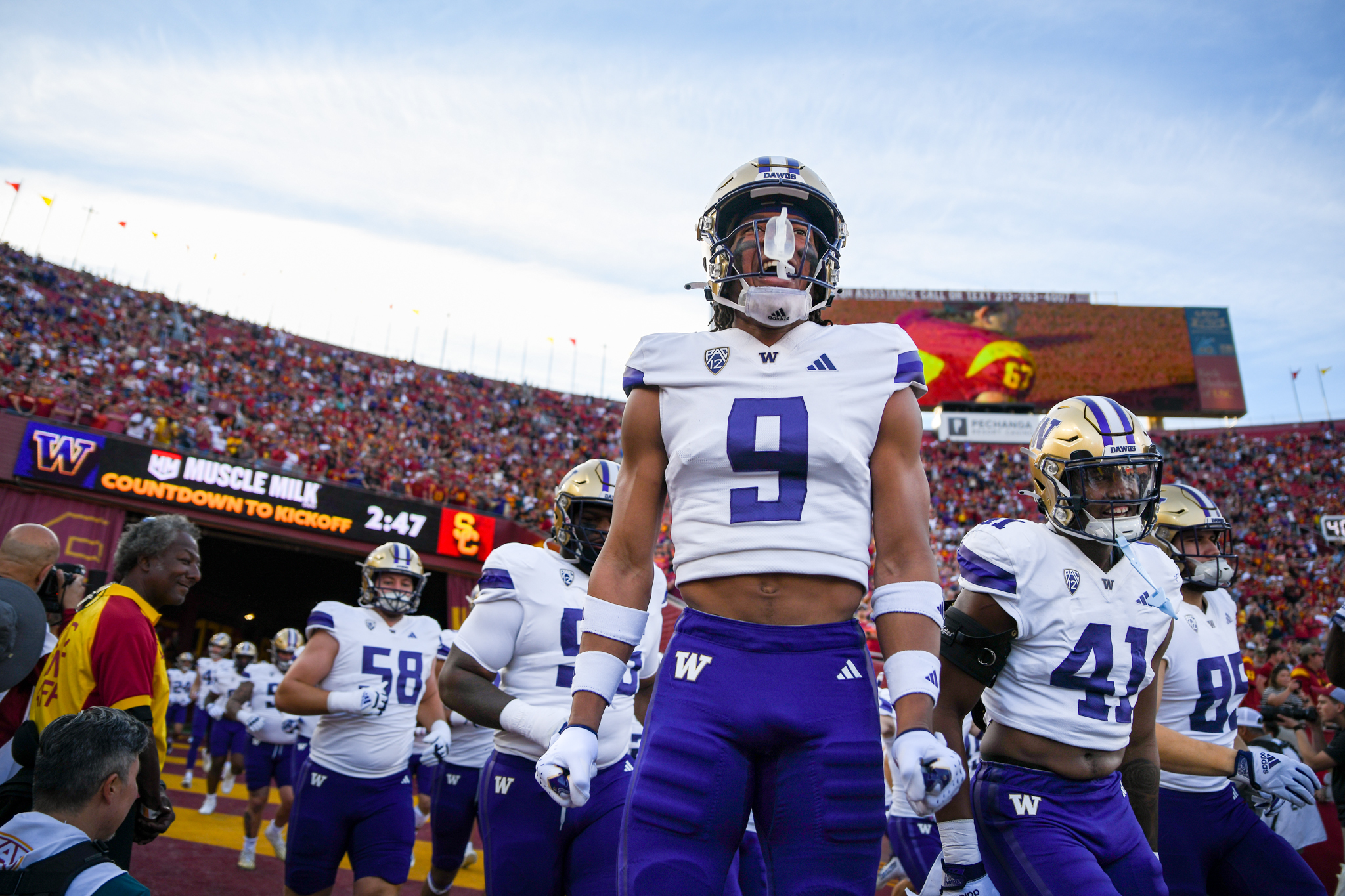
Nov 4, 2023; Los Angeles, California, USA; Washington Huskies cornerback Thaddeus Dixon (9) exits the tunnel onto the field before the game against the USC Trojans at United Airlines Field at Los Angeles Memorial Coliseum. Mandatory Credit: Jonathan Hui-Imagn Images
Dixon’s injury history at North Carolina dropped his draft stock. His Achilles tear at the Giants ended his rookie year. Same player. Same physical vulnerability profile. Different chapter. The hidden mechanism connecting these events is the NFL’s treatment of injury-flagged players as discount assets. Teams sign them cheap, rush them into activity, and absorb the loss when the body breaks again. The league profits from the discount. The player absorbs the damage. From college evaluation to pro workout, the system that undervalued Dixon also overloaded him. That math reaches your living room next.
The Voice Inside the Locker Room
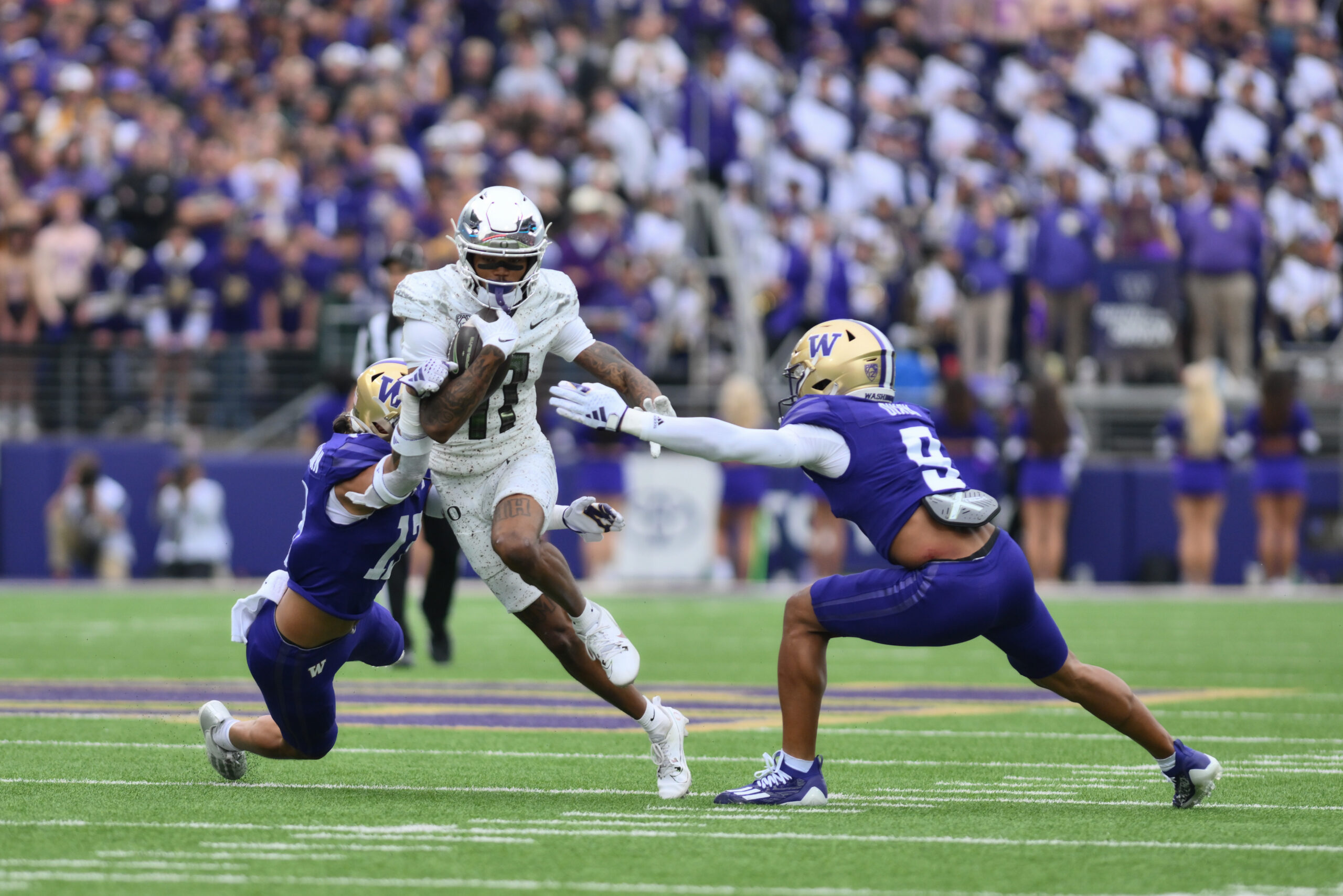
Oct 14, 2023; Seattle, Washington, USA; Oregon Ducks wide receiver Kyler Kasper (17) carries the ball between Washington Huskies cornerback Kamren Fabiculanan (13) and cornerback Thaddeus Dixon (9) during the second half at Alaska Airlines Field at Husky Stadium. Mandatory Credit: Steven Bisig-Imagn Images
Dixon played under Bill Belichick during the 2025 season at North Carolina, one of football’s most demanding coaching environments. He transferred from Washington to UNC, rebuilding his career to chase the chance to play for Belichick. The cornerback flashed his potential when healthy, posting 19 tackles and six pass breakups in just seven games. That tape is part of what made the Giants invest $282,500 in guaranteed money. Now picture being that player, days into your NFL life, hearing that pop in your Achilles. Every comeback story has a chapter that tests whether the story continues at all.
The Precedent That Keeps Getting Set
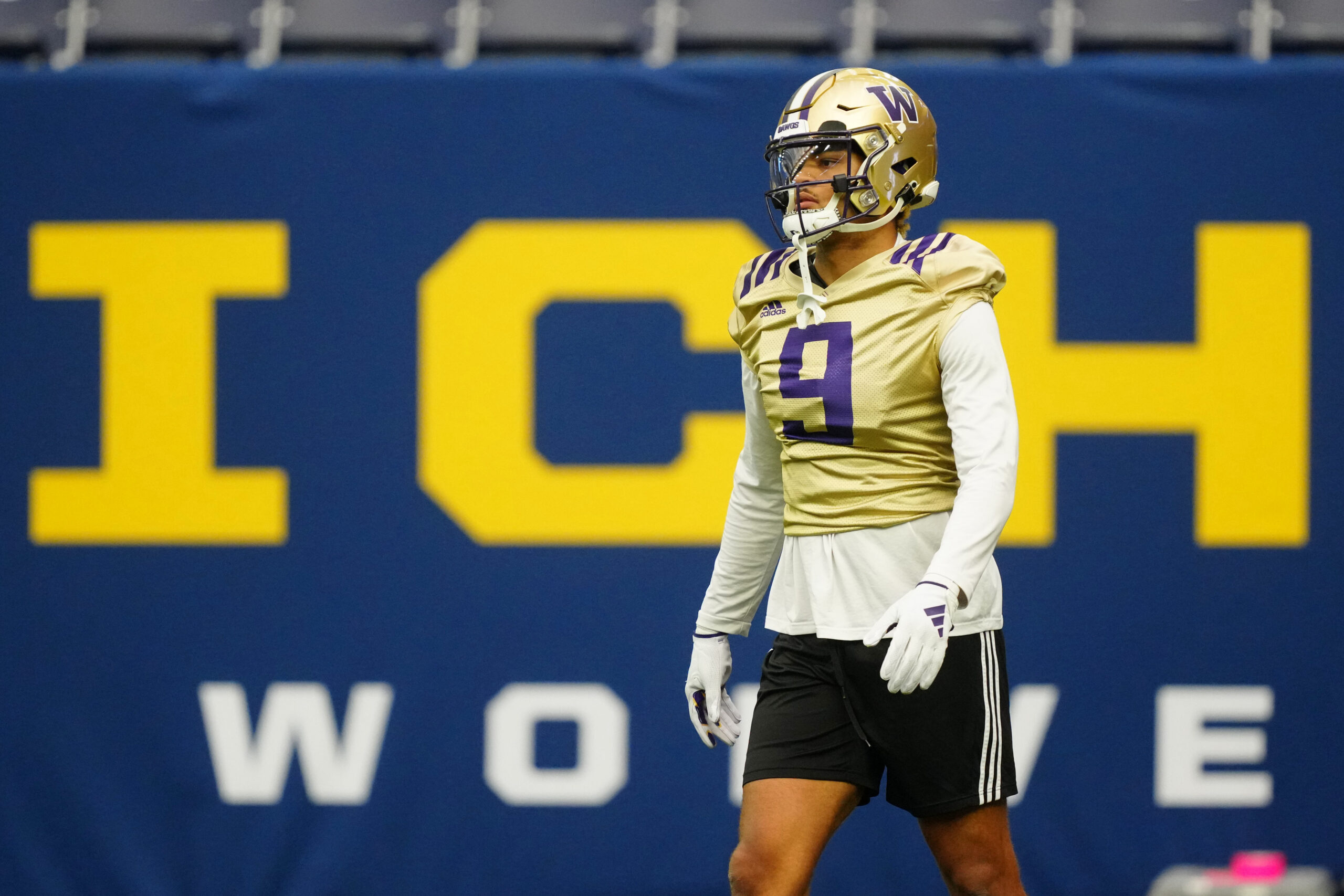
Jan 6, 2024; Houston, TX, USA; Washington Huskies cornerback Thaddeus Dixon (9) looks on during a practice session before the College Football Playoff national championship game against the Michigan Wolverines at NRG Stadium. Mandatory Credit: Kirby Lee-Imagn Images
Only a small fraction of undrafted free agents become meaningful NFL contributors, and Dixon was fighting those odds before his Achilles tore. The structural reality is that undrafted players receive minimal contractual protection, shorter evaluation windows, and faster roster turnover than any drafted counterpart. Each injury like Dixon’s reinforces a norm: teams treat undrafted bodies as expendable inventory, as the Giants demonstrated by replacing his roster spot within roughly a day. The rules governing offseason workout intensity, injury protections for UDFAs, and guaranteed money structures all tilt against players in Dixon’s position. Once you see that pattern, every undrafted signing looks less like opportunity and more like managed risk transfer.
Who Wins When Undrafted Players Break
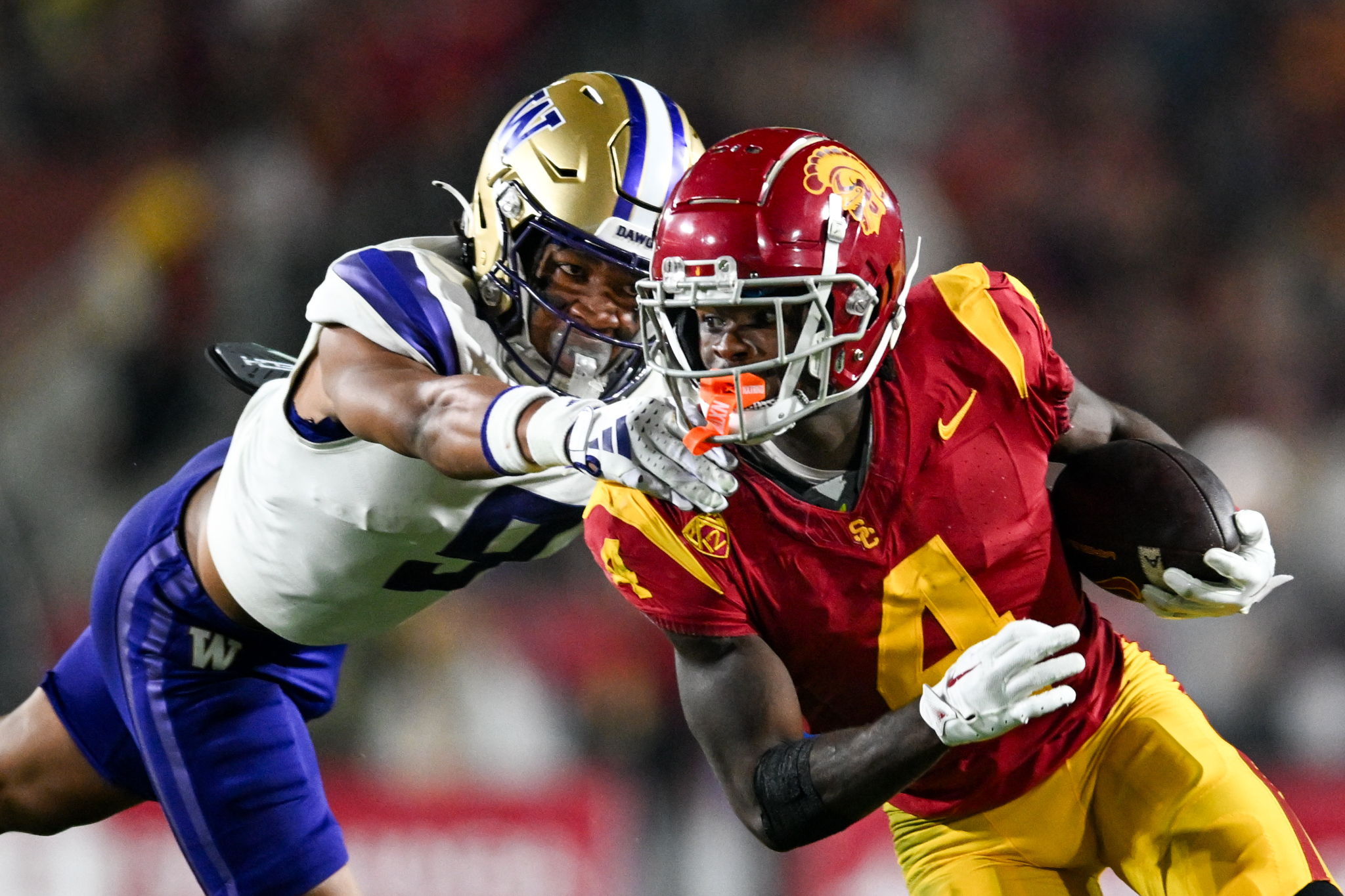
Nov 4, 2023; Los Angeles, California, USA; Washington Huskies cornerback Thaddeus Dixon (9) tackles USC Trojans wide receiver Mario Williams (4) during the fourth quarter at United Airlines Field at Los Angeles Memorial Coliseum. Mandatory Credit: Jonathan Hui-Imagn Images
The Giants invested $282,500 guaranteed in Dixon. A mid-round draft pick would have cost millions more with far greater dead-cap consequences. When an undrafted player’s body fails, the team writes off a rounding error and signs a replacement, as the Giants did with Khalid Kareem. The player loses a season, possibly a career. That asymmetry is the business model. Teams cycle through dozens of UDFAs every spring knowing most will wash out. The ones who break absorb the physical cost while the franchise absorbs almost nothing financially. Dixon’s torn Achilles costs the Giants a line item. It costs him a year of earning potential and possibly his entire professional future.
The Comeback Clock Is Already Ticking
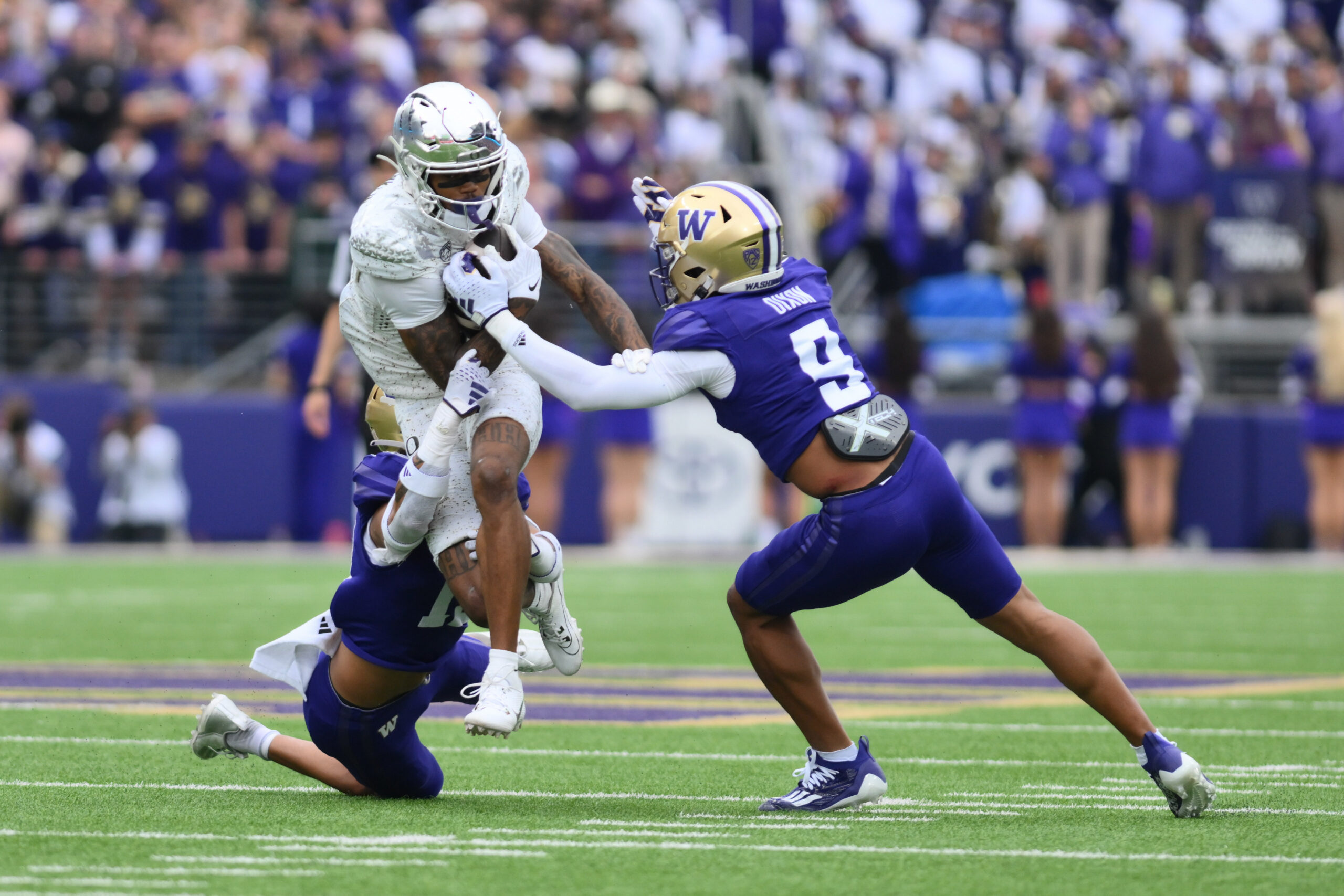
Oct 14, 2023; Seattle, Washington, USA; Oregon Ducks wide receiver Troy Franklin (11) carries the ball between Washington Huskies cornerback Kamren Fabiculanan (13) and cornerback Thaddeus Dixon (9) at Alaska Airlines Field at Husky Stadium. Mandatory Credit: Steven Bisig-Imagn Images
A typical Achilles rehab puts Dixon’s potential return window deep into the next league year, when the next crop of undrafted free agents will be competing for his roster spot. The Giants didn’t wait, already filling his spot within a day of the injury. Dixon will attempt to return to a position that demands the exact explosiveness Achilles injuries compromise most, competing against younger, healthier, cheaper options. His story isn’t over. But the system that gave him just days as a Giant before taking it back will keep producing identical stories every May, because the economics reward exactly this cycle. Dixon just became the proof. Should the NFL rethink how fast it pushes undrafted rookies into full-speed workouts, or is this just the cost of chasing a roster spot? Drop your take in the comments.