
The phone didn’t ring in February. It didn’t ring before free agency. It didn’t ring before the draft. Art Rooney II kept waiting, and Aaron Rodgers kept the Pittsburgh Steelers twisting in silence while the rest of the NFL moved on without them. Every major roster decision, every cap calculation, every scheme discussion ran through one question nobody in Pittsburgh could answer: was their 42-year-old quarterback coming back or walking away? By mid-May, the Steelers had burned through every self-imposed deadline they’d set.
A Franchise Frozen in Place
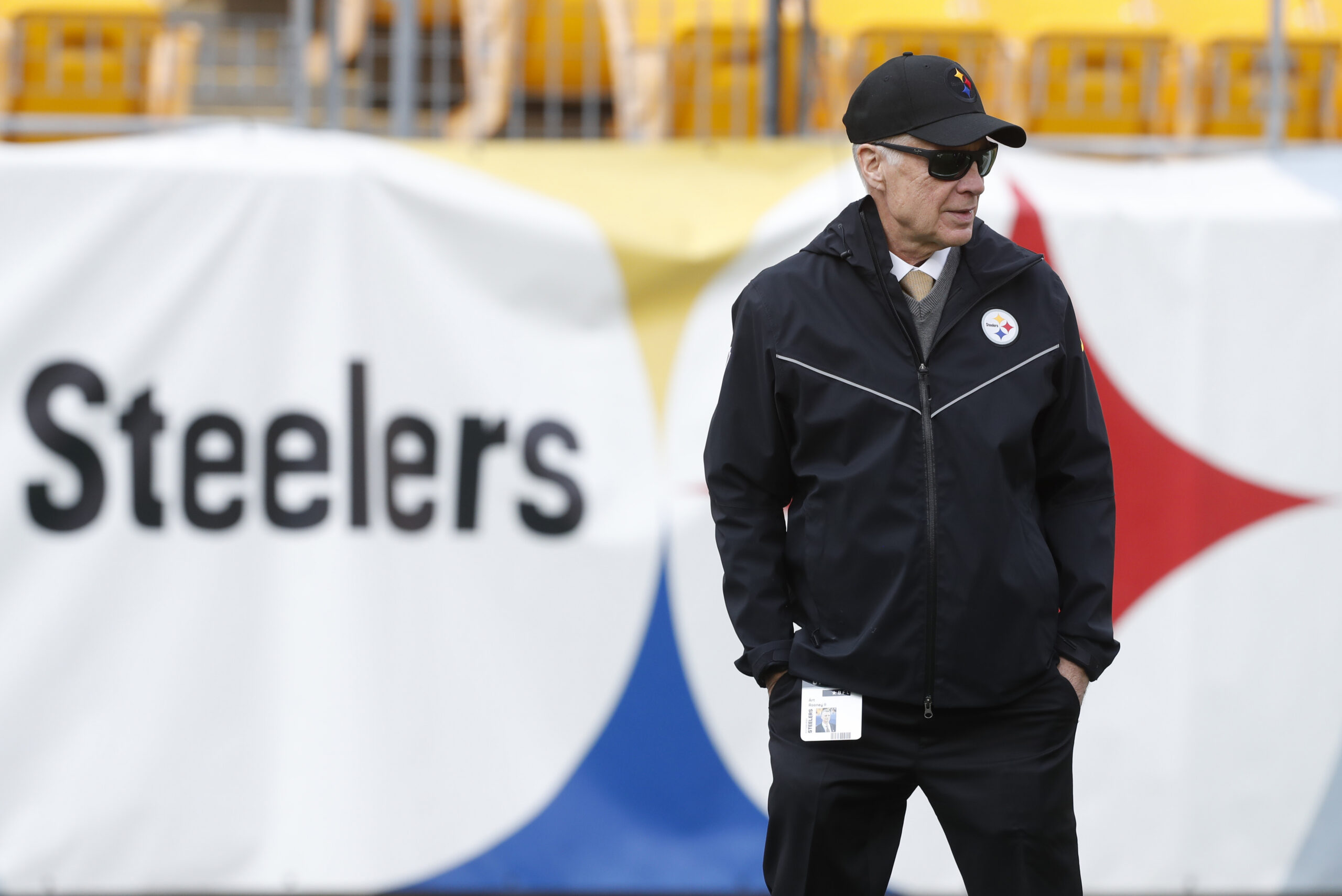
Oct 16, 2022; Pittsburgh, Pennsylvania, USA; Pittsburgh Steelers chairman Art Rooney II looks on from the field before game against the Tampa Bay Buccaneers at Acrisure Stadium. Mandatory Credit: Charles LeClaire-Imagn Images
Pittsburgh placed a rare unrestricted free agent tender on Rodgers that would have paid him roughly $15 million — a 10% raise on his 2025 salary — as a procedural placeholder that preserved compensatory-pick rights and limited his ability to sign elsewhere once camp began. The move screamed desperation dressed up as strategy. Meanwhile, alternative quarterback options around the league dried up week by week. The Steelers entered May without another starting-caliber signal-caller on the roster and with the first voluntary OTA session set for May 18. One man’s silence had turned a six-time Super Bowl franchise into a waiting room.
The Leverage Nobody Could Break
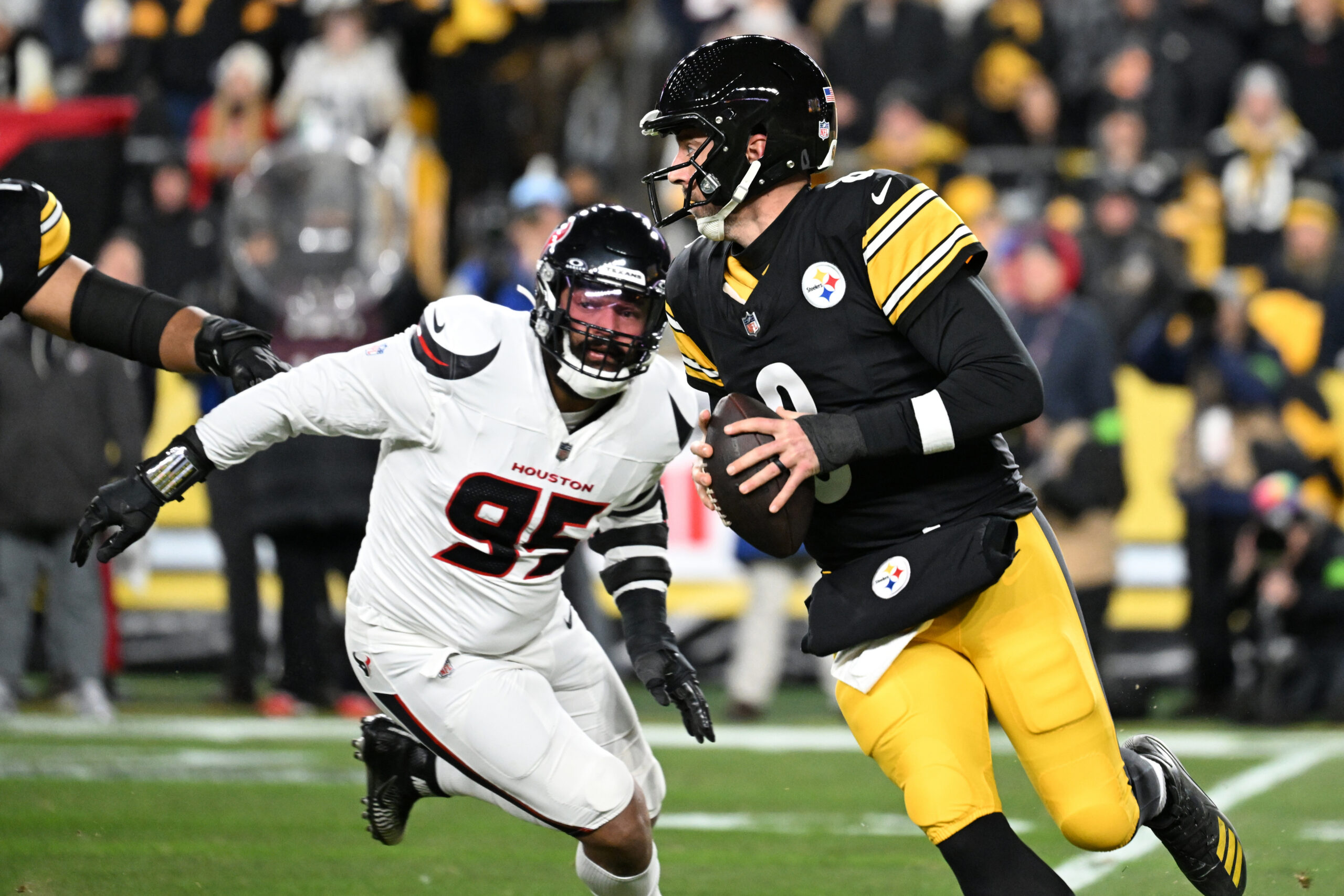
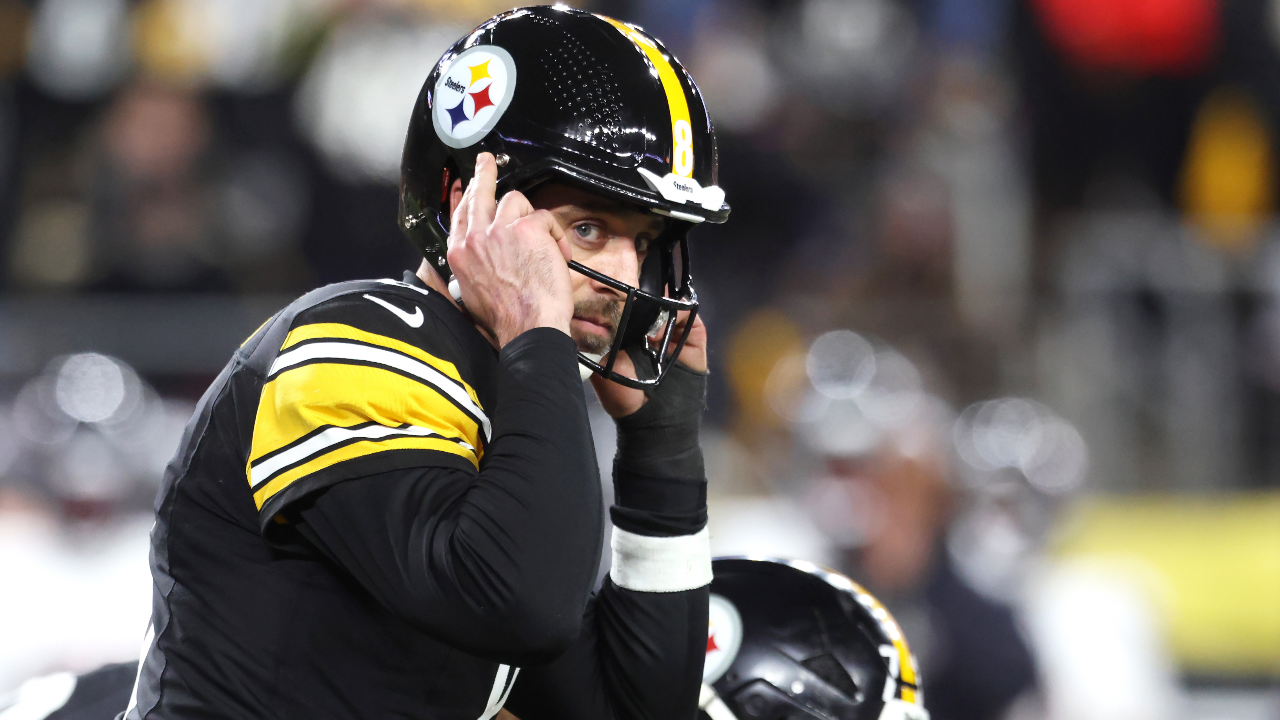
Jan 12, 2026; Pittsburgh, PA, USA; Pittsburgh Steelers quarterback Aaron Rodgers (8) scrambles from Houston Texans defensive end Derek Barnett (95) during the first half of an AFC Wild Card Round game at Acrisure Stadium. Mandatory Credit: Barry Reeger-Imagn Images
Local and national writers didn’t mince words. Yardbarker described Rodgers’ posture as a “hostage letter” for the franchise. Another outlet warned Pittsburgh flat out: “can’t be held hostage by Aaron Rodgers again.” That language wasn’t hyperbole. It was a diagnosis. The Steelers had built their entire 2026 vision around one player, and that player knew it. His camp reportedly pushed for numbers in the $20 to $30 million range, knowing Pittsburgh had no viable Plan B left on the board.
The $11 Million Raise
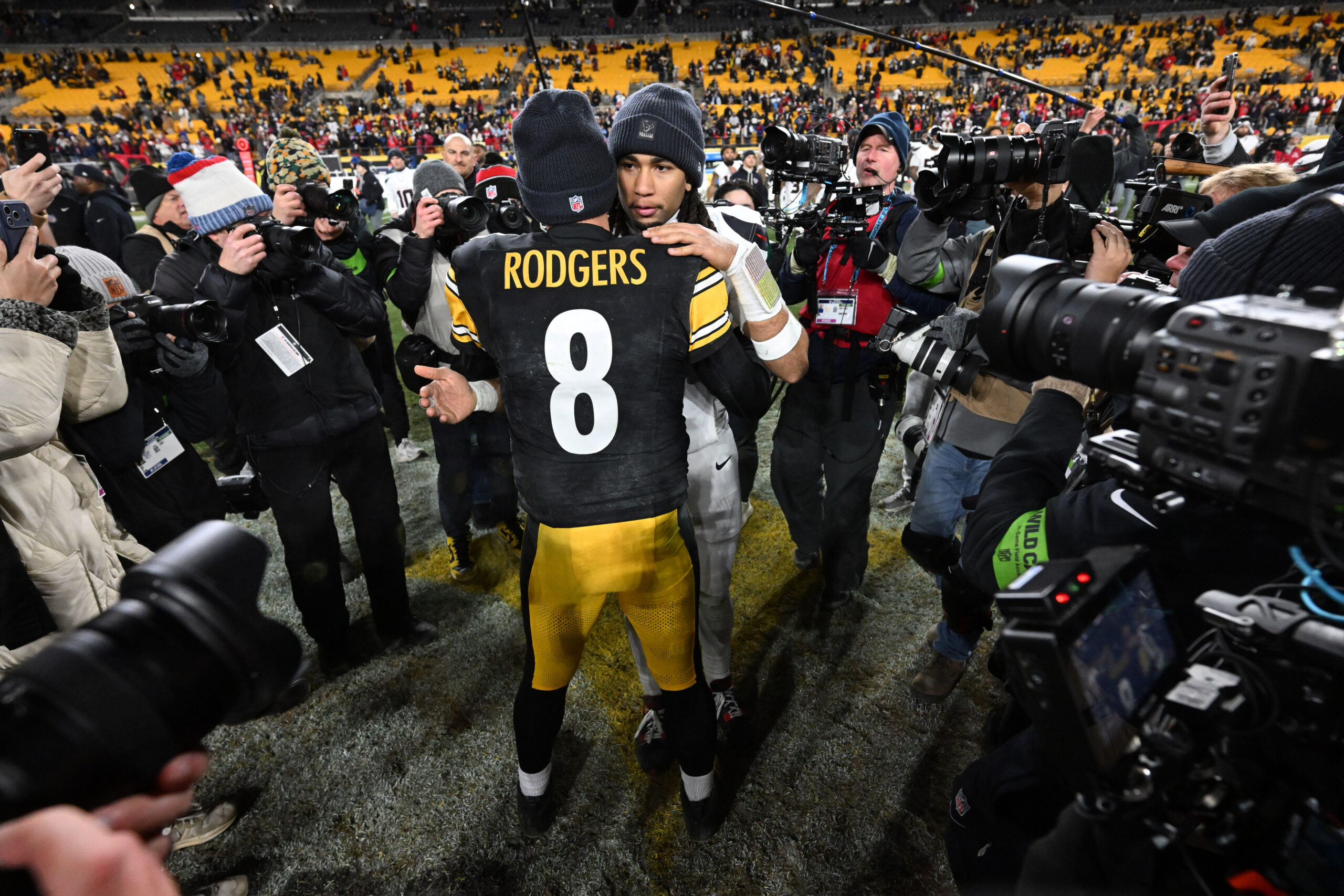
Jan 12, 2026; Pittsburgh, PA, USA; Houston Texans quarterback C.J. Stroud (7) greets Pittsburgh Steelers quarterback Aaron Rodgers following their AFC Wild Card Round game at Acrisure Stadium. Mandatory Credit: Barry Reeger-Imagn Images
On May 16, two days before the team’s first voluntary OTA, Rodgers finally agreed to a one-year deal worth up to $25 million with $22 million guaranteed. His 2025 contract carried a base salary of $13.65 million with the chance to reach $19.5 million through incentives. That is an increase of more than $11 million on base salary in a single offseason. For a 42-year-old quarterback entering his 22nd NFL season. On a one-year commitment. The Steelers blinked, and the price of blinking was eight figures. Every week Rodgers waited added zeroes to the final number.
How Silence Becomes Currency
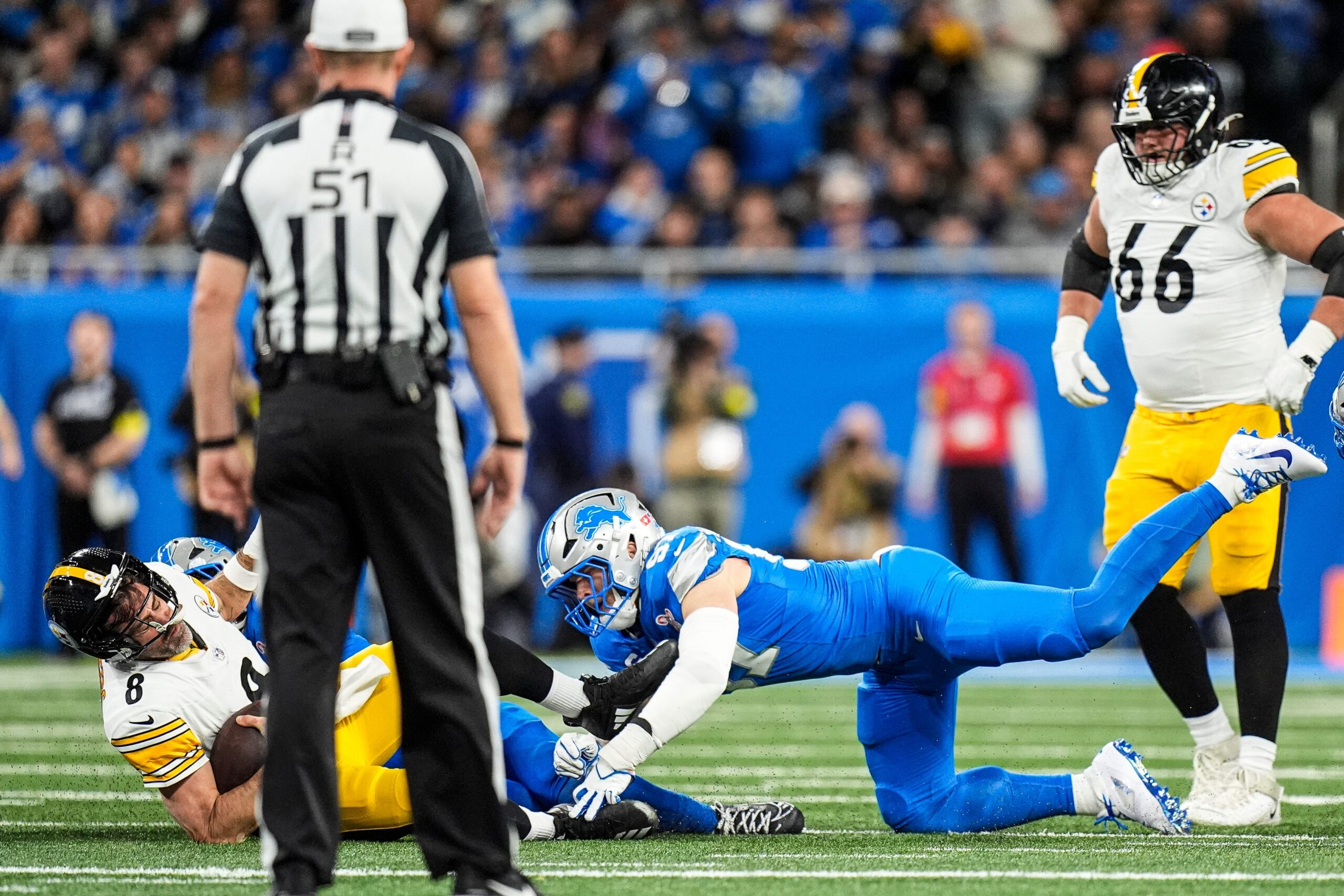
Detroit Lions defensive end Aidan Hutchinson (97) sacks Pittsburgh Steelers quarterback Aaron Rodgers (8) during the first half at Ford Field in Detroit on Sunday, Dec. 21, 2025.
The mechanism was almost elegant. Rodgers didn’t demand publicly. He just didn’t answer. And every day he stayed quiet, Pittsburgh’s alternatives shrank. The UFA tender locked other teams out once camp began. Free agency thinned the quarterback market. The draft came and went. By the time both sides sat down for real, the Steelers were negotiating against a clock they’d set themselves and a market they’d watched evaporate. Silence, it turns out, is the most expensive negotiating tactic in professional football.
The Numbers Behind the Squeeze
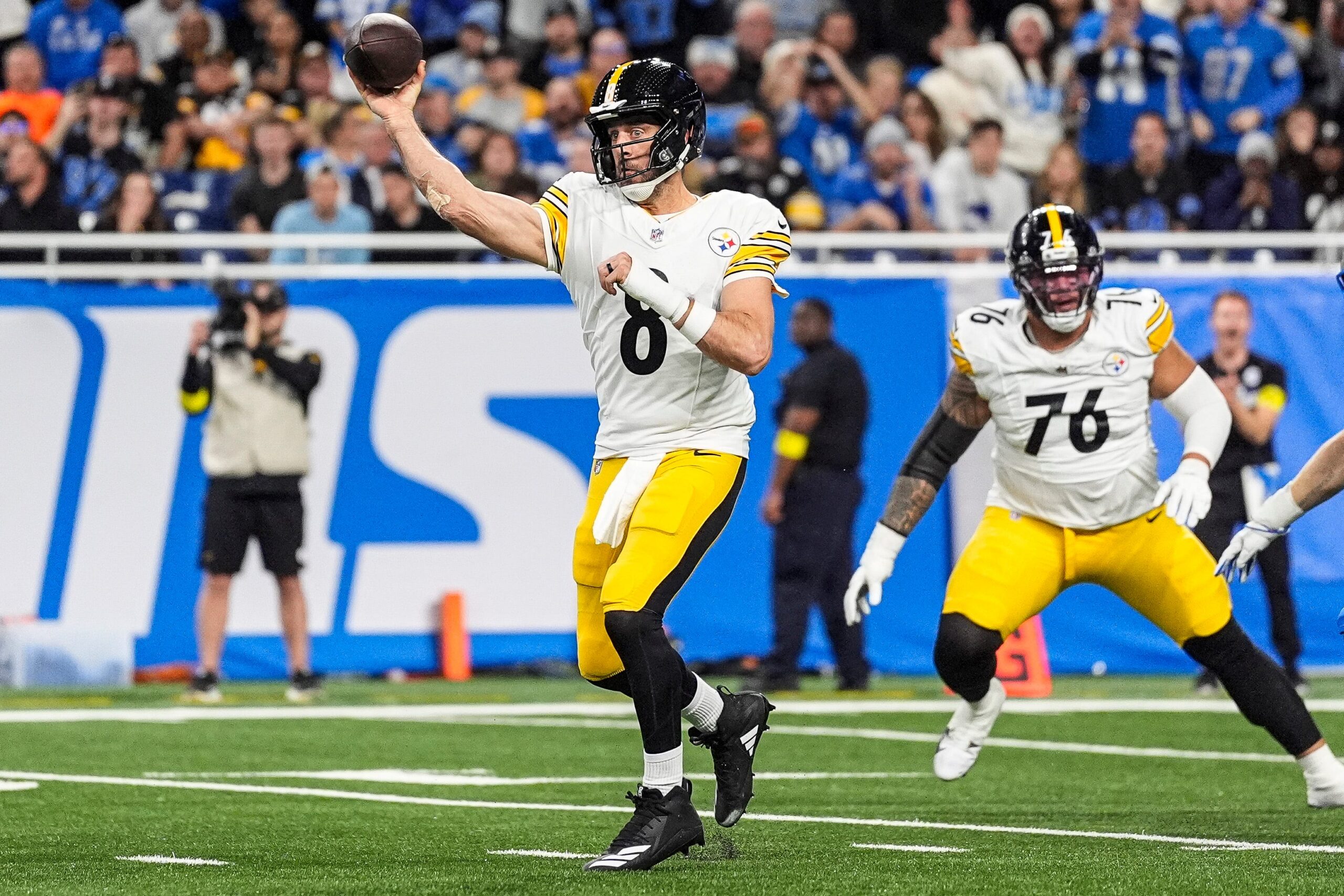
Pittsburgh Steelers quarterback Aaron Rodgers (8) makes a pass against Detroit Lions during the first half at Ford Field in Detroit on Sunday, Dec. 21, 2025.
The base salary landed between $22 and $23 million. The guaranteed money hit $22 million. Incentives push the ceiling to $25 million. Compare that to the roughly $15 million figure Pittsburgh’s UFA tender would have paid as a starting point. Rodgers’ camp blew past that floor by $7 to $10 million depending on incentives reached. For context, the Steelers essentially paid a premium of roughly 60 percent above their tender number. That premium bought them one season of certainty after months of having none.
The Ripple Through Pittsburgh’s Roster
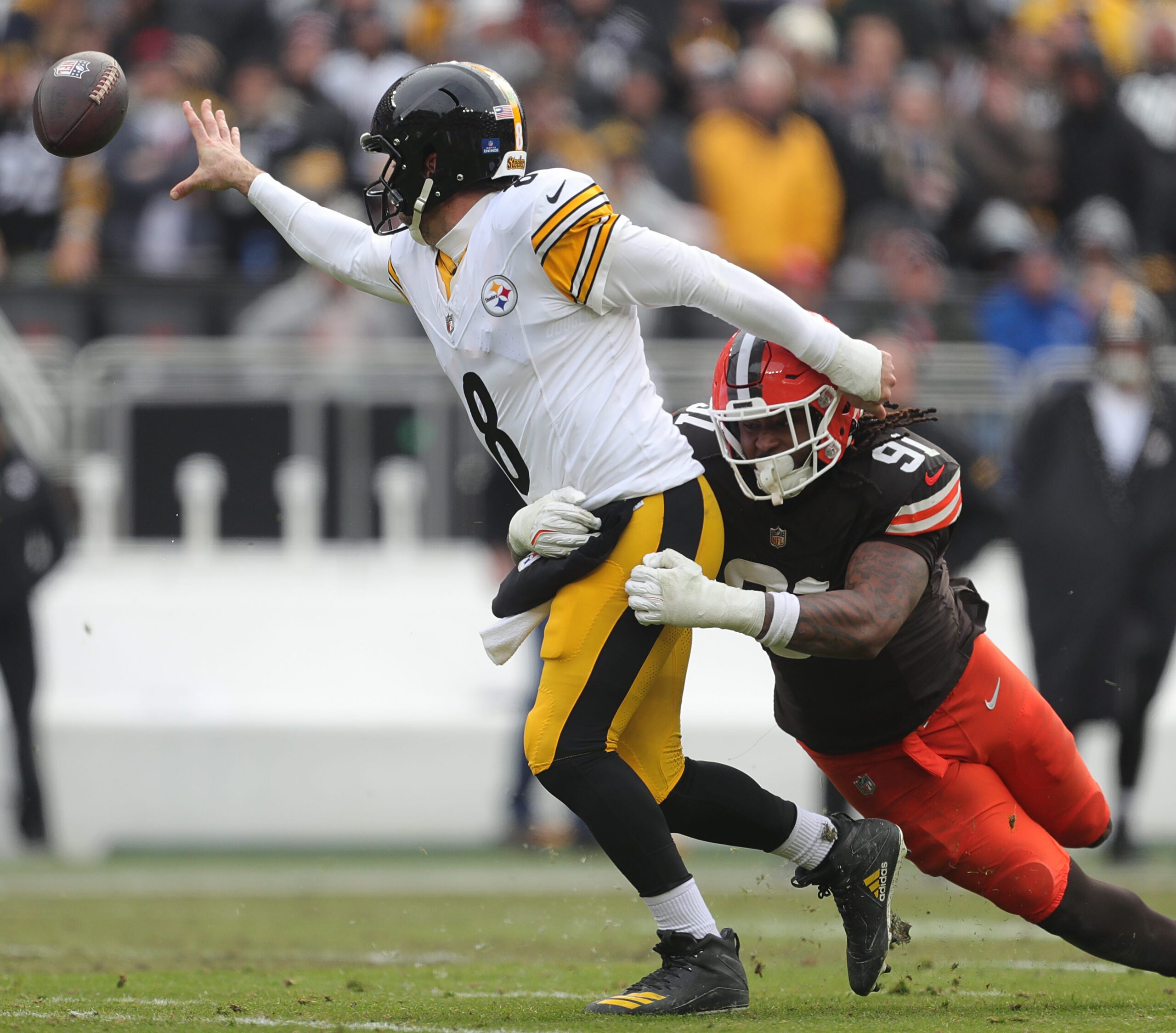
Pittsburgh Steelers quarterback Aaron Rodgers (8) gets rid of the ball as he is wrapped up by Cleveland Browns defensive end Alex Wright (91) during the first half of an NFL football game at Huntington Bank Field, Dec. 28, 2025, in Cleveland, Ohio.
That $22 million in guaranteed money doesn’t exist in a vacuum. Every dollar committed to Rodgers is a dollar unavailable for depth, for offensive line help, for the defensive pieces a Super Bowl run demands. The Steelers delayed key cap and roster decisions for months while waiting on his answer, and now they absorb the bill with a compressed timeline to fill the gaps. Other teams spent that same window building. Pittsburgh spent it watching a phone that refused to ring.
A New Rule for Aging Stars
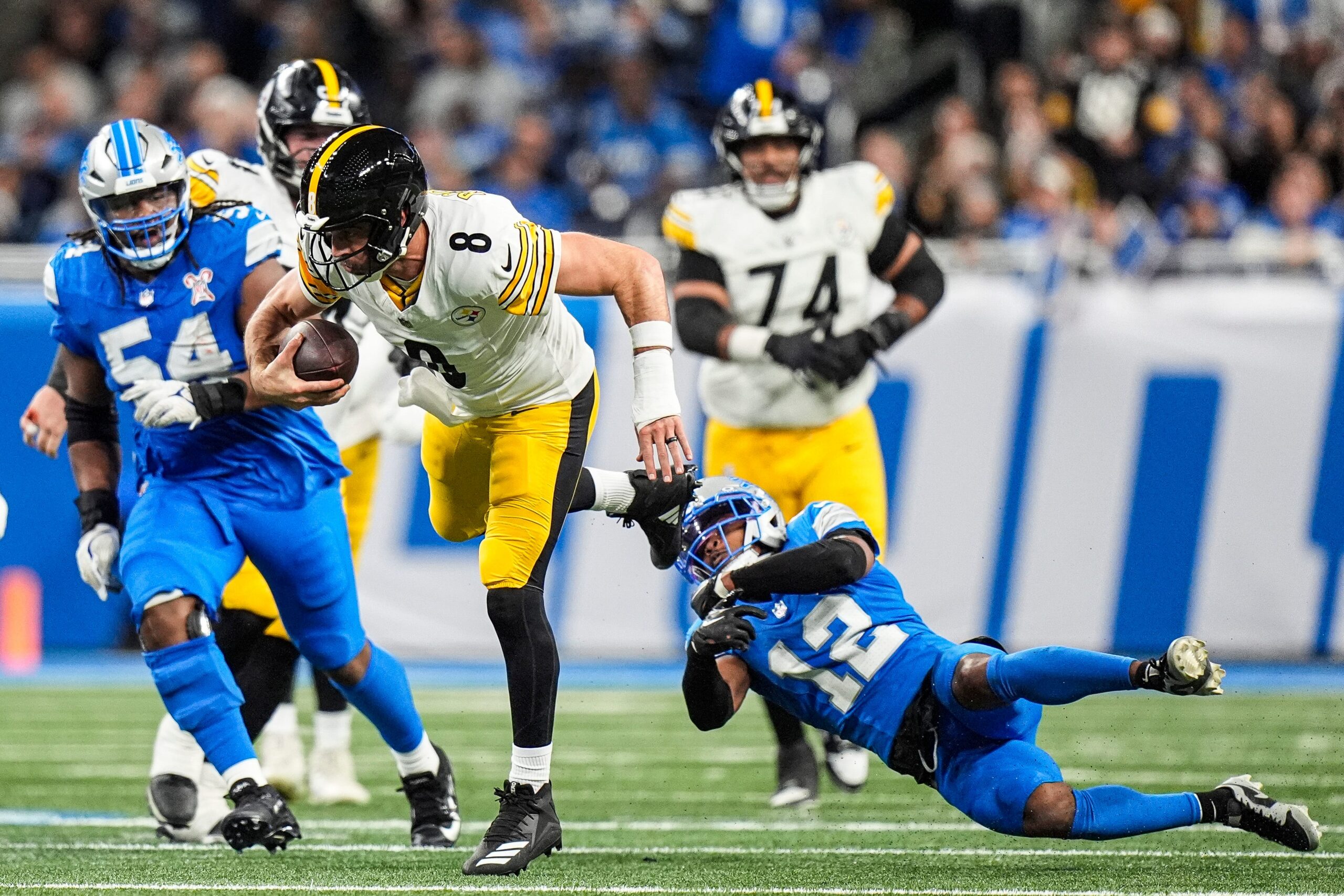
Pittsburgh Steelers quarterback Aaron Rodgers (8) runs against Detroit Lions safety Thomas Harper (12) during the second half at Ford Field in Detroit on Sunday, Dec. 21, 2025.
Reporters have framed this as Rodgers’ 22nd and possibly final NFL season. That framing matters. At 42, on a one-year deal, after previously telling The Pat McAfee Show that the prior season would likely be his last, Rodgers turned the farewell-tour mood into a bargaining chip. The precedent is brutal for front offices everywhere: a quarterback old enough to retire can extract more money precisely because nobody knows if he will. Uncertainty itself became the asset. Once you see that, every aging-star negotiation looks different.
The Relationship That Starts With a Scar
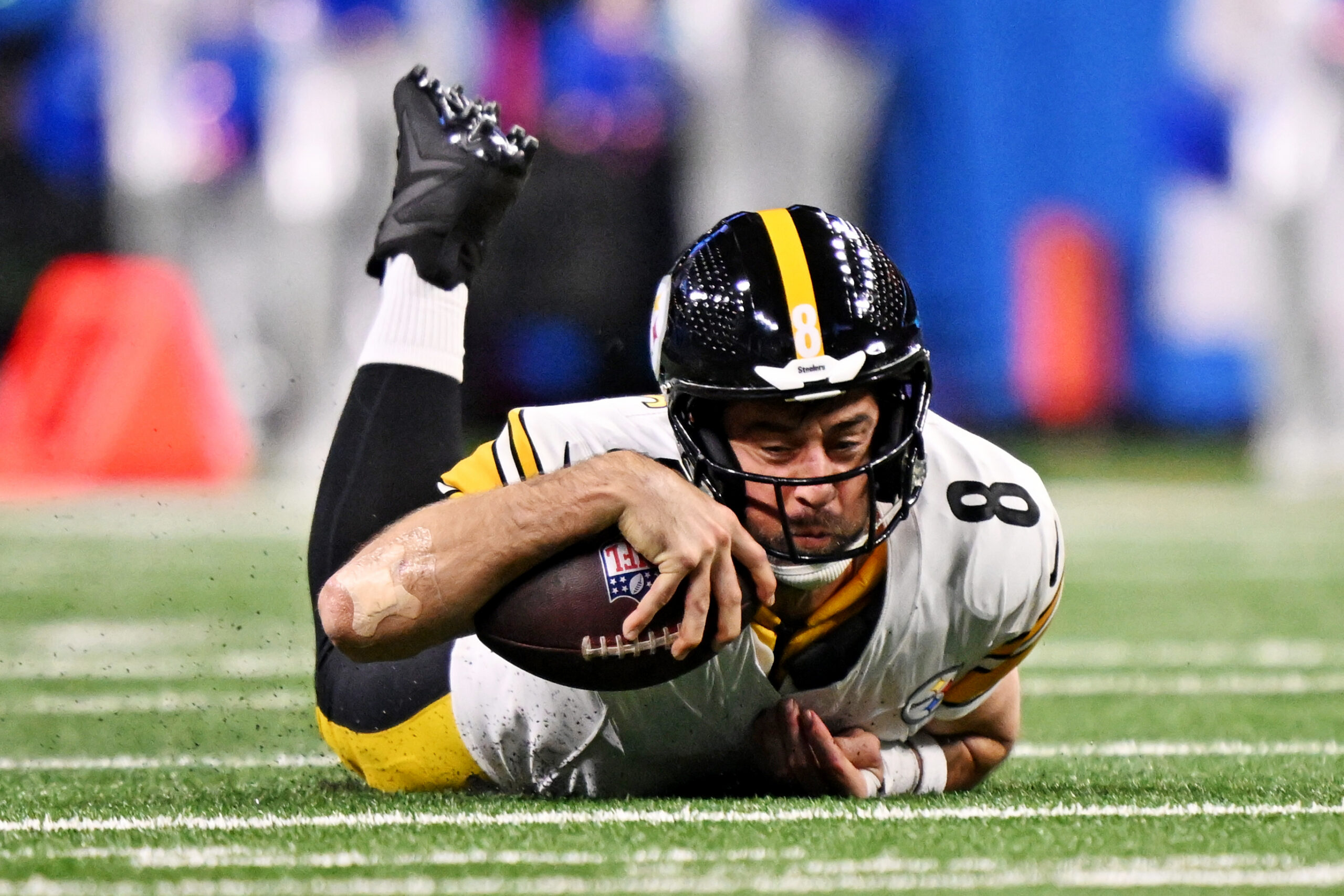
Dec 21, 2025; Detroit, Michigan, USA; Pittsburgh Steelers quarterback Aaron Rodgers (8) catches a pass during the fourth quarter against the Detroit Lions at Ford Field. Mandatory Credit: Lon Horwedel-Imagn Images
Rodgers arrives at OTAs with $22 million guaranteed and a locker room that watched the franchise twist for months on his behalf. That dynamic cuts both ways. Players notice when one man’s indecision delays their own preparation. Coaches notice when scheme installation gets compressed into weeks instead of months. The Steelers publicly wanted him back, and they got him. They also got the memory of what it cost to wait, and that memory walks into the building every single day this fall.
One Season to Justify the Siege
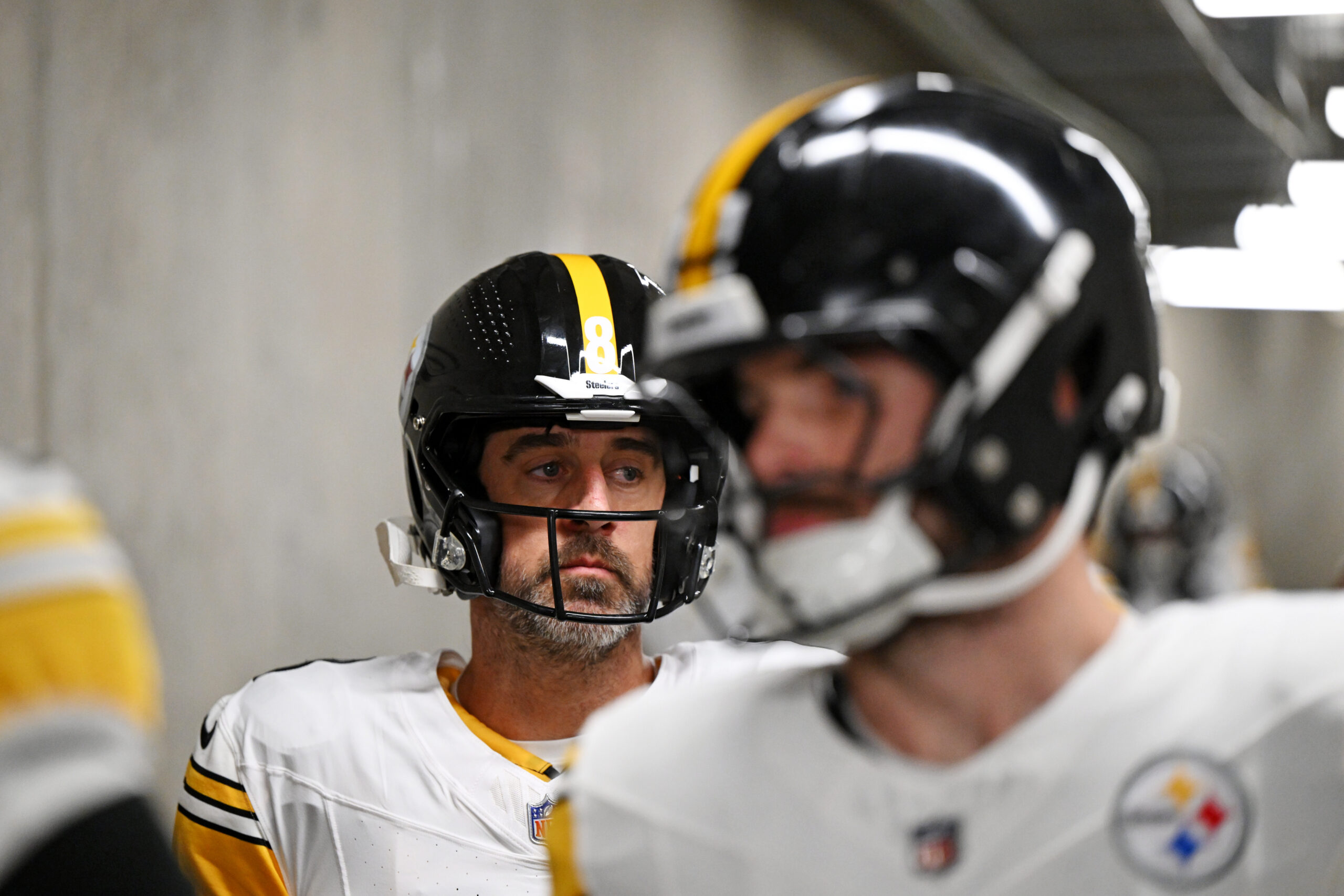
Dec 21, 2025; Detroit, Michigan, USA; Pittsburgh Steelers quarterback Aaron Rodgers (8) before the game against the Detroit Lions at Ford Field. Mandatory Credit: Lon Horwedel-Imagn Images
The Steelers paid up to $25 million for a quarterback who held them hostage for months and has no contractual obligation beyond this season. If it works, nobody remembers the wait. If it doesn’t, Pittsburgh enters 2027 with no quarterback, a thinner roster, and the knowledge that they let a 42-year-old dictate their entire offseason twice. Every other NFL front office with an aging star is watching how this plays out, because the playbook Rodgers just wrote is available to anyone bold enough to use it. Did the Steelers cave, or did they buy the only insurance policy that mattered? Tell us in the comments — and if you were Art Rooney II, would you have let Rodgers run the clock, or pulled the plug at the draft?