
Somewhere in Brook Park, Ohio, excavators are ripping into the earth where a $2.6 billion stadium will rise by 2029. The Haslam family just sold a sliver of the Cleveland Browns to help pay for it. Three percent. That’s it. But the buyer is Arctos Partners, a private-equity firm that already owns pieces of the Buffalo Bills and Los Angeles Chargers. The price tag values the Browns at just north of $9 billion. For a franchise that hasn’t exactly been collecting Lombardi trophies, that number alone should stop you cold.
A Valuation That Defies the Win Column
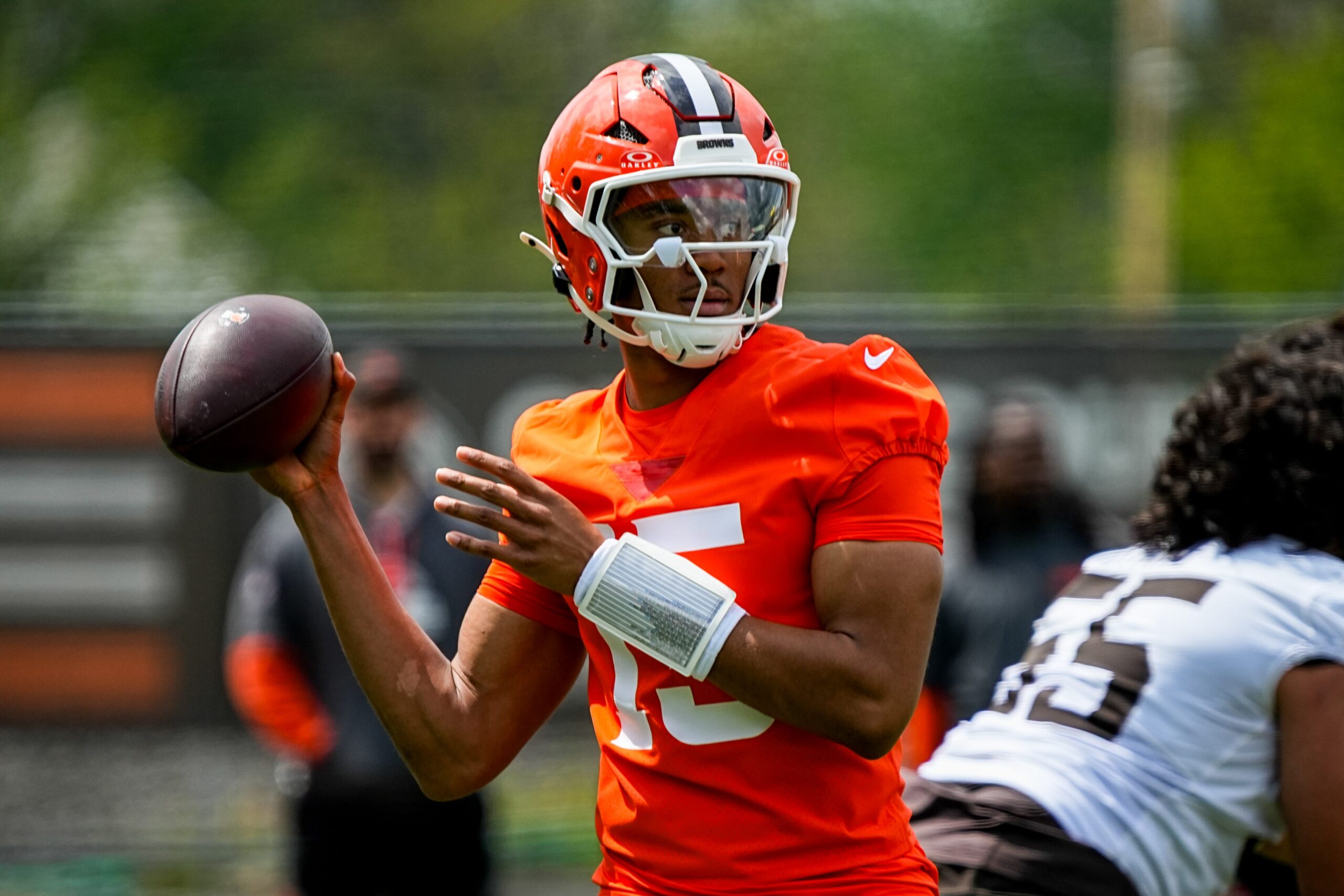
Cleveland Browns quarterback Taylen Green makes a pump fake during the first day of rookie minicamp May 8, 2026, at Cross Country Mortgage Campus in Berea, Ohio.
The $9 billion figure sits roughly 40% above independent appraisals that placed the Browns between $6.14 billion and $7.15 billion. That gap is enormous. Most fans assume a team’s value tracks its trophy case. Cleveland’s modern history says otherwise. What Arctos paid a premium for had nothing to do with quarterback play. It had everything to do with scarcity: only 32 NFL franchises exist, and the league just started letting Wall Street buy in. The stadium commitment made the timing even more urgent.
The Rules That Built the Door
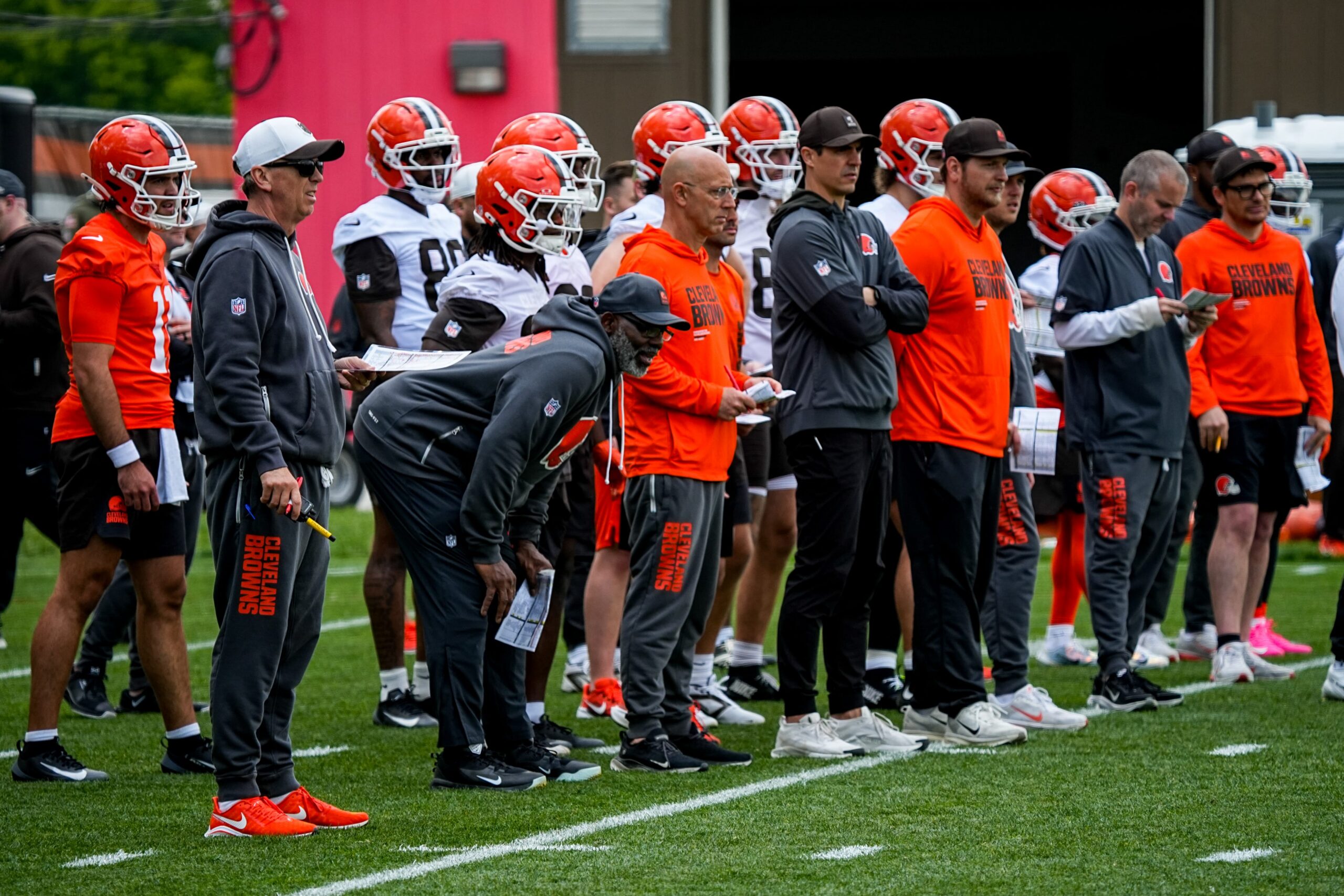
Coaches and players look out to the field on the first day of Cleveland Browns rookie minicamp May 8, 2026, at Cross Country Mortgage Campus in Berea, Ohio.
For decades, the NFL banned institutional investors entirely. Then came a 2024 vote: 31 owners in favor, the Cincinnati Bengals alone dissenting. The new framework caps private-equity stakes at 10% per team, strips investors of voting power, and forces them to hold for at least six years. Only four fund groups received approval, including Arctos. The league built a narrow channel for Wall Street cash, tight enough to preserve the old power structure while letting billions flow through. That channel is already crowded.
$270 Million Buys You Nothing but Upside
The first day of a Cleveland Browns rookie minicamp was held May 8, 2026, at Cross Country Mortgage Campus in Berea, Ohio.
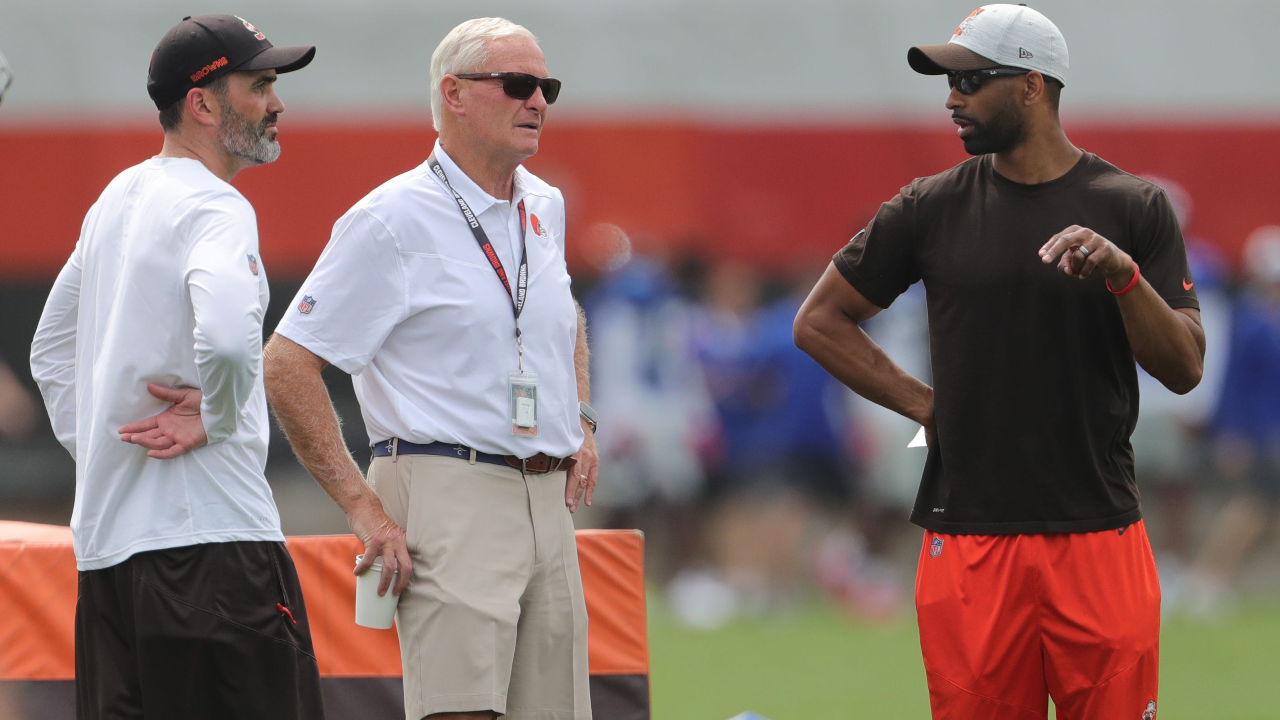
Three percent of $9 billion equals roughly $270 million. Arctos gets no vote. No seat at the table. No say in draft picks, coaching hires, or stadium design. Roger Goodell told reporters allowing private equity “won’t change a thing.” And yet Arctos now holds stakes in three NFL franchises. The Bills. The Chargers. The Browns. No voting power. Exposure to billions. That’s not passive investing. That’s a portfolio strategy disguised as a spectator seat, and the Haslams just handed them the ticket.
The Stadium Capital Stack
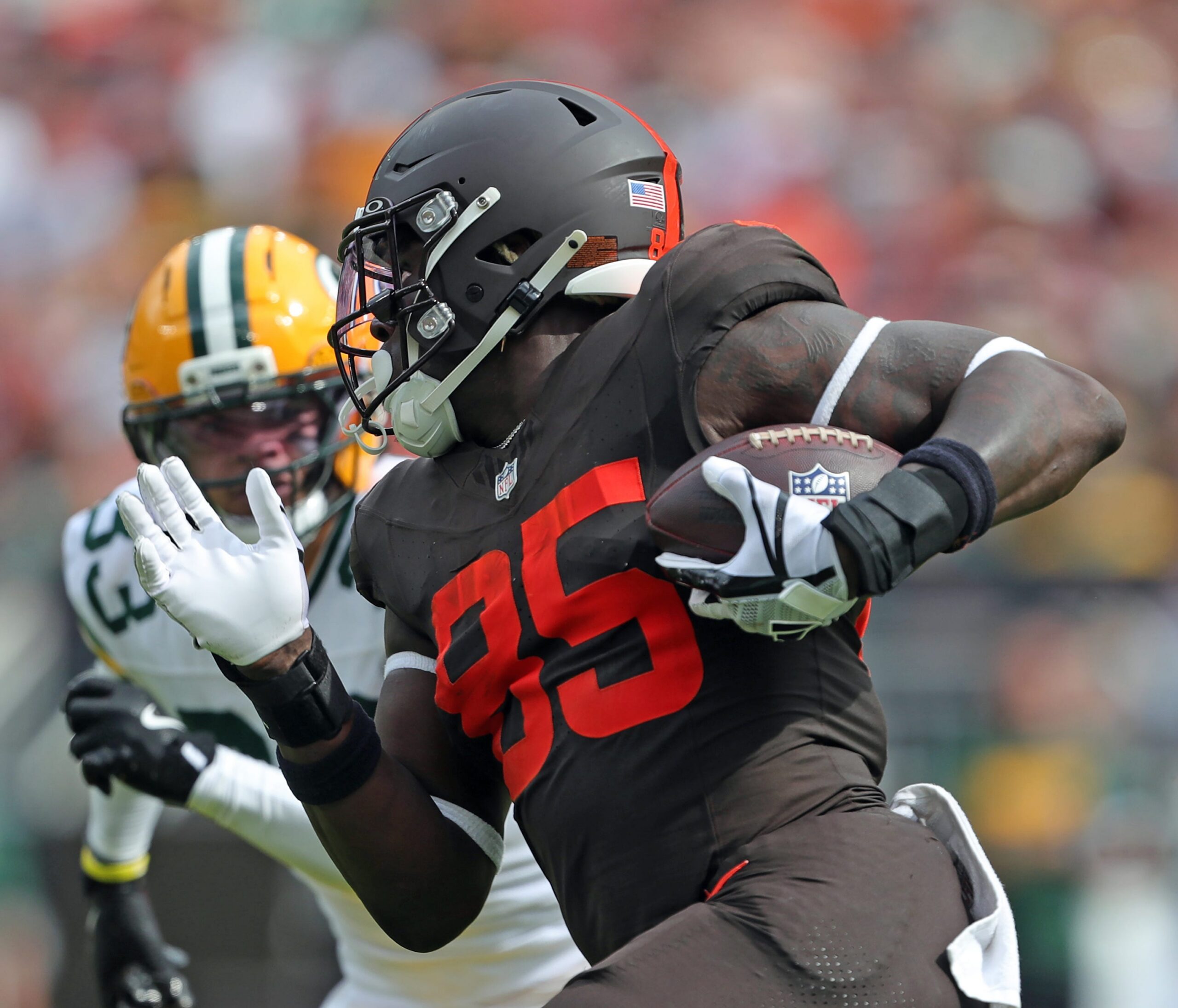
TE David Njoku: Signed by Los Angeles Chargers (previous team: Cleveland Browns)
Huntington Bank Field’s $2.6 billion price tag breaks down like a layered financial instrument. The Haslams committed roughly $1.755 billion. Ohio taxpayers are on the hook for approximately $600 million, though that contribution is currently tied up in a class-action lawsuit. Another $1 billion flows into adjacent mixed-use development. The Arctos cash covers about 15% of the family’s direct stadium obligation. This is not private equity replacing public money. It is private equity stacking on top of it. The football team functions as the anchor tenant whose existence justifies pouring skyscraper-level capital into Brook Park real estate.
The Numbers Behind the Curtain
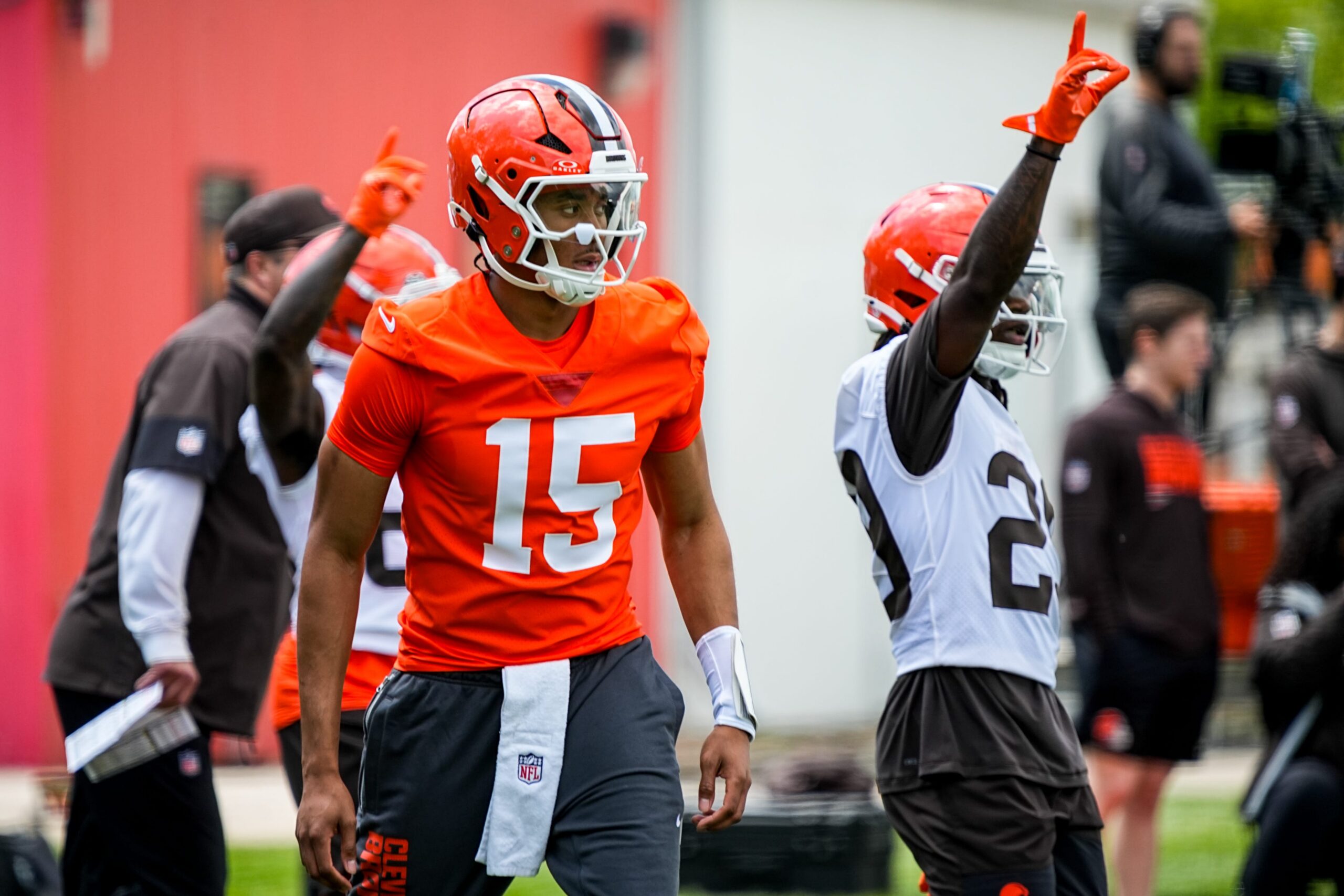
Cleveland Browns quarterback Taylen Green watches the action during the first day of rookie minicamp May 8, 2026, at Cross Country Mortgage Campus in Berea, Ohio.
The Browns are the fourth NFL franchise to bring in private equity since the rule change. The Bills and Dolphins went first in December 2024. The Chargers followed. The 49ers sold roughly 6% to investor groups at an $8.6 billion valuation. Months later, the Browns and Patriots both crossed $9 billion. The ceiling is being reset in real time, and each new deal becomes the comp for the next one. Every owner watching this is recalculating what their franchise could fetch on the open market.
Who Pays When Valuations Soar
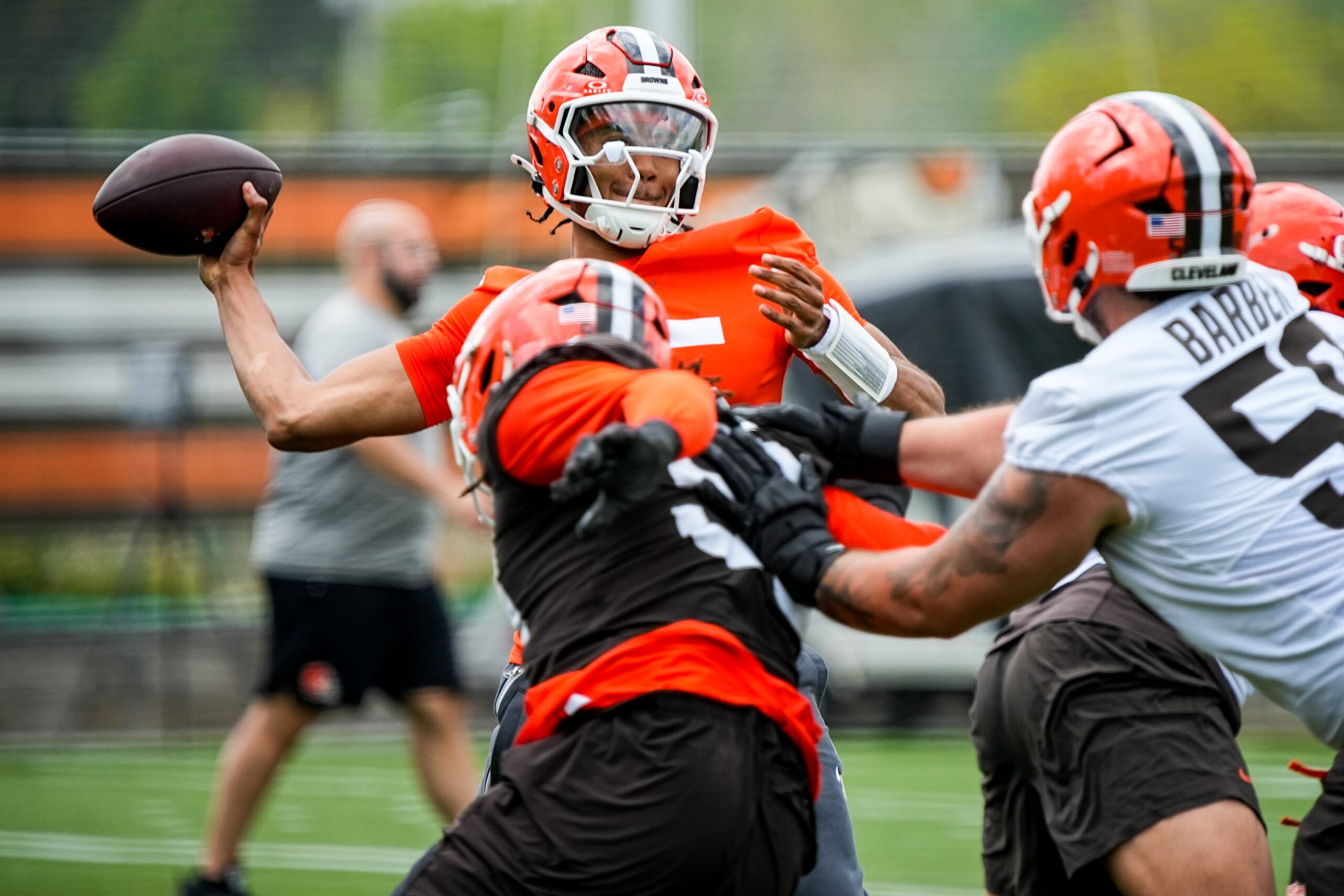
Cleveland Browns quarterback Taylen Green throws a pass under pressure during the first day of rookie minicamp May 8, 2026, at Cross Country Mortgage Campus in Berea, Ohio.
Rising franchise valuations sound like good news until you trace where the pressure lands. Higher price tags influence debt financing, insurance costs, and media-rights negotiations. They also create incentives to squeeze more revenue from every seat, every parking spot, every streaming package. Smaller-market teams face widening gaps. Taxpayers in stadium debates hear owners argue that Wall Street will help fund the project, while public contributions remain in the hundreds of millions. The money flows up. The asks flow down.
The KKR Shadow
The first day of Cleveland Browns rookie minicamp was held May 8, 2026, at Cross Country Mortgage Campus in Berea, Ohio.
Behind Arctos sits an even larger force. KKR agreed to acquire the firm in a deal valued at $1.4 billion in initial consideration plus up to $550 million in additional equity. Once approved, a global mega-fund will indirectly hold pieces of multiple NFL franchises. Pension funds and institutional investors backing KKR become, in effect, silent co-owners of the Browns. This is no longer a story about one team selling 3%. It is a precedent: NFL franchises are becoming components of global financial products, assembled without a single Wall Street name on the letterhead.
The Woodson Footnote
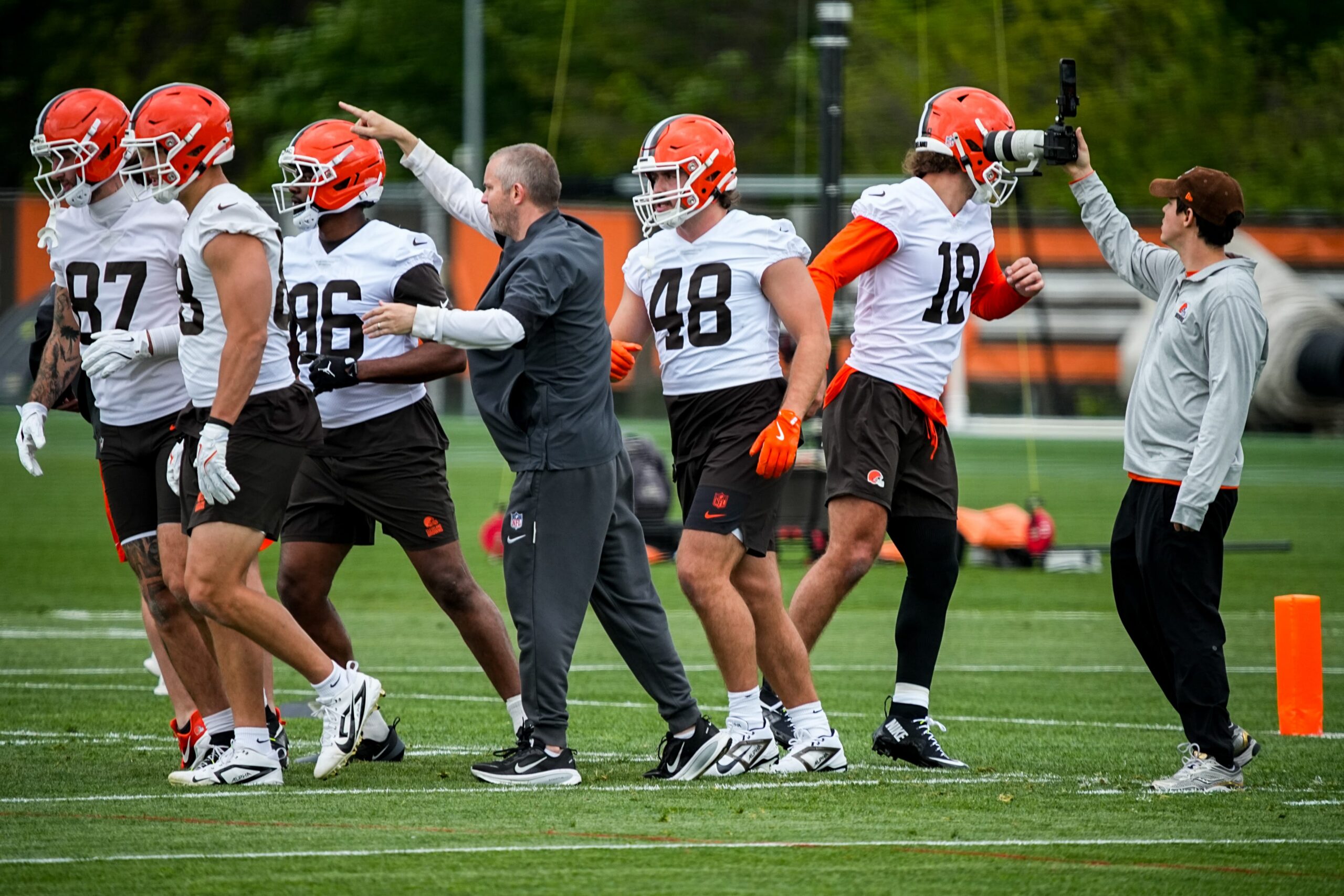
Cleveland Browns rookies go through drills on the first day of rookie minicamp May 8, 2026, at Cross Country Mortgage Campus in Berea, Ohio.
Charles Woodson was once approved for a 0.1% stake in the Browns. He walked away to keep his name on his liquor brand. A Hall of Famer chose bourbon over ownership. Months later, the team sold a chunk thirty times that size to a faceless firm most fans have never heard of. That contrast tells you everything about where the NFL is heading. The league still sells the family-ownership story. The checks are clearing from Wall Street. And the next owner asking for public stadium money now has a new partner nobody voted for.
What You Know Now That Most People Don’t
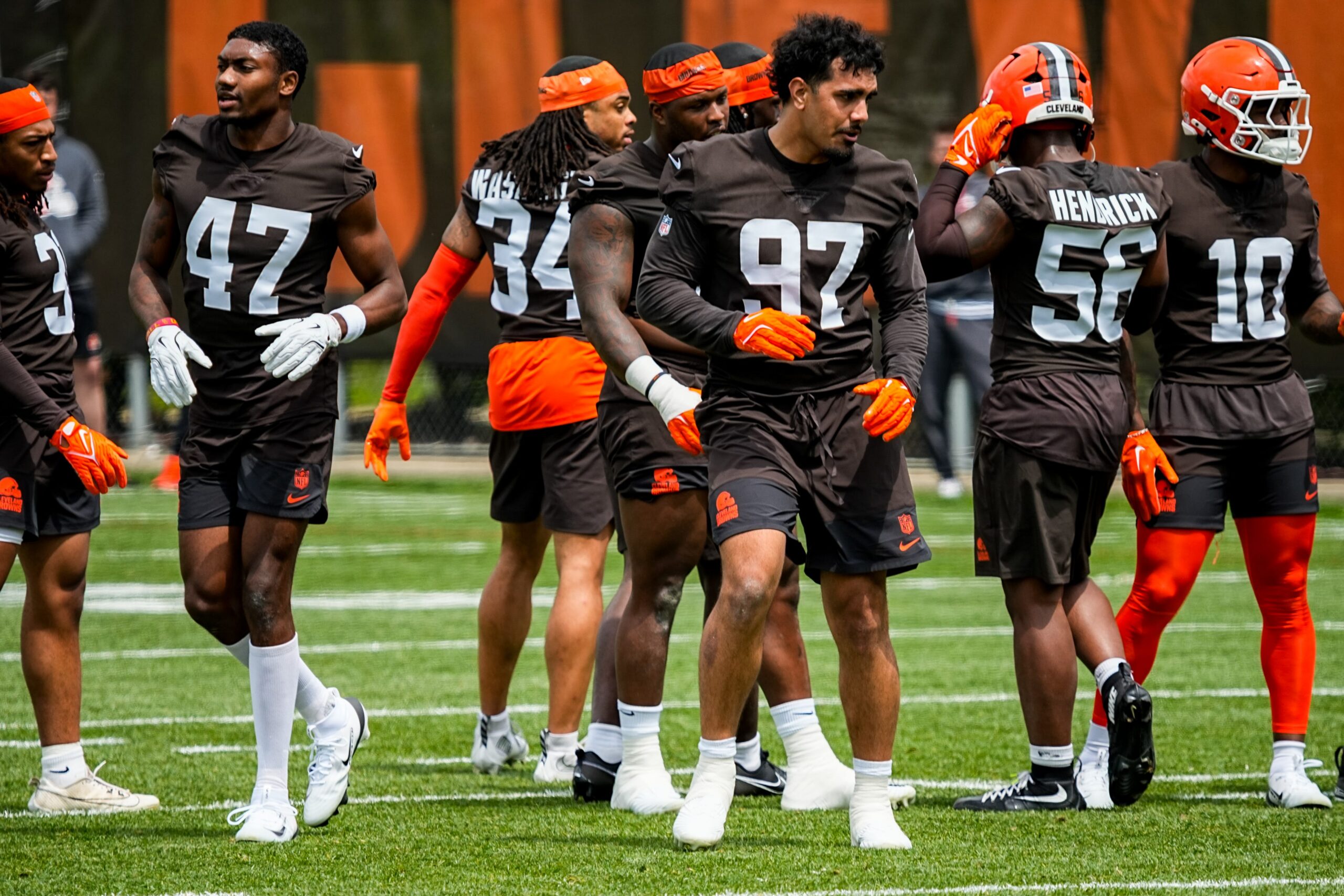
Cleveland Browns defensive lineman Logan Fano (97) and teammates run through drills during the first day of rookie minicamp May 8, 2026, at Cross Country Mortgage Campus in Berea, Ohio.
The NFL can force a sale if Arctos violates its terms. It can also relax the rules if early deals prove profitable, allowing larger stakes and shorter holding periods. Either direction reshapes the league. If KKR’s acquisition clears regulatory approval, other mega-funds will race to build their own sports platforms, bidding valuations higher still. Every fan buying a ticket to Huntington Bank Field in 2029 will be feeding revenue into a system that runs from Brook Park through Dallas through Wall Street. Goodell said nothing would change. The capital structure already has. Would you sell a piece of your hometown team to a Wall Street fund nobody voted for — or is this the price of staying competitive in the modern NFL? Drop your take in the comments.