


Somewhere between a 326-acre former racetrack and a lake ringed by slag heaps, the Chicago Bears are picking their future. Two states. Two radically different pitches. One franchise holding all the leverage. NFL Commissioner Roger Goodell has publicly emphasized two viable sites — Arlington Heights, Illinois, and Hammond, Indiana. The Bears own the racetrack land already. The Hammond site sits near Wolf Lake, on ground built over an old industrial slag heap. The decision is expected by late spring or early summer, and both states are rewriting their tax codes to win it.
The Tax Bill Nobody Mentions

May 8, 2026; Lake Forest, IL, USA; Chicago Bears tight end Sam Roush (87) speaks during Rookie Minicamp at Halas Hall. Mandatory Credit: Kamil Krzaczynski-Imagn Images
Arlington Heights looks clean on paper. Suburban. Shovel-ready. The Bears already bought the property for nearly $200 million. But without a special legislative deal, the team has long argued the 326-acre site faces an outsized annual property-tax bill — a key reason the franchise has made tax certainty a stated prerequisite for building in Arlington Heights. That tax exposure explains why a franchise with a “shovel-ready” location in Illinois is entertaining an offer from a refinery town across the state line.
Indiana Moved First

May 8, 2026; Lake Forest, IL, USA; Chicago Bears defensive back Dillon Thieneman (31) runs during Rookie Minicamp at Halas Hall. Mandatory Credit: Kamil Krzaczynski-Imagn Images
Indiana lawmakers advanced Senate Bill 27, creating a Northwest Indiana Stadium Authority with the power to issue bonds, fund, construct, and lease a stadium. The House Ways and Means Committee approved it unanimously, 24–0, and the full Indiana House later passed the revised bill 95–4. The package: roughly $3 billion in total capital, with the Bears committing about $2 billion and Indiana contributing an estimated $1 billion in public support. Indiana moved on SB27 quickly relative to Illinois’s stalled efforts. That timing tells you this stopped being about football a long time ago.
What’s Actually in the Ground

Chicago Bears wide receiver DJ Moore (2) runs for a touchdown in the fourth quarter of the NFL football game between Chicago Bears and Cincinnati Bengals at Paycor Stadium in Cincinnati on Nov. 2, 2025.
Arlington Heights Mayor Jim Tinaglia, an architect by background, has described the Hammond site as surrounded by hazardous waste facilities, an oil tank storage area, and the Midwest’s largest oil refinery. EPA records back the broader concern. The Federated Metals Superfund site in Hammond and Whiting has documented lead-contaminated residential soil, and the Lost Marsh area near the proposed footprint has industrial-fill history. Reporting also describes the proposed stadium ground as a former steel-mill slag heap capped with treated sewage sludge.
The Cleanup They’re Building On Top Of

May 8, 2026; Lake Forest, IL, USA; Chicago Bears tight end Sam Roush (87) runs with the ball during Rookie Minicamp at Halas Hall. Mandatory Credit: Kamil Krzaczynski-Imagn Images
The U.S. EPA and corporate partners have committed major funding to clean contaminated sediment in the Grand Calumet River Area of Concern — one of the larger sediment-remediation efforts in the Great Lakes region. Heavy metals, PCBs, and polycyclic aromatic hydrocarbons are documented contaminants of concern in those waterways near the proposed stadium site. Environmental regulators are spending heavily cleaning up Northwest Indiana while lawmakers pitch the same ground as a world-class NFL destination.
The Numbers Illinois Can’t Ignore
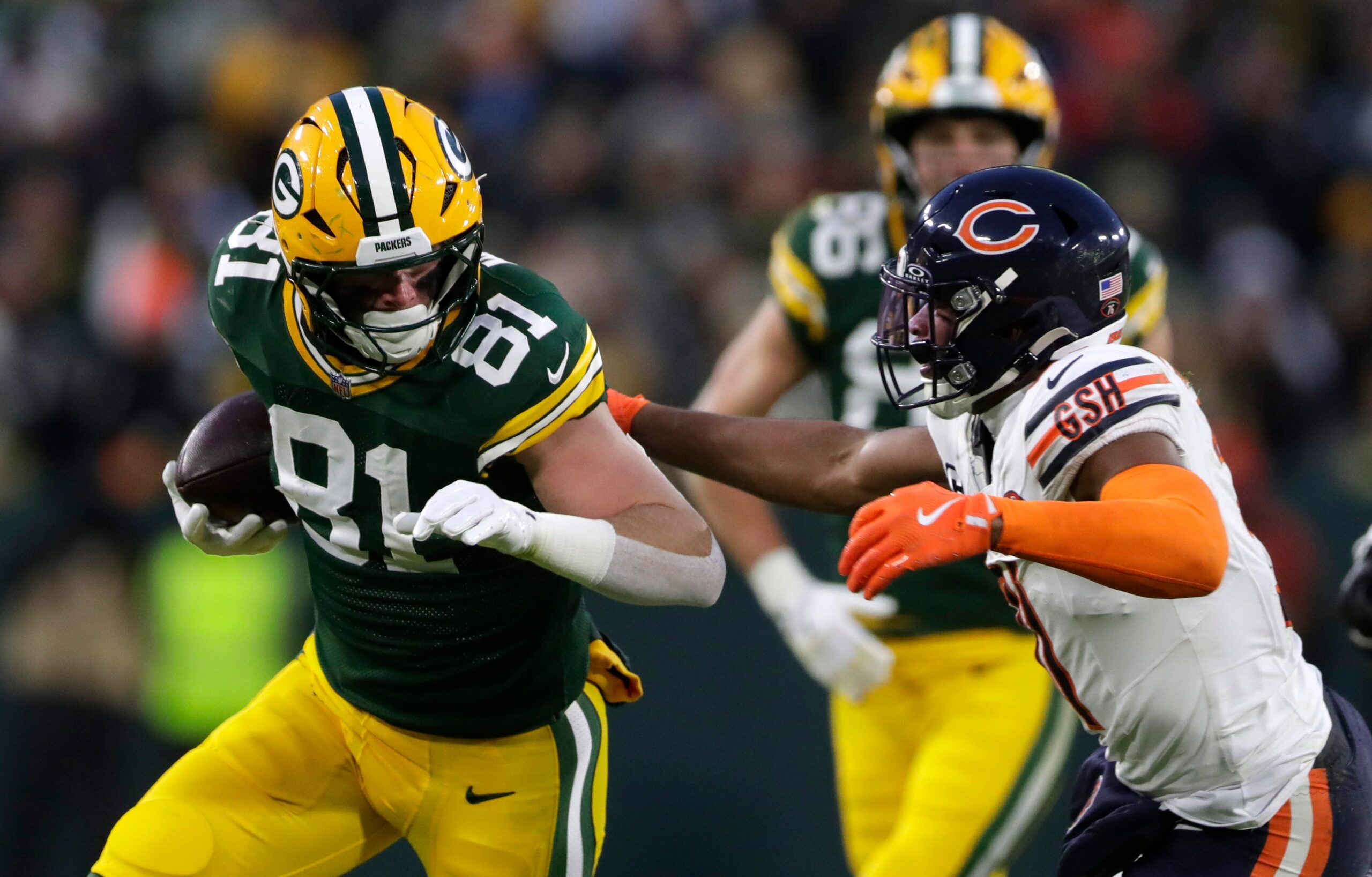
Green Bay Packers tight end Josh Whyle (81) runs the ball during a football game against the Chicago Bears on Dec. 7, 2025, at Lambeau Field in Green Bay, Wis. The Packers defeated the Bears 28-21.
Illinois fired back with HB910, the “megaprojects” bill. The House passed it 78–32. It allows megaproject developers to freeze property tax assessments for 25 to 45 years and negotiate Payments in Lieu of Taxes (PILOT) with local taxing bodies. The Bears’ consultant projects the Arlington Heights project would create more than 56,000 construction jobs statewide and require $855 million in public infrastructure funding for roads, ramps, and Metra changes. The 60,000-seat stadium would host an estimated 370 events a year, and projections cite roughly $1.3 billion in gross state tax revenues over 40 years. The scale is enormous, but so is the public cost of locking in those terms.
Who Pays When the Bears Win
May 8, 2026; Lake Forest, IL, USA; Chicago Bears offensive lineman Joshua Kreutz (57) stretches during Rookie Minicamp at Halas Hall. Mandatory Credit: Kamil Krzaczynski-Imagn Images
If the Bears choose Hammond, SB27 calls for a variety of new and increased taxes in Northwest Indiana counties and a designated stadium district to repay stadium bonds, plus a portion of state toll-road revenue. If they stay in Illinois, HB910’s long PILOT structure has prompted concerns about shifting fiscal pressure — though the bill includes provisions sending 50% of PILOT revenues to property tax relief, with rebates for homeowners in the district and contributions to the state Property Tax Relief Fund. Either way, ordinary people help underwrite a billionaire-owned franchise.
A Dump Becomes a Precedent
May 8, 2026; Lake Forest, IL, USA; Chicago Bears defensive coordinator Dennis Allen walks on the field during Rookie Minicamp at Halas Hall. Mandatory Credit: Kamil Krzaczynski-Imagn Images
This decision sets a template. If the Bears build next to historically contaminated land after large-scale cleanup, it normalizes reclaimed industrial sites as platforms for marquee sports venues nationwide. Other post-industrial cities will study every detail. Once you see that stadium deals now combine tax freezes, bond authorities, and environmental remediation into one package, the tug-of-war between these two towns looks less like loyalty and more like leverage.
The Clock Illinois Can’t Stop
Detroit Lions safety Kerby Joseph (31), left, and safety Brian Branch (32) celebrate a play against Chicago Bears during the first half at Ford Field in Detroit on Thursday, Nov. 28, 2024.
Indiana already has legislative momentum, with SB27 cleared by both chambers’ key votes and Gov. Mike Braun publicly backing it. Illinois has HB910 awaiting Senate action. Gov. JB Pritzker said he expects the General Assembly to pass legislation by May 31, before the spring session ends. The bill also bans megaproject incentives for data centers and includes a five-year sunset clause unless renewed. If Illinois stalls, it risks losing the franchise along with the projected jobs and economic activity attached to it.
The Real Game Being Played
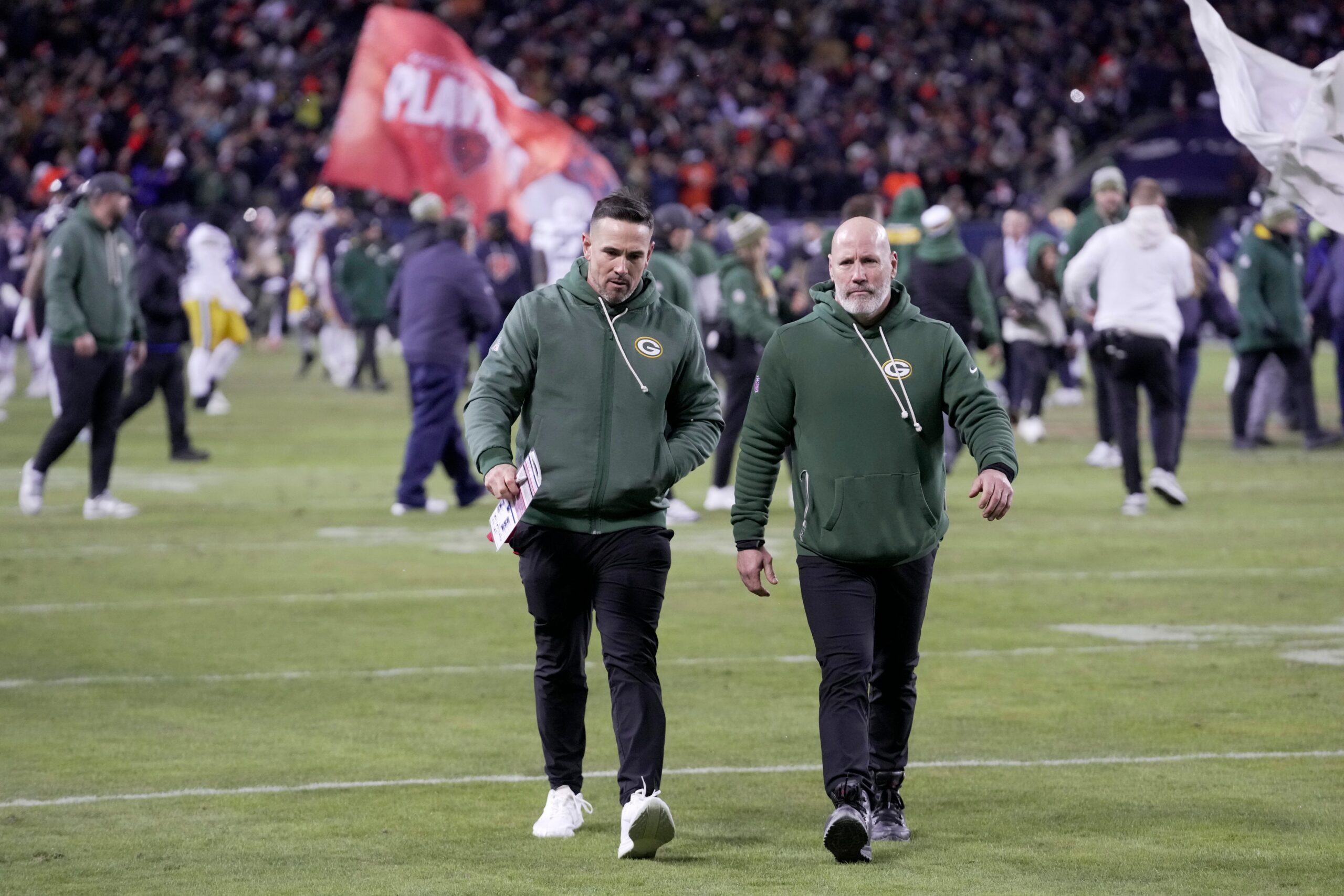
Green Bay Packers head coach Matt Lafleur, left, walks off the field after their wild card playoff game Saturday, January 10, 2026 at Soldier Field in Chicago, Illinois. The Chicago Bears beat the Green Bay Packers 31-27.
The Bears’ relocation threat follows a long history of professional teams using state-line leverage to extract public subsidies. A cross-state NFL move in the modern era would be rare. But the Bears aren’t really wandering. They’re a mobile financial asset shopping for the optimal mix of tax treatment and regulatory tolerance. Other franchises are watching. Community groups could respond with litigation or ballot initiatives demanding stricter environmental guarantees. The person who understands this story knows stadiums chase the softest taxes, not the prettiest skyline. That changes how you read every stadium headline from here on out. If the Bears were your team, would you rather they build on shovel-ready suburban land with a tax freeze — or on a cleaned-up industrial site with cheaper public terms? Tell us where you’d plant the goalposts in the comments.