
Mark Gastineau held the NFL’s single-season sack record for 17 years. Then one play erased it. A play millions of football fans still argue never should have counted. Now the former Jets defensive end watches that same disputed moment replayed inside an ESPN documentary he never approved, framed in a way he says distorts his legacy. So Gastineau did what any man backed into a corner would do. He sued. And the fight over who controls that footage could reshape how every retired athlete’s story gets told.
The Record That Stood for 17 Years
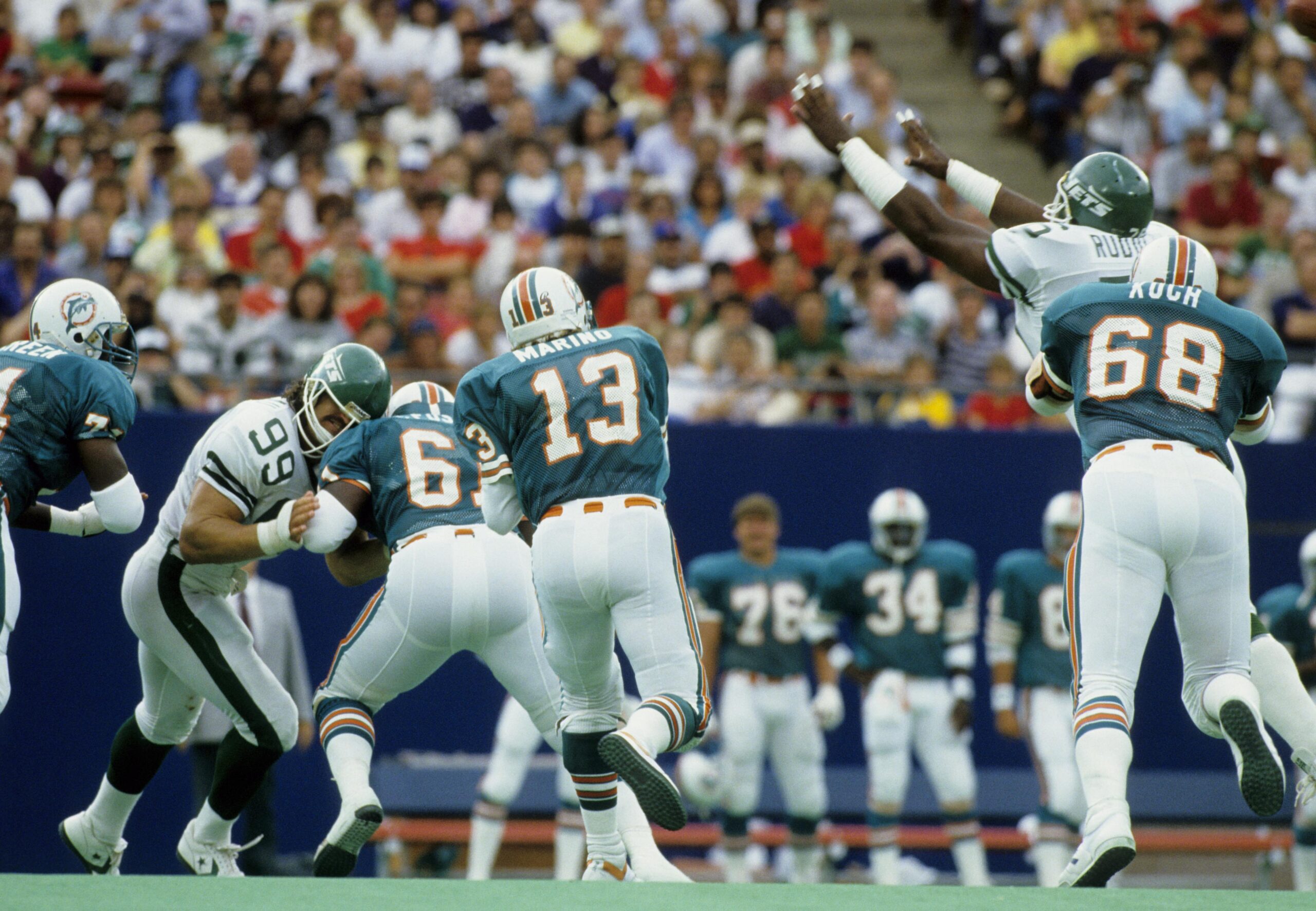
Sep 21, 1986; E. Rutherford, NJ, USA; FILE PHOTO; New York Jets defensive ends Mark Gastineau (99) and Ben Rudolph (76) and Miami Dolphins guard Roy Foster (61), quarterback Dan Marino (13) and tackle Greg Koch (68) in action at Giants Stadium. Mandatory Credit: Imagn Images
Gastineau posted 22 sacks in 1984 as part of the Jets’ legendary “New York Sack Exchange” defensive line. That number defined an era. It stood as the NFL’s single-season benchmark until 2001, when Michael Strahan recorded 22.5 sacks to claim the crown. Seventeen years of dominance, wiped out in a single afternoon. But the play that broke the record carried an asterisk from the moment it happened, and Gastineau never stopped saying so. ESPN decided to revisit that asterisk on camera.
The Sack That Wasn’t
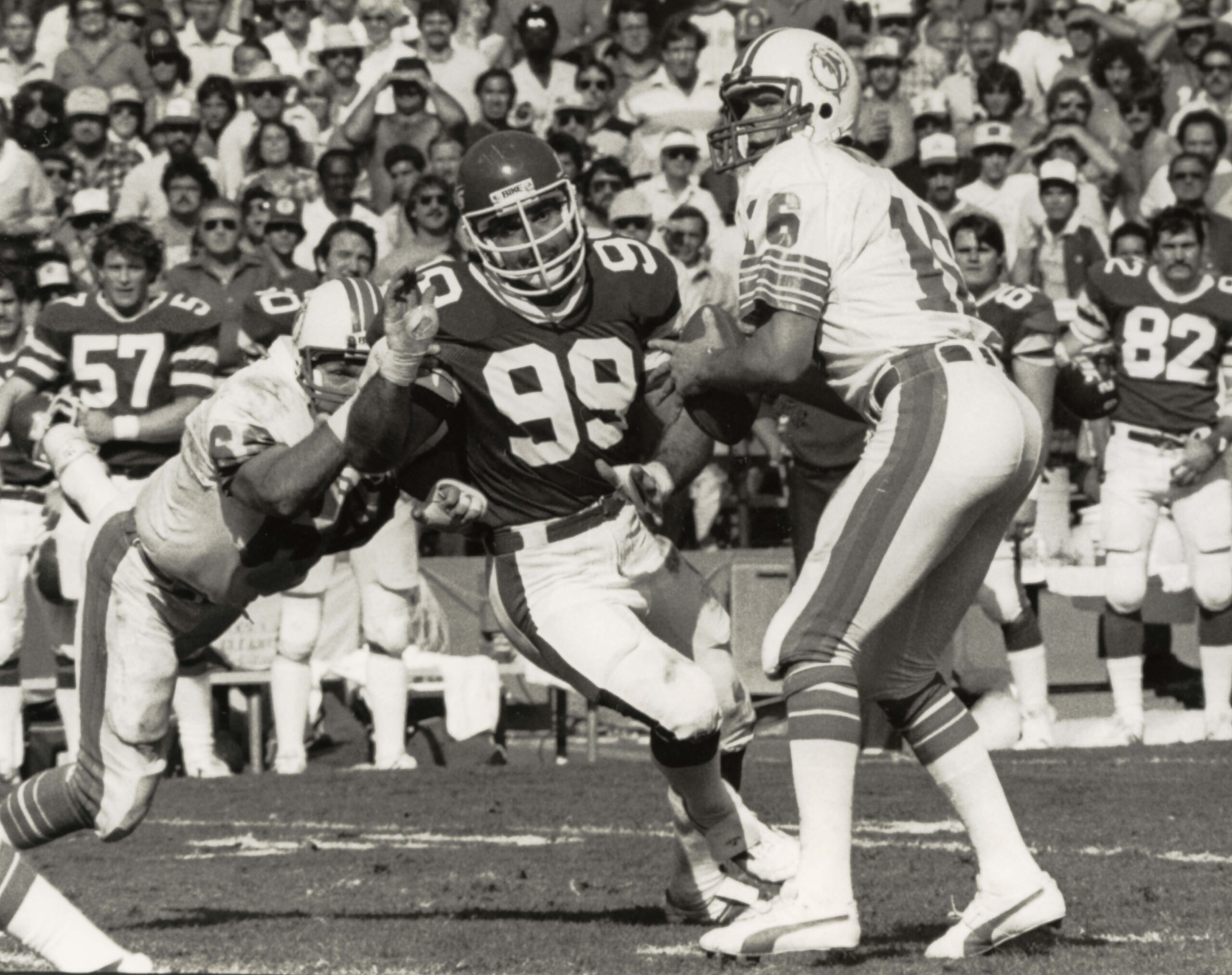
Dec. 18, 1982; Miami, FL, USA; FILE PHOTO; Miami Dolphins quarterback David Woodley (16) is pursued by New York Jets defensive end Mark Gastineau (99) at the Orange Bowl. Mandatory Credit: Malcolm Emmons-Imagn Images
Watch the footage. Brett Favre takes the snap and appears to fall forward into Strahan’s arms. No scramble. No pressure. Just a quarterback seemingly handing a defender the most important statistical play of his career. Gastineau has long accused Favre of “taking a dive” to allow Strahan to surpass his single-season sack record. ESPN itself acknowledged the controversy. Yet the network built a “30 for 30” documentary titled “The New York Sack Exchange” around that defensive unit and revisited this exact moment, and Gastineau says the framing made him look like a bitter ex-champion.
A Confrontation Caught on Film
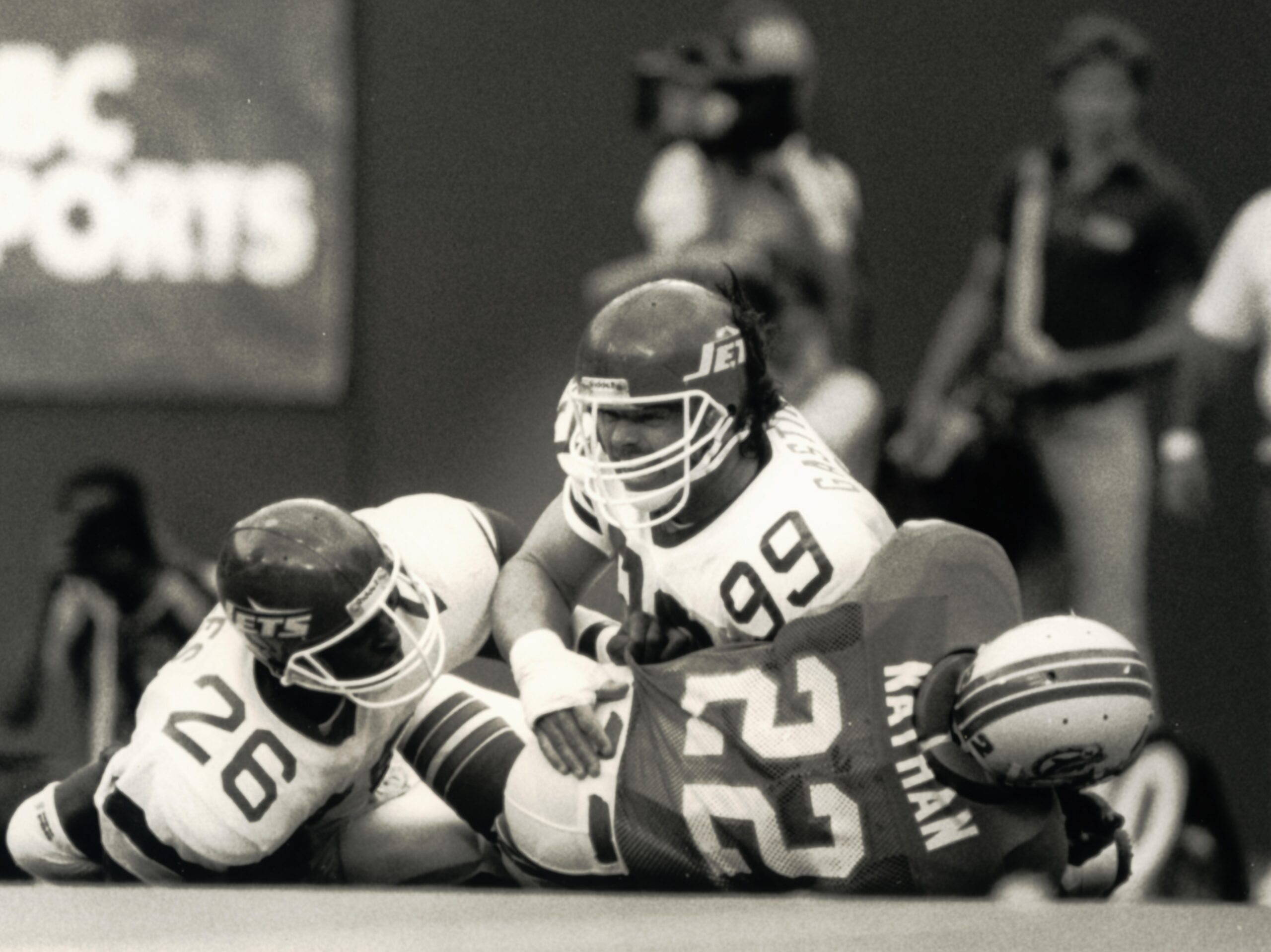
Unknown date; East Rutherford, NJ, USA; FILE PHOTO; New York Jets defensive end Mark Gastineau (99) in action against Miami Dolphins running back Tony Nathan (22) at Giants Stadium. Mandatory Credit: Malcolm Emmons-Imagn Images
The documentary captured a confrontation between Gastineau and Favre at a Chicago Sports Spectacular event on November 18, 2023. That footage became the centerpiece of Gastineau’s $25 million lawsuit against ESPN and NFL Films, filed in New York federal court. Gastineau’s legal team argued the network used his likeness and the disputed footage without proper authorization, portraying him in a “maliciously false” way that damaged his reputation. In March 2026, U.S. District Judge Paul A. Engelmayer dismissed the case with prejudice, ruling that Gastineau “consented, in writing, to the use of his name and likeness in the film and related promotional materials.” Most people assumed the fight ended there. Gastineau, now 69, appealed. The man who spent 17 years defending a record now spends his time defending his name.
Who Owns Your Legacy?
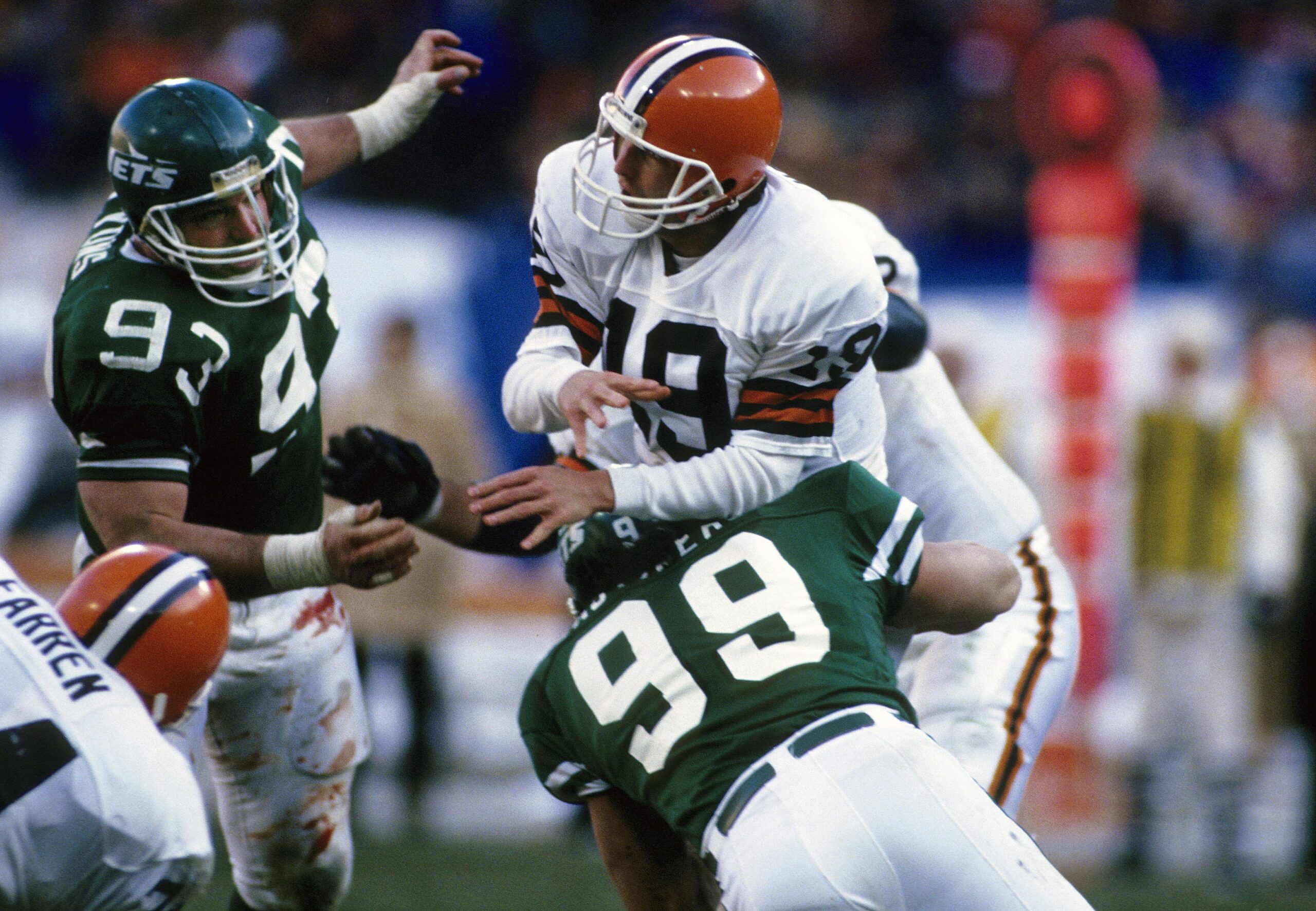
Jan 3, 1987; Cleveland, OH, USA; FILE PHOTO; Cleveland Browns quarterback Bernie Kosar (19) is hit by New York Jets defensive end Mark Gastineau (99) and Marty Lyons (93) during the 1986 AFC Divisional Playoff game at Cleveland Stadium. The Browns defeated the Jets 23-20. Mandatory Credit: Manny Rubio-Imagn Images
Here’s what most people miss about this case. Gastineau isn’t just fighting over money. He’s fighting over who gets to tell his story. Sports documentaries carry an air of objectivity, like they’re preserving history as it happened. They’re not. They’re selecting footage, choosing angles, deciding which quotes land and which get cut. A media company with billions in resources can reshape how an entire generation remembers a player’s career. One retired athlete with a lawyer can barely get a hearing. That power gap is the real story.
The Numbers Behind the Machine
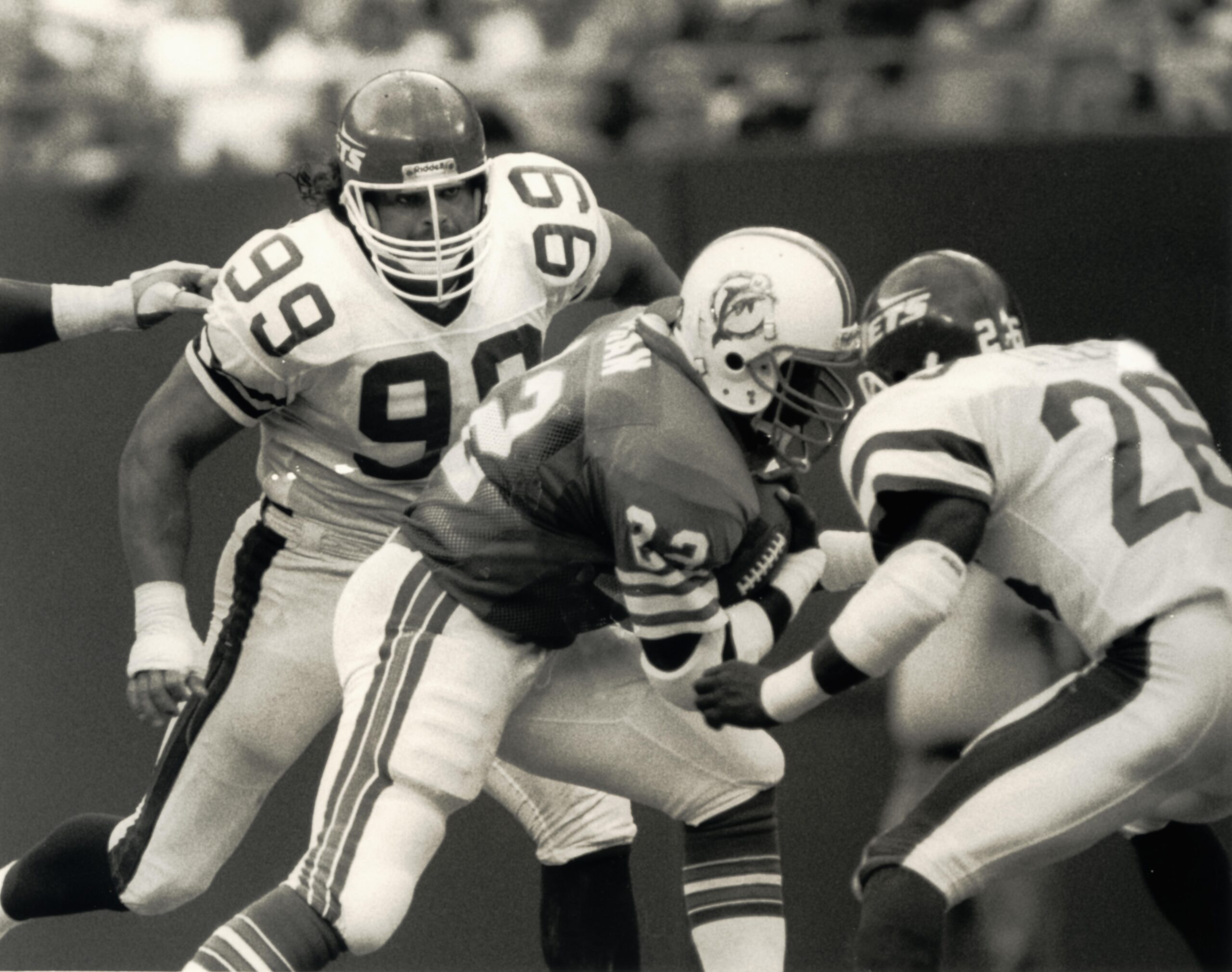
Unknown date; East Rutherford, NJ, USA; FILE PHOTO; New York Jets defensive end Mark Gastineau (99) in action against the Miami Dolphins at Giants Stadium. Mandatory Credit: Malcolm Emmons-Imagn Images
Gastineau sought $25 million in damages. ESPN generates billions annually. That ratio tells you everything about the leverage imbalance in athlete-versus-network disputes. The “30 for 30” series alone built ESPN’s documentary brand into a cultural institution, using archival footage of athletes who had little say in how their moments got packaged for streaming audiences decades later. Gastineau’s confrontation with Favre became content. His pain became programming. And the dismissal with prejudice meant he couldn’t refile the same claims. The appeal became his only road back.
Every Retired Athlete Should Be Watching
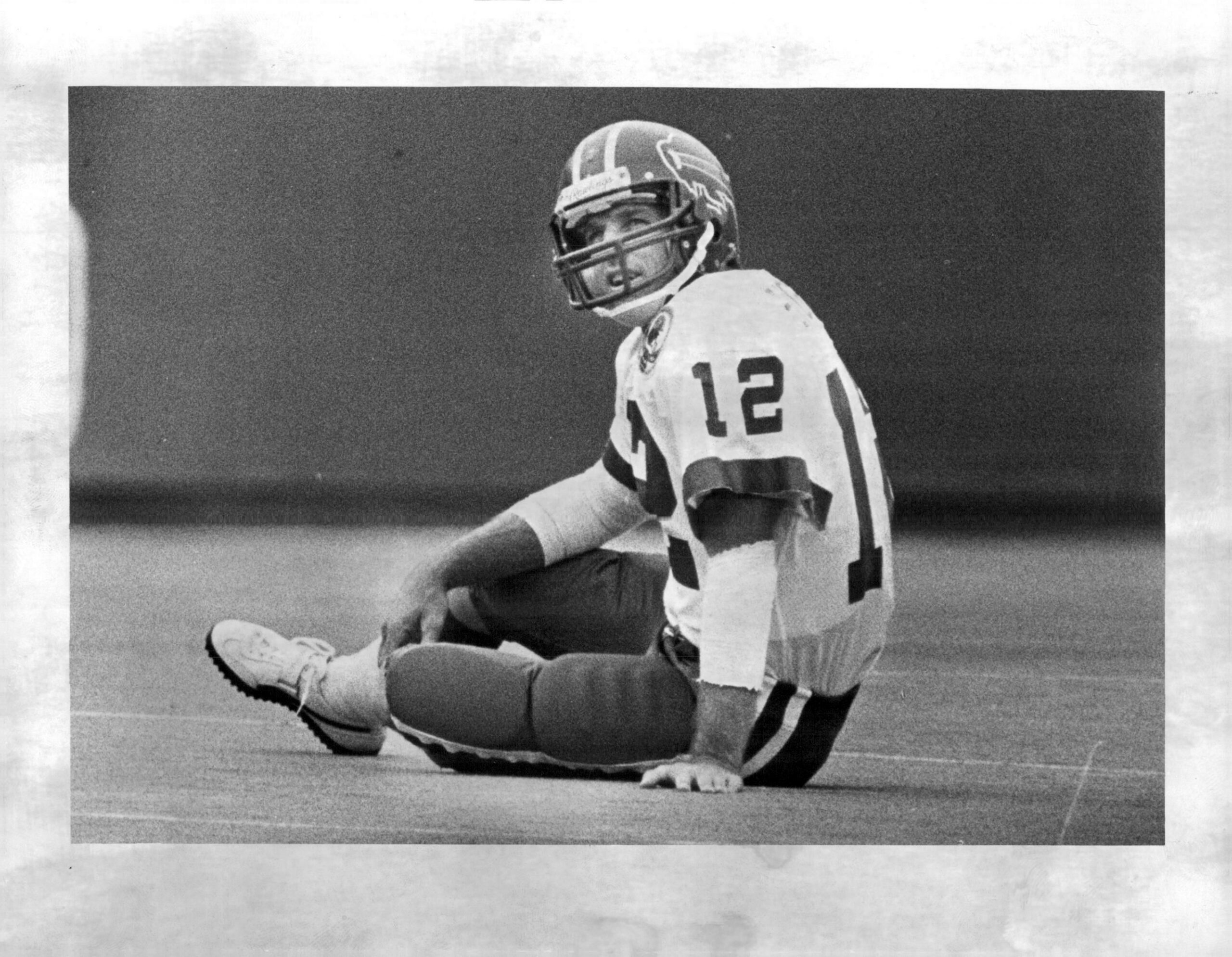
BUFFALO BILLS REFEREE JERRY MARKBREIT WATCHING JOE FERGUSON GET UP AFTER BEING SACKED BY MARK GASTINEAU Buffalo Bills Quarterback Joe Ferguson put together a game-winning drive against John Madden’s Raiders back in 1974. Buffalo Bills
If Gastineau’s appeal fails, the message to every former professional athlete is clear: networks can use your worst moments, frame them however they want, and you have almost no legal recourse. The streaming era turned archival footage into a permanent revenue stream. Documentaries get rewatched for years. Clips circulate on social media forever. A single unflattering portrayal doesn’t fade anymore. It compounds. Gastineau’s case could determine whether athletes gain meaningful control over how their historical moments get repackaged for new audiences and new platforms.
The Precedent Nobody Sees Coming
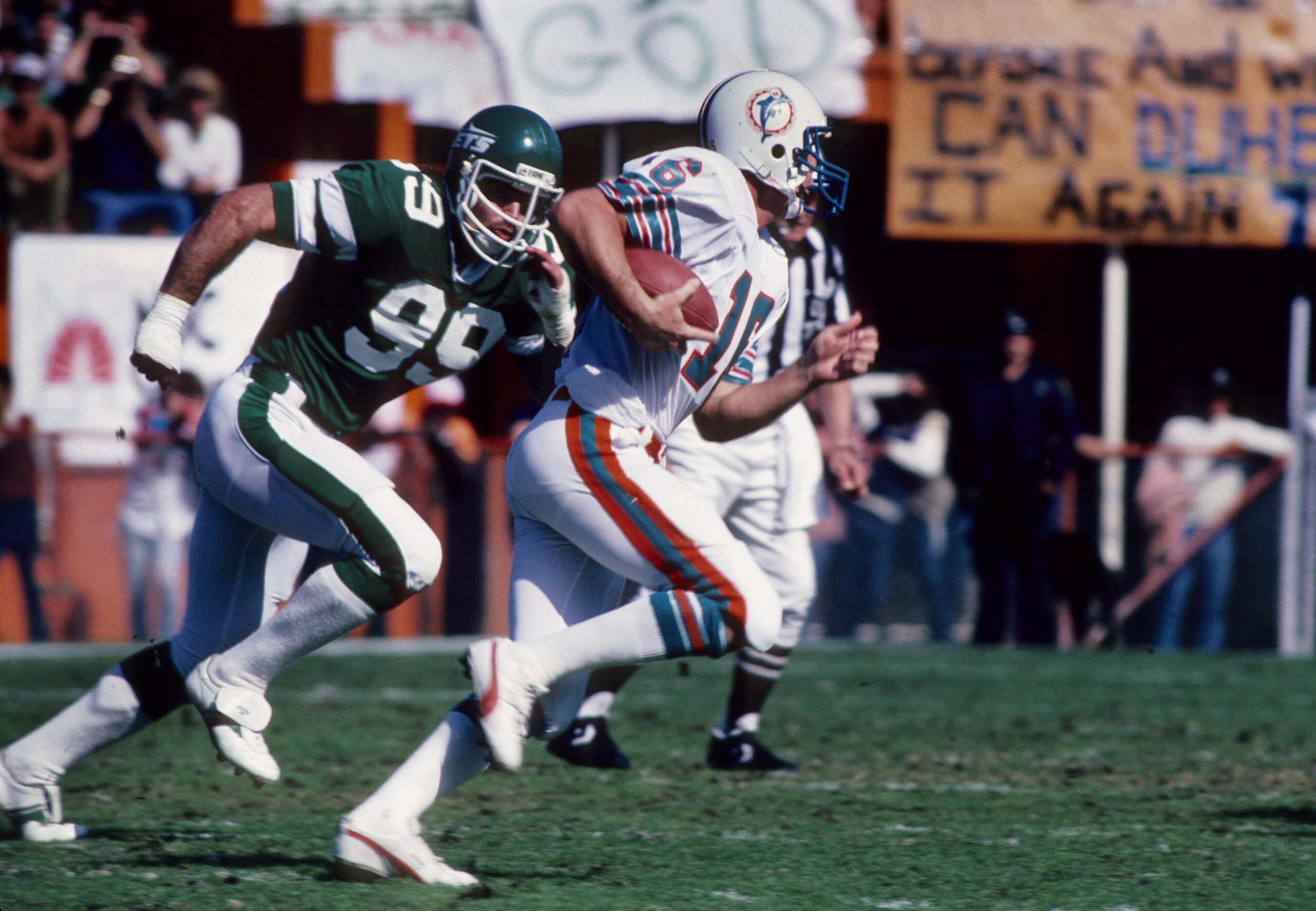
Dec. 18, 1982; New York, NY, USA; FILE PHOTO; Miami Dolphins quarterback David Woodley (16) is pursued by New York Jets defensive end Mark Gastineau (99) at the Orange Bowl. Mandatory Credit: Malcolm Emmons-Imagn Images
Think bigger than one Jets legend and one documentary. This appeal tests whether athlete likeness rights extend to how historical footage gets contextualized, not just whether it gets used. The trial judge specifically ruled that Gastineau’s written authorization “was broad and encompassed Gastineau’s name and likeness as reflected in extrinsic footage, such as that of the encounter with Favre,” and that the exchange was newsworthy. That makes the appellate question pointed: whether the framing around licensed footage creates a separate, actionable harm. If an appellate court agrees, every sports documentary producer in the country will need to rethink how they build narratives around living athletes.
The Appeal That Won’t Die
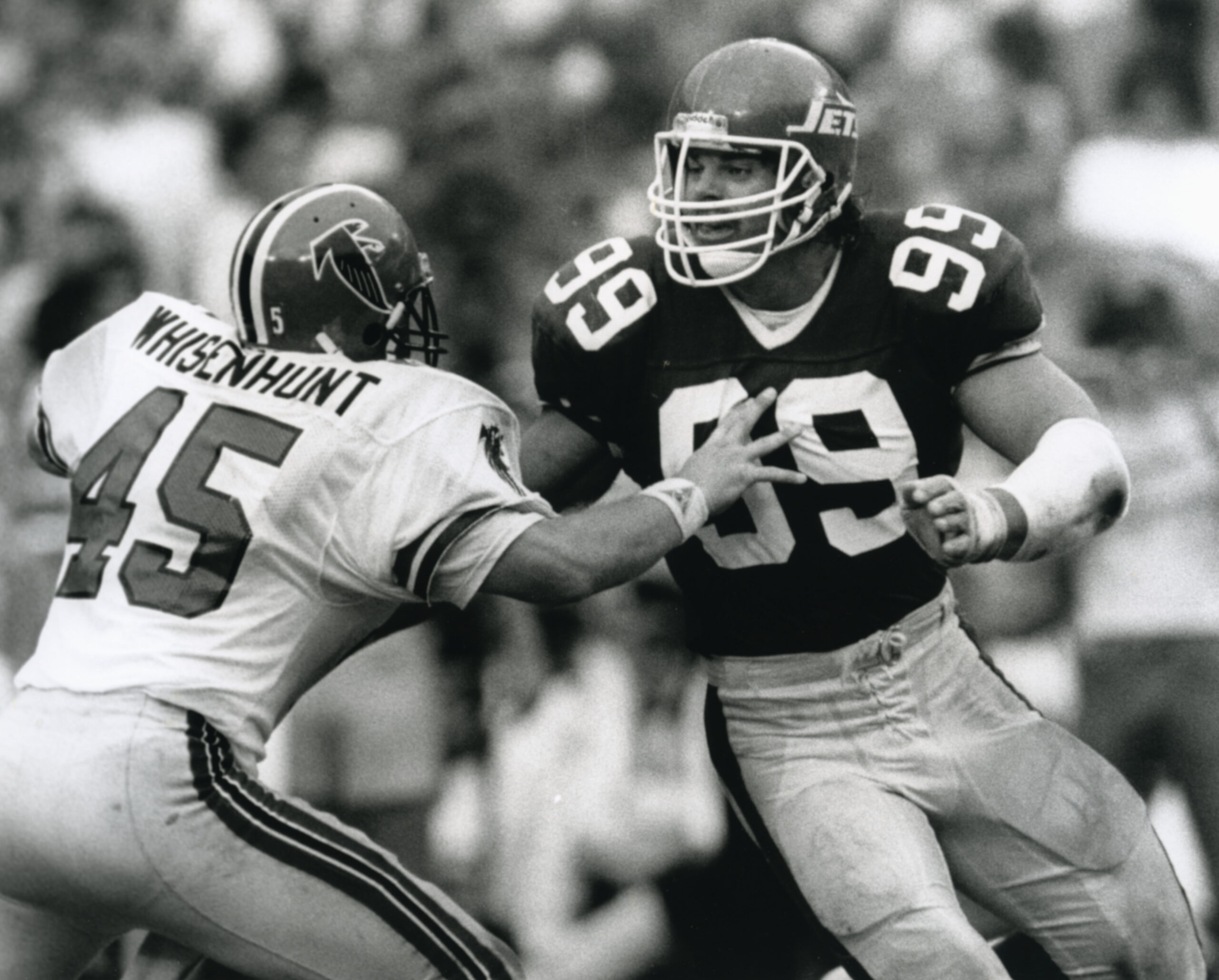
Nov 9, 1986; Atlanta, GA, USA; FILE PHOTO; New York Jets defensive end Mark Gastineau (99 )in a cation against Atlanta Falcons tight end Ken Whisenhunt (45). The Jets beat the Falcons 28-14. Mandatory Credit: Malcolm Emmons-Imagn Images
Gastineau, through attorney Christopher J. Cassar, has made his position plain: he isn’t giving up on his effort to sue ESPN. A dismissal with prejudice is about as final as a trial court gets. Most plaintiffs walk away. Gastineau filed a notice of appeal in May 2026, betting that the legal questions around documentary framing and athlete portrayal are novel enough to warrant a second look. The man is 69, fighting a media conglomerate over a play from 2001 that erased an achievement from 1984. Stubbornness or principle. Maybe both.
The Play That Never Ends
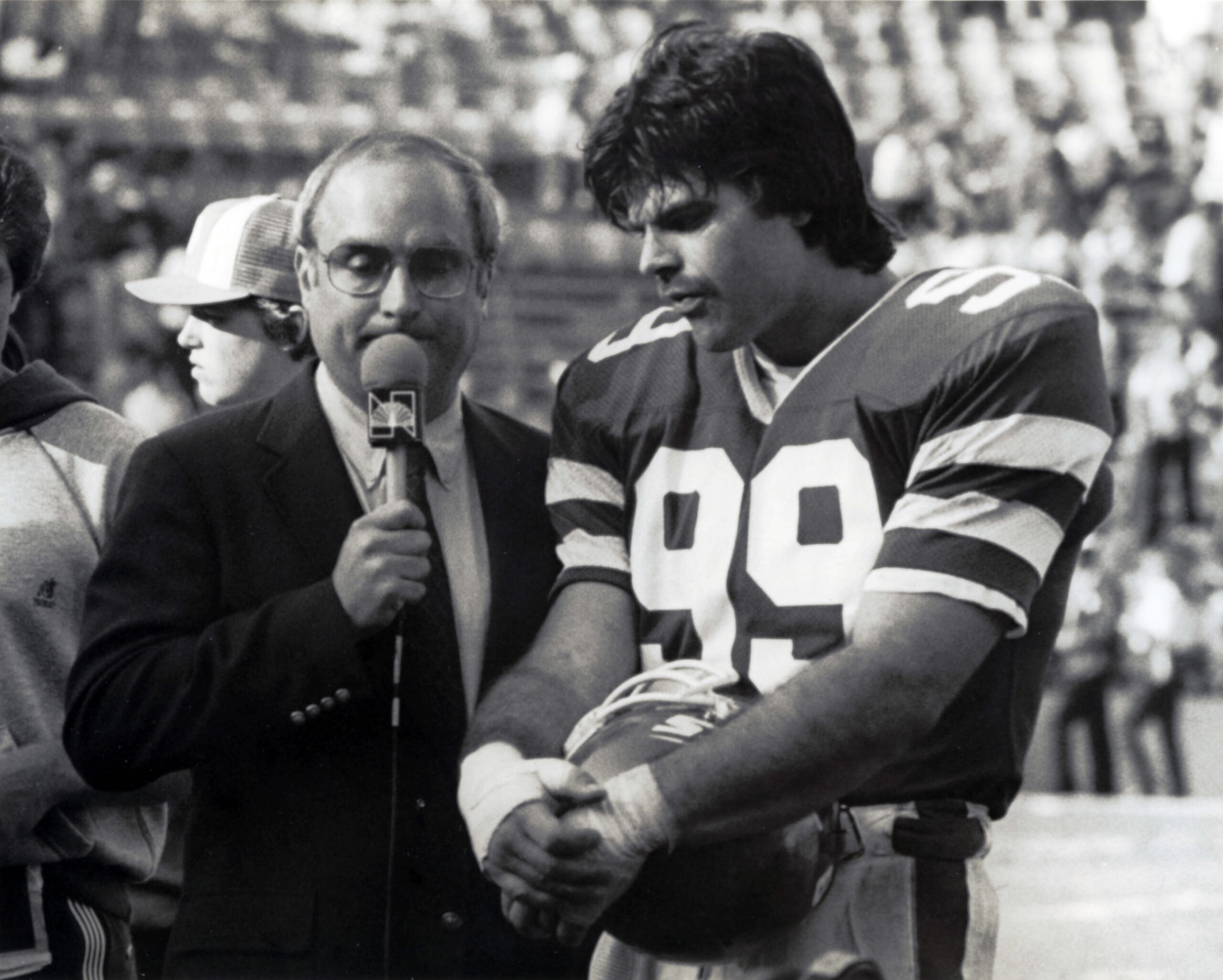
Dec 1982; Miami, FL, USA; FILE PHOTO; Mark Gastineau of the New York Jets gives an interview to an NBC reporter during the 1982 season. Mandatory Credit: Malcolm Emmons-Imagn Images
Most fans remember Strahan’s record. Fewer remember the man who held it first. That’s exactly Gastineau’s point. The documentary didn’t just replay a controversial sack. It cemented a version of history where Gastineau’s 17-year reign barely registers as a footnote. If the appeal succeeds, networks may need to compensate athletes not just for using their image but for how they frame it. If it fails, every retired player’s legacy sits in someone else’s editing room. Either way, the next “30 for 30” gets made differently. Should retired athletes have the right to control how their most controversial moments get framed in documentaries — or does ESPN have every right to tell the story? Drop your verdict in the comments.