

Confetti from Super Bowl LX barely swept off the field, and the defending champions already had a price tag dangling from the franchise. The Paul G. Allen estate announced a formal sale process for the Seattle Seahawks in February 2026, hiring Allen & Company and Latham & Watkins to run the biggest sports transaction anyone has ever attempted. Early projections from bankers and league insiders floated a number that made even billionaires flinch: up to $11 billion. Then the phone stopped ringing the way the NFL expected.
A 4,400% Return Decades in the Making
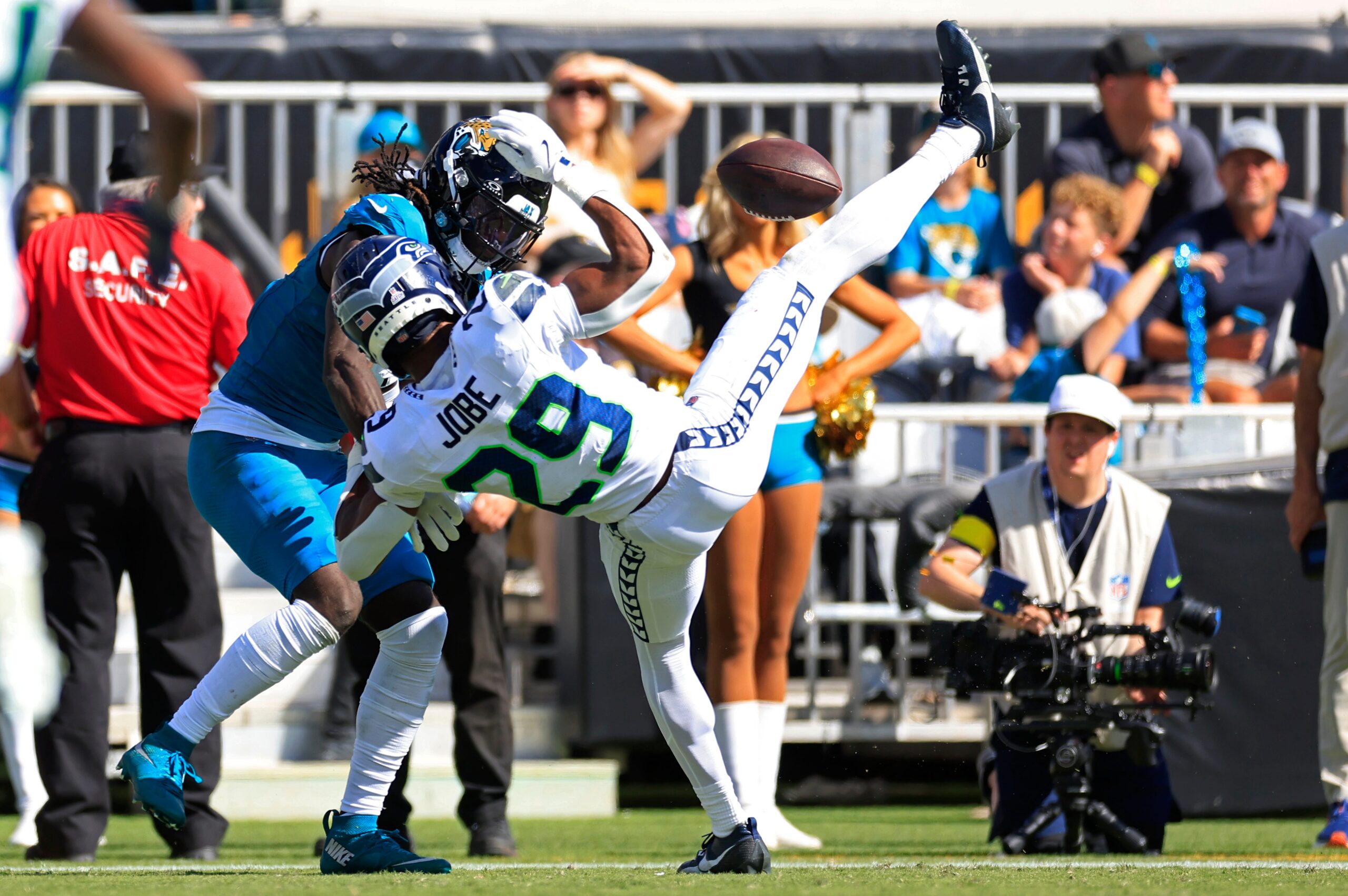
Jacksonville Jaguars wide receiver Brian Thomas Jr. (7) hauls in a reception and run for a touchdown score against Seattle Seahawks cornerback Josh Jobe (29) but was called back from an offensive penalty during the third quarter of an NFL football matchup, Sunday, Oct. 12, 2025, at EverBank Stadium in Jacksonville, Fla. The Seahawks defeated the Jaguars 20-12.
The Seahawks beat the New England Patriots in Super Bowl LX. That should have been rocket fuel for a sale. Championship teams carry premium valuations, or so every sports finance textbook claims. Paul Allen bought this franchise for roughly $200 million in 1997, saving it from relocation to Southern California. A sale above $9 billion would represent an estimated 4,400%-plus return, dwarfing the S&P 500’s broad long-term growth over the same stretch. Allen’s estate directed all proceeds to philanthropy, meaning every dollar counts twice.
The Myth Starts to Crack

Jacksonville Jaguars kicker Cam Little (39) follows his missed field goal during the second quarter of an NFL football matchup, Sunday, Oct. 12, 2025, at EverBank Stadium in Jacksonville, Fla. The Seahawks defeated the Jaguars 20-12.
According to ESPN, citing an owner, two team executives, and another executive with direct knowledge of the sale, the Seahawks haven’t generated the interest the NFL hoped for. The assumption was simple: Super Bowl champion plus scarcity equals bidding war. That assumption collided with a multi-billion-dollar liquidity wall. The NFL requires a controlling owner to hold a minimum 30% stake. At a $9 billion-plus price, that narrows the buyer pool to a handful of humans on Earth. Winning a championship, it turns out, cannot print liquidity.
Two Words That Changed the Story
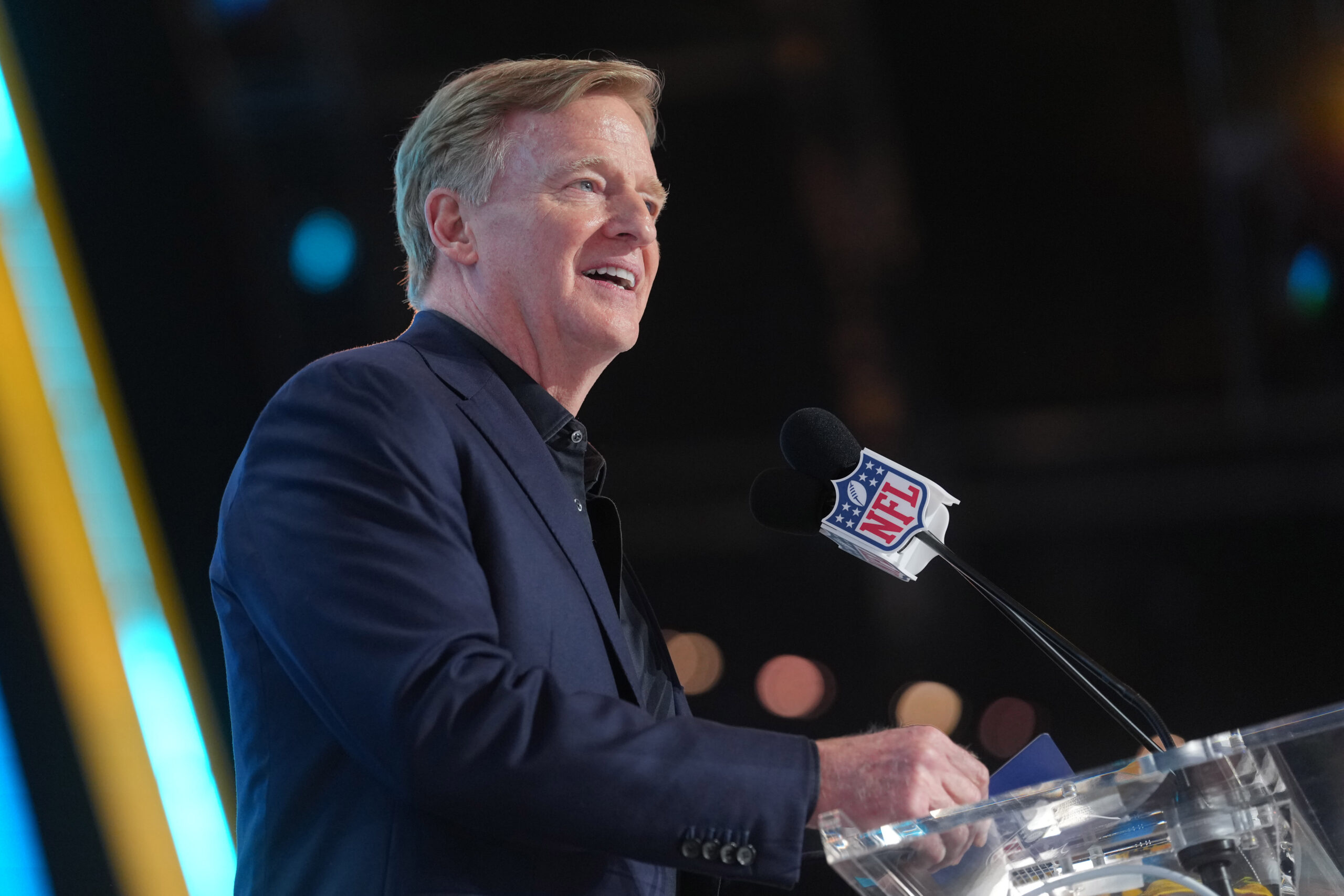
Apr 23, 2026; Pittsburgh, PA, USA; NFL commissioner Roger Goodell during the 2026 NFL Draft at Acrisure Stadium. Mandatory Credit: Kirby Lee-Imagn Images
“It’s soft,” a team owner told ESPN about the market for the Seahawks. Two words. From inside the league. Contradicting every public signal the NFL had been sending. Then Commissioner Roger Goodell went on the record and flatly rejected the characterization, insisting interest was not soft. His own league’s insiders said otherwise. Multiple sources confirmed it. Goodell denied it anyway. That gap between the commissioner’s podium and his owners’ private conversations tells you more about this sale than any dollar figure ever could.
The Invisible Velvet Rope
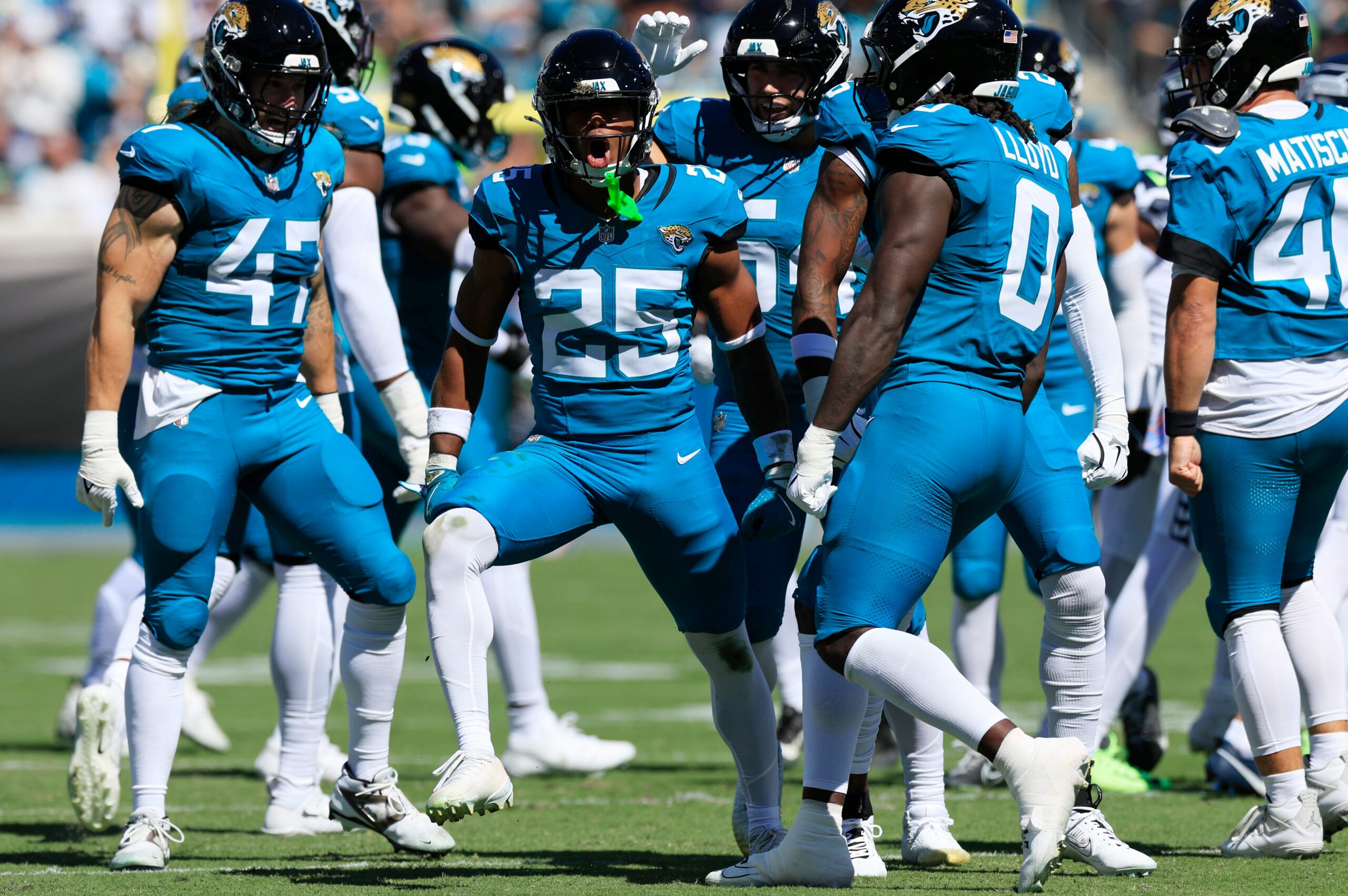
Jacksonville Jaguars safety Rayuan Lane III (25) reacts to his open field tackle on a kickoff return by Seattle Seahawks wide receiver Tory Horton (15) during the first quarter of an NFL football matchup, Sunday, Oct. 12, 2025, at EverBank Stadium in Jacksonville, Fla. The Seahawks defeated the Jaguars 20-12.
The soft market has nothing to do with desire. Plenty of people want an NFL team. The problem is the club’s entry requirements. NFL owners must ratify any purchase agreement. The league caps private equity investment at 10% per team. And the 30% controlling-stake requirement means a buyer needs billions in liquid capital before financing the rest. This franchise sale operates like a luxury auction where the bidding paddle itself costs more than most fortunes. Financial qualifications now outweigh Lombardi Trophies.
The Vanishing Billions
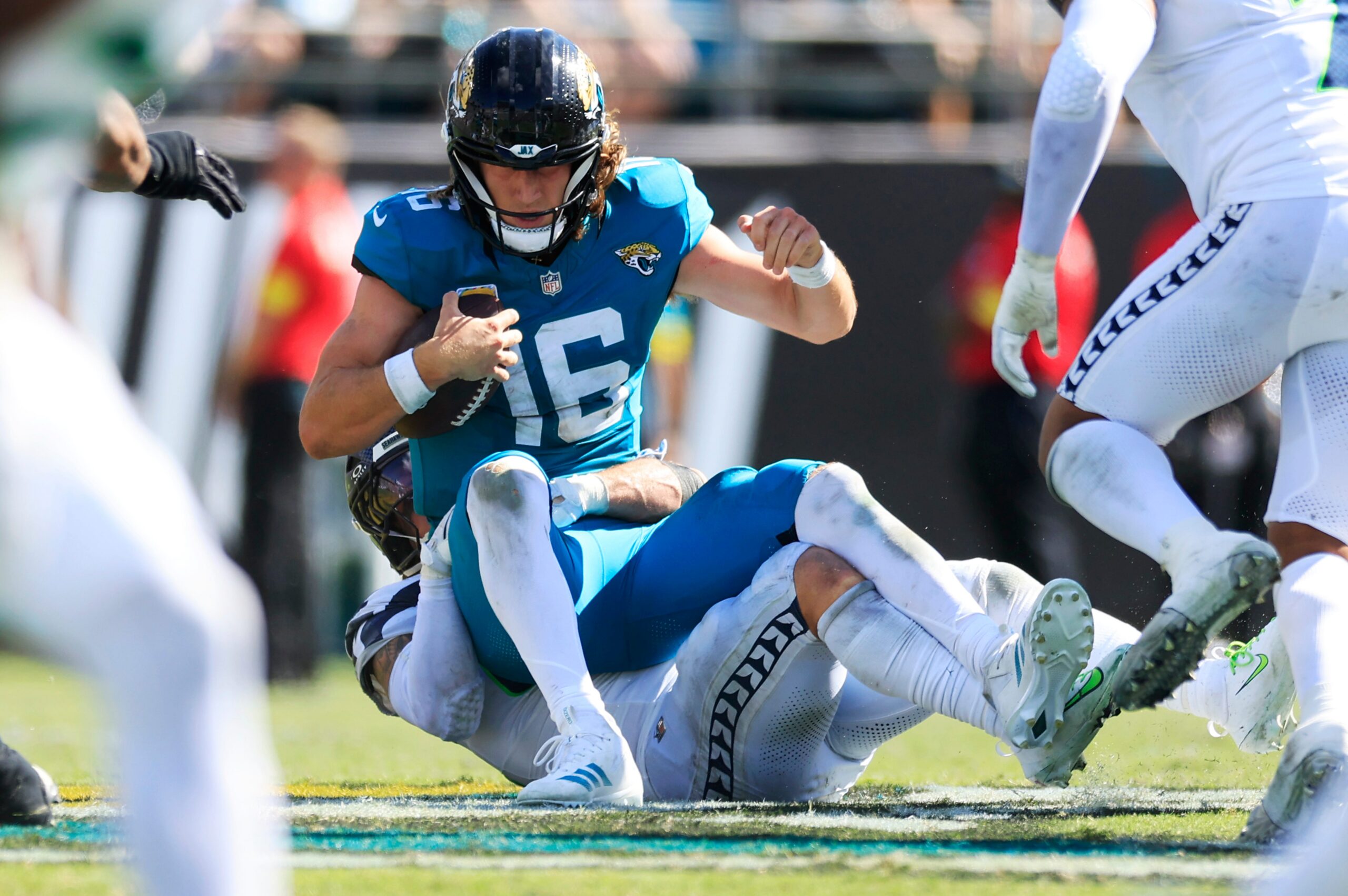
Jacksonville Jaguars quarterback Trevor Lawrence (16) is sacked by Seattle Seahawks linebacker Drake Thomas (42) during the third quarter of an NFL football matchup, Sunday, Oct. 12, 2025, at EverBank Stadium in Jacksonville, Fla. The Seahawks defeated the Jaguars 20-12.
Early speculation pegged the Seahawks at up to $11 billion. Current expectations from ESPN sources land above $9 billion, with some projections still pushing toward $10 billion. That gap represents a meaningful reduction from the initial ceiling. The previous NFL record was the Washington Commanders at $6.05 billion in 2023. Even at the lower end, the Seahawks shatter that mark. But “record-setting” and “disappointing” existing in the same sentence about the same franchise is the kind of financial irony that keeps Wall Street analysts awake at night.
The Bidders Who Showed Up
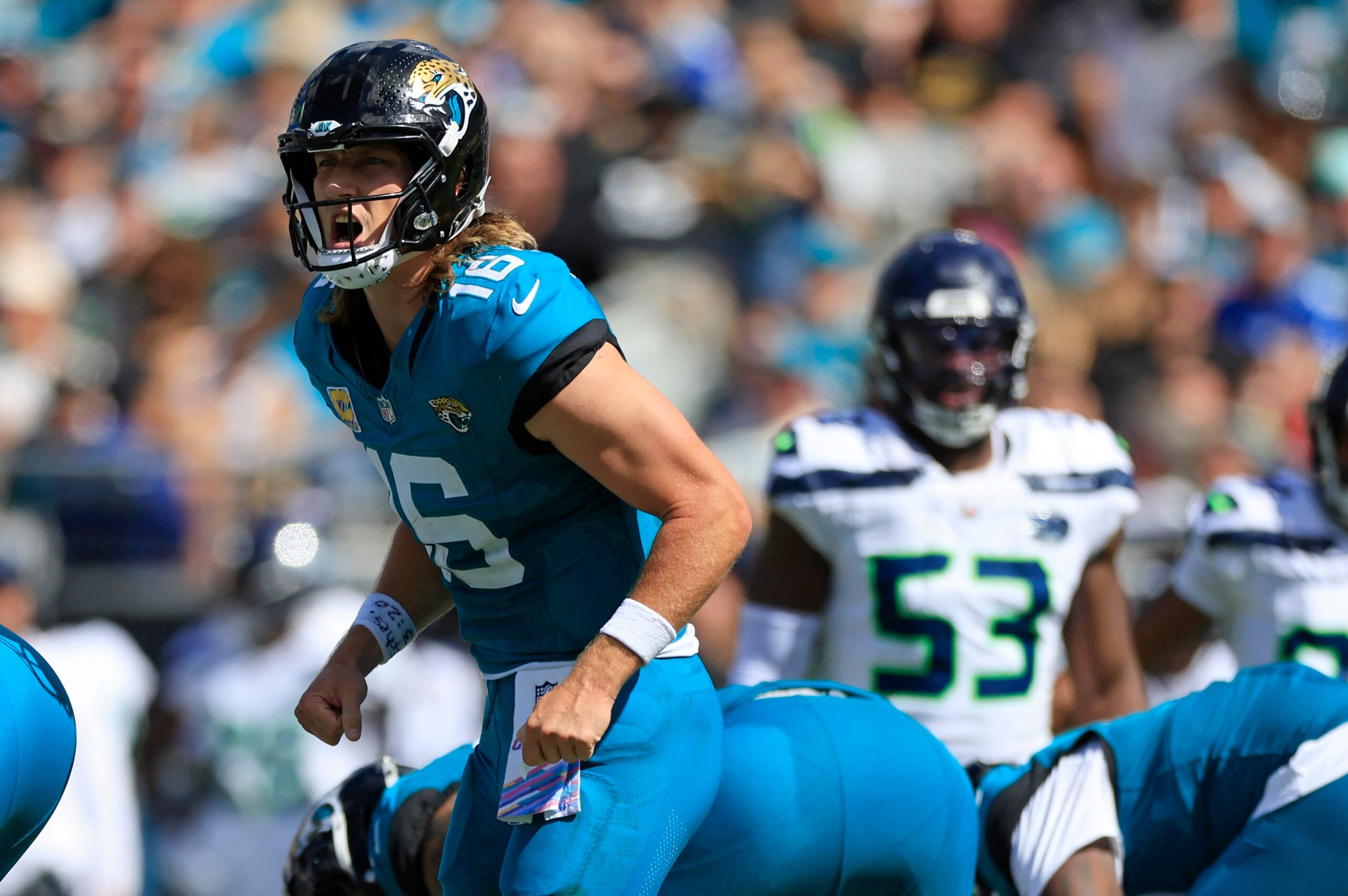
Jacksonville Jaguars quarterback Trevor Lawrence (16) calls a play during the second quarter of an NFL football matchup, Sunday, Oct. 12, 2025, at EverBank Stadium in Jacksonville, Fla. The Seahawks defeated the Jaguars 20-12.
Aditya Mittal, from one of India’s richest families and a Boston Celtics limited partner, is preparing a bid alongside Wyc Grousbeck, the Celtics’ former controlling owner. Separately, Vinod Khosla, a billionaire who acquired a minority stake in the San Francisco 49ers in 2025, is mounting his own bid. Mark Zuckerberg and Tim Cook were both rumored as buyers. Both denied it. “Glad we could intercept the rumors on this one,” a Meta spokesperson said. Some of the biggest names walked away. The remaining field is thin.
A New Rule, Not an Exception
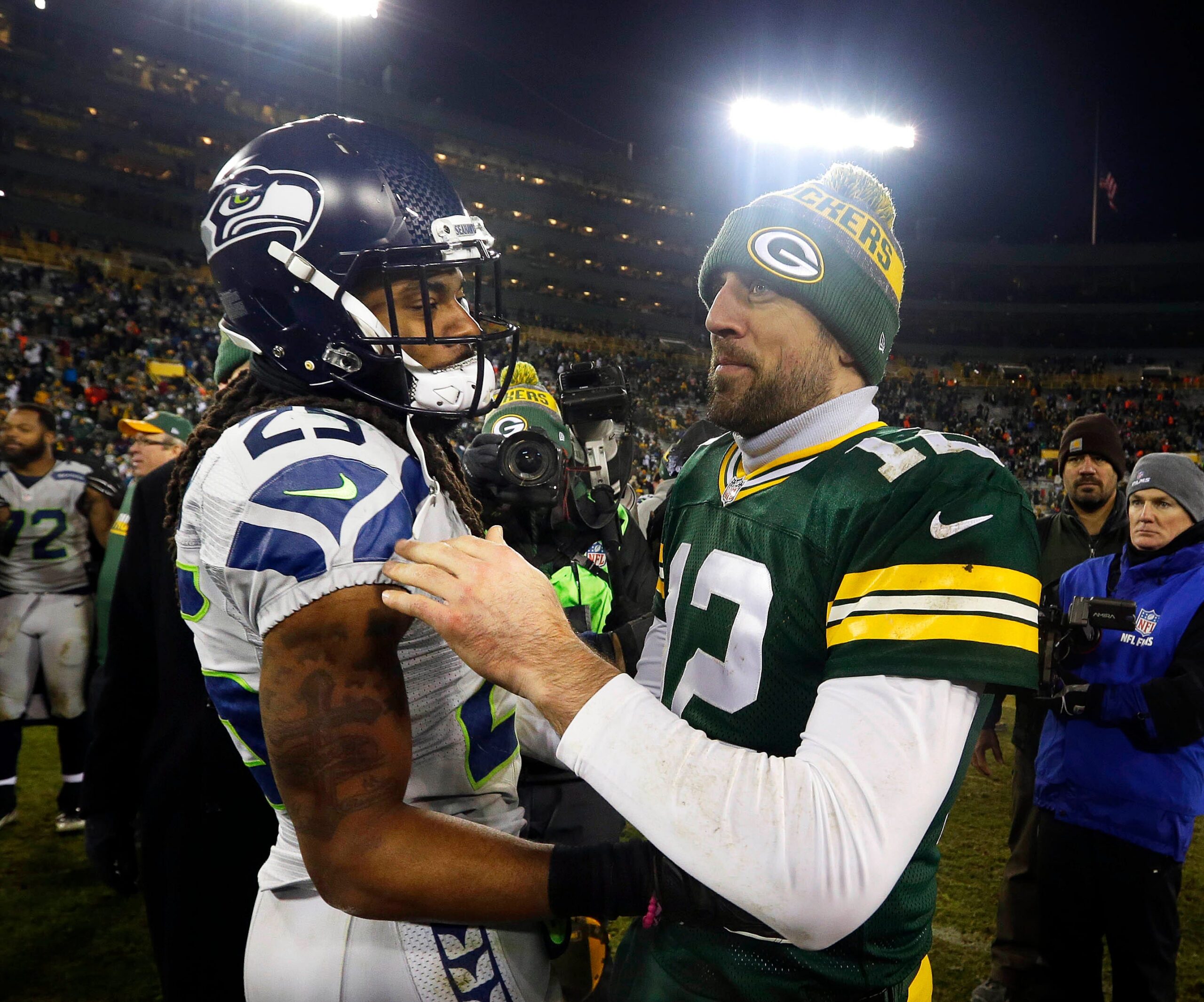
Green Bay Packers quarterback Aaron Rodgers (12) greets Seattle Seahawks cornerback Richard Sherman (25) after the Green Bay Packers 38-10 win over the Seattle Seahawks during the NFL football game at Lambeau Field in Green Bay Wisconsin, Sunday, December 11, 2016. Milwaukee Journal Sentinel photo by Rick Wood/RWOOD@JOURNALSENTINEL.COM ORG XMIT: 20090496A
Under the public financing agreement for Lumen Field, selling before 2024 would have triggered a significant tax penalty, which explains why the estate waited years after Allen’s 2018 death. That patience maximized value on paper. But the NFL’s finance committee is now watching this sale to determine whether the league’s 10% private equity cap needs changing. Once you see it, the pattern is clear: franchise prices have outgrown the pool of individuals who can actually buy them. Championship performance no longer sets the ceiling. The buyer’s bank account does.
The Dominoes Still Falling
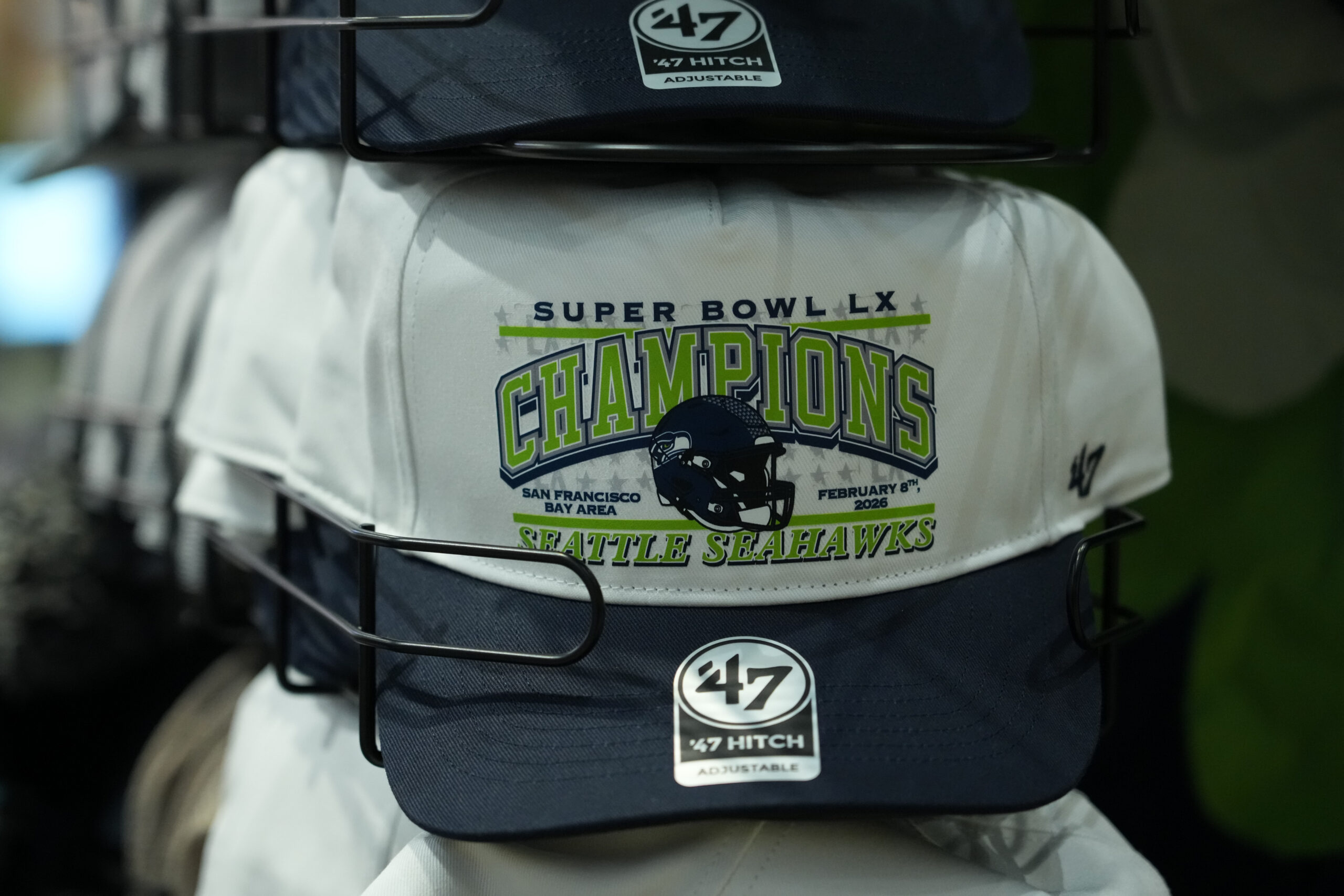
Feb 11, 2026; Seattle, WA, USA; Seattle Seahawks Super Bowl LX champions 47 brand hats at the Hudson store at the Seattle-Tacoma International Airport. Mandatory Credit: Kirby Lee-Imagn Images
If the Seahawks struggle to attract a deep bidder pool at $9 billion with a fresh championship, smaller-market teams without recent success face an even bleaker outlook. Private equity firms are already pushing to expand beyond the 10% investment cap. Other NFL owners considering sales may delay, hoping the rules loosen before they list. A potential bidding war among the remaining qualified buyers could still push the price toward $10 billion, but the estate’s philanthropic mandate means accepting less than maximum hurts a cause, not just a balance sheet.
The Fight Nobody Sees Coming
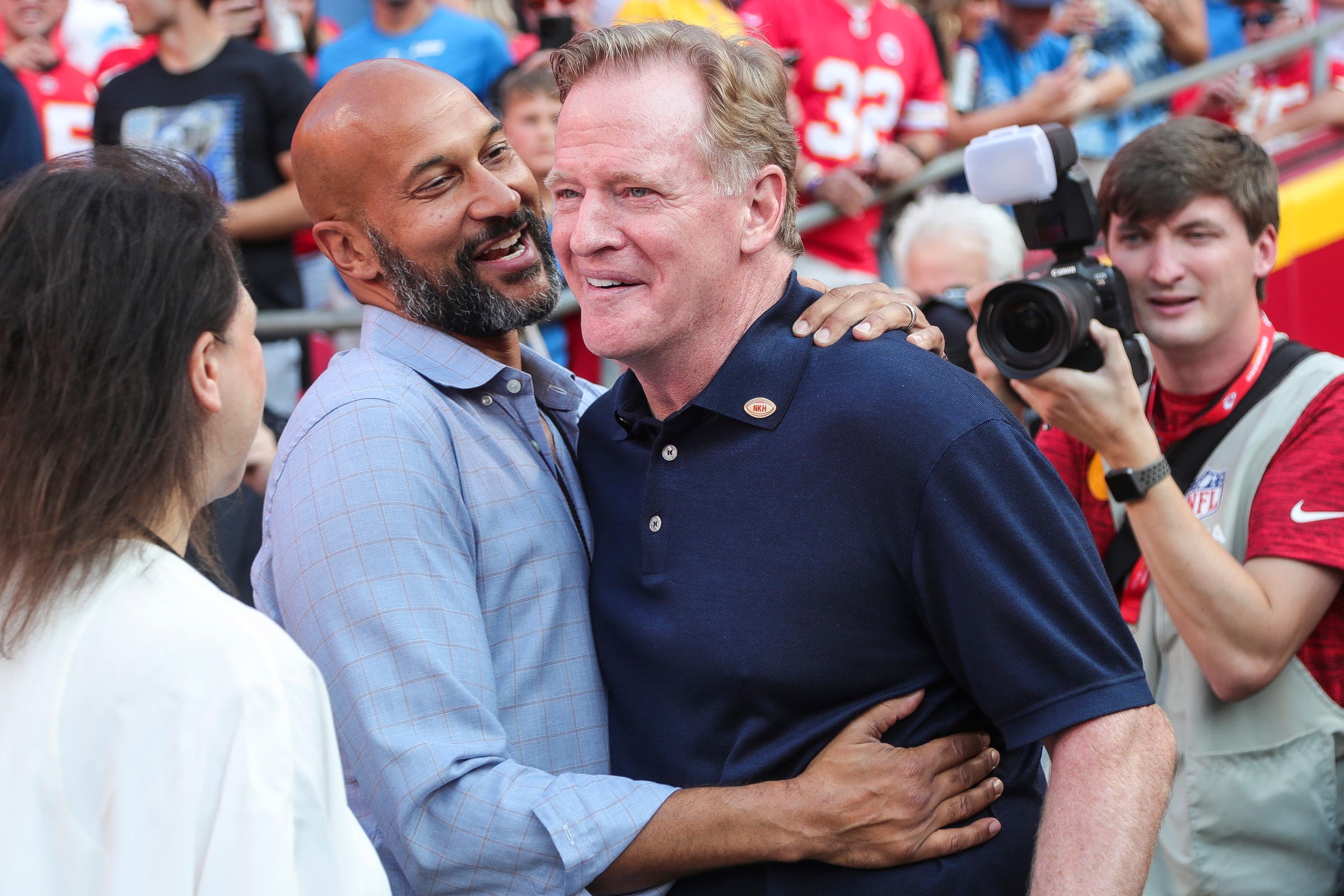
NFL commissioner Roger Goodell talks to actor Keegan-Michael Key ahead of the season opener between the Detroit Lions and the Kansas City Chiefsat Arrowhead Stadium in Kansas City, Missouri on Thursday, Sept. 7, 2023.
The sale continues through the 2026 off-season, with NFL owners holding final ratification power over any deal. The real battle ahead is whether the league rewrites its ownership rules to match its own price tags. Goodell can deny “soft” all he wants. The math doesn’t care about press conferences. Most people will remember this as a record sale. The people who understand what actually happened will know the defending Super Bowl champions couldn’t fill a bidding room, and the NFL’s own financial architecture is the reason. Who do you believe — Goodell’s “interest is strong” line, or the owners whispering “it’s soft”? And if you had $2.7 billion in cash sitting around, would you bid? Tell us in the comments.