
The linebackers coach hadn’t stolen signs. Hadn’t cheated. His alleged crime was telling a player he had the right to talk to a lawyer. Michigan’s attorneys had ordered coaches not to communicate with athletes during the NCAA investigation, according to his lawsuit. And the university made him pay for it with his career.
The Scandal That Swallowed Everyone
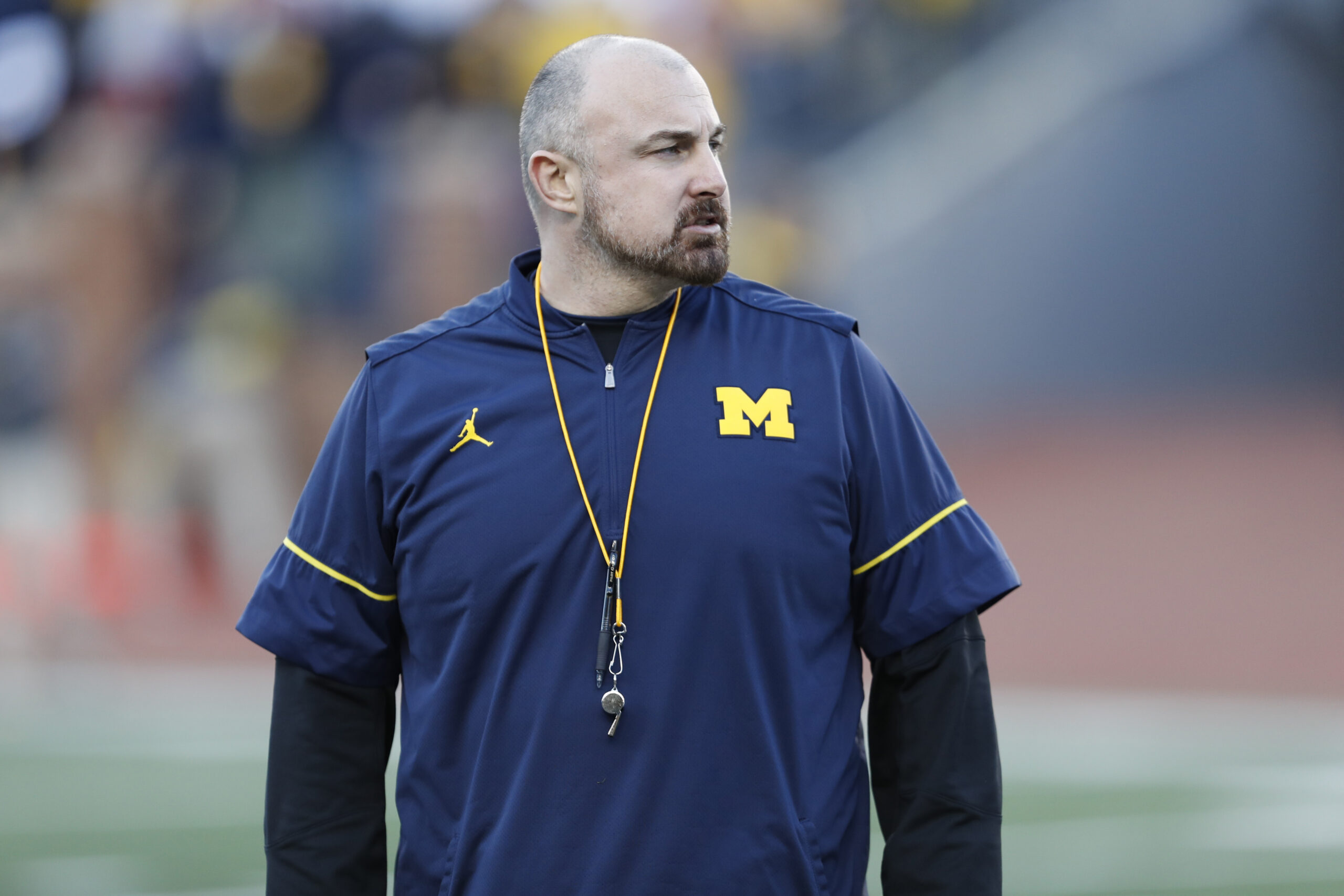
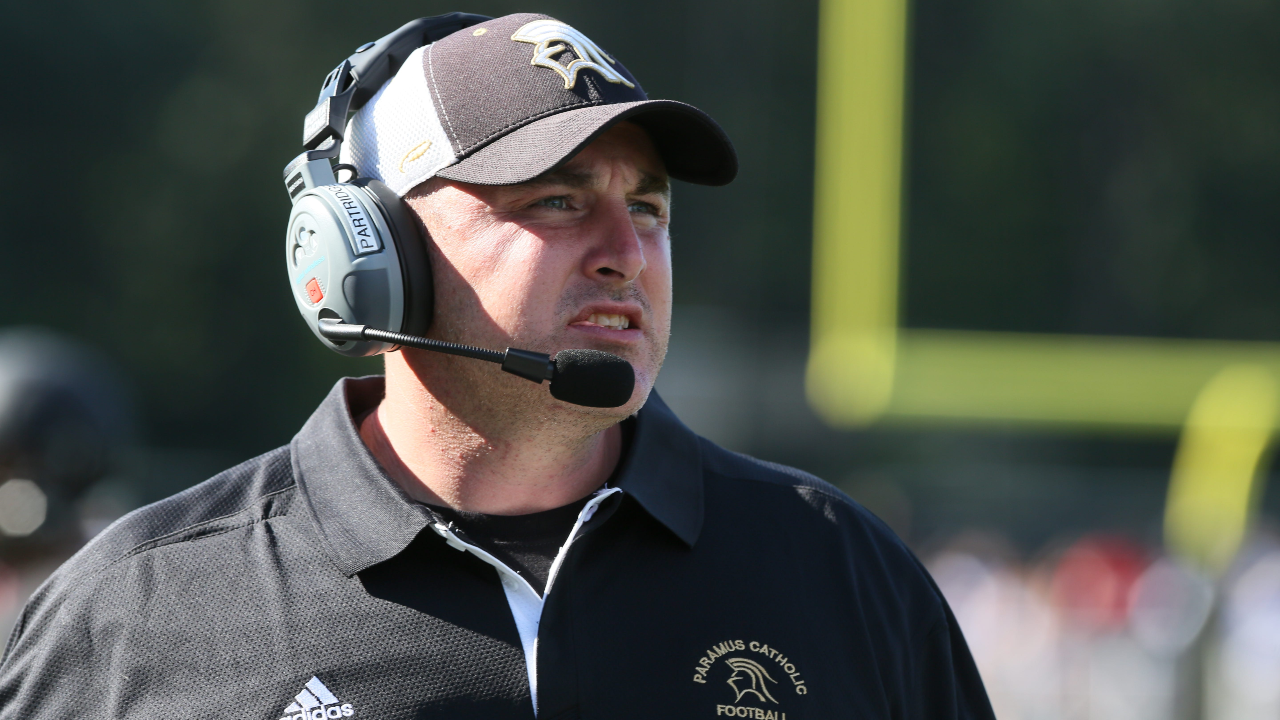
Apr 13, 2019; Ann Arbor, MI, USA; Michigan Wolverines special teams coordinator Chris Partridge looks on during the spring football game at Michigan Stadium. Mandatory Credit: Raj Mehta-Imagn Images
Michigan’s sign‑stealing investigation consumed the program during its 2023 national championship run. Connor Stalions ran the operation. The NCAA came asking questions. The Big Ten applied pressure. And the university needed bodies to offer up. Partridge, a linebackers coach who was not accused of participating in the scouting scheme, became one of those bodies. Michigan presented evidence that he had not been forthright during the investigation and linked him to the handling of potential evidence. Both allegations are now being challenged in court by Partridge, who says they were used to justify an unjust firing.
The Advice That Cost Everything
Christopher Decker, Deputy First Assistant Monmouth County Prosecutor, delivers his closing summation during Paul Caneiro’s trial before State Superior Court Judge Marc C. Lemieux Wednesday, February 11, 2026, at the Monmouth County Courthouse in Freehold, NJ. Caneiro is facing numerous charges including the murders of his brother, sister-in-law and their two children in Colts Neck in 2018.
Most people assume that if a governing body clears you, your employer treats you fairly. Partridge’s case obliterates that assumption. His lawsuit claims he told a former student‑athlete to speak with his father and then an attorney before an upcoming NCAA interview. That’s it, he says. That was the fireable offense. Michigan’s athletic director Warde Manuel allegedly used Partridge as a scapegoat to help shield the program during the fallout with Big Ten commissioner Tony Petitti and the NCAA. In Partridge’s telling, the institution chose self‑preservation over a coach’s constitutional rights.
Cleared by the NCAA, Destroyed by Michigan
State Superior Court Judge Marc C. Lemieux answers questions related to evidence for jurors during Paul Caneiro’s trial Friday, February 13, 2026, at the Monmouth County Courthouse in Freehold, NJ. Caneiro is facing numerous charges including the murders of his brother, sister-in-law and their two children in Colts Neck in 2018.
In 2025, the NCAA Committee on Infractions cleared Partridge of wrongdoing tied to the investigation. He received near total exoneration on three separate alleged violations, including failure to cooperate. Every accusation Michigan used to justify firing him in that process effectively collapsed. The man they said destroyed evidence hadn’t destroyed evidence. The man they said obstructed an investigation hadn’t obstructed anything. He told a kid to call a lawyer. Michigan fired him for it. The NCAA’s ruling said the case record did not demonstrate that his alleged violations occurred.
The Machine Behind the Firing
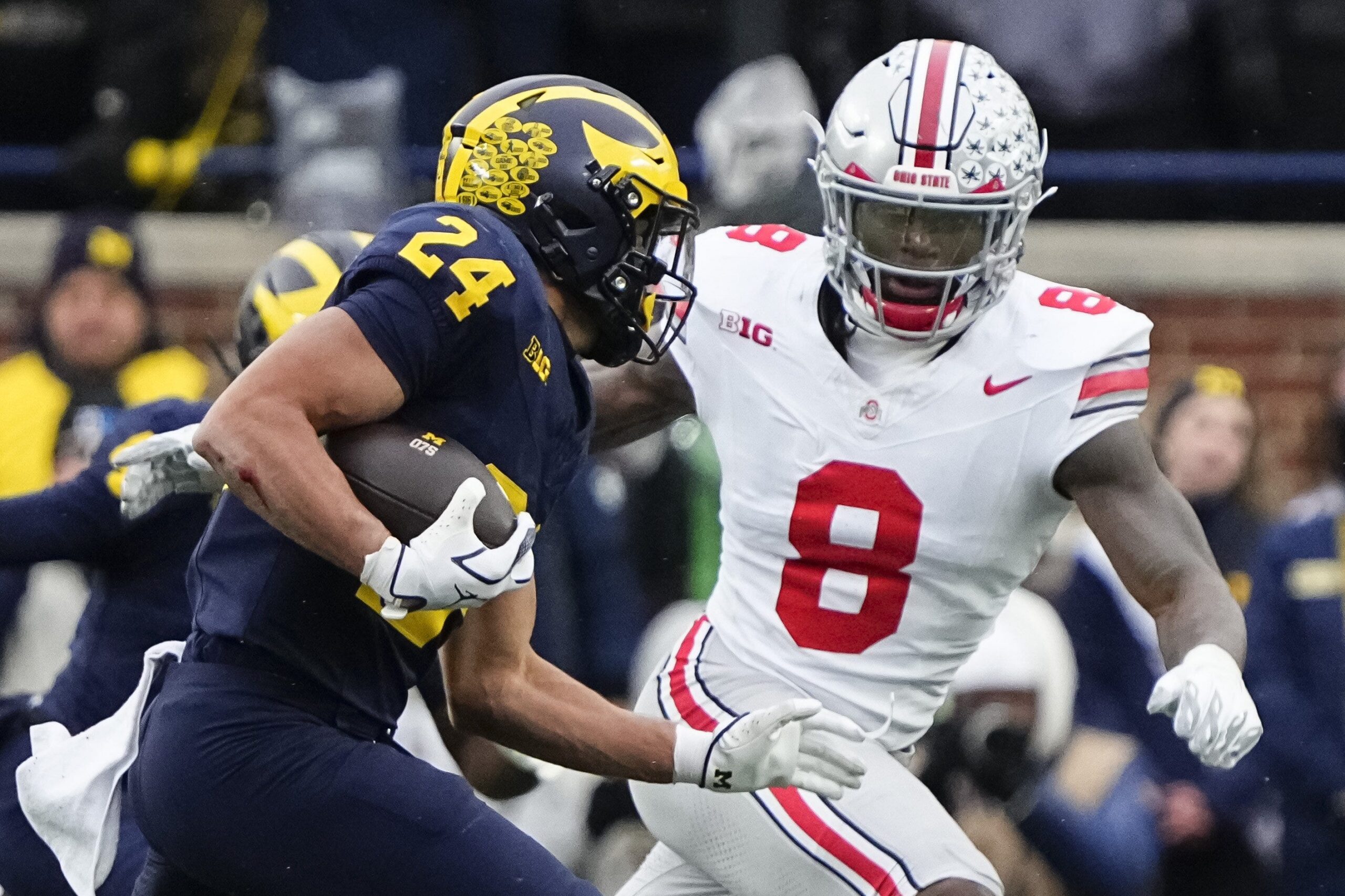
Ohio State Buckeyes linebacker Arvell Reese (8) pursues Michigan Wolverines running back Bryson Kuzdzal (24) during the NCAA football game at Michigan Stadium in Ann Arbor, Mich. on Nov. 29, 2025. Ohio State won 27-9.
Here’s what makes this case cut deeper than one coach’s story. Michigan claims to protect student‑athletes, yet allegedly punished someone for advising legal representation. Think about that for a second. A university that promotes academic integrity is now accused of building a false narrative about a staff member to satisfy an outside governing body. His legal team put it plainly: Partridge “was a scapegoat who was wrongly fired simply because he told a player he had the right to have counsel.” The institution that should have given that advice punished the man who did.
The Numbers Behind the Wreckage
People participate in a naturalization ceremony to become U.S. citizens at the United States District Court for the Northern District of Indiana on Friday, Jan. 9, 2026, in South Bend.
Partridge filed his wrongful termination lawsuit on March 11, 2026, in U.S. District Court for the Eastern District of Michigan. He named the university, its Board of Regents, and athletic director Warde Manuel as defendants. The suit alleges violations of his constitutional rights under 42 U.S.C. § 1983, along with claims of retaliation and failure to train or supervise. He seeks damages for lost wages, reputational harm, and emotional distress. His lawsuit also alleges Michigan spread “false and damaging information regarding his professional conduct.”
Ripple Effects Across College Athletics
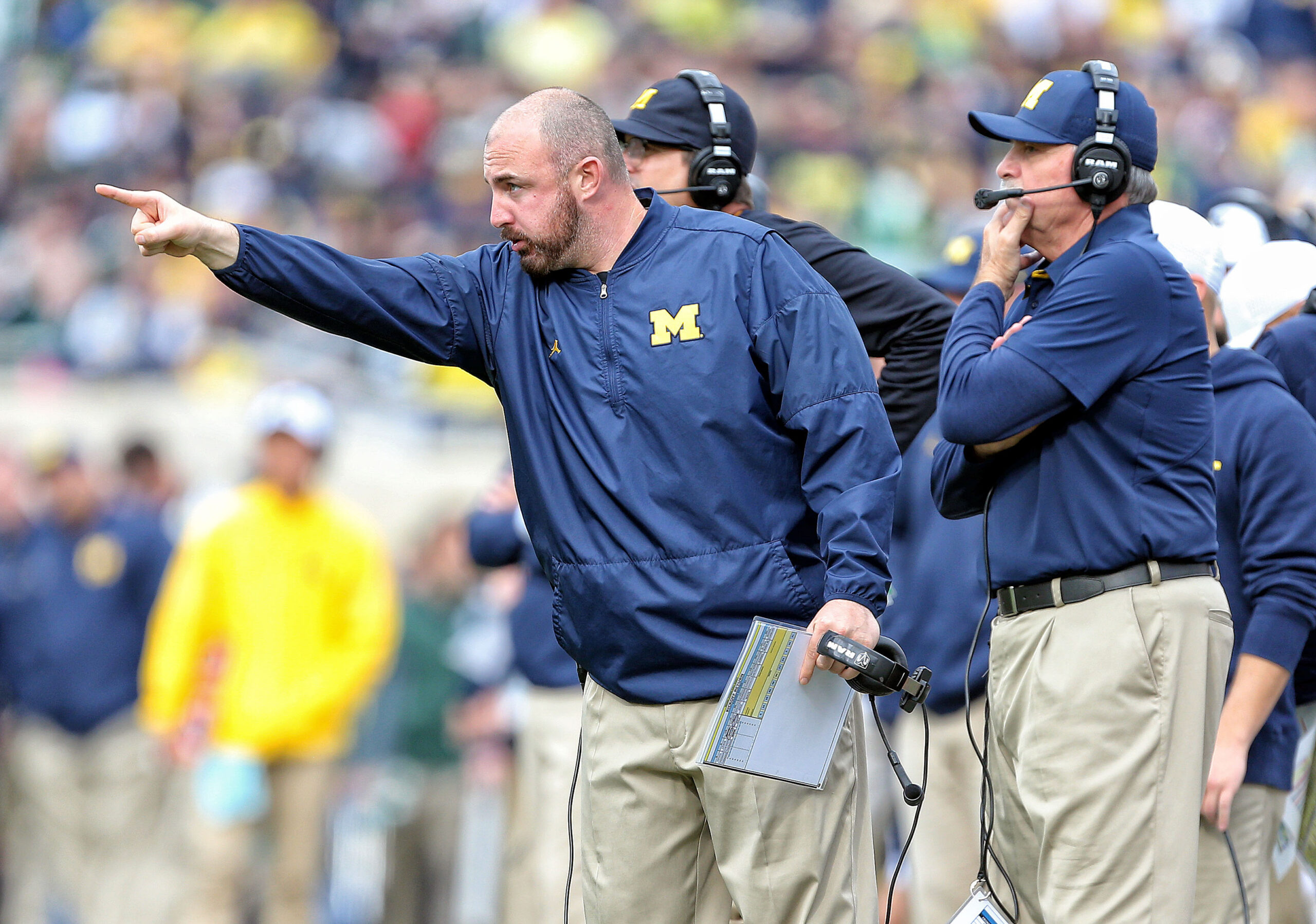
Oct 29, 2016; East Lansing, MI, USA; Michigan Wolverines linebacker coach Chris Partridge gestures to his players during the first quarter of a game at Spartan Stadium. Mandatory Credit: Mike Carter-Imagn Images
If Partridge wins, every assistant coach in America takes notice. The case could establish that universities cannot fire employees for encouraging legal representation during investigations. Other coaches may already be more cautious about advising players, which, honestly, is the worst possible outcome for athlete welfare. Michigan faces potential financial liability and reputational damage that extends far beyond one courtroom. Other staff members who believe they were scapegoated in past scandals now have a roadmap. The institution’s legal bill alone could reach the high six‑figure range defending against these claims.
A Pattern, Not an Exception
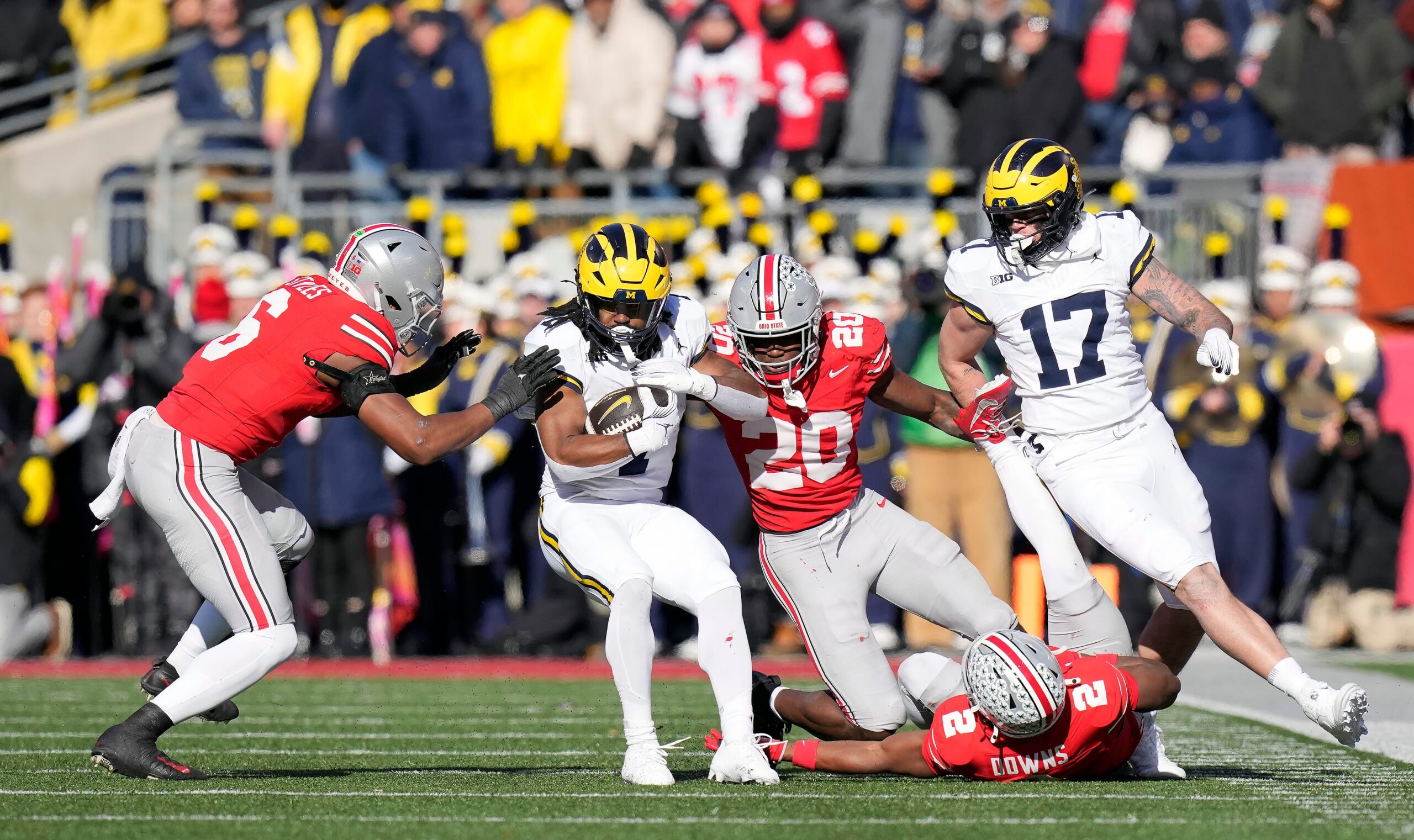
Ohio State Buckeyes safety Sonny Styles (6) and Ohio State Buckeyes linebacker Arvell Reese (20) tackle Michigan Wolverines running back Donovan Edwards (7) on a run during the second quarter of the NCAA football game at Ohio Stadium in Columbus on Saturday, Nov. 30, 2024.
This wasn’t a one‑time miscalculation. NCAA clearance doesn’t protect employees from institutional punishment. Athletic departments often sacrifice staff members to shield head coaches and institutional reputation. Once you see that pattern, it appears everywhere: mid‑level employees absorb the blast while leadership walks away clean. Partridge’s case represents a new phase in the relationship between universities and the NCAA regarding employee rights. The NCAA decided not to vacate Michigan’s victories despite the scandal, creating a circumstance where the wins survived but the coach who was later cleared didn’t.
From Rock Bottom to the Lombardi Trophy
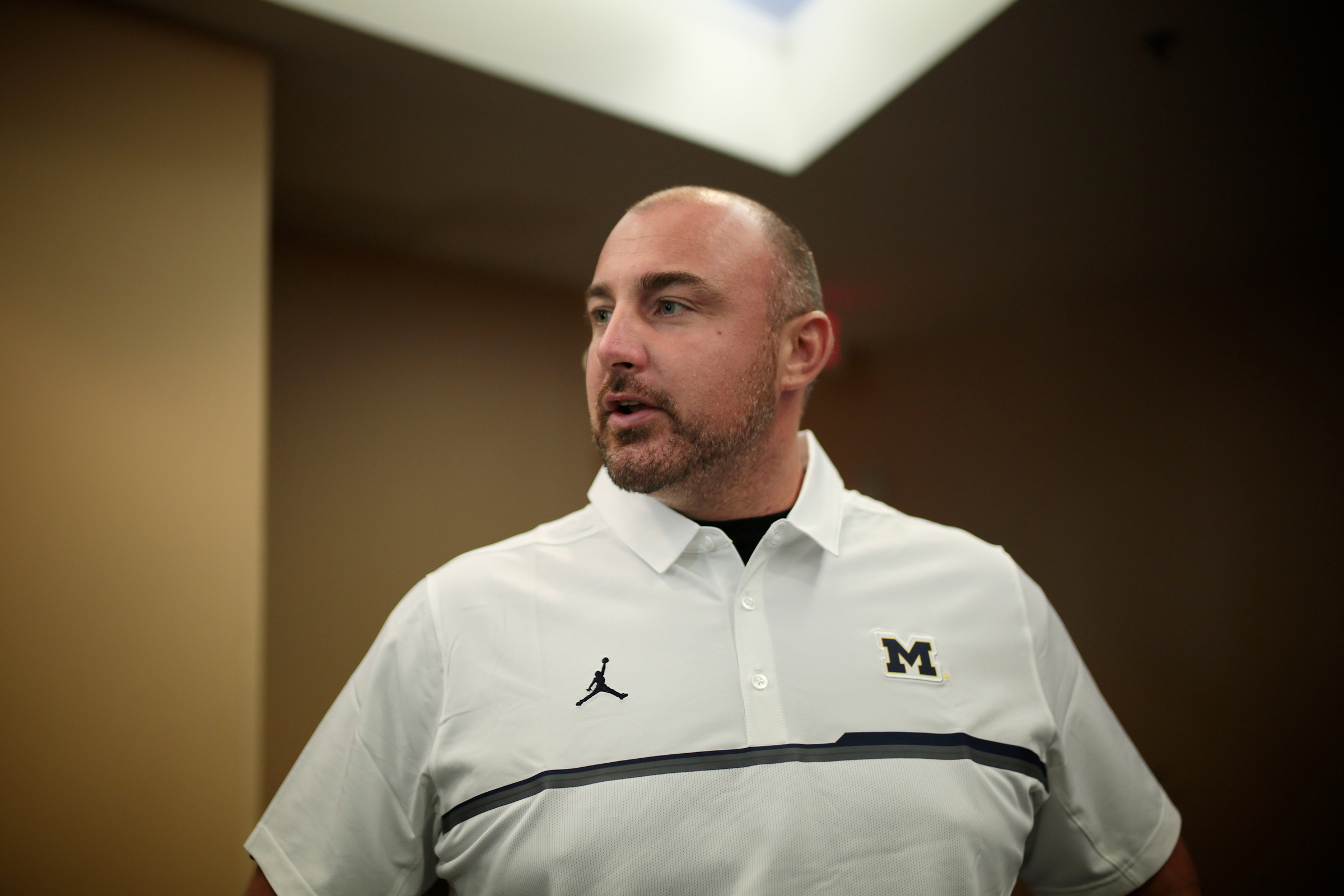
Aug 7, 2016; Ann Arbor, MI, USA; Michigan Chris Partridge, LB Coach/Special Teams Coach, speaks to reporters during University of Michigan football team Media Day event. Mandatory Credit: Salwan Georges-USA TODAY NETWORK
Partridge landed with the Seattle Seahawks as an outside linebackers coach on Mike Macdonald’s staff. Then he helped them win Super Bowl LX, beating the Patriots 29–13. A coach Michigan deemed too toxic to employ proved himself on football’s biggest stage. Fired in November 2023. Super Bowl champion coach a little more than two years later. Now he is suing the institution that, in his view, tried to bury him. If Partridge prevails, a wave of similar lawsuits could follow from wrongfully terminated staff across college athletics. Universities may respond by tightening employment contracts and internal policies to limit future liability.
The Fight Michigan Can’t Dismiss
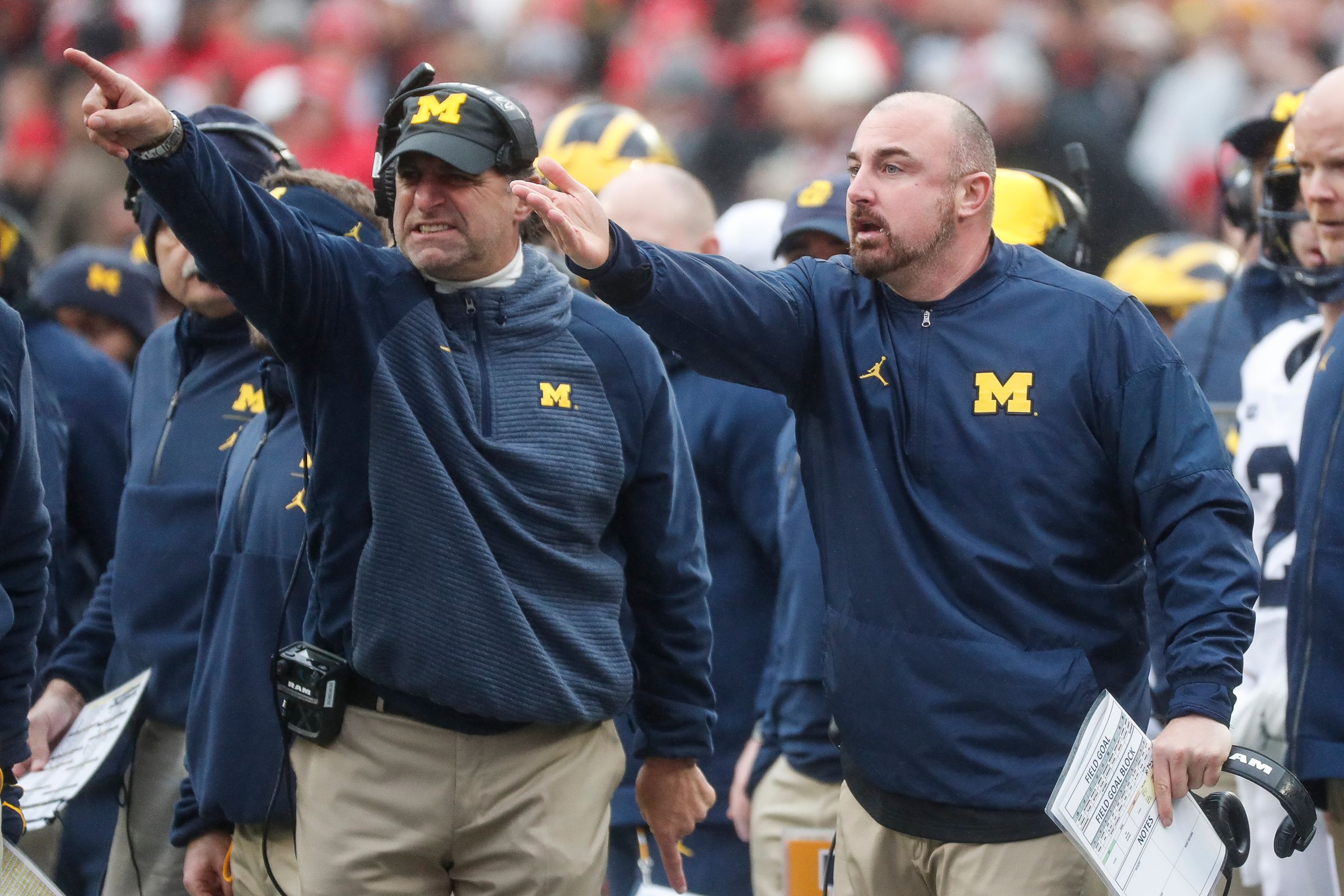
Michigan cornerback coach Michael Zordich, left, and safeties coach and special team coordinator Chris Partridge react to a call by the referee during the first half against Ohio State at Ohio Stadium in Columbus, Ohio, Saturday, Nov. 24, 2018. Michael Zordich, Chris Partridge
Michigan wants this lawsuit thrown out. Partridge wants the truth to come to light. The federal court will decide whether a public university can fire a coach for telling a player to call a lawyer, see the NCAA later conclude that his alleged violations were not demonstrated, and face zero consequences. Every working person who has ever feared being sacrificed by their employer to protect the company’s image should be watching this case. That fear isn’t paranoia. For Chris Partridge, it was a Tuesday in Ann Arbor that cost him everything except his ability to fight back. So where do you draw the line between protecting a program and protecting the people who work inside it