
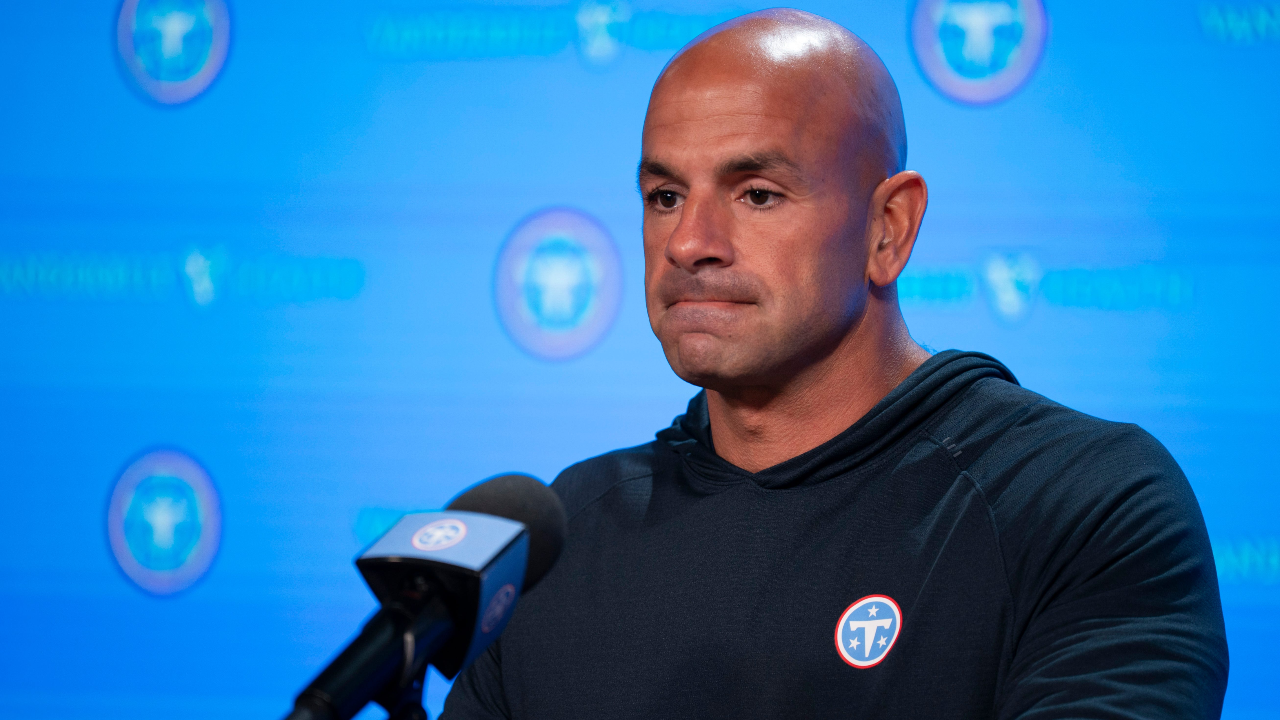
Robert Saleh stood at the podium in Nashville and talked about food. Not playbooks, not draft picks, not the defensive scheme he built his reputation on. Food. The new Titans head coach wanted everyone to know that one of his first acts in charge involved the team kitchen. Specifically, what came out of it. Bottles of canola and soybean oil in the building got pulled. “One of the first things I think we did here is get rid of all the seed oils in the building,” Saleh said. The players, he added, appreciate it. The nation’s top medical researchers had a different reaction entirely.
Saleh’s Top Priority Wasn’t Defense
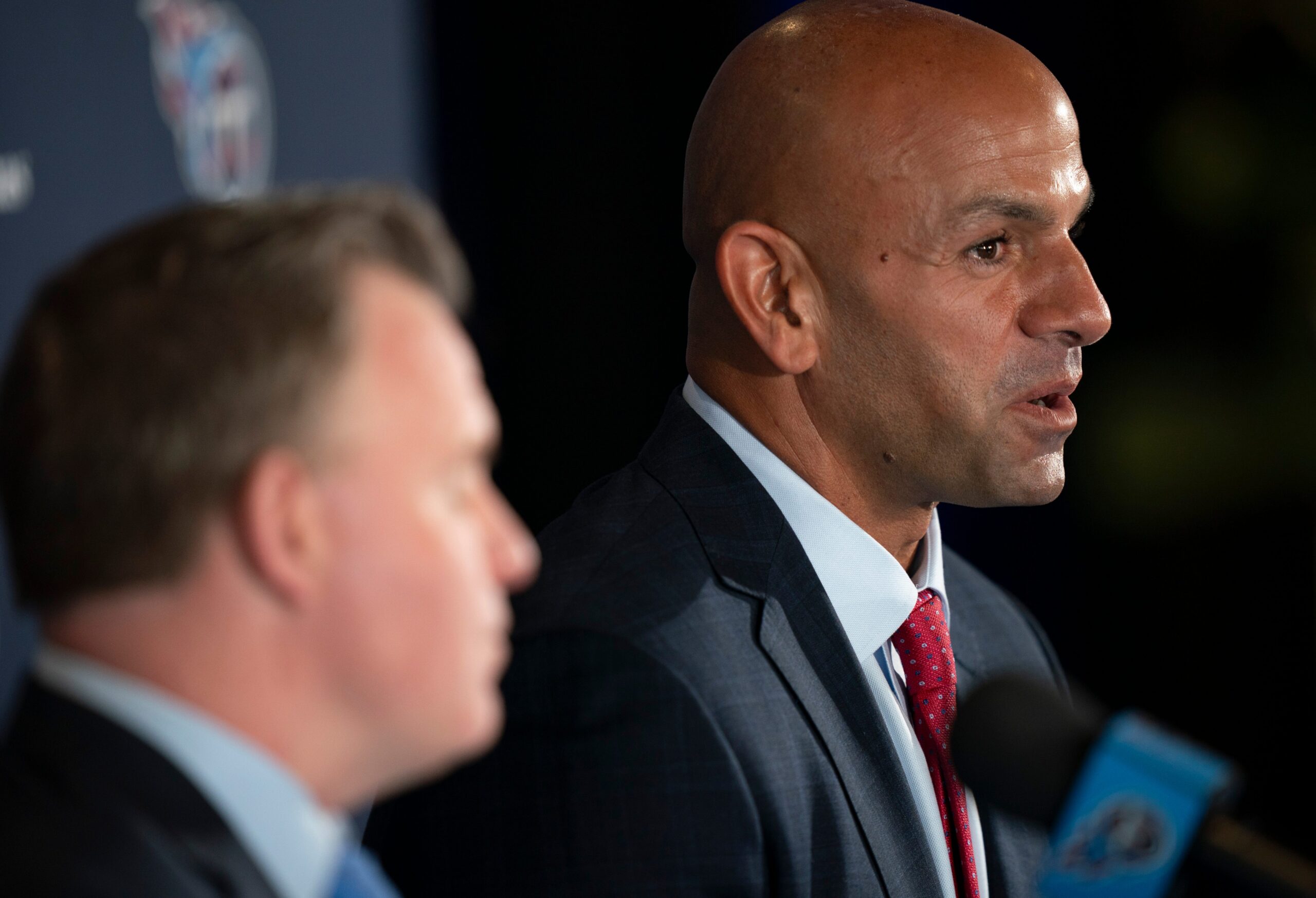
Tennessee Titans general manager Mike Borgonzi, left, and new head coach Robert Saleh field questions by the media at the new head coach’s introductory press conference at Ascension Saint Thomas Sports Park in Nashville, Tenn., Thursday, Jan. 29, 2026.
NBC Sports confirmed that removing seed oils ranked as a top priority for Saleh after he took the job. Not scheme installation. Not roster evaluation. Cooking oil. The team’s owner backed the budget, letting staff overhaul the cafeteria with non-seed-oil alternatives. The Titans framed this as a performance edge ahead of the 2026 season, a signal that the new regime would control every variable it could touch. But the variable Saleh chose to control first happens to be one that major cancer hospitals still recommend patients consume.
The Myth That Built the Ban
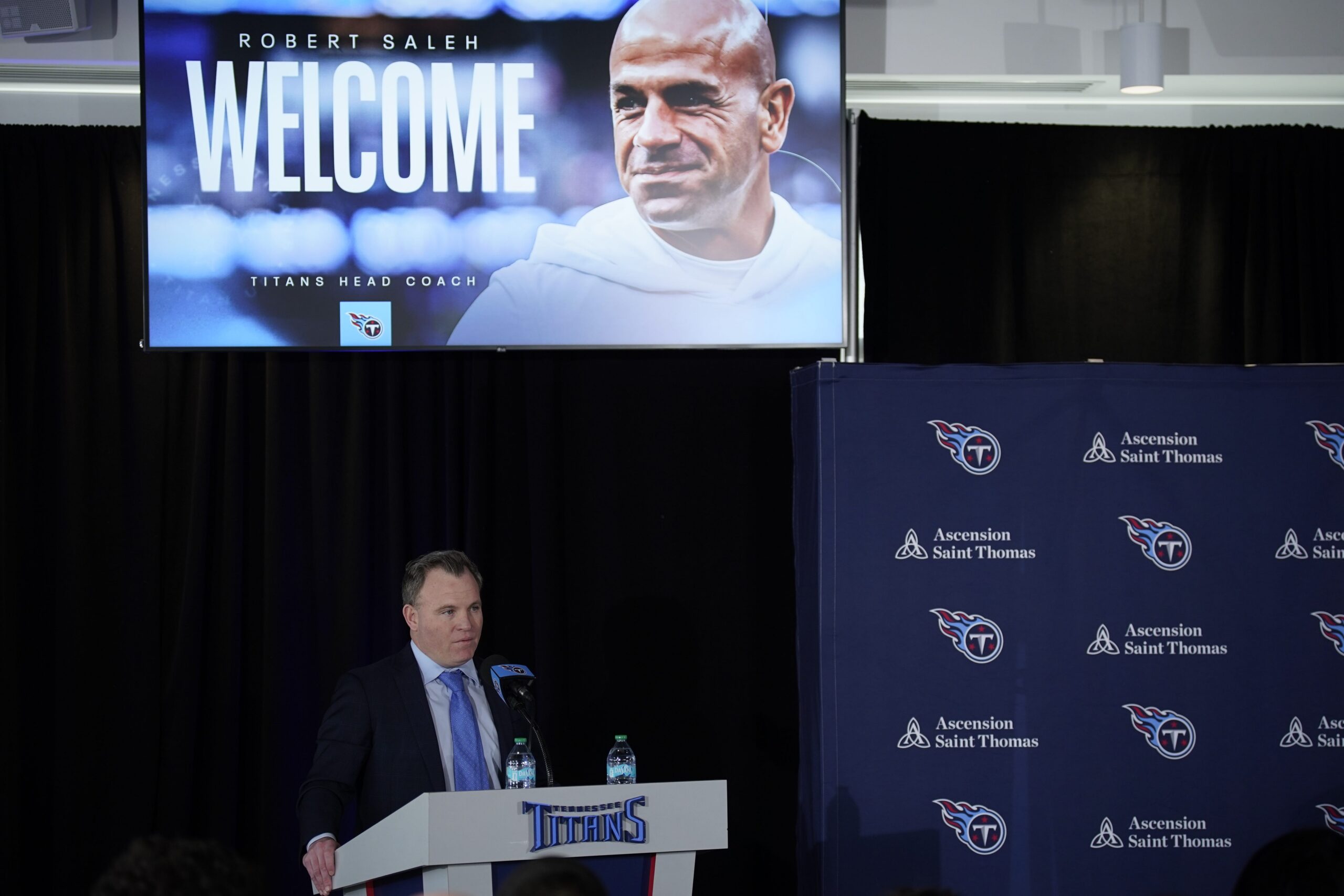
Tennessee Titans general manager Mike Borgonzi speaks before the introduction of new coach Robert Saleh at Ascension Saint Thomas Sports Park in Nashville, Tenn., Thursday, Jan. 29, 2026.
Online wellness culture has spent years casting seed oils as inflammatory poison. Influencers warn followers to check every label. The assumption spreading across social media is simple: if a pro football team bans seed oils, the science must finally support what clean-eating gurus have been saying. Except Johns Hopkins, Memorial Sloan Kettering, UCLA Health, and the Academy of Nutrition and Dietetics all say the opposite. Published research has consistently linked higher linoleic acid intake to lower inflammatory markers, not higher. The internet built a villain. The data never convicted it.
The Numbers That Shatter the Narrative
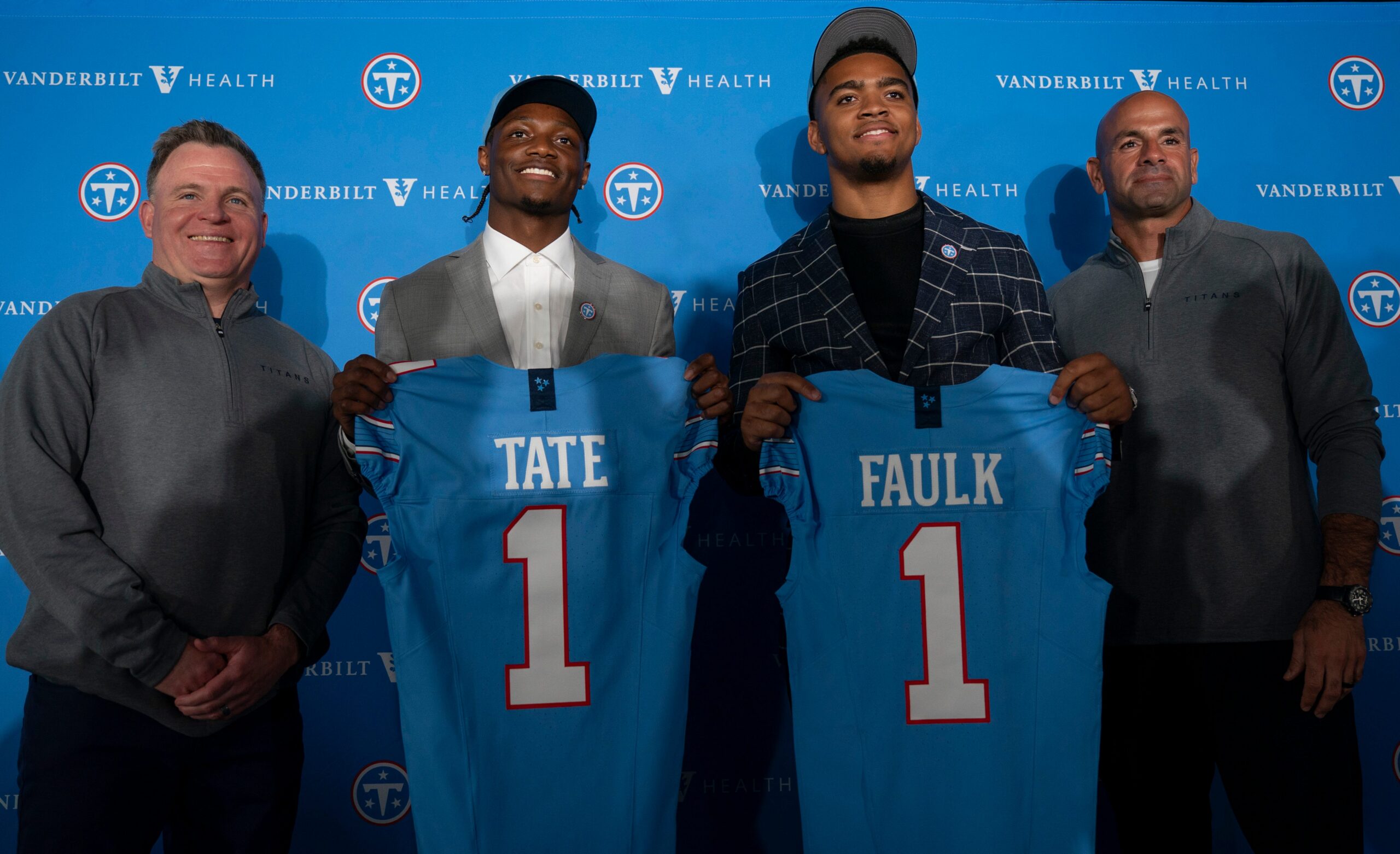
Tennessee Titans first round draft picks wide receiver Carnell Tate, second left, and edge Keldric Faulk stand for pictures with Mike Borgonzi, general manager, left, and Coach Robert Saleh at Vanderbilt Health Football Center Friday, April 24, 2026.
Recent large cohort research has found that people eating the most plant-based oils had meaningfully lower total mortality than those eating the least, with substituting butter for those oils tracking with reductions in both total and cancer mortality. JAMA Internal Medicine published similar findings showing the highest seed-oil consumers were less likely to die during the study window. Meanwhile, the highest butter intake correlated with elevated mortality risk. The Titans removed the ingredient class linked to living longer and left the question of what replaced it wide open.
The Hidden Machine Behind the Panic
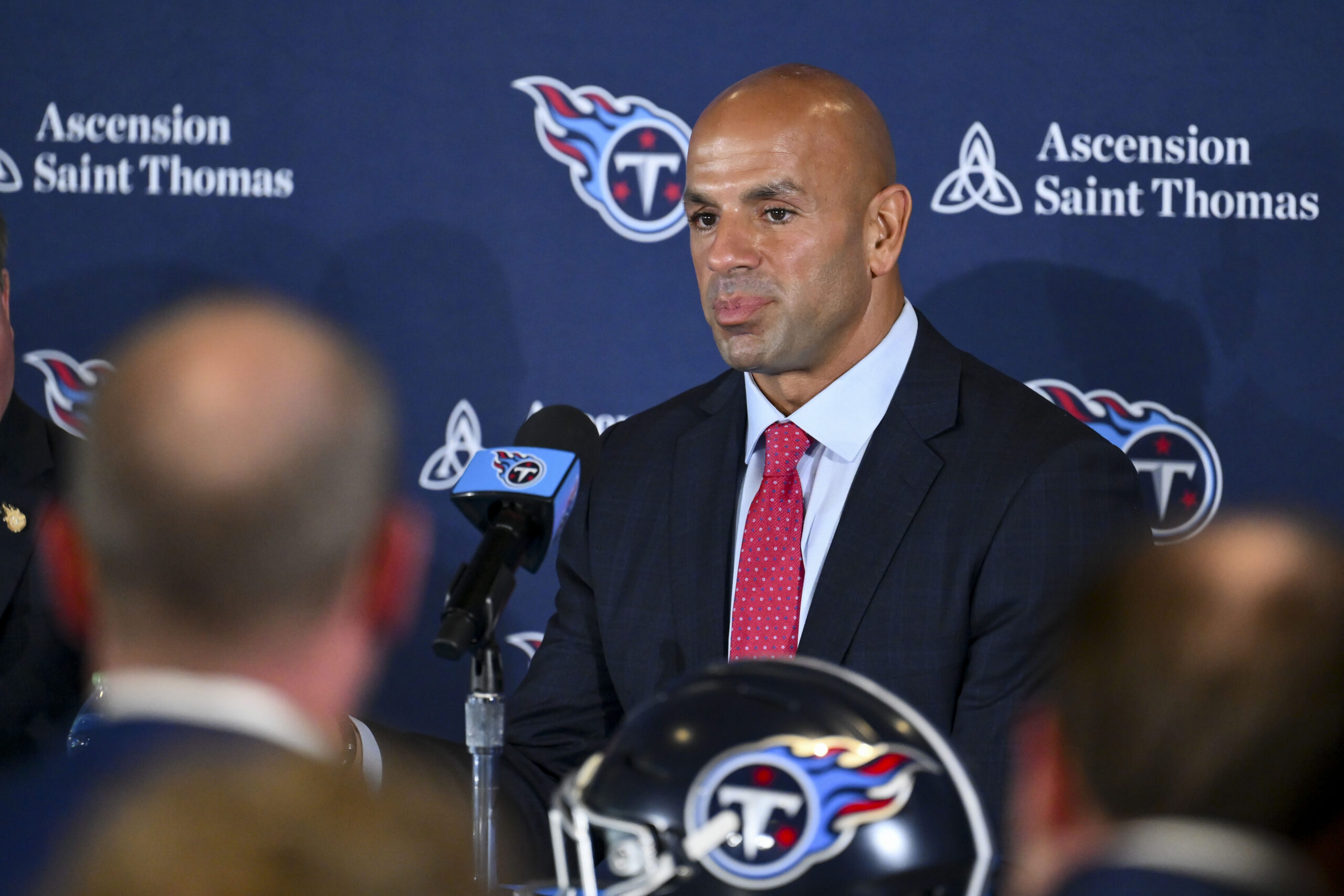
Jan 29, 2026; Nashville, TN, USA; Tennessee Titans head coach Robert Saleh answers questions from the media during the press conference at Ascension Saint Thomas Sports Park. Mandatory Credit: Steve Roberts-Imagn Images
Seed oils aren’t guilty. They’re just at every crime scene. Public-health researchers note that ultra-processed foods supply more than half of daily calories in the American diet, and those foods are loaded with sugar, salt, refined starch, and yes, seed oils. Blaming the oil is like blaming gasoline for a car crash caused by reckless driving. The fuel matters less than the system delivering it. Men’s Fitness called the Titans’ policy “more symbolic than scientific,” noting that any real benefit likely comes from cutting ultra-processed junk, not from swapping one fat for another.
What the Hospital Dietitians Actually Say
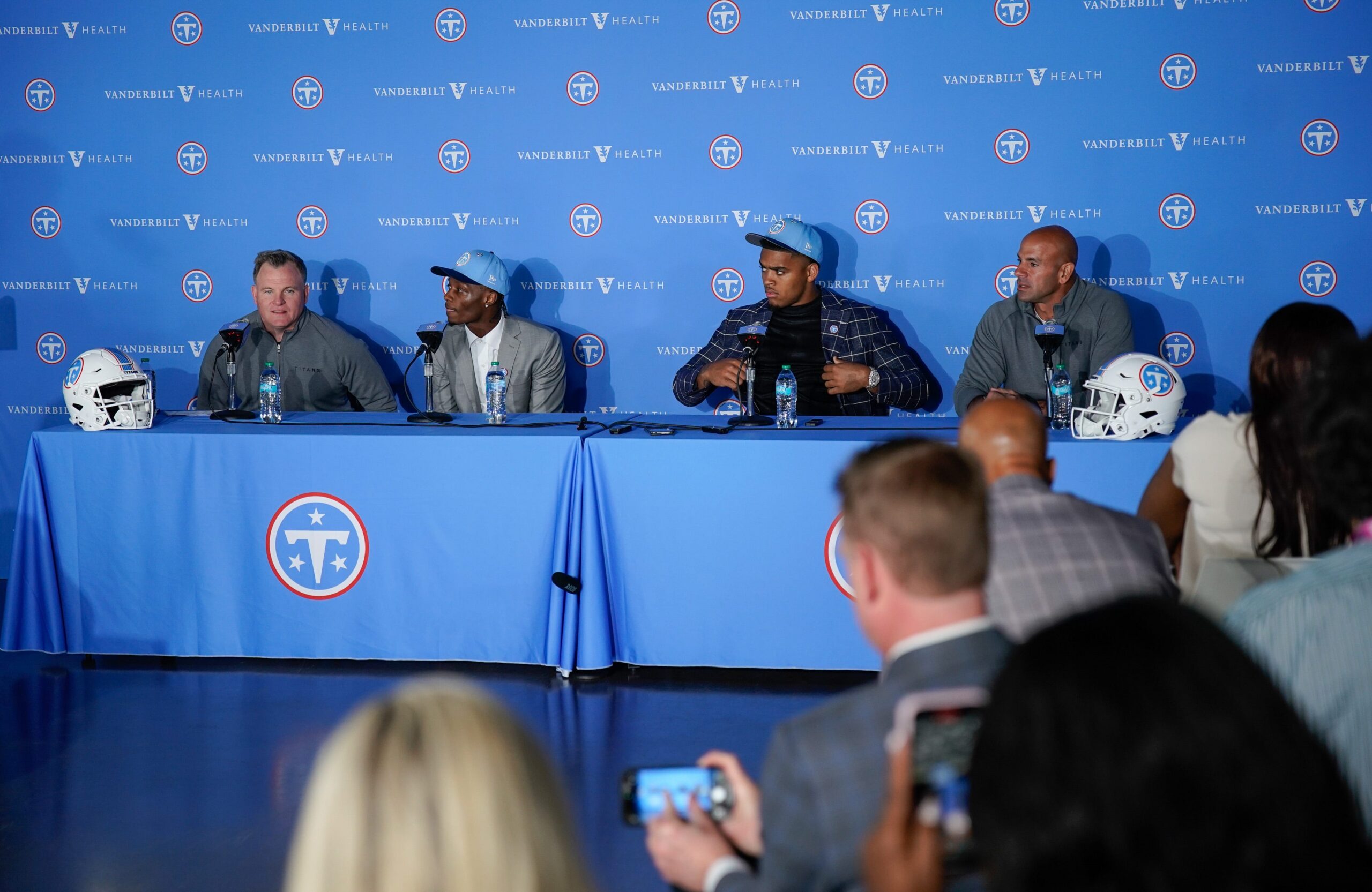
From left, general manager Mike Borgonzi, wide receiver Carnell Tate, edge defender Keldric Faulk and coach Robert Saleh take questions as The Titans present their first two NFL Draft selections at their practice facility in Nashville, Tenn., Friday, April 24, 2026.
Hospital nutrition experts have been blunt that there is no reason to be afraid of seed oils. Johns Hopkins nutrition scientist Matti Marklund went further: “There is abundant evidence suggesting that seed oils are not bad for you. If anything, they are good for you.” Memorial Sloan Kettering notes that linoleic acid is essential, meaning the body cannot make it. Zero intake risks skin problems, hair loss, and impaired growth in children. That’s the medical consensus the Titans’ ban runs headlong into, and nobody in Nashville has publicly addressed the collision.
The Copycat Wave Nobody’s Watching

Tennessee Titans offensive lineman JC Latham takes in the new head coach Robert Saleh’s introductory press conference at Ascension Saint Thomas Sports Park in Nashville, Tenn., Thursday, Jan. 29, 2026.
Other teams and college programs now face pressure to “do something about seed oils,” creating a potential wave of copycat bans that signal toughness more than they transform health. Stadium caterers could develop seed-oil-free menus the way they built gluten-free ones, spawning a niche performance-food segment regardless of the science. Entrepreneurs selling tallow, ghee, and avocado-oil snacks stand to profit. Ordinary consumers at higher cardiovascular risk may suffer most, swapping cheap, heart-protective plant oils for saturated alternatives with stronger links to LDL elevation.
A New Rule, Not an Exception
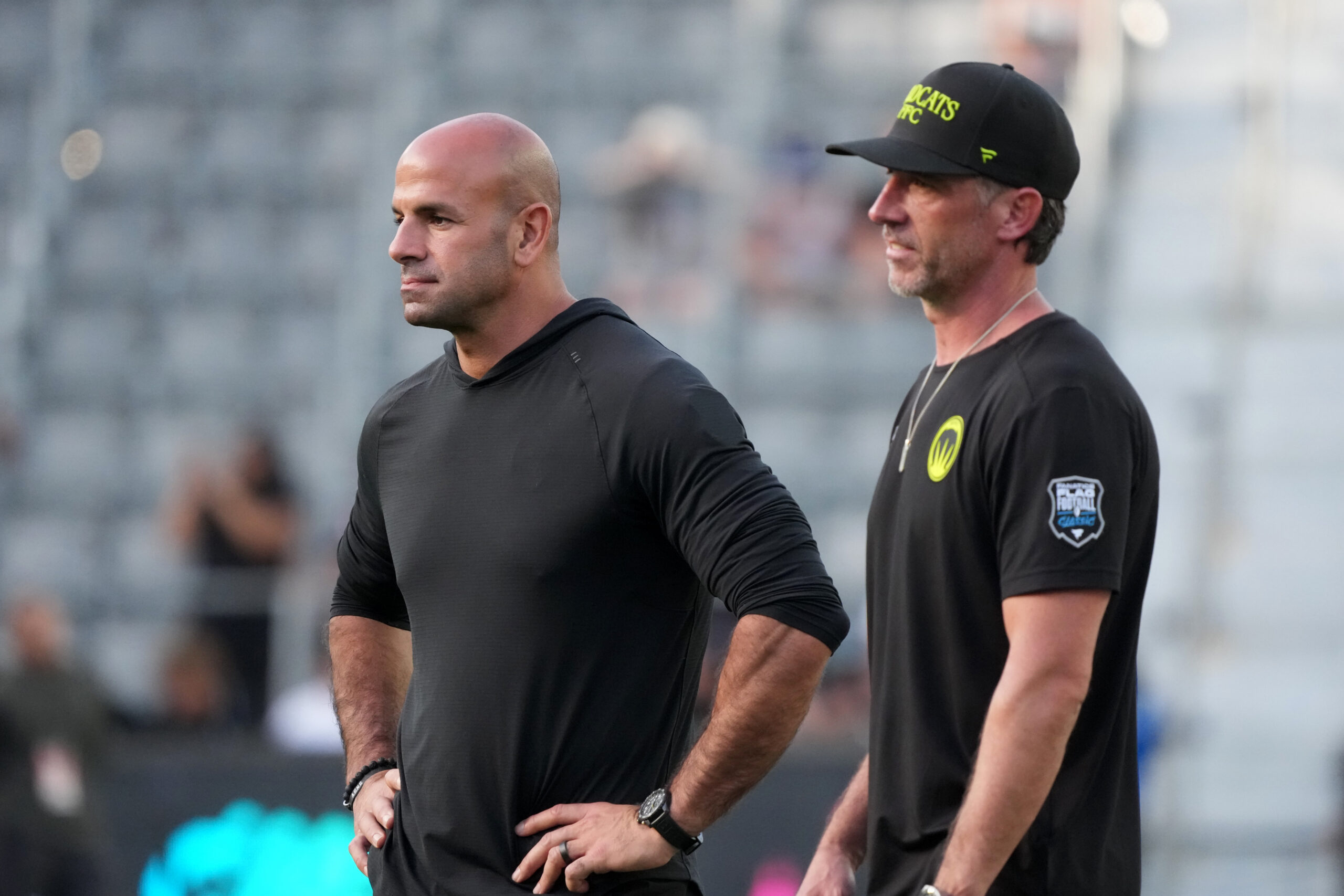
Mar 21, 2026; Los Angeles, CA, USA; Wildcats FFC coaches Robert Saleh (left) and Kyle Shanahan during the Fanatics Flag Football Classic at BMO stadium. Mandatory Credit: Kirby Lee-Imagn Images
The Titans set a precedent: high-profile organizations can enact bold dietary bans without waiting for scientific consensus, and symbolic alignment with wellness tribes now carries as much institutional weight as peer-reviewed evidence. Once you see that “seed oils” function as a proxy for deeper anxieties about industrial food, chronic disease, and institutional trust, the ban reads less as biochemistry and more as cultural identity. The 1980s vilified all fat. The 2000s vilified carbs. Now a single category of cooking oil absorbs the same unfocused fear, and an NFL franchise just gave it a uniform.
The Dominos Still Falling
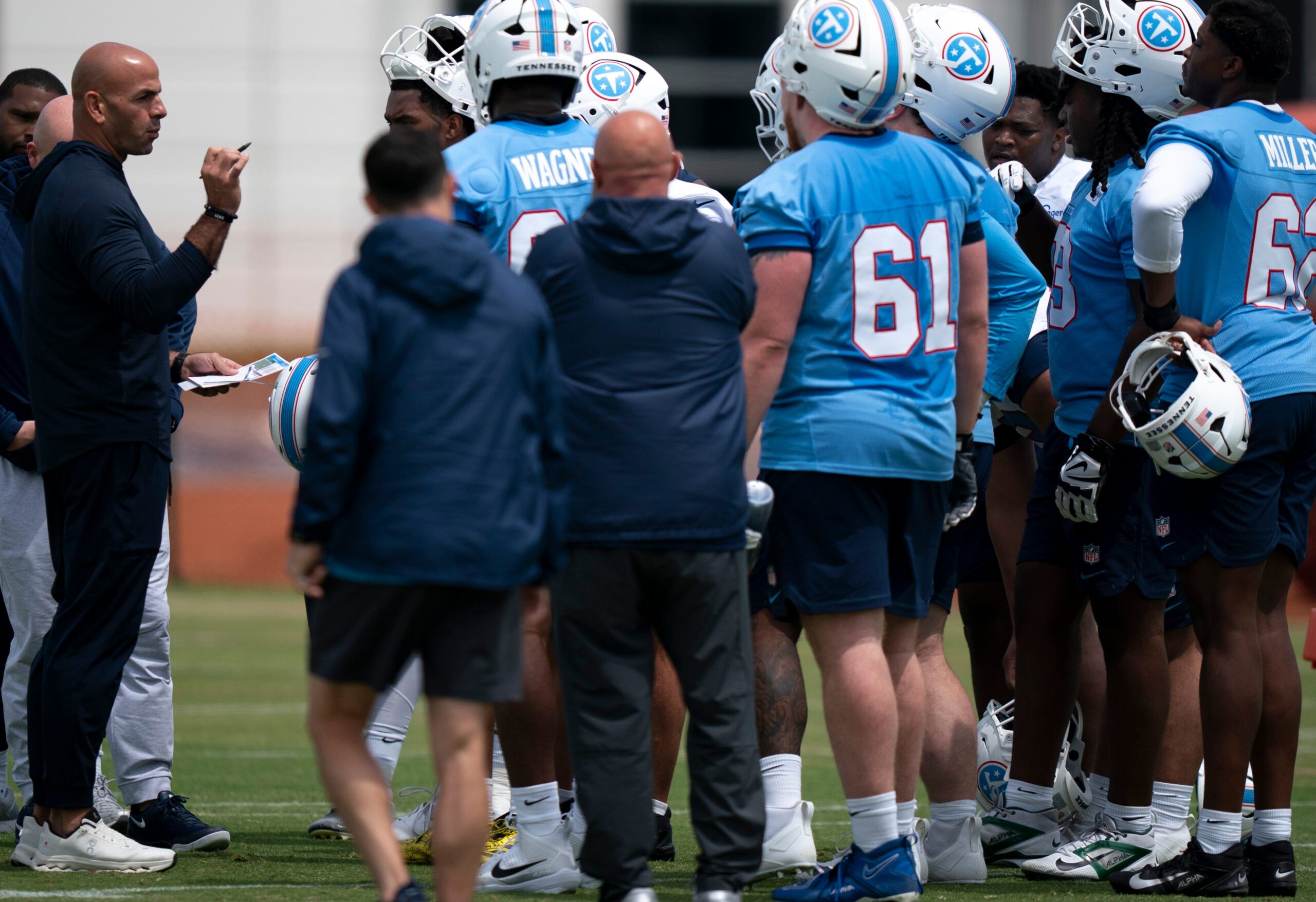
Tennessee Titans coach Robert Saleh instructs his players during the Titans Rookie Camp Day 1 at Vanderbilt Health Football Center in Nashville, Tenn., Friday, May 1, 2026.
If seed oils are successfully cast as harmful, the next targets could be other industrially produced but nutritionally sound ingredients, deepening public skepticism of mainstream nutrition advice. Medical centers and dietetic associations may intensify efforts to separate seed oils in home cooking from seed oils in ultra-processed junk, reframing the conversation around whole-diet patterns. Controlled research has indicated canola, flaxseed, and sesame oils can improve lipid profiles with no measurable increase in oxidative stress. The science keeps arriving. The question is whether anyone hears it over the noise.
The Person at the Bar Who Gets It
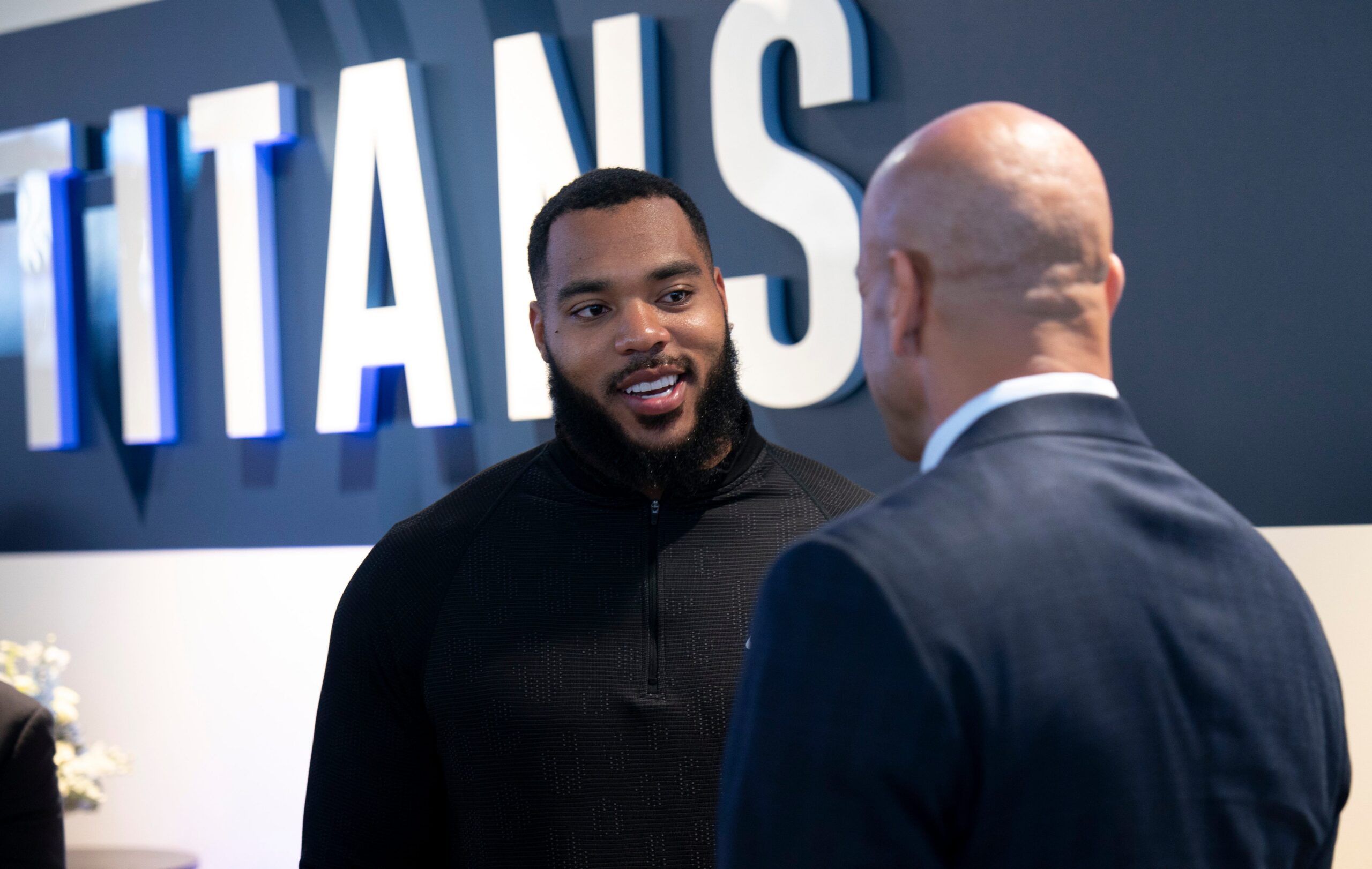
Tennessee Titans defensive tackle Jeffrey Simmons talks with Robert Saleh after the new head coach’s introductory press conference at Ascension Saint Thomas Sports Park in Nashville, Tenn., Thursday, Jan. 29, 2026.
Removing seed oils from a curated NFL cafeteria while most Americans get theirs through fast-food fries and packaged snacks is like banning plastic straws on a private jet: symbolically potent, systemically modest. The Titans’ players will probably eat better, not because canola oil vanished but because the entire food operation upgraded. Fans who copy the ban without that context may trade a measurable mortality advantage for a bottle of beef tallow and a false sense of control. That gap between the symbol and the science is where the real damage lives, and right now nobody in the NFL is required to close it. Would you trust an NFL coach’s kitchen over your doctor’s advice? Drop your take in the comments — are the Titans onto something, or is this just gym-bro science in shoulder pads?