
Four in the morning. Lights off, bathroom tile cold, and somewhere near the baseboard, something moved. Claire Kittle spotted it first and did what roughly half the population would do when confronted with eight legs in the dark: she woke up the biggest person in the house. That person happened to be a Pro Bowl tight end recovering from Achilles surgery, barely mobile, with a $76.4 million contract and a rehab slant board within arm’s reach. What happened next turned into a national argument nobody saw coming.
The Slant Board Strike

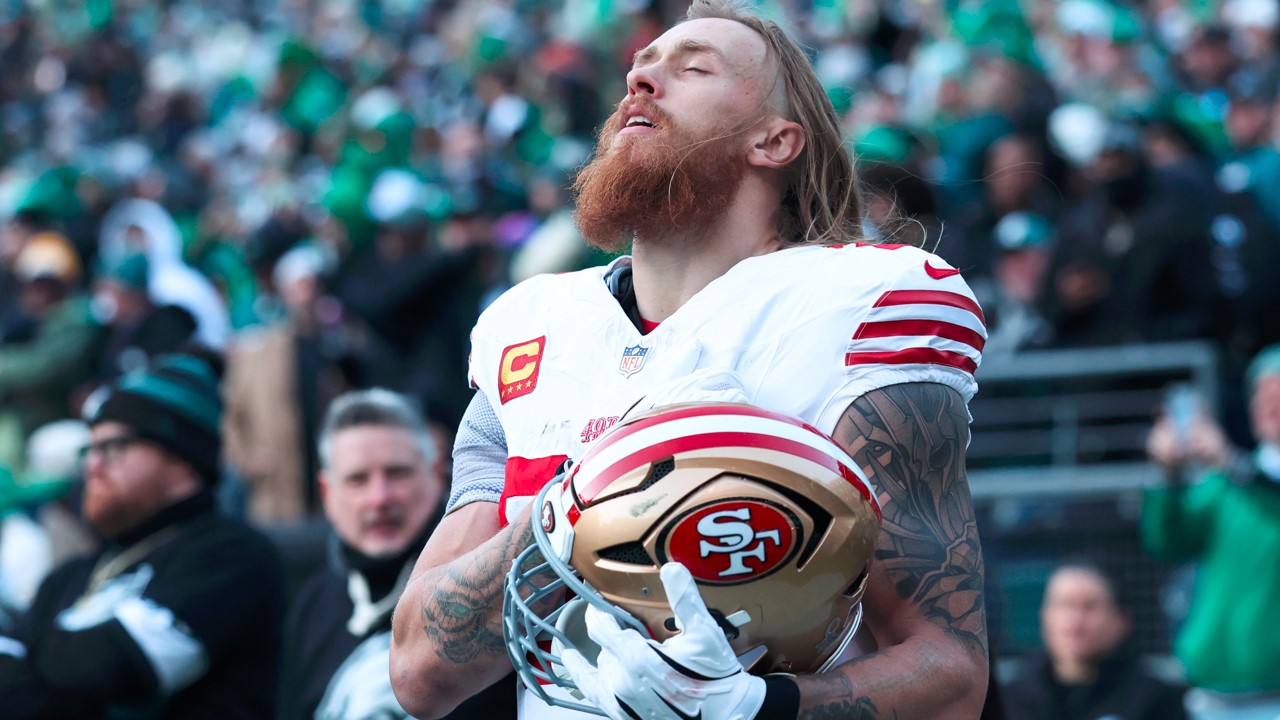
Jan 11, 2026; Philadelphia, PA, USA; San Francisco 49ers tight end George Kittle before action against the Philadelphia Eagles in an NFC Wild Card Round game at Lincoln Financial Field. Mandatory Credit: Bill Streicher-Imagn Images
George Kittle tore his right Achilles on January 11 during the postseason wild card loss to the Eagles. He underwent surgery days later in what was reported as a clean repair, a best-case scenario for a worst-case injury. Kittle had been grinding early-stage rehab, using a slant board to rebuild the tendon that could determine whether he plays again before November. That board, designed to restore explosive movement in a 250-pound athlete, was about to get a very different assignment. Claire handed it to him like a sword.
A Half-Dollar-Sized “Intruder”
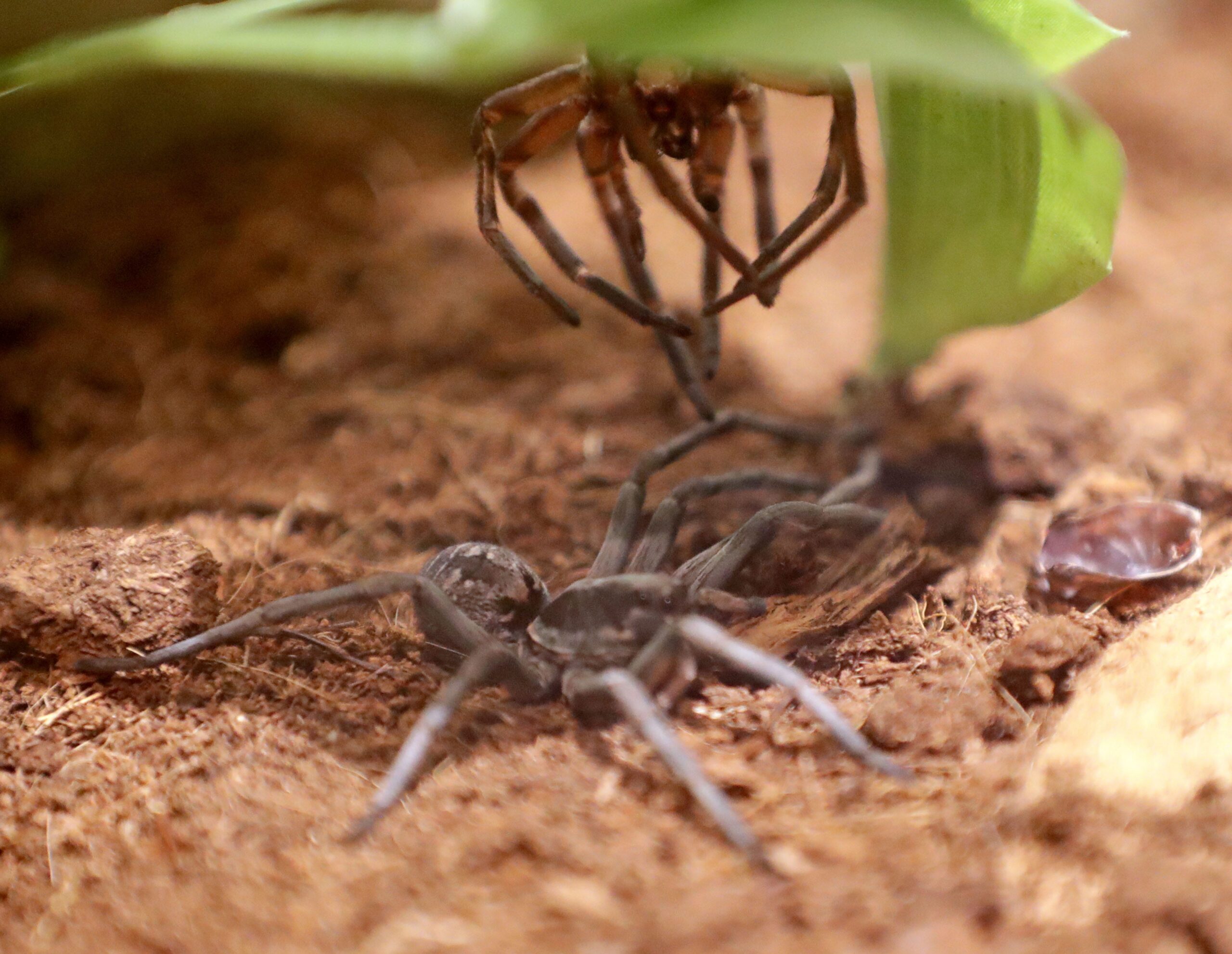
A wolf spider sits below its molted exoskeleton it recently shed at the new Spiders Alive! exhibit at the Milwaukee Public Museum. Spiders 44675
Kittle posted the whole saga on X, casting himself as a midnight protector called to action against “a spider the size of a half dollar.” He wrote that “Claire handed me the slant board I’ve been using for rehab, and I immediately knew the spider had no chance.” One strike. Done. Common large house spiders like wolf spiders are shy, not medically dangerous, and more likely to flee than bite. But fear of spiders ranks among the most common human phobias, often passed from parent to child. The real threat in that bathroom weighed 250 pounds and carried a medical device.
The Rehab Tool Turned Weapon
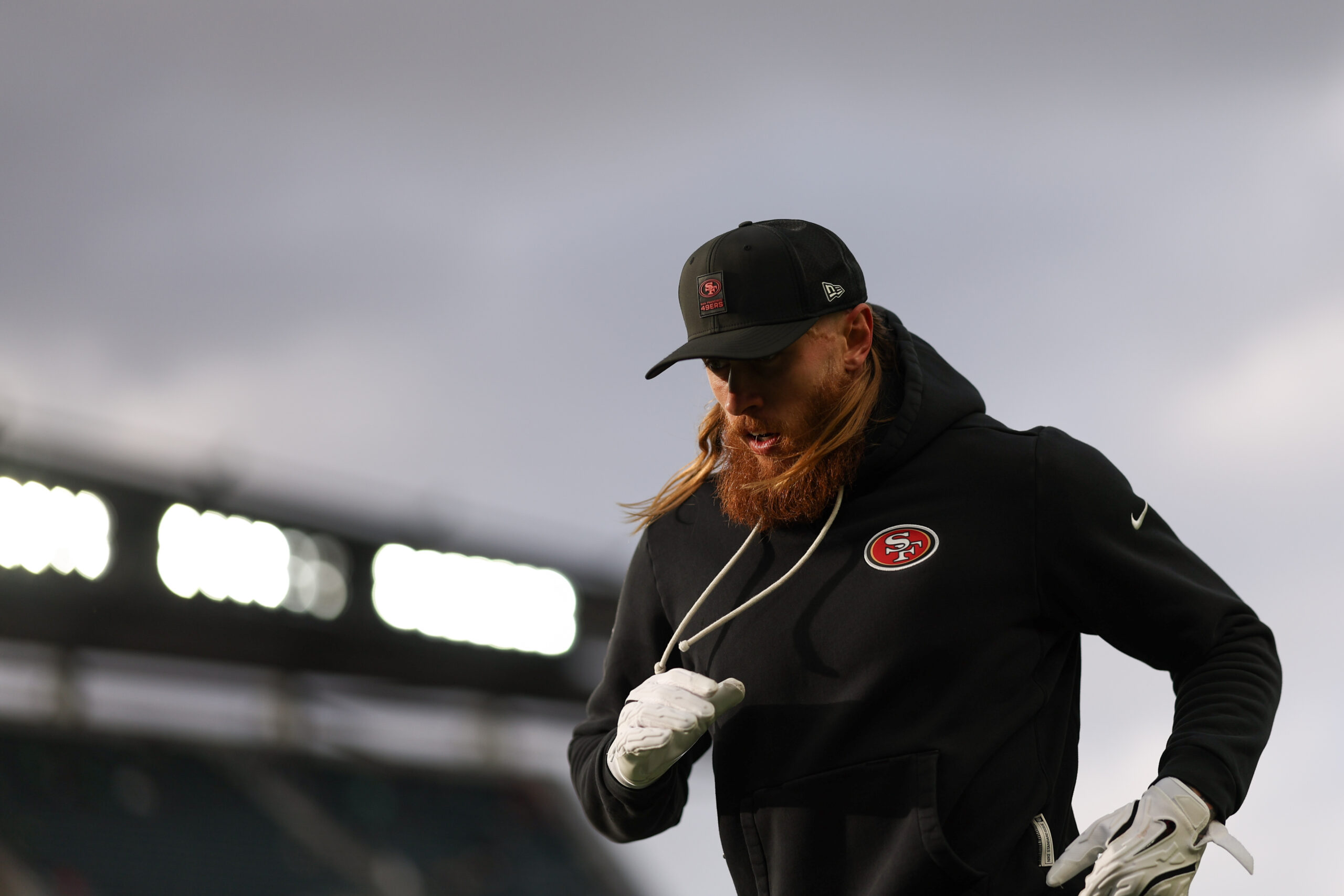
Jan 11, 2026; Philadelphia, PA, USA; San Francisco 49ers tight end George Kittle (85) warms up prior to an NFC Wild Card Round game against the Philadelphia Eagles at Lincoln Financial Field. Mandatory Credit: Bill Streicher-Imagn Images
The object meant to save Kittle’s career killed a spider. That irony is the whole story compressed into one image. A slant board exists to rebuild a torn Achilles tendon, to manage load on tissue that snapped under explosive force. Kittle repurposed it as a blunt instrument against a creature that posed zero medical risk. One attempt. No chance. The post went viral, and PETA senior vice president Lisa Lange responded: spiders are “tiny compared to the average human, let alone an NFL player, and have a lot more to fear from us than we do from them.”
Who’s Actually Vulnerable Here
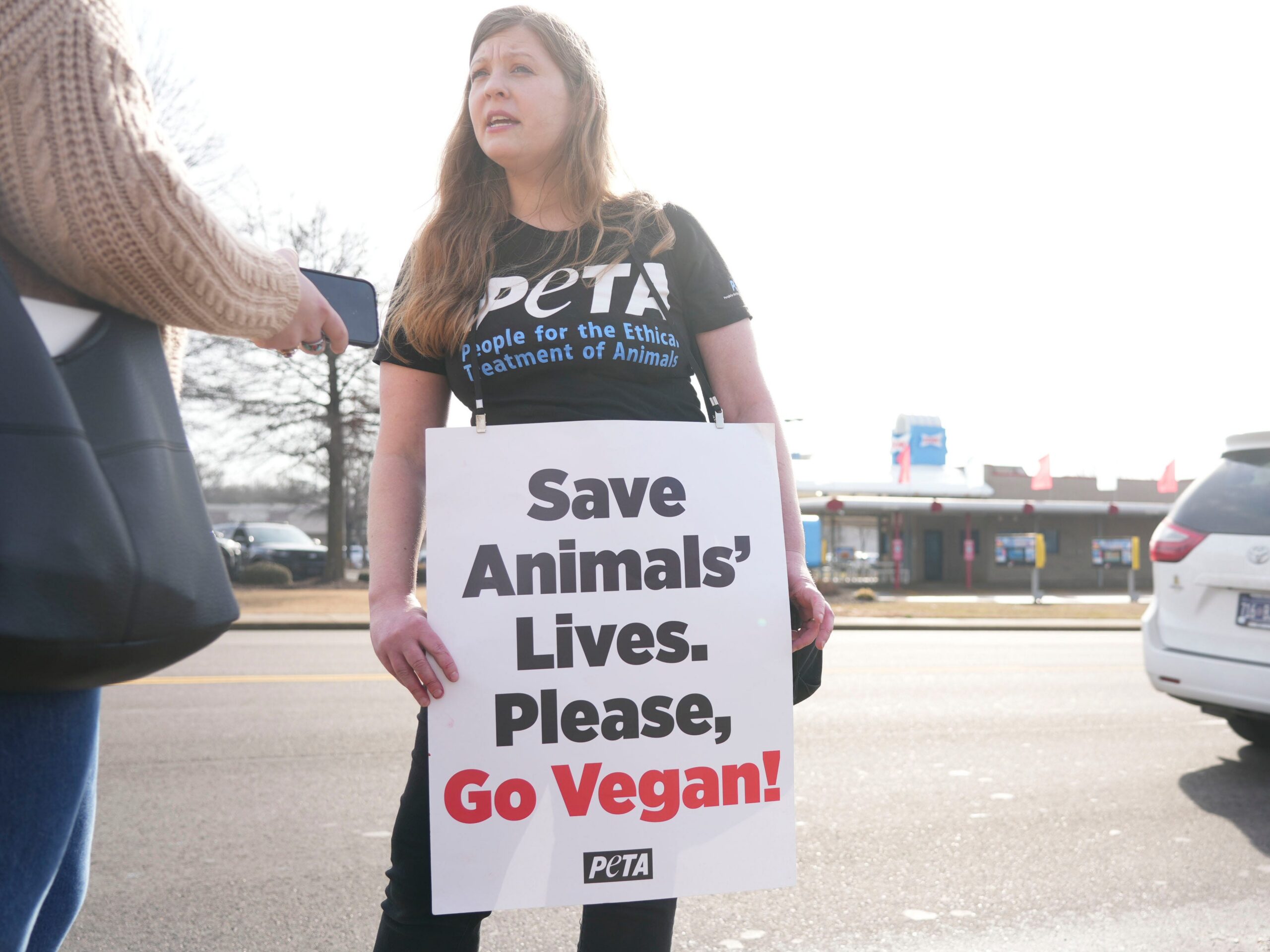
PETA activist Tricia Lebkuecher speaks with media on why they’re protesting the grand opening of Raising Cane’s on 1035 Vann Drive in Jackson, Tenn., on Tuesday, Feb. 10, 2026.
Kittle framed himself as the hero. PETA flipped the frame entirely, casting the spider as the defenseless party and the NFL star as the aggressor in a mismatch that made most football collisions look fair. That contrast exposed something deeper than a dead arachnid. The truly career-threatening force in Kittle’s life is an internal tendon rupture, invisible and slow-healing, not a bathroom bug. We fixate on what looks scary rather than what statistically harms us. A spider on tile triggers panic. A fraying Achilles tendon triggers nothing until it snaps.
The Numbers Behind the Comeback
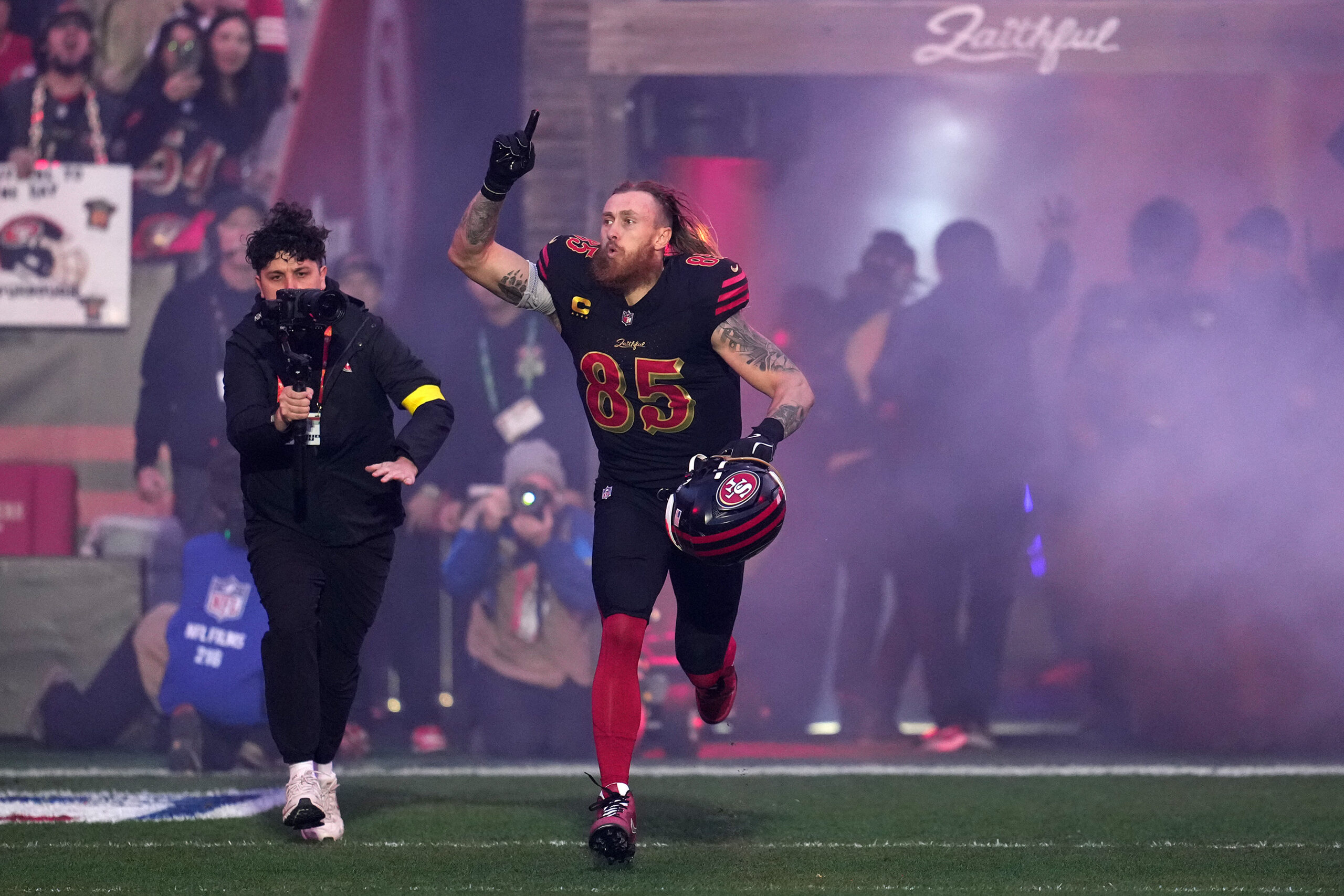
Jan 3, 2026; Santa Clara, California, USA; San Francisco 49ers tight end George Kittle (85) takes the field before the game at Levi’s Stadium. Mandatory Credit: Neville E. Guard-Imagn Images
Published research on Achilles surgical repairs generally shows return-to-sport rates in the 70–80% range, with recovery typically measured in many months rather than weeks. ESPN experts say elite athletes often need nine to twelve months to reach pre-injury form. Kittle aims to return “well before November,” which would put him ahead of the typical timeline. His four-year extension is worth $76.4 million with $40 million guaranteed and an average annual value of $19.1 million. Career earnings exceed $80 million. Every rehab session on that slant board carries real financial weight. Using it to flatten a spider at 4 a.m. was, at minimum, an off-label application worth millions.
PETA’s Playbook in Action
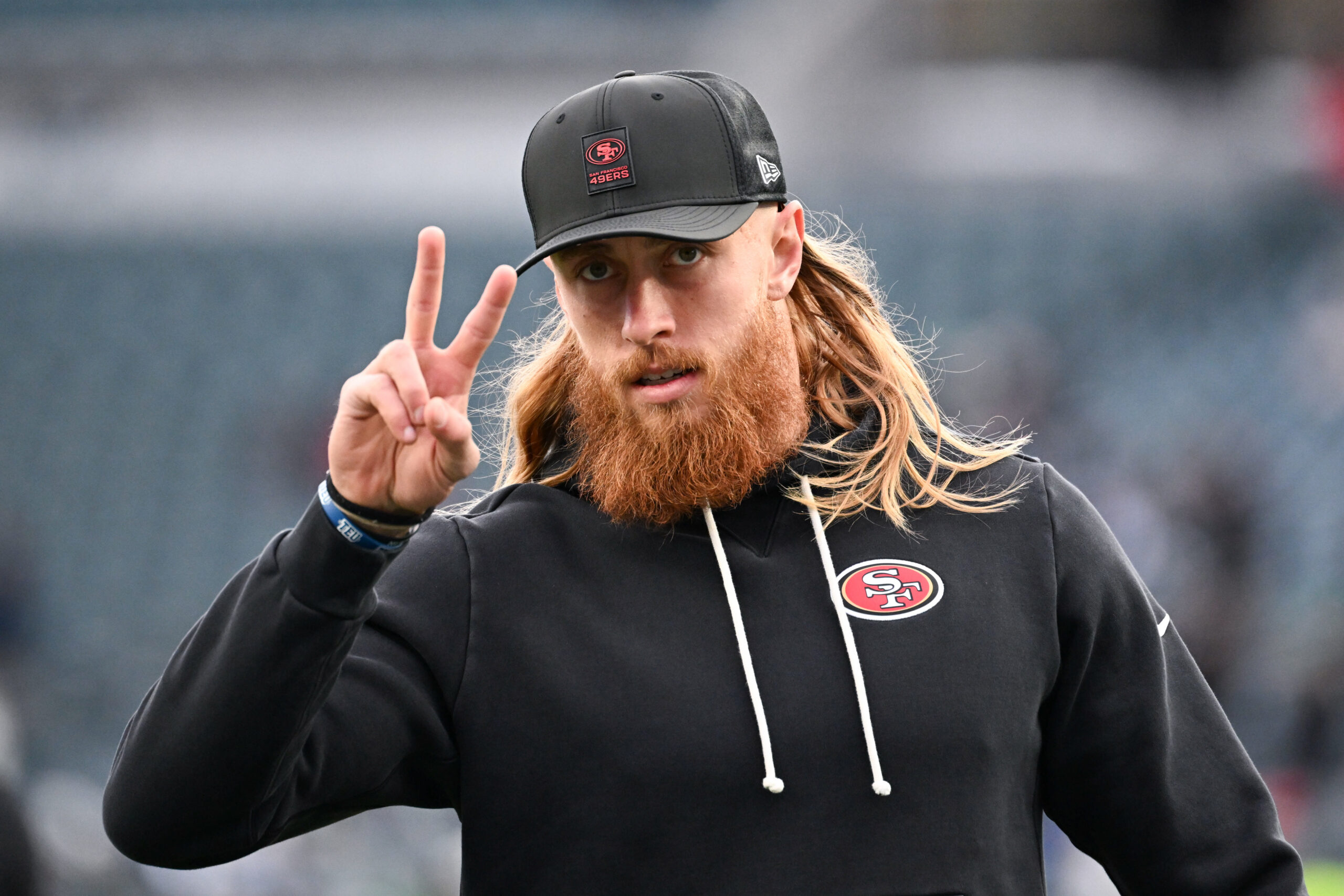
Jan 11, 2026; Philadelphia, PA, USA; San Francisco 49ers tight end George Kittle (85) looks on during warmups prior to an NFC Wild Card Round game against the Philadelphia Eagles at Lincoln Financial Field. Mandatory Credit: Eric Hartline-Imagn Images
PETA offered to send Kittle a branded humane bug catcher, turning a bathroom anecdote into an educational campaign. That move revealed an organized system: the group monitors celebrity social media for teachable moments and deploys rapid-response statements before the news cycle moves on. Their media site referenced the incident as sending Kittle “a more compassionate solution.” What started as a funny post became a talking point about whether athletes should think twice before celebrating even small acts of killing online. Other players and agents took notice of how fast a trivial post generated reputational heat.
The New Rule for Public Figures
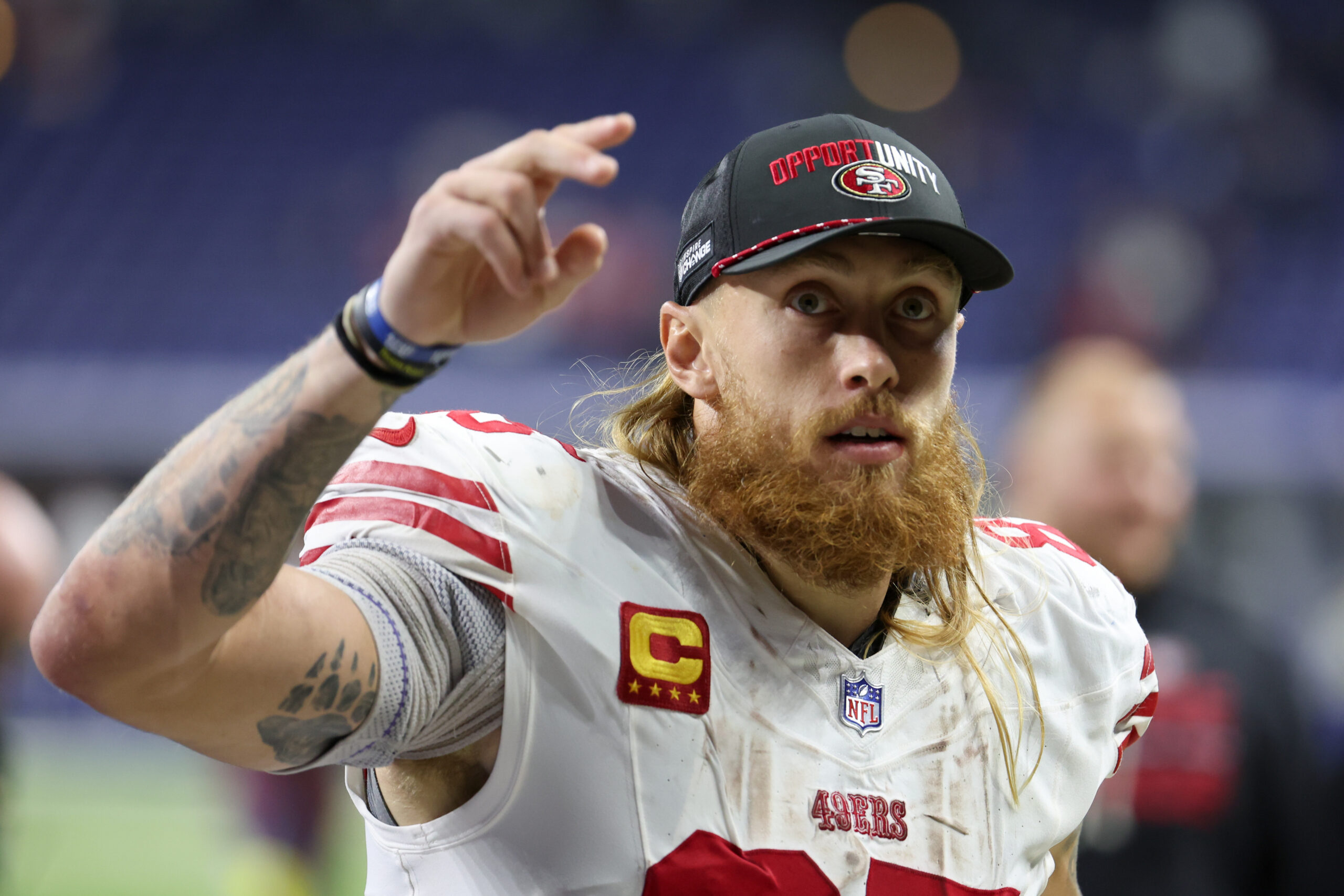
Dec 22, 2025; Indianapolis, Indiana, USA; San Francisco 49ers tight end George Kittle (85) leaves the field after the game against the Indianapolis Colts at Lucas Oil Stadium. Mandatory Credit: Trevor Ruszkowski-Imagn Images
This episode set a precedent: advocacy groups will publicly challenge even low-level acts of animal killing when celebrities celebrate them online. The old assumption, that squashing a spider is so trivial it can’t possibly generate backlash, died in Kittle’s bathroom. Once you see that the most dangerous forces here are narratives, not fangs, the spider becomes a small character in a larger contest over who defines “heroic.” Cultural stories about spiders exaggerate their danger. Cultural stories about athletes exaggerate their invincibility. Both myths cracked on the same tile floor.
The Dominoes Still Falling
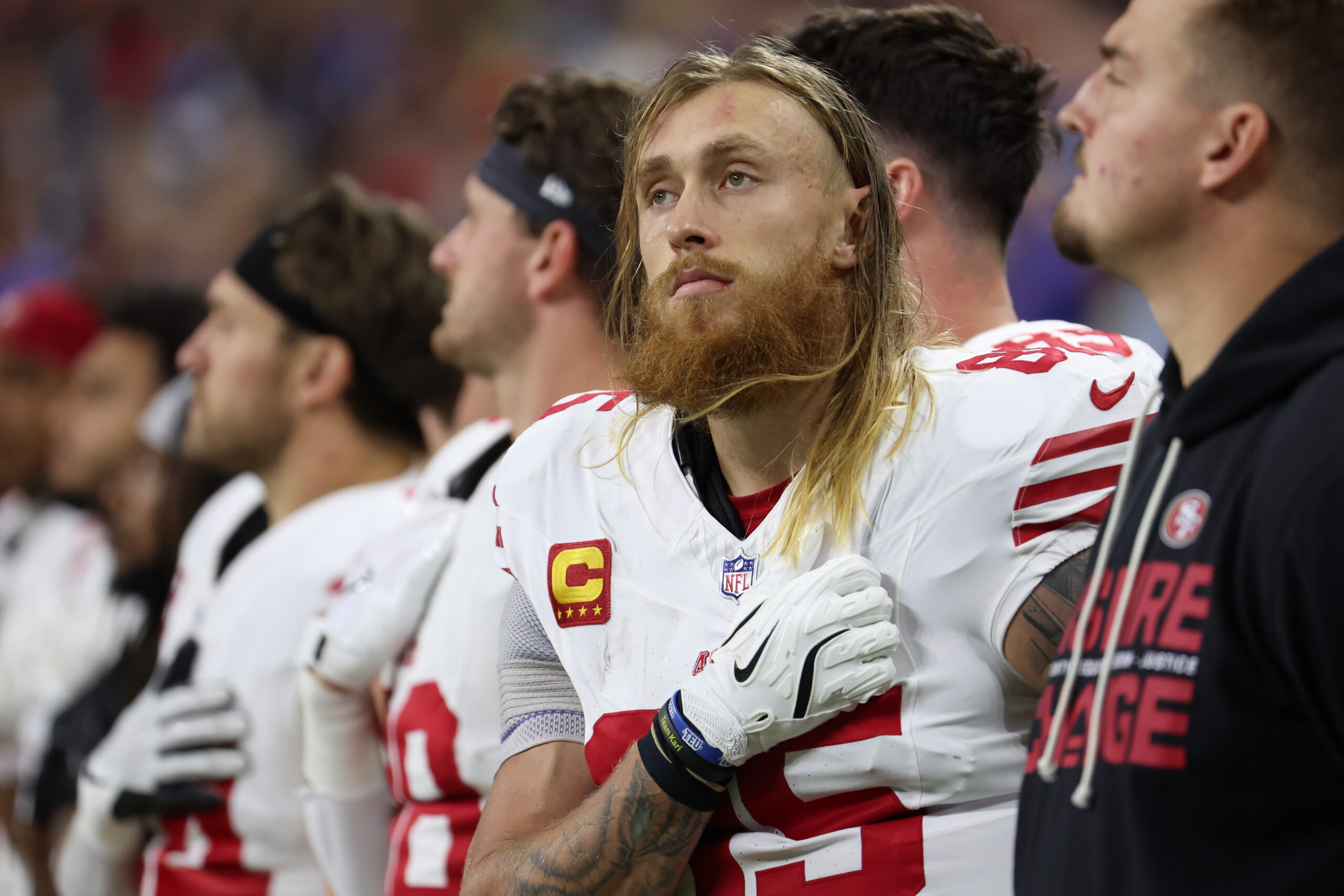
Dec 22, 2025; Indianapolis, Indiana, USA; San Francisco 49ers tight end George Kittle (85) looks on during the National Anthem prior to the game against the Indianapolis Colts at Lucas Oil Stadium. Mandatory Credit: Trevor Ruszkowski-Imagn Images
Kittle never apologized. If he doubles down, the story could escalate into petitions and counter-campaigns from fans who view PETA’s intervention as overreach, deepening a polarization that already runs hot. Less media-savvy athletes who post similar critter-killing stories without understanding the current climate could face harsher consequences, especially if combined with other controversies. Sponsors increasingly attuned to ethical branding may quietly nudge clients toward messaging that emphasizes empathy. Kittle’s Achilles rehab now carries an embedded subplot about compassion that he never intended to write.
The Bug Catcher or the Slant Board
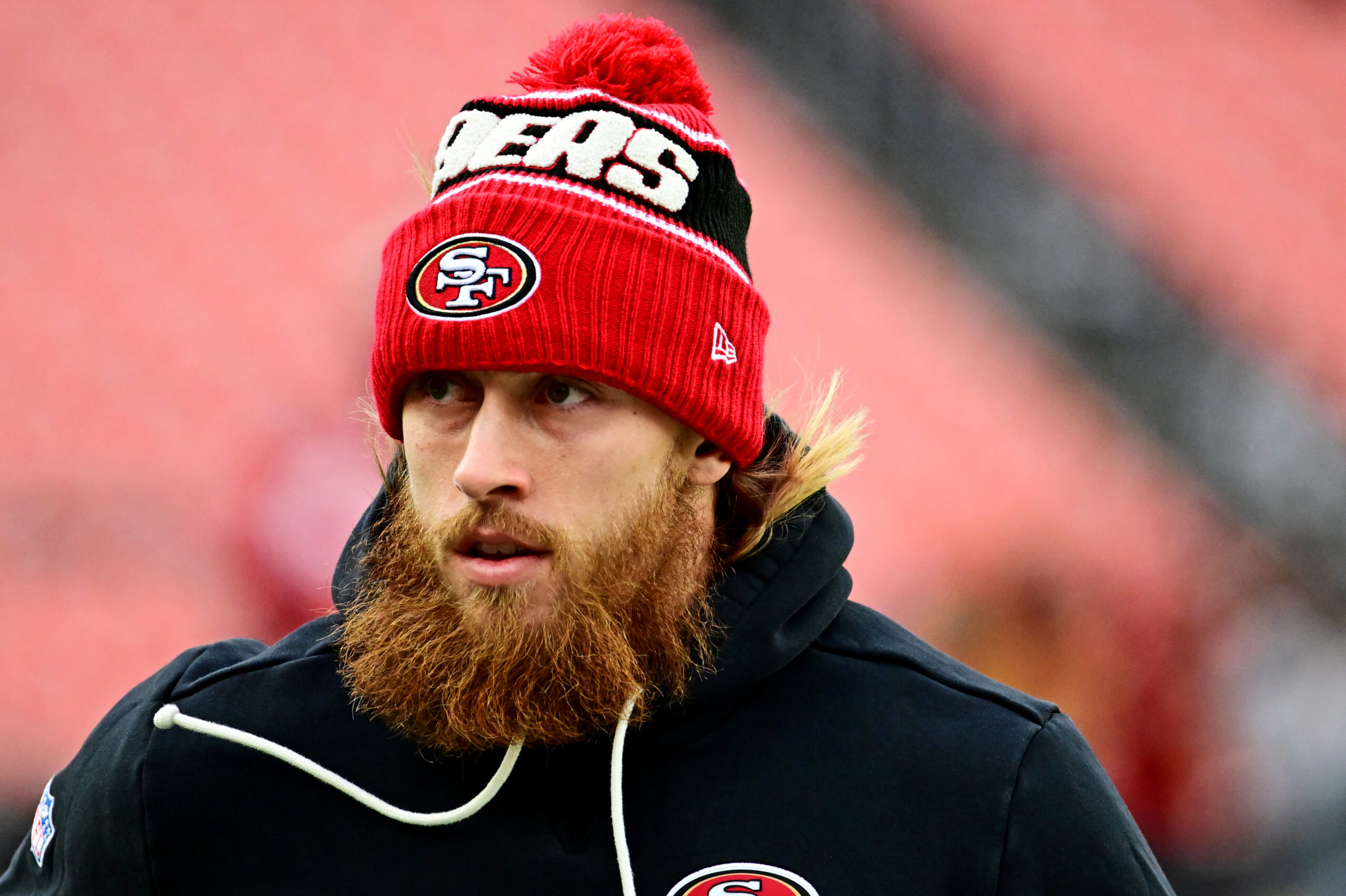
Nov 30, 2025; Cleveland, Ohio, USA; San Francisco 49ers tight end George Kittle (85) warms up before the game against the Cleveland Browns at Huntington Bank Field. Mandatory Credit: Ken Blaze-Imagn Images
The smartest counter-move would be Kittle embracing the humane removal tools and using his platform to highlight that most house spiders are harmless, turning a one-off criticism into a collaborative moment without fully capitulating. Whether he takes that path says more about modern athlete brand management than it does about arachnids. Everyone who read this story now knows something most people don’t: the spider was never the danger, the post was. And the next NFL player who reaches for a shoe at 4 a.m. might think twice before tweeting about it. So what’s the call: slant board or shoe — and would you have done anything different at 4 a.m.? Drop your verdict in the comments.