
Three words from a new head coach, and the entire Browns quarterback hierarchy tilted. Todd Monken stood at the podium, fielded a question about whether Shedeur Sanders could start Week 1, and answered without hesitation: “Sure he can.” No qualifiers. No corporate hedging. Just a coach with 37 seasons of coaching experience putting a fifth-round, second-year quarterback on equal footing with the most expensive player on the roster. Somewhere on the Browns’ cap sheet, more than $80 million flinched.
The Contract That Was Supposed to End the Debate
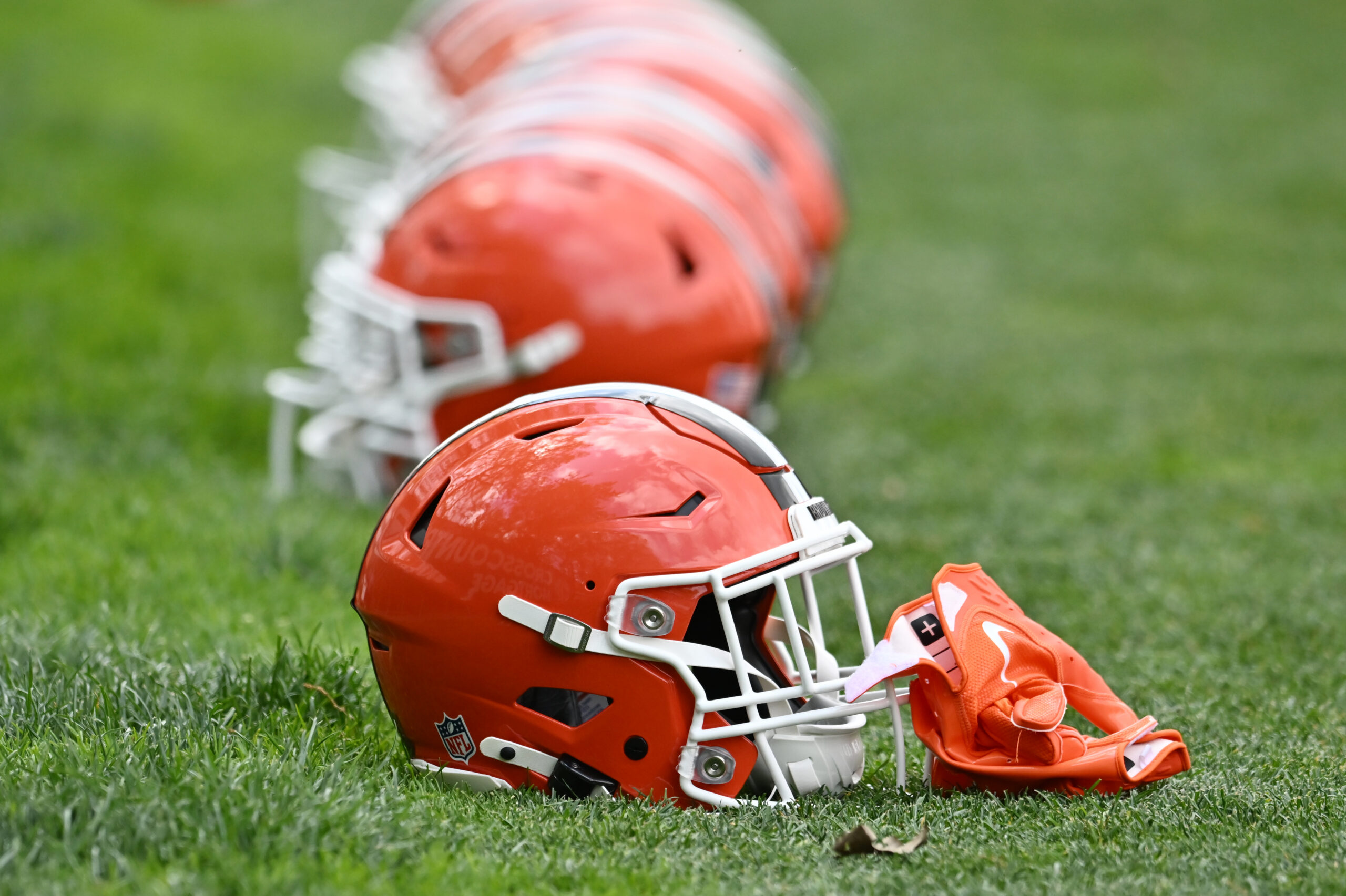
May 8, 2026; Berea, OH, USA; A general view of Cleveland Browns helmets during rookie minicamp at CrossCountry Mortgage Campus. Mandatory Credit: Ken Blaze-Imagn Images
Cleveland built its future around Deshaun Watson’s record-setting, fully guaranteed deal. Restructured multiple times, that contract still anchors the Browns’ books well beyond 2025. The whole point was stability at quarterback. Instead, Watson tore his right Achilles in October 2024, re-ruptured it, underwent surgery in January 2025, and opened the 2025 season on the Physically Unable to Perform list. Sources considered it unlikely he would see game action all year. The contract designed to end Cleveland’s quarterback carousel became the reason the carousel kept spinning.
Pick 144 Starts Cracking the Myth
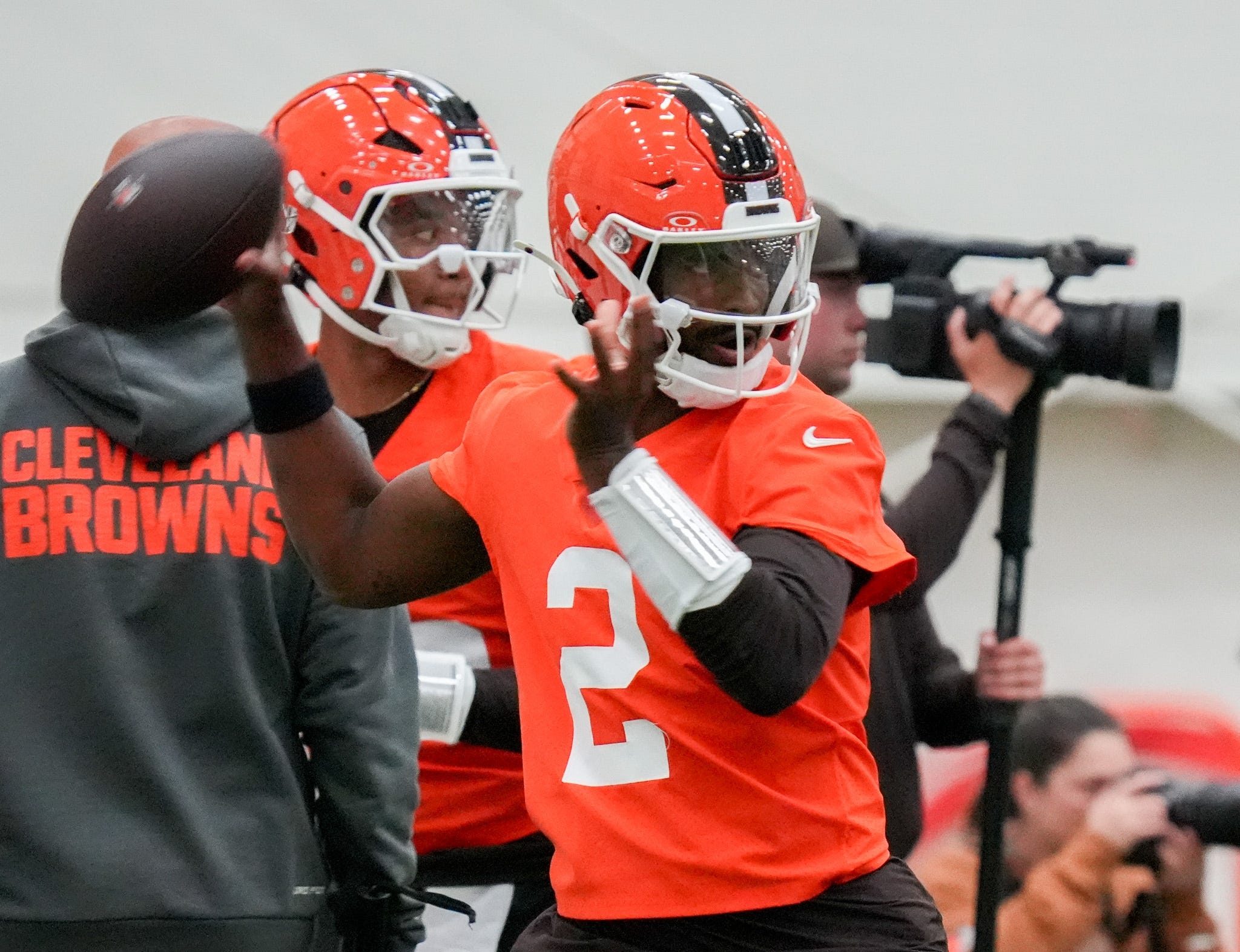
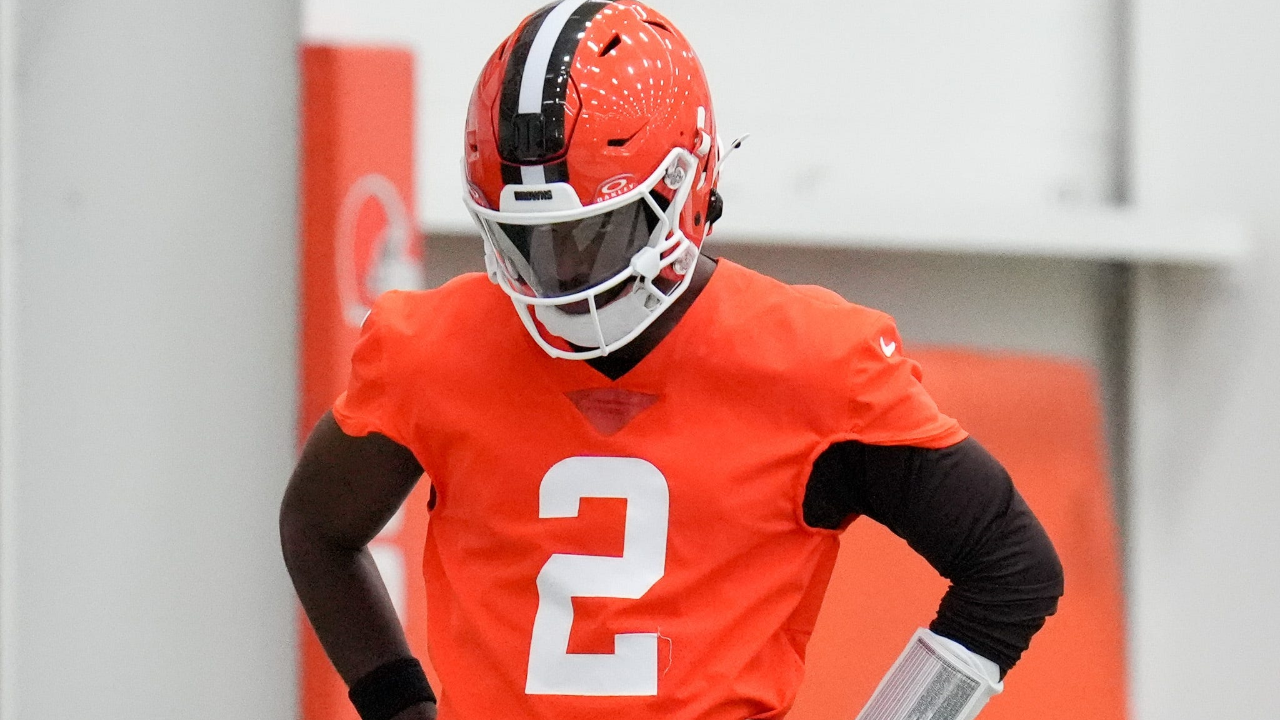
Shedeur Sanders practices at the Browns OTA camp in Berea on May 20, 2026.
Sanders entered the NFL as the 144th overall pick. The assumption was simple: a fifth-rounder doesn’t threaten a megadeal starter. Then Week 12 happened. Named the Browns’ third starting quarterback of 2025 behind Joe Flacco and Dillon Gabriel, Sanders beat the Las Vegas Raiders 24–10, throwing for 209 yards and a touchdown. He became the first Cleveland quarterback to win his first career NFL start since Eric Zeier in 1995, snapping a 17-game losing streak by Browns QBs making their first start. That detail sits there like a loaded measurement of how long Cleveland waited for this.
Two Words That Changed Everything
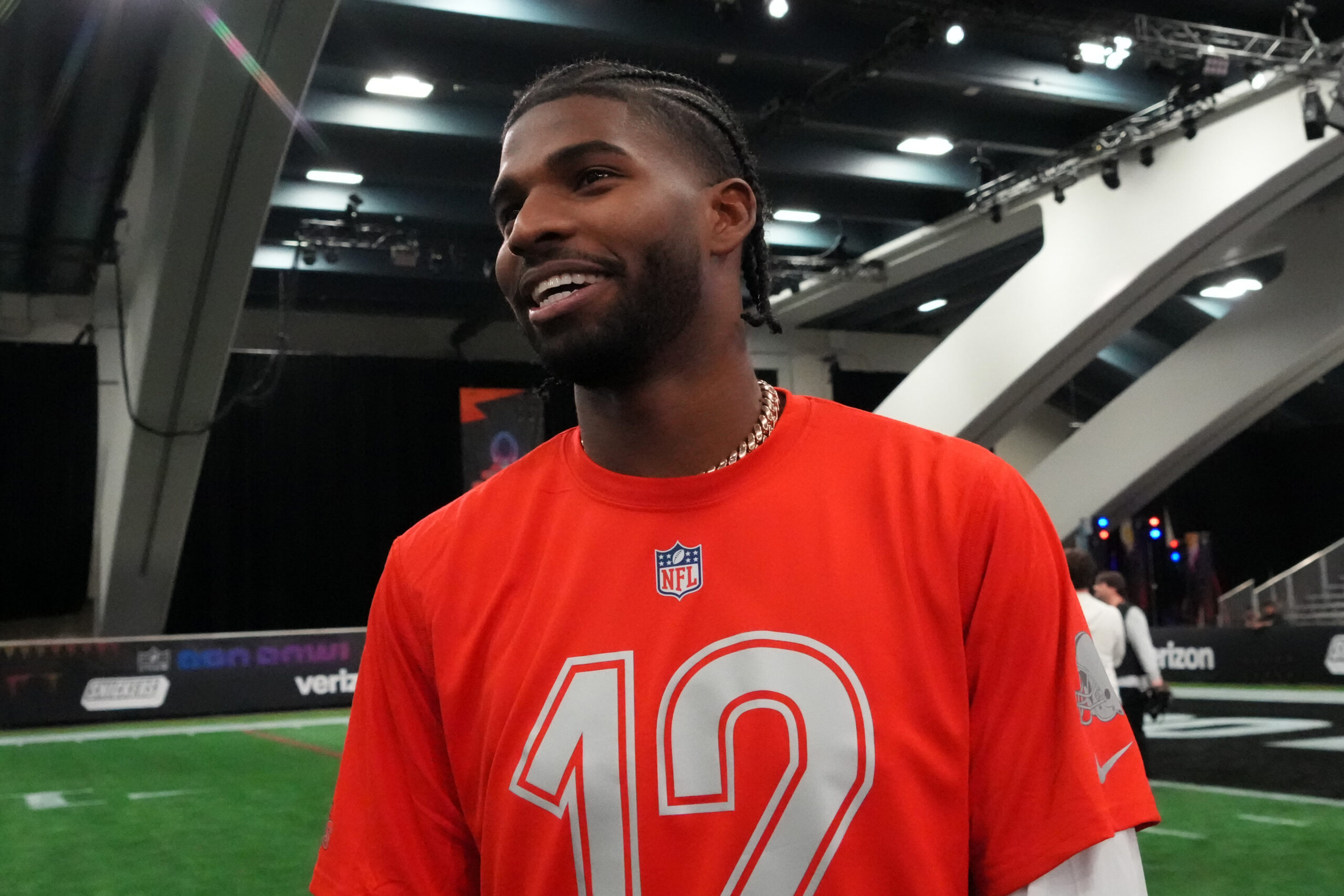
Feb 1, 2026; San Francisco, CA, USA; Cleveland Browns quarterback Shadeur Sanders (12) during AFC practice at the Flag Fieldhouse Moscone Center South Building. Mandatory Credit: Kirby Lee-Imagn Images
Monken said Sanders surprised him with his mobility. He noted all the quarterbacks have it, but singled out the second-year player by name. Then came the question. Can Sanders start Week 1? “Sure he can.” That transforms speculation into on-the-record confirmation. The competition with Watson is not ceremonial. A coach hired partly to maximize high-priced quarterbacks publicly validated the cheaper, developmental option instead. If the Browns move on from Watson in 2026, the dead-cap hit exceeds $80 million. Monken said it anyway.
The Hidden System Behind the Reps
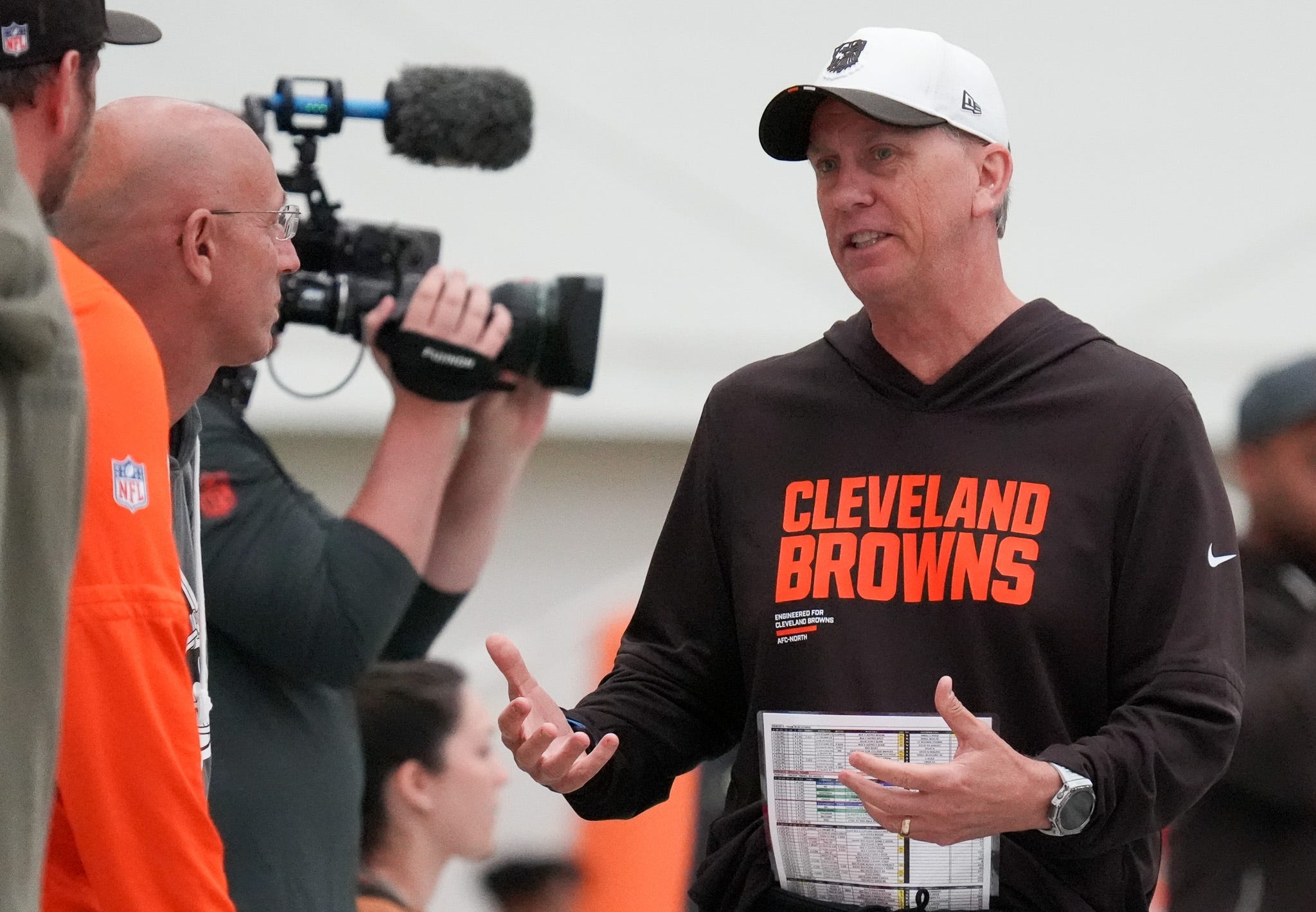
Coach Todd Monken during the Browns OTA camp in Berea on May 20, 2026.
Monken explained he will not split reps evenly. He will concentrate them on the quarterbacks he believes give the Browns the best chance to win. “I think there’s always competition irrespective of the number of reps a player gets,” he said. That philosophy is the mechanism driving this entire story. Watson’s contract functions as a system constraint, shaping roster decisions and narrowing escape hatches. But Monken’s evaluation process is explicitly performance-based. Cap economics say one thing. The practice field says another. Every snap is now a data point in that collision.
The Numbers That Reframe the Picture
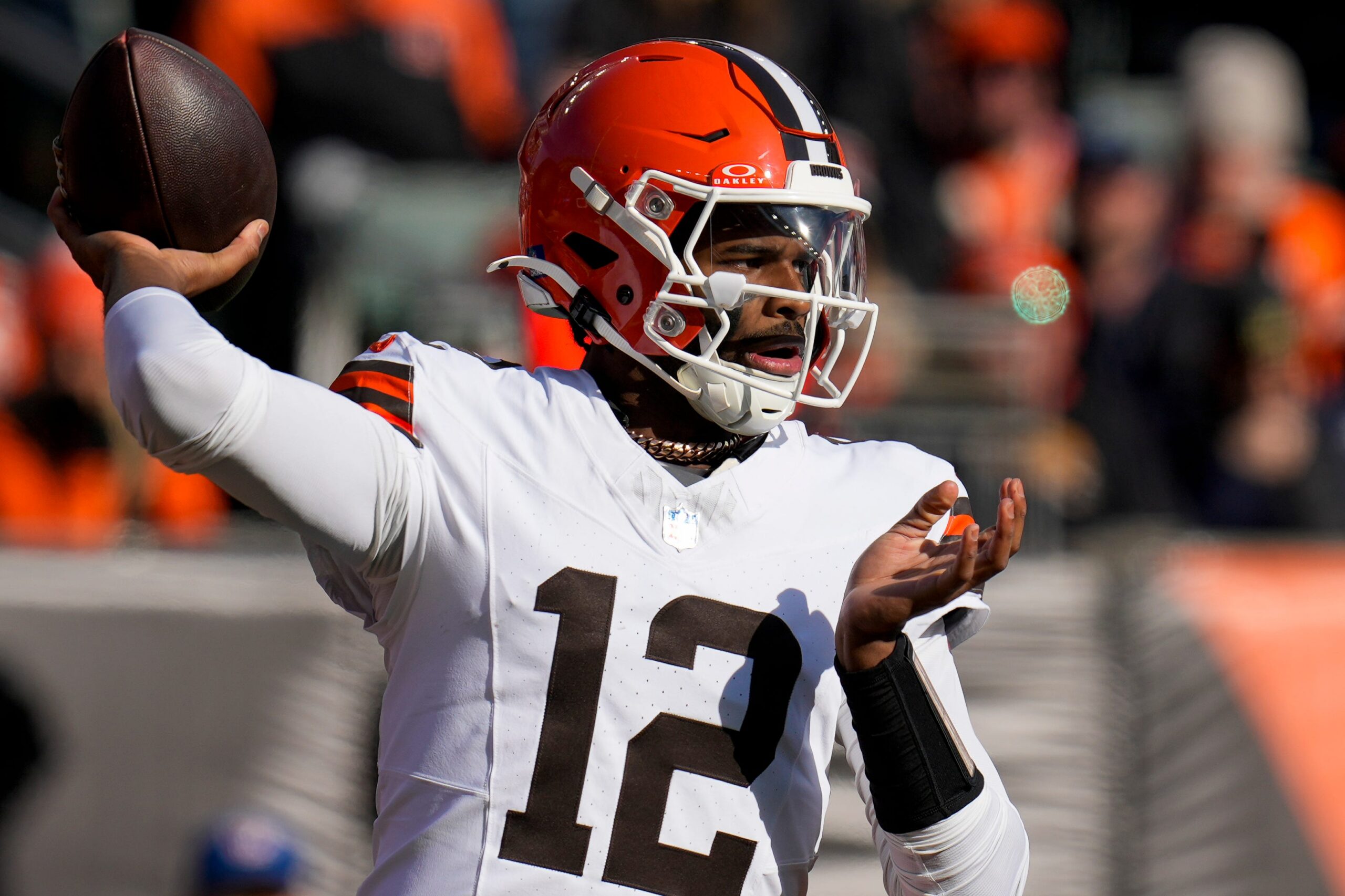
Cleveland Browns quarterback Shedeur Sanders (12) throws a pass in the first quarter of the NFL Week 18 game between the Cincinnati Bengals and the Cleveland Browns at Paycor Stadium in Downtown Cincinnati on Sunday, Jan. 4, 2026.
Sanders’s rookie stat line tells two stories at once: 1,400 passing yards, seven touchdowns, 10 interceptions on 212 attempts, with a 68.1 passer rating. Rough. But his average time to throw, around 3.4 seconds, ranked among the slowest in the league. That number usually disqualifies a young quarterback. Instead, Monken sees it as raw material. A point guard holding the ball until the shot clock nearly expires, who could become lethal if he learns to initiate earlier. Watson’s dead-cap hit, estimated at well over one-third of a typical salary cap, makes patience expensive.
Who Else Gets Caught in the Blast
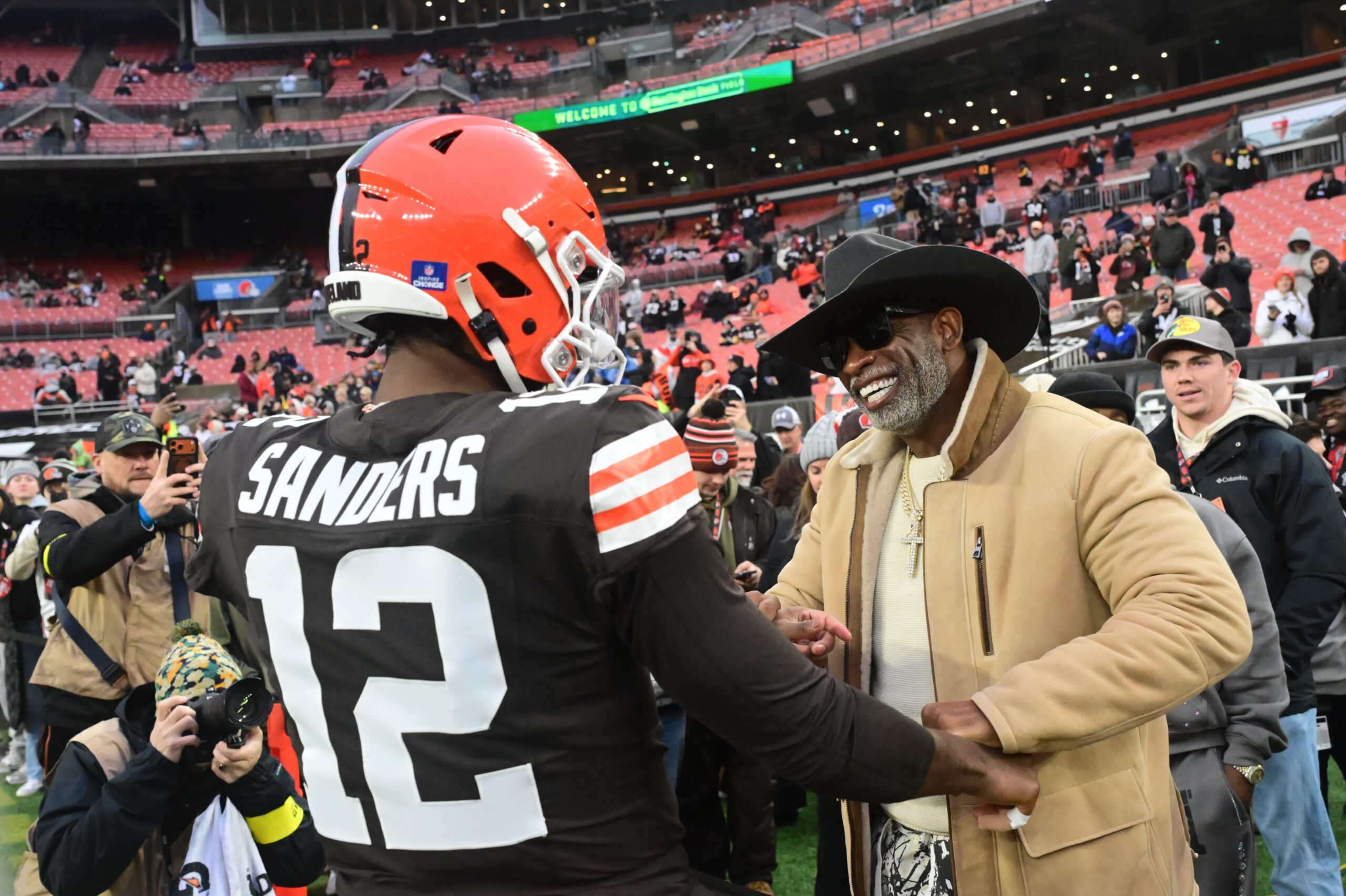
Dec 28, 2025; Cleveland, Ohio, USA; Cleveland Browns quarterback Shedeur Sanders (12) and his father Deion Sanders on the sideline before the game against the Pittsburgh Steelers at Huntington Bank Field. Mandatory Credit: Ken Blaze-Imagn Images
If Sanders claims the job, Cleveland effectively pays starter money to a backup while enjoying a starting quarterback on a rookie deal. That reshapes how they allocate cap resources everywhere else. But it also locks them into brutal conversations about Watson’s future. Other teams with large quarterback contracts and intriguing young backups will watch how far the Browns push performance over payroll. If Cleveland seriously entertains Sanders as a starter, it could embolden other franchises to consider similar moves earlier in contract cycles. One quarterback room in Ohio could ripple across 32 front offices.
The New Rule Nobody Wants to Name
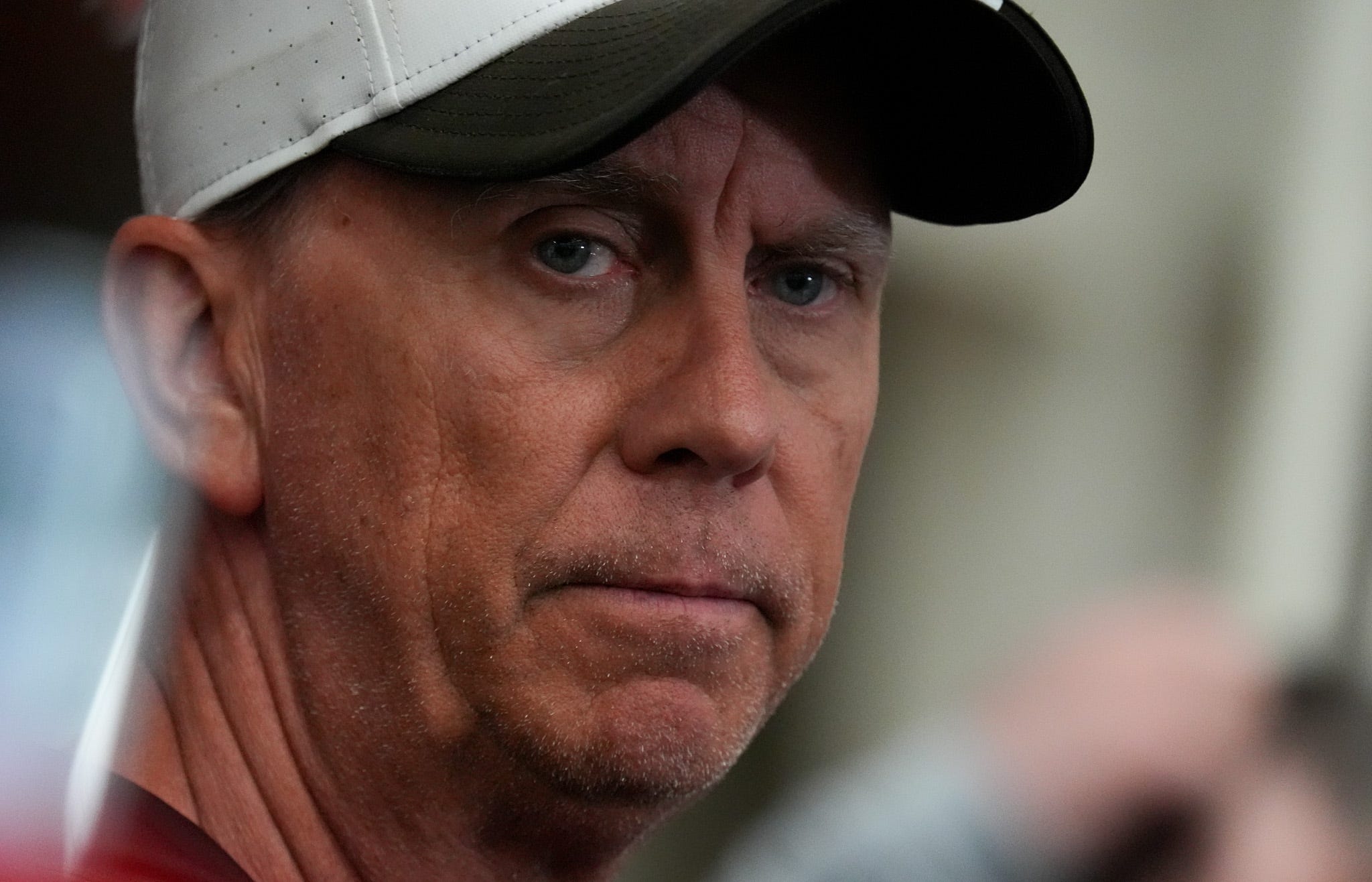
Coach Todd Monken talks to the press at the Browns OTA camp in Berea on May 20, 2026.
Once you see it, you cannot unsee it. Monken’s “Sure he can” is less a throwaway line and more a signal that coaching autonomy can test the boundaries of a massive contractual commitment. Every OTA rep, every public comment, every minor adjustment in rep distribution reads as a negotiation between money, health, and belief in a young quarterback’s trajectory. A Sanders ascension under these conditions would set a precedent: even fully guaranteed, record-setting contracts are not absolute shields against benching. The biggest contract no longer guarantees the job. That shifts leverage away from high-priced veterans in every future negotiation.
The Fuse That Burns Through September
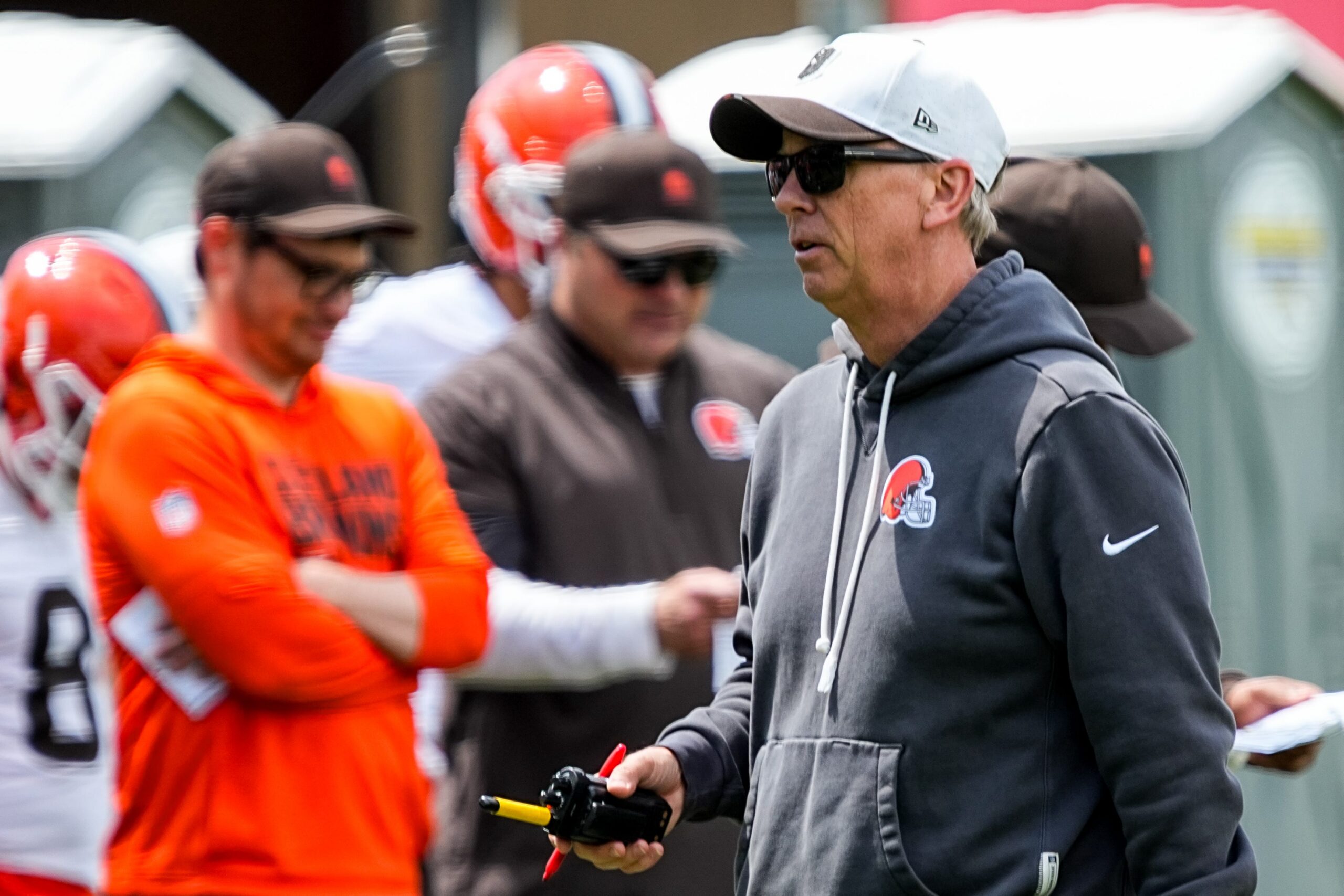
Cleveland Browns coach Todd Monken, left, walks the field between plays during the first day of rookie minicamp May 8, 2026, at Cross Country Mortgage Campus in Berea, Ohio.
Persistent uncertainty could escalate into locker-room factions if teammates and fans choose sides. Every offensive drive becomes a referendum on Monken’s decision. Watson risks losing not only his starting role but the leverage to seek a favorable exit or extension. Sanders’s development has focused on improving processing, timing, and comfort within the offense, but pre-draft analysts warned he needs a strong supporting cast and system to succeed. That pressure now falls squarely on Monken’s scheme and the roster around a quarterback who switched back to jersey No. 2 for his second season.
The Bar Conversation Nobody Else Can Have
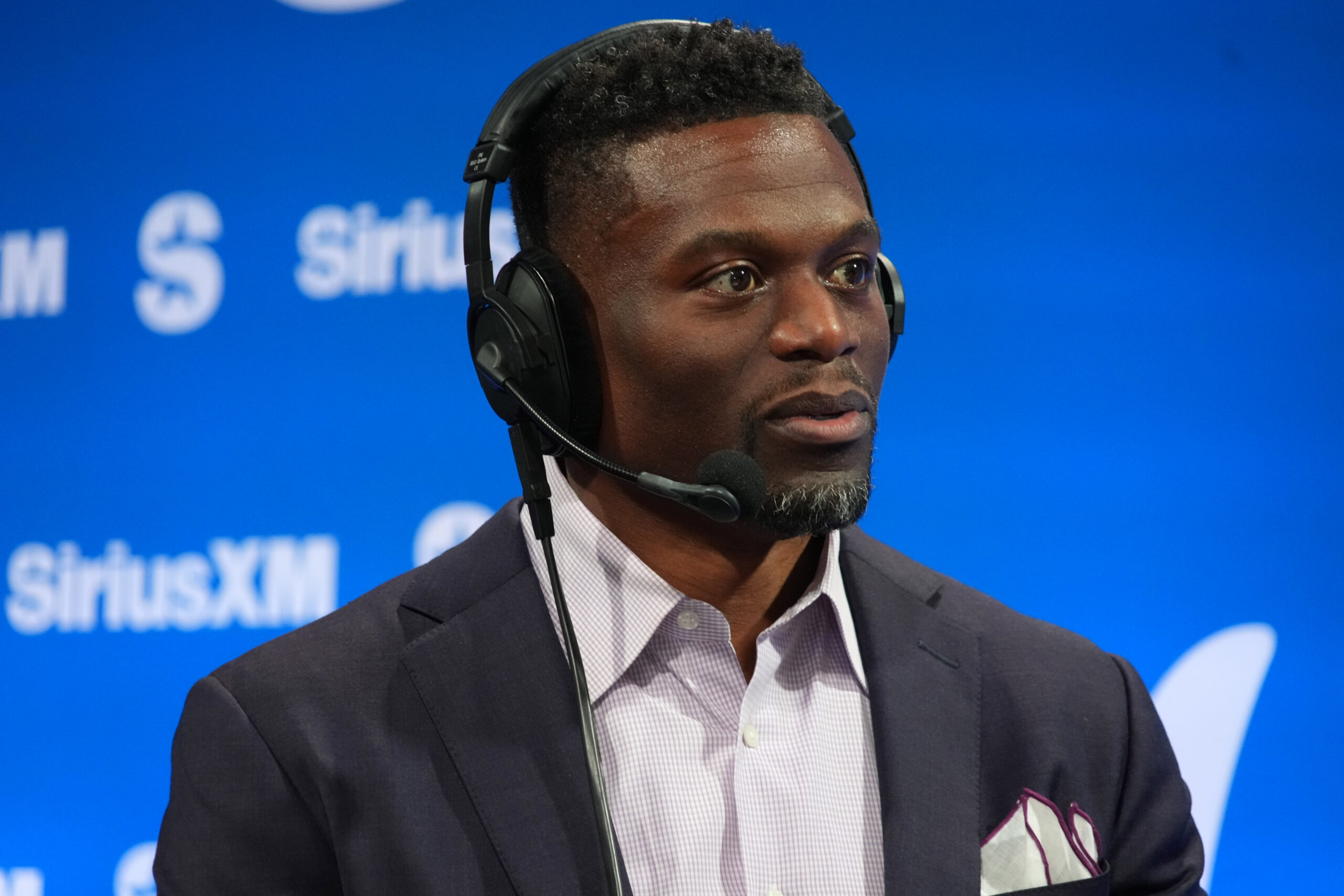
Feb 4, 2026; San Francisco, CA, USA; Benjamin Watson on the SiriusXM radio set at the Super Bowl LX media center at the Moscone Center. Mandatory Credit: Kirby Lee-Imagn Images
The front office could respond by restructuring Watson’s cap hits yet again, exploring trade scenarios, or doubling down on public support for whoever wins. None of those paths are painless. The person who understands this story knows it was never really about Sanders versus Watson. It was about whether a coach willing to prioritize merit over payroll can actually reorder a depth chart shaped by financial obligation, injury history, and institutional inertia. Monken has not yet decided who starts Week 1. He just told everyone the old rules no longer apply. So tell us in the comments — if you were running the Browns, would you start Sanders Week 1 and eat the cap pain on Watson, or ride out the contract one more year? Cleveland’s whole next decade might hinge on which way you’d lean.