
Roger Goodell stood at a podium in 2007 and announced a revised Personal Conduct Policy, one that strengthened existing conduct rules across the league. Nobody in that room knew he’d need to keep rewriting it. Cameras in stairwells. Adderall in lockers. Dogfighting rings. Bounties on human beings. Footballs doctored before a championship game. Domestic violence cases that exposed how lenient the league had been. Players betting on their own sport. Each scandal arrived like a wrecking ball aimed at the NFL’s credibility, and each time, the league responded by tearing up its own rulebook and starting over. Ranked in escalating order of shock value, here are the nine bans and disciplinary actions that reshaped NFL law.
9. Performance-Enhancing Drugs — The Quiet Crackdown That Reshaped Locker Rooms
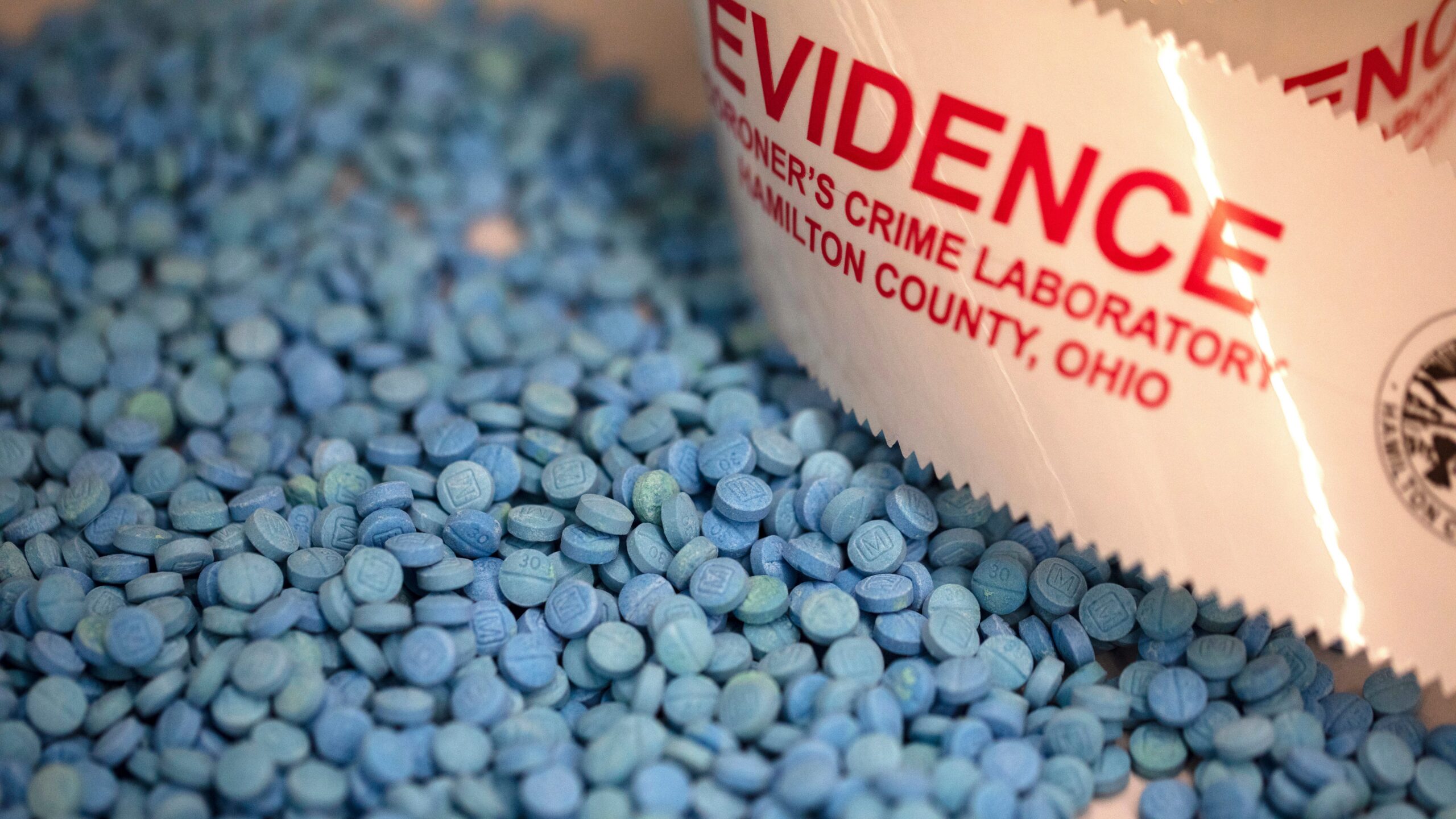
VIDEO COVER: Laura Kimble, senior drug chemist and forensic scientist with the Hamilton County Coroner’s Crime Laboratory located in Blue Ash, shows some of the fake oxycodone, Thursday, March 24, 2022 that was seized in a large drug bust. Legally prescribed, the drug is used to relieve severe pain. It is an opioid analgesic. The fake pills contain fentanyl and acetaminophen. But though the drugs were confiscated in the same drug bust, they’re not all the same. Kimble said one pill tested with no actual drugs in it. She noted the discoloration and smudging of the letters. Fentanyl is a synthetic opioid and is 100 times more potent than morphine. Covid Death Hit One Million
Long before any of the headline-grabbing scandals, PED suspensions were quietly forcing the NFL to professionalize its disciplinary process. Since 2001, NFL players have been suspended for performance-enhancing substances at least 258 times, with more than 80 of those occurring in a single recent five-year window. Adderall, classified as a banned stimulant under the league’s PED policy, became the most commonly cited substance behind closed-door appeals. The PED policy forced the NFL to build an entire infrastructure of testing, therapeutic-use exemptions, and graduated suspensions — the template every later policy would borrow from. It rarely makes a back-page headline, but it laid the foundation.
8. Spygate — The First Million-Dollar Lesson on Integrity
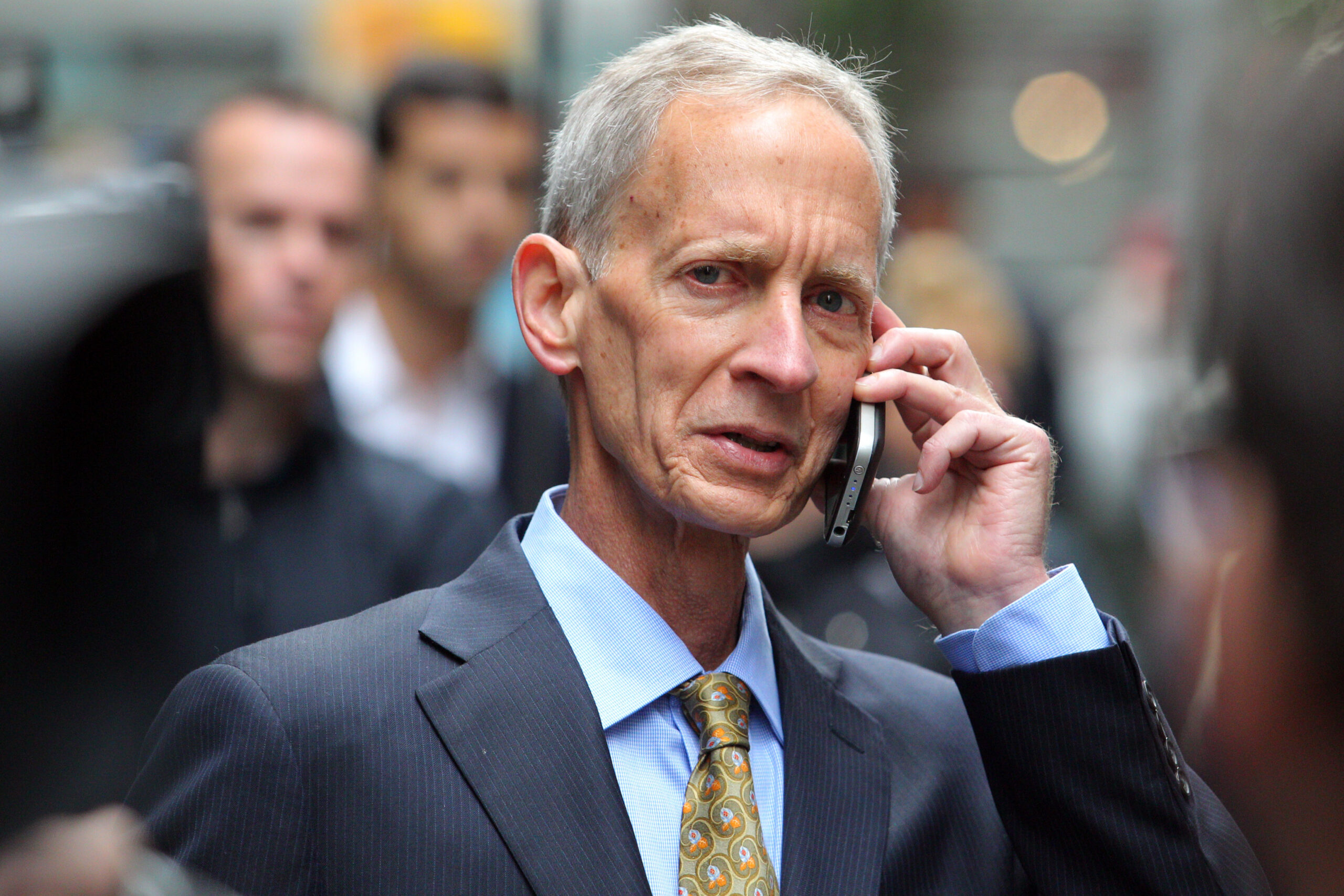
Nov 5, 2014; New York, NY, USA; Peter Ginsberg, attorney for suspended NFL running back Ray Rice, awaits Rice’s arrival outside 1185 Avenue of the Americas, the building where Rice will appeal his indefinite NFL suspension. Mandatory Credit: Brad Penner-USA TODAY
In September 2007, the New England Patriots were caught videotaping New York Jets defensive signals during a game. The NFL fined head coach Bill Belichick $500,000 — the largest fine ever levied on a coach at that point — fined the team another $250,000, and stripped a first-round draft pick. No suspension was issued, but the message was unmistakable: competitive integrity was now a punishable category. Spygate set the precedent that organizational misconduct could cost premium draft capital, a tool the league would reuse repeatedly in later scandals. It was also the first major test of Goodell’s new disciplinary authority, just months after he rolled out the revised Personal Conduct Policy.
7. Domestic Violence — The Ray Rice Revision That Doubled Punishments
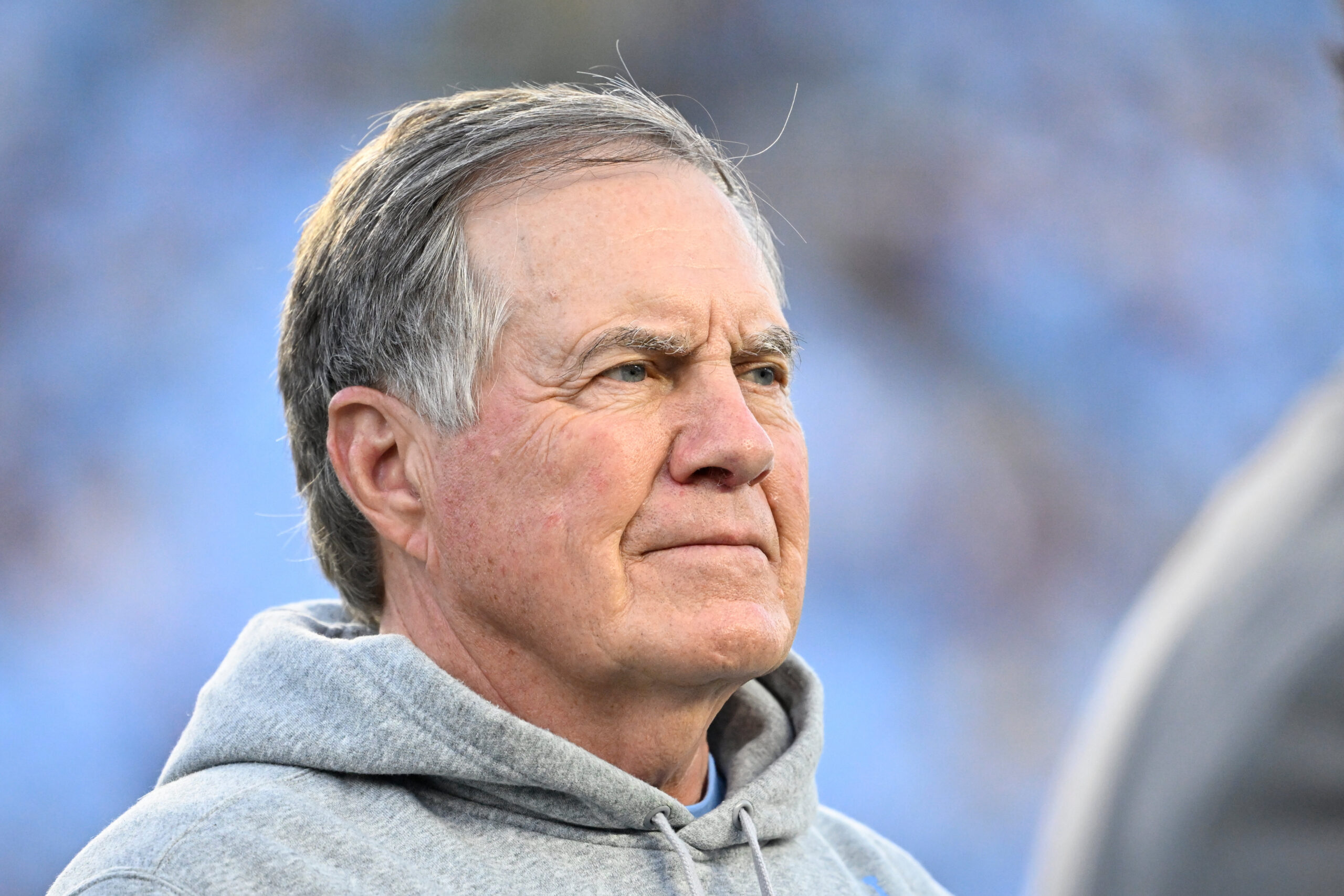
Sep 1, 2025; Chapel Hill, North Carolina, USA; North Carolina Tar Heels head coach Bill Belichick on the field before the game at Kenan Stadium. Mandatory Credit: Bob Donnan-Imagn Images
After the Ray Rice incident in 2014, the NFL modified its Personal Conduct Policy to enforce a six-game suspension for a first domestic violence offense. Before that revision, Rice had received just two games. The gap between those numbers tells you everything about how far behind the league’s standards had fallen. Public outrage forced Goodell to publicly admit the league “got it wrong,” and the new framework moved domestic violence from vague, case-by-case judgment calls to specific, enforceable suspension parameters. Predictability replaced arbitrariness. The personal conduct policy grew from a pamphlet into a regulatory framework.
6. Dogfighting — The Highest-Paid Player in History Went to Prison
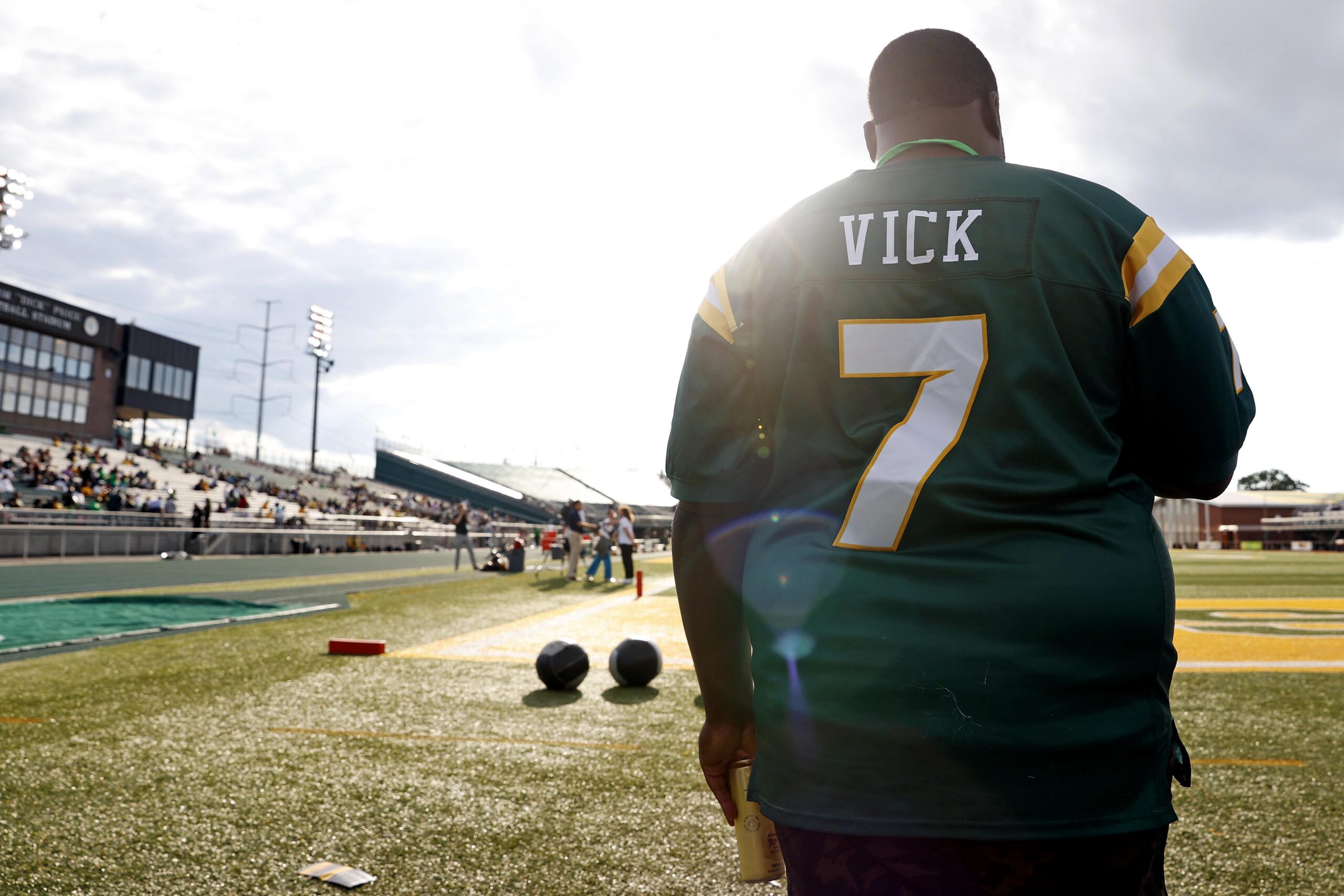
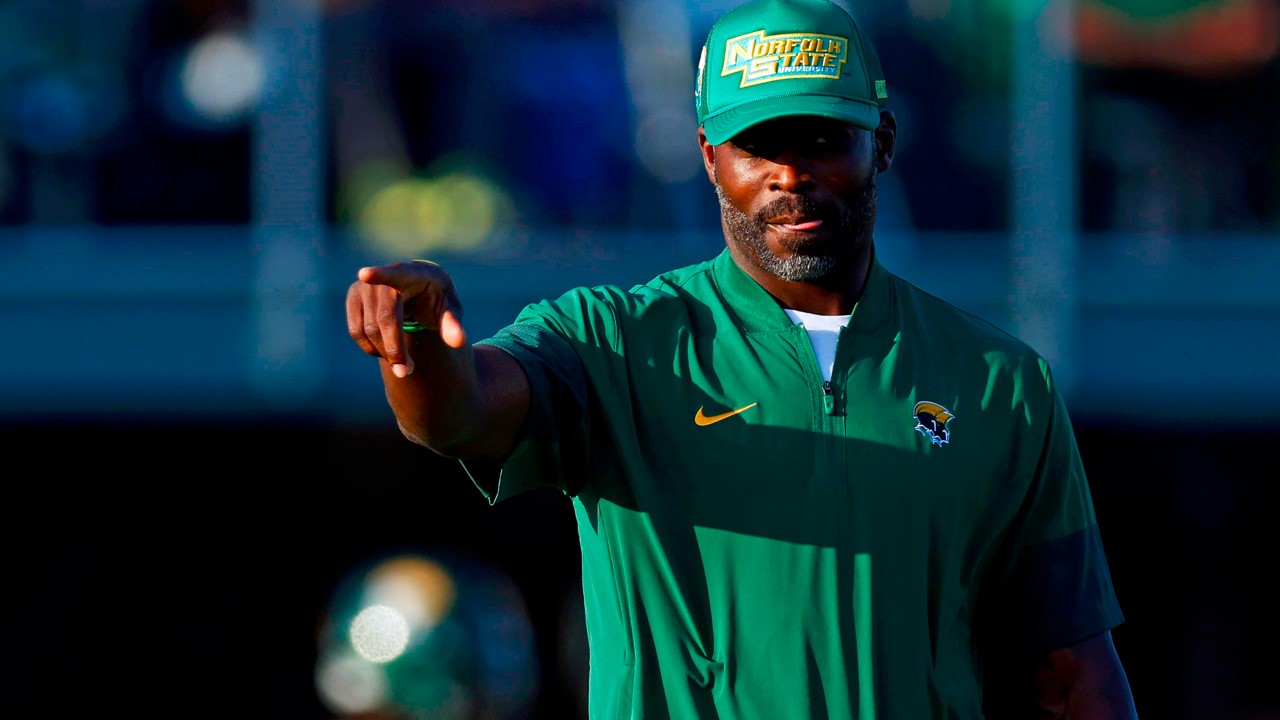
Aug 28, 2025; Norfolk, VA, USA; A fan stands on the field in a jersey for Norfolk State Spartans head coach Michael Vick (not pictured) before the game between the Norfolk State Spartans and the Towson Tigers at William Price Stadium. Mandatory Credit: Peter Casey-Imagn Images
Michael Vick, one of the highest-paid players in NFL history at the time, pleaded guilty on August 20, 2007, to a federal conspiracy charge tied to financing an interstate dogfighting ring known as “Bad Newz Kennels.” The operation housed and trained pit bulls for organized fights, and federal prosecutors documented that animals were also killed as part of the operation. Vick lost a 10-year, $130 million contract and served 23 months in federal custody. The league had never confronted off-field conduct this serious, and its existing disciplinary tools looked pathetically inadequate. Vick’s case created the template for off-field conduct enforcement that still governs the NFL today.
5. Bounties — A Head Coach Banned for a Full Season
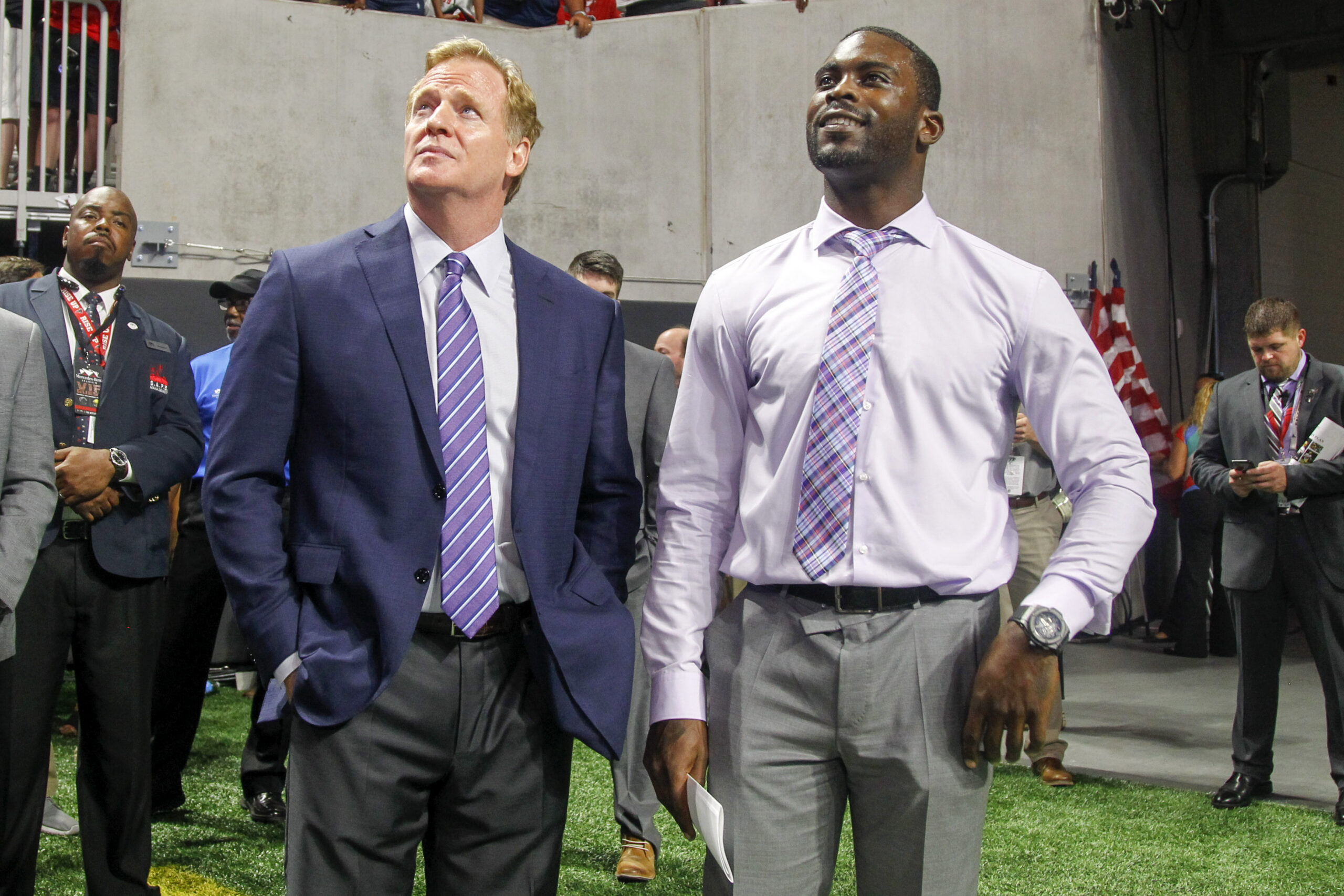
Sep 17, 2017; Atlanta, GA, USA; NFL commissioner Roger Goodell talks with former NFL quarterback Michael Vick before a game between the Atlanta Falcons and Green Bay Packers at Mercedes-Benz Stadium. Mandatory Credit: Brett Davis-Imagn Images
The Vick case exposed individual depravity. The Saints bounty scandal exposed something systemic. From 2009 to 2011, the league found sufficient evidence that Sean Payton’s crew implemented a system rewarding players for deliberately attempting to knock opposing players out of games. Defensive coordinator Gregg Williams managed the payments: $1,500 for a knockout hit, $1,000 for a cart-off. That’s a price list for human damage, run by coaches, inside an NFL facility. The league determined Payton covered it up, and he received an unprecedented full-season suspension — not a fine, not a slap, an entire year erased from a Super Bowl-winning head coach’s career. Before BountyGate, coaching suspensions of this magnitude were unthinkable.
4. Deflated Footballs — The Suspension That Proved Nobody Was Untouchable
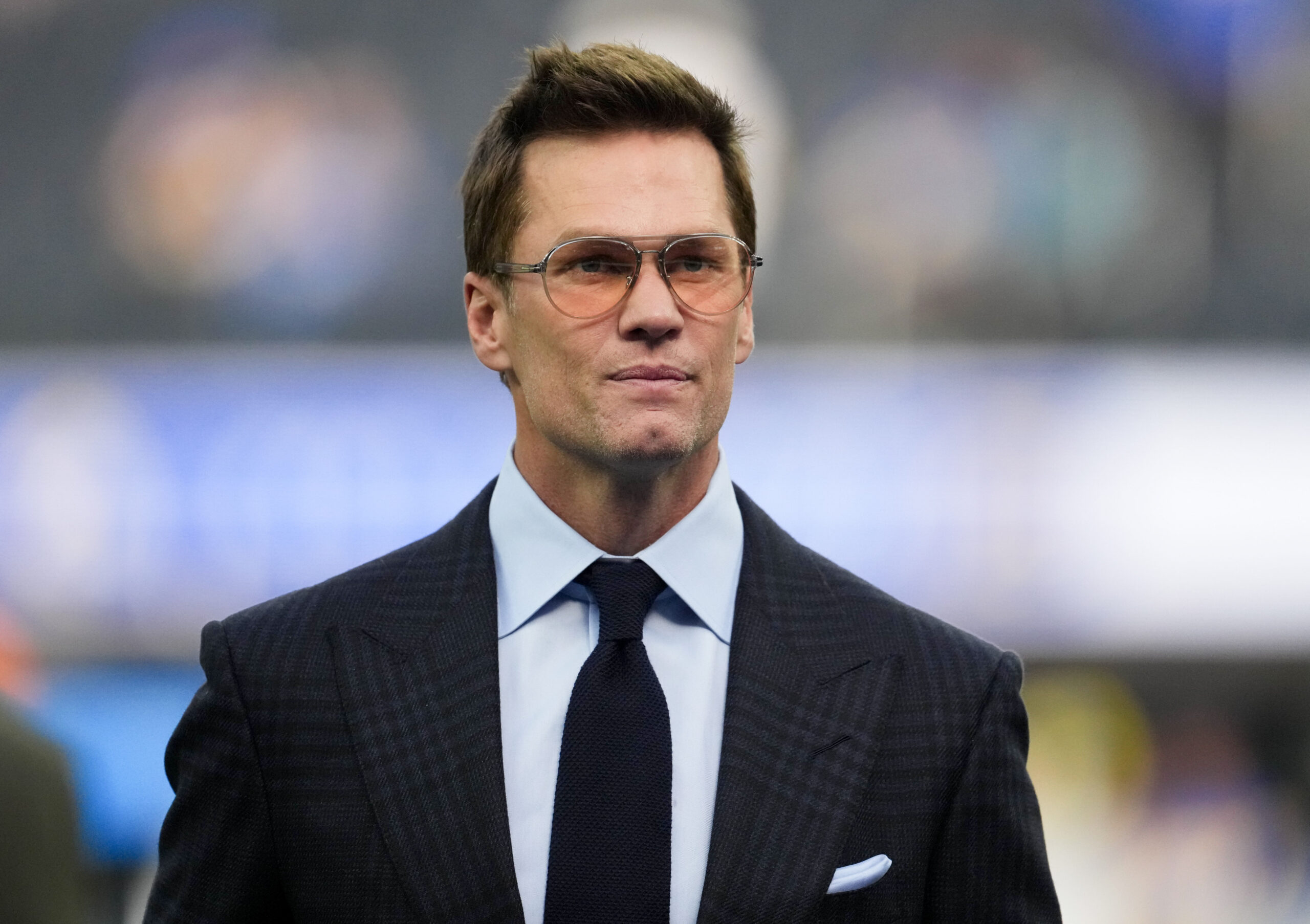
Dec 14, 2025; Inglewood, California, USA; Fox broadcaster Tom Brady is seen prior to the game between the Detroit Lions and the Los Angeles Rams at SoFi Stadium. Mandatory Credit: Kirby Lee-Imagn Images
Then came the footballs. Tom Brady received a four-game suspension based on findings that he was at least generally aware Patriots employees were deflating footballs before the AFC Championship Game. The biggest star in the sport. Suspended. For air pressure. Brady fought it in court, then announced he would no longer contest the ban. That surrender mattered more than the ruling itself. The NFL had demonstrated it would enforce integrity rules against its most valuable asset. Star power offered zero protection. Deflategate proved the commissioner’s disciplinary authority could survive federal court challenges.
3. Calvin Ridley — A Pro Bowl Receiver Lost a Full Season Over $1,500 in Bets
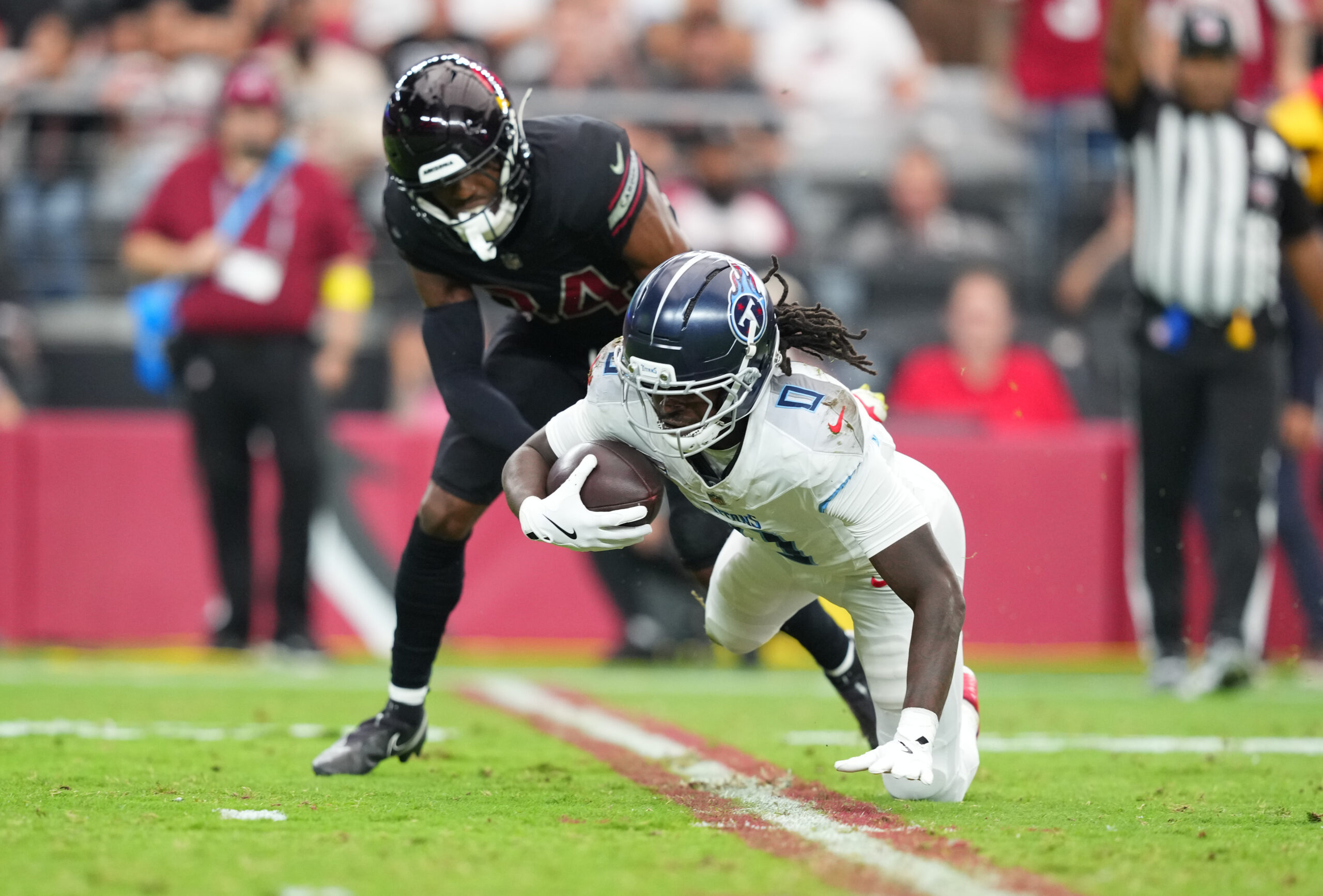
Oct 5, 2025; Glendale, Arizona, USA; Tennessee Titans wide receiver Calvin Ridley (0) dives for yardage with Arizona Cardinals safety Jalen Thompson (34) defending during the fourth quarter at State Farm Stadium. Mandatory Credit: Joe Camporeale-Imagn Images
In March 2022, the NFL suspended Atlanta Falcons wide receiver Calvin Ridley indefinitely — through at least the entire 2022 season — for betting on NFL games during a five-day window in November 2021 while away from the team on a mental health leave. Ridley reportedly wagered $1,500 total. The punishment was wildly disproportionate to the dollar amount, which was exactly the point: the league wanted a deterrent loud enough to be heard in every locker room. Ridley’s ban became the modern reference case for player gambling discipline, separating betting on the NFL itself (career-threatening) from betting on other sports (graduated suspensions).
2. The Player-Gambling Wave — Multiple Suspensions, One Clear Message
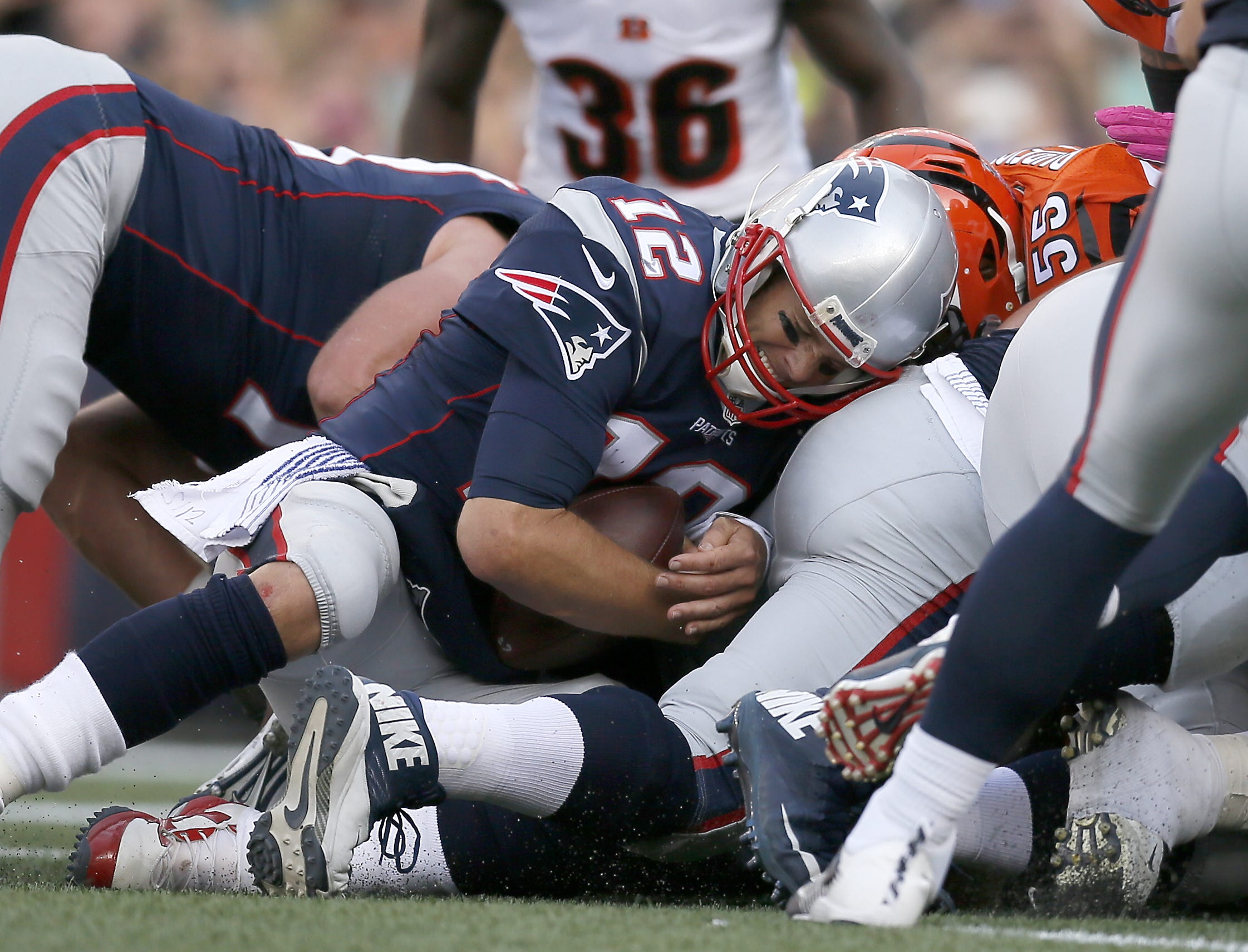
New England Patriots quarterback Tom Brady (12) tries to push in a touchdown in the fourth quarter of the NFL Week 6 game between the New England Patriots and the Cincinnati Bengals at Gillette Stadium in Foxboro, Mass., on Sunday, Oct. 16, 2016. The Bengals fell to 2-4 with a 35-17 loss in Tom Brady’s first home game since his four-game suspension. 101616 Bengals
A wave of NFL players faced suspension over betting allegations beginning in 2022, with multiple players banned across 2023 alone — including coordinated multi-player suspensions on individual teams. The league sent memos about prohibited prop bets, restricted access in team facilities, and built out the disciplinary infrastructure in real time. No NFL player has been suspended for gambling since 2023, suggesting the deterrent worked, but the policy machinery is now permanent. What started as a Calvin Ridley one-off became a leaguewide enforcement regime in less than 18 months.
1. Gambling’s Half-Trillion-Dollar Contradiction
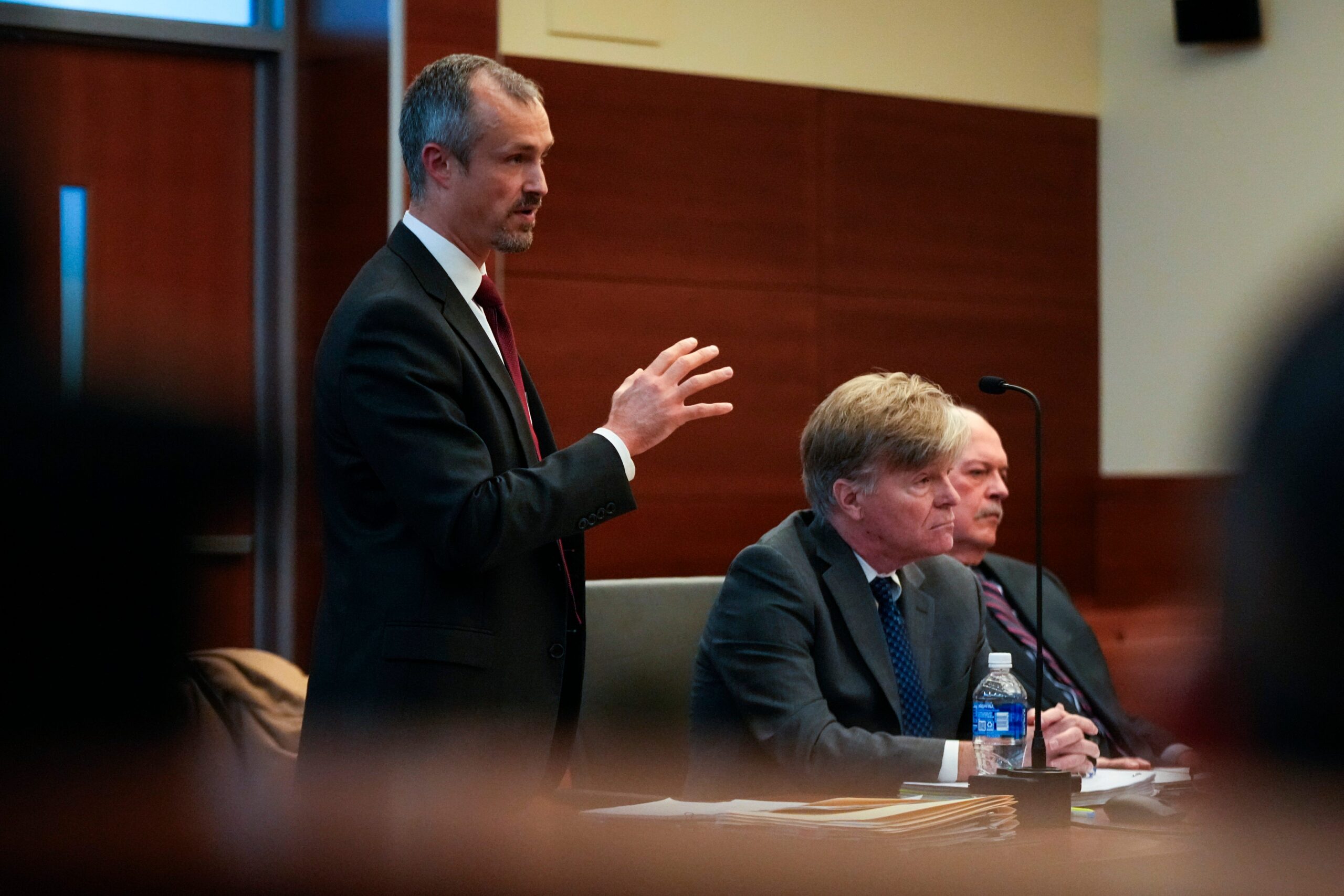
ssistant Montgomery County Prosecutor Josh Shaw speaks during a hearing for former Franklin County Sheriff’s deputy Jason Meade at the Franklin County Common Pleas Court on Thursday, Dec. 12, 2024 in Columbus, Ohio.
The Supreme Court’s 2018 PASPA decision legalized sports betting nationwide, and U.S. legal sports wagering passed the half-trillion-dollar mark in handle by early 2025. The NFL, which once treated gambling as an existential threat, now partners with sportsbooks. That contradiction is the most jarring rewrite of all: the same league suspending players for placing bets is profiting from an industry it spent decades calling a threat to the game’s integrity. Every other ban on this list punished players, coaches, or teams for crossing a line the league itself had drawn. Gambling is the first ban category where the league moved the line — and then punished anyone standing on the wrong side of where it used to be.
A Living Rulebook That Only Learns the Hard Way
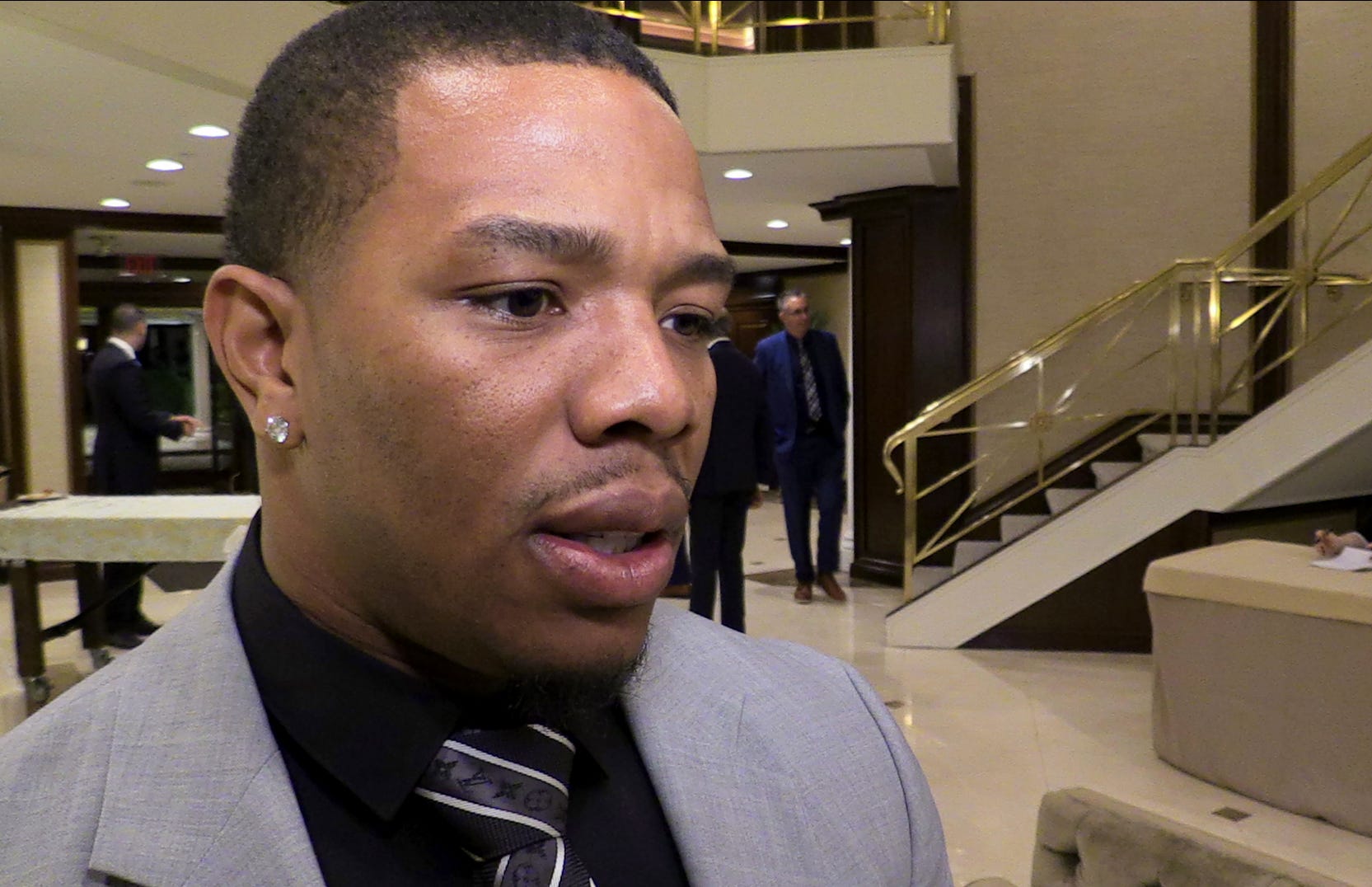
2021 Westchester Sports Hall of Fame inductee Ray Rice during the awards dinner at the Glen Island Harbour Club in New Rochelle, Nov. 17, 2021. Westchester Sports Hall Of Fame
Here is what most fans miss: these scandals weren’t isolated embarrassments. They were legislative events. PEDs built the testing infrastructure. Spygate established that organizations face punishment, not just individuals. Ray Rice forced specific suspension parameters. Vick created the template for off-field conduct enforcement. BountyGate extended accountability to head coaches. Deflategate proved the commissioner’s authority could survive federal court challenges. Ridley and the gambling wave forced the league to regulate a revenue stream it simultaneously profits from. The pattern is clear: the league only rewrites its rules after something forces its hand. It doesn’t anticipate crises — it absorbs them, then legislates backward. The next chapter won’t be written by a committee. It’ll be written by whoever gets caught next. Which of these bans do you think the NFL got right — and which one was overkill? Drop your verdict in the comments.