


The 2026 NFL schedule dropped, and it confirmed what players and fans had worried about: 272 regular‑season games spread across six days of the week. The slate now includes Wednesday, Thursday, Friday, Saturday, Sunday, and Monday kickoffs, leaving Tuesday as the only day without a scheduled game. The result is a season where almost every night can be an NFL night. Jason Kelce, the retired Eagles center and ESPN analyst, has been outspoken in criticizing how the league is moving away from a Sunday‑centric identity. Sunday used to be football’s day. Now it shares the stage with five others. The part most fans haven’t considered is what that fragmentation does to the people actually playing, and to every industry built around the old rhythm.
Why the NFL Blew Up the Calendar
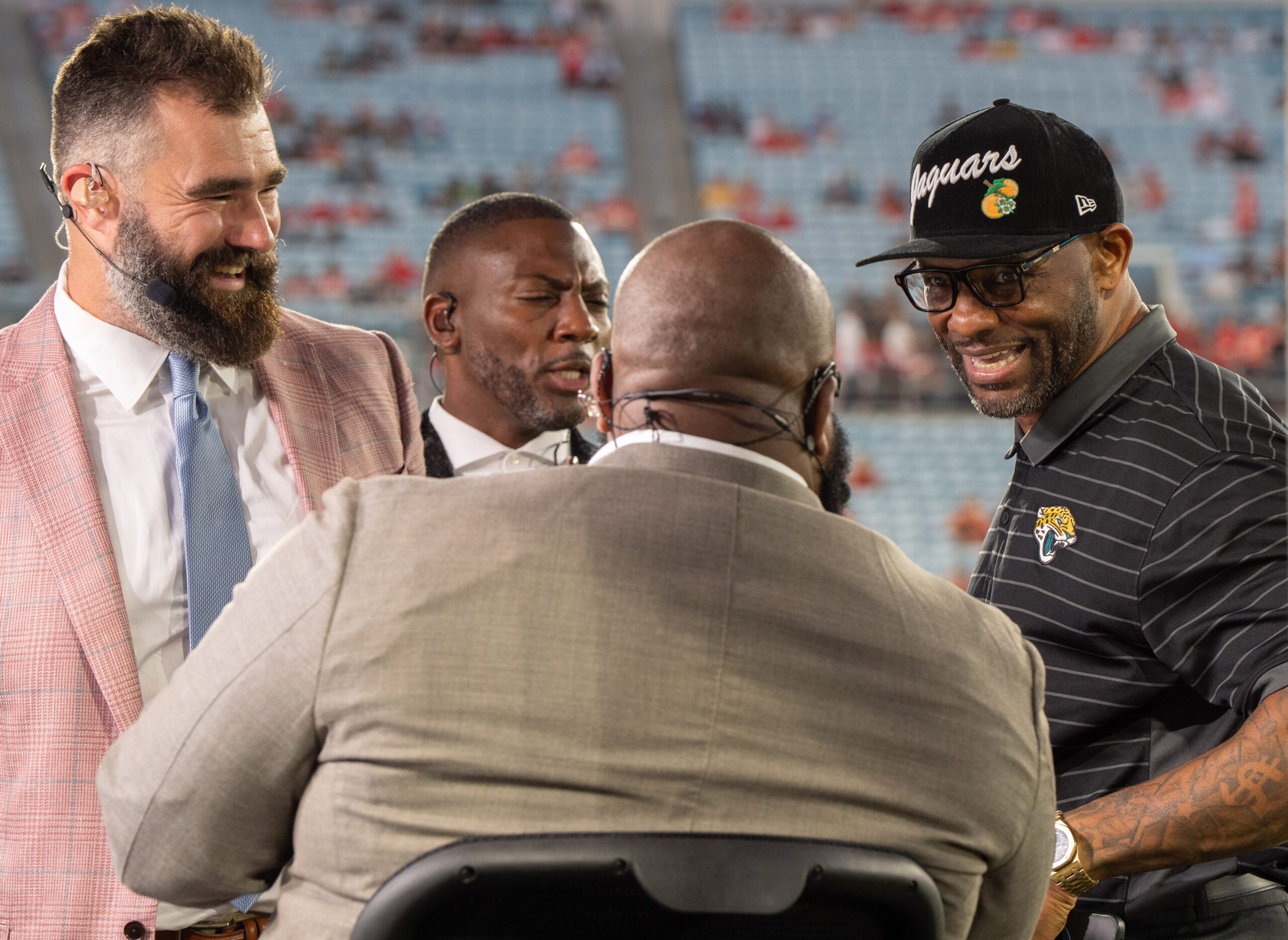
Jason Kelce, left, has a laugh with former Jaguar Fred Taylor, right, before an Monday Night NFL football game at EverBank Stadium, Monday, Oct. 6, 2025, in Jacksonville, Fla. [Doug EngleFlorida Times-Union]
Follow the money. The NFL’s media rights deal runs through 2033 and is widely reported to total around $110 billion over 11 years. Networks and streaming platforms paying that kind of freight want exclusive windows, not shared ones. More days mean more primetime slots. More primetime slots mean more ad inventory. Wednesday games, Friday games, Christmas Day matchups: each one exists because a broadcaster or platform paid for that inventory. The league didn’t stumble into a six‑day week. It engineered one, year by year and deal by deal, to maximize how many standalone windows it could sell. The schedule serves the contracts as much as it serves the sport.
Your Sunday Ritual Just Got Diluted
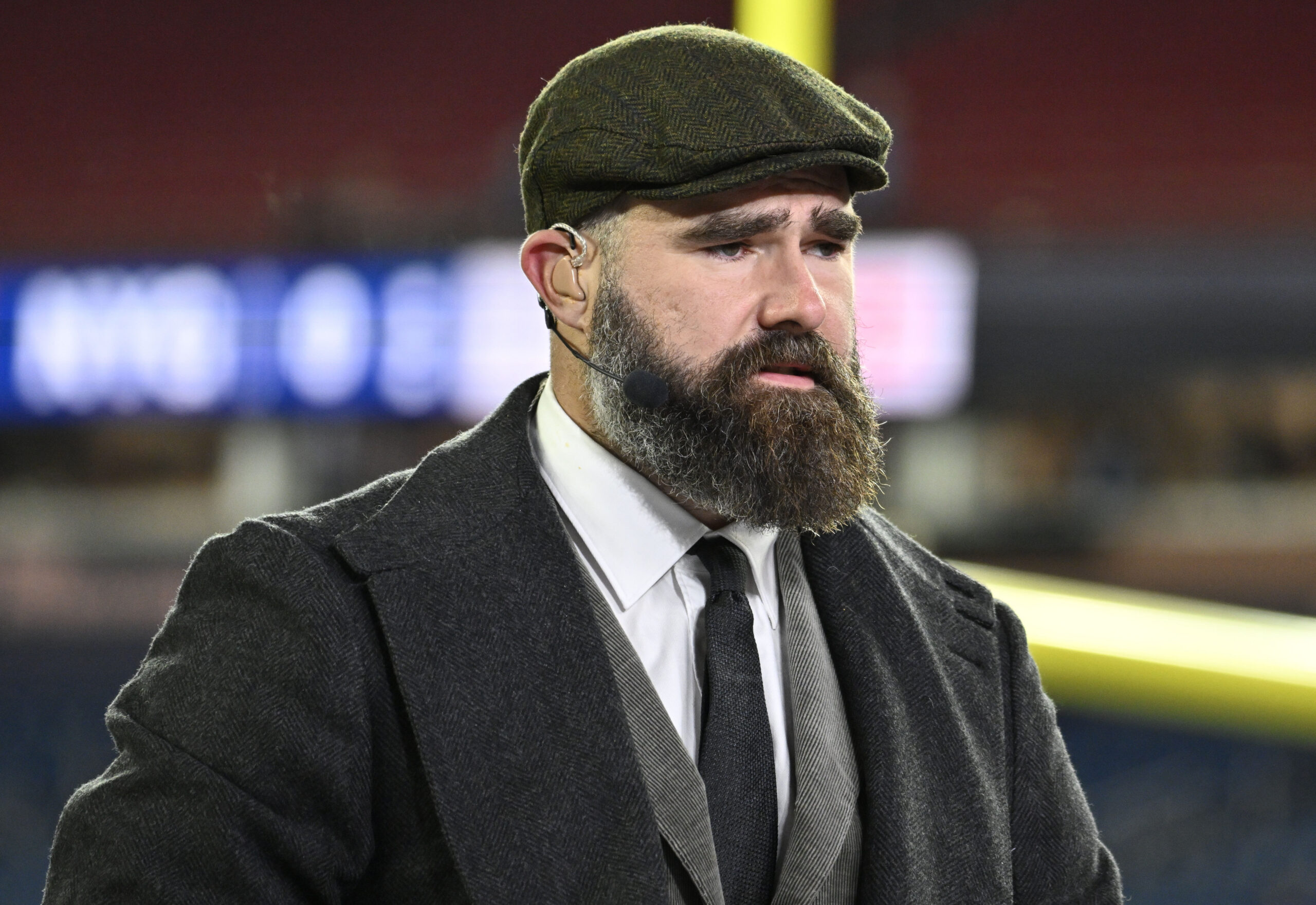
Dec 1, 2025; Foxborough, Massachusetts, USA; Monday Night Countdown’s Jason Kelce talks during the pregame show prior to the game between the New York Giants and the New England Patriots at Gillette Stadium. Mandatory Credit: Eric Canha-Imagn Images
Kelce has put it plainly in recent comments: Sunday is the day most people associate with football, almost an institution at this point. That institution is shrinking. Fewer marquee matchups on Sunday mean fewer reasons to build your entire weekend around the couch, the wings, and the red‑zone channel. Fantasy leagues that once revolved around a single‑day slate now sprawl across nearly a full week. Watch parties get harder to organize when kickoffs land on a Wednesday night. The casual fan who used to check in on Sundays now has to track six different days if they want to see everything. That is not pure accessibility. For a lot of people, it feels like exhaustion.
Teams Are Scrambling Behind the Scenes
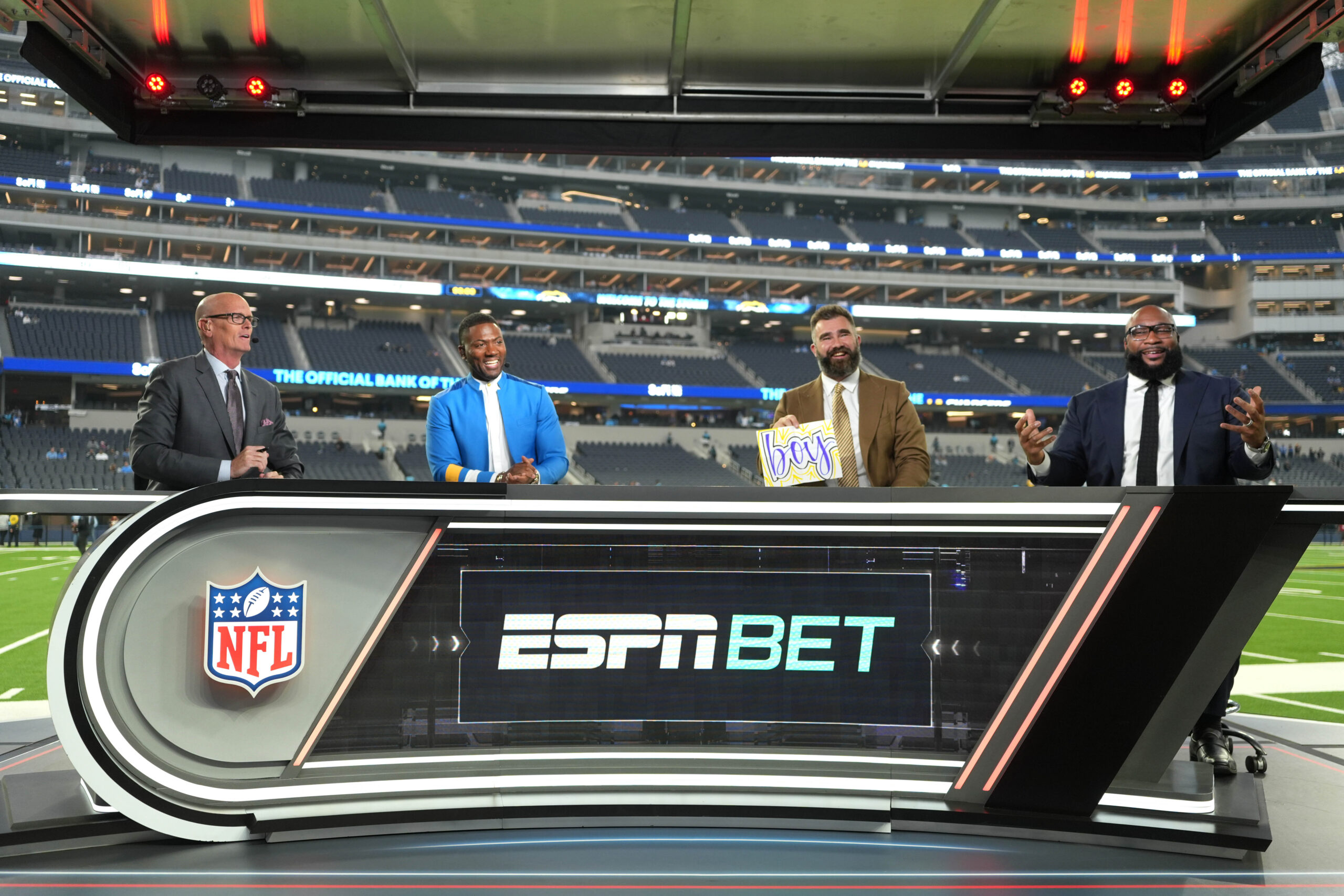
Nov 25, 2024; Inglewood, California, USA; From left: Scott Van Pelt, Ryan Clark, Jason Kelce and Marcus Spears on the ESPN Monday Night Football Countdown set at SoFi Stadium. Mandatory Credit: Kirby Lee-Imagn Images
Some teams face especially choppy schedules in 2026, with quick turnarounds and long trips stitched together. The Seattle Seahawks, for example, open the season in a midweek national window and also have a Christmas Friday game at home, giving them a rare mix of standalone showcase slots. That means coaching staffs rebuilding game plans on two‑ and three‑day turnarounds at multiple points in the year. Strength and conditioning coaches compress recovery protocols to fit around Thursday nights, Saturday showcases and holiday games. Travel departments are booking flights to places like Australia for an international opener and then pivoting back to late‑season holiday matchups. Front offices didn’t design their operations to run on a six‑day game week. The schedule effectively handed them one anyway.
The Bars and Restaurants Nobody Asked
Nov 4, 2024; Kansas City, Missouri, USA; Former NFL player and ESPN commentator Jason Kelce on the sidelines during the game between the Kansas City Chiefs and Tampa Bay Buccaneers at GEHA Field at Arrowhead Stadium. Mandatory Credit: Denny Medley-Imagn Images
Sports bars built their business model around Sunday. Staff schedules, food orders, drink specials, promotional budgets: all anchored to one predictable day when their place would be packed from the early window to the night game. Spread games across six days, and that concentrated spending disperses. A Wednesday night NFL game does not generate Sunday‑level foot traffic on its own. It splits the crowd, pulling some regulars off what used to be the main event. Restaurants and bars near stadiums face the same math. Instead of one massive home‑game Sunday with hours of pre‑ and post‑game business, they now juggle later weeknights and holiday kickoffs that do not necessarily line up with traditional peak hours. The economic engine of NFL Sundays has powered local economies in and around 32 markets for years. Now that engine runs at partial capacity six days instead of full throttle on one.
The Machine Behind Every Ripple
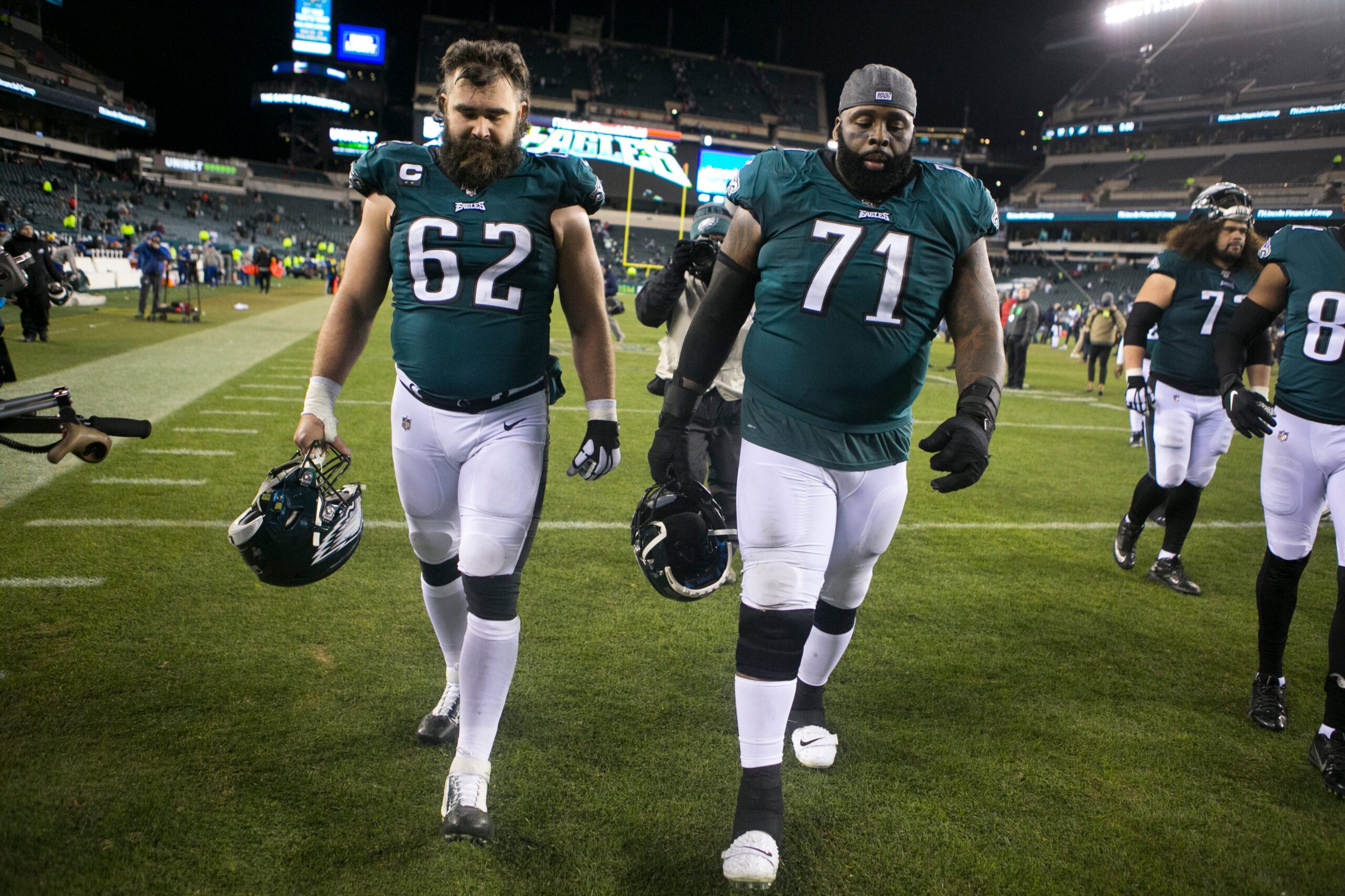
Philadelphia’s Jason Kelce (62) and Jason Peters (71) hang their heads as they head toward the locker room tunnel after losing to the Seattle Seahawks 17-9 in 2020 at Lincoln Financial Field.
Every one of these consequences traces back to the same structural pressure: broadcast and streaming exclusivity. Networks and platforms do not want to share a time slot if they can avoid it. They want their own night, their own audience, and their own ad rates. So the NFL carved Sunday into pieces and handed the slices out across the week. More windows. More days. More product. The league took something scarce and made it more saturated. Primetime slots multiply. Sunday’s audience fragments. Player bodies absorb shorter weeks. Bar revenue thins. Content schedules for shows and streaming platforms bend around midweek football. The mechanism is the same every time; only the people who feel the impact change.
The Players Paying the Physical Price
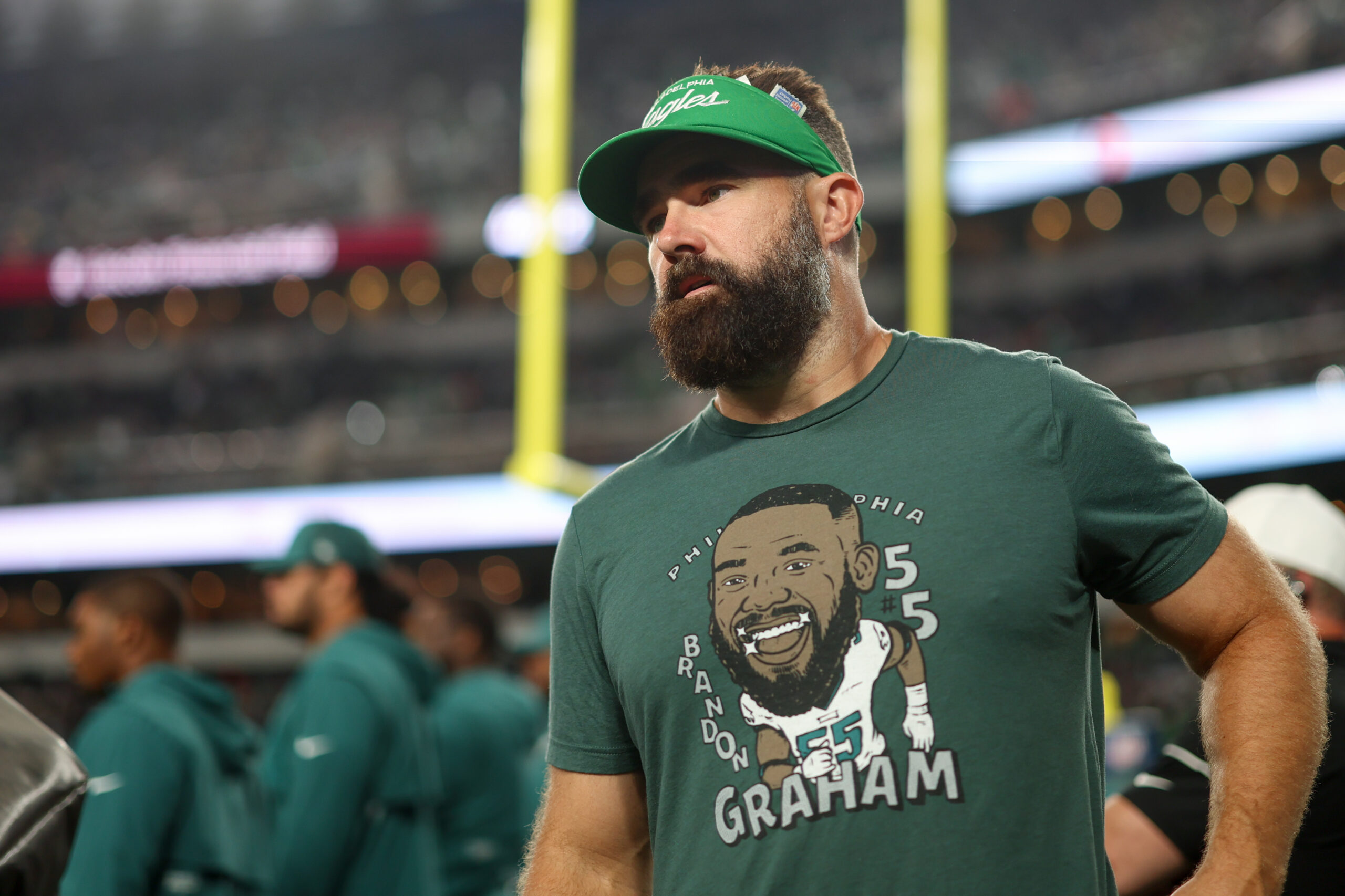
Sep 4, 2025; Philadelphia, Pennsylvania, USA; Philadelphia Eagles former player Jason Kelce looks on prior to the game between the Philadelphia Eagles and the Dallas Cowboys at Lincoln Financial Field. Mandatory Credit: Bill Streicher-Imagn Images
Kelce has voiced strong concerns about what the expanded, more fragmented schedule does to the athletes still playing. A Sunday‑to‑Thursday turnaround gives players roughly three and a half days of recovery, far less than a normal week. A Monday‑to‑Friday sequence cuts that further. Bodies don’t heal on broadcast timelines. The NFL Players Association has pushed back against schedule compression for years, warning about exactly these kinds of short‑week demands. Soft‑tissue injuries are more likely when recovery time shrinks. Concussion management and other protocols are harder to navigate when the next game arrives in four or five days instead of seven. Careers can end faster when the strain stacks up. The league added game days to the calendar. The human body did not get an upgrade to match.
A New Rule for American Sports
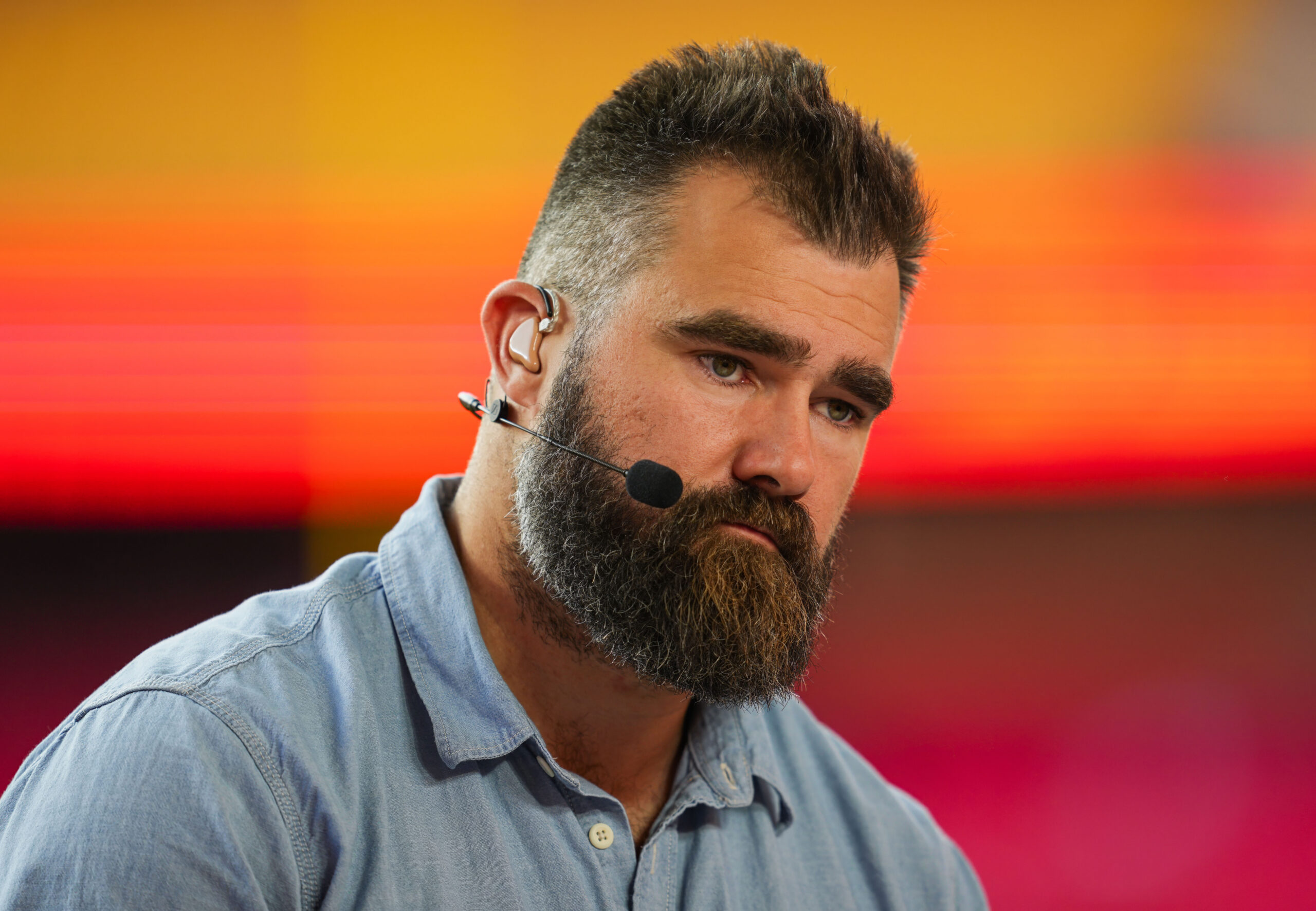
Oct 7, 2024; Kansas City, Missouri, USA; Former NFL player Jason Kelce prior to a game between the New Orleans Saints and the Kansas City Chiefs at GEHA Field at Arrowhead Stadium. Mandatory Credit: Jay Biggerstaff-Imagn Images
The NFL has now set a precedent that every other league is watching. If football can fill six broadcast and streaming days and keep drawing numbers, the NBA, MLB, and other properties will study that model. College football has already expanded its playoff and scattered marquee games across more dates and more networks. The pattern is clear: whoever controls the broadcast window controls the calendar. The 2026 NFL schedule, featuring a record slate of international games across an 18‑week season, rewrites the template for how American sports leagues monetize attention. Once a league proves that six different game days can be sold and sponsored, no commissioner will voluntarily walk that back and leave money on the table.
Who Wins and Who Bleeds
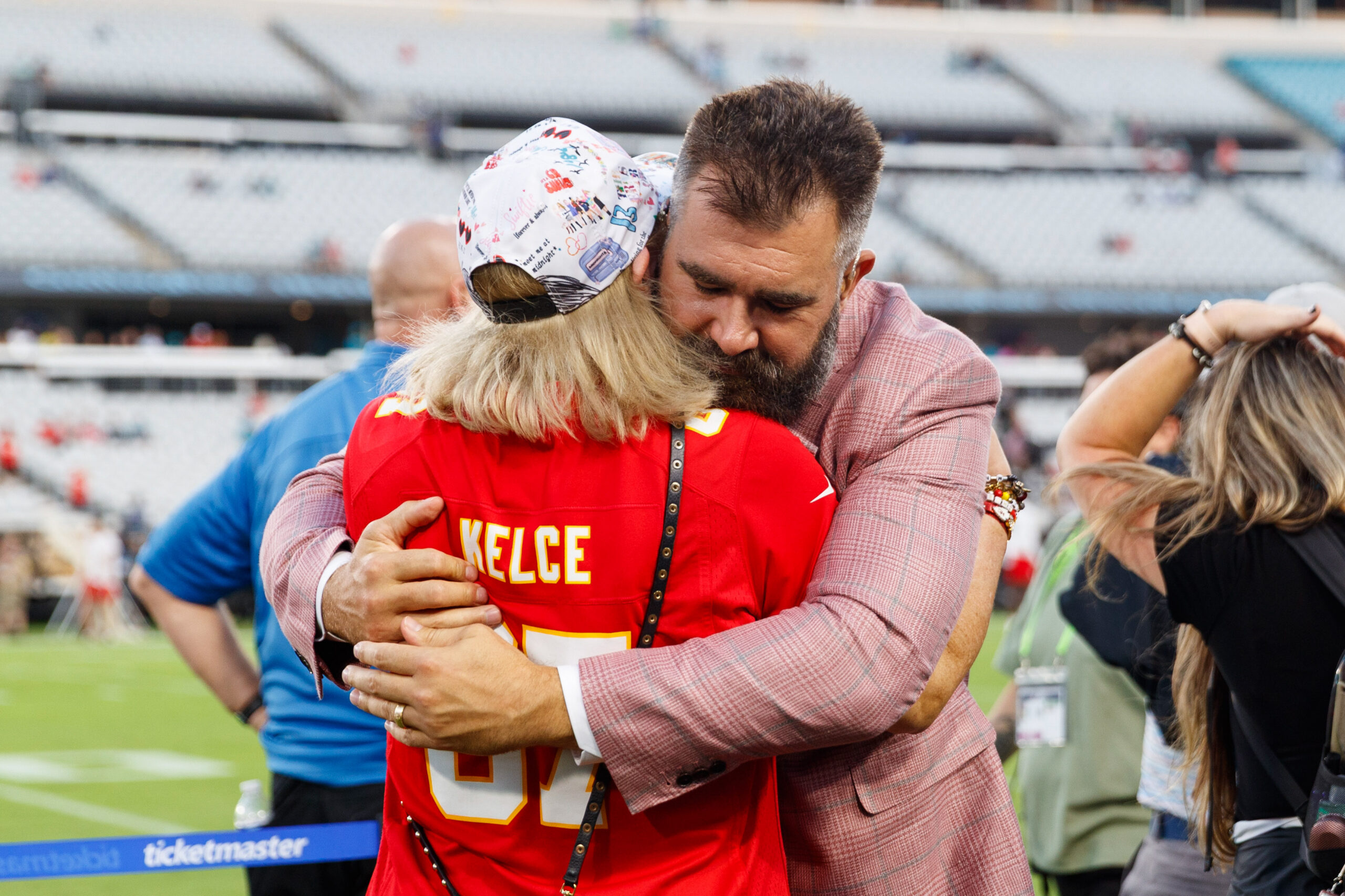
Oct 6, 2025; Jacksonville, Florida, USA; ESPN broadcaster Jason Kelce and Donna Kelce before the game between the Kansas City Chiefs and the Jacksonville Jaguars at EverBank Stadium. Mandatory Credit: Morgan Tencza-Imagn Images
The winners are obvious: networks with exclusive windows, streaming platforms with midweek content to anchor their programming, and the league office banking rights fees through 2033. The people on the other side add up quietly. Players are absorbing more short weeks and more travel stress. Local businesses are losing their concentrated Sunday windfall as fans spread their spending across random evenings. Fans whose loyalty now requires a six‑day commitment instead of a one‑day tradition. And here is the irony Kelce has kept circling in his public comments: the NFL became the most popular league in America because of what Sunday meant. The very thing that built the empire is being sliced up and reshaped to squeeze more revenue out of it.
Tuesday Won’t Stay Empty Forever

Apr 8, 2026; Augusta, Georgia, USA; Akshay Bhatia and Jason Kelce embrace on the ninth green during the Par 3 Contest at the Masters Tournament at Augusta National Golf Club. Mandatory Credit: Kyle Terada-Imagn Images
Tuesday remains game‑free on the 2026 schedule, but that is more a snapshot than a guarantee. With the league playing games in multiple countries and time zones and continuing to experiment with new windows, it is not hard to imagine a future where an international game lands in a Tuesday slot for fans in the United States. The NFL already went from one main game day to six. It did not stop because it ran out of ambition. It stopped because this is the current edge of the calendar. Kelce saw the trajectory before most, and the cascade of consequences from this schedule, from player health to bar tabs to the meaning of Sunday itself, is still accelerating. What do you think of the NFL’s six‑day schedule: smart evolution or a step too far? Share your thoughts in the comments.