
Kirk Cousins arrived in Las Vegas knowing exactly what he signed up for. On April 8, 2026, during his introductory press conference, he said, “The best player needs to play. If that’s not me, I don’t want to be out there.” The 37-year-old had just agreed to a five-year deal worth up to $172 million, yet openly accepted the possibility of losing his starting role. The Raiders held the No. 1 overall pick in the 2026 NFL Draft, and expectations around that selection shaped everything from the start.
The Atlanta Moment That Reshaped Everything
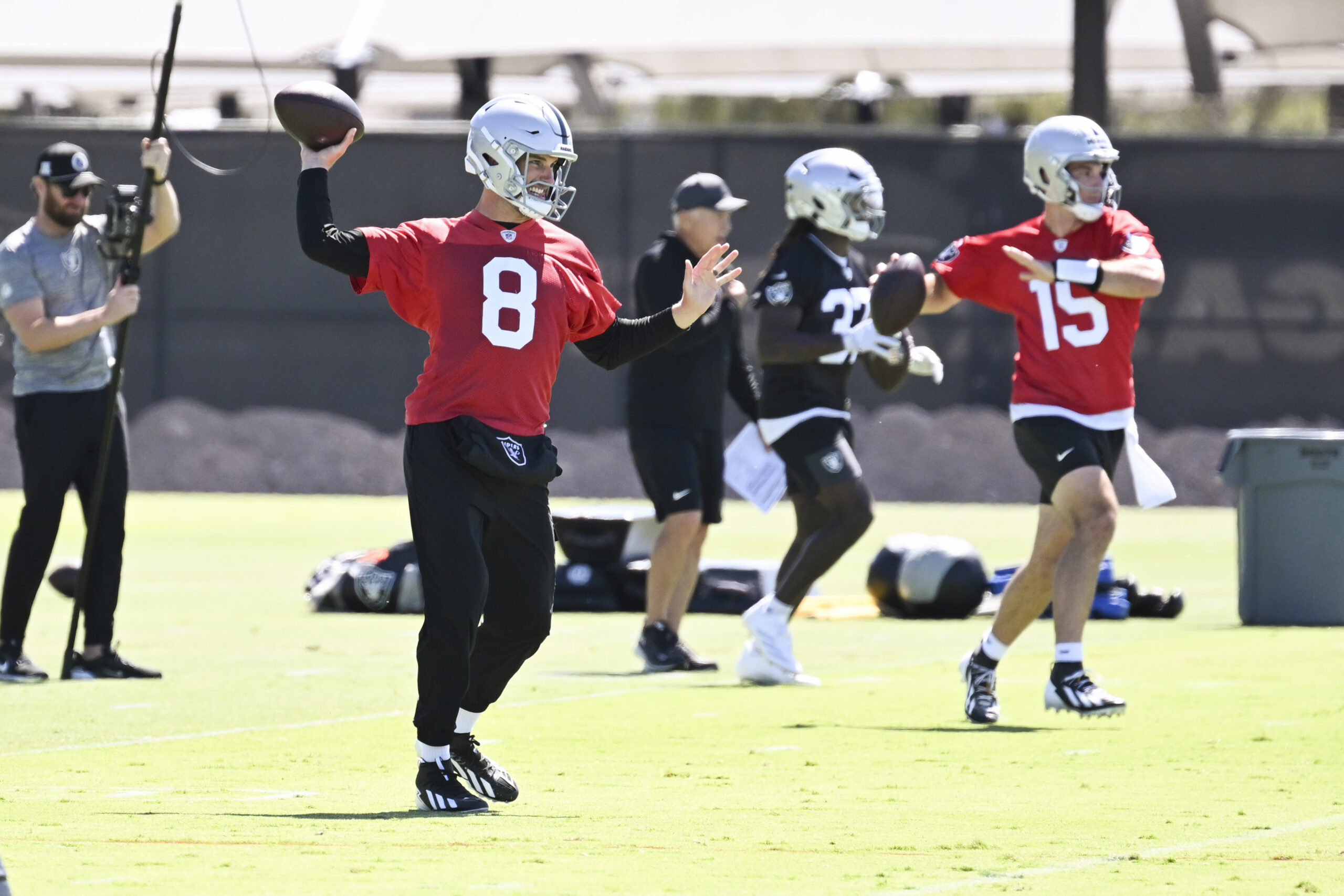
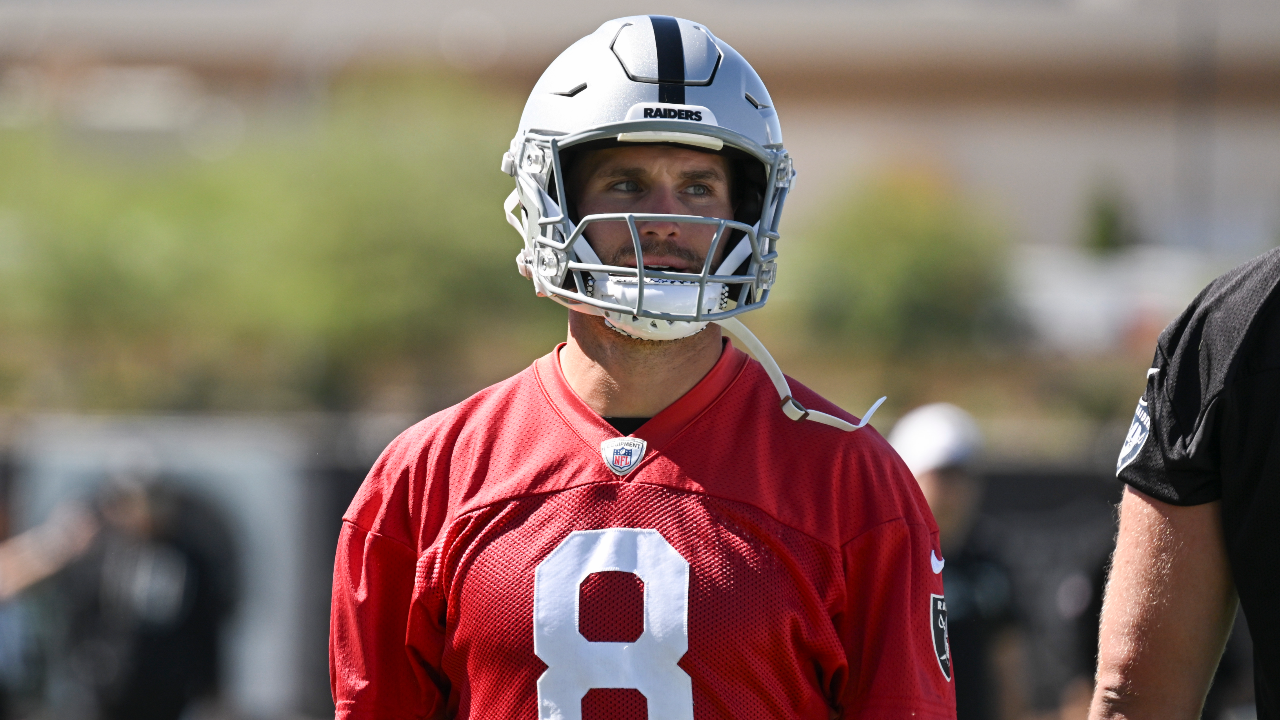
May 28, 2026; Henderson, NV, USA; Las Vegas Raiders quarterback Kirk Cousins (8) runs a drill during organized team activities at Intermountain Health Performance Center. Mandatory Credit: Candice Ward-Imagn Images
The shift traces back to March 2024, when Cousins signed a four-year, $180 million deal with the Atlanta Falcons. Just weeks later, on April 25, 2024, Atlanta selected Michael Penix Jr. with the No. 8 overall pick. Cousins later acknowledged he was caught off guard by the move, which became a defining moment in his tenure. That experience carried into 2026, influencing how he approached negotiations. This time, he entered free agency determined to understand exactly what a team planned before committing.
A Familiar Setup With Clear Terms
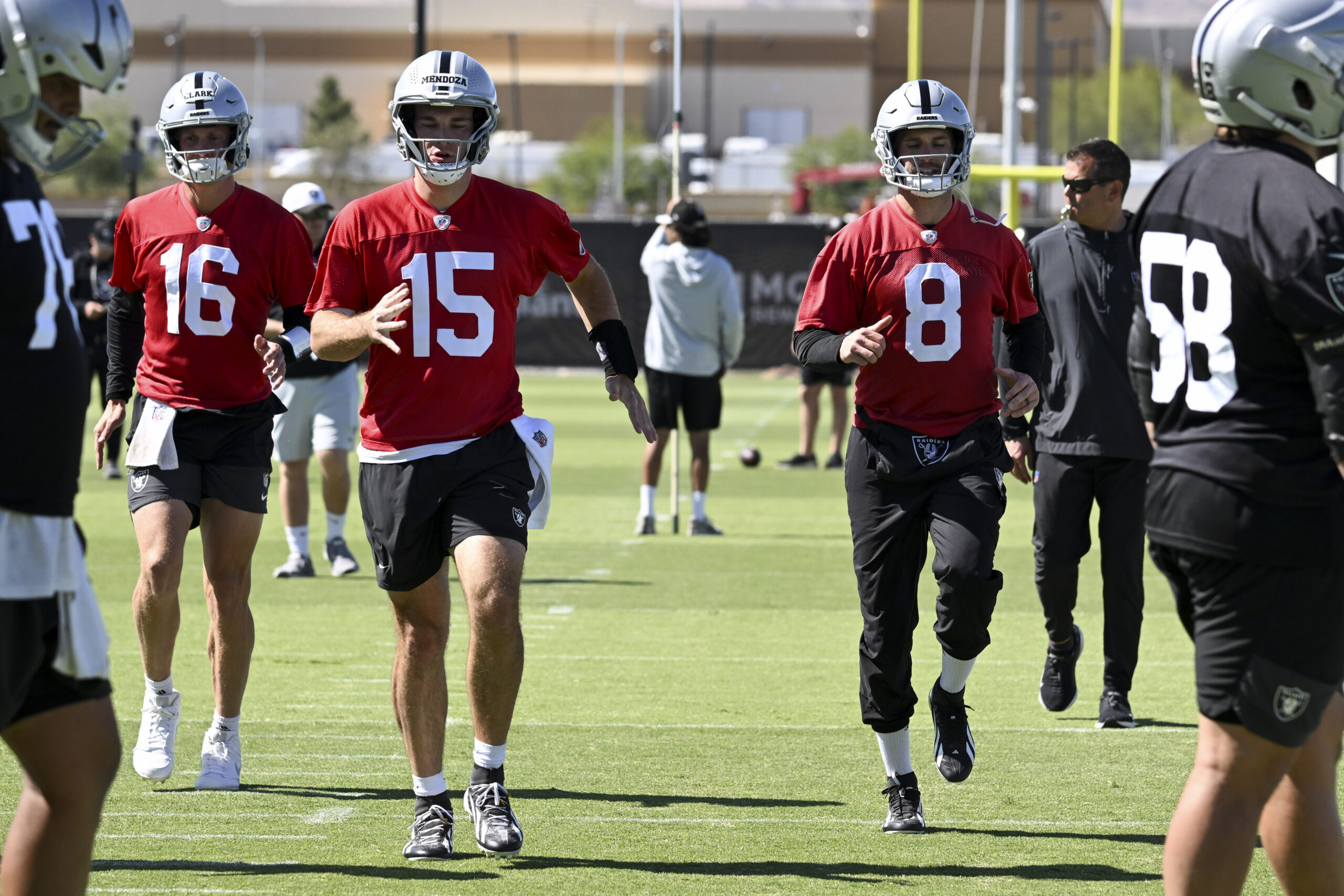
May 28, 2026; Henderson, NV, USA; Las Vegas Raiders quarterback Fernando Mendoza (15) and quarterback Kirk Cousins (8) warm up during organized team activities at Intermountain Health Performance Center. Mandatory Credit: Candice Ward-Imagn Images
When the Raiders pursued Cousins, the structure looked familiar. A veteran quarterback signing ahead of a likely rookie selection. The difference came in communication. Cousins spoke directly with head coach Klint Kubiak before signing and made it clear that playing time should be earned. Kubiak confirmed the team’s intention to develop a young quarterback while relying on a veteran early. That agreement created alignment between player and organization before the draft even took place.
The Prospect Tied To The Top Pick
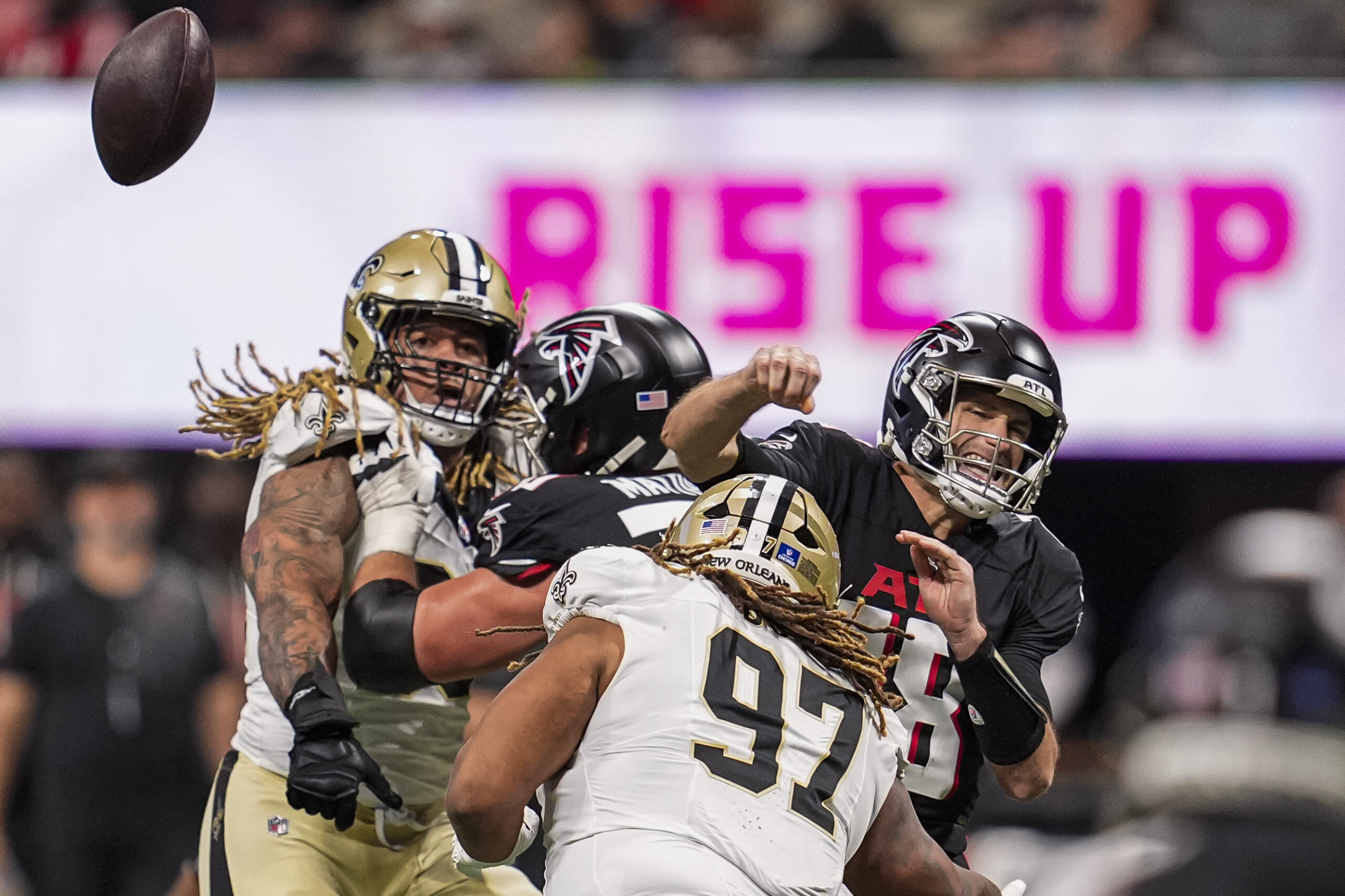
Jan 4, 2026; Atlanta, Georgia, USA; Atlanta Falcons quarterback Kirk Cousins (18) throws an incomplete pass as he is hit by New Orleans Saints defensive end Chase Young (99) and defensive tackle Khristian Boyd (97) during the first half at Mercedes-Benz Stadium. Mandatory Credit: Dale Zanine-Imagn Images
Fernando Mendoza, Indiana’s Heisman Trophy winner and national champion, was the player the Raiders had targeted at No. 1. The team closely evaluated him, attending his April 1 pro day and hosting him for a visit before the draft. Cousins met Mendoza ahead of draft night and spoke positively about working with him. On April 23, 2026, the Raiders made it official, selecting Mendoza with the No. 1 overall pick. That selection turned a long-anticipated plan into the foundation of the franchise’s quarterback future.
A Contract Designed To Reduce Pressure
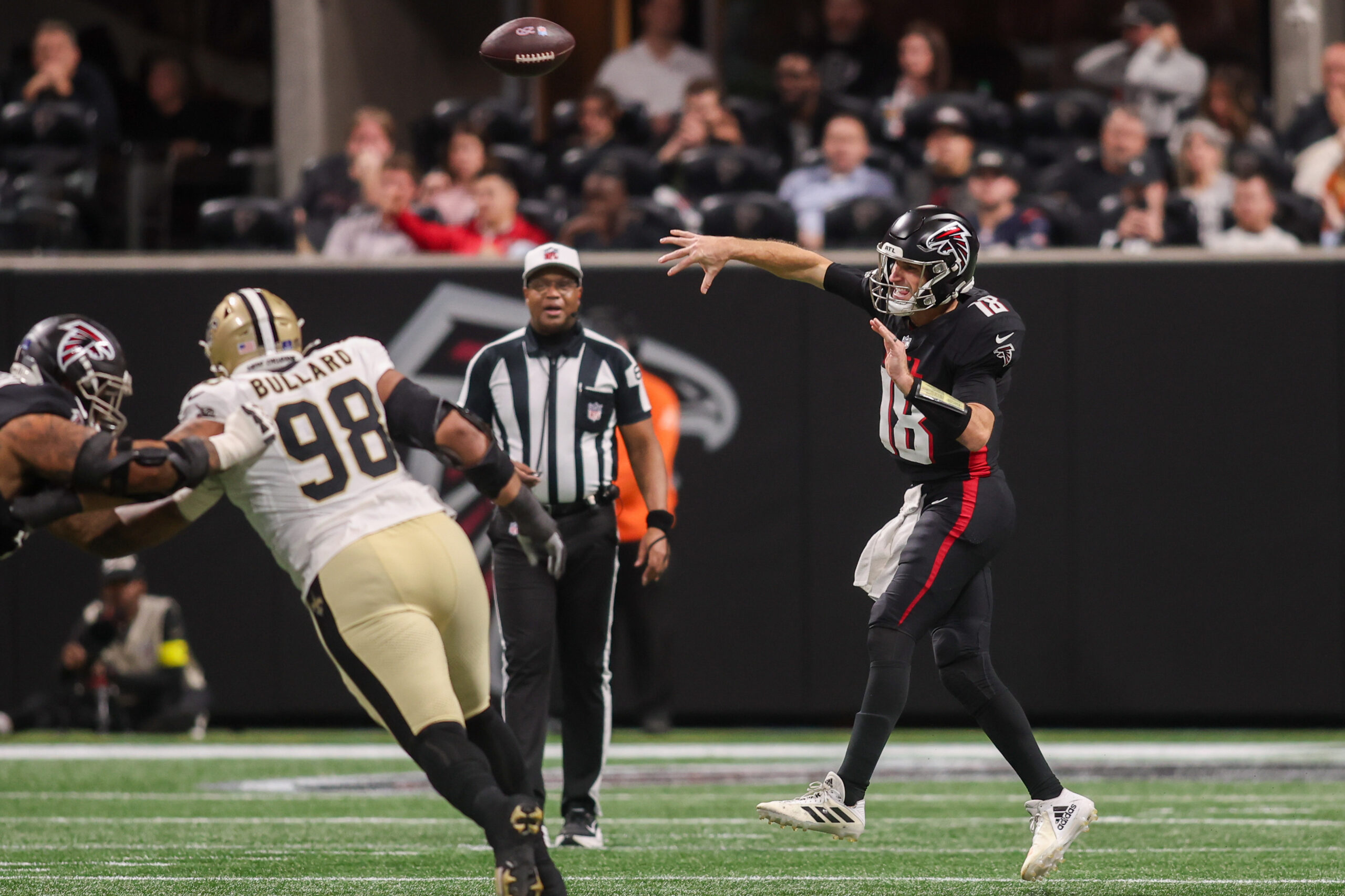
Jan 4, 2026; Atlanta, Georgia, USA; Atlanta Falcons quarterback Kirk Cousins (18) throws a pass against the New Orleans Saints in the fourth quarter at Mercedes-Benz Stadium. Mandatory Credit: Brett Davis-Imagn Images
The financial structure explains why this arrangement remains stable. Cousins is guaranteed $20 million in 2026 regardless of whether he starts or sits. Atlanta will pay $8.7 million of that total, while the Raiders are responsible for roughly $1.3 million in base salary. A $10 million guaranteed roster bonus is scheduled for March 2027, and the deal includes team options worth up to $80 million beyond that. Those terms remove the urgency that typically fuels quarterback competition inside an NFL locker room.
The Cap Strategy Behind The Decision
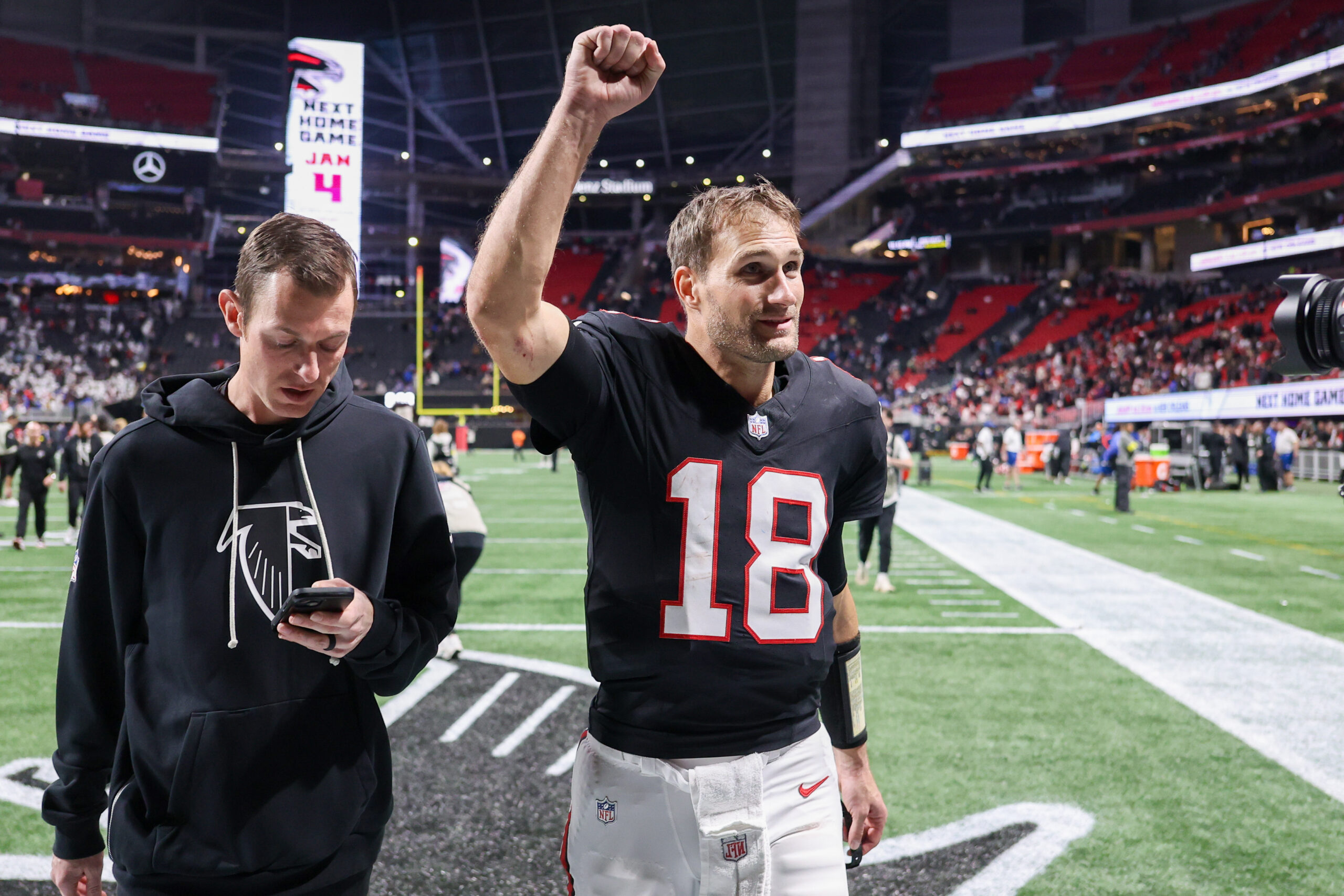
Dec 29, 2025; Atlanta, Georgia, USA; Atlanta Falcons quarterback Kirk Cousins (18) celebrates after a victory over the Los Angeles Rams at Mercedes-Benz Stadium. Mandatory Credit: Brett Davis-Imagn Images
The Raiders effectively carry a 2026 cap hit of about $11.3 million for Cousins after Atlanta’s contribution. That number allows flexibility to build around a rookie quarterback contract while maintaining veteran stability. The structure has drawn attention across the league because it maximizes value without long-term risk. It also reflects a deliberate approach by general manager John Spytek and head coach Klint Kubiak, who both emphasized developing a young quarterback without forcing immediate results.
A Depth Chart Built Around Development
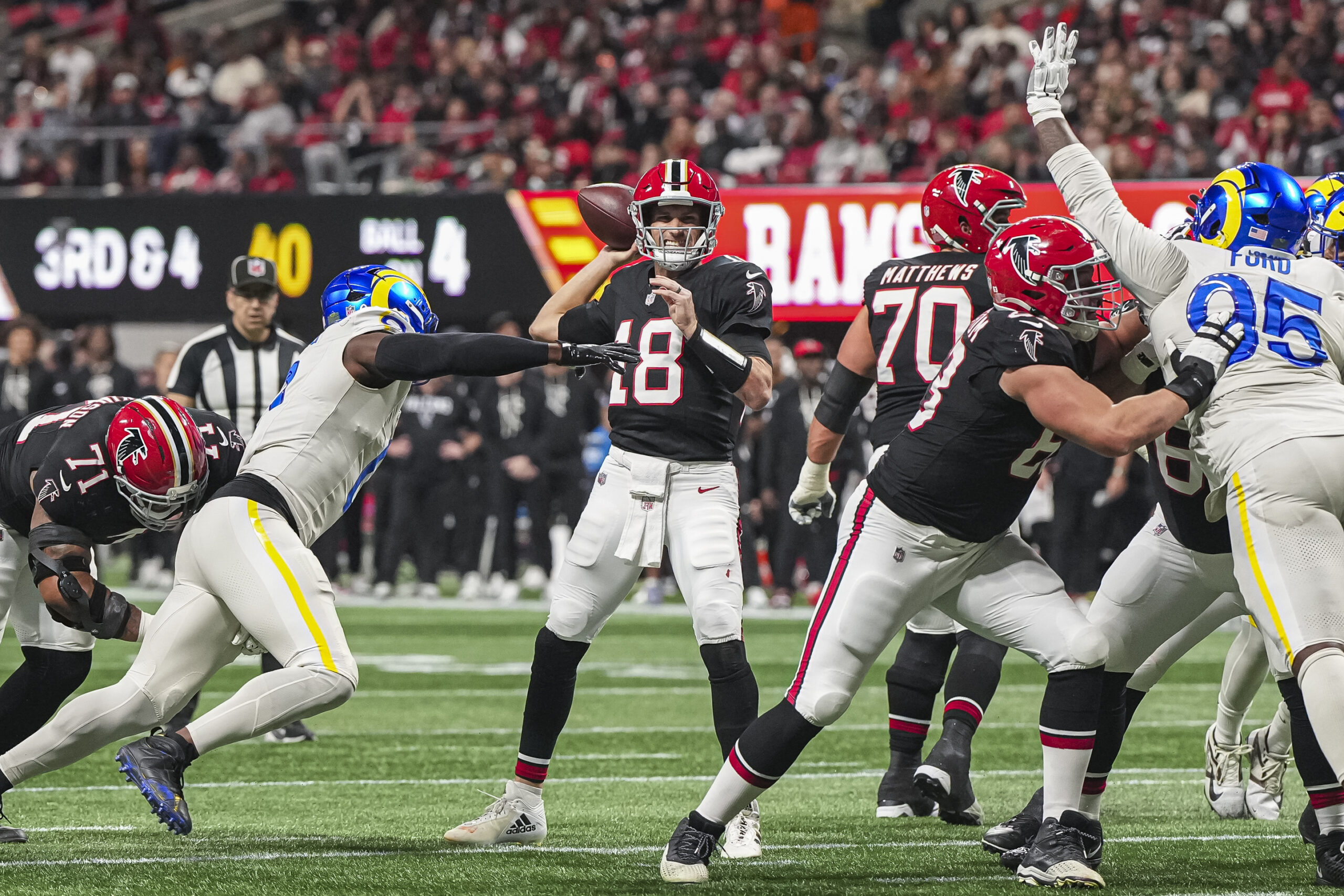
Dec 29, 2025; Atlanta, Georgia, USA; Atlanta Falcons quarterback Kirk Cousins (18) throws a touchdown pass against the Los Angeles Rams during the first quarter at Mercedes-Benz Stadium. Mandatory Credit: Dale Zanine-Imagn Images
Cousins’ arrival reshaped the quarterback room. He is expected to enter the season as the starter, while Mendoza has time to adjust to the professional level. Reports indicate the Raiders prefer not to rush the first overall pick into immediate action. That approach shifts the focus from short-term competition to long-term development. Aidan O’Connell, previously part of the mix, now projects as a depth option rather than a primary competitor within the current structure.
Brady’s Influence Inside The Building
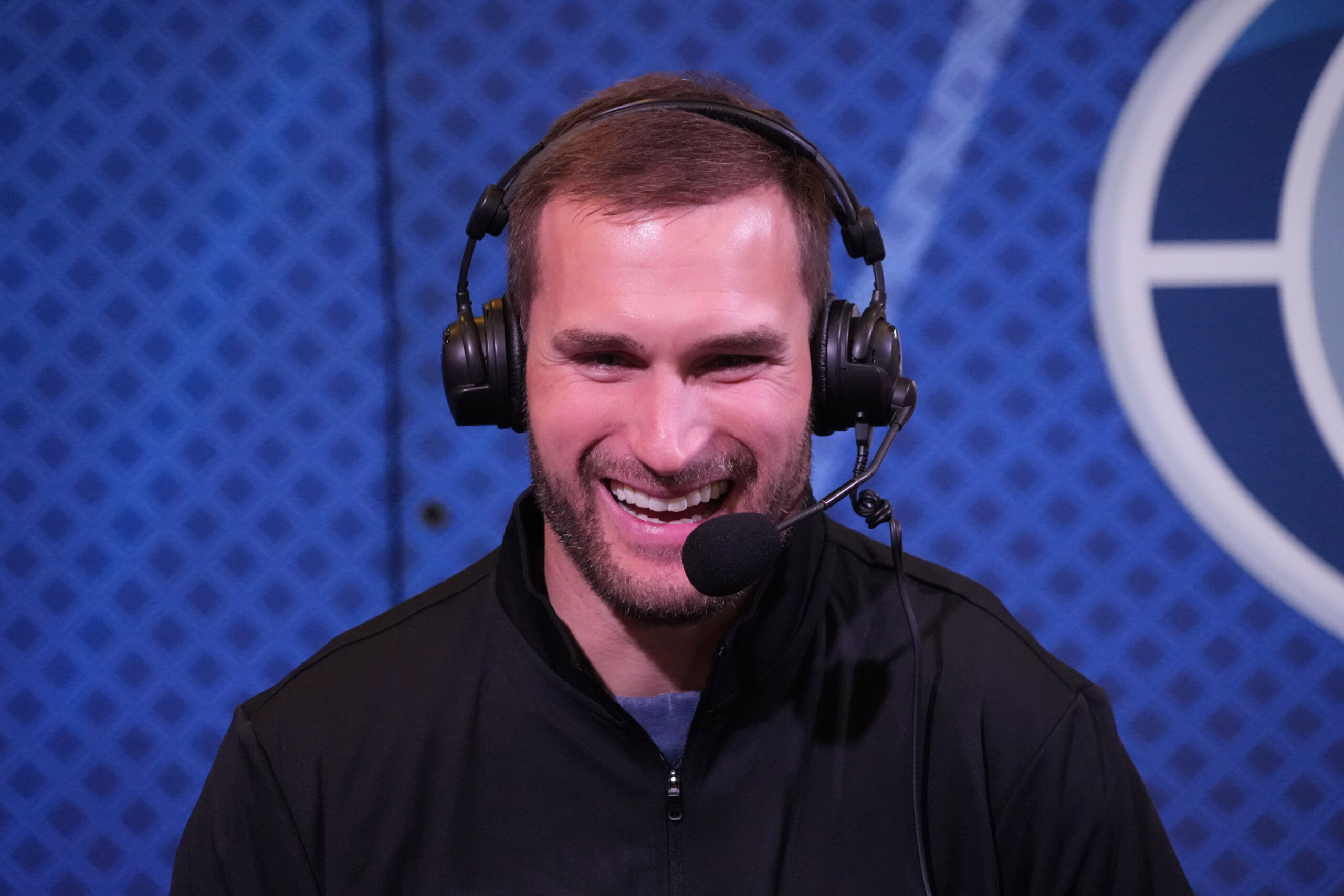
Feb 6, 2026; San Francisco, CA, USA; Kirk Cousins on the Ladies of Fox Sports Radio show set at the Super Bowl LX media center at the Moscone Center. Mandatory Credit: Kirby Lee-Imagn Images
Tom Brady’s role as a minority owner adds another dimension to the organization. Cousins referenced the value of being able to learn from Brady, who remains involved in team operations. Reports confirm Brady has input into the franchise’s direction, particularly at quarterback. His presence reinforces the developmental model the Raiders appear to be building. That influence extends beyond personnel decisions and into how the team approaches leadership, preparation, and long-term planning at its most important position.
The Scenarios That Could Change Everything
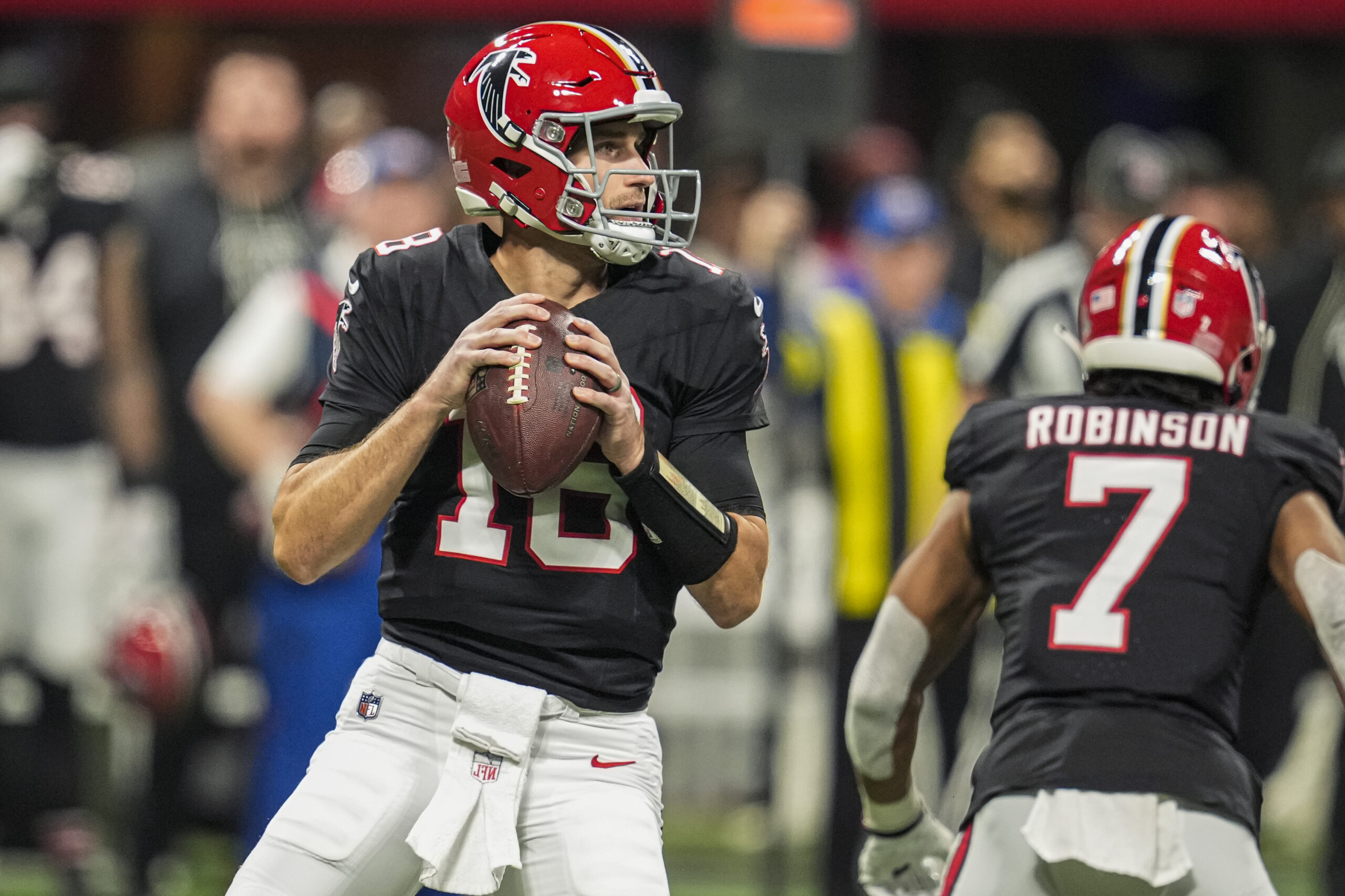
Dec 29, 2025; Atlanta, Georgia, USA; Atlanta Falcons quarterback Kirk Cousins (18) looks downfield against the Los Angeles Rams during the first quarter at Mercedes-Benz Stadium. Mandatory Credit: Dale Zanine-Imagn Images
Several outcomes could reshape the timeline once the season begins. If Cousins performs at a high level, the transition to Mendoza could take longer than expected. If performance declines, the team may accelerate development plans. If the rookie adapts quickly, competition could emerge earlier than planned. Each scenario introduces pressure, but the contract structure was designed to absorb it. Even Atlanta remains involved financially, still responsible for $8.7 million of Cousins’ 2026 compensation.
A Blueprint That Could Spread Across The NFL
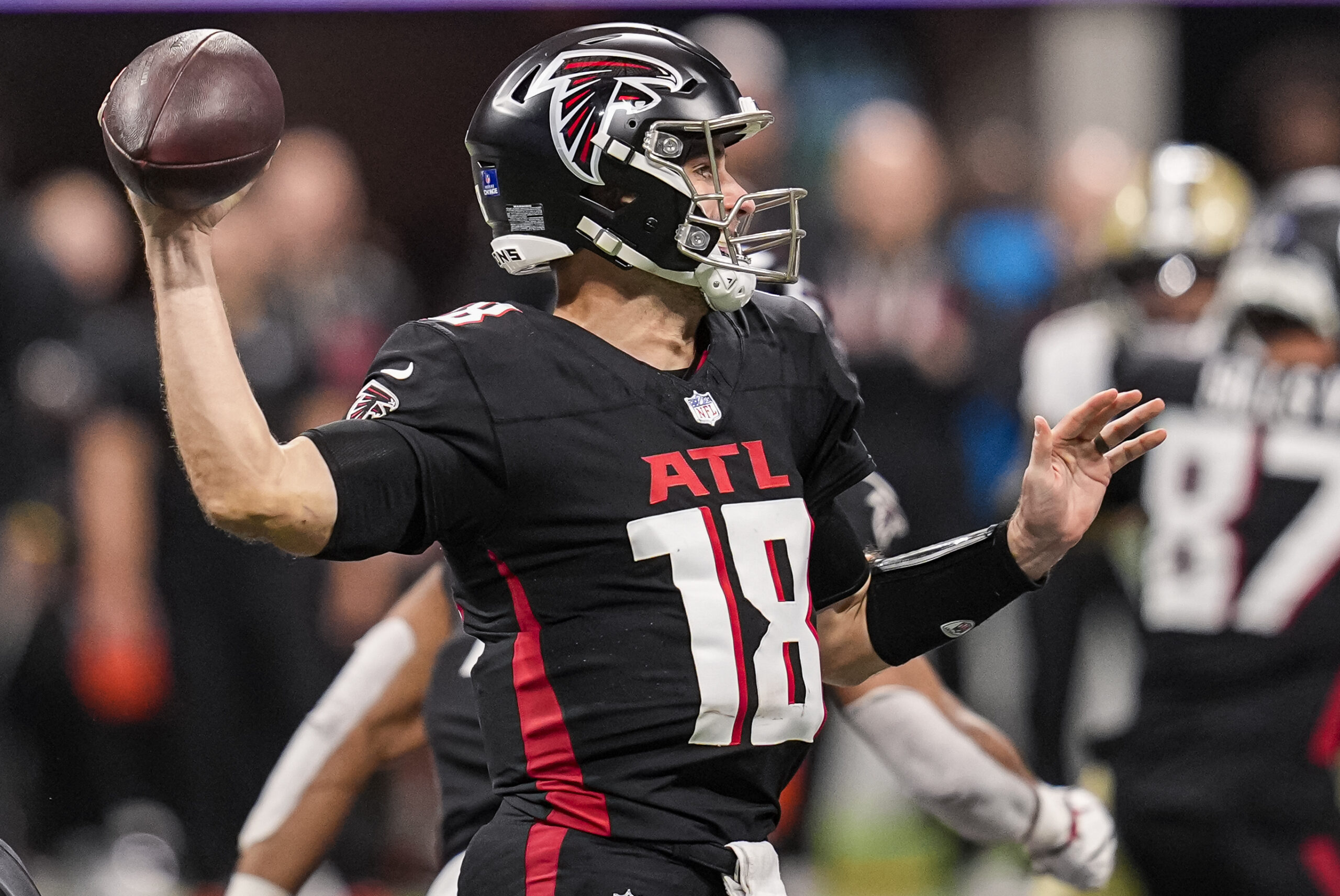
Jan 4, 2026; Atlanta, Georgia, USA; Atlanta Falcons quarterback Kirk Cousins (18) passes against the New Orleans Saints during the first half at Mercedes-Benz Stadium. Mandatory Credit: Dale Zanine-Imagn Images
Cousins signed with full awareness that the Raiders intended to draft a quarterback at No. 1 overall. That level of transparency stands out in a league where such plans are often concealed. The deal combines financial protection, roster flexibility, and developmental planning in a single structure. With Mendoza now in the building, this model presents a clear framework other teams may study. The outcome in Las Vegas could influence how franchises approach quarterback transitions for years to come. So here’s the real question, Raiders fans: is this a savvy, low-risk bridge that sets Mendoza up to win — or did Las Vegas just pay $20 million to repeat Atlanta’s mistake? Drop your call in the comments.