

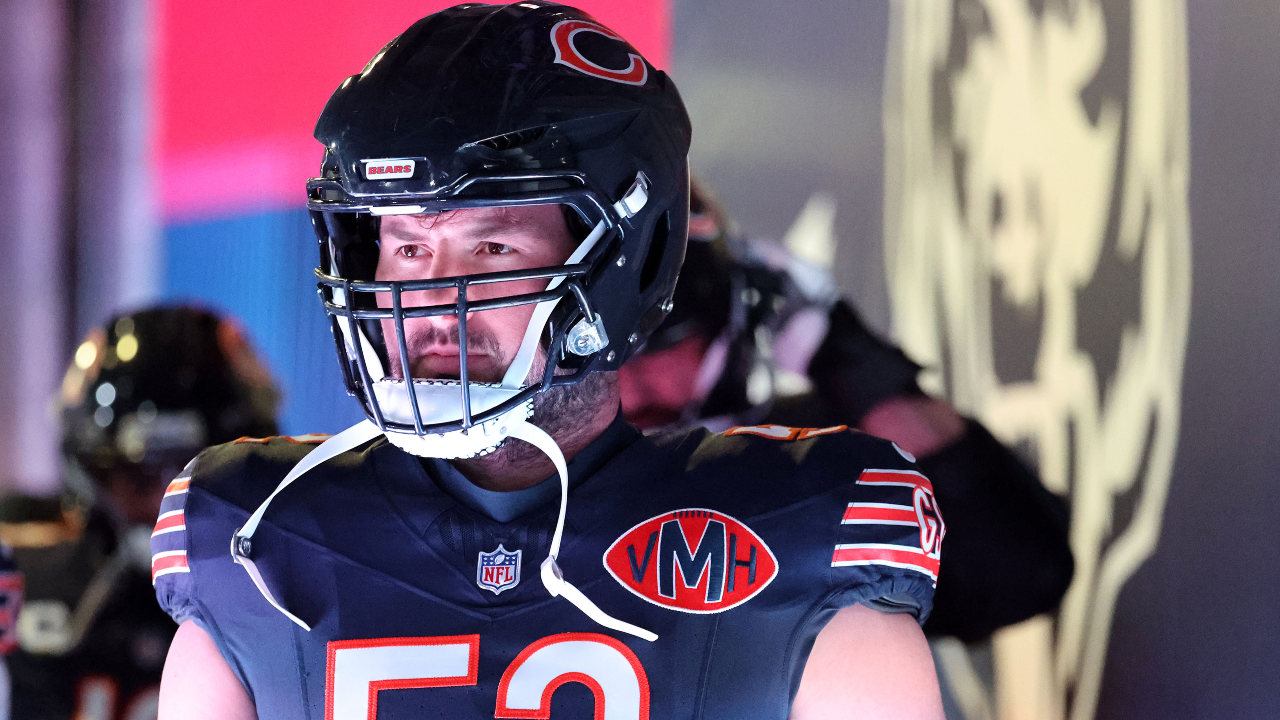
The confetti from Pro Bowl weekend had barely settled. Drew Dalman, the Chicago Bears’ starting center, had just finished anchoring one of the NFL’s most improved offensive lines, grading out as a top‑10 center by PFF. He was 27 years old, locked into a three‑year, $42 million contract, and playing the best football of his life. Then, in early March, he picked up the phone and told the Bears he was done. Not traded. Not cut. Done. And roughly $24 million in remaining contract value sat on the table untouched.
The Contract Chicago Built Around Him

NFL Atlanta Falcons offensive line Drew Dalman
The Bears had pursued Dalman as a marquee free‑agent signing in 2025, handing him a three‑year, $42 million deal with $28 million guaranteed to anchor their rebuilt offensive line. Chicago paid $18 million of that in 2025 alone, a massive upfront investment signaling that Dalman was the centerpiece. He delivered immediately, starting all 17 games, playing every offensive snap, and earning his first Pro Bowl nod. The franchise had its guy. A Stanford‑educated veteran with 74 career games on his résumé, entering his prime with two years and roughly $24 million still on the books. That investment just evaporated overnight.
A Quiet Rise From the Fourth Round
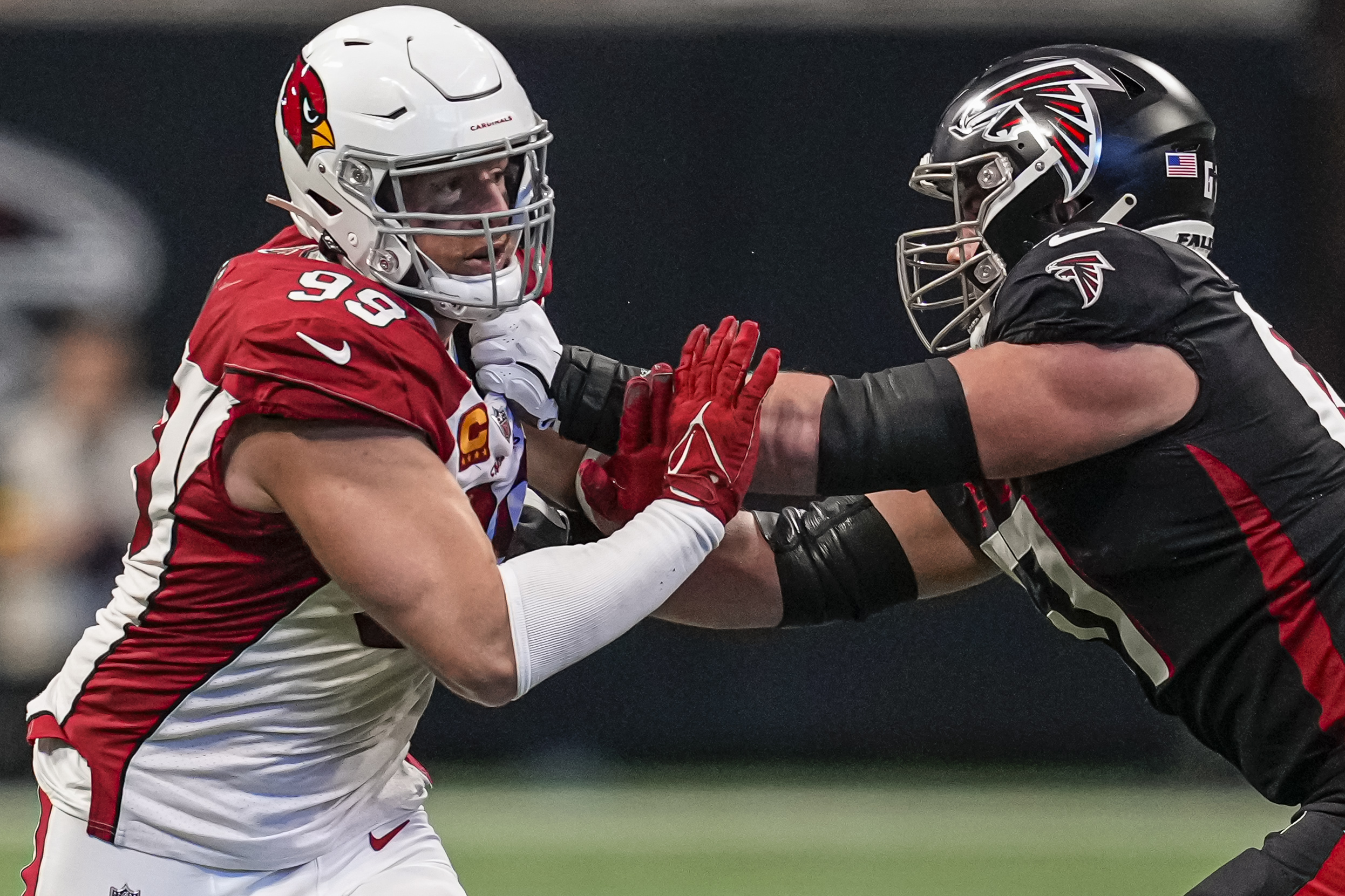
Jan 1, 2023; Atlanta, Georgia, USA; Arizona Cardinals defensive end J.J. Watt (99) fights off a block by Atlanta Falcons center Drew Dalman (67) during the second half at Mercedes-Benz Stadium. Mandatory Credit: Dale Zanine-Imagn Images
Dalman entered the NFL as a fourth‑round pick by Atlanta in 2021. No fanfare. No first‑round hype. Over four seasons with the Falcons, he worked his way from rotational lineman into a steady starter, logging dozens of starts without a single Pro Bowl appearance or national spotlight moment. Solid, anonymous, professional. Then Chicago came calling, and in one season he transformed from a dependable starter into one of PFF’s top‑graded centers, with a run‑blocking grade that ranked inside the top 10 at his position. The breakout made his exit feel like a robbery in progress.
The Phone Call That Stunned the League
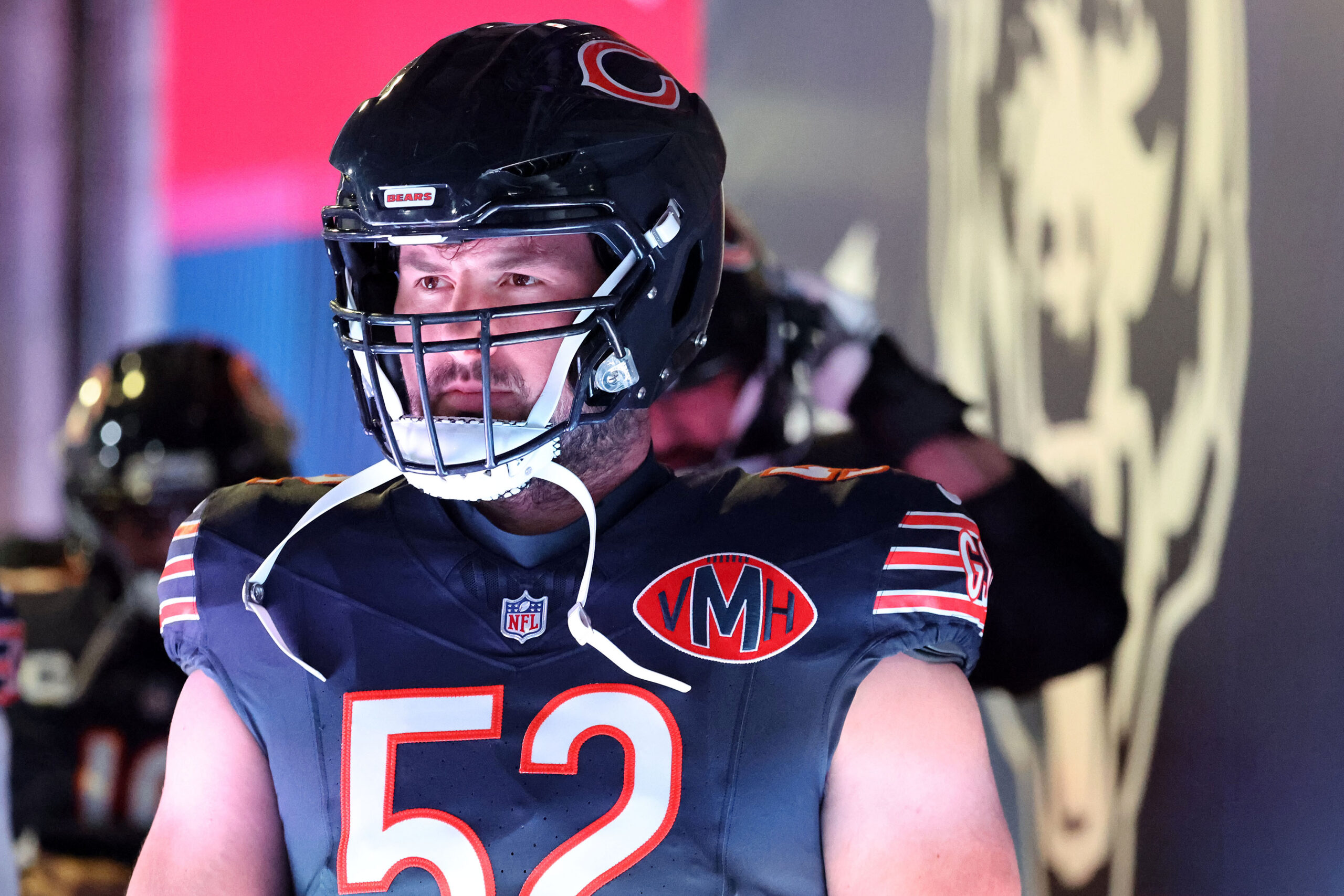
Dec 20, 2025; Chicago, Illinois, USA; Chicago Bears center Drew Dalman (52) takes the field before the game against the Green Bay Packers at Soldier Field. Mandatory Credit: Mike Dinovo-Imagn Images
In early March 2026, Dalman informed the Bears he intended to retire. Cap analysts called it “a pretty stunning move.” National outlets reported it as a voluntary decision, not a medical retirement or a release. He simply chose to step away. At 27. After five NFL seasons. With $9.5 million fully guaranteed waiting for him in 2026 alone. Most players claw for every last dollar. Dalman looked at the remaining two years and $24 million on his contract and decided his life was worth more than the money. That calculation should unsettle every front office in football.
What “Best Season” Actually Means
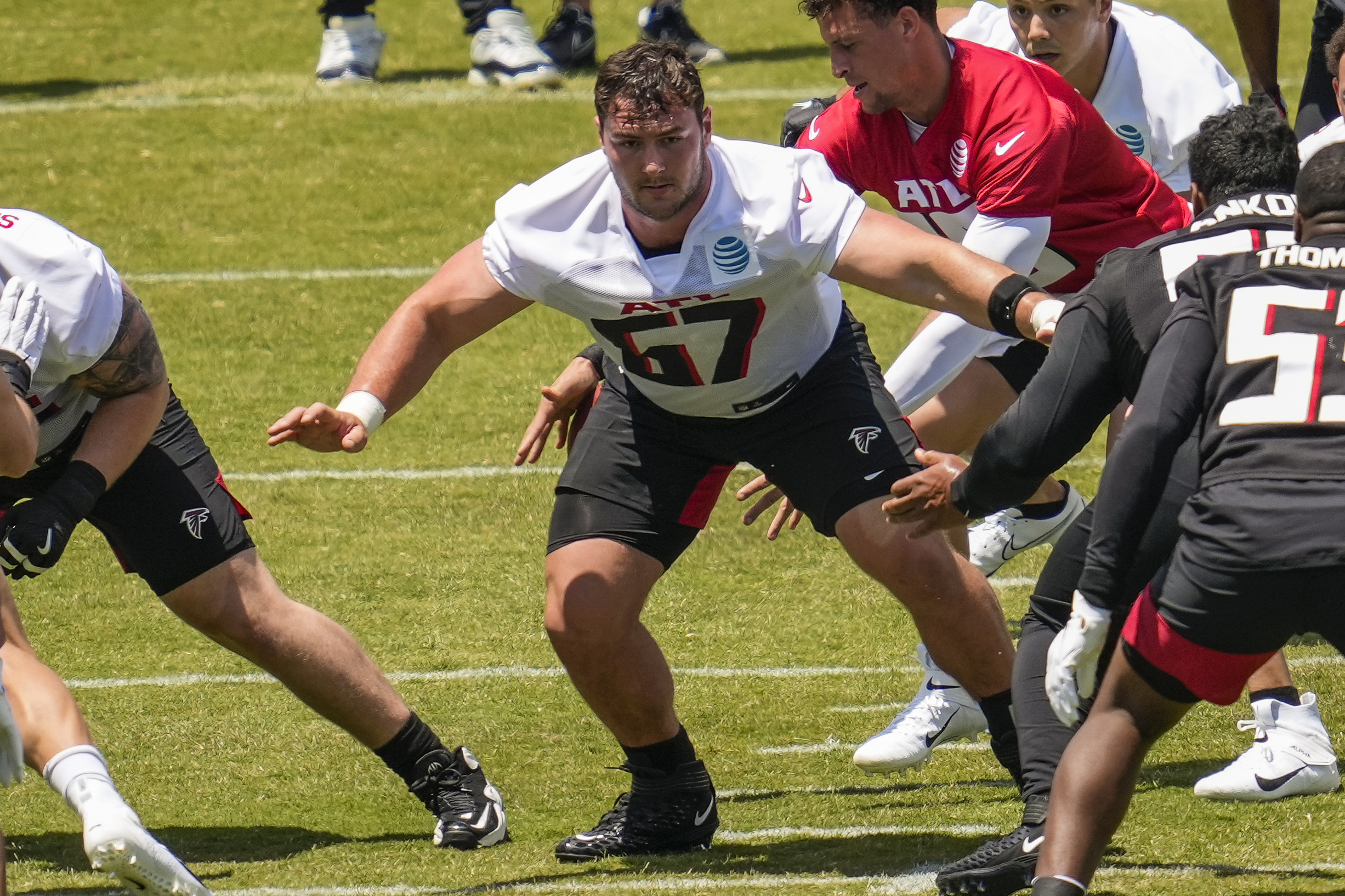
May 14, 2021; Flowery Branch, Georgia, USA; Atlanta Falcons offensive lineman Drew Dalman (67) blocks during rookie camp at the Falcons Training Facility. Mandatory Credit: Dale Zanine-Imagn Images
Compared with four quieter seasons in Atlanta, Dalman’s lone year in Chicago stands out as his clear career peak. He finished the year with a top‑10 overall PFF grade among centers and a run‑blocking grade that ranked in the top 10 at his position. He played 1,154 offensive snaps, among the highest totals for any center, and allowed just one sack all year. Local and national outlets described him as “one of the best offensive linemen in the NFL.” He earned his first Pro Bowl. By every commonly cited measure, 2025 was the high‑water mark. And that is precisely what makes the retirement feel like watching someone walk off a stage mid‑encore.
The Cap Crater in Chicago
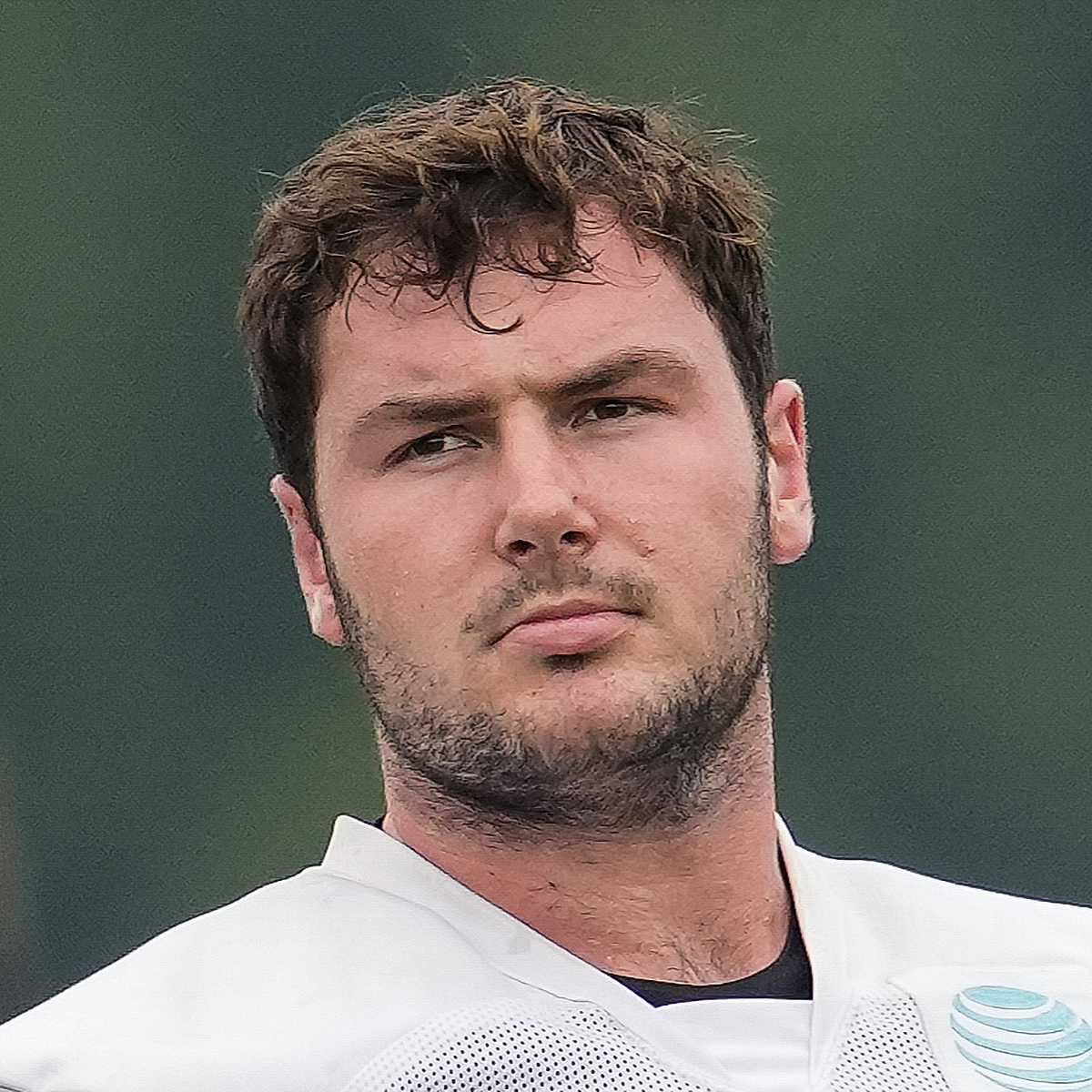
Jul 30, 2021; Flowery Branch, GA, USA; Atlanta Falcons center Drew Dalman (67) on the field during training camp at the Atlanta Falcons Training Facility. Mandatory Credit: Dale Zanine-Imagn Images
Dalman’s retirement created an immediate salary cap problem for the Bears. The team had structured his $42 million deal with heavy upfront guarantees, and now cap analysts scrambled to calculate dead money charges and potential clawbacks. His exit frees roughly eight figures in 2026 cap space but leaves several million dollars in dead money tied to remaining prorated bonus charges. The Bears suddenly gained flexibility on paper but lost the player that flexibility was designed to surround. Chicago’s offensive line had ranked near the top of the league by multiple grading services in 2025. Without their Pro Bowl center, the entire interior protection scheme needs rebuilding, and free agency offers no equivalent replacement at his price.
A Generation Rethinking the Deal
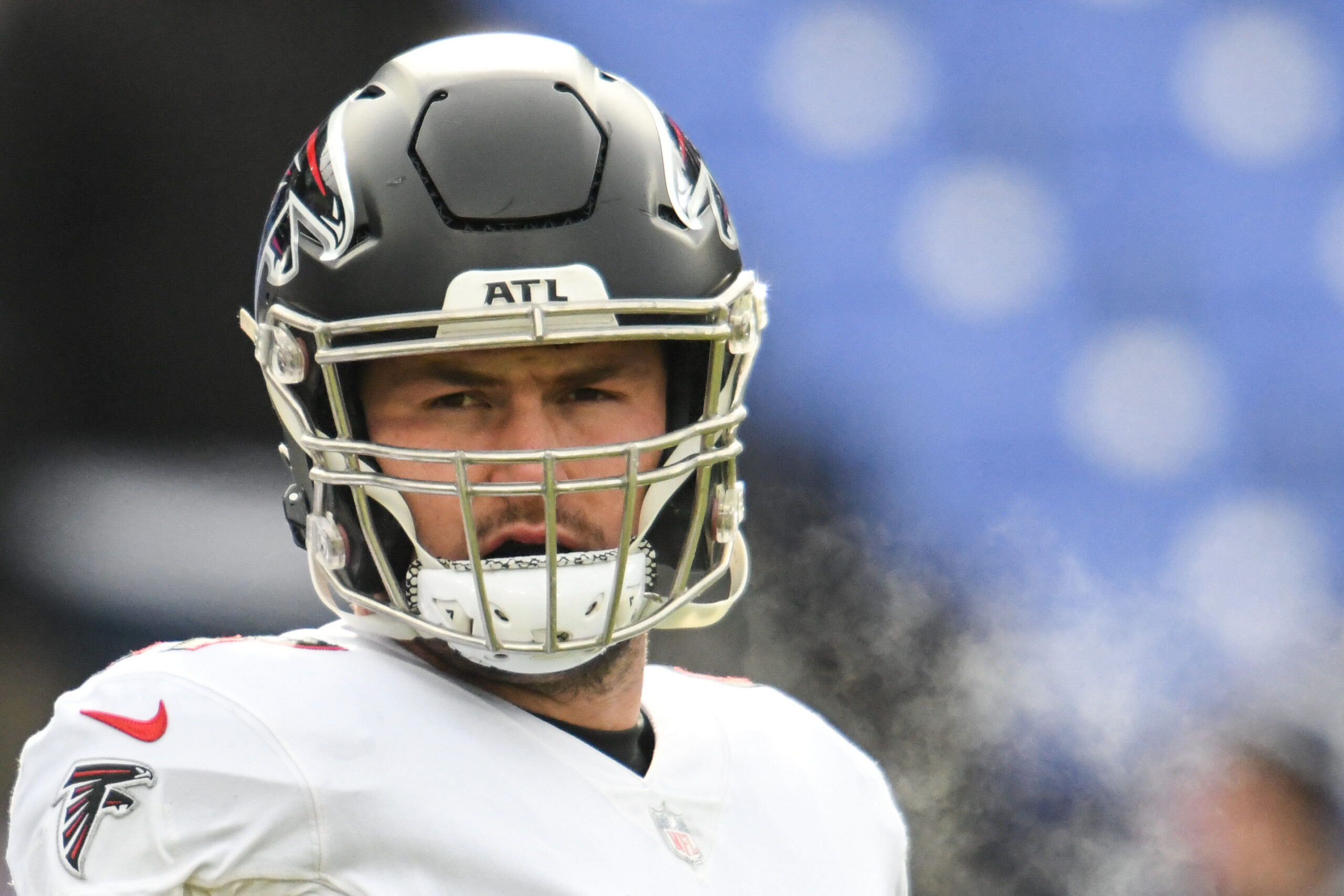
Dec 24, 2022; Baltimore, Maryland, USA; Atlanta Falcons center Drew Dalman (67) stands on the field before the game against the Baltimore Ravens at M&T Bank Stadium. Mandatory Credit: Tommy Gilligan-Imagn Images
Dalman is not the first young player to retire early, but a Pro Bowler walking away at 27 with $24 million remaining forces a broader reckoning. The old assumption was simple: NFL players maximize earnings and play until their bodies quit. Dalman destroyed that assumption. He weighed health, life balance, and money at what should have been his career’s midpoint and chose the exit. That precedent terrifies general managers who structure long‑term deals assuming the player will always want to play. The leverage just shifted, and nobody in a front office wants to admit it.
The Pattern Nobody Wants to Name
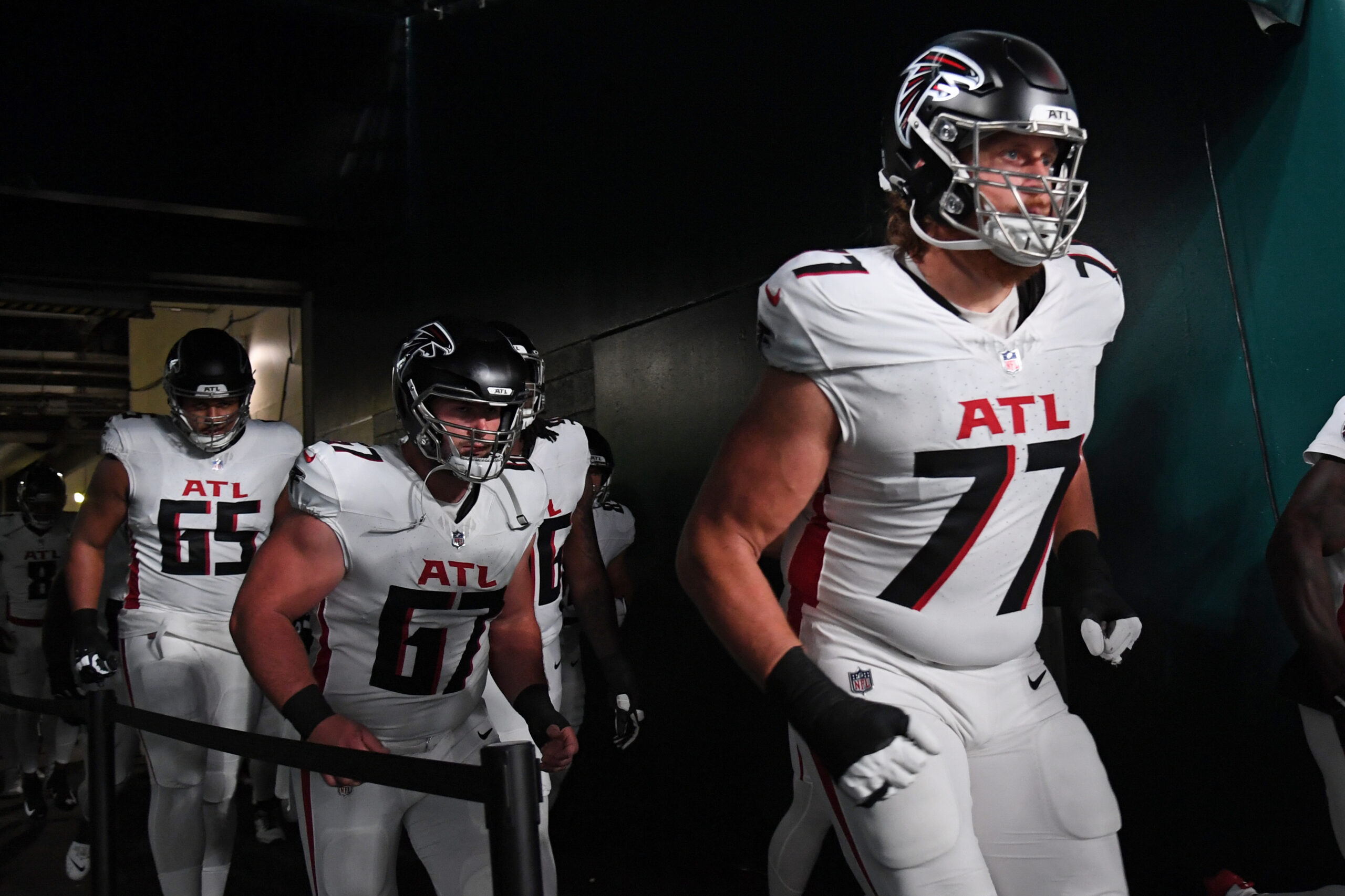
Sep 16, 2024; Philadelphia, Pennsylvania, USA; Atlanta Falcons guard Matthew Bergeron (65), center Drew Dalman (67) and offensive tackle Storm Norton (77) run onto the field against the Philadelphia Eagles at Lincoln Financial Field. Mandatory Credit: Eric Hartline-Imagn Images
Once you see it, you cannot unsee it: the NFL’s contract system assumes players value money above everything else. Dalman’s retirement exposes that assumption as a structural weakness. Teams front‑load guarantees expecting compliance. Players are supposed to chase the next check. But a Stanford‑educated 27‑year‑old with more than $20 million already banked looked at the trade‑off between two more years of head trauma and $24 million, and the money lost. That is not an anomaly. That is a preview of how the next generation of educated, financially literate players will approach their careers.
Who Gets Hurt Next
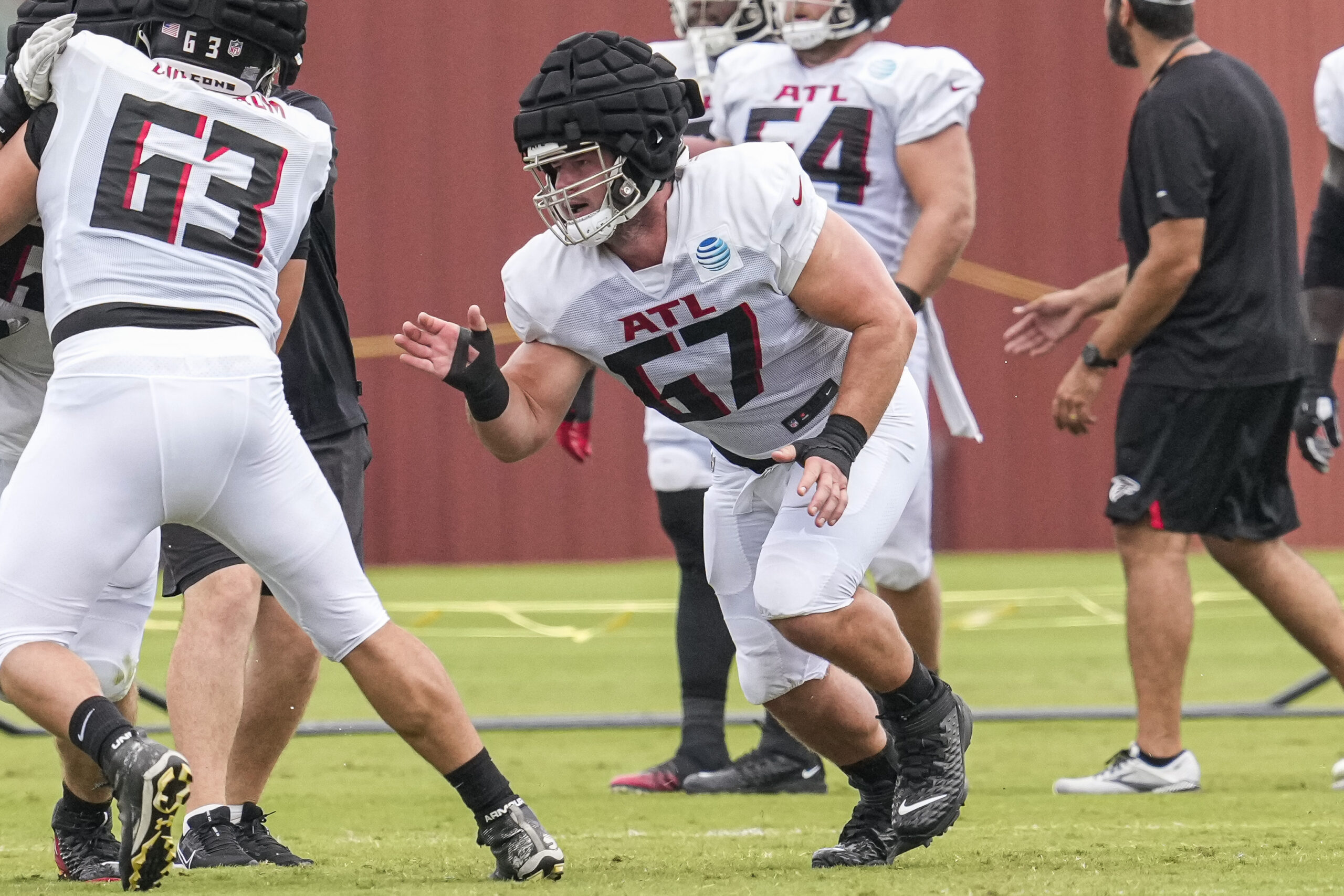
Aug 1, 2022; Flowery Branch, GA, USA; Atlanta Falcons center Drew Dalman (67) blocks during training camp at IBM Performance Field. Mandatory Credit: Dale Zanine-Imagn Images
The Bears absorb the immediate blow, but the ripple runs deeper. Every team with a young lineman on a long‑term deal now has to consider the Dalman scenario: what happens when a player peaks early and decides the remaining money is not worth the remaining damage? Contract structures league‑wide may need rethinking. Guarantees could shift. Signing bonuses could balloon further, with more money pushed into clawback‑eligible structures. And the next 27‑year‑old Pro Bowler who starts Googling “NFL early retirement” will find Dalman’s name at the top of every search result, making the next departure easier.
The Number That Follows Him
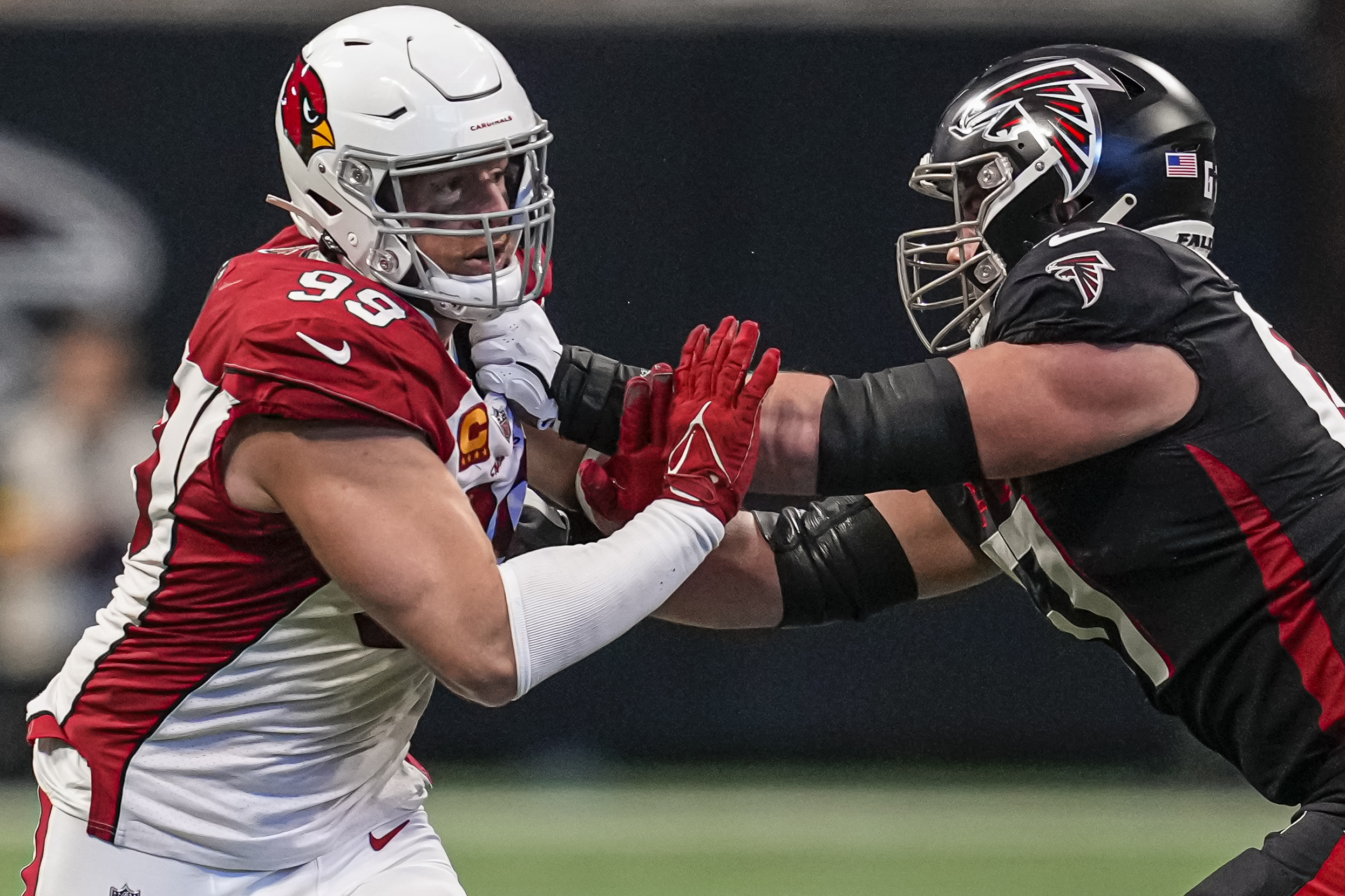
Jan 1, 2023; Atlanta, Georgia, USA; Arizona Cardinals defensive end J.J. Watt (99) fights off a block by Atlanta Falcons center Drew Dalman (67) during the second half at Mercedes-Benz Stadium. Mandatory Credit: Dale Zanine-Imagn Images
Twenty‑four million dollars. That is the figure that will define Drew Dalman’s legacy, not because he earned it, but because he refused it. Most people will never understand walking away from that kind of money at 27. But Dalman had already collected life‑changing money, held a Stanford degree, and owned a body that still worked. He bet on himself in the only way the NFL never accounts for: by deciding the game was no longer worth playing. The Bears will find another center. The league may never find another answer for what Dalman just proved is possible. If you were in Dalman’s spot, would you take the $24 million or walk away while you’re still healthy?