

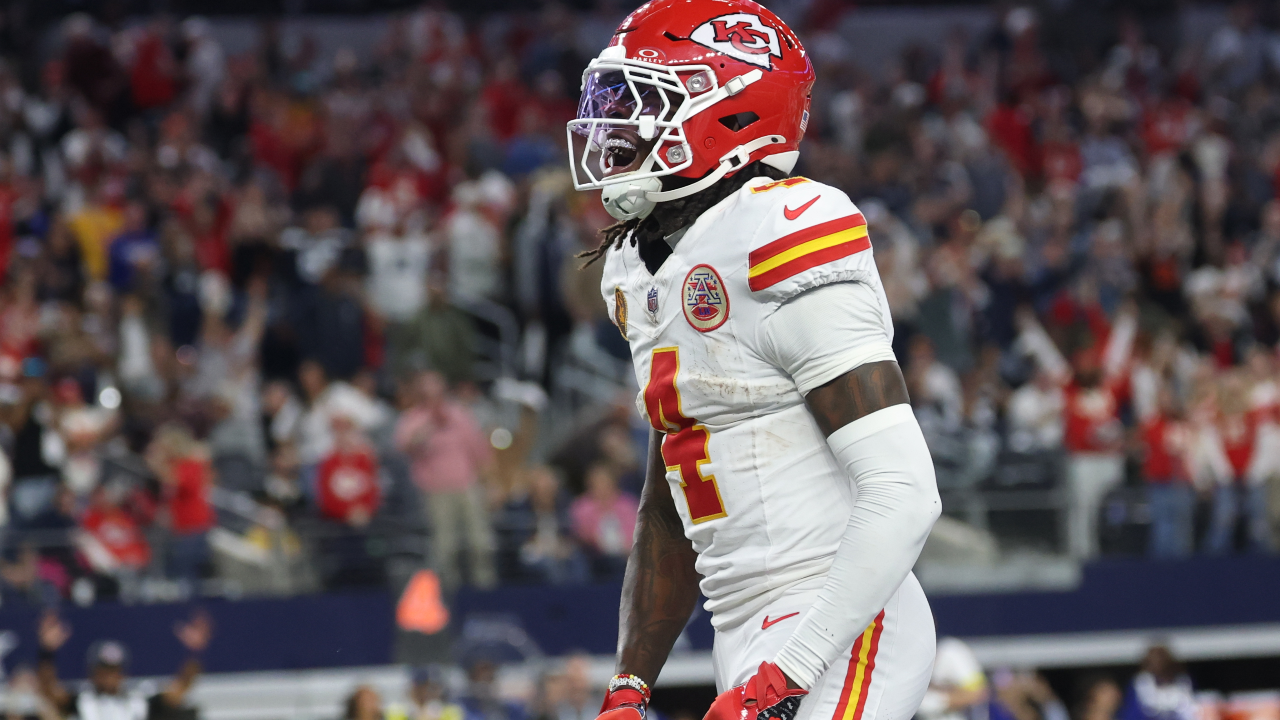
Somewhere between OTAs and film sessions, Andy Reid stood at a podium and talked about his jailed wide receiver like a father discussing a son who wrecked the family car. No anger. No distance. Just a coach choosing his words carefully while one of his most talented players sat in a Dallas County cell. Rashee Rice, the Chiefs’ explosive fourth-year weapon, had pleaded guilty to two third-degree felonies. Reid’s response wasn’t discipline. It was patience. And that patience tells you everything about how Kansas City values talent over optics.
119 Miles Per Hour on a Dallas Highway
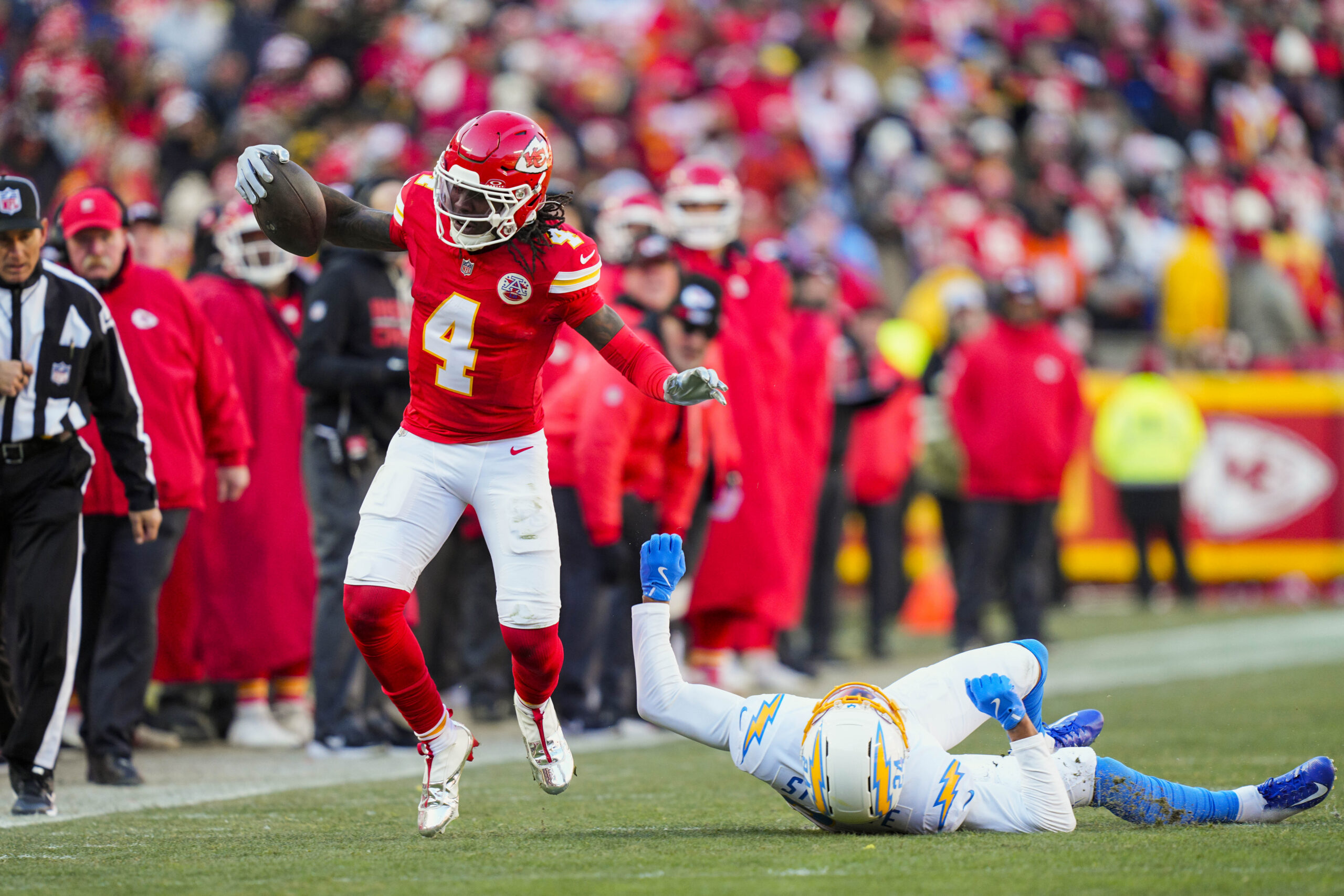
Dec 14, 2025; Kansas City, Missouri, USA; Kansas City Chiefs wide receiver Rashee Rice (4) runs with the ball against Los Angeles Chargers cornerback Benjamin St-Juste (24) during the first half at GEHA Field at Arrowhead Stadium. Mandatory Credit: Jay Biggerstaff-Imagn Images
The crash that started all of this happened in March 2024. Rice was behind the wheel of a Lamborghini Urus, doing 119 mph on a Dallas road when he caused a multi-car collision. People got hurt. And then Rice fled the scene. That detail alone separates this from a speeding ticket or a bar fight. He ran. The charges that followed reflected the severity: collision involving serious bodily injury and racing on a highway causing bodily injury. Both third-degree felonies under Texas law. Both carrying real prison time if a judge wanted to send a message.
The Plea Deal That Kept Him Free
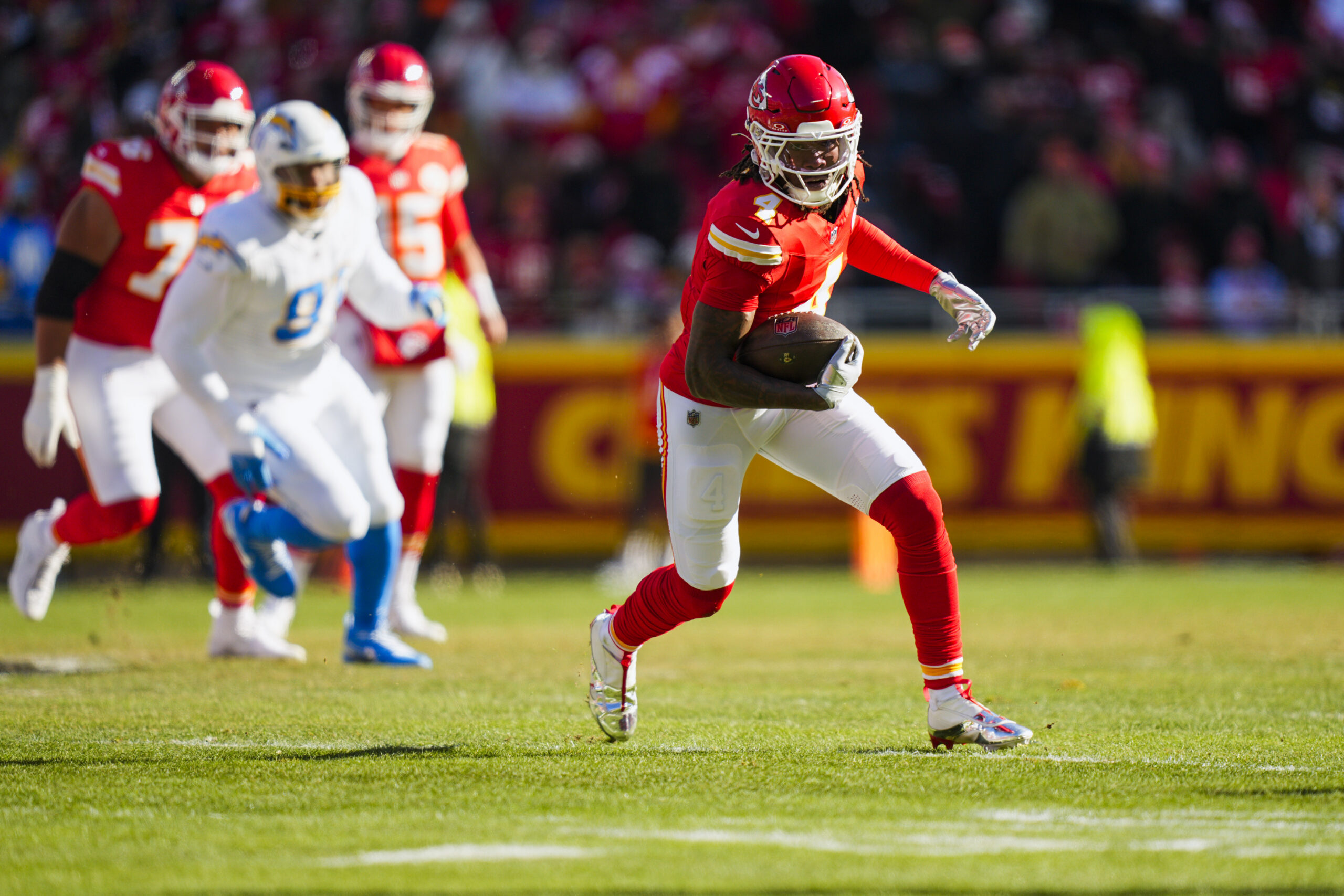
Dec 14, 2025; Kansas City, Missouri, USA; Kansas City Chiefs wide receiver Rashee Rice (4) runs for yards after the catch against the Los Angeles Chargers during the first quarter at GEHA Field at Arrowhead Stadium. Mandatory Credit: Jay Biggerstaff-Imagn Images
In July 2025, Rice pleaded guilty to both felony charges. The plea agreement gave him five years of deferred probation and 30 days in jail, with a judge allowing him to serve the jail time at any point during probation. Most people assumed he’d schedule it around the football calendar, serve quietly, and move on. That assumption required Rice to do one thing: follow the rules. For a 26-year-old who fled a crash scene at triple-digit speeds, following rules was apparently the hardest part of the deal.
A Failed Drug Test Changed Everything
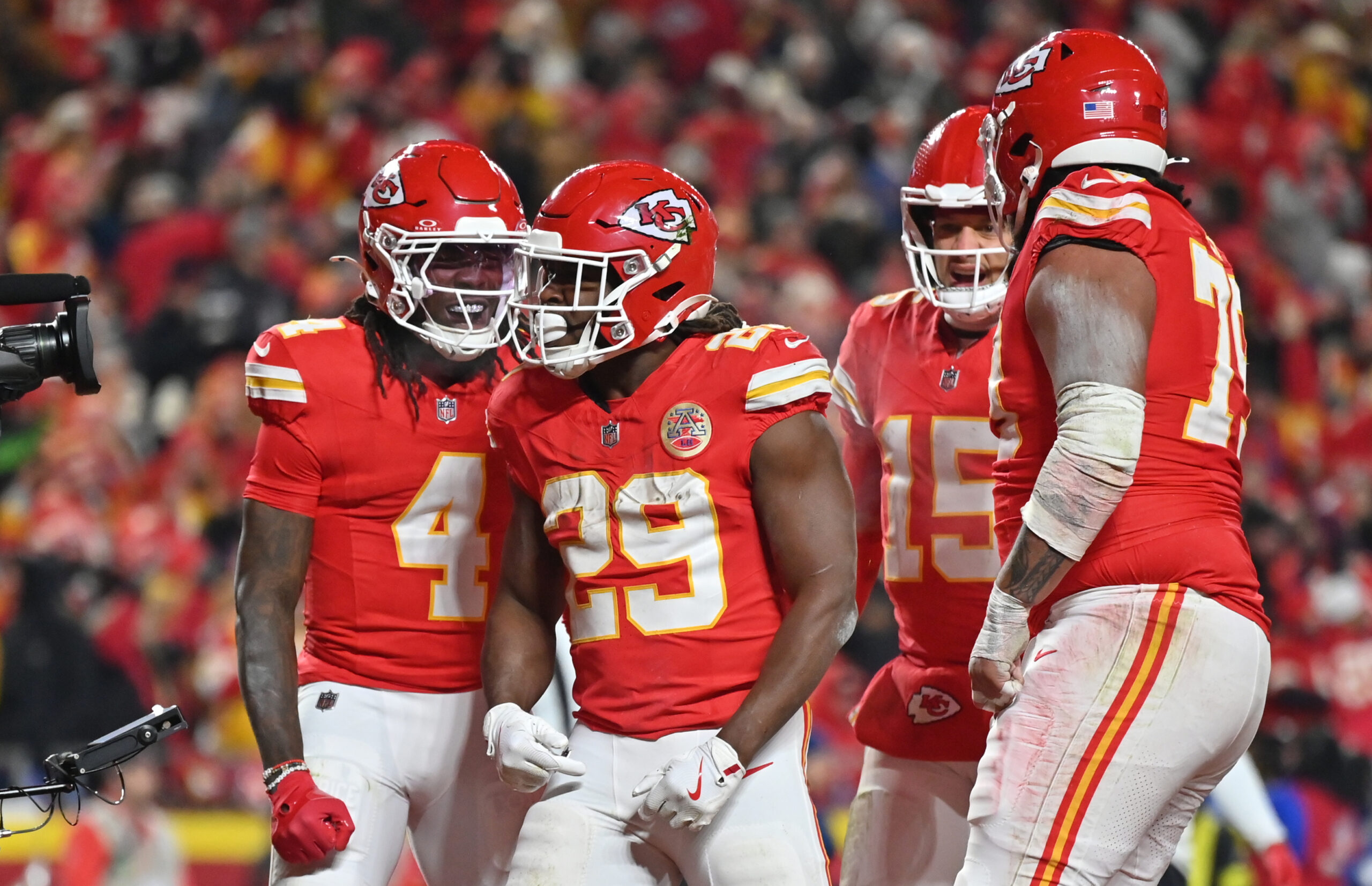
Dec 7, 2025; Kansas City, Missouri, USA; Kansas City Chiefs wide receiver Rashee Rice (4) and Kansas City Chiefs running back Kareem Hunt (29) celebrate after a touchdown during the third quarter against the Houston Texans at GEHA Field at Arrowhead Stadium. Mandatory Credit: Amy Kontras-Imagn Images
In May 2026, Rice tested positive for THC, violating his probation. The Texas State Attorney’s Office and the Dallas County DA didn’t deliberate. They ordered him to report to jail immediately. No scheduling around camp. No negotiation. He was booked into Dallas County Jail on May 19 with a projected release date of June 16. Thirty days. Mandatory. The flexibility the judge had built into the original sentence evaporated with a single drug test. Rice went from preparing for OTAs to wearing a jumpsuit in a county facility.
“Life Lessons Are Important”
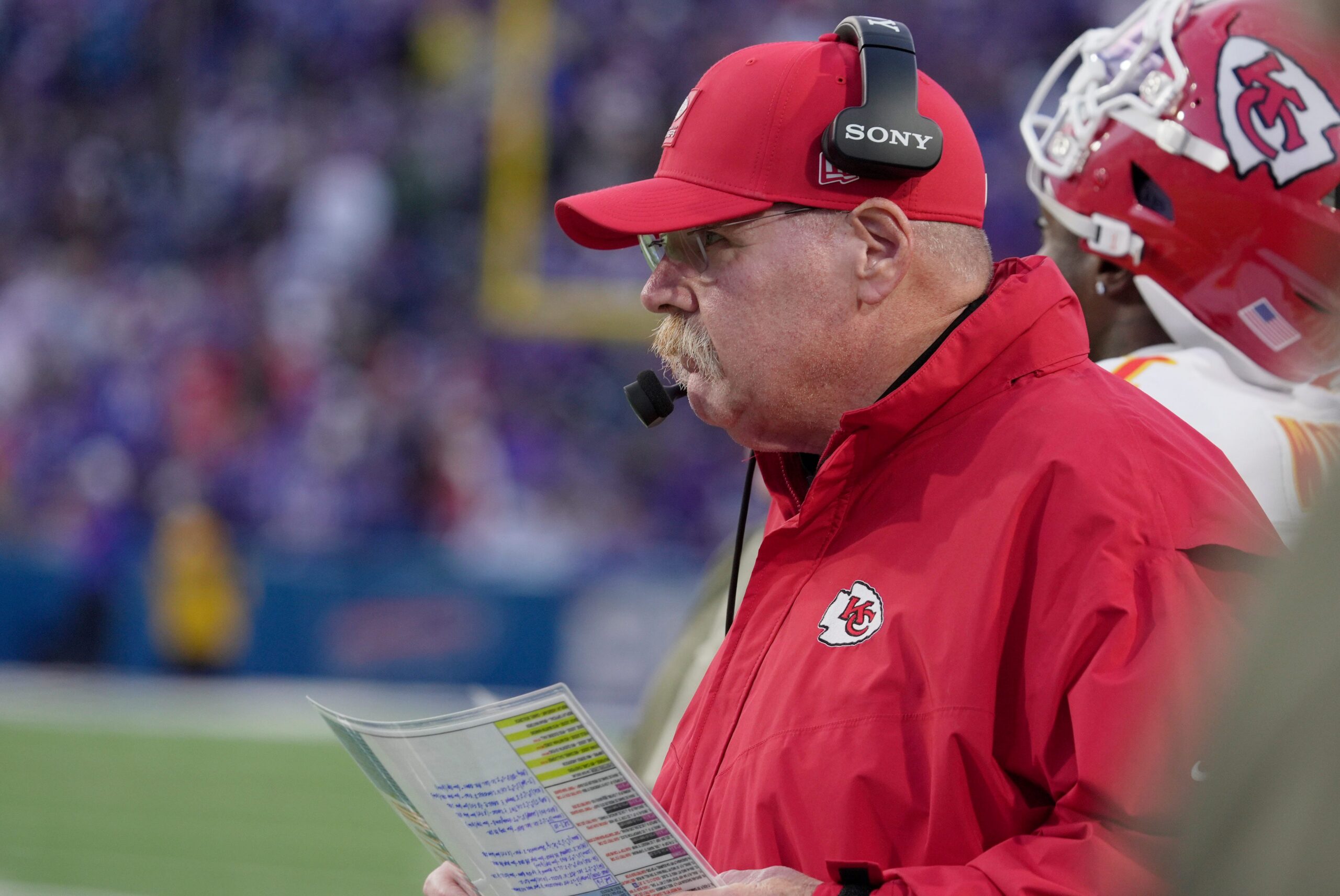
Kansas City Chiefs head coach Andy Reid watches the offense on the field during first half action against the Kansas City Chiefs at Highmark Stadium in Orchard Park on Nov. 2, 2025.
Reid’s response landed like a pillow on concrete. “Life lessons are important, but we’re all given chances to learn, and so he’s in that position now,” the coach told reporters. He added that “it’s not an easy thing he’s going through” and promised to get Rice “caught up” when he returns. No condemnation. No roster threat. The team confirmed there are no plans to change Rice’s status. In word and deed, Kansas City chose support and continuity over severance. A franchise built on winning decided a jailed felon was still worth the investment.
The NFL’s Unwritten Playbook
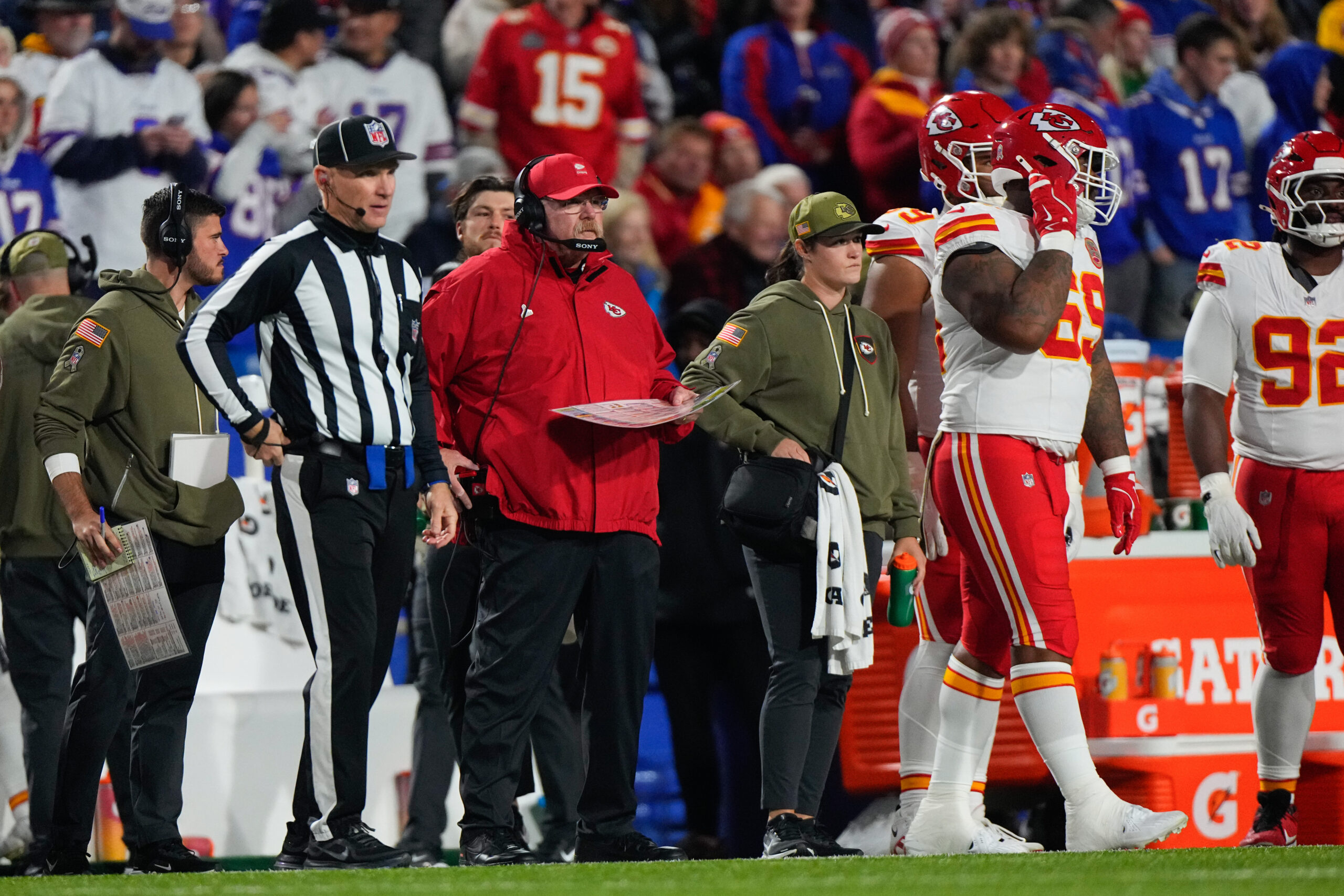
Nov 2, 2025; Orchard Park, New York, USA; Kansas City Chiefs head coach Andy Reid looks on during the second quarter against the Buffalo Bills at Highmark Stadium. Mandatory Credit: Gregory Fisher-Imagn Images
This is how the modern NFL actually works. Teams don’t cut talented players over criminal charges. They absorb the fallout, frame it as rehabilitation, and wait for the news cycle to pass. The Chiefs aren’t an outlier. They’re following a well-worn pattern where organizations weigh player value against misconduct and almost always choose the talent. Reid’s “life lessons” language functions as organizational armor. It tells the public the team cares about Rice the person while protecting Rice the asset. Both things can be true. But only one of them drives the decision.
What Rice Still Faces
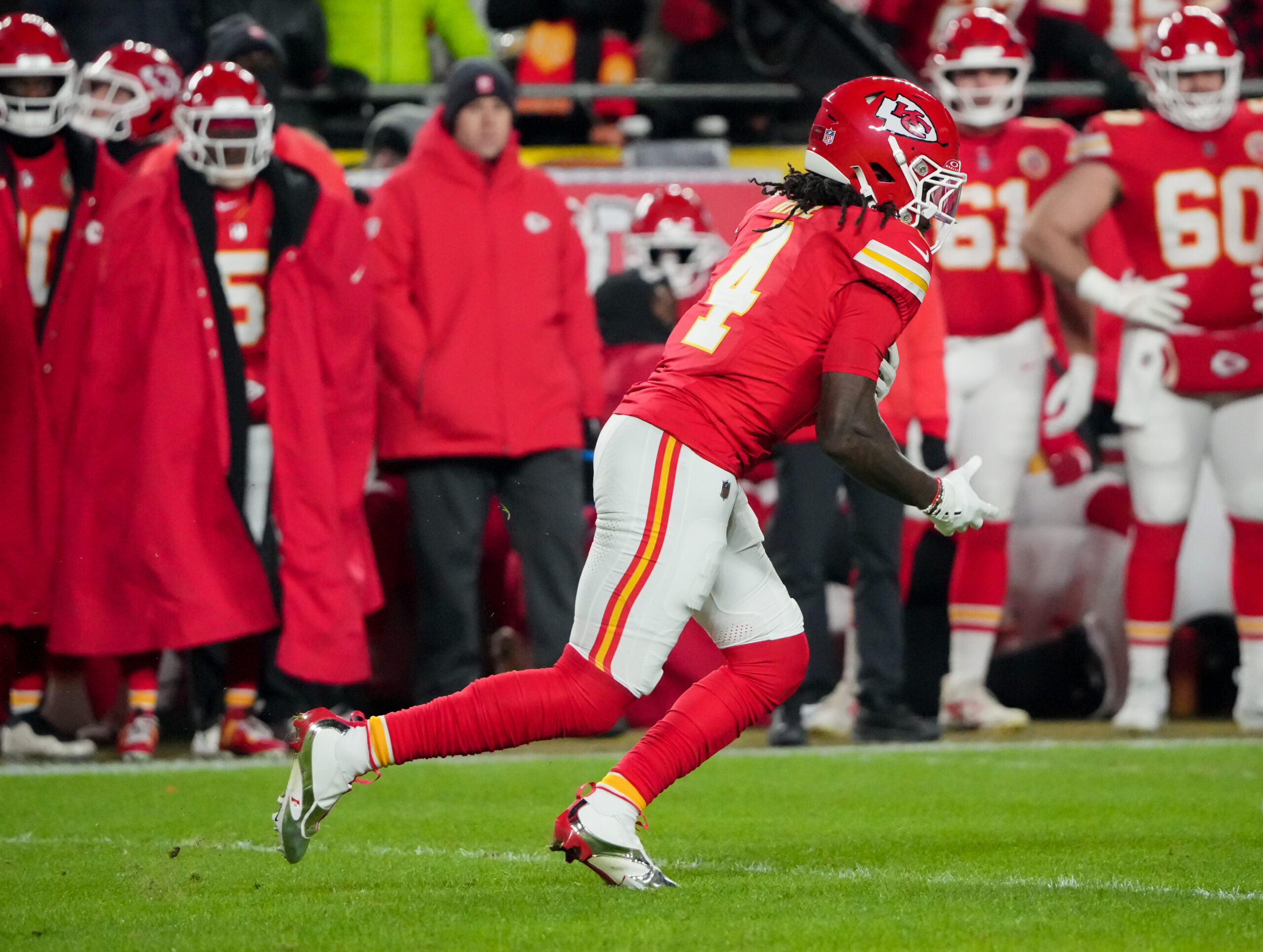
Dec 7, 2025; Kansas City, Missouri, USA; Kansas City Chiefs wide receiver Rashee Rice (4) runs with the ball during the first quarter against the Houston Texans at GEHA Field at Arrowhead Stadium. Mandatory Credit: Denny Medley-Imagn Images
The jail time is only one layer. Rice still has nearly five years of probation ahead. Another violation could mean actual prison, not 30 days in county. He has already served his NFL discipline for the crash, a six-game suspension to open the 2025 season that ended with his return in Week 7 against the Raiders, so this jail stint is a probation matter rather than a fresh league ban. Whether the NFL imposes any additional discipline tied to the probation violation remains unresolved. And every snap he plays going forward comes with a probationary asterisk. One more mistake and the Chiefs’ patience becomes a liability that no amount of coaching-speak can cover.
A New Rule for the League
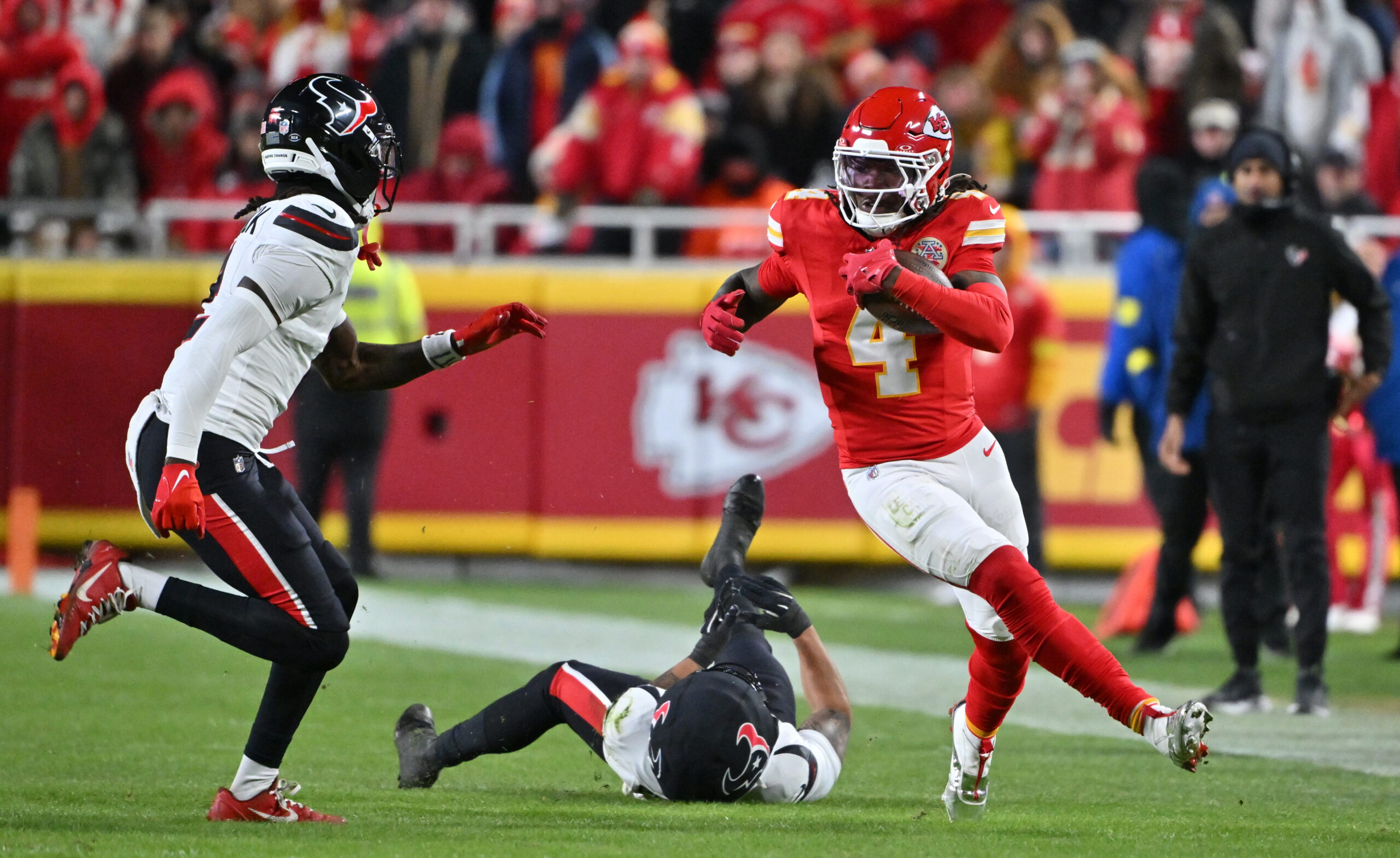
Dec 7, 2025; Kansas City, Missouri, USA; Kansas City Chiefs wide receiver Rashee Rice (4) runs after a catch during the third quarter against the Houston Texans at GEHA Field at Arrowhead Stadium. Mandatory Credit: Amy Kontras-Imagn Images
The Chiefs just set the floor for what NFL teams will tolerate. Two felony convictions, a hit-and-run at 119 mph, injured victims, a probation violation, and 30 days in jail. And the franchise response is “moving forward, just normal as we go here.” Once you see that, you can’t unsee it. Every team with a troubled star now has Kansas City’s precedent to point to. The message across the league is clear: if you can play, you stay. Accountability is a press conference word, not a roster decision.
The Clock Is Already Ticking
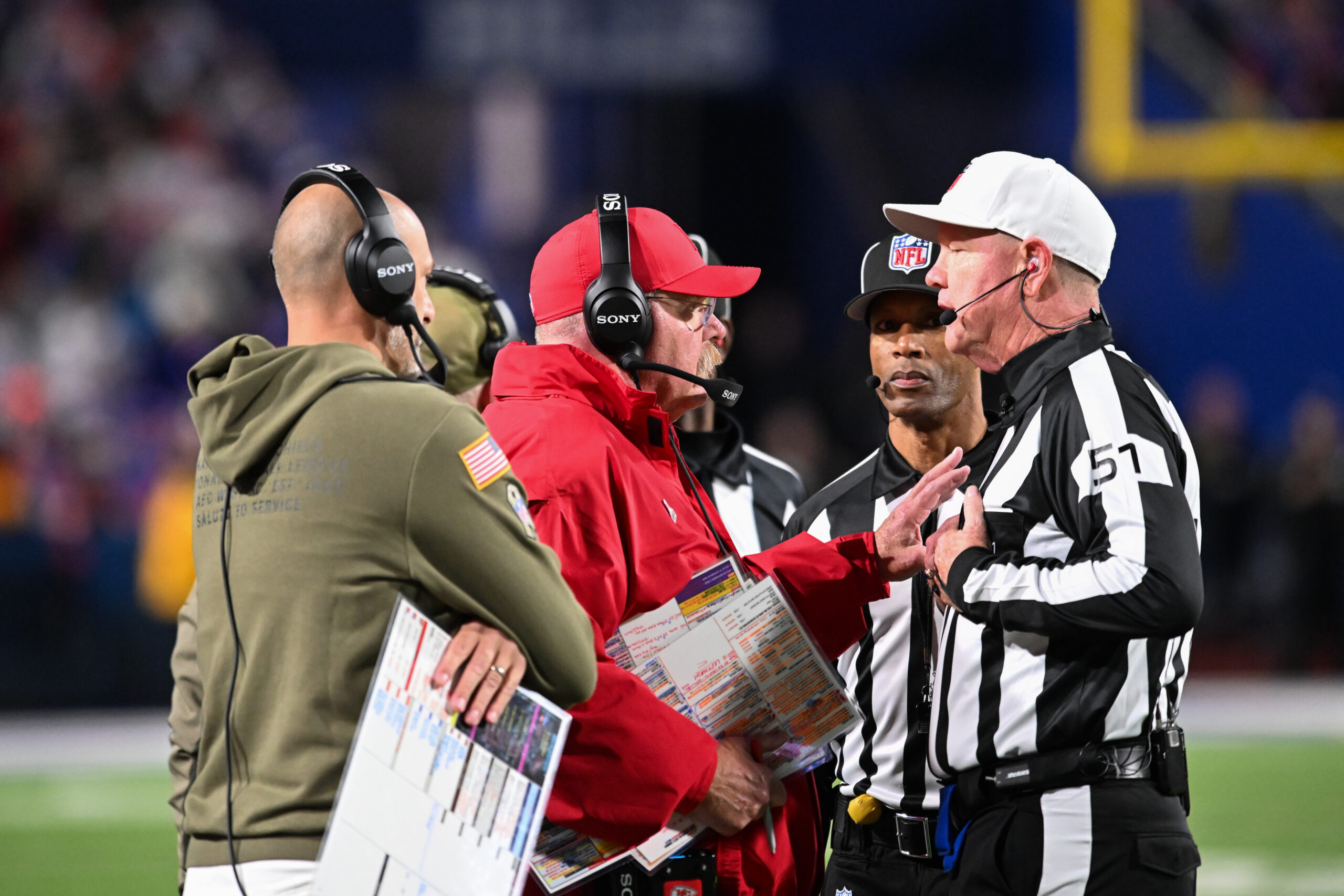
Nov 2, 2025; Orchard Park, New York, USA; Kansas City Chiefs head coach Andy Reid speaks with the referees during the third quarter against the Buffalo Bills at Highmark Stadium. Mandatory Credit: Mark Konezny-Imagn Images
Rice’s projected release date of June 16 puts him back on the street weeks before training camp opens. The Chiefs have already signaled they’ll integrate him immediately. But five years of probation means five years of drug tests, check-ins, and zero margin for error under Texas law. The next failed test won’t mean 30 days in county. It could mean state prison. Reid called this a life lesson. The real test is whether Rice learned anything at all, because the Chiefs have bet their credibility that he did.
Who Pays If He Doesn’t
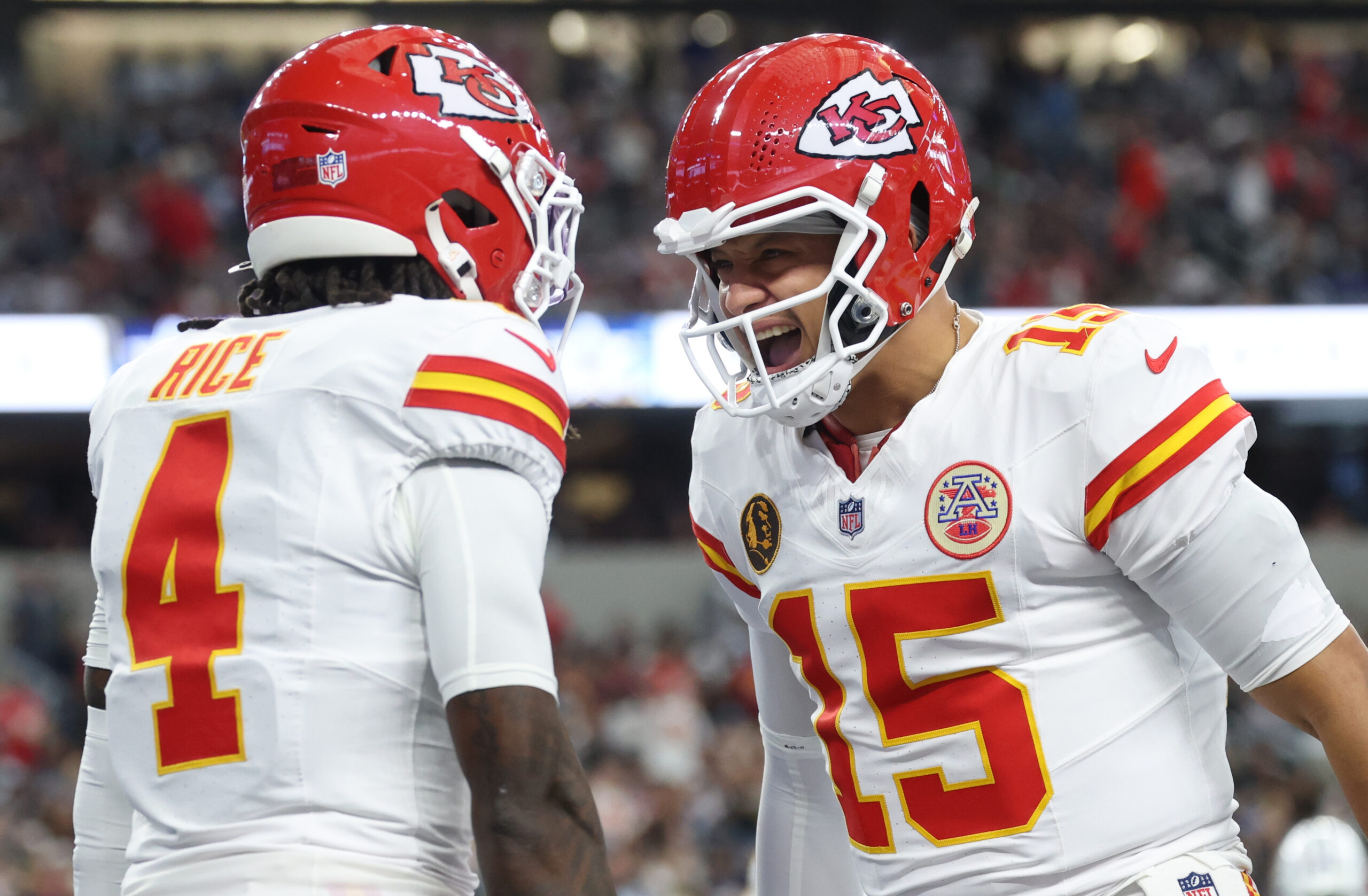
Nov 27, 2025; Arlington, Texas, USA; Kansas City Chiefs wide receiver Rashee Rice (4) and Kansas City Chiefs quarterback Patrick Mahomes (15) celebrate after a play against the Dallas Cowboys during the first quarter at AT&T Stadium. Mandatory Credit: Kevin Jairaj-Imagn Images
The people injured in that Dallas crash watched a millionaire athlete plead guilty, get probation, violate it, and still keep his job. That’s the part of this story nobody in Kansas City’s front office wants to discuss. The Chiefs framed Rice’s jail time as growth. Analysts described the organization’s stance as seeing this as “a chance for him to learn about life, not one in which they punish him.” Somewhere in Dallas, the people he hit are still dealing with the consequences of 119 mph. Nobody called their recovery a life lesson. Is Kansas City showing loyalty and second chances the right way, or selling out accountability for talent? Tell us where you land in the comments.