
Refrigerated trucks hauling sod. Crews laying sand, gravel, and irrigation pipe across stadium floors that hosted NFL playoff games months earlier. Seven NFL stadiums are getting brand-new natural grass fields this summer, engineered to FIFA’s exacting World Cup standards. Bermudagrass for the warm-weather venues, Kentucky bluegrass for the cooler and domed ones, drainage systems, the works. Millions of dollars in installation. And every single blade of it is temporary. The moment the last World Cup whistle blows, those pristine pitches face a fate that tells you everything about whose priorities actually run American football.
Seven Stadiums, Two Masters
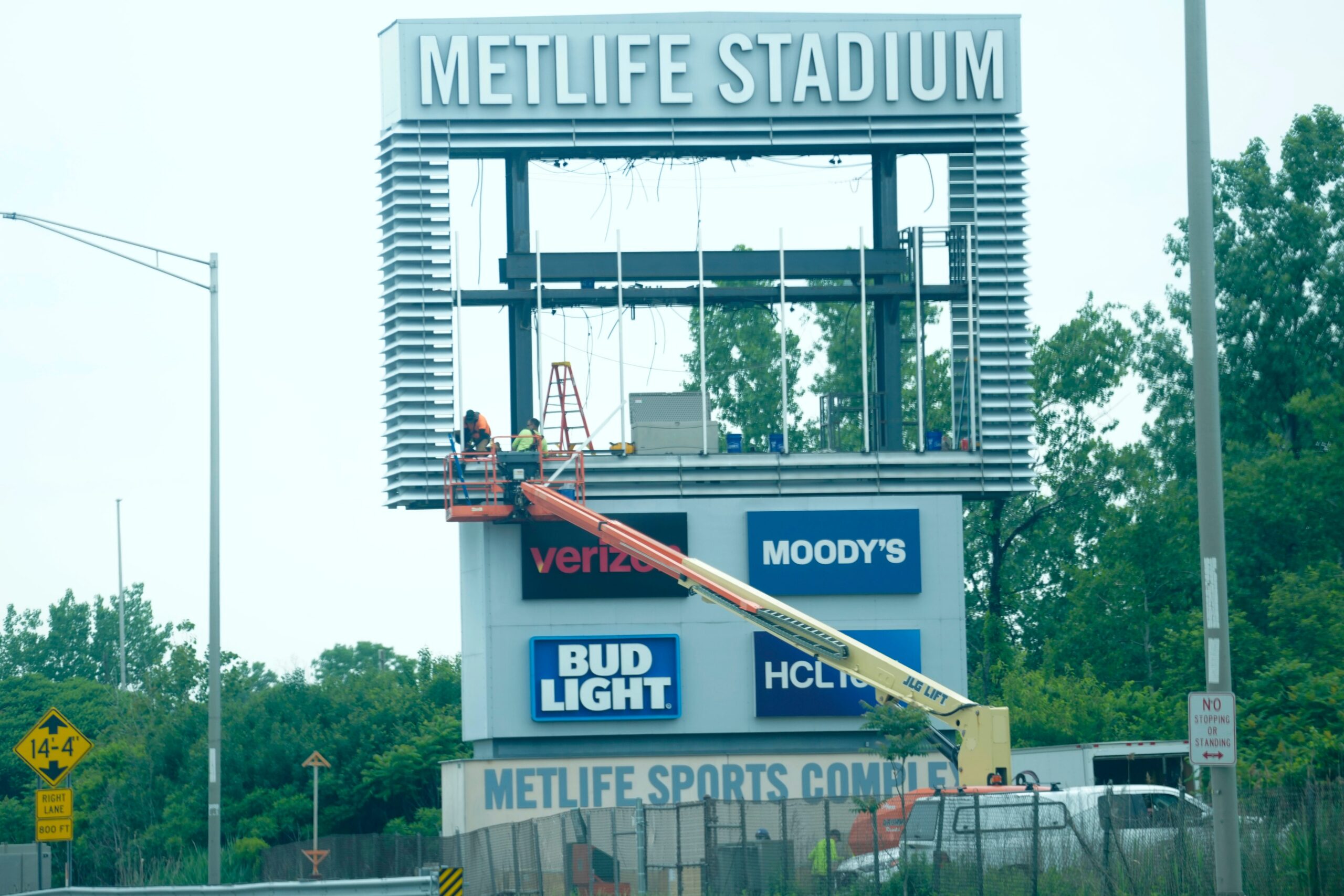
Workers disassemble the screen section of the Route 3 West MetLife Stadium sign, In East Rutherford, Wednesday, May 27, 2026.
MetLife Stadium. AT&T Stadium. Gillette Stadium. Lumen Field. NRG Stadium. SoFi Stadium. Mercedes-Benz Stadium. All seven use artificial turf for NFL games. All seven will have natural grass for the World Cup this summer. That means the Jets, Giants, Cowboys, Patriots, Seahawks, Texans, Rams, Chargers, and Falcons all play in buildings that FIFA deemed unfit for soccer without a complete surface overhaul. These aren’t neutral convention centers. They’re cathedrals of American football, and another sport’s governing body just walked in and redecorated.
FIFA Had One Non-Negotiable Demand
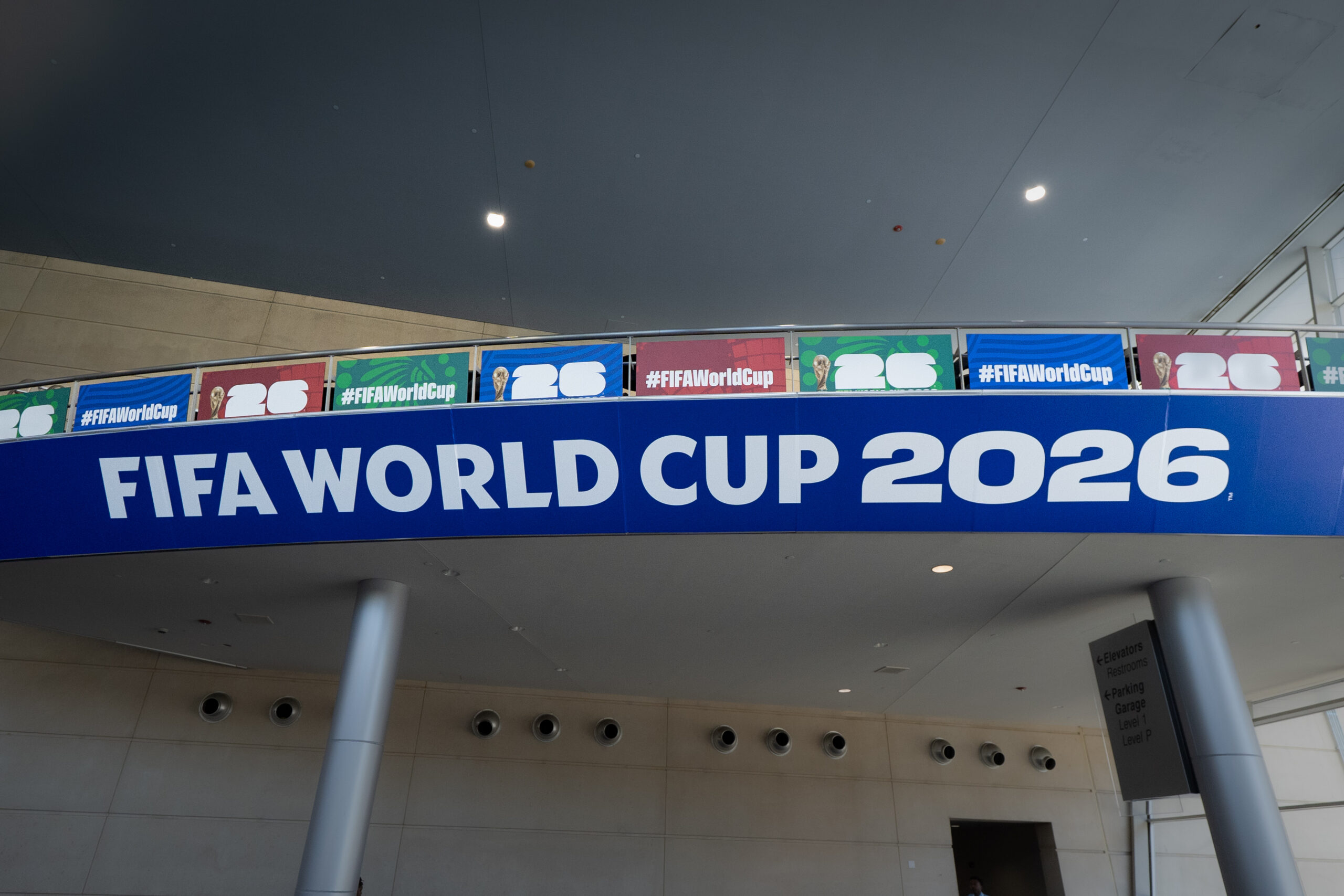
Jun 1, 2026; Dallas, Texas, USA; Interior signage World Cup signage during the grand opening of the 2026 FIFA World Cup international broadcast center at Kay Bailey Hutchison Convention Center. Mandatory Credit: Raymond Carlin III-Imagn Images
FIFA uses only grass fields for the World Cup. No exceptions. No compromises. No fully synthetic surfaces. As ProFootballTalk reported, “the owners who are hosting World Cup games installed grass fields because FIFA demanded it.” They had no choice. The alternative was losing hosting rights, along with the global exposure, ticket revenue, and prestige that come with staging the biggest sporting event on earth. So NFL owners complied. They ripped out their own turf and laid grass for someone else’s sport. That compliance, though, came with an expiration date.
The Grass Gets a Death Sentence
Jun 1, 2026; Dallas, Texas, USA; Interior signage World Cup signage during the grand opening of the 2026 FIFA World Cup international broadcast center at Kay Bailey Hutchison Convention Center. Mandatory Credit: Raymond Carlin III-Imagn Images
Once the World Cup ends, every one of those seven stadiums will remove the natural grass and reinstall artificial turf ahead of the 2026 NFL season. By September kickoff, those fields will look exactly like they did before FIFA arrived. Millions spent installing grass. Millions more ripping it out. Nick Bosa called the whole arrangement “a little bizarre,” adding, “but what can you expect?” The reason critics keep returning to is money. Cheaper to have turf for NFL games. That calculation strips the entire operation bare. FIFA’s players get grass. NFL players get the bill.
The Money Behind the Turf
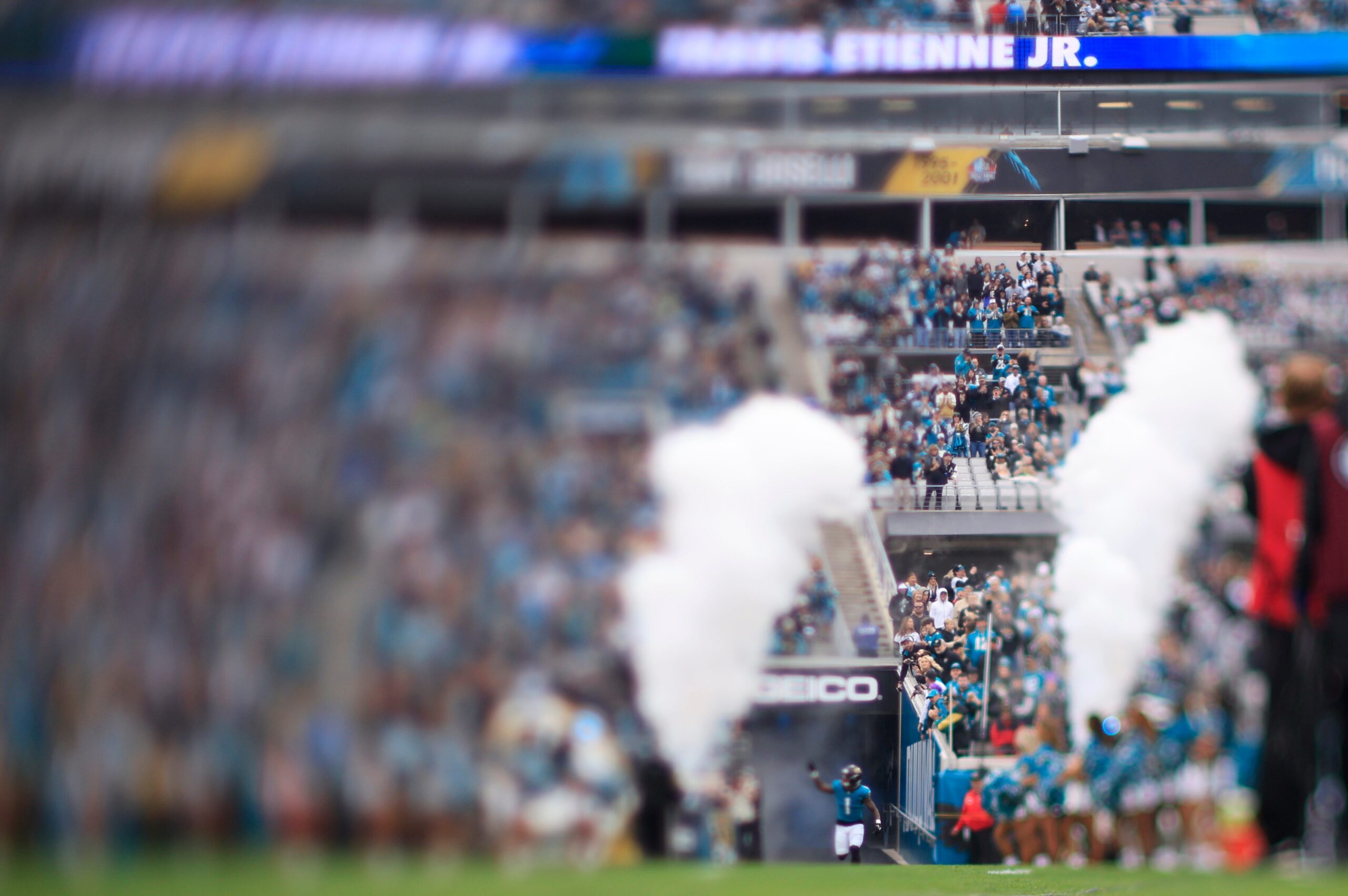
(EDITOR’S NOTE: A tilt lens was used to create this image.) Jacksonville Jaguars running back Travis Etienne Jr. (1) is introduced before an NFL football matchup at EverBank Stadium, Sunday, Jan. 4, 2026, in Jacksonville, Fla. The Jaguars defeated the Titans 41-7, capturing the AFC South title. [Corey Perrine/Florida Times-Union]
Artificial turf costs less to maintain. No mowing, no watering, no reseeding, no grow lights in domed stadiums. For owners operating billion-dollar buildings, the savings are real and recurring. Natural grass demands constant attention, specialized grounds crews, and climate control that some venues simply weren’t built to support. Think of it like a landlord installing hardwood floors for a high-paying short-term renter, then ordering maintenance to rip them out and lay linoleum back down for the long-term tenant. The long-term tenant would obviously prefer the hardwood.
Players Have Been Saying This for Years
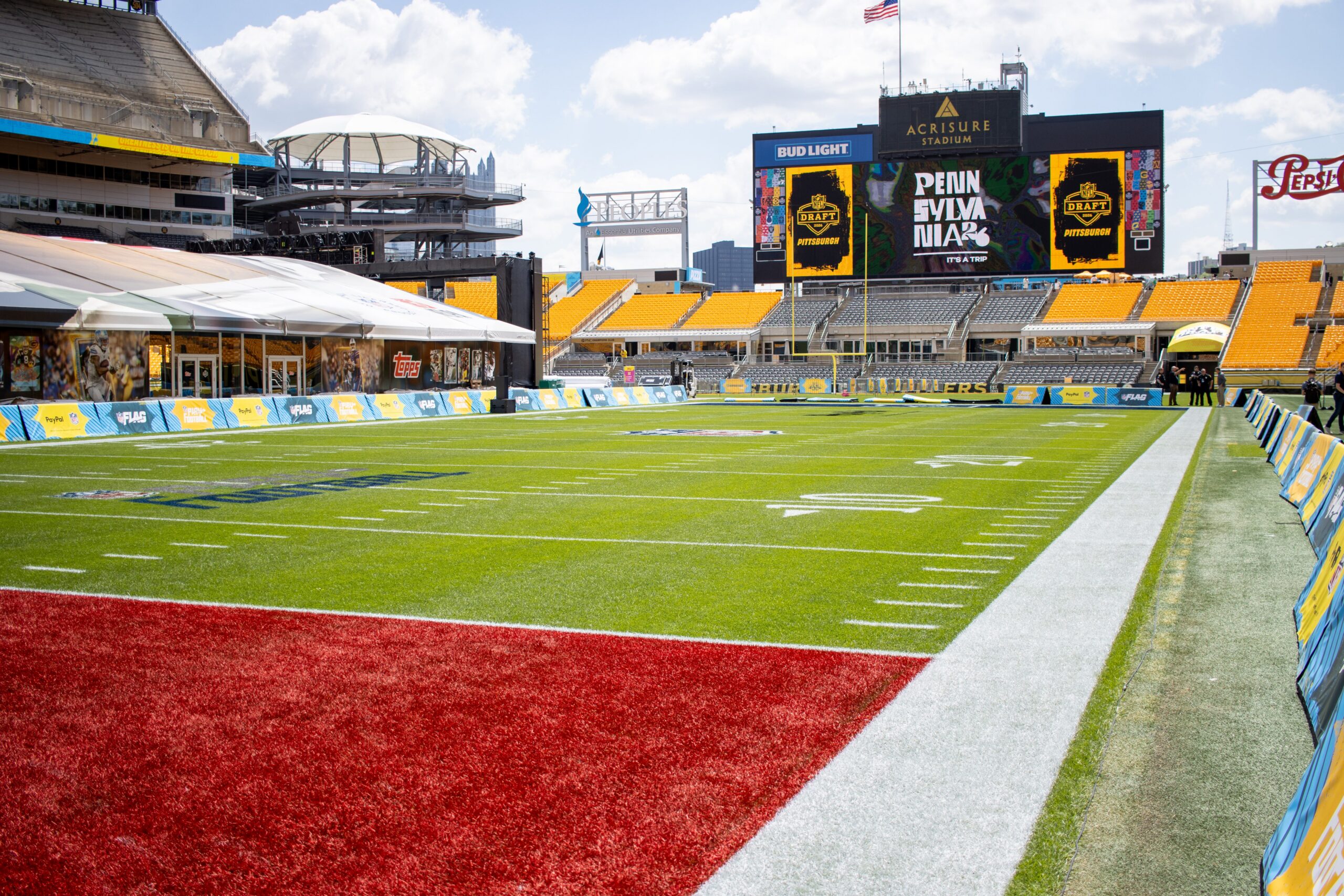
Wednesday, April 22, 2026, Pittsburgh Pa. A flag football field is painted on the playing surface for the flag football skills competition being held at Acrisure Stadium.
The NFLPA has pushed for high-quality grass fields across the league, citing injury concerns and player preference. ESPN reported that the union demanded better surfaces, pointing directly at the gap between what FIFA requires for soccer players and what NFL players get fifty-two weeks a year. The World Cup conversion proved something the union has argued all along: these stadiums can support natural grass. The infrastructure exists. The engineering works. Owners just choose not to keep it. That proof now sits in the public record, and the NFLPA knows exactly how to use it.
Eleven Stadiums Commandeered
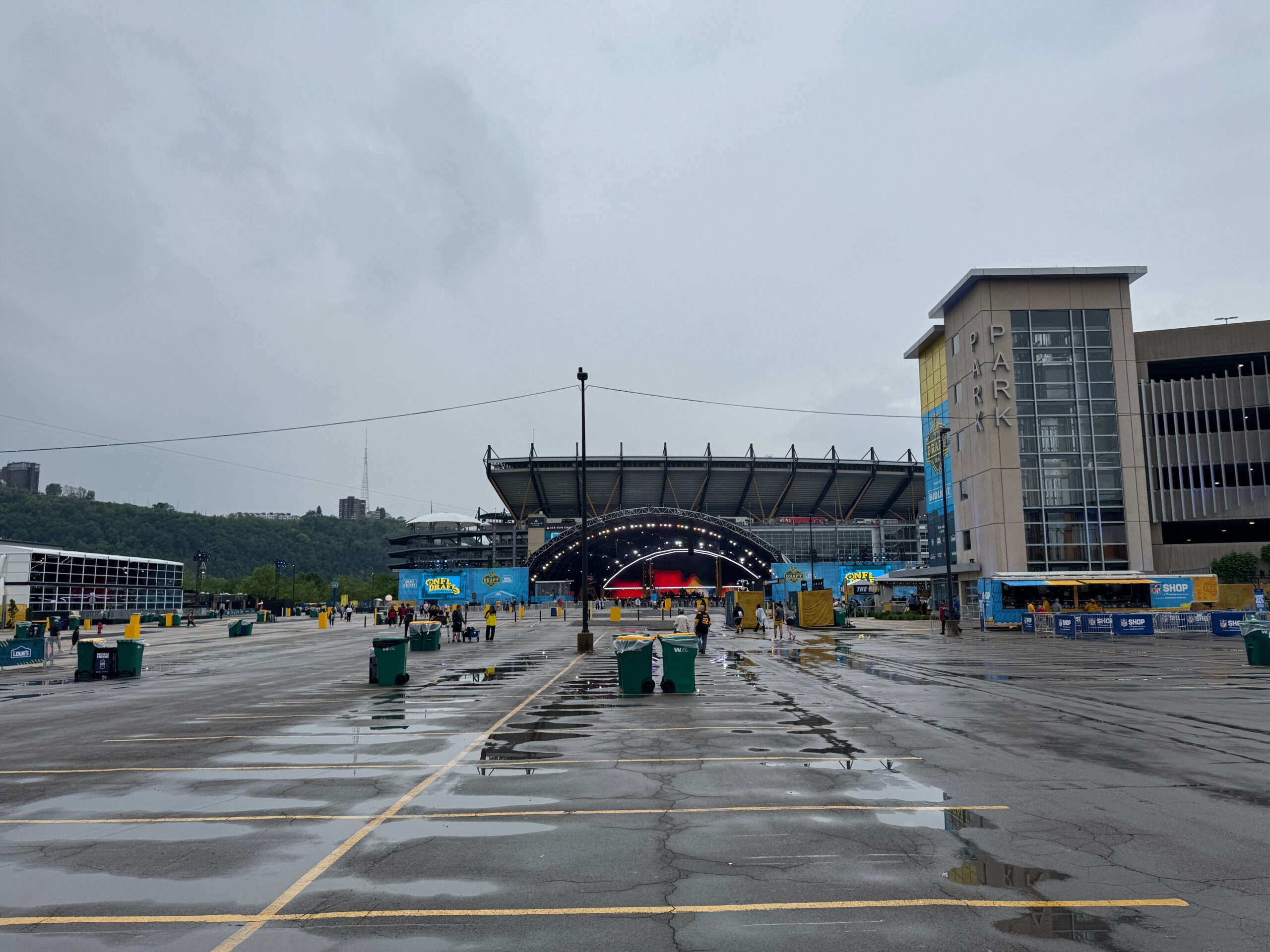
Despite rain in the forecast, football fans begin to file in early on the final day of the NFL Draft on Saturday, April 25, 2026 outside Acrisure Stadium in Pittsburgh, Pa.
FIFA commandeered eleven NFL stadiums total for the 2026 World Cup. Four already had natural grass. Seven did not. Those seven are the ones caught in this install-then-destroy cycle. The ripple extends beyond field surfaces. Preseason schedules shift. Training camps adjust. Stadium operations crews face back-to-back major conversions in a window of weeks. And the NFL teams that share those buildings return to fields that just underwent two full surface transplants in a single summer. Front Office Sports called it “the NFL’s turf wars,” and the battles are just starting.
A Precedent Nobody Can Ignore
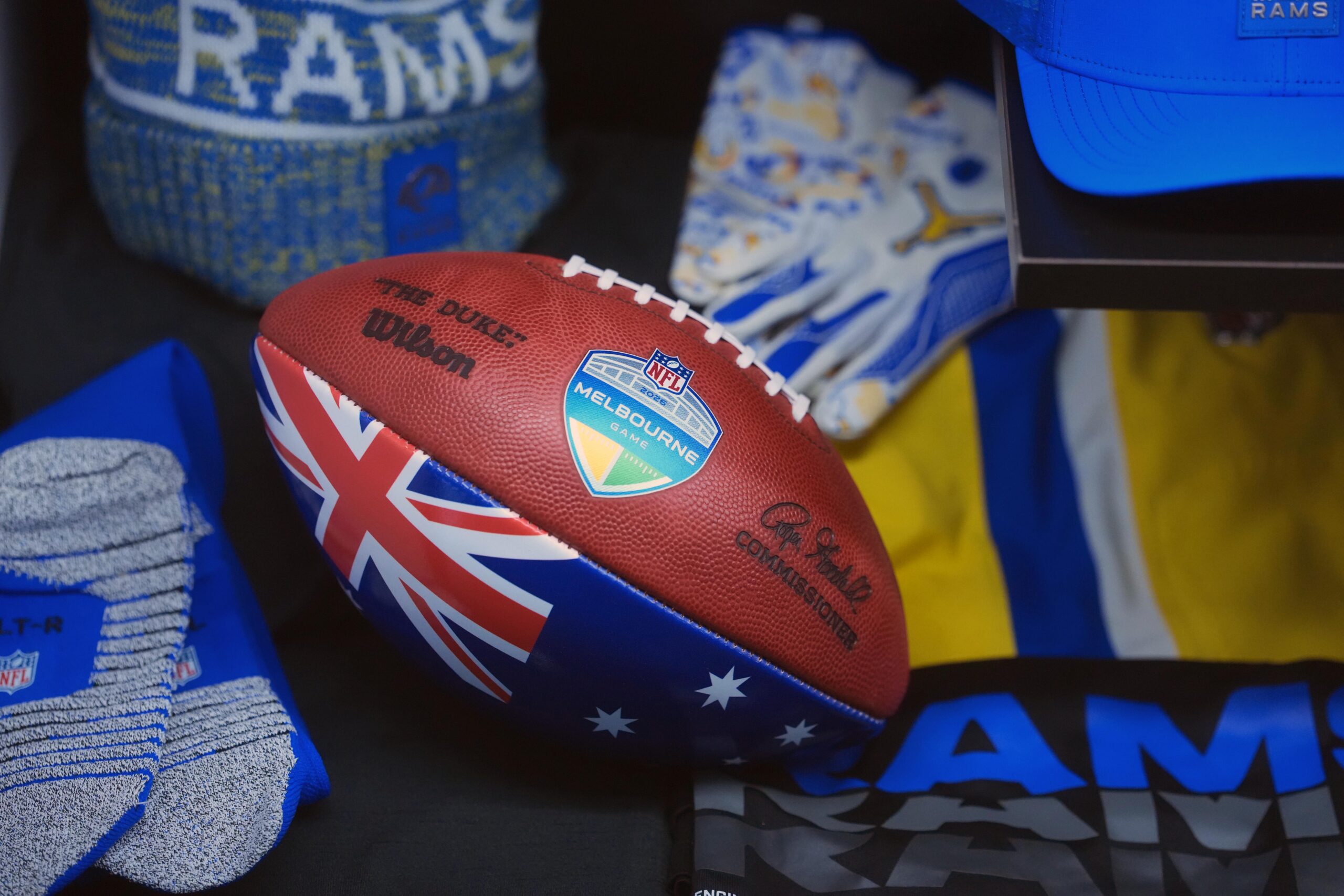
Apr 23, 2026; Pittsburgh, PA, USA; A Wilson official NFL Duke football with the NFL Melbourne Game logo at the NFL Draft museum at Acrisure Stadium. Mandatory Credit: Kirby Lee-Imagn Images
Once you see it, you cannot unsee it. FIFA proved that every one of these stadiums can host elite competition on natural grass. The engineering, logistics, and installation all worked. The surface held up under the feet of the best athletes on the planet. And then it got torn out, not because it failed, but because NFL economics preferred something cheaper. That precedent hands the NFLPA its strongest leverage yet. The next time an owner claims grass is impractical, the union can point to the summer their own stadium grew a World Cup pitch.
What Happens Next September
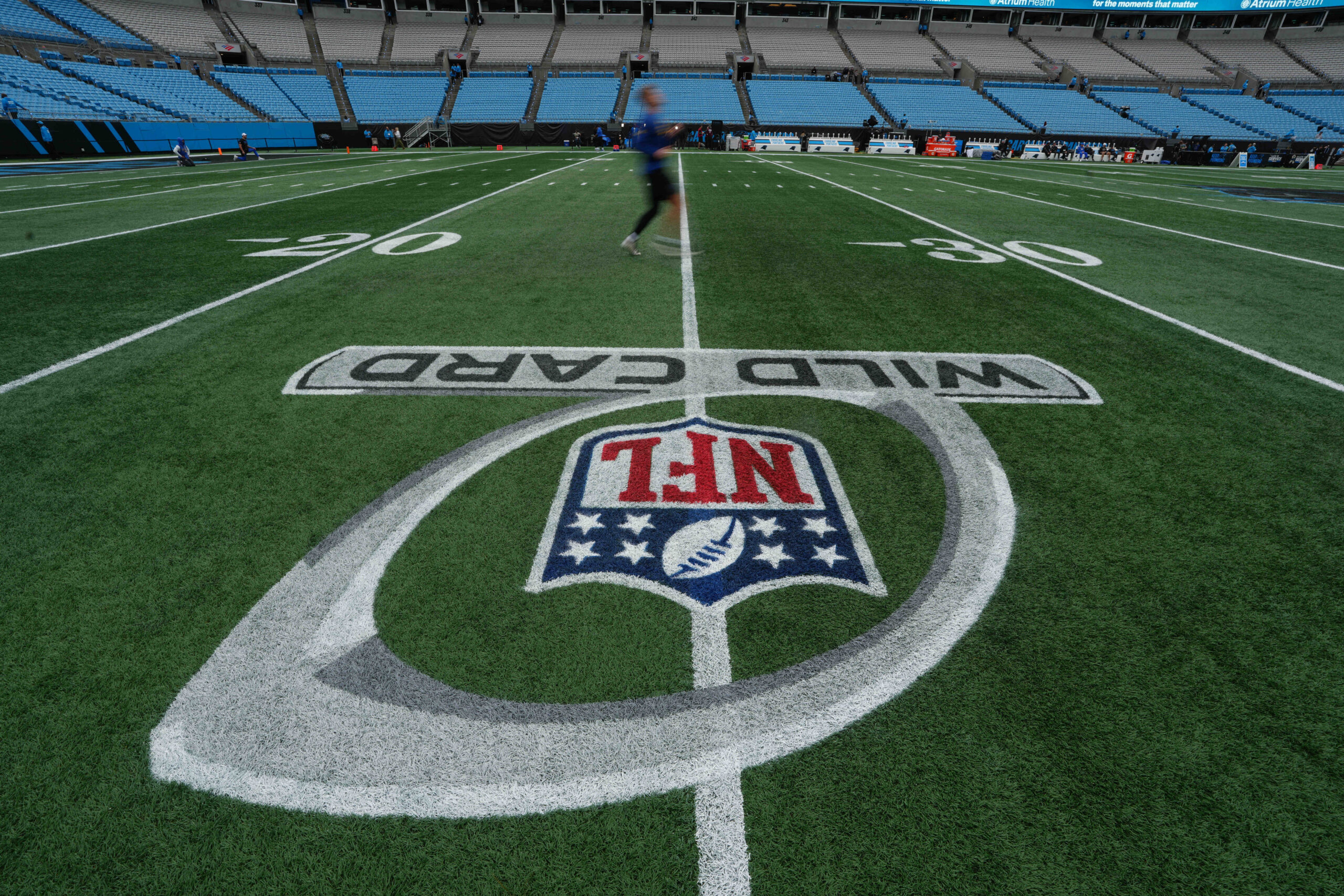
Jan 10, 2026; Charlotte, NC, USA; The NFL Wild Card logo on the field prior to the 2026 NFC wild card playoff football game between the Los Angeles Rams and the Carolina Panthers at Bank of America Stadium. Mandatory Credit: Bob Donnan-Imagn Images
When the NFL season starts in September, those seven stadiums will all be back on artificial turf. The grass will be gone. The irrigation ripped out. The sod hauled away. Players like Bosa will line up on the same synthetic surfaces they’ve criticized for years, in the same buildings that hosted grass fields weeks earlier. The NFLPA’s next collective bargaining push now carries photographic evidence. Every World Cup highlight reel filmed on NFL grass becomes an exhibit in the argument that owners chose cost over player safety.
The Fight That Outlasts the World Cup
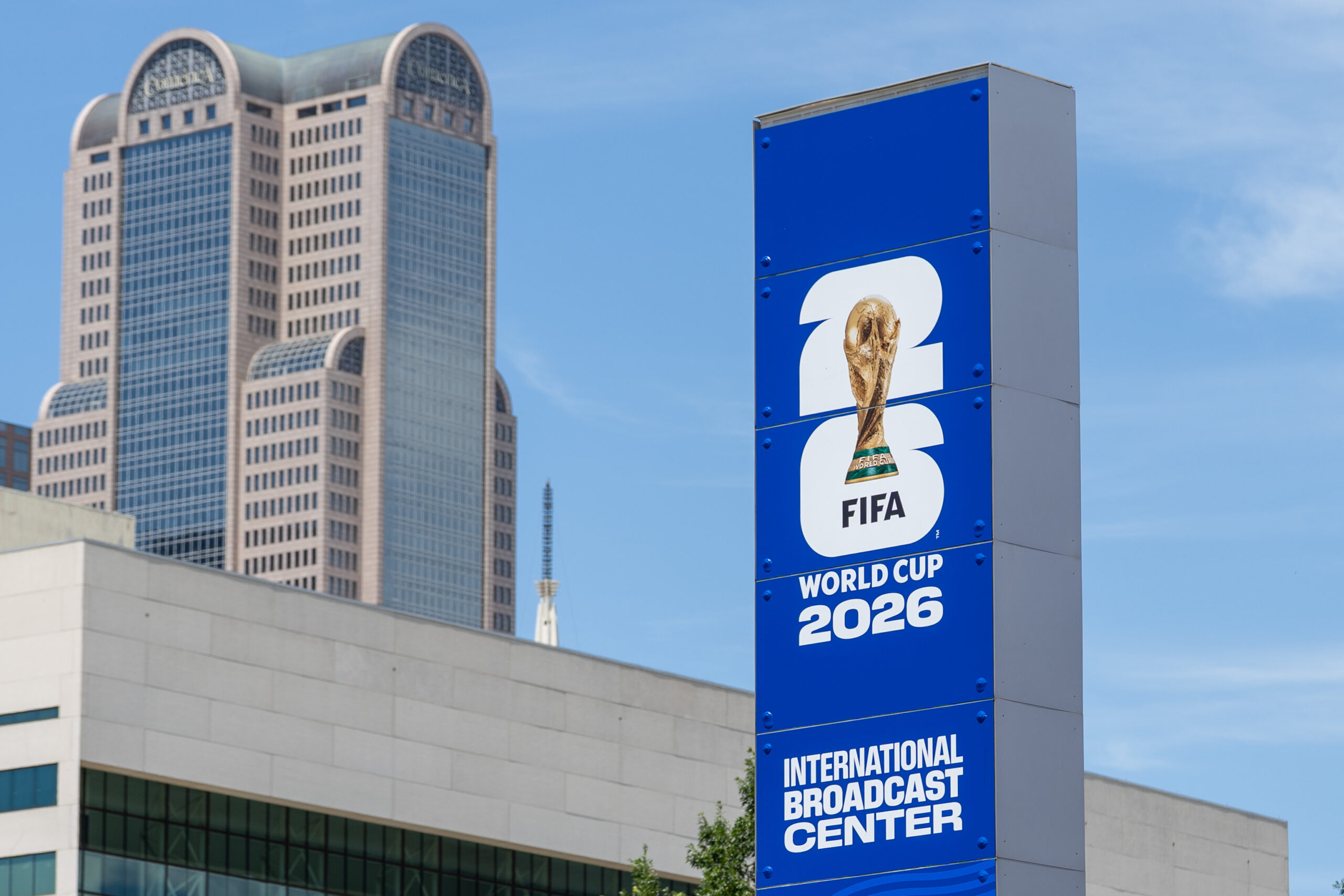
Jun 1, 2026; Dallas, Texas, USA; Exterior signage World Cup signage during the grand opening of the 2026 FIFA World Cup international broadcast center at Kay Bailey Hutchison Convention Center. Mandatory Credit: Raymond Carlin III-Imagn Images
FIFA leaves town. The grass disappears. The turf returns. And the NFL’s own players know, with proof they can hold in their hands, that the surface under their feet is a business decision, not a logistical impossibility. Bosa called it bizarre, and the money math is hard to argue with. The real question isn’t whether NFL stadiums can support grass. The World Cup just answered that. The real question is whether NFL owners can keep choosing turf now that every fan in America watched their stadium grow a perfect field for somebody else’s sport. So where do you land: should the NFL be forced to keep the grass its own players want, or is turf just smart business? Sound off in the comments.