
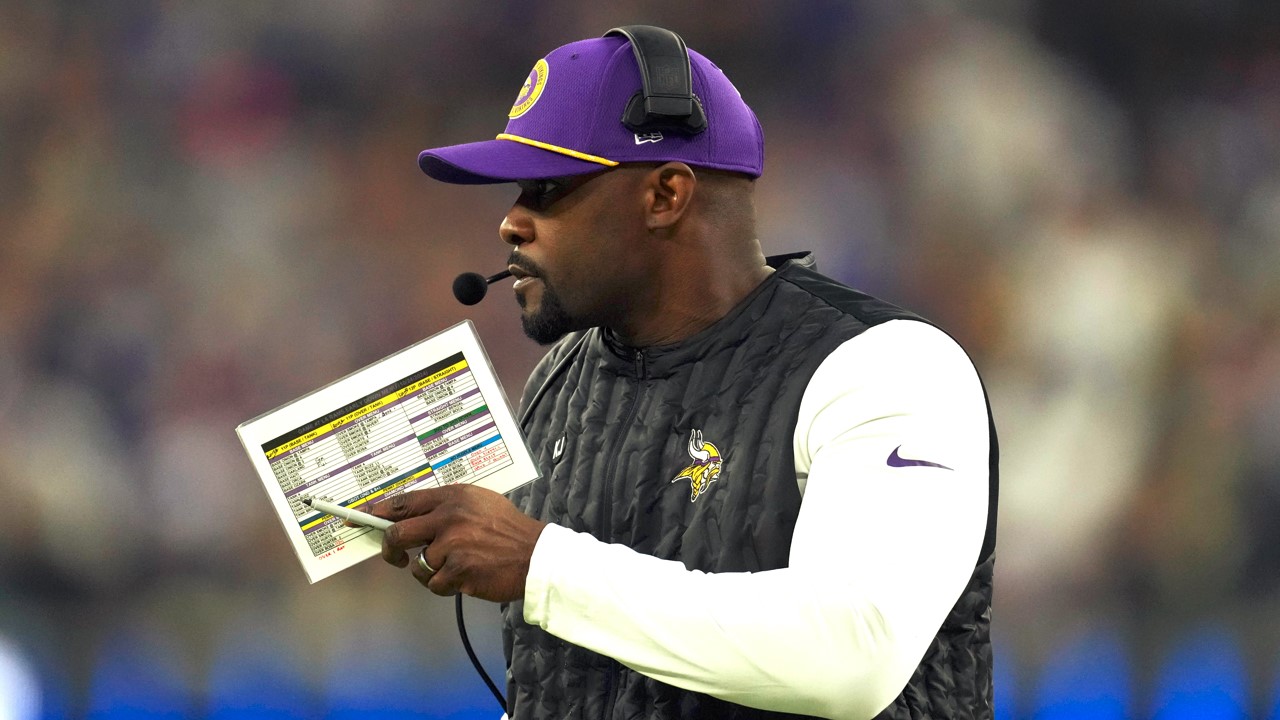
Brian Flores stood at a podium in February 2022 and did something no active NFL coach had ever done. He sued the league. Not over money. Not over a contract dispute. Over race. He named the New York Giants, the Miami Dolphins, the Denver Broncos, and the NFL itself, alleging the hiring process for Black coaching candidates was rigged from the inside. The league’s response told you everything about what it wanted to protect.
The NFL’s Preferred Courtroom Had One Judge
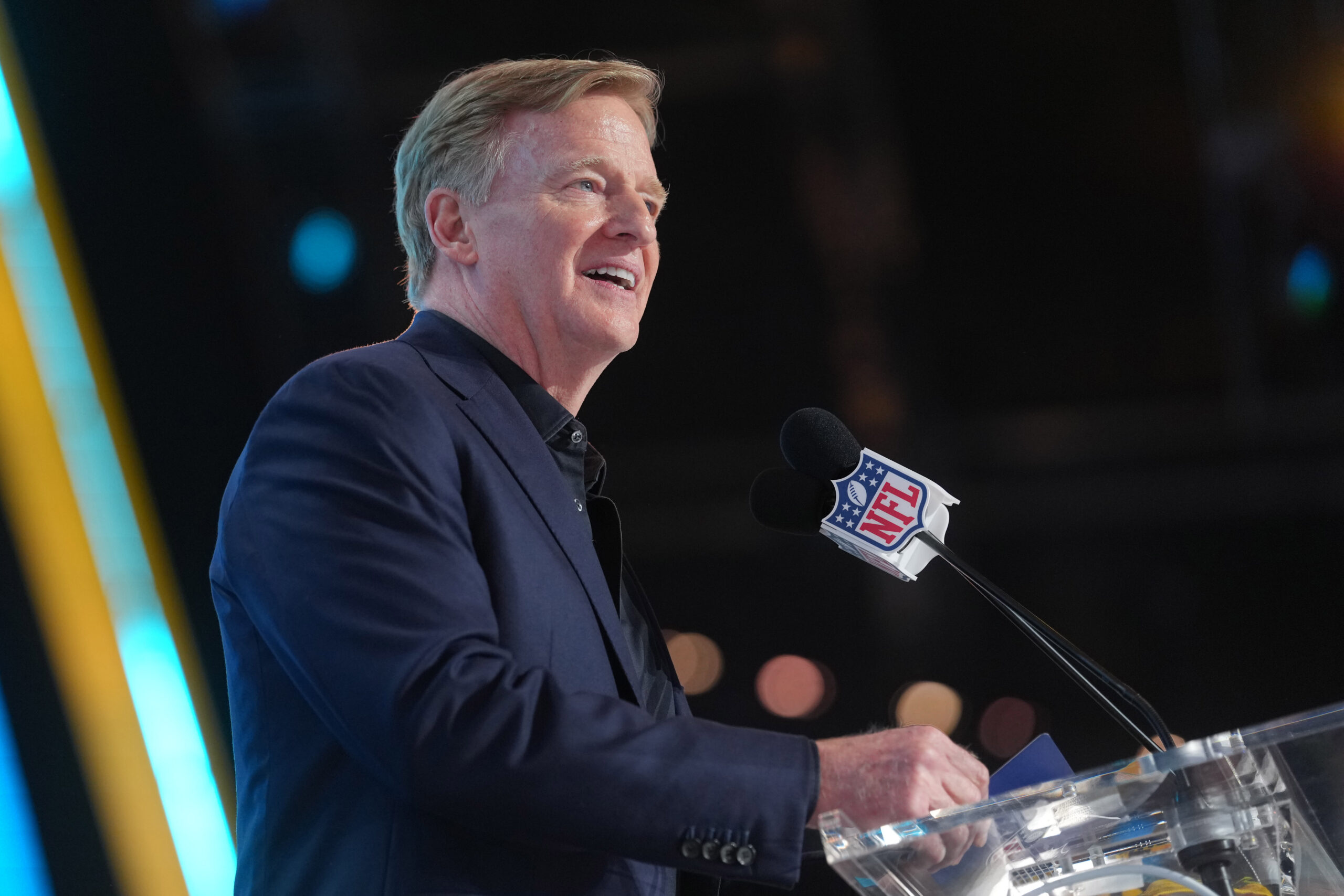
Apr 23, 2026; Pittsburgh, PA, USA; NFL commissioner Roger Goodell during the 2026 NFL Draft at Acrisure Stadium. Mandatory Credit: Kirby Lee-Imagn Images
The league moved immediately to compel arbitration. Under the NFL Constitution, disputes go to a single arbitrator: Commissioner Roger Goodell. The man who works for the 32 owners would decide whether those same owners discriminated against a Black coach. That’s the system the NFL wanted Flores locked inside. No public testimony. No discovery. No cameras. Federal courts would later reject this arrangement as unenforceable, finding it operated as the NFL’s own private court.
Four Years of Legal Trenches
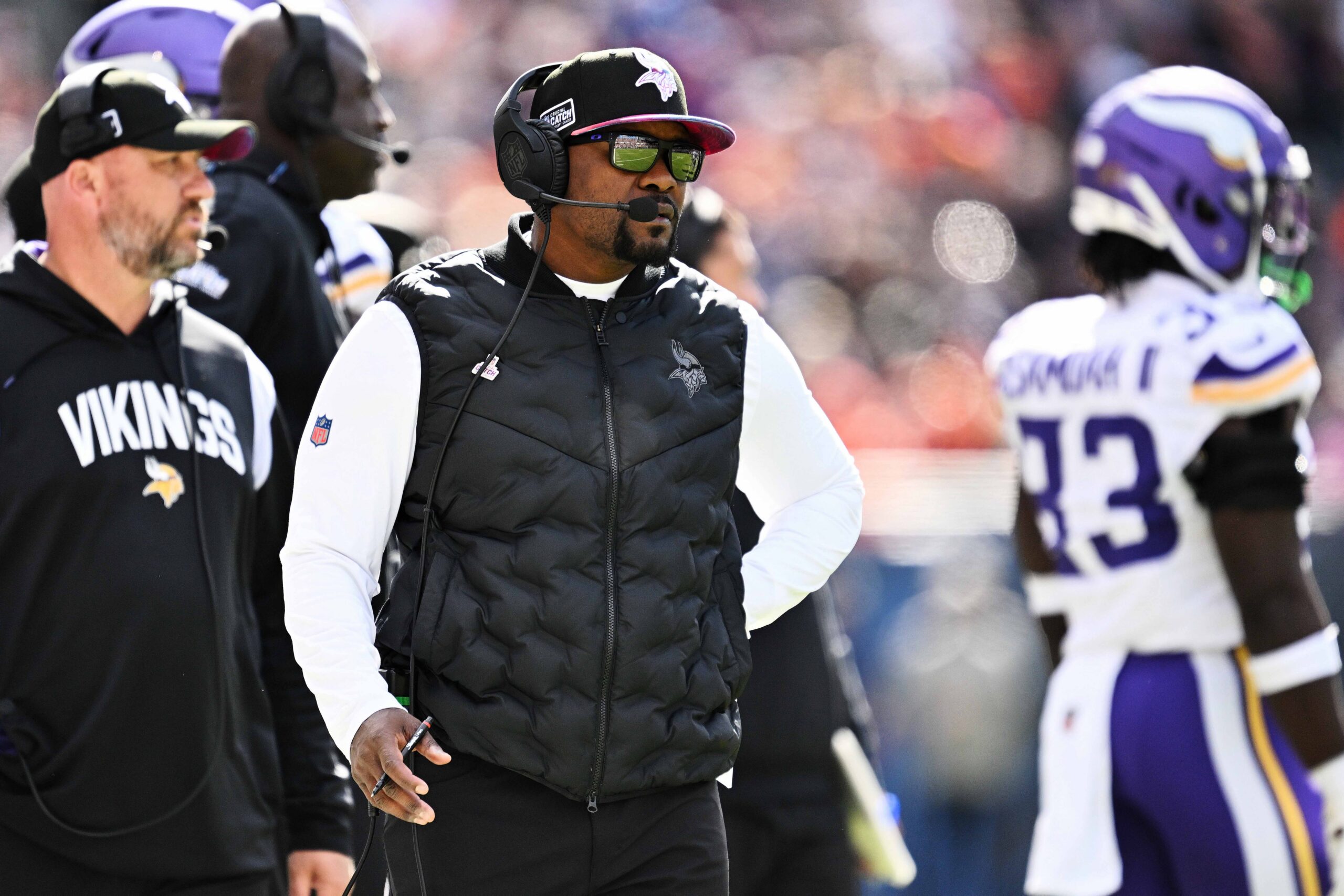
Oct 15, 2023; Chicago, Illinois, USA; Minnesota Vikings defensive coordinator Brian Flores watches his team play against the Chicago Bears at Soldier Field. Mandatory Credit: Jamie Sabau-Imagn Images
From 2022 through 2026, the NFL fought at every level. District court motions to compel arbitration. A Second Circuit appeal after those motions failed. Then a petition to the Supreme Court itself. Four years of legal resources deployed toward a single goal: keeping Flores’ allegations about sham interviews and systematic racism behind closed doors. The Rooney Rule, designed to guarantee minority candidates fair consideration, was being called “procedural theater” in court filings the league never wanted you to read.
The Second Circuit Saw Through It
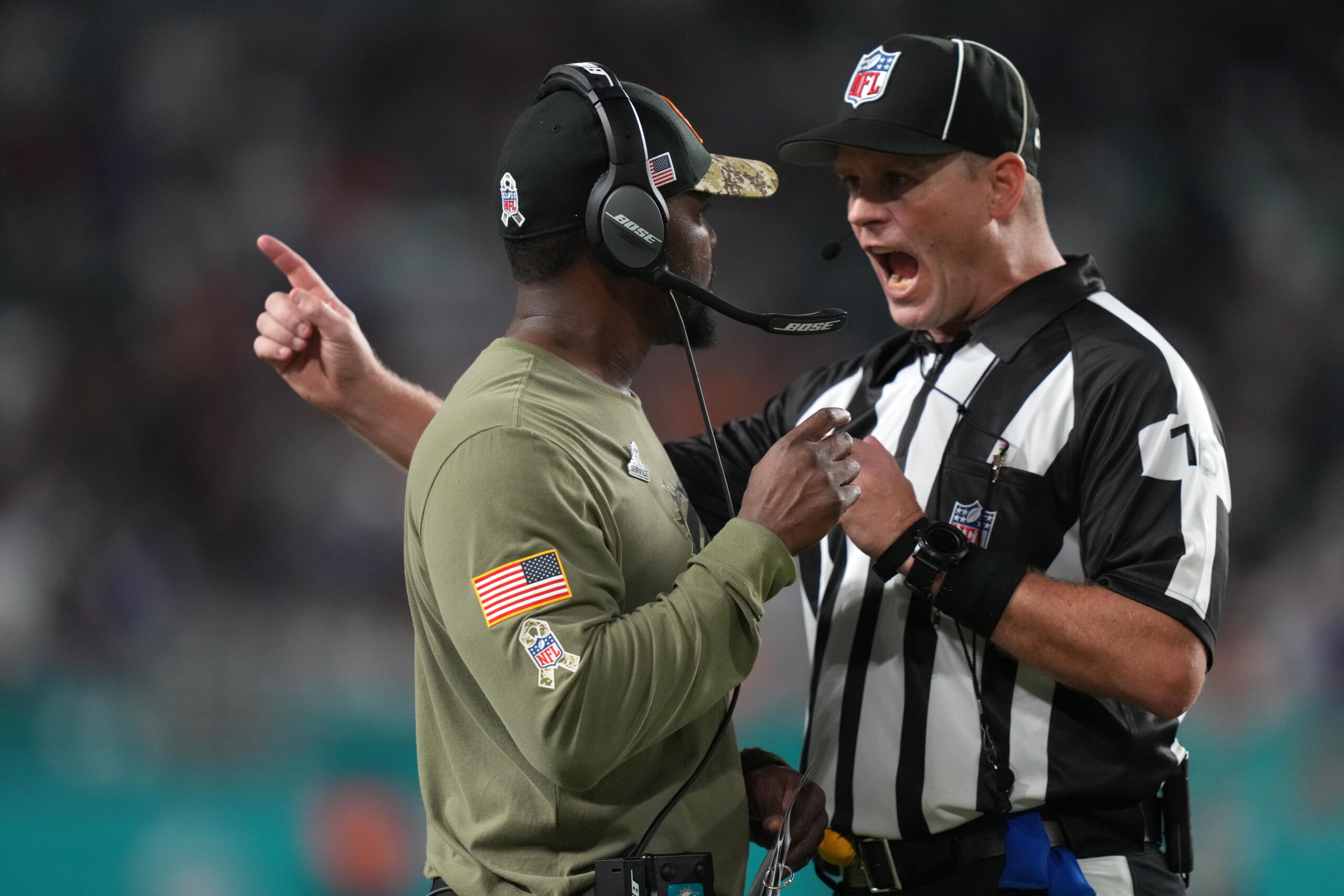
Nov 11, 2021; Miami Gardens, Florida, USA; NFL line judge Kevin Codey (16) talks with Miami Dolphins head coach Brian Flores during the second half against the Baltimore Ravens at Hard Rock Stadium. Mandatory Credit: Jasen Vinlove-Imagn Images
In August 2025, the Second Circuit ruled the NFL’s arbitration provision “provides for arbitration in name only” and held it was not protected by the Federal Arbitration Act. That language matters. The court didn’t say the system was flawed. It said the arrangement could not let Flores vindicate his statutory civil rights claims in a genuine arbitral forum. A billion-dollar league built a dispute resolution mechanism that federal judges determined was designed to produce one outcome. The NFL appealed anyway. To the last court left.
The Supreme Court Said No
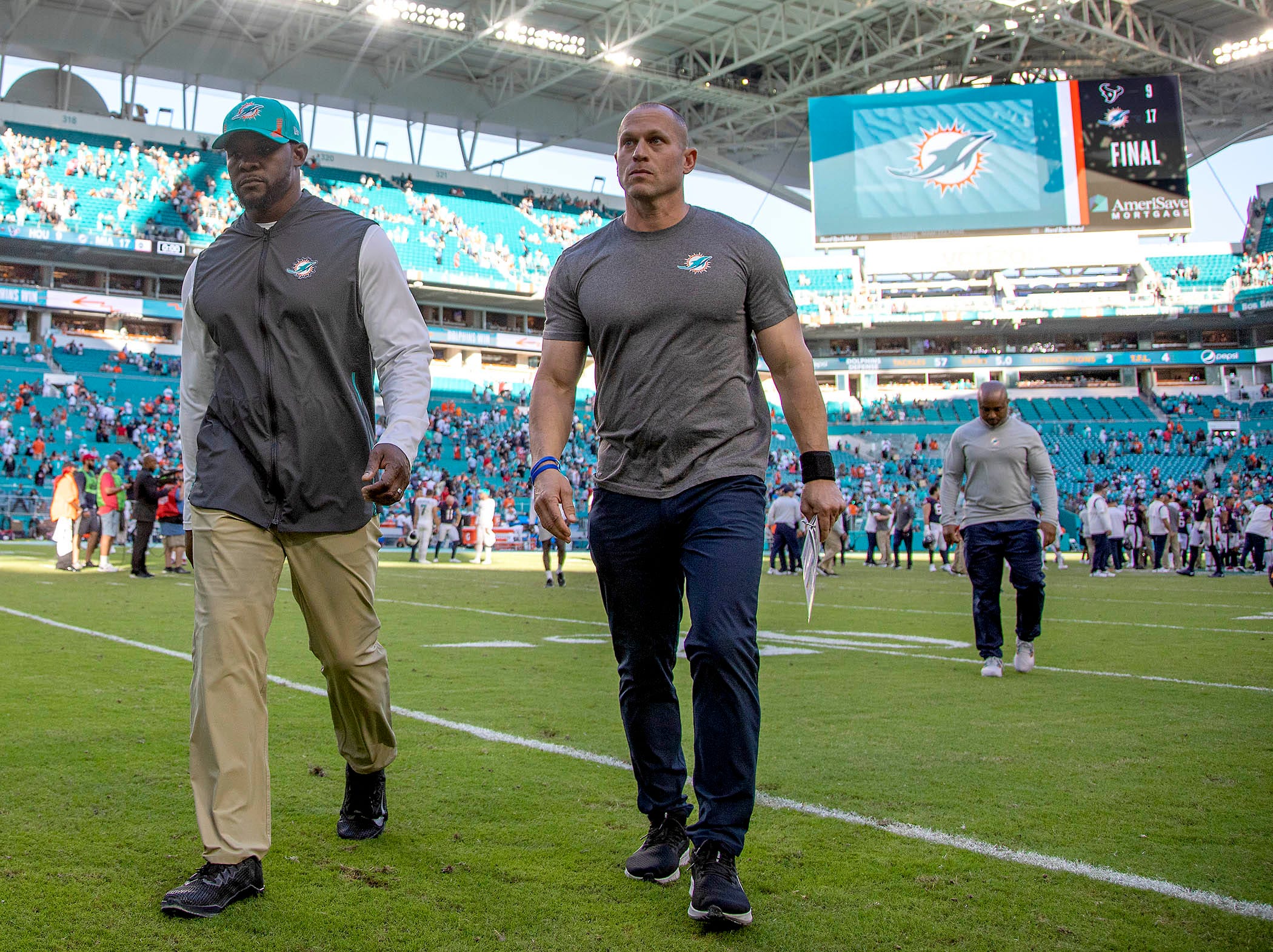
Miami Dolphins Miami Dolphins head coach Brian Flores, walks off the field after defeating the Houston Texans during NFL game at Hard Rock Stadium Sunday in Miami Gardens. Houston Texans V Miami Dolphins 44
On May 26, 2026, the Supreme Court denied the NFL’s petition for certiorari. Done. No hearing. No oral arguments. The highest court in the country looked at the NFL’s request and declined to intervene. Even Justice Kavanaugh, who said he would have heard the case, couldn’t move the full Court. Flores’ attorney put it plainly: the NFL “did everything in its power to keep this case private.” That power ran out on a Monday morning in late May.
Discovery Changes Everything
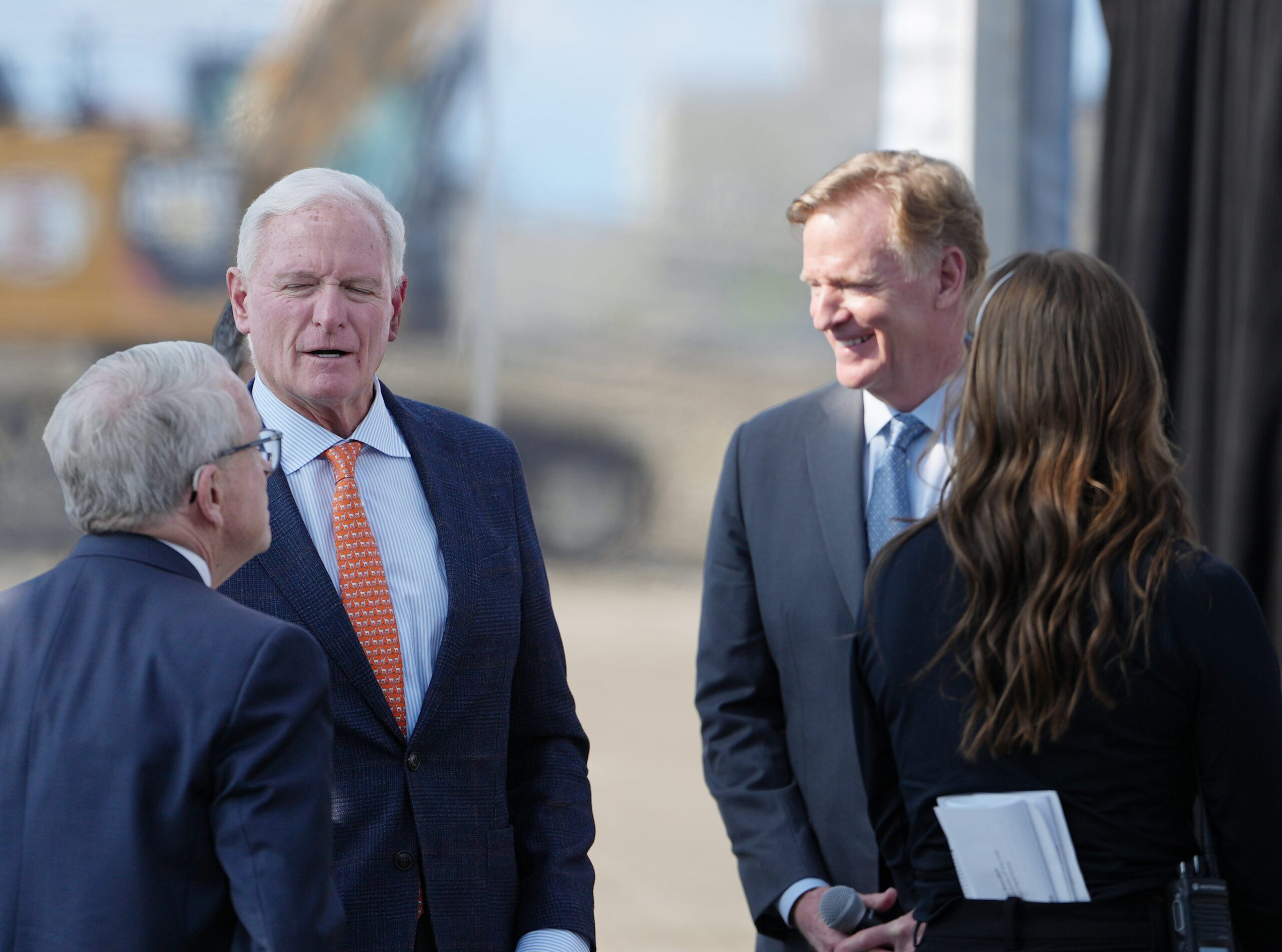
Ohio Governor Mike DeWine chats with Jimmy Haslam and NFL Commissioner Roger Goodell before they take the stage during the Cleveland Browns groundbreaking ceremony for the new Huntington Bank Field in Brook Park, Ohio on April 30, 2026.
Here’s what the NFL actually lost. The case will now proceed in open court, where discovery becomes possible rather than being blocked by closed-door arbitration. Flores’ attorneys have already moved aggressively, serving subpoenas to 25 NFL teams and filing more than 1,000 discovery requests seeking leaguewide hiring records, internal emails about coaching searches, interview evaluations, and communications between owners about candidates. If his claims survive the league’s motions to dismiss, those documents become subject to federal subpoena. The NFL didn’t just lose a procedural argument. It lost the ability to keep that fight inside a system it controlled.
The Numbers Behind the Pipeline
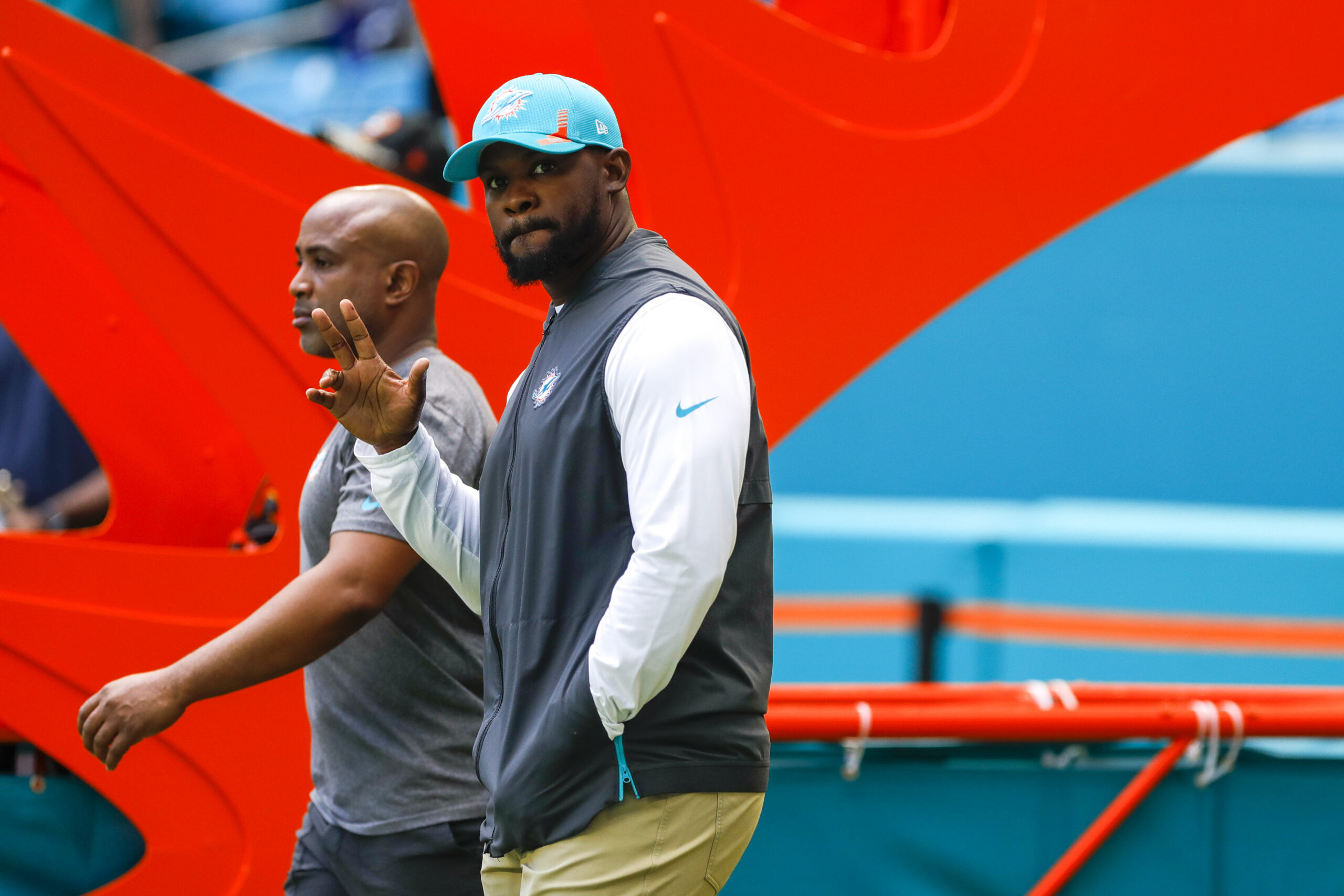
Dec 19, 2021; Miami Gardens, Florida, USA; Miami Dolphins head coach Brian Flores reacts while walking on the field before the game against the New York Jets at Hard Rock Stadium. Mandatory Credit: Sam Navarro-Imagn Images
Flores’ legal team compiled statistical analysis of hiring trends across multiple NFL seasons, documenting patterns they argue systematically disadvantage Black candidates for head coaching positions. The Rooney Rule requires teams to interview minority candidates. But an interview and a genuine opportunity are different things. Flores alleged his Giants interview was a sham, conducted after the team had already decided on another candidate. The rule designed to open doors became, in his telling, a box to check before locking them.
A New Rule for Every League
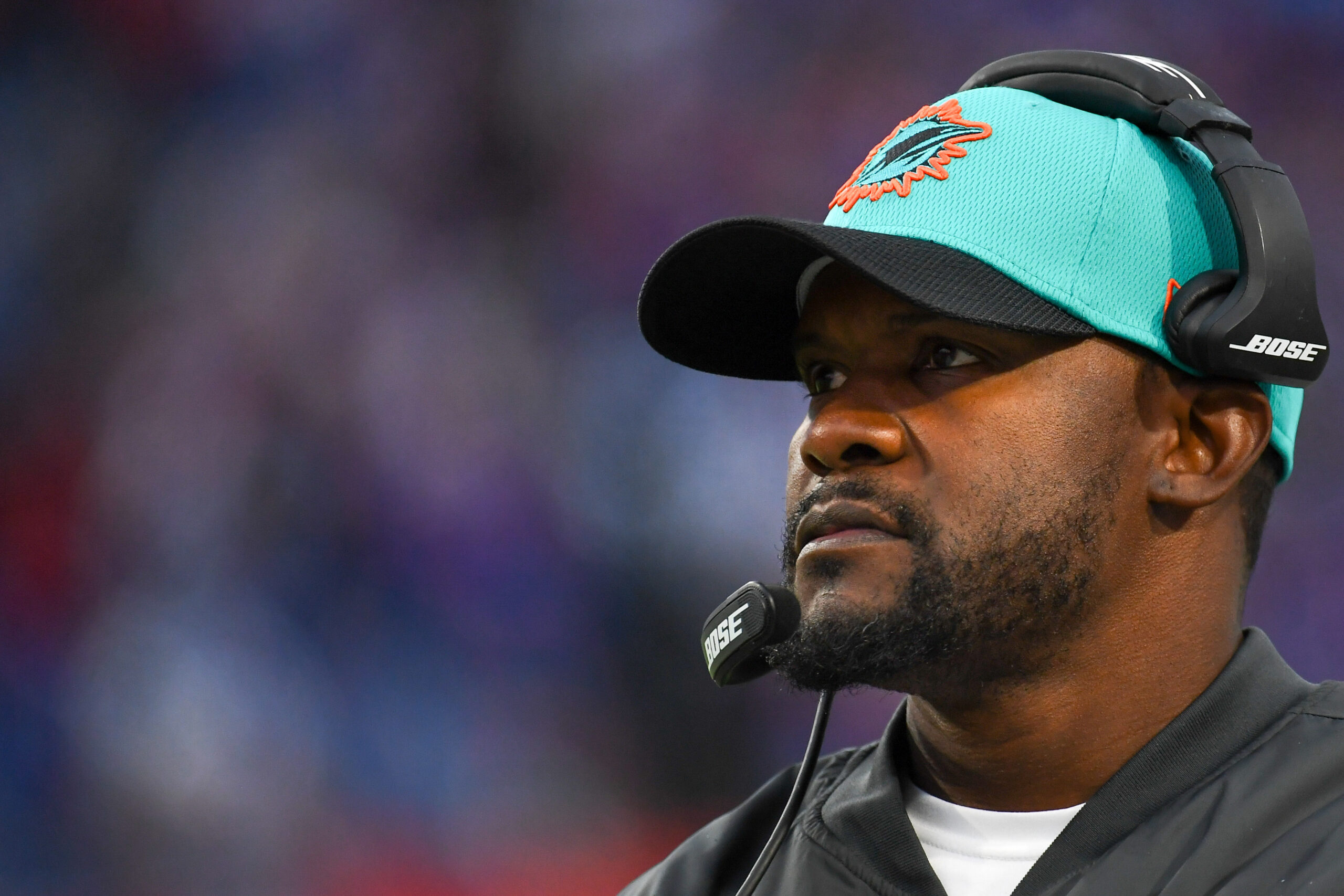
Oct 31, 2021; Orchard Park, New York, USA; Miami Dolphins head coach Brian Flores looks on against the Buffalo Bills during the second half at Highmark Stadium. Mandatory Credit: Rich Barnes-Imagn Images
This ruling reaches beyond football. The Second Circuit’s finding that the NFL’s league-controlled arbitration could not handle Flores’ civil rights claims sets a marker for every professional sports league operating under similar internal dispute systems. The NBA, MLB, NHL all have arbitration provisions in their constitutions. If a league-controlled arbitrator can’t hear discrimination cases in football, the same logic could apply across the board. Flores didn’t just crack open the NFL’s doors. He may have rewritten the blueprint for accountability in professional sports.
The Clock Is Already Running
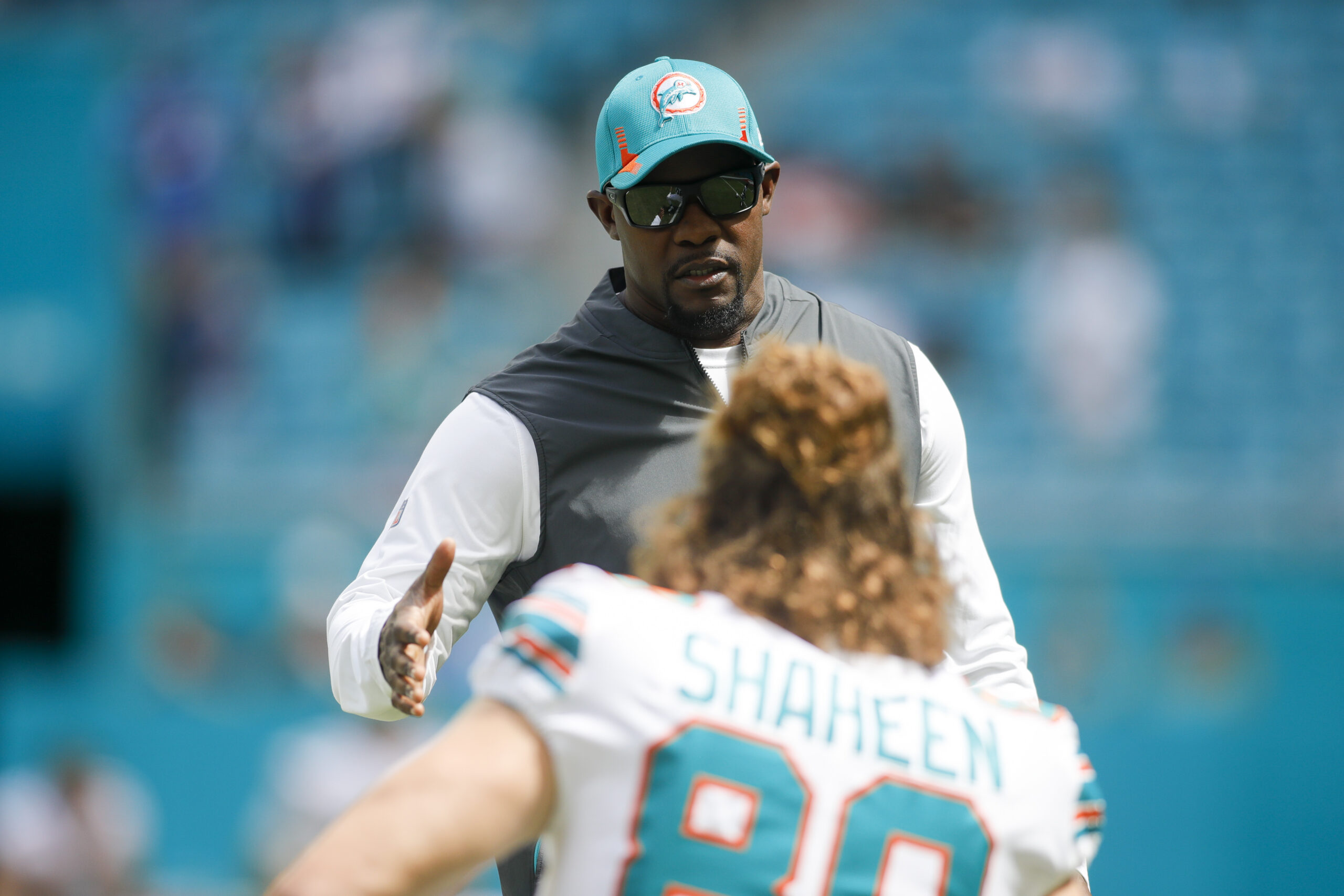
Oct 3, 2021; Miami Gardens, Florida, USA; Miami Dolphins head coach Brian Flores shakes hands with Miami Dolphins tight end Adam Shaheen (80) prior the game against the Indianapolis Colts at Hard Rock Stadium. Mandatory Credit: Sam Navarro-Imagn Images
The NFL faced a June 5 deadline to file motions to dismiss, with Flores’ opposition briefs due July 20 and the league’s reply due August 19. The stalling is over. Flores, still employed as the Minnesota Vikings’ defensive coordinator, will pursue his claims while coaching on Sundays. That detail alone should unsettle every front office in the league. A sitting coordinator is fighting to force the NFL and the teams that interviewed him to explain, under oath and in public, how they chose their head coaches.
What the NFL Can’t Control Anymore
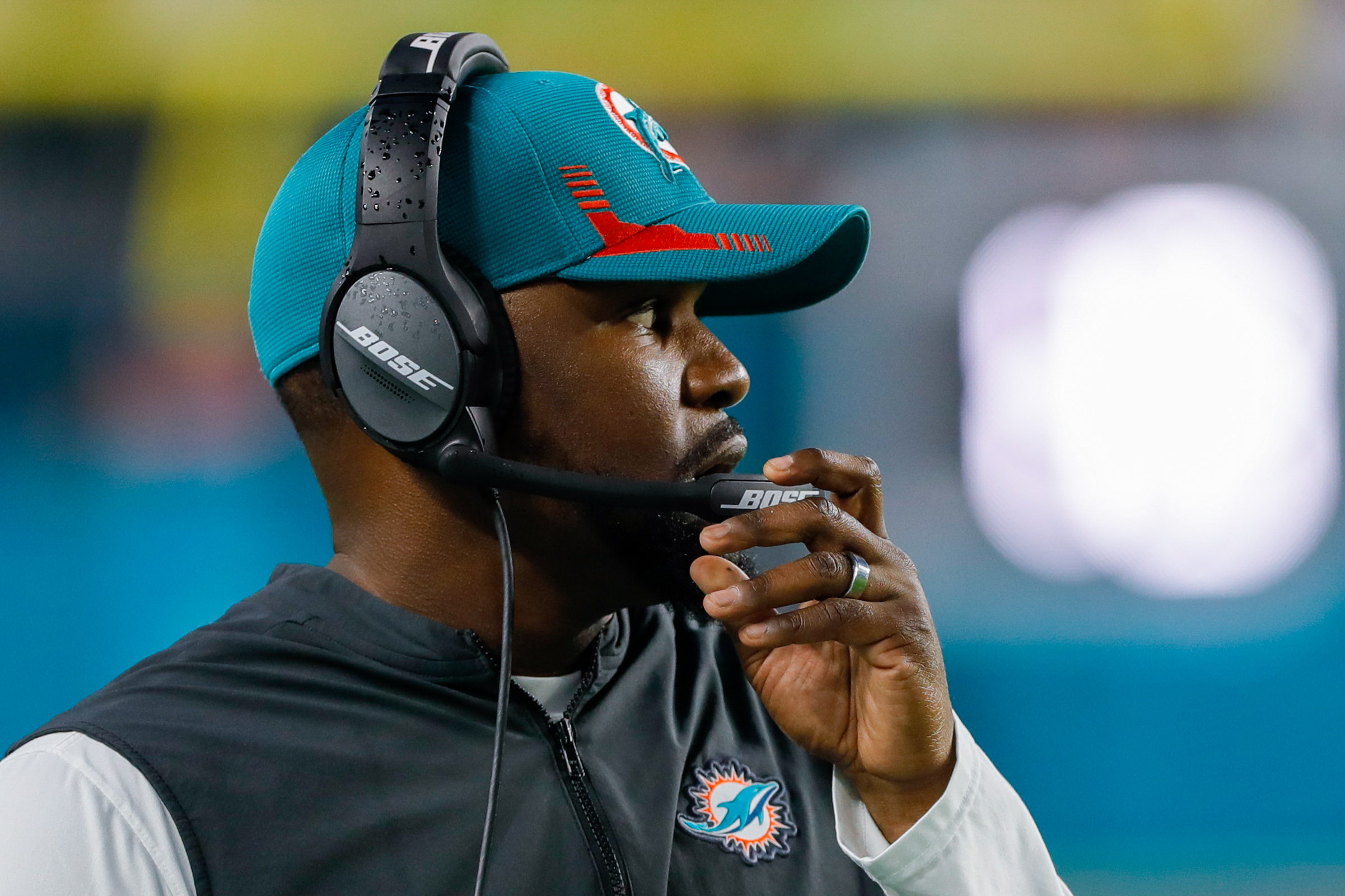
Jan 9, 2022; Miami Gardens, Florida, USA; Miami Dolphins head coach Brian Flores watches from the sideline during the second quarter of the game against the New England Patriots at Hard Rock Stadium. Mandatory Credit: Sam Navarro-Imagn Images
The league spent four years and every appellate avenue available to keep one man’s discrimination claims out of a public courtroom. Multiple levels of the federal judiciary said no. The NFL’s own arbitration system, the mechanism it relied on to handle sensitive disputes internally, has been declared unenforceable for these claims. Now the case moves into open court. Now the hiring records are in play. Now the league and the teams that interviewed Flores face questions they’ve never had to answer in public. The NFL controlled the conversation for decades. Brian Flores just ended that. If those hiring records ever go public, which team do you think has the most to hide? Drop your take in the comments.