

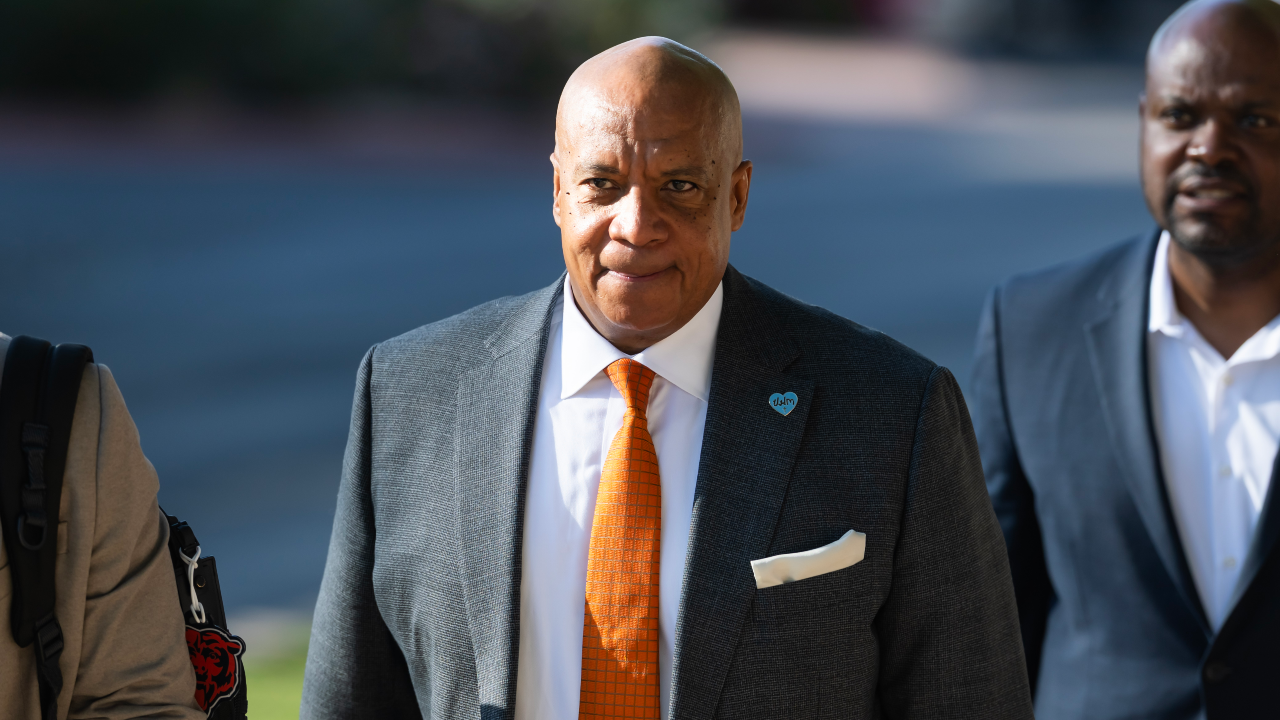
Fifty‑five years of football at Soldier Field, and the Chicago Bears just put a match to it. The franchise declared it has “explored every opportunity to remain in Chicago” and confirmed there is “no viable site in the city,” leaving the team focused on only two locations: Arlington Heights, Illinois, and Hammond, Indiana. The Bears’ own statement called an Indiana bill to create a Northwest Indiana Stadium Authority “the most meaningful step forward in our stadium planning efforts to date.” A team synonymous with Chicago for over a century now has one foot across the state line.
The $197 Million Exit Ramp
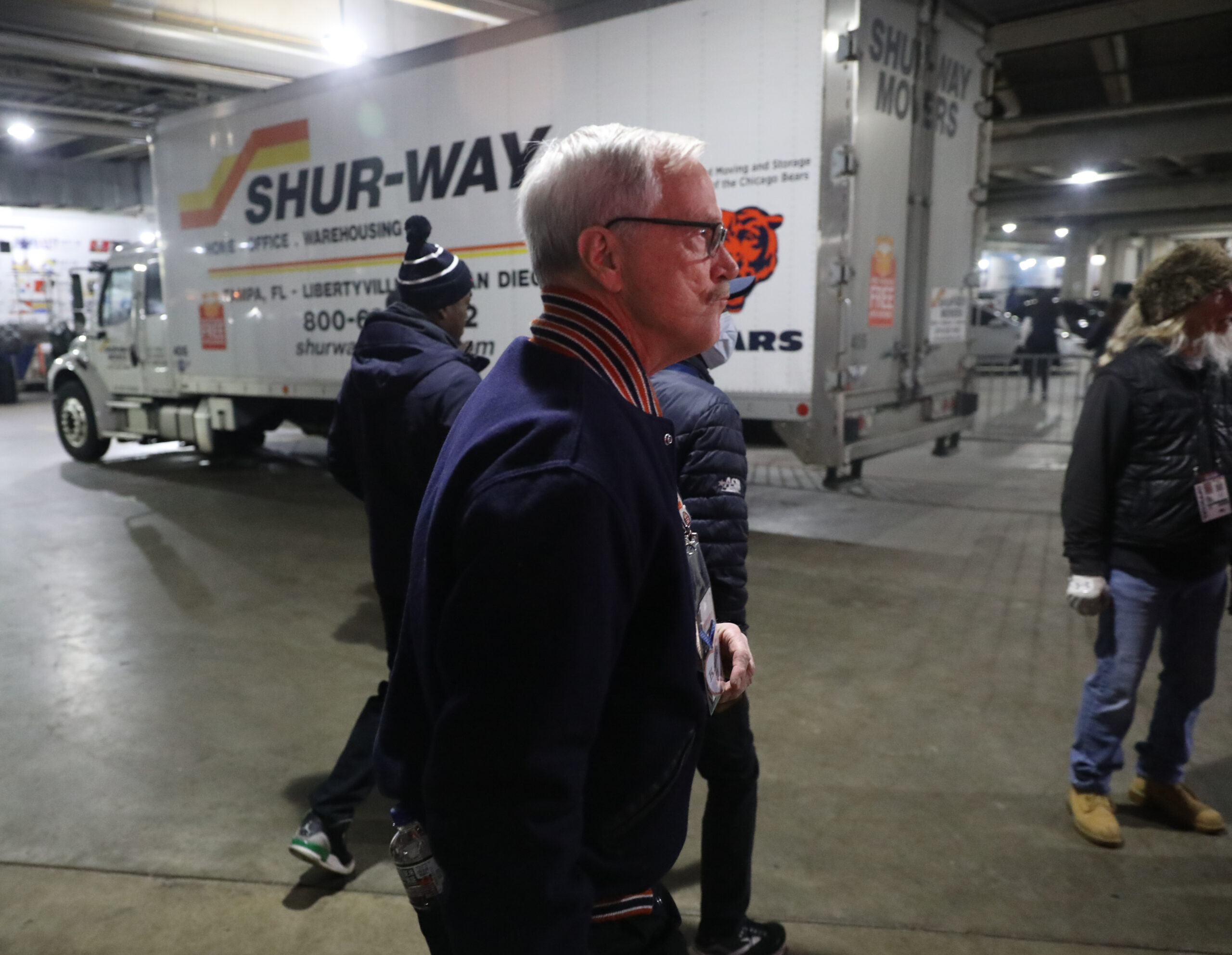
Dec 26, 2024; Chicago, Illinois, USA; Chicago Bears chairman George McCaskey walks into Soldier Field prior to a game between the Chicago Bears and Seattle Seahawks. Mandatory Credit: Talia Sprague-Imagn Images
The groundwork started in 2023 when the Bears closed on the former Arlington Park racetrack property for about $197 million. That acquisition marked a shift from decades of renting Soldier Field, which is owned by the Chicago Park District, to controlling a potential stadium site of their own in the suburbs. Chairman George McCaskey has praised a potential Hammond site while stressing that the team is still completing its due diligence. Team leadership has repeatedly pointed to a late spring or early summer window to settle on a final stadium plan. Two states are still bidding, but only one currently has a fully formed stadium authority on the books.
Illinois Fumbles at the Goal Line
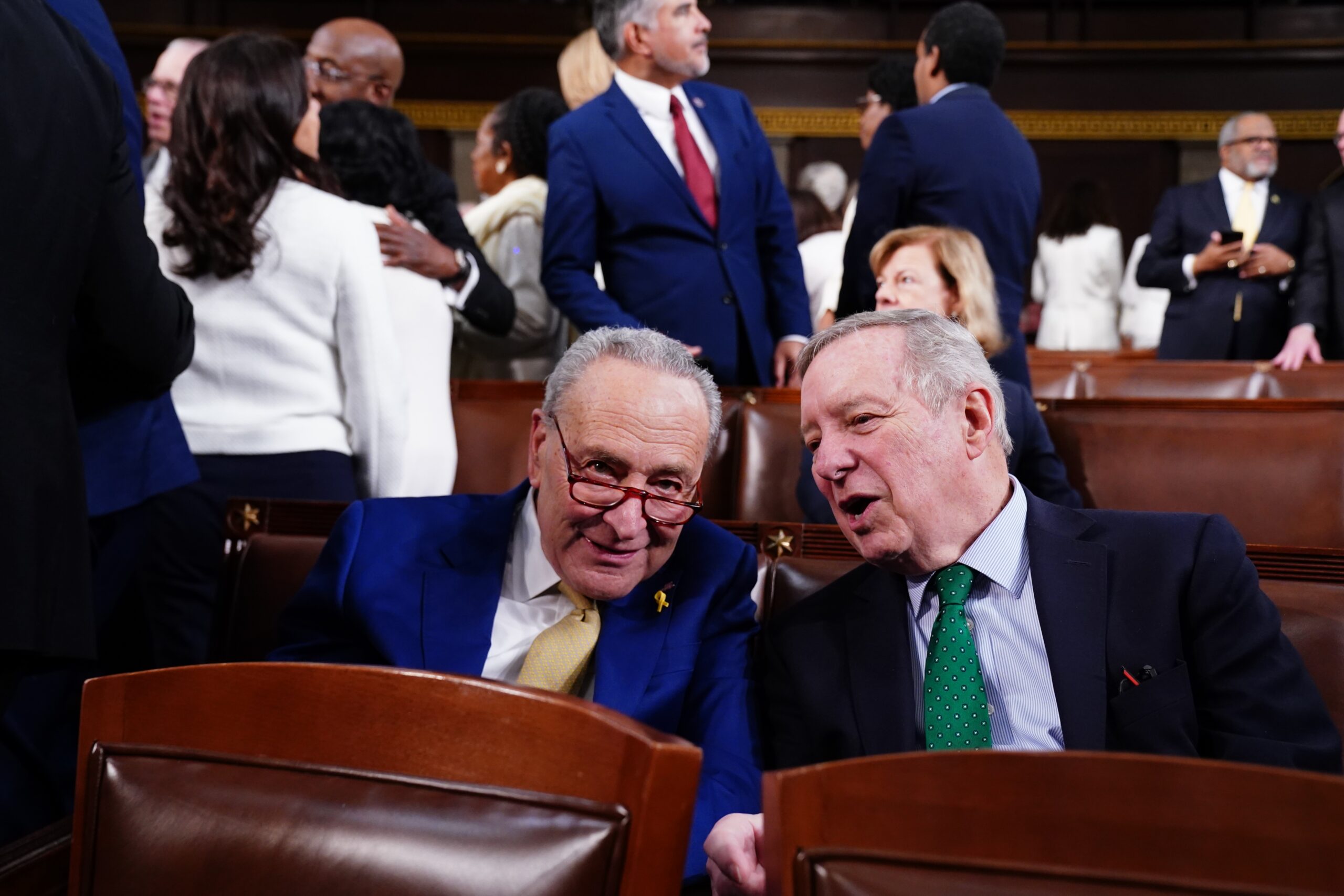
Mar 7, 2024; Washington, DC, USA; Senate Majority Leader Chuck Schumer (L) chats with Democratic Senator from Illinois Dick Durbin (R) in the House of Representatives ahead of US President Joe Biden’s third State of the Union address to a joint session of Congress at the U.S. Capitol in Washington on March 7, 2024. Mandatory Credit: Shawn Thew/Pool via USA TODAY.
The Illinois Senate managed to pass a late‑session “megaprojects” bill designed to create stadium authorities and enable long‑term tax deals for teams like the Bears. The measure then stalled in the House, which adjourned without calling it for a vote. On the other side of the state line, Indiana lawmakers moved more quickly. State House and Senate actions advanced Senate Bill 27, establishing a Northwest Indiana Stadium Authority with the power to issue bonds, acquire land and finance construction at a Hammond‑area site. One state cleared a path on paper, while the other left its biggest football franchise waiting.
“Clean as a Whistle” on a Slag Heap
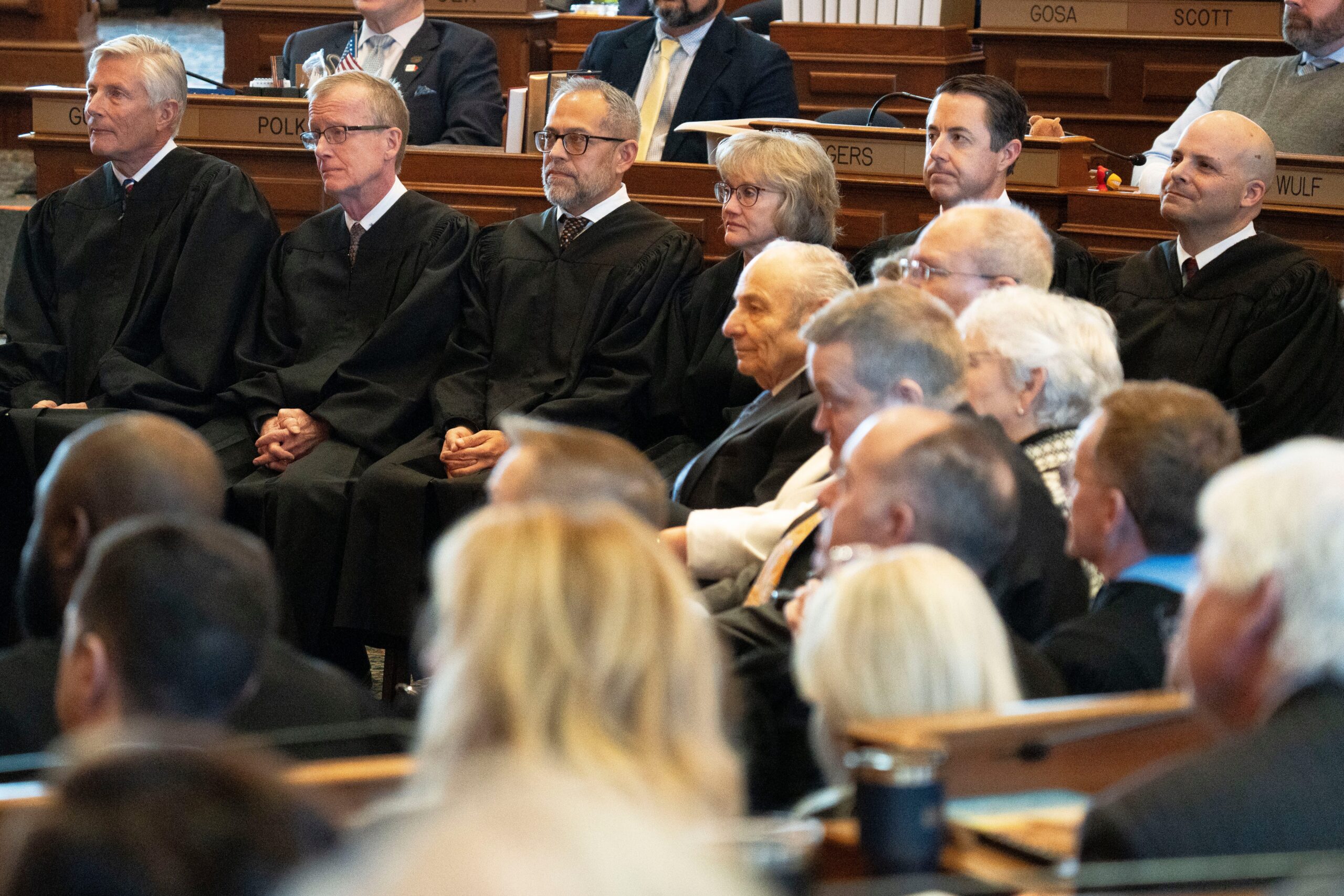
From left: Iowa Supreme Court Justices Thomas Waterman, Edward Mansfield, Christopher McDonald, Dana Oxley, Matthew McDermott, and David May listen during the Condition of the Judiciary at the Iowa State Capitol on Wednesday, Jan. 14, 2026 in Des Moines.
Hammond’s Wolf Lake industrial area has become the focal point of Indiana’s stadium pitch. Mayor Thomas McDermott has publicly argued that the roughly 300‑plus‑acre site is clean enough for redevelopment, pointing to past reclamation work and awards tied to restoration efforts around the lake. Investigative reporting has emphasized the land’s history as a slag and industrial fill area, and conservation groups have raised alarms about wetlands, bird habitat and water quality near the 800‑acre lake that straddles the state line. The Bears say they are still doing site‑specific due diligence at Wolf Lake. Billions of dollars in stadium and infrastructure spending could hinge on how clean that ground really is.
The Subsidy Machine Behind the Shield
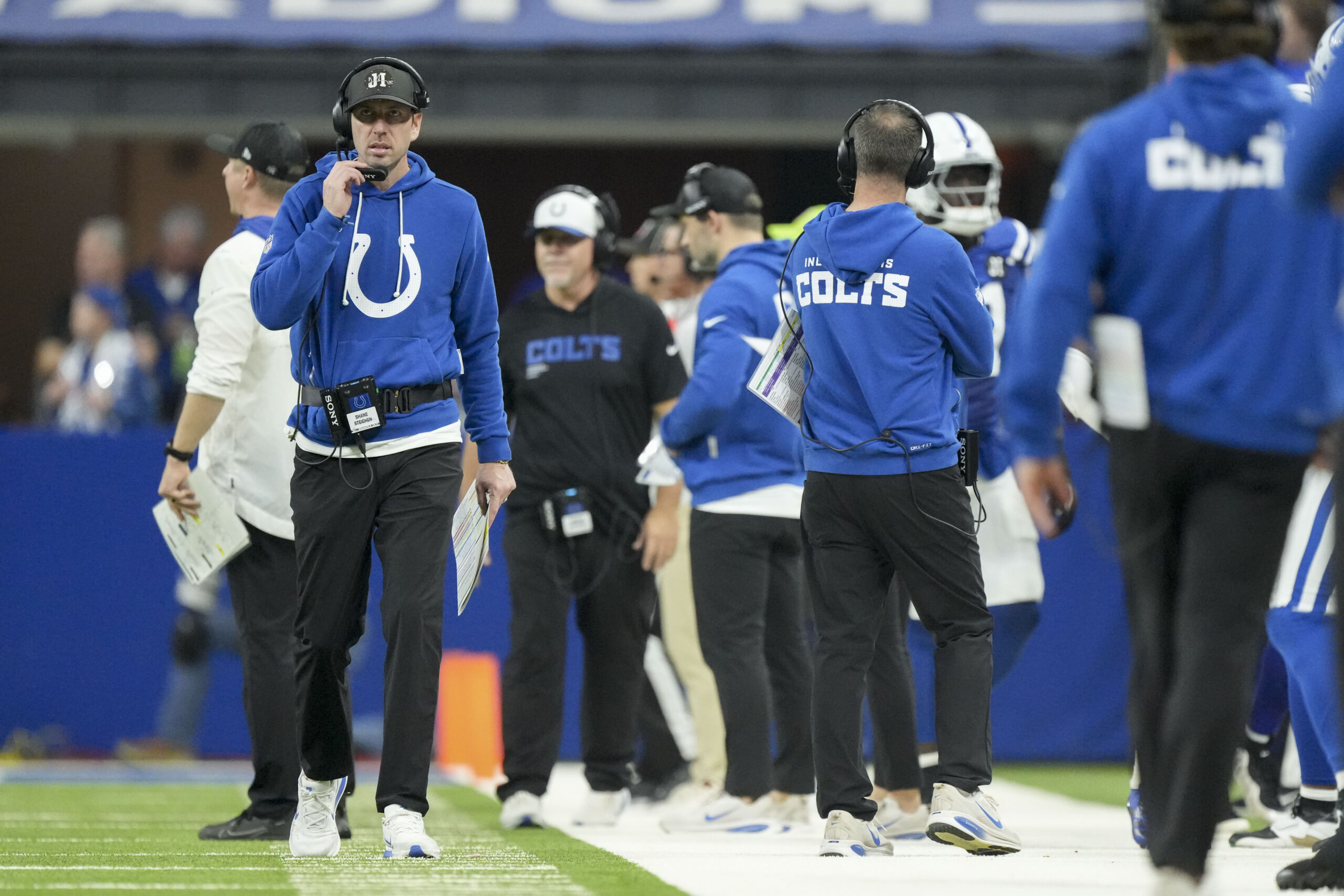
Dec 28, 2025; Indianapolis, Indiana, USA; Indianapolis Colts head coach Shane Steichen walks the sideline during a game against the Jacksonville Jaguars at Lucas Oil Stadium. Mandatory Credit: Grace Hollars-USA TODAY Network via Imagn Images
Indiana’s package centers on public spending for roads, utilities and other infrastructure needed to support an NFL stadium district in Hammond. Legislative summaries and public statements put that commitment in the hundreds of millions of dollars and suggest the total could exceed $800 million once the full build‑out is complete. On top of direct spending, the proposal includes a long‑term property tax break that would shield the new stadium from traditional local property taxes for decades. That exemption, depending on final valuation and tax rates, is expected to be worth several billion dollars in forgone revenue over its full term. The Bears pledge billions in private money toward the stadium itself. Indiana offers to wrap it in an expensive public cocoon.
The Numbers Nobody Compares
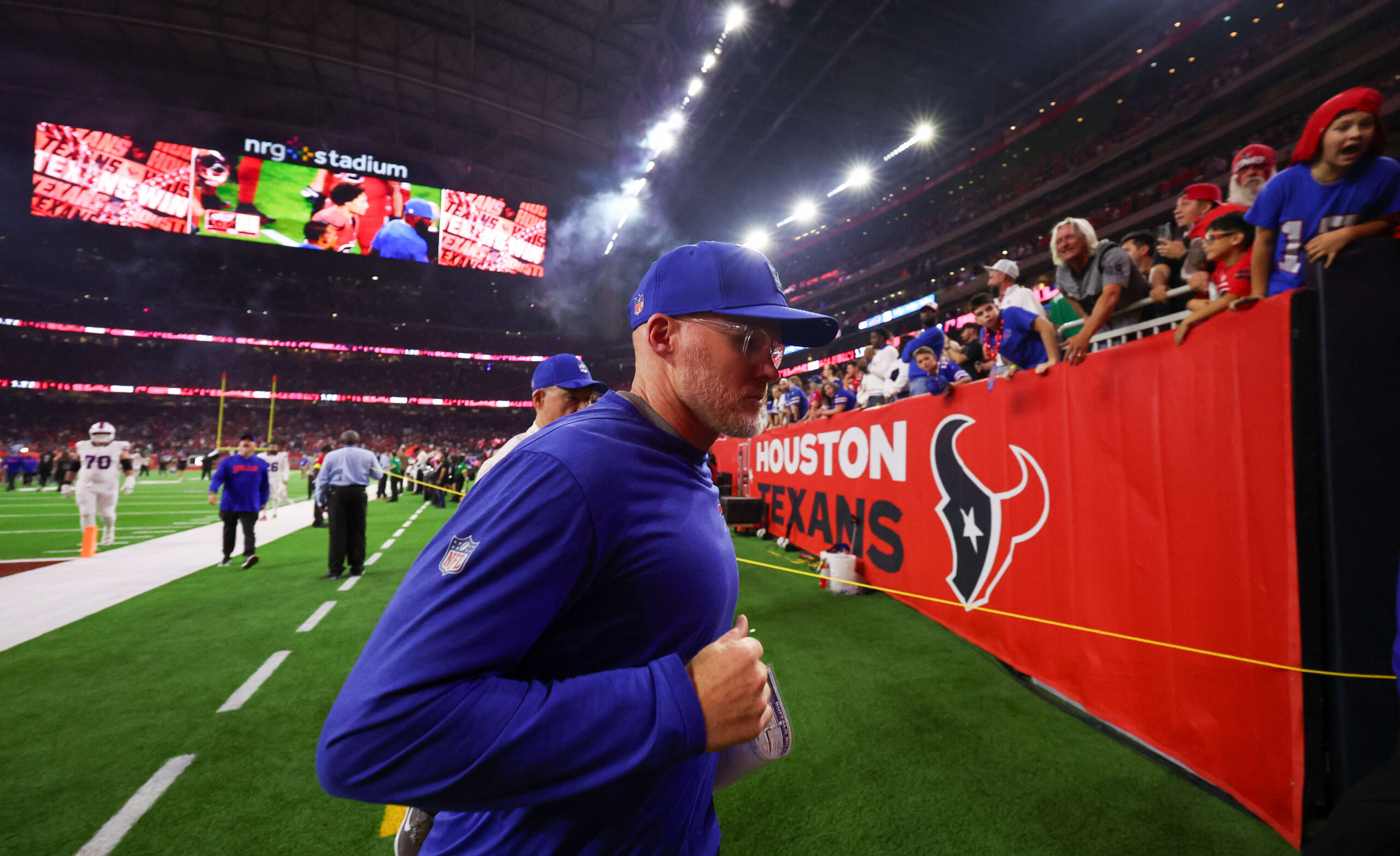
Nov 20, 2025; Houston, Texas, USA; Buffalo Bills head coach Sean McDermott at NRG Stadium. Mandatory Credit: Thomas Shea-Imagn Images
The Arlington Heights concept has been framed as a roughly $5 billion capital plan when the stadium and surrounding mixed‑use development are counted together. In that proposal, the Bears have said they are willing to pay for stadium construction while seeking about $855 million in public spending on infrastructure like new roads and upgraded utilities. The Indiana bid, by contrast, layers hundreds of millions in infrastructure commitments on top of a decades‑long property tax holiday. Senate Bill 27 requires at least 50 percent of stadium construction costs to come from private sources, but the scale of surrounding subsidies means the franchise could still lean heavily on public support. Even by modern NFL standards, analysts describe Indiana’s offer as unusually rich.
Who Pays When the Confetti Stops

Dec 28, 2025; Santa Clara, California, USA; San Francisco 49ers wide receiver Jauan Jennings (15) runs to score a touchdown against the Chicago Bears in the second half at Levi’s Stadium. Mandatory Credit: Sergio Estrada-Imagn Images
If the Bears pick Hammond, Indiana taxpayers will be responsible for financing and maintaining the infrastructure that makes the project possible. Those obligations would sit alongside existing needs for schools, transit and environmental programs for years to come. Illinois, meanwhile, would lose game‑day‑related tax revenue and a major bargaining chip in future megaproject negotiations. Residents near Wolf Lake would see increased traffic, intensified land‑use pressure and ecological uncertainty on land that environmental advocates say still warrants caution. Across the league, other franchises are already watching Indiana’s package as a benchmark they can cite when they ask their own cities and states for more.
A New Rule, Not an Exception
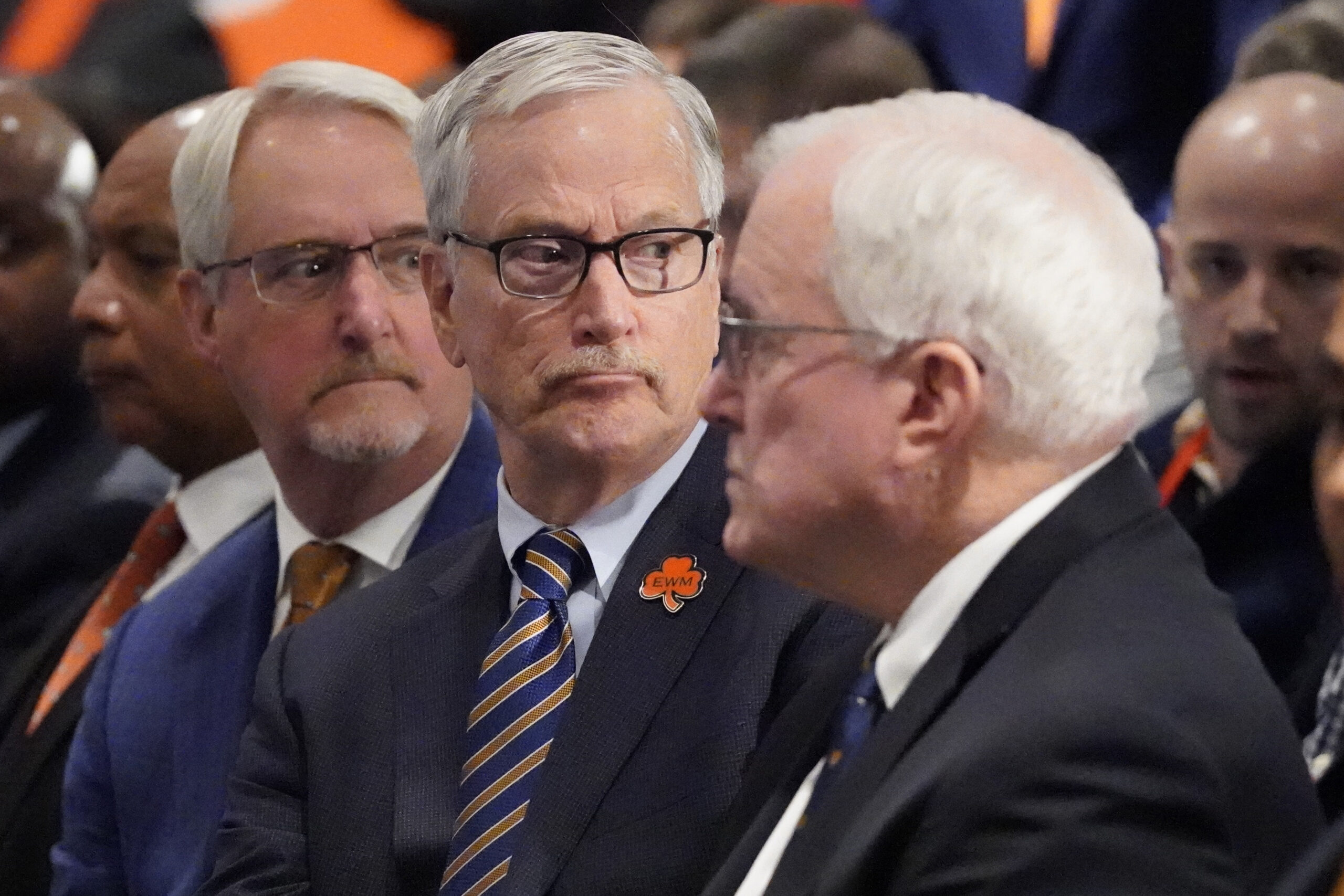
Jan 22, 2025; Lake Forest, IL, USA; Chicago Bears chairman George McCaskey (C) listens as new head coach Ben Johnson answers questions during a introductory press conference at PNC Center. Mandatory Credit: David Banks-Imagn Images
This stopped being a stadium story three legislative sessions ago. A deeply subsidized NFL complex on reclaimed industrial land near a sensitive lake could normalize putting major sports infrastructure on similarly “cleaned” sites nationwide, even when environmental risks are not fully understood. A long‑term lease and tax deal in Hammond would lock the region into a high‑stakes bet lasting at least a generation. Once you see the pattern of bespoke tax laws, rushed closing‑day legislative maneuvers and conflicting claims about land safety, the stadium question turns into something bigger: who absorbs the risk after the ribbon‑cutting photo op fades.
The Clock and the Leverage
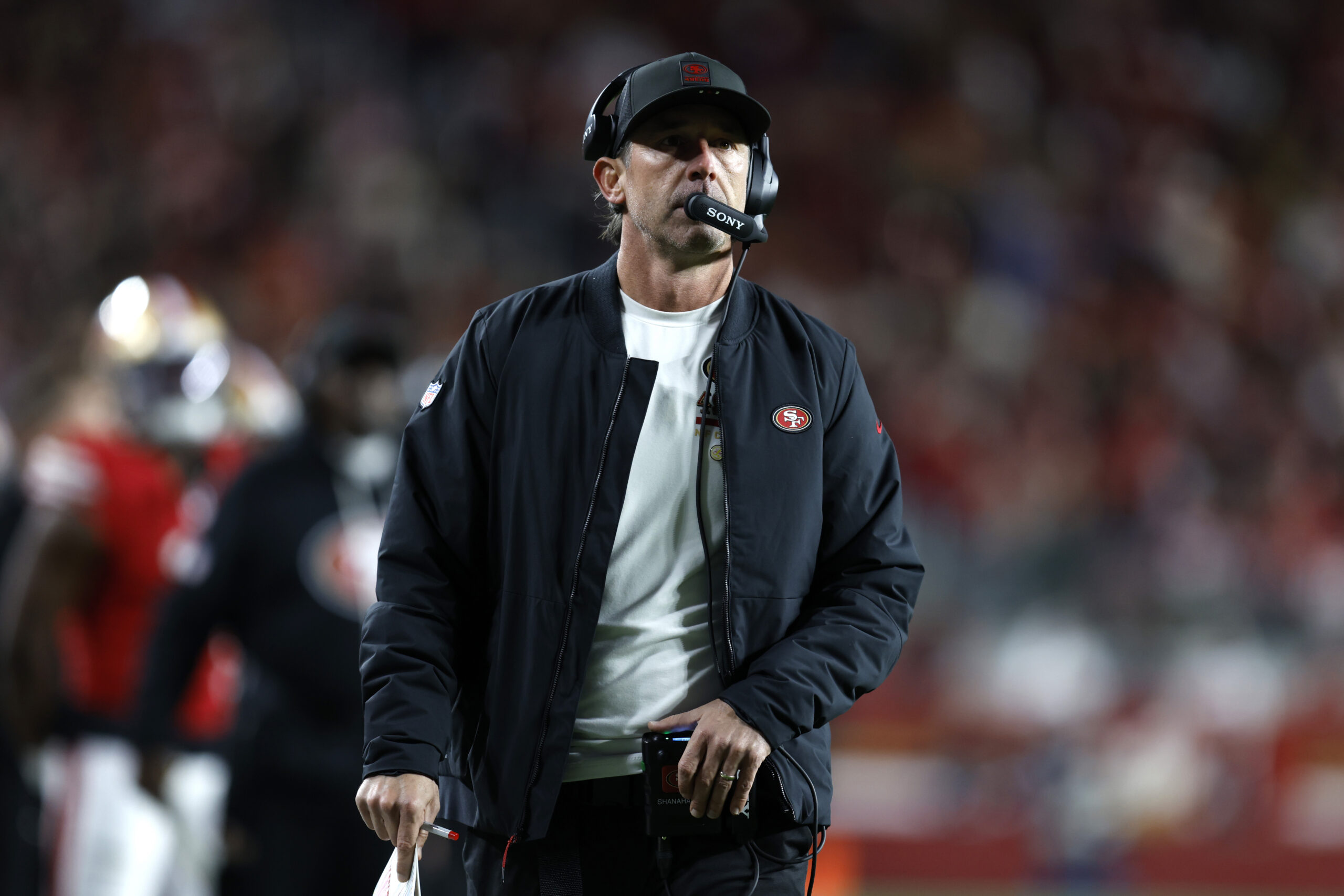
Dec 28, 2025; Santa Clara, California, USA; San Francisco 49ers head coach Kyle Shanahan looks on in the first half against the Chicago Bears at Levi’s Stadium. Mandatory Credit: Sergio Estrada-Imagn Images
McCaskey has reminded reporters and lawmakers that, in his words, “we don’t have a deal to consider right now,” even after the board’s vote to advance the Hammond project. That posture keeps leverage on both sides of the border. Illinois officials can still float a revived megaprojects bill or alternative visions for Soldier Field and Arlington Heights. Hammond’s mayor, for his part, has warned that the Bears would be “making a huge mistake” if they pass on his city. Every week that passes before the team makes its choice increases pressure on lawmakers racing to finalize complicated financing and environmental details.
The Fan in the Middle
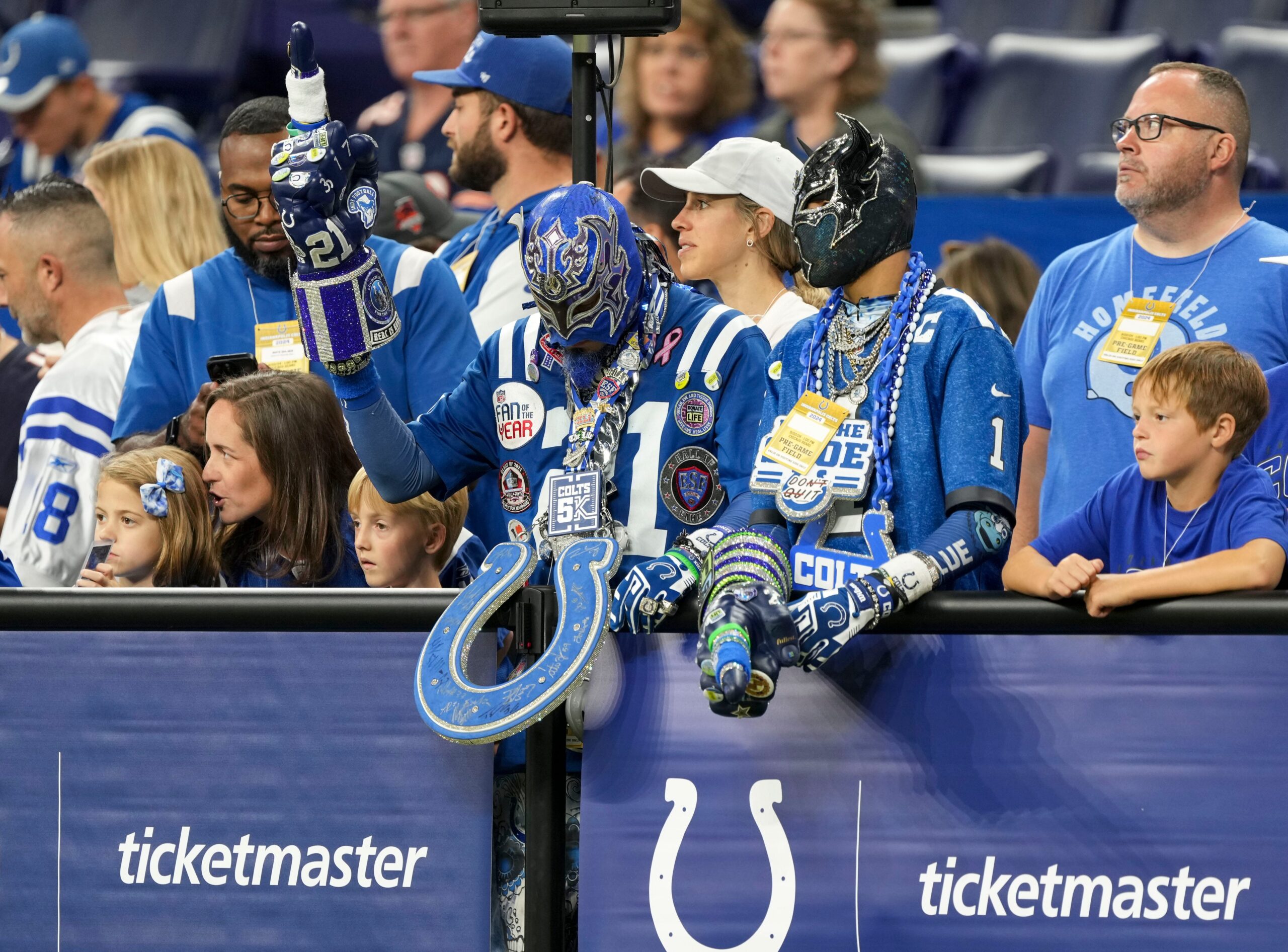
Eli Otero Jr. (left) and his son Eli Otero III watch an Indianapolis Colts game against the Chicago Bears on Sunday, Sept. 22, 2024, at Lucas Oil Stadium in Indianapolis.
The distance from downtown Chicago to Hammond is on the order of 20 to 30 miles, a drive that can take less than half an hour in favorable traffic. It is close enough that the Bears can preserve their brand identity and long‑standing ties to Chicagoland. It is far enough that another state writes the tax rules, sets the environmental standards and decides what counts as clean. StadiumDB and other stadium‑tracking outlets still describe Arlington Heights as the most fully developed option on paper. Paper, however, does not pass bills. Indiana already has. The next time a billion‑dollar stadium lands in your backyard, remember to ask who paid for the concrete and who walks away with the keys. Where do you think the Bears should call home for the next 40 years: Hammond, Arlington Heights, or somewhere else entirely? Tell us in the comments.