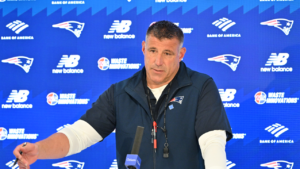

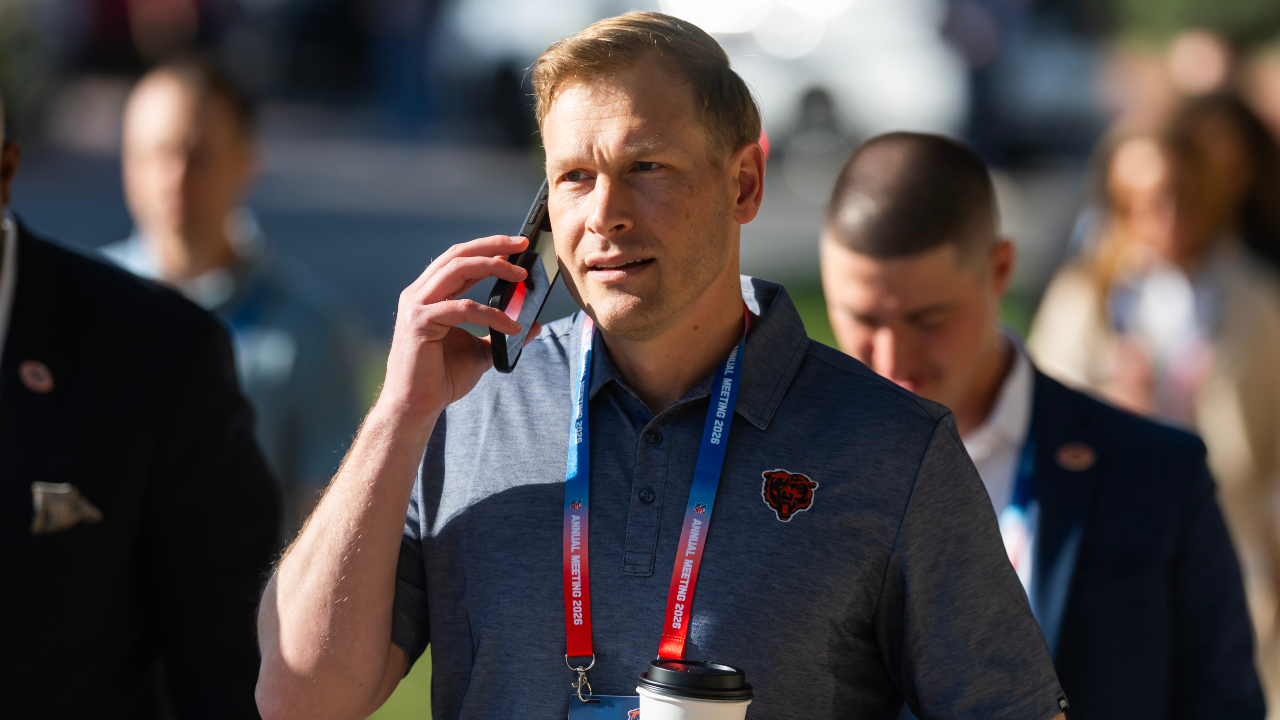
The phone calls went out on a Thursday. One by one, Illinois politicians picked up to hear Kevin Warren deliver the same message: the Bears were moving forward with Indiana. No more negotiations. No more open letters. No more waiting on Springfield. After five years of stadium talks, 326 acres of unused Arlington Heights land, and an $855 million funding request that never found a willing partner, the franchise that predates the NFL itself had made its choice. The only people who didn’t see it coming were the ones who believed loyalty still mattered in professional sports.
Five Years of Going Nowhere
Green Bay Packers linebacker Kristian Welch (54), wide receiver Grant DuBose (86) and running back Emanuel Wilson (31) run through a drill on Saturday, July 27, 2024, at Ray Nitschke Field in Ashwaubenon, Wis. Tork Mason/USA TODAY NETWORK-Wisconsin
The Bears submitted their Arlington Heights bid on June 17, 2021, purchasing the old Arlington Park racetrack property from Churchill Downs Inc. That was supposed to be the beginning. Instead it became a holding pattern. The team committed $2 billion of its own money and asked Illinois for $855 million in infrastructure support, not for the stadium itself but for roads, utilities, and transit to make the site functional. Illinois House Speaker Emanuel Welch called the request “insensitive” amid state budget pressures. Five years of talks. Zero shovels in the ground. And Indiana was watching every minute of it.
Indiana Rolled Out the Red Carpet
Dec 7, 2025; Glendale, Arizona, USA; Los Angeles Rams quarterback Matthew Stafford (9) celebrates a touchdown with offensive lineman Warren McClendon Jr. (71) and Kevin Dotson (69) against the Arizona Cardinals at State Farm Stadium. Mandatory Credit: Mark J. Rebilas-Imagn Images
While Illinois debated, Indiana acted. The state passed SB 27, creating the Northwest Indiana Stadium Authority with full bonding power to finance stadium construction. No municipal scrambling. No 40-year property tax negotiations. A ready-made authority with the legal tools to close a deal. Hammond Mayor Thomas McDermott Jr. said he felt “really good where we’re positioned.” Compare that to Warren’s own words about Illinois: “We have been told directly by State leadership, our project will not be a priority in 2026.” One state built a runway. The other couldn’t agree on a blueprint.
The Man Hired to Build, Leaving Instead
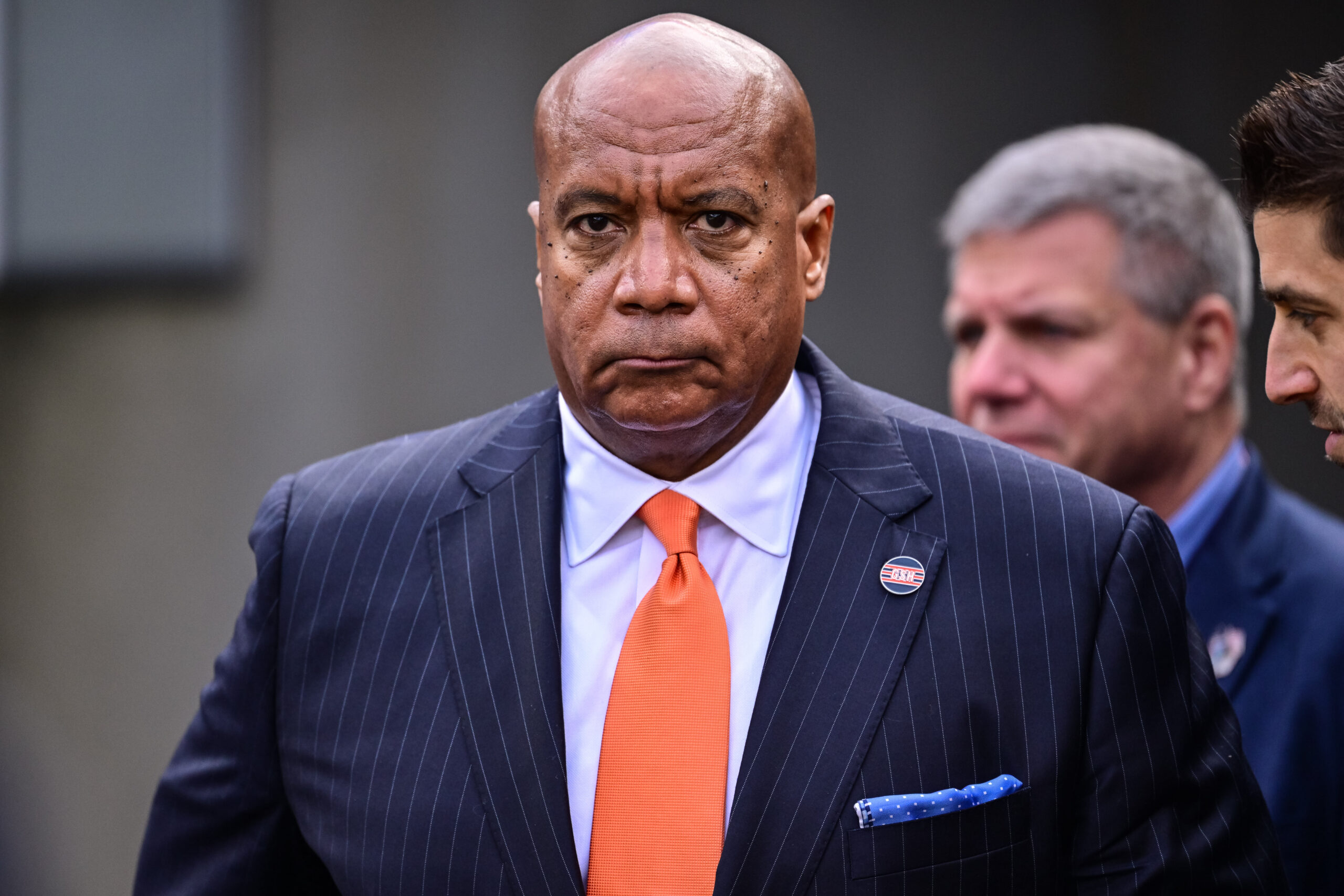
Nov 17, 2024; Chicago, Illinois, USA; Chicago Bears president Kevin Warren looks on against the Green Bay Packers during the second quarter at Soldier Field. Mandatory Credit: Daniel Bartel-Imagn Images
Kevin Warren replaced Ted Phillips with one job: build a new stadium next to Soldier Field. That was the mandate. The McCaskey family brought him in to finish what Phillips couldn’t start. Instead, the Bears’ board voted on June 4, 2026, to advance a stadium project in Hammond, Indiana. Chairman George McCaskey confirmed it himself: the board “voted to advance our stadium development project in Hammond, Indiana, with the exact site to be selected.” The man hired to keep the Bears in Chicago became the man steering them across the state line.
How “Exhausted Every Opportunity” Became a Weapon
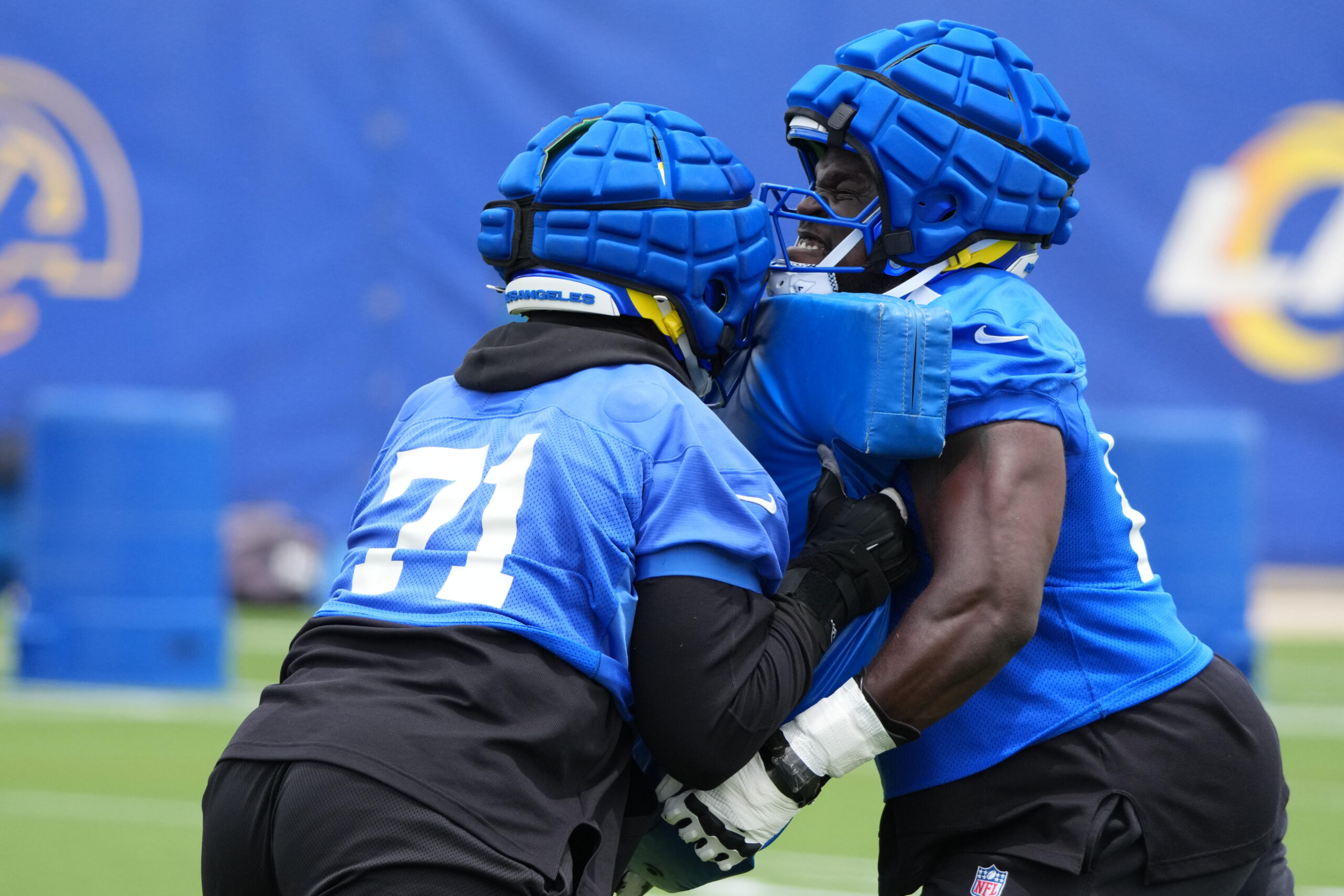
May 28, 2025; Woodland Hills, CA, USA; Los Angeles Rams offensive linemen Warren McClendon Jr. (71) and Kevin Dotson (69) participate in offensive drills during organized team activities at Rams Practice Facility. Mandatory Credit: Kirby Lee-Imagn Images
The Bears released a statement that read like a eulogy: “The Chicago Bears have exhausted every opportunity to stay in Chicago, which was our initial goal. There is not a viable site in the city.” That sounds like defeat. Read it again. It sounds like leverage. The franchise claimed it wouldn’t seek state funding for construction, only infrastructure. But $855 million in public infrastructure support is still public money with a different label. The “exhausted” language gave the Bears moral cover to walk. And walking gave them the strongest negotiating position they’d held in years.
The Numbers Behind the Breakup
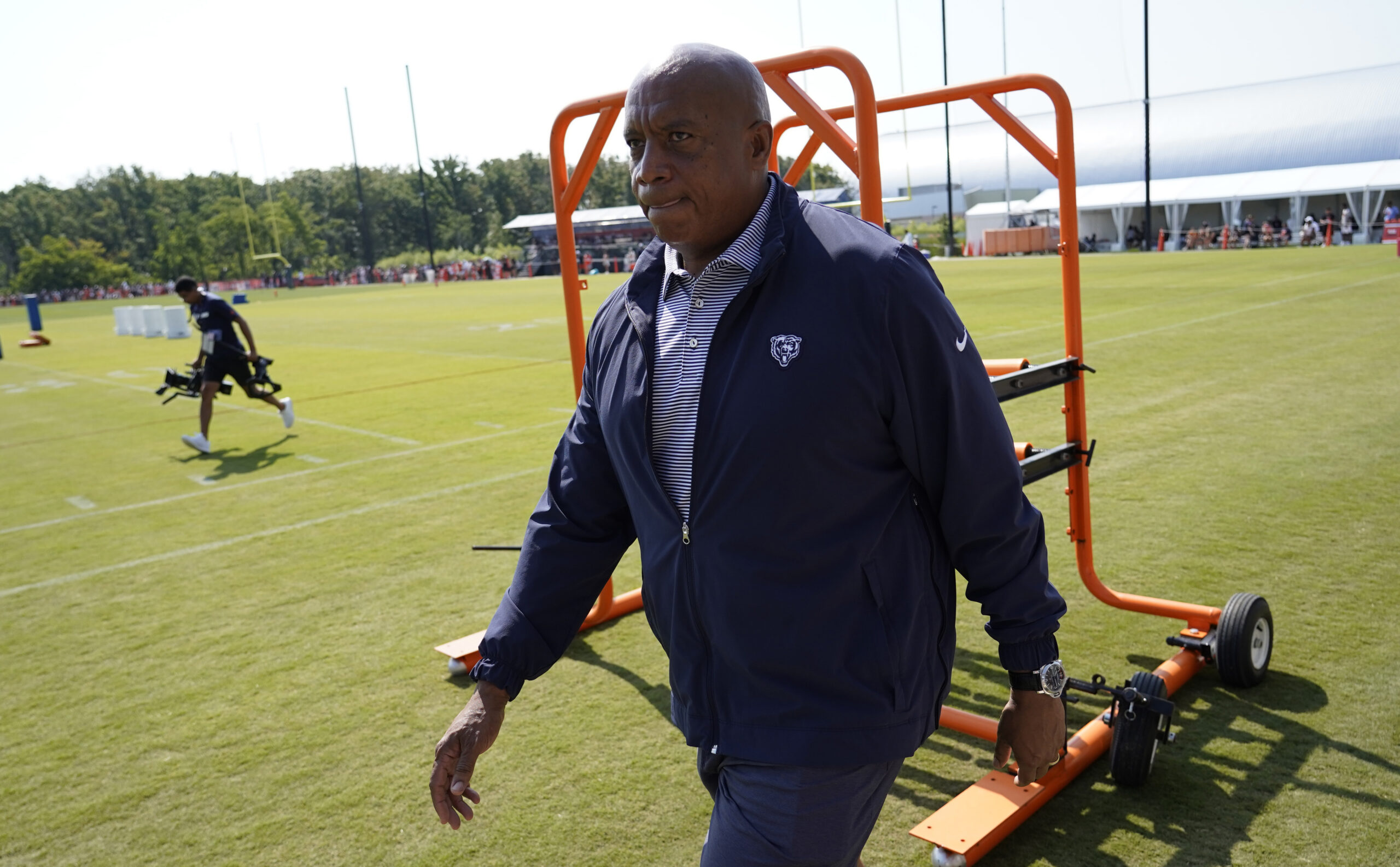
Jul 27, 2024; Lake Forest, IL, USA; Chicago Bears President Kevin Warren walks on the field during Chicago Bears Training Camp at Halas Hall. Mandatory Credit: David Banks-Imagn Images
The Bears own 326 acres in Arlington Heights. They committed $2 billion to the project. They planned to keep all stadium revenue and retain a buyback option after 40 years. Illinois’ megaprojects bill would have let the team negotiate property tax payments with local taxing bodies for up to four decades. The Illinois Senate passed a stadium bill 37-17. The House refused to vote on it. That last-second collapse handed Indiana everything. One chamber said yes. The other stayed silent. And silence, in this fight, was the loudest word Springfield ever spoke.
Soldier Field Goes Cold
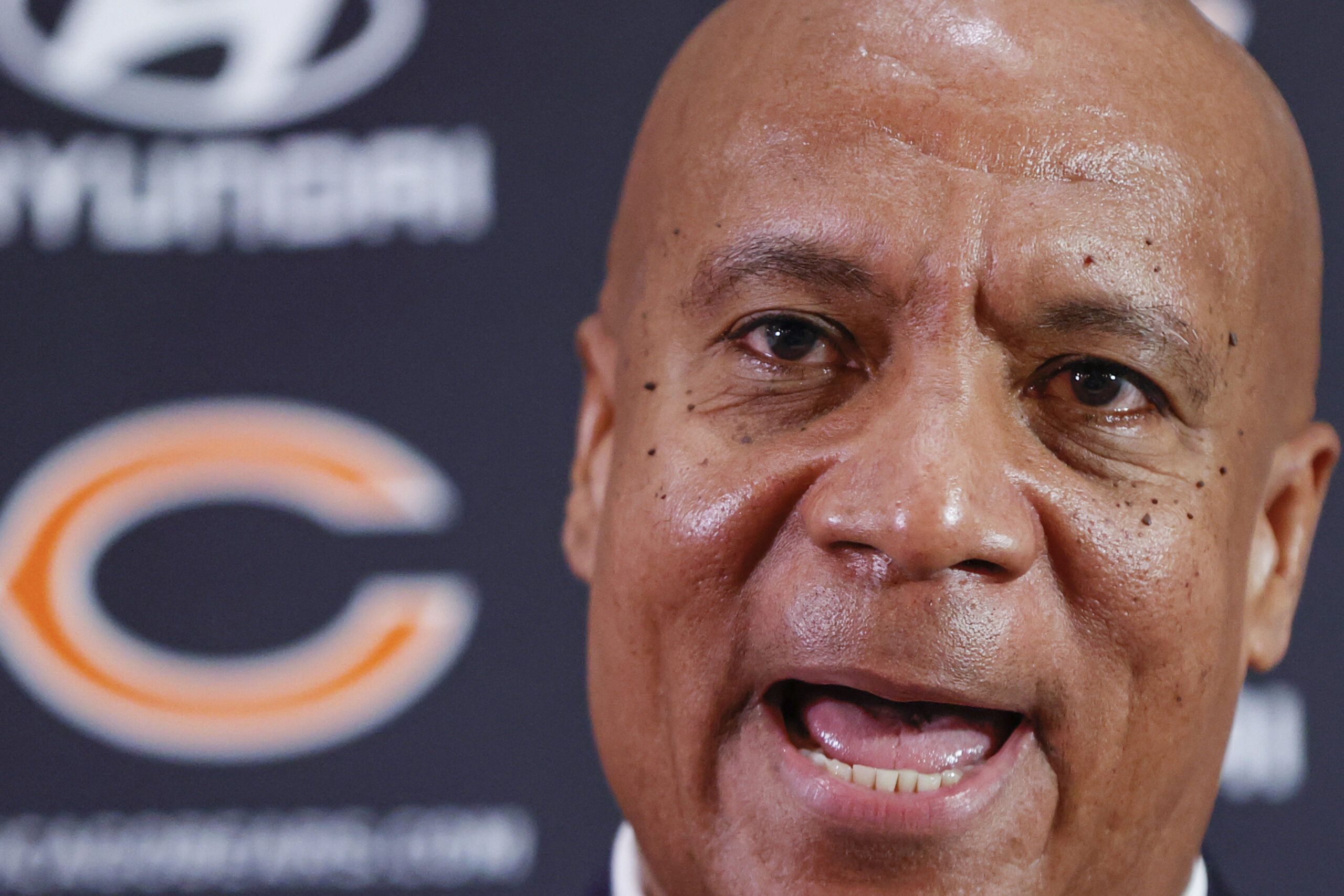
Jan 17, 2023; Chicago, Illinois, US; Chicago Bears president and CEO Kevin Warren speaks during the press conference at Halas Hall. Mandatory Credit: Kamil Krzaczynski-Imagn Images
If the Bears leave, the ripple goes far beyond the lakefront. Local businesses around Soldier Field lose game-day revenue with no replacement tenant waiting. Chicago hasn’t lost a major sports franchise since the Cardinals left for St. Louis in 1960. That’s a 66-year streak about to snap. And every other franchise in town is paying attention. The Cubs, the White Sox, anyone with a stadium wish list now has a precedent: threaten Indiana, and the money appears. The Bears didn’t just open a door. They showed every team in Chicago the exit sign.
The Playbook Every NFL Owner Just Memorized
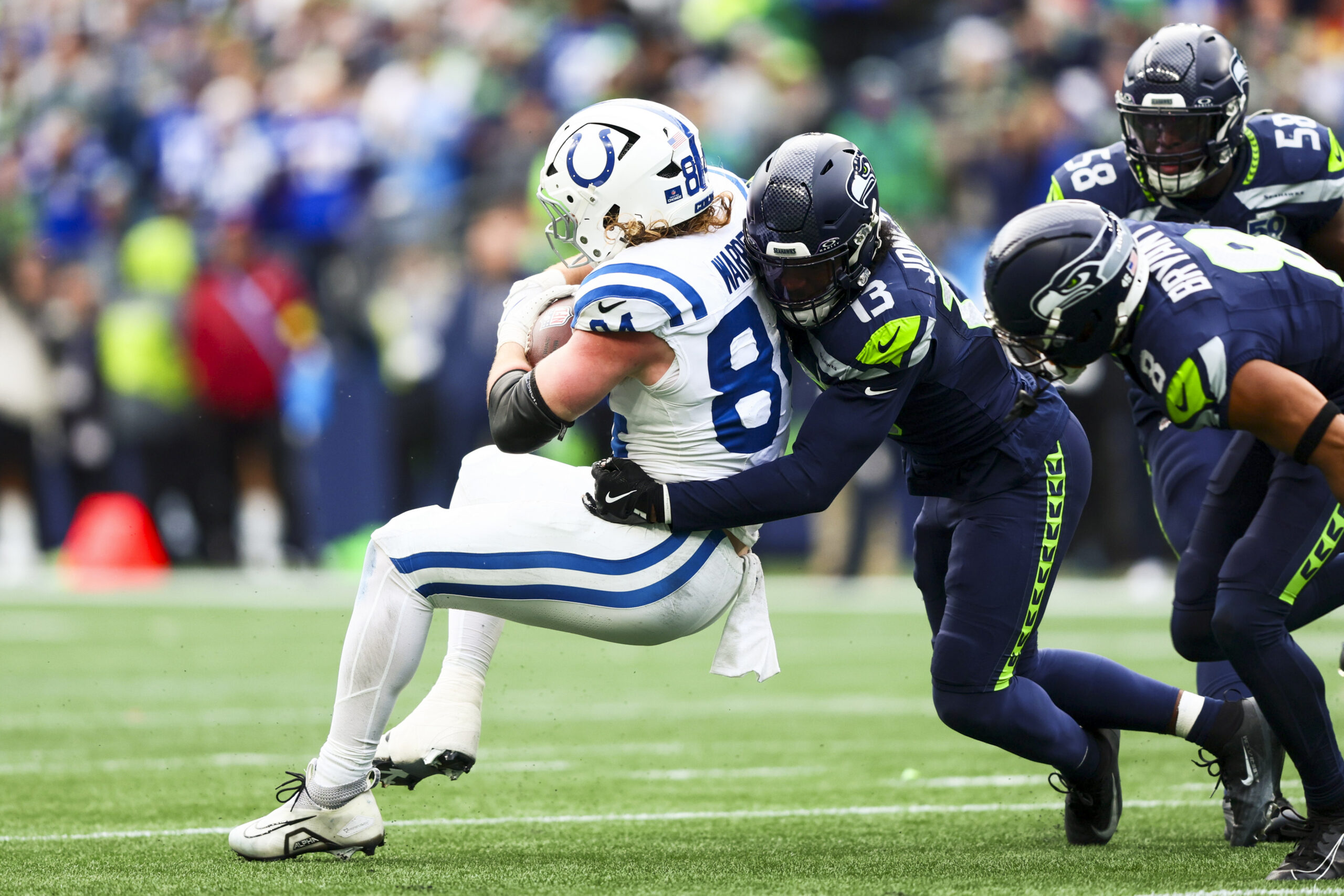
Dec 14, 2025; Seattle, Washington, USA; Seattle Seahawks linebacker Ernest Jones IV (13) tackles Indianapolis Colts tight end Tyler Warren (84) following a reception by Warren during the second quarter at Lumen Field. Mandatory Credit: Kevin Ng-Imagn Images
This stopped being a Chicago story the moment Indiana passed SB 27. The Bears would become the first NFL team to relocate to a new state since the Raiders moved to Las Vegas in 2020. That’s a precedent every owner in the league can now cite. States will scramble to create their own stadium authorities with bonding power, racing to offer sweeter packages before their teams start making phone calls to neighboring governors. The 106-year Bears-Illinois relationship predates the NFL itself. If that bond can break over infrastructure funding, no franchise-city marriage is safe. Wolf Lake Park in Hammond could become the blueprint for how NFL teams get built going forward.
The Clock Warren Set
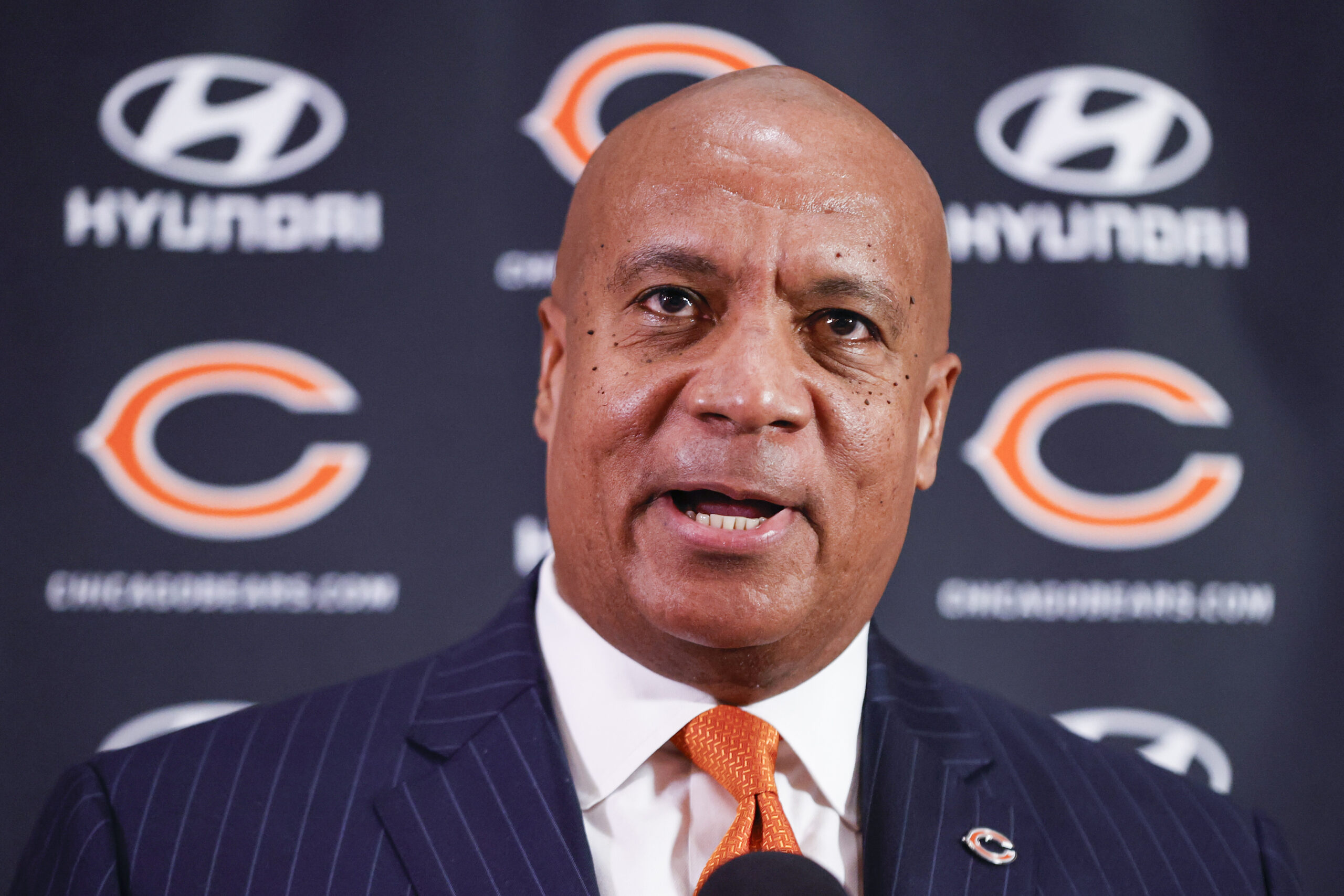
Jan 17, 2023; Chicago, Illinois, US; New Chicago Bears President and CEO Kevin Warren speaks during the press conference at Halas Hall. Mandatory Credit: Kamil Krzaczynski-Imagn Images
Warren said the target was a stadium decision by late spring or early summer. The board vote landed on June 4. The calls to Illinois politicians followed days later. That timeline wasn’t accidental. It arrived right after the Illinois House killed the stadium bill, maximizing the political embarrassment for Springfield. A final Hammond site selection and formal relocation announcement loom as the next dominos, and Illinois has run out of legislative sessions to stop them.
Economic Entity First, Community Second
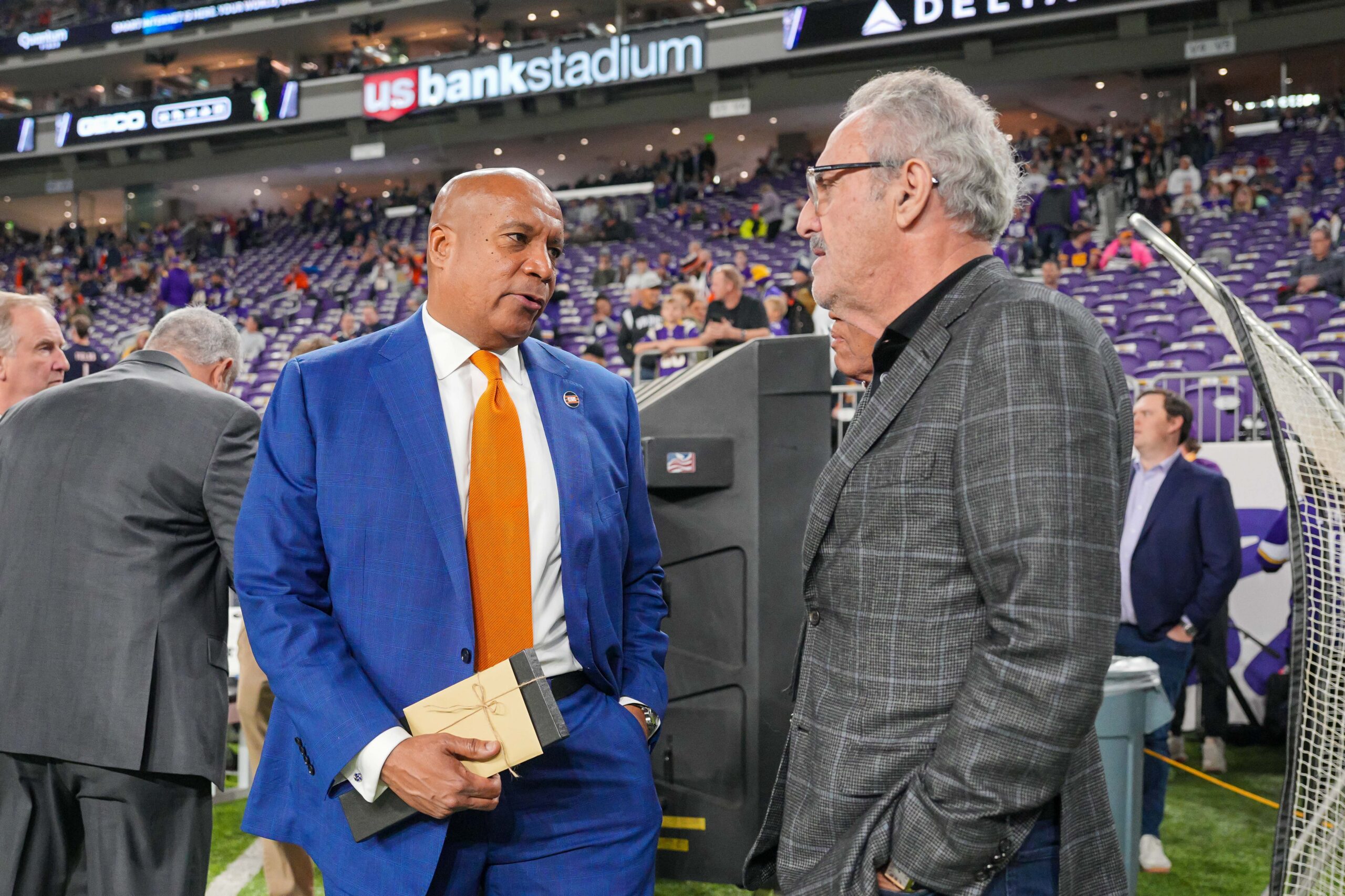
Nov 27, 2023; Minneapolis, Minnesota, USA; Chicago Bears president Kevin Warren talks to Minnesota Vikings owner Zygi Wilf before the game at U.S. Bank Stadium. Mandatory Credit: Brad Rempel-Imagn Images
The comfortable belief was that the Bears would never actually leave. A hundred and six years. Halas. Ditka. The ’85 team. Too much history. Too much identity. That belief was the myth, and the $855 million fight killed it. Professional sports franchises are economic entities first and community institutions second. Once you see that, every “exhausted every opportunity” statement reads like a closing argument written by accountants, not a love letter to the city. Illinois may now craft friendlier legislation for the teams still in town. But the Bears taught every franchise in America the real lesson: loyalty is a variable, not a constant.