
The phone started ringing in Hammond, Indiana, and the callers weren’t from Chicago. Once the Bears’ board of directors voted to advance a stadium development project across the state line, Northwest Indiana officials found themselves fielding interest from franchises nobody expected. Two professional sports teams, names withheld, reached out about planting flags in the same region the Bears chose. A city that spent years begging for big-league attention suddenly had more suitors than available land.
A Decade of Wandering
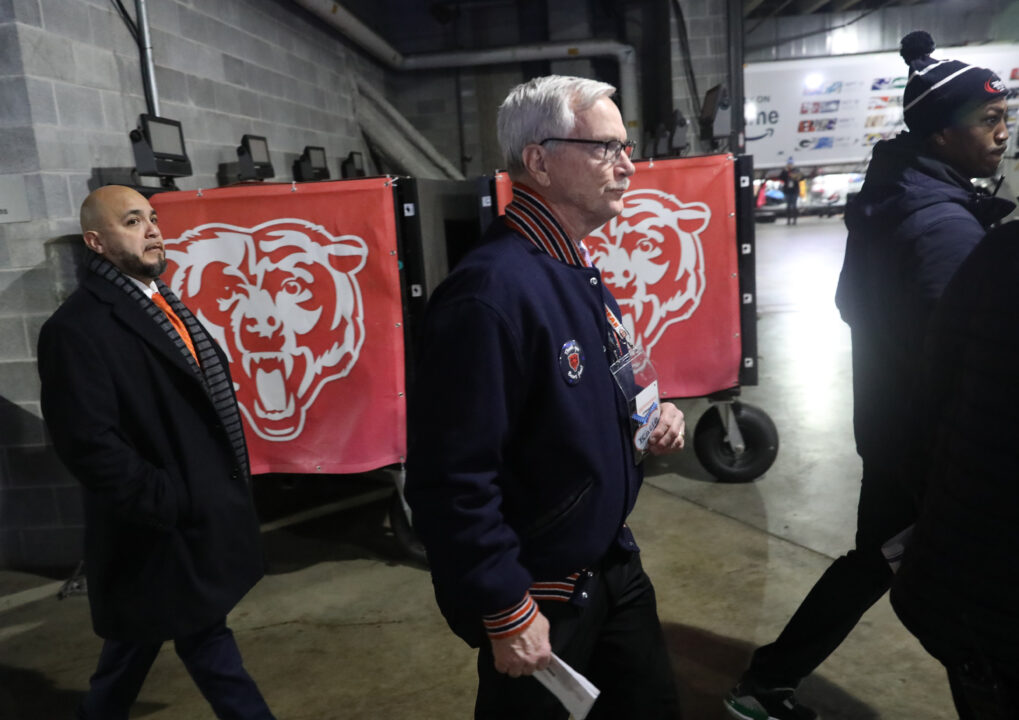
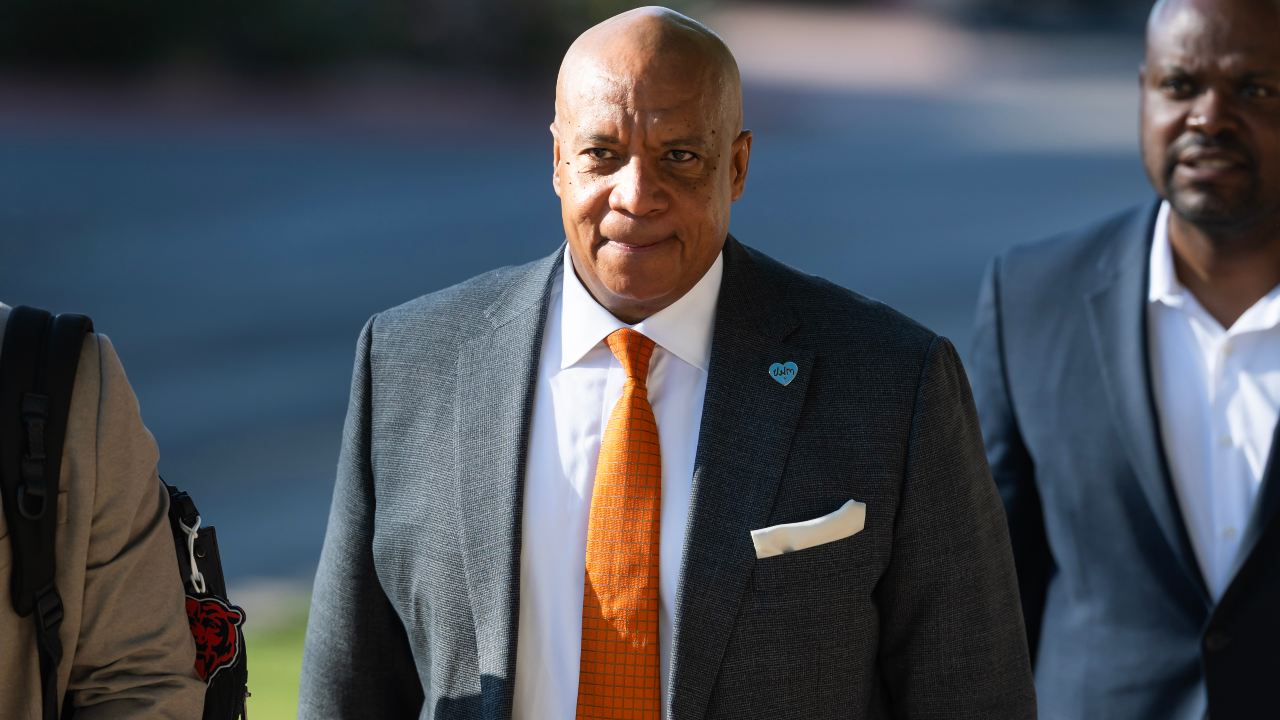
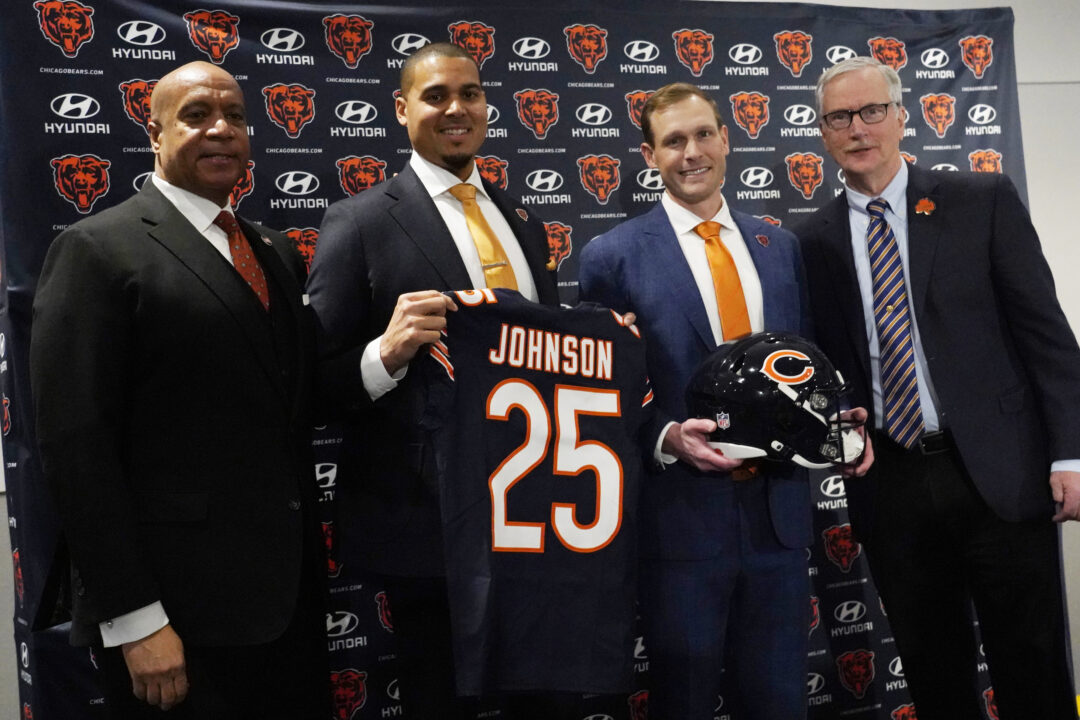
The Bears didn’t stumble into Hammond on a whim. This franchise bought land in Arlington Heights, flirted with a Chicago lakefront rebuild, then expanded the search to all of Chicagoland, including Northwest Indiana. Chairman George McCaskey and CEO Kevin Warren announced the board voted to advance the Hammond project, the first time the board formally backed any single site. ESPN reported Indiana held “the lead” but Illinois could still “get back in the race,” and noted the vote does not guarantee the team leaves Illinois. That language tells you everything: this is a hunt, not a handshake.
Indiana Loaded the Deck
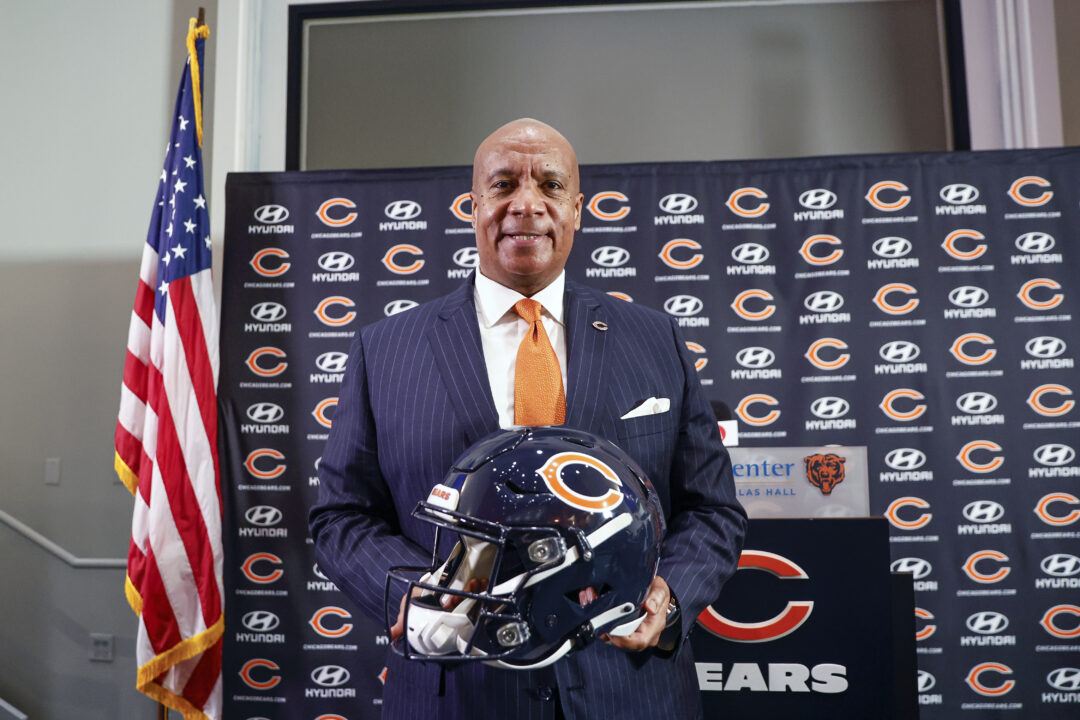
Indiana didn’t sit around hoping the Bears would notice. The state advanced SB 27, creating a Northwest Indiana stadium authority and stacking an aggressive incentive framework designed to lure exactly this kind of anchor tenant. That legislative muscle turned Hammond from a long shot into a credible NFL destination almost overnight. And here’s what most people missed: the incentive package wasn’t just bait for the Bears. It built infrastructure appeal broad enough for any franchise shopping for a new home. Two of them noticed.
Two Teams Nobody Expected
Local officials confirmed conversations with two different professional sports teams looking for new sites and wanting to explore opportunities in Northwest Indiana. Not casual inquiries. Active conversations. InsideIndianaBusiness and the Northwest Indiana Times reported that as the Bears advanced their Hammond plans, two more sports teams expressed interest in locating in the region. Two unnamed franchises. One region. A finite number of prime development plots. The Bears opened the door. Now others are trying to squeeze through it.
The Anchor Tenant Effect
This is how stadium economics actually work. One marquee franchise commits, and suddenly every other team in the market recalculates. The Bears function like a flagship retailer signing onto a new mall: once the anchor tenant is locked, other brands start calling the developer about available space. Northwest Indiana went from afterthought to contested territory because one NFL franchise gave the region credibility that decades of economic development pitches never could. That gravitational pull is the hidden engine driving everything happening in Hammond right now.
The Math Gets Tight
Here’s where the competition turns real. Hammond’s political appetite for stadium-scale subsidies has limits. Available development land near a future Bears complex is finite. Public financing bandwidth doesn’t stretch forever. Three franchises circling the same opportunity in a region that, until recently, had zero is as close to a bidding war as sports infrastructure gets. Officials will eventually compare proposals side by side and pick winners. Not everyone who wants in will get in. That scarcity is what transforms polite phone calls into leverage.
Ripple Across the Midwest
The consequences could reach far beyond Hammond city limits. If Northwest Indiana lands even one additional professional franchise alongside the Bears, it would reshape the competitive map for sports facilities across the entire Midwest. Cities that assumed they had a lock on their teams could face a rival market that didn’t exist two years ago. Chicago, which has not secured a binding commitment from the Bears, could watch a multi-team sports campus rise just across the border. One board vote in Hammond may end up costing Illinois more than a single franchise.
A New Rule, Not an Exception
The old assumption was simple: NFL teams relocate, and the new city gets one franchise and a stadium. End of story. Hammond is testing that playbook. When a state builds incentive infrastructure bold enough to attract an NFL anchor, it may not just land one team. It can create a gravitational field. Once you see that pattern, every future stadium relocation looks different. If the Bears do move, they could prove that a single franchise decision can manufacture an entire regional sports economy from scratch.
The Clock Is Running
The exact Hammond stadium site remains “to be determined,” according to NFL.com, which means the window for these mystery teams is still open but narrowing. Once the Bears lock a specific location and break ground, the surrounding real estate calculus changes permanently. Every month of delay is a month where those two unnamed franchises can strengthen their pitch or lose their nerve. Meanwhile, Illinois hasn’t officially conceded. ESPN noted the state “can still get back in the race,” adding yet another variable to an already volatile equation.
Who Blinks First
Nobody outside a handful of Northwest Indiana officials knows which two professional franchises are circling Hammond. That secrecy is itself a weapon, keeping rival cities from mounting targeted counteroffers. The teams that read this story and recognize the pattern now understand something most fans don’t: the Bears’ stadium push stopped being a one-team story the moment Indiana built an incentive structure too attractive for just one franchise to claim. Whoever moves fastest in Hammond may write the next chapter of Midwest professional sports.