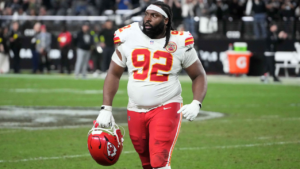

Sam Darnold redeeming himself to win a Super Bowl after carrying the label of a bust is a great example of what the NFL must do to improve play. A structured system to help players who come to the NFL from college football but are not ready to become full-time NFL contributors. However, the NFL could invest resources in those players to improve their play heading into the fall season. In addition, coaches from each team who would like to move into a higher-level coaching position need a place to earn their way into that position. Ultimately, the NFL would benefit from a spring football league that plays a similar role to the G-League plays for the NBA. A partnership between the NFL and the UFL would provide the NFL with an option to improve its overall on-field product.
Development Time for Key Positions
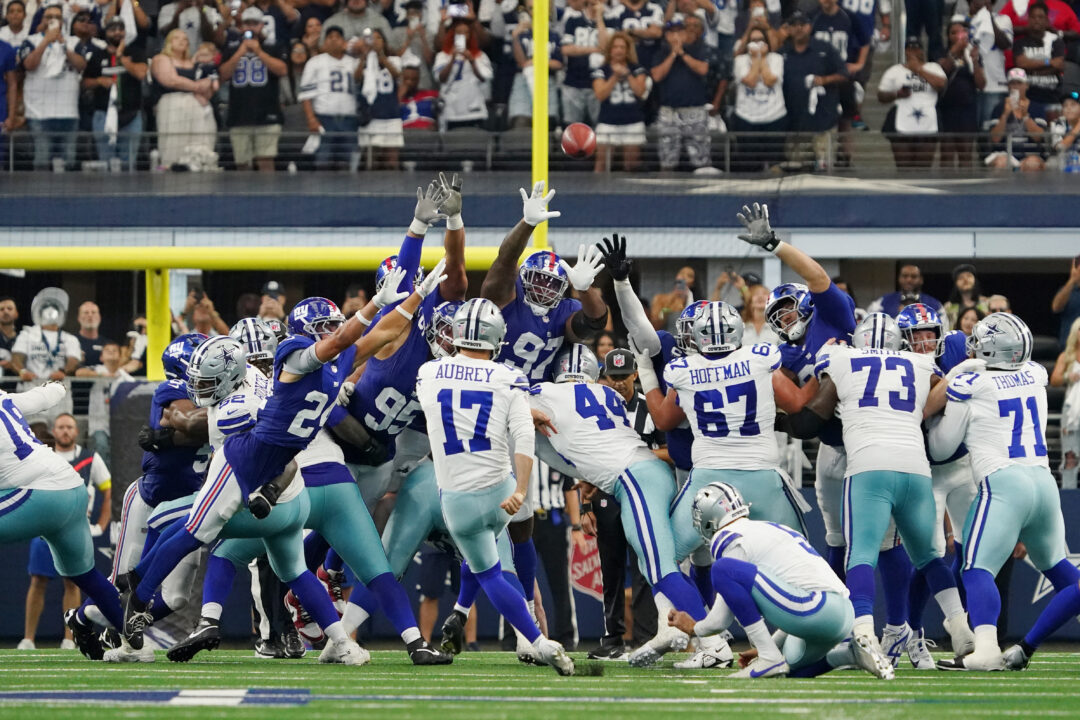
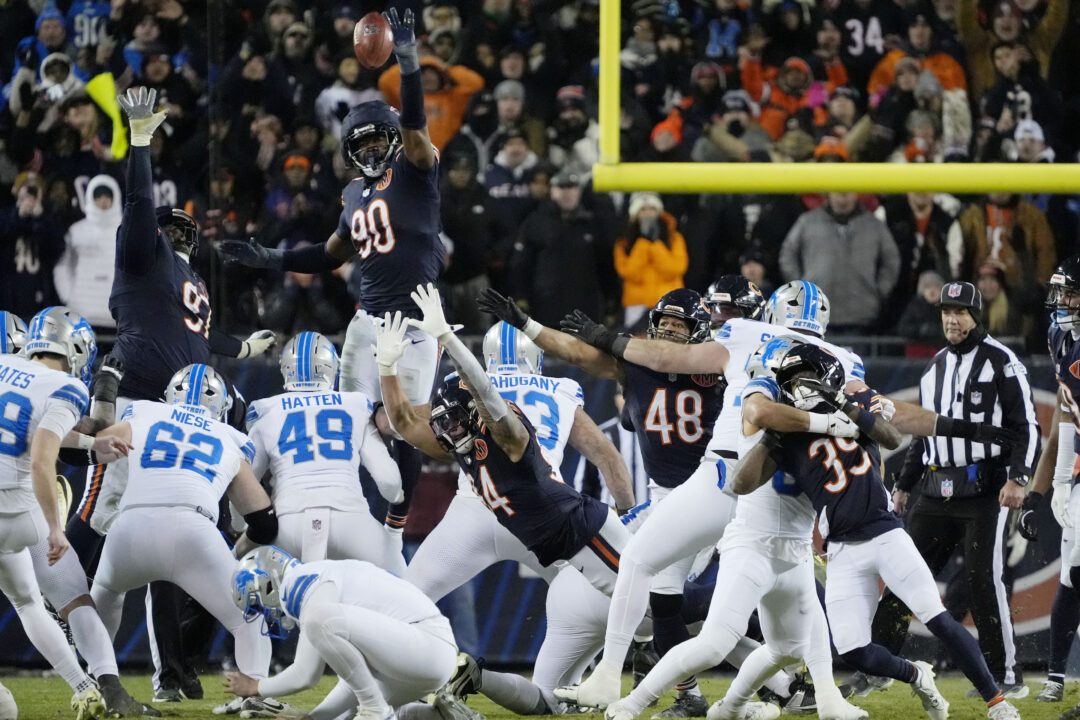
Quarterbacks, kickers, offensive linemen, wide receivers, and all defensive players would benefit from having more opportunities to earn experience in game situations. Currently, players on the fringe of making NFL rosters have to decide: sign an NFL futures contract or leave the NFL system to prove themselves in a league not affiliated with the NFL, like the CFL or the UFL? A spring football league directly affiliated with the current 32 NFL teams would allow the NFL to expand opportunities for players and coaches, while also enabling it to expand its fan base across the country and internationally. While all players drafted each season in the NFL are susceptible to joining a team culture that may not set them up for success, many times those players are labeled as busts; they really need more opportunities to grow.
The Obstacles to Creating an NFL “G-League”
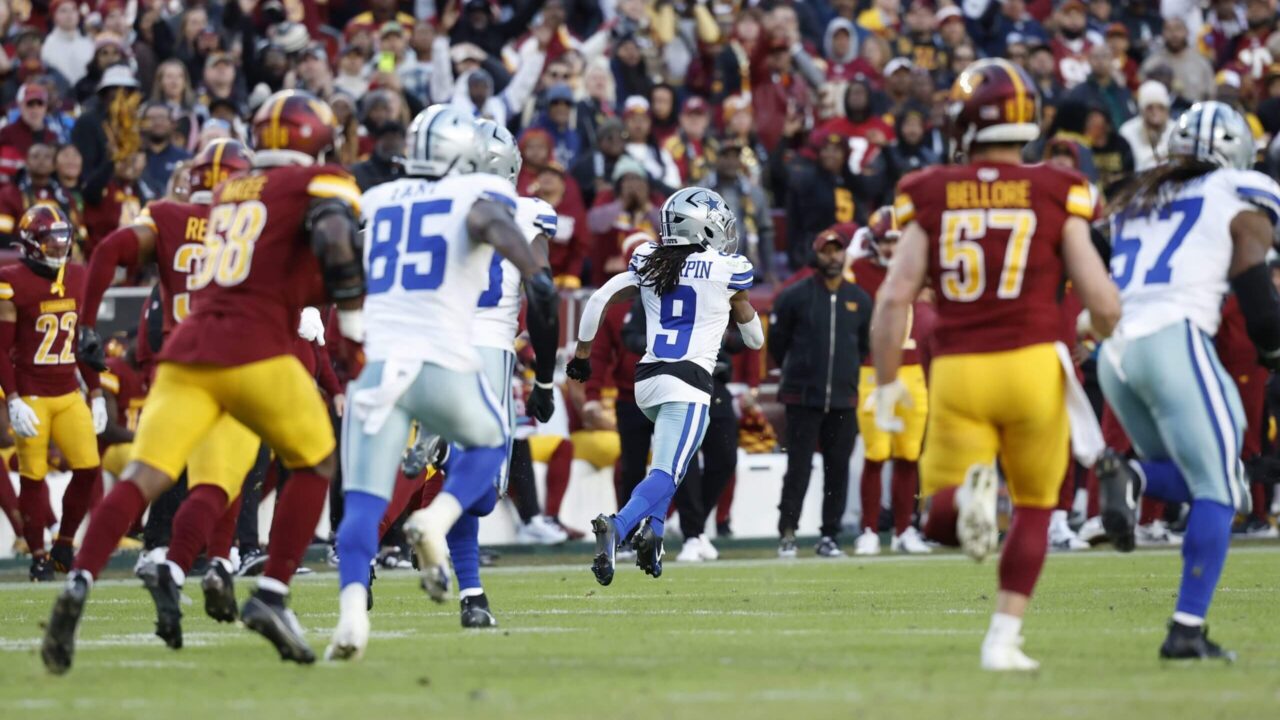
Currently, the NFLPA is pushing hard against the NFL for attempting to add an 18th game to the NFL season, so requiring players to play more football would not be a popular plan in the union’s eyes. In addition, previous spring football league concepts like NFL Europe could never find a way to produce a developmental league that could actually make money and sustain itself. However, there would be incentives for players in the league. The solution to the problem is to make the spring league available but not required for NFL players to maintain their position in the NFL. If a backup quarterback or practice squad player wants a chance to prove themselves, they can, but there would not be a penalty for not playing in the spring league.
The Ideal Structure For Both Leagues
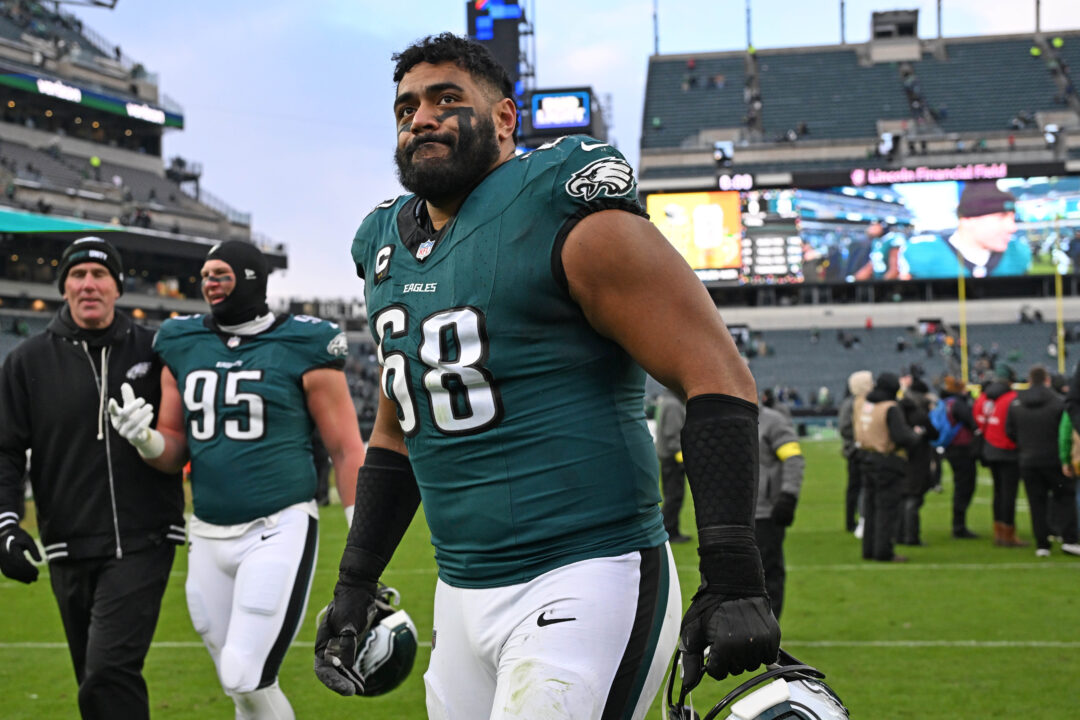
The ideal structure for an NFL-affiliated spring football league would be a 32-team league that is under the same umbrella as its parent team. Therefore, each NFL team could place an affiliate team in markets too small for an NFL team. That would give those fans a natural connection between the parent NFL team they already follow and a spring team that is a natural extension of their favorite team. Those spring league rosters would prioritize current NFL players who want to play in the league, while also creating opportunities for players who no longer have college eligibility and want another chance to earn an NFL opportunity. In addition, the parent team can assign its own coaches to the team. All spring league players would receive the same base pay and participate in an incentive program to earn more money for their spring performances.
Converting the UFL to the NFL “G-League”
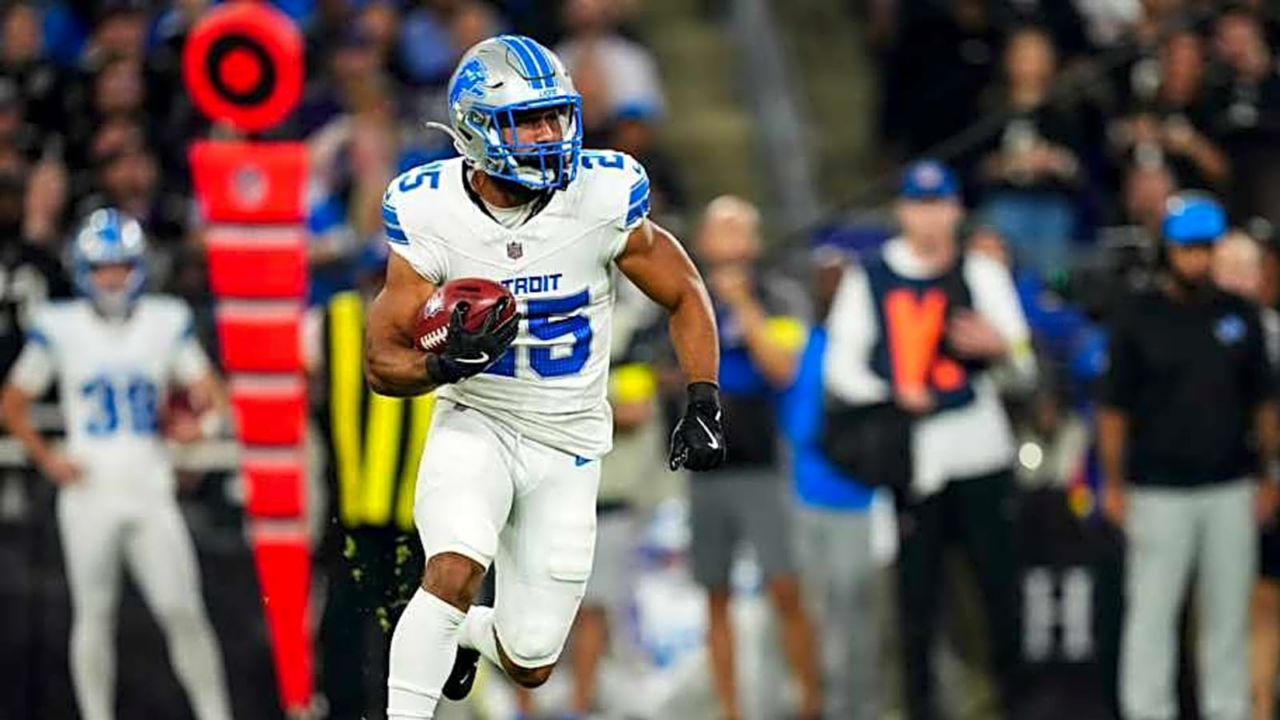
The connection between the current spring football league, the UFL, and the NFL-sanctioned league is that the current UFL would be the root of the league. The current and past UFL teams would be the first brands in the new spring league, meaning other NFL teams would need to devise their own brands for spring league teams to join those UFL brands. Those current UFL teams are in markets that allow them to become an NFL affiliate; for example, the Louisville Kings and Cincinnati Bengals would make an obvious affiliate pair. Also, the Atlanta Falcons and the Birmingham Stallions would provide easy connections between the NFL and UFL brands. Due to the relationship between affiliates, the spring rosters would have current NFL players and practice squad players. But there would still be room for CFL players or free agents to earn roster spots and fill gaps on each team’s roster.
The Current Gap in NFL Player Development

Ultimately, this structure of an NFL-sanctioned spring league would improve the level of play during the NFL season. There would be more quarterbacks like Indianapolis Colts quarterback Anthony Richardson, who can grow as players and return to the NFL as better players. In addition, since the spring football rosters would include players not currently on NFL rosters, the players who stand out would be available for the parent NFL teams’ mini-camp and training camp rosters. Those free agents would be ready to compete in practice and preseason games, reducing wear and tear on the top NFL players during training camp. For players who did not earn an NFL opportunity, they could sign CFL contracts or play in Europe rather than lose those playing opportunities.
Make sure you check out, NFLPA Team Report Cards Terminated Leaving Players and Fans Frustrated
If you enjoyed this article, please like the article and follow us here on MSN! Thank you for reading and have a great day!