

Something felt off in NFL stadiums last fall. Not a collapse. Not a boycott. Just a quiet thinning of the crowd, a few hundred missing faces per game, scattered across 272 contests in 32 cities. The kind of absence you notice in the upper deck on a cold November afternoon. Average attendance dropped to 69,055, the first decline since the pandemic. Meanwhile, the league kept announcing record TV deals and international expansion like nothing had changed. Roughly 150,000 fewer fans showed up across the season, and the league barely blinked.
The Satisfaction Score Nobody Expected

Sep 18, 2023; Pittsburgh, Pennsylvania, USA; National Football League line judge Maia Chaka (100) talks with Pittsburgh Steelers head coach Mike Tomlin (right) against the Cleveland Browns during the first quarter at Acrisure Stadium. Mandatory Credit: Charles LeClaire-Imagn Images
That 0.8% attendance dip landed alongside a number that should have set off alarms at league headquarters. The American Customer Satisfaction Index scored NFL fans at 66 out of 100. For context, internet service providers scored 72. The U.S. Postal Service scored 72. Subscription TV hit 70. The NFL finished lower than every single industry ACSI measures. The most popular sports league in the country now satisfies its customers less than the company that delivers junk mail. And ticket prices for Packers season holders climbed another $4 to $22 per game anyway.
Record Ratings Hide the Rot
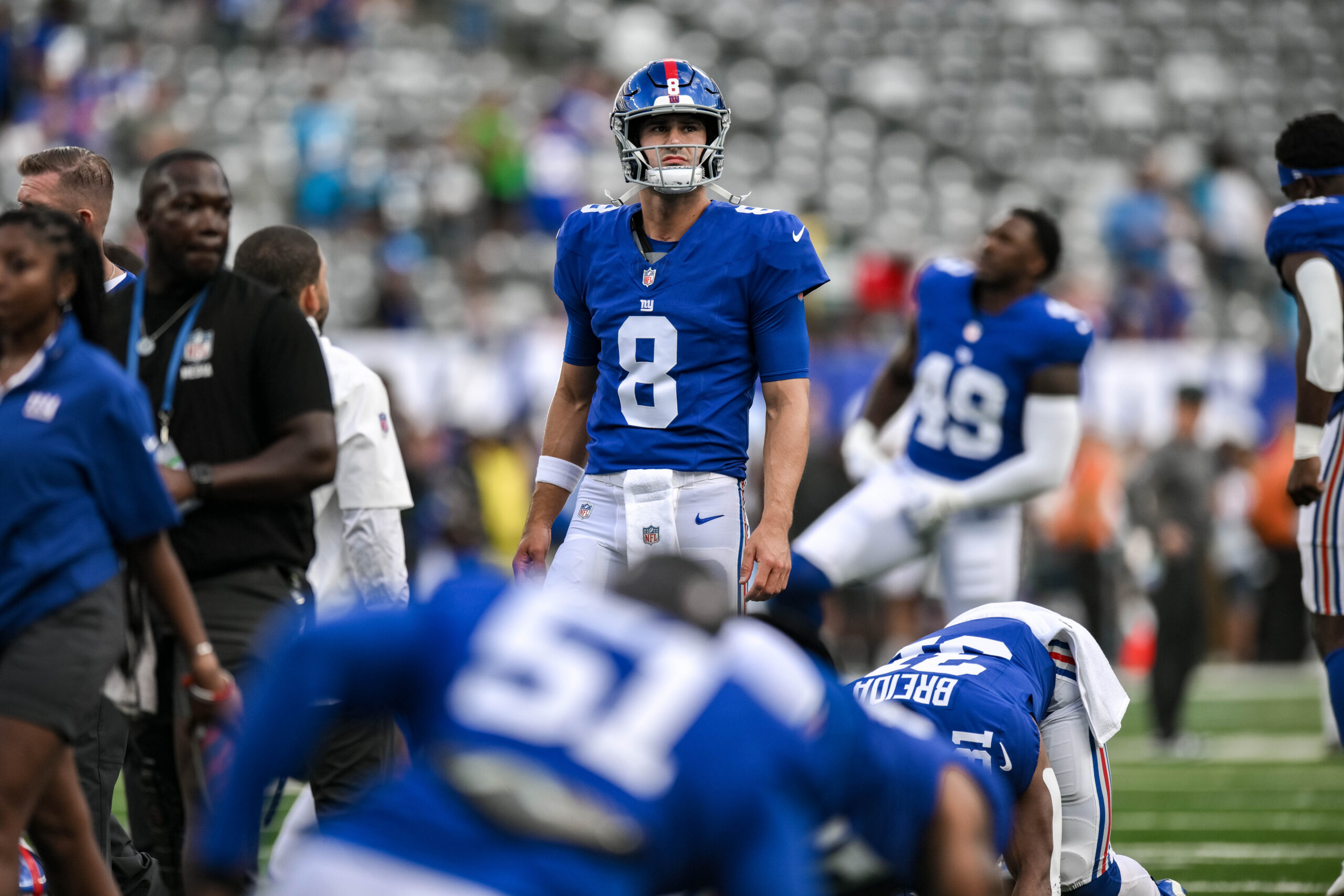
Aug 18, 2023; East Rutherford, New Jersey, USA; New York Giants quarterback Daniel Jones (8) warms up during pregame of National Football League game between the New York Giants and the Carolina Panthers at MetLife Stadium. Mandatory Credit: John Jones-Imagn Images
The league’s defense has always been the same: people are watching. And the wild-card numbers were staggering. The 49ers-Eagles game pulled 41 million viewers, Fox’s biggest wild-card audience since 2015. The Packers-Bears on Amazon drew 31.6 million, the most-streamed NFL game on any platform ever. But a Monday Night Football matchup featuring the Cardinals and Cowboys on November 3, 2025, ended in a 27-17 Cardinals win and underperformed expectations. Record viewership for marquee games masked erosion everywhere else. The assumption that big ratings equal a healthy league started cracking.
The $4.7 Billion Verdict
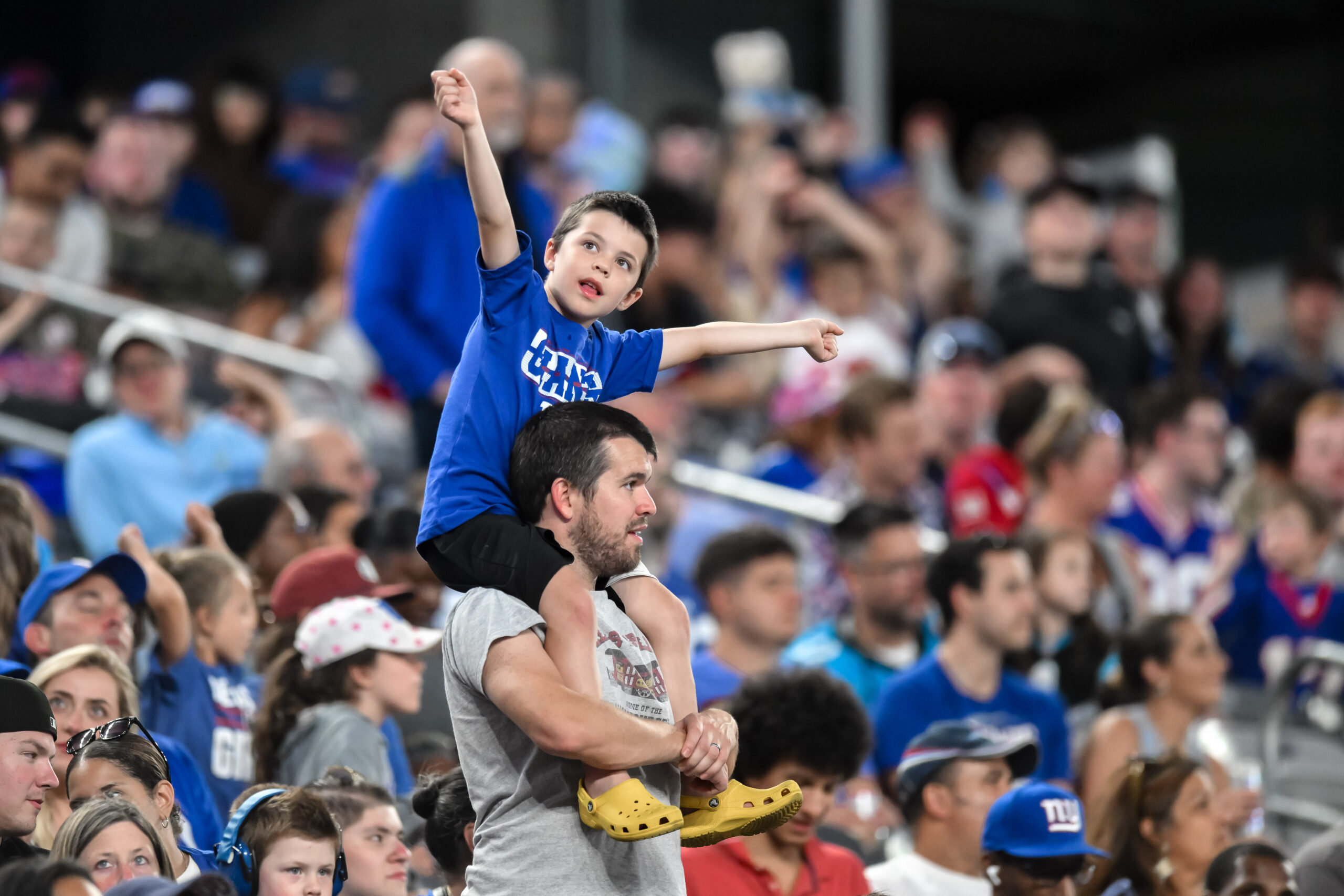
Aug 18, 2023; East Rutherford, New Jersey, USA; General view of fans during the second quarter of the National Football League game between the New York Giants and the Carolina Panthers at MetLife Stadium. Mandatory Credit: John Jones-Imagn Images
In 2024, a federal jury in Los Angeles ruled the NFL violated antitrust laws by forcing fans to buy a premium subscription service for out-of-market Sunday afternoon games. The damages: $4.7 billion. A judge later vacated the verdict on methodological grounds, but the case now sits before the Ninth Circuit, where in March 2026 the appeals panel posed skeptical questions to the NFL. The Department of Justice opened its own investigation in April 2026 into whether the league’s media-rights and streaming contracts violate antitrust law. The Sports Broadcasting Act of 1961 covers over-the-air television. Streaming services never existed when that exemption passed.
Four Subscriptions, One Sport
The shield logo of the National Football League (NFL), as pictured on the field at Gillette Stadium in Foxboro, MA on Dec. 5, 2025.
The 2026 season will scatter games across Netflix, Peacock, Amazon Prime, and traditional broadcast. Following one team now requires juggling multiple paid platforms. The league also wants to add a Wednesday broadcast before Thanksgiving. FCC Chairman Brendan Carr publicly questioned whether the NFL should keep its antitrust exemption, warning in 2026 that the league’s pivot to streaming had reached a “tipping point.” “The Fan Still Doesn’t Matter,” one industry analysis declared. That phrase captures the hidden architecture: every scheduling decision, every exclusive window, every platform deal optimizes for broadcast partner revenue. Fans are the product being packaged, not the customer being served.
The $238 Afternoon
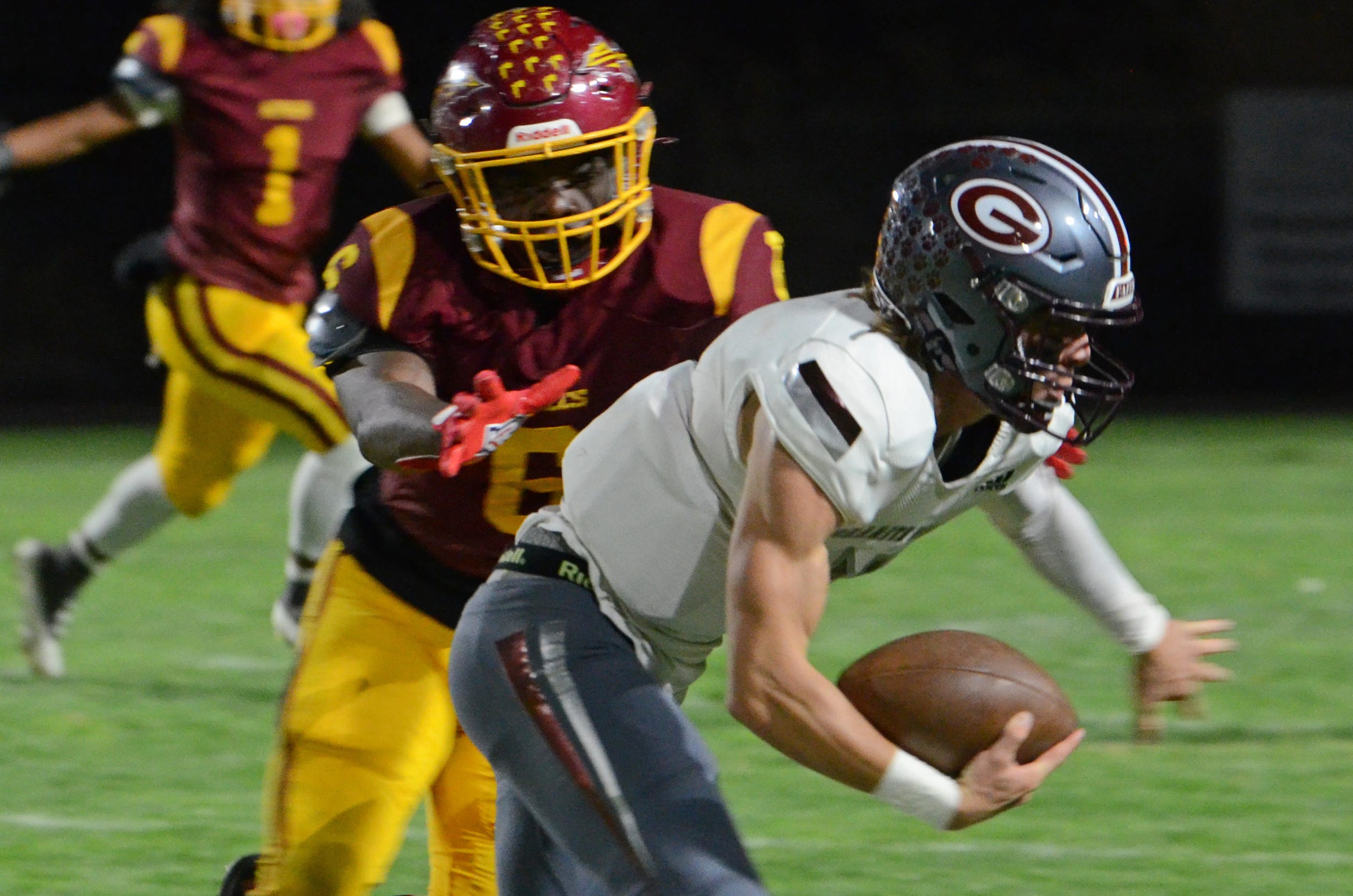
Granite Hills quarterback Jordan Dalton runs past Barstow s ODell Spurlock during the second quarter on Thursday, Oct. 26, 2023 at Langworthy Field. Granite Hills captured the program’s first-ever Desert Sky League title with the 52-35 victory over Barstow.
Levi’s Stadium earned the worst NFL gameday experience rating at 3.24 out of 10, with total costs reaching $238.50 per fan. The average NFL game lasts 3 hours and 12 minutes, but only 15 to 20 minutes contain actual gameplay. So fans pay premium prices to watch roughly 17 minutes of football wrapped in three hours of commercials, replays, and stoppages. That combination of cost, dead time, and distrust in officiating explains why 150,000 people chose their couch instead.
Gen Z Already Has One Foot Out
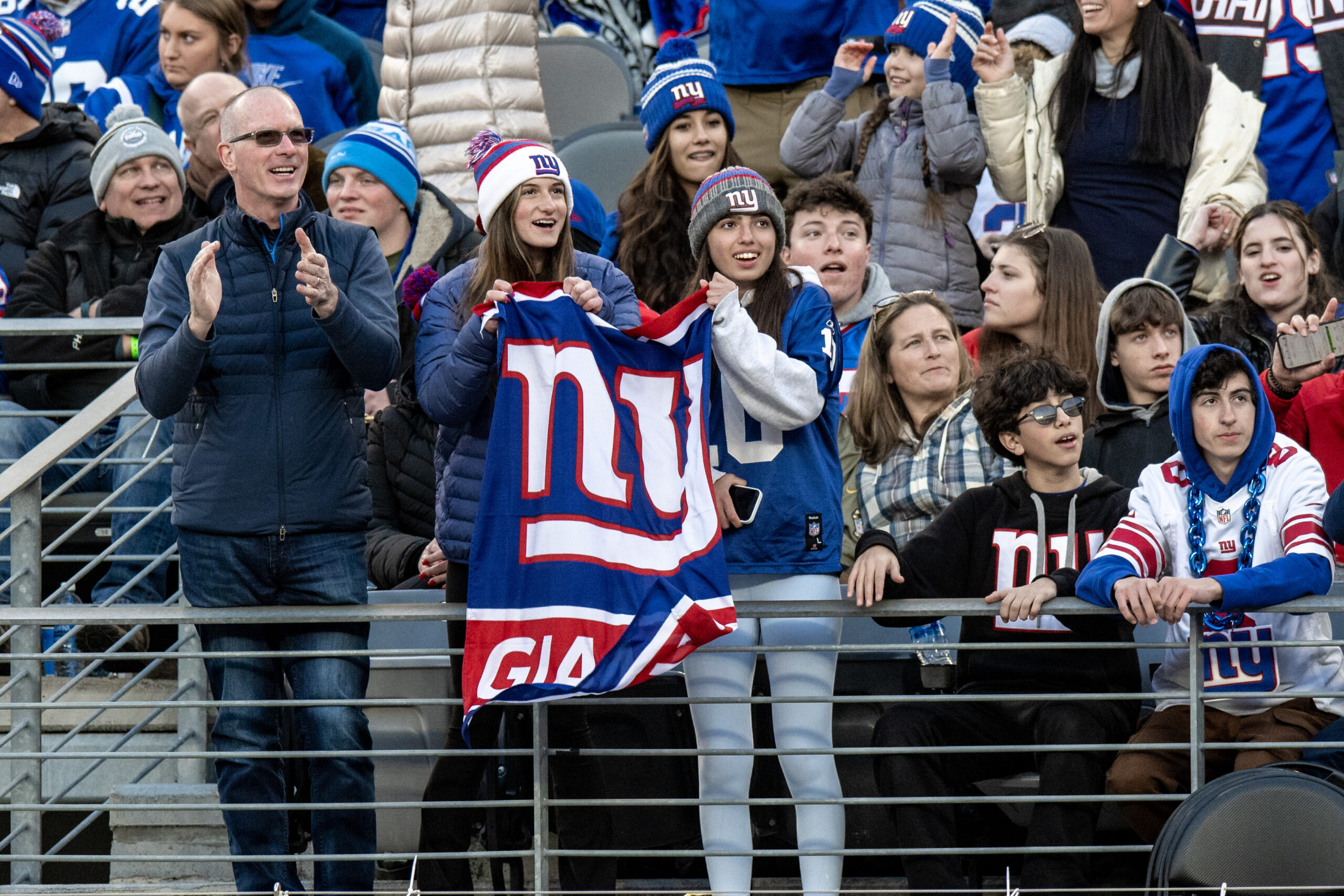
Jan 1, 2023; East Rutherford, New Jersey, USA; General view of fans during the second half of the National Football League game between the New York Giants and the Indianapolis Colts at MetLife Stadium. Mandatory Credit: John Jones-Imagn Images
Gen Z fans scored 63 on ACSI’s satisfaction scale, four points below fans over 30. Their home game day experience rating hit 64 compared to 77 for older fans. A 13-point gap in stadium satisfaction from the generation the league needs most. The NFL’s deepening partnerships with sportsbooks like Caesars, DraftKings, and FanDuel reflect a league trying to monetize a younger audience whose engagement habits differ sharply from older fans, according to generational fan research. The risk: building loyalty late costs more than building it early.
Nine Games, Seven Countries, One Message
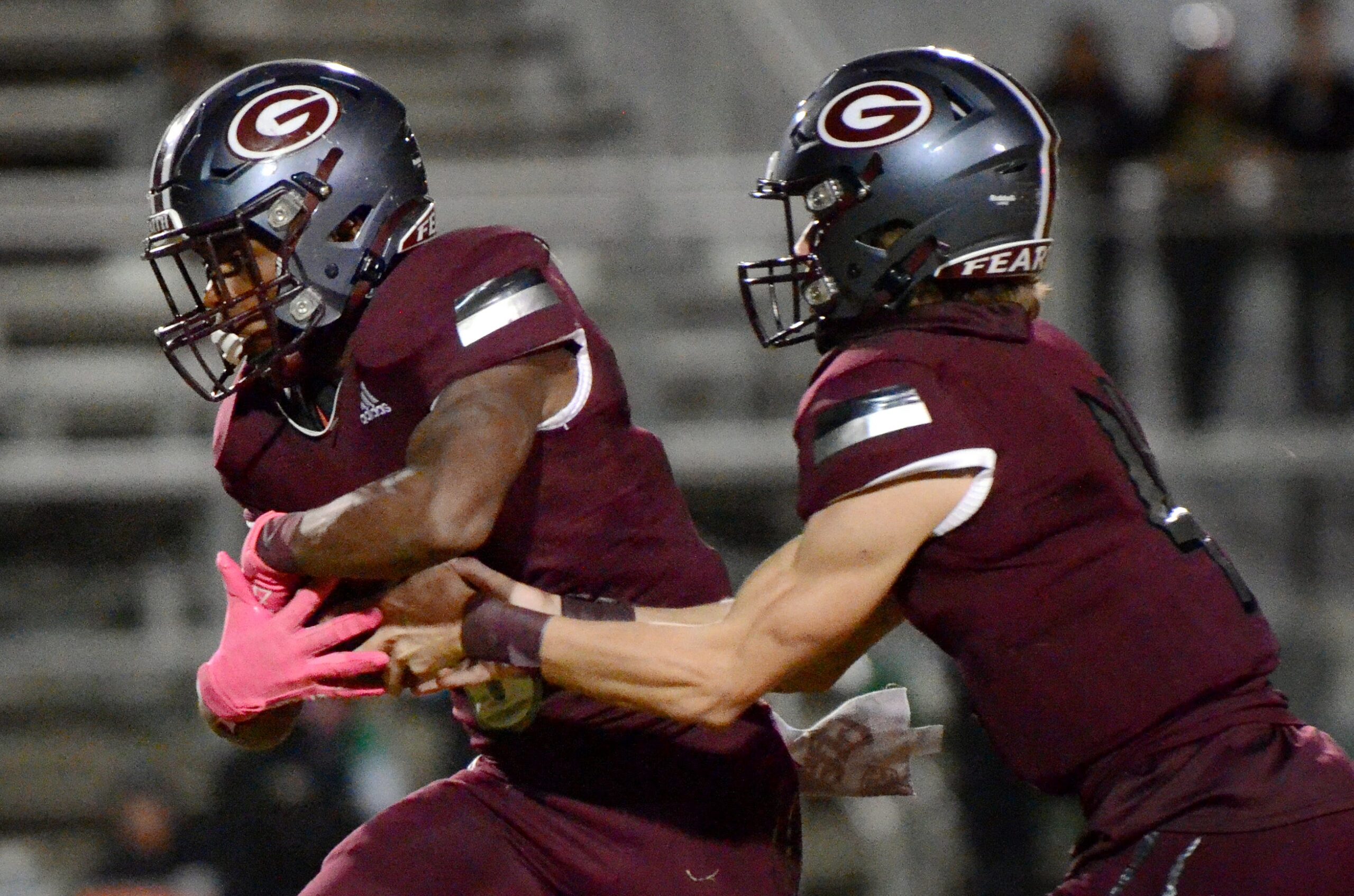
Granite Hills quarterback Jordan Dalton hands the ball off to Kameron Smith during the third quarter against Victor Valley on Friday, Oct. 13, 2023 at Newton T. Bass Stadium. Granite Hills defeated Victor Valley 47-14 to improve to 3-0 in the Desert Sky League play.
The 2026 schedule includes nine international games across four continents and seven countries, including a multiyear return to Mexico City’s Estadio Banorte. That represents roughly 3% of the entire schedule played outside the United States while domestic attendance falls. Born in America, exported abroad at the expense of packed stadiums at home. This pattern repeats too cleanly to be coincidence. Every expansion decision traces back to the same logic: new revenue streams matter more than existing relationships. The precedent being set says loyalty is a depreciating asset.
The DOJ Card on the Table

Arizona Cardinals head coach Mike LaFleur talks to the media during the NFL League Meetings on March 30, 2026, at Arizona Biltmore Resort in Phoenix.
The $4.7 billion verdict may have been vacated, but the Ninth Circuit appeal could restore it, with treble damages pushing exposure toward $14 billion. The DOJ investigation, opened in April 2026, targets whether the league’s media-rights practices violate antitrust principles. FCC Chairman Brendan Carr has continued blasting the NFL’s streaming deals and warned that the antitrust exemption itself is at risk. If regulators strip antitrust protection from streaming deals, every sports league in America will have to restructure how it sells broadcast rights. The NFL built its empire on centralized media control. That foundation now faces its first real stress test.
The Couch Is Winning
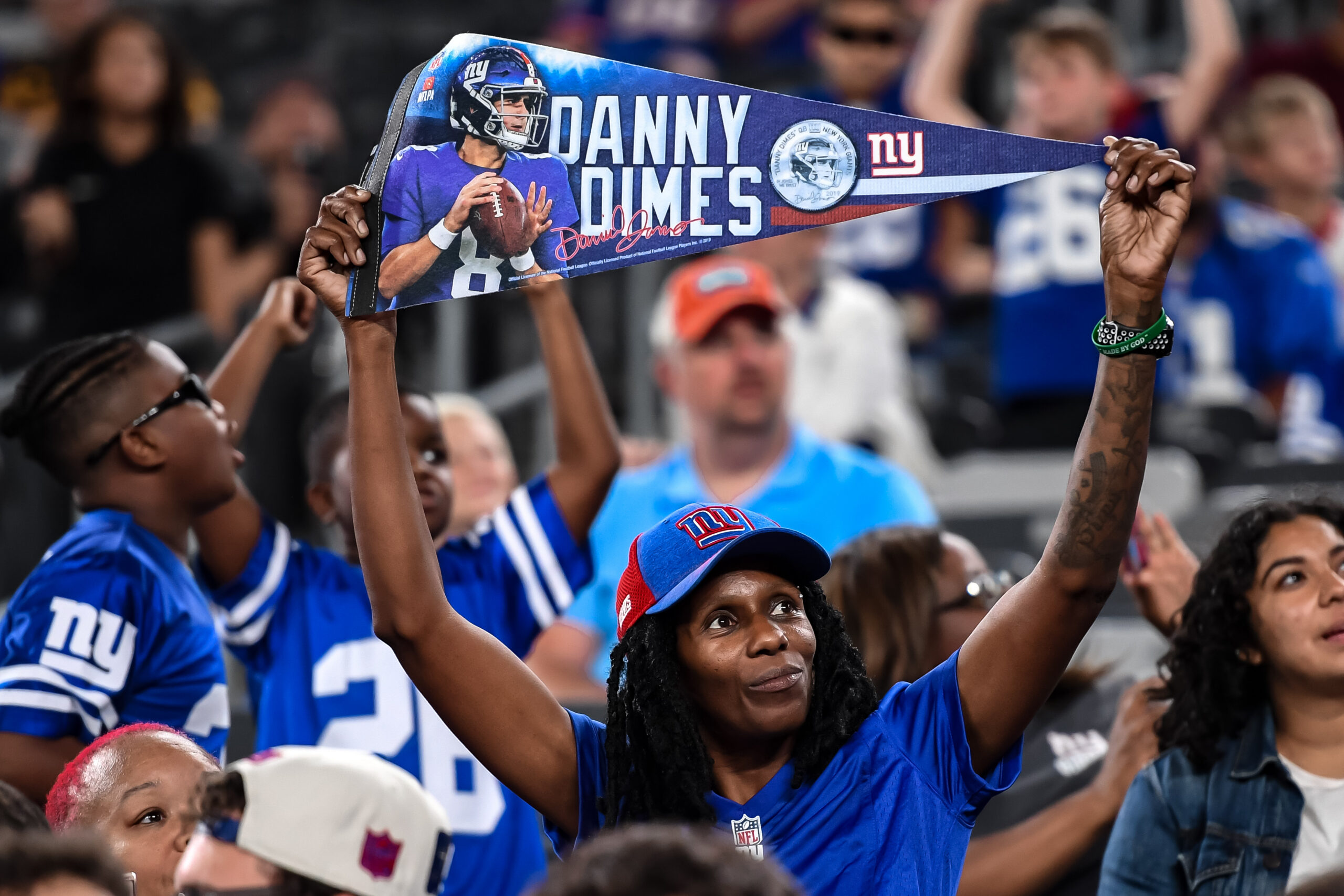
Aug 18, 2023; East Rutherford, New Jersey, USA; General view of fans during the National Football League game between the New York Giants and the Carolina Panthers at MetLife Stadium. Mandatory Credit: John Jones-Imagn Images
The league could create a bundled streaming service. It could reverse international games. It could freeze ticket prices. None of those moves appear imminent. What most fans haven’t connected yet is the math underneath: a 66 satisfaction score, a generation already disengaging, and a legal system circling the business model that created the problem. The NFL remains the most-watched product in American entertainment. But the people who built that audience, who painted their faces and froze in the stands, are being asked to pay more for less access every single year. So tell us — are you still buying tickets, still subscribing to every platform, or has the NFL finally pushed you to the couch for good? Sound off in the comments.