


Somewhere in the front offices of Halas Hall, a decision is taking shape that could pull one of the oldest franchises in professional football away from the city where it was born and the state it has long called home. The Chicago Bears are running two stadium negotiations simultaneously, one in Illinois, one across the state line in Indiana. Both involve billions. Both involve politicians scrambling to outbid each other. And both are hurtling toward the same wall on the calendar. The franchise that helped build the NFL might be weeks from choosing its next century’s home.
Two States, One Franchise, Zero Patience
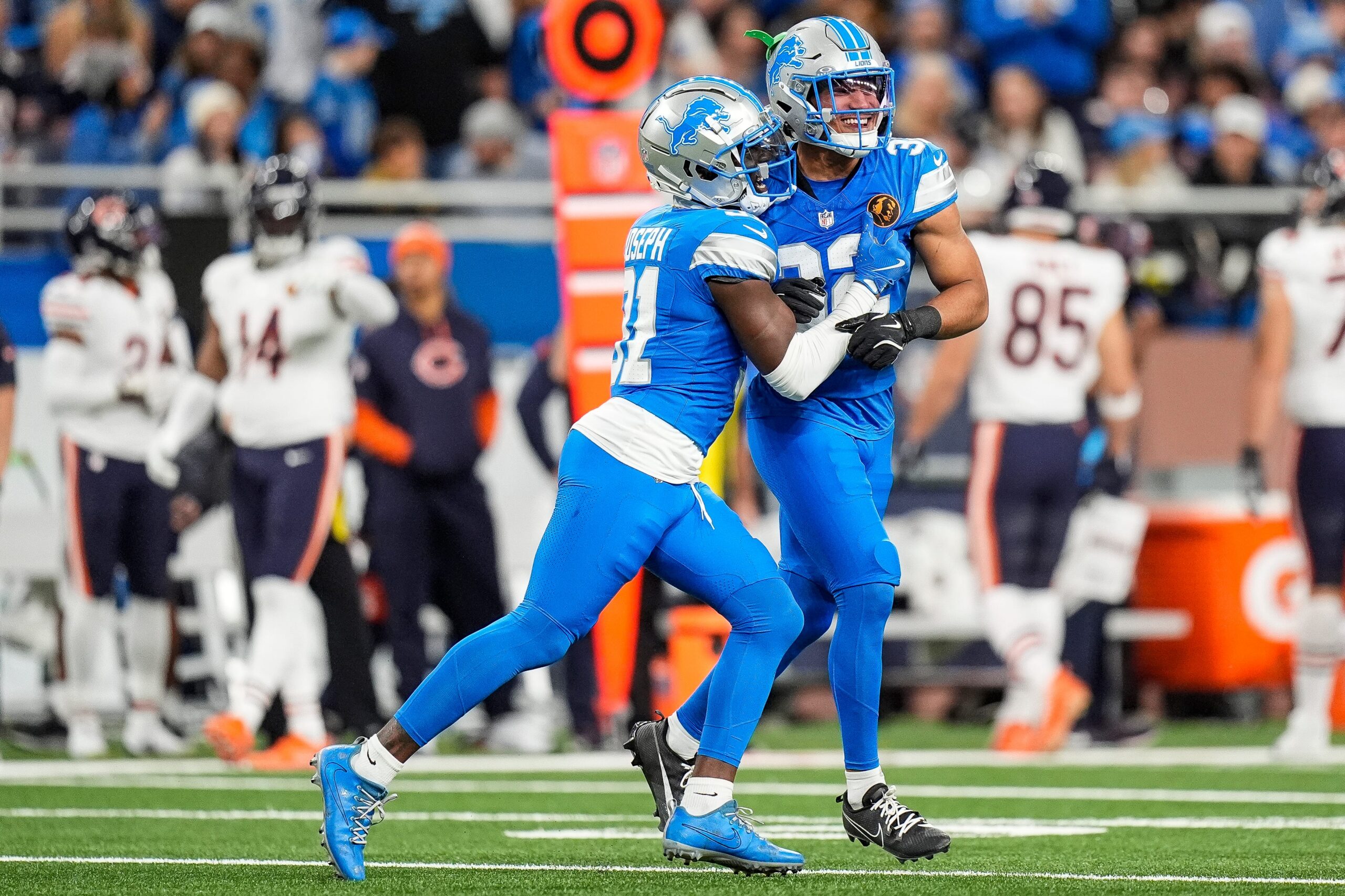
Detroit Lions safety Kerby Joseph (31), left, and safety Brian Branch (32) celebrate a play against Chicago Bears during the first half at Ford Field in Detroit on Thursday, Nov. 28, 2024.
The Bears have narrowed their stadium search to two sites: Arlington Heights, Illinois, and Hammond, Indiana, both identified by the team as the only locations under consideration. Hammond sits in northwest Indiana, roughly 20–25 miles from Soldier Field, depending on the specific route. Bears leadership has publicly stated they’ve “exhausted every opportunity to stay in Chicago,” closing the door on a new stadium within city limits. Indiana lawmakers created a Northwest Indiana Stadium Authority through Senate Bill 27 specifically to acquire and finance facilities like a new Bears stadium near the state line. Illinois, meanwhile, is still trying to assemble its counteroffer through a contentious megaprojects bill that has passed the House but remains pending in the Senate.
Indiana Already Built the Red Carpet
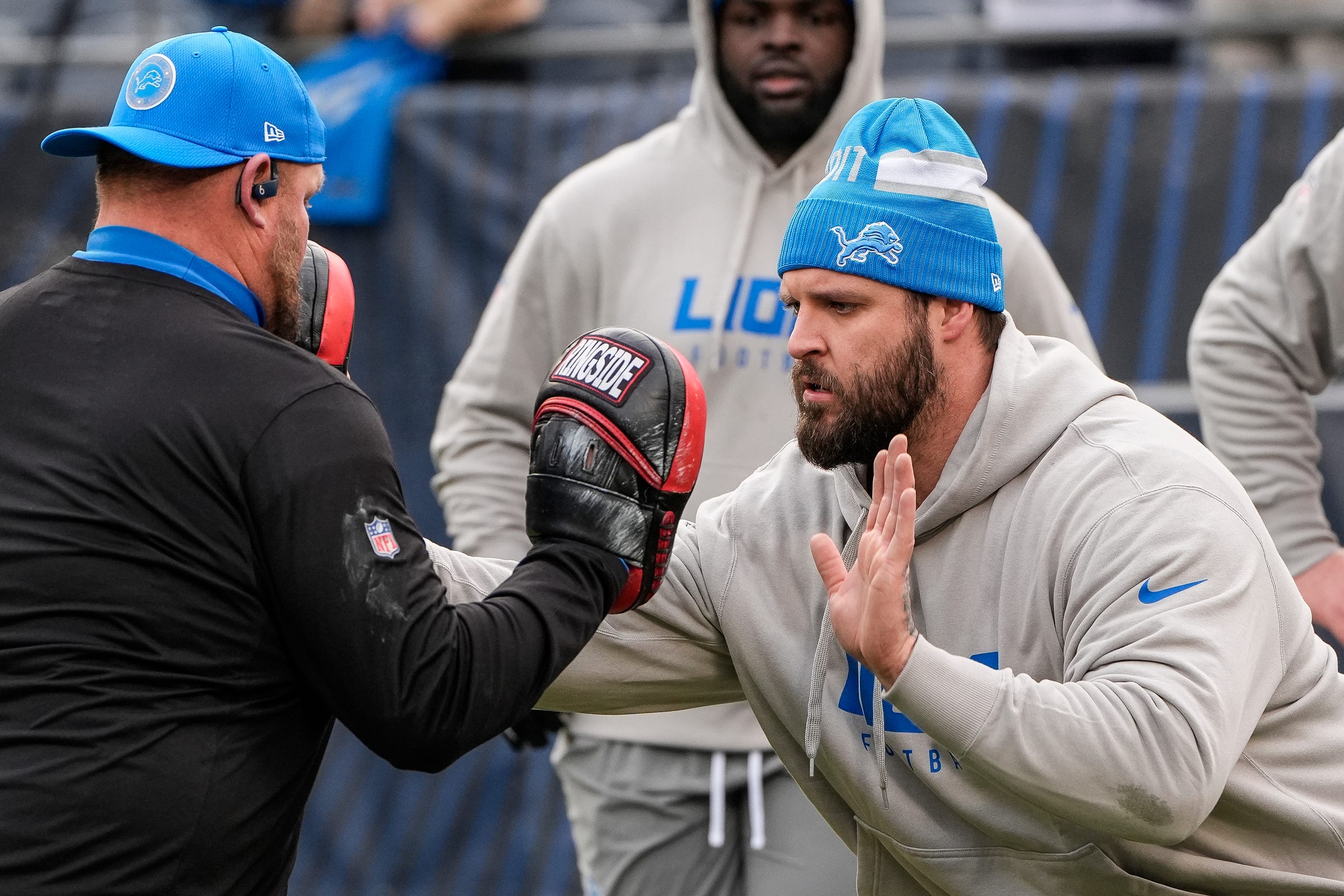
Detroit Lions offensive tackle Taylor Decker (68) warms up before the game between Chicago Bears and Detroit Lions at Soldier Field in Chicago, Ill. on Sunday, Dec. 22, 2024.
Indiana advanced and then passed SB 27, establishing the Northwest Indiana Stadium Authority and outlining a framework that could provide up to roughly $1 billion in public financing for a stadium project near Wolf Lake in Hammond. The Bears called that legislative move “the most meaningful step forward in our stadium planning efforts to date,” a statement echoed in national and league coverage. While Illinois debates amendments and political trade‑offs, Indiana already has a legislative structure in place to support a new, enclosed stadium. The Bears have committed publicly to completing site‑specific due diligence in Hammond, which signals that the Indiana option is an active, advanced scenario rather than a simple negotiating bluff.
The $2 Billion Bet
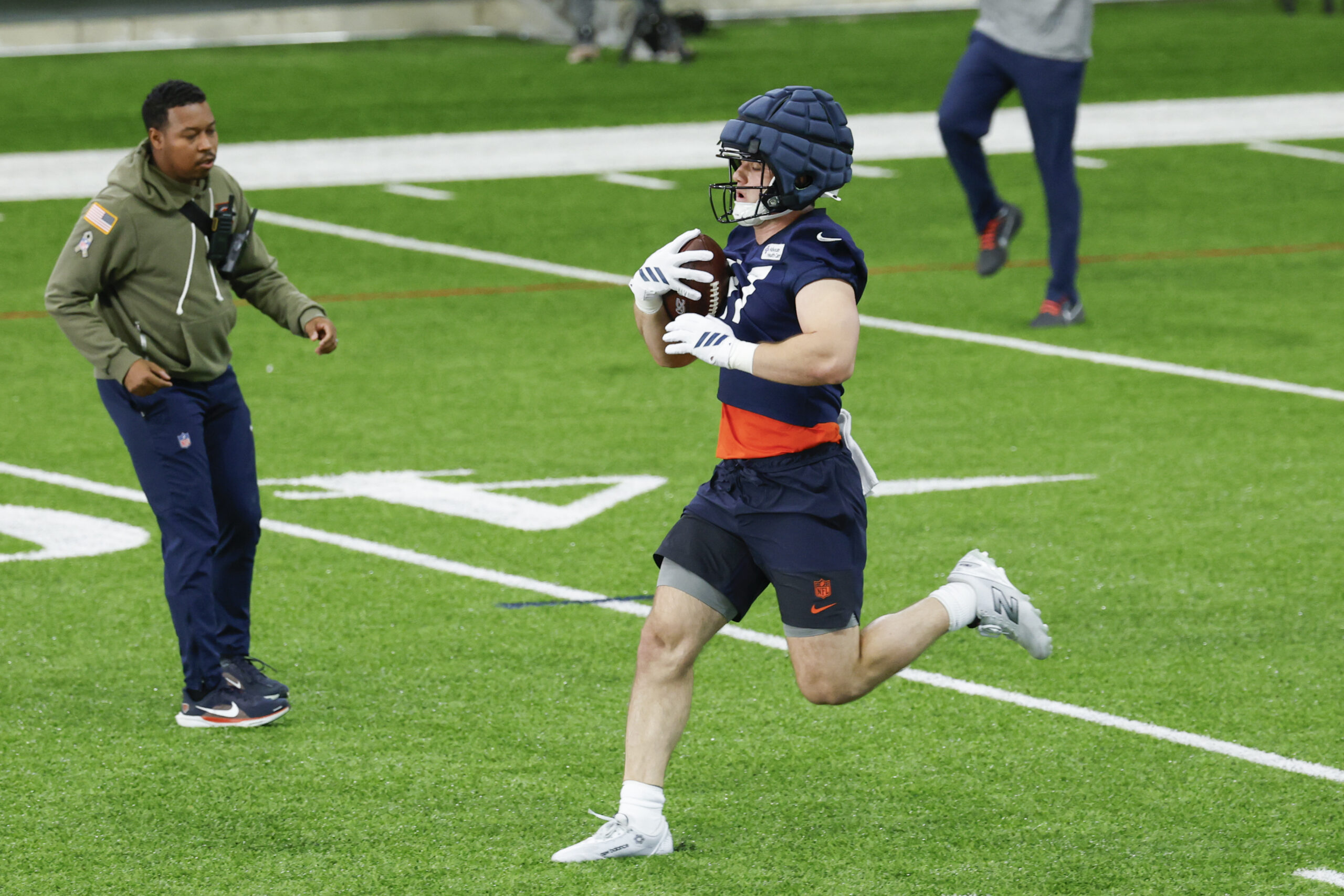
May 8, 2026; Lake Forest, IL, USA; Chicago Bears tight end Sam Roush (87) runs with the ball during Rookie Minicamp at Halas Hall. Mandatory Credit: Kamil Krzaczynski-Imagn Images
The Indiana proposal contemplates a roughly $2 billion investment from the Bears, as emphasized by Indiana House Speaker Todd Huston, paired with up to about $1 billion in public financing from the state and region under SB 27. That creates a stadium package in the neighborhood of $3 billion for a domed facility in Hammond. A project of that scale and design would be aimed at hosting major events such as Super Bowls and NCAA Final Fours, similar to other modern enclosed NFL venues. Bears president and CEO Kevin Warren has reiterated that there is “no set deadline,” but he and the team have repeatedly framed their goal as choosing a site for an enclosed stadium in Illinois or Indiana by late spring or early summer.
May 31 Is the Real Scoreboard
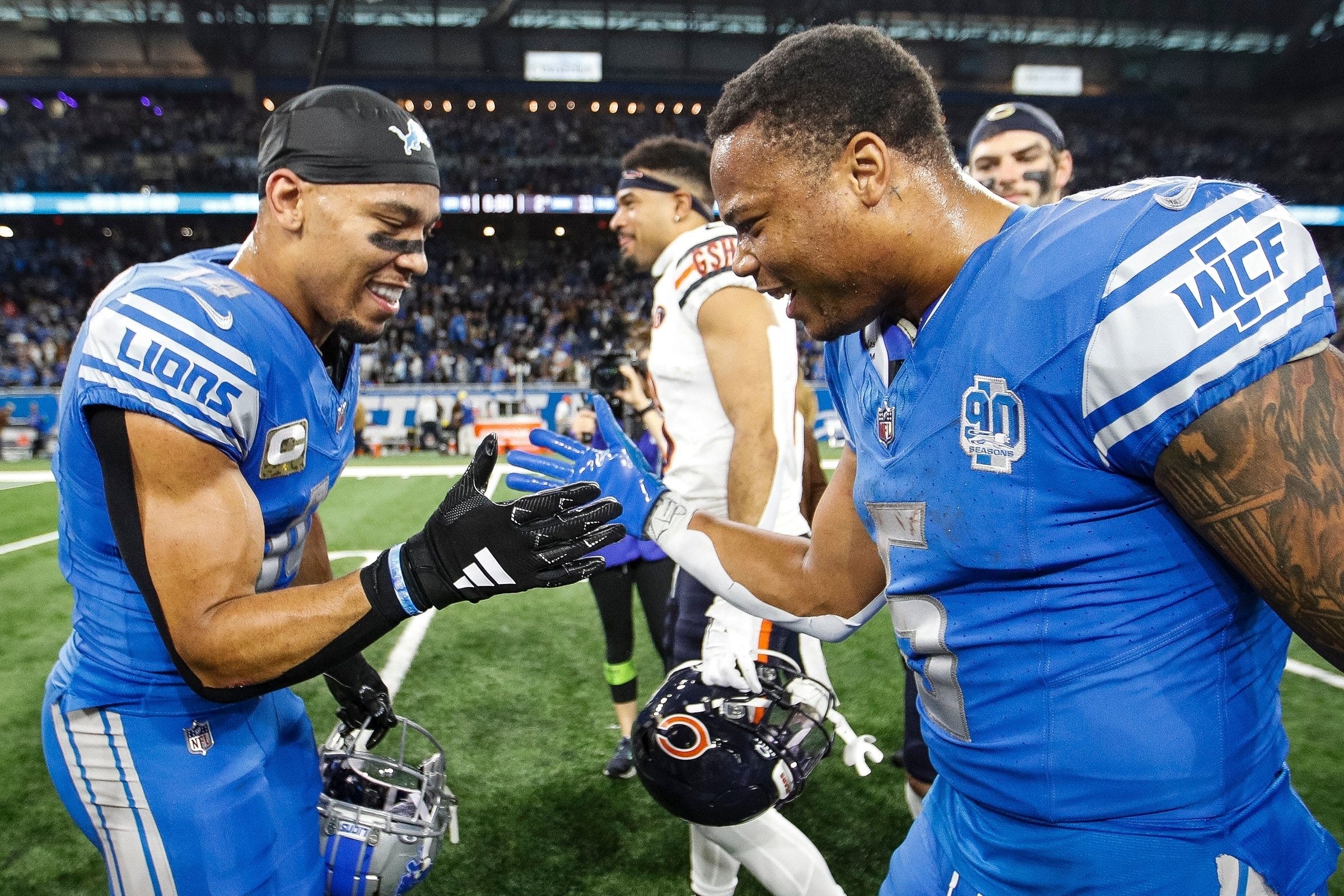
Detroit Lions wide receiver Amon-Ra St. Brown and running back David Montgomery celebrate the 31-26 win over the Chicago Bears at Ford Field in Detroit on Sunday, Nov. 19, 2023.
The Illinois General Assembly’s regular spring session is scheduled to adjourn May 31, a date that lawmakers and league observers are treating as a practical deadline for moving a Bears stadium tax package. After adjournment, legislators lose their most straightforward path to enact the tax‑certainty framework the Bears are seeking for Arlington Heights, likely requiring a special session or more complex negotiations. National, league and local political coverage all describe the end of May as a functional two‑minute warning for Illinois’ ability to match Indiana’s offer. Illinois’ megaprojects bill has cleared the House but still needs Senate approval, the governor’s signature, and the Bears’ agreement on its final terms before it can underpin a stadium deal.
The Tax Certainty Problem

Jan 18, 2026; Chicago, IL, USA; Los Angeles Rams placekicker Harrison Mevis (92) celebrates with punter Ethan Evans (42), offensive tackle David Quessenberry (68) and tight end Davis Allen (87) after kicking the game-winning field goal against the Chicago Bears during overtime of an NFC Divisional Round game at Soldier Field. Mandatory Credit: Matt Marton-Imagn Images
The Bears want long‑term property tax certainty before committing to a massive redevelopment at Arlington Heights, where they own about 326 acres at the former Arlington Park site. Illinois’ megaprojects bill attempts to deliver that security through a payment‑in‑lieu‑of‑taxes structure, available to large developments meeting a threshold of at least $100 million in investment. The team has already signaled that the current version of the bill still needs changes for the Bears to be comfortable moving forward. Indiana, by contrast, built SB 27’s financing framework specifically around attracting a Bears stadium to Hammond, with lawmakers explicitly tailoring tax and bonding tools to the project. One state legislated directly to the franchise’s requests; the other is still refining its approach as the calendar tightens.
What Illinois Stands to Lose
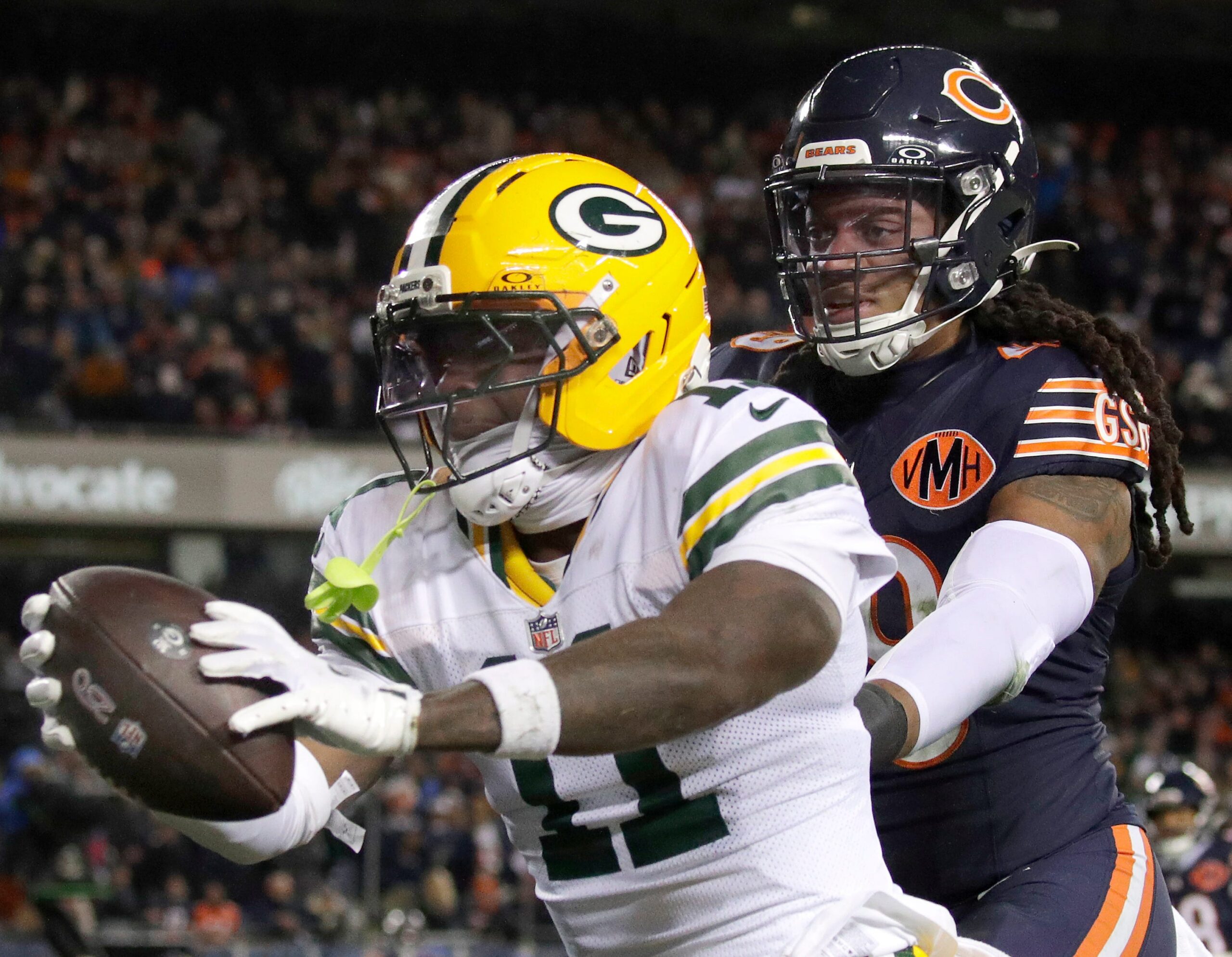
Green Bay Packers wide receiver Jayden Reed (11) scores a toucdown against Chicago Bears linebacker Tremaine Edmunds (49) during their wild-card playoff football game Saturday, January 10, 2026, at Soldier Field in Chicago, Illinois. Wm. Glasheen /USA TODAY NETWORK-Wisconsin.
Losing the Bears to Indiana would not just cost Illinois a professional football team; it would shift construction jobs, long‑term stadium employment, and associated tax revenues tied to game days and major events across the border. A modern enclosed stadium in Hammond could put Indiana, rather than Illinois, in line to host Super Bowls, Final Fours and other large‑scale events that drive hotel stays, restaurant spending and media attention. It would also alter the civic identity of a franchise that has been woven into Chicago’s story since the early decades of the NFL. Indiana, meanwhile, would gain the political and symbolic bragging rights of landing an NFL team from a neighboring state. Illinois lawmakers such as Rep. Kam Buckner have pushed back on framing May 31 as an absolute hard deadline, but even they concede that action on a Bears deal “needs to happen sooner rather than later.”
A Precedent With Teeth
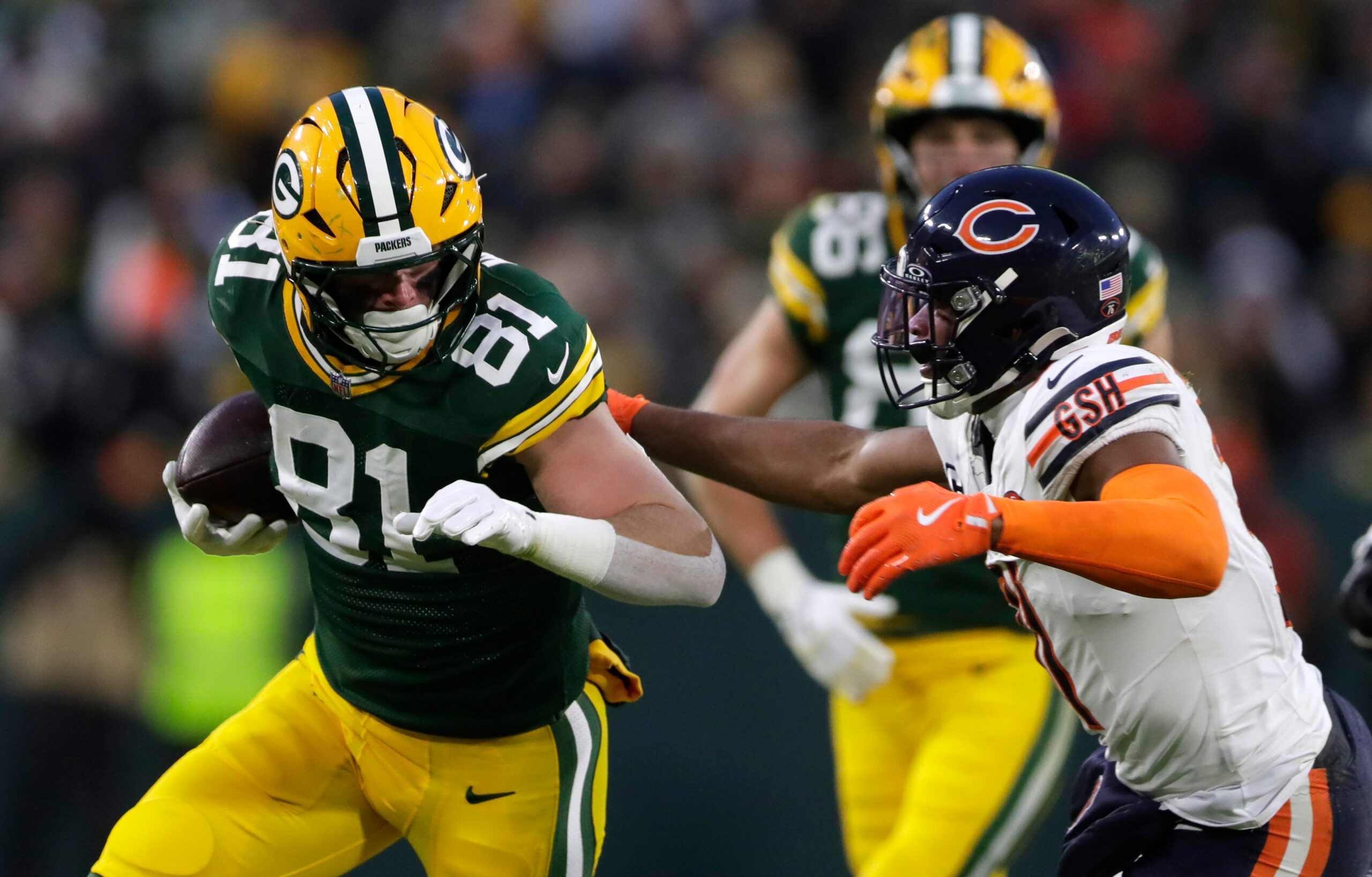
Green Bay Packers tight end Josh Whyle (81) runs the ball during a football game against the Chicago Bears on Dec. 7, 2025, at Lambeau Field in Green Bay, Wis. The Packers defeated the Bears 28-21.
If Indiana ultimately lands the Bears, every NFL franchise stuck in a stadium stalemate would have a fresh example of using a neighboring state’s tailored legislation as leverage. Owners in older or publicly unpopular venues could point to Hammond and argue that a state turned around a bespoke stadium bill and financing authority in just a few legislative steps. That does not guarantee similar deals elsewhere, but it would shift expectations in negotiations over who pays, how quickly governments move, and how much risk public entities assume. Illinois is not just fighting for one franchise; it is trying to avoid becoming the cautionary tale that rewrites how cities and states across the country approach professional sports stadiums. The Bears’ stated late spring decision window makes this month the hinge point for which state ends up writing that next chapter.
The Senate Bottleneck

Chicago Bears wide receiver DJ Moore (2) runs for a touchdown in the fourth quarter of the NFL football game between Chicago Bears and Cincinnati Bengals at Paycor Stadium in Cincinnati on Nov. 2, 2025.
The Illinois House moved its megaprojects bill forward with a clear majority, but the Senate has emerged as the central chokepoint. Divisions among senators over the bill’s property‑tax structure, its impact on local school districts and homeowners, and the optics of large incentives for an NFL franchise have slowed progress. Governor J.B. Pritzker and legislative leaders now face a sprint with only days of real negotiating time left before the scheduled May 31 adjournment. Meanwhile, the Bears’ due diligence in Hammond and their public reaffirmation that only Arlington Heights and Hammond are on the table continue in parallel. Every day the Illinois bill sits in committee or caucus talks is a day that Indiana’s already‑enacted framework remains available and clearly defined.
Fourteen Days That Reshape the Midwest
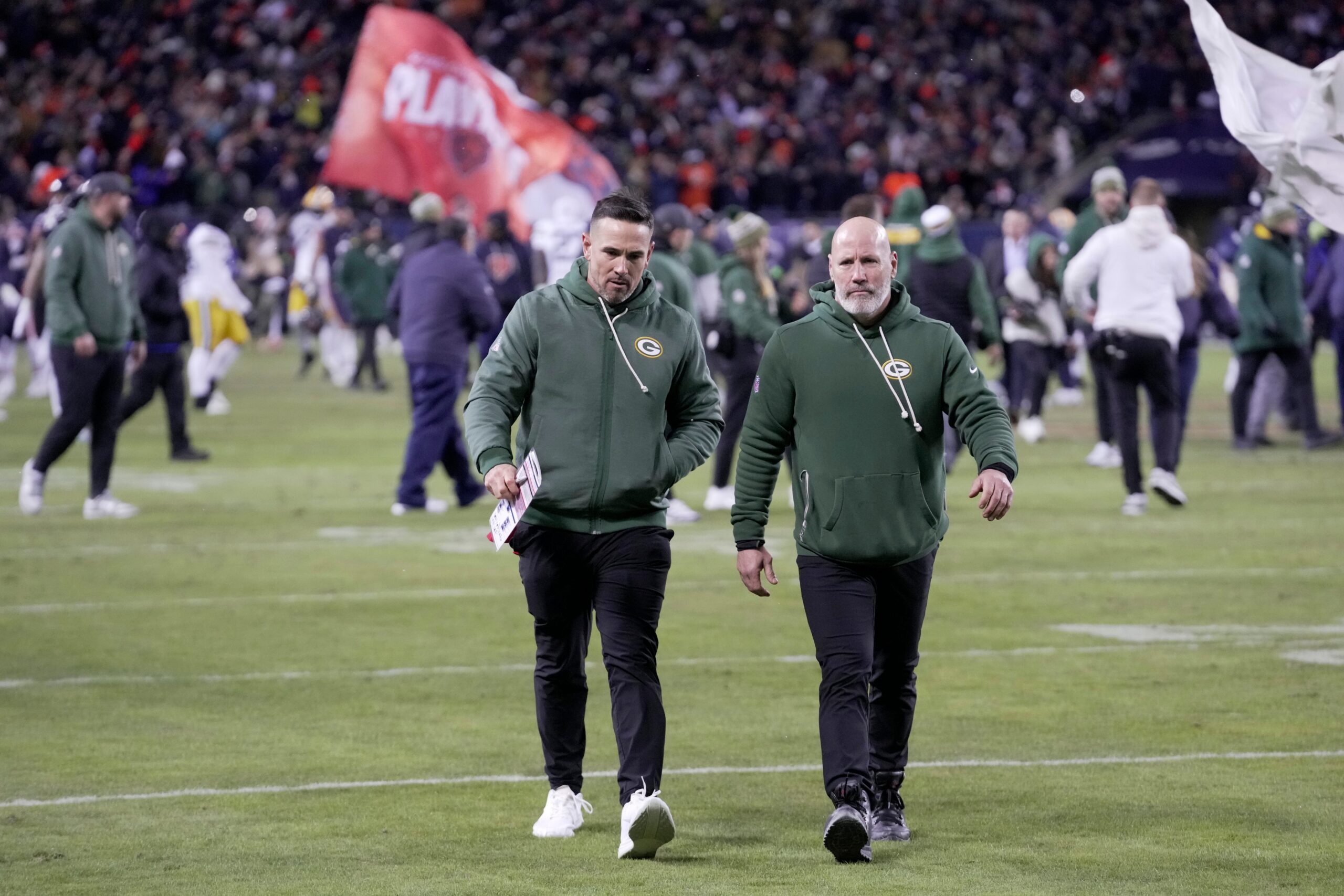
Green Bay Packers head coach Matt Lafleur, left, walks off the field after their wild card playoff game Saturday, January 10, 2026 at Soldier Field in Chicago, Illinois. The Chicago Bears beat the Green Bay Packers 31-27.
With the Illinois General Assembly’s spring session set to adjourn May 31, lawmakers inside the Capitol are treating the final two weeks of May as their realistic window to deliver a Bears stadium tax plan. Kevin Warren continues to frame the franchise’s decision timetable as late spring to early summer, aligning the legislative clock in Springfield with the Bears’ internal timeline. Indiana’s stadium authority and funding framework through SB 27 are already in place and endorsed by state leaders, ready for the team to plug into. Illinois’ proposal, by contrast, is still being negotiated in the Senate and adjusted in response to team feedback and political concerns. The Bears are not waiting for anyone to catch up; the next two weeks will show whether Illinois can move as swiftly as Indiana did, or whether the state will watch as its century‑old NFL franchise chooses a new home across the border. What do you think the Bears should choose: a secure tax deal in Arlington Heights or a brand‑new domed stadium across the border in Hammond?