
September 17, 2026. Orchard Park, New York. The lights will hit a $2.2 billion stadium nobody has watched a regular-season snap inside. The Buffalo Bills will host the Detroit Lions on Thursday Night Football, and roughly 60,000 fans will pack a venue that took 52 years of loyalty to earn. The old place held 71,000. This one, somehow, will hold fewer. And if you don’t live in Buffalo or pay Amazon monthly, you won’t see a single play.
Fifty-Two Years, Gone Overnight
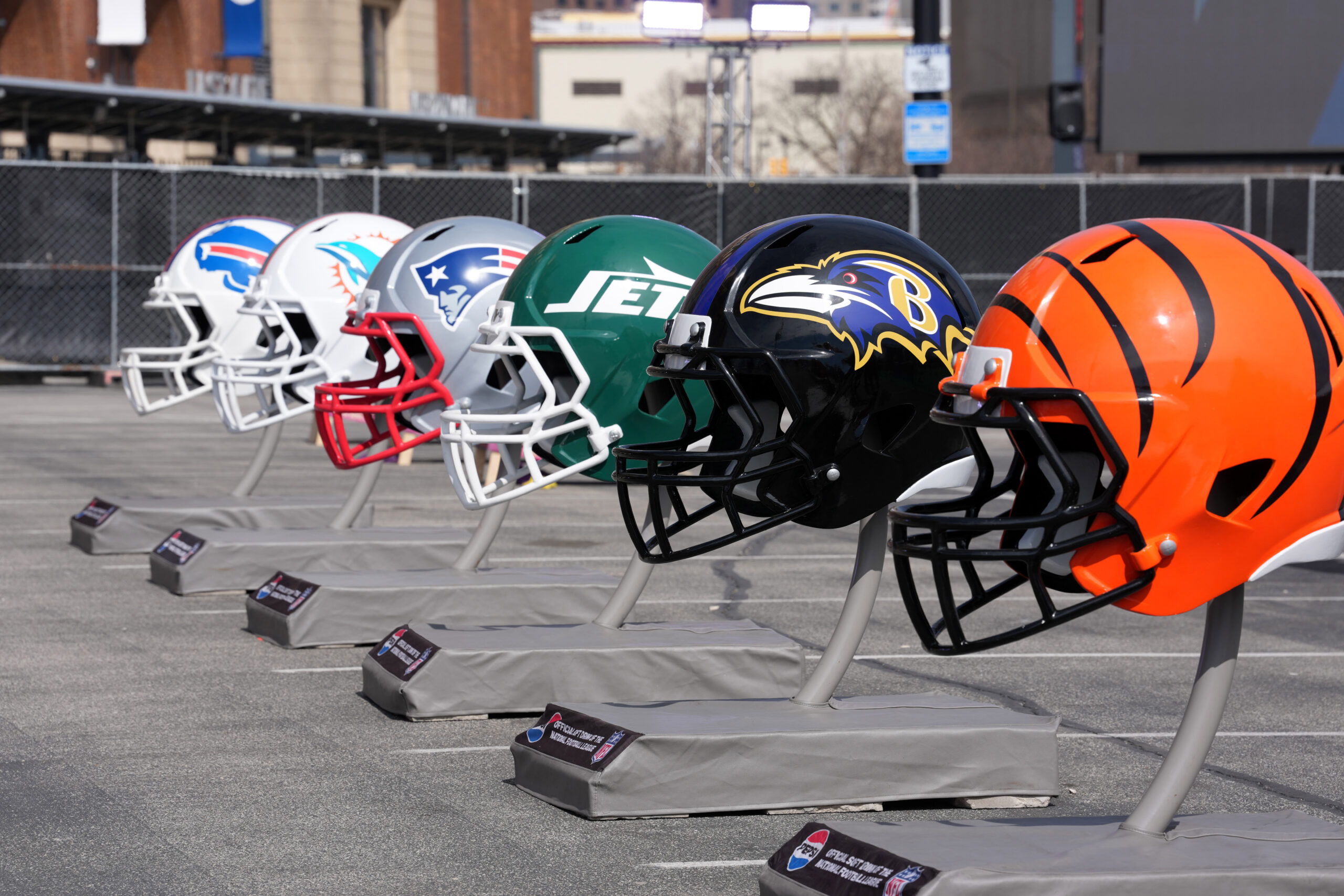
Feb 26, 2026; Indianapolis, IN, USA; Large helmets of the Cincinnati Bengals, Baltimore Ravens, New York Jets, New England Patriots, Miami Dolphins and Buffalo Bills during the NFL Scouting Combine at Lucas Oil Stadium. Mandatory Credit: Kirby Lee-Imagn Images
The Bills played at the old Highmark Stadium for over half a century. Generations of families cycled through those seats. Frank Reich once recalled the 1985 season, when the team went 2-14 and “there were 10,000 people in the stadium for a home game.” Buffalo stuck around anyway. They filled that building through blizzards and playoff heartbreaks, through four straight Super Bowl losses. The reward for that loyalty is a brand-new stadium with roughly 11,000 fewer seats than the one they packed.
Bigger Building, Smaller Crowd
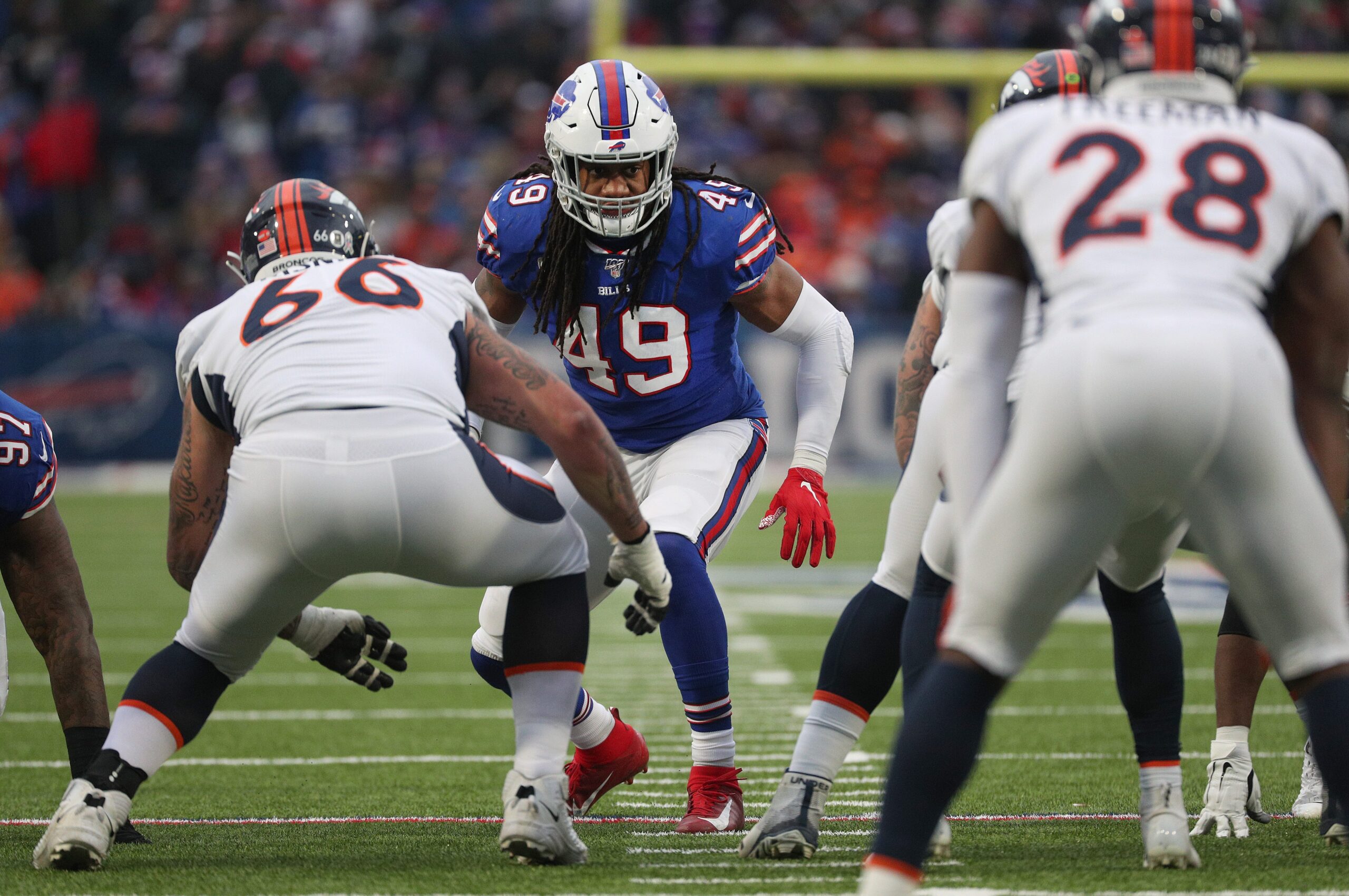
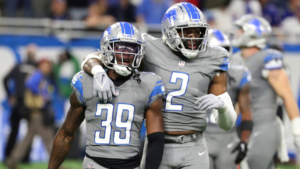
Bills linebacker Tremaine Edmunds looks to blitz against the Broncos. Jg 112419 Bills 39
Here’s what $2.2 billion bought: 1.7 million square feet of stadium, up from 1.1 million. A 54% increase in physical space. Advanced snow-melt heating systems triggered by sensors the moment flakes fall. And a seating capacity of about 60,000, down from approximately 71,000. The building got bigger. The crowd got smaller. That math only works if you stop thinking of seats as places for fans and start thinking of them as revenue units. Every PSL for the new venue sold out before opening night.
The $2.2 Billion Shrink
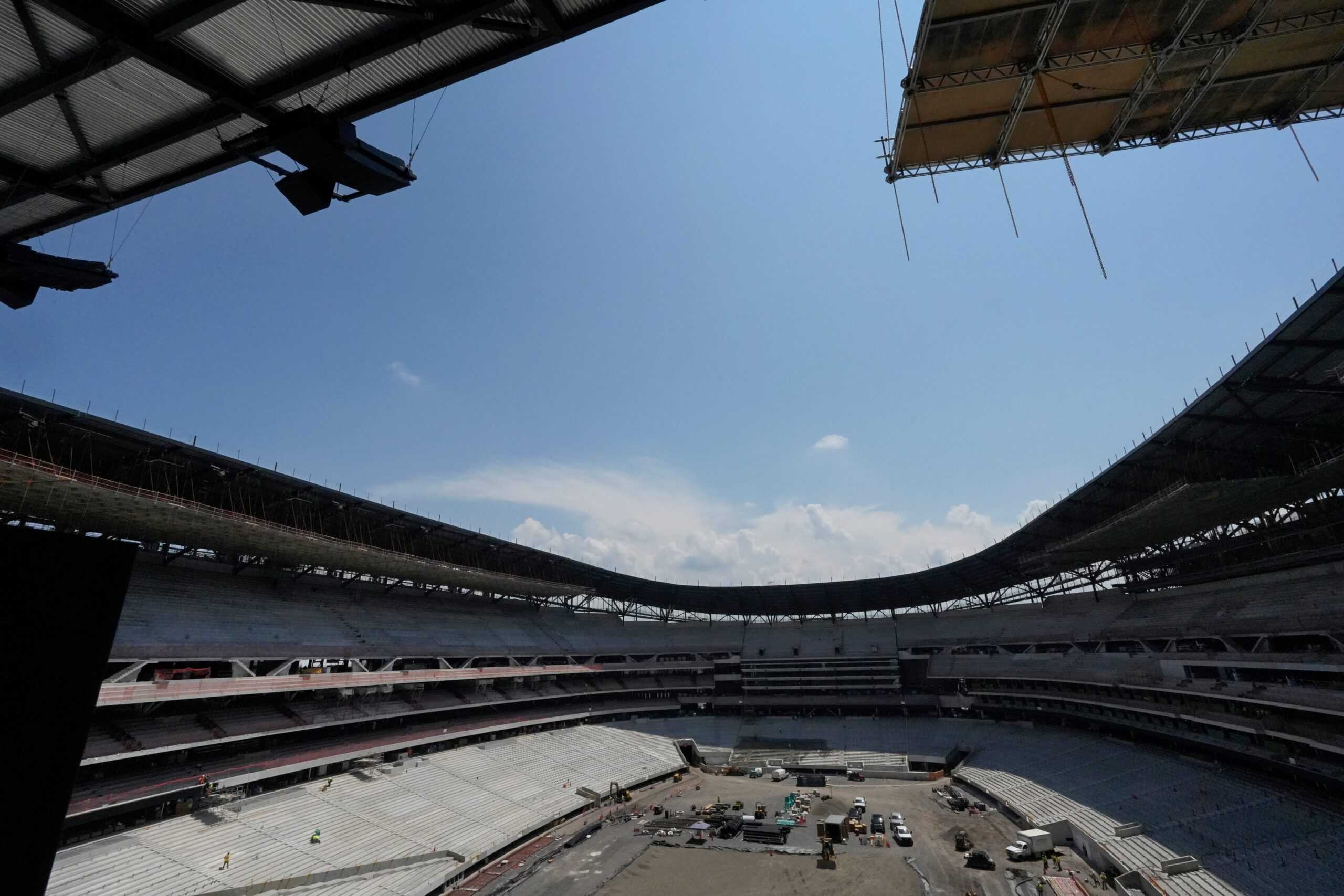
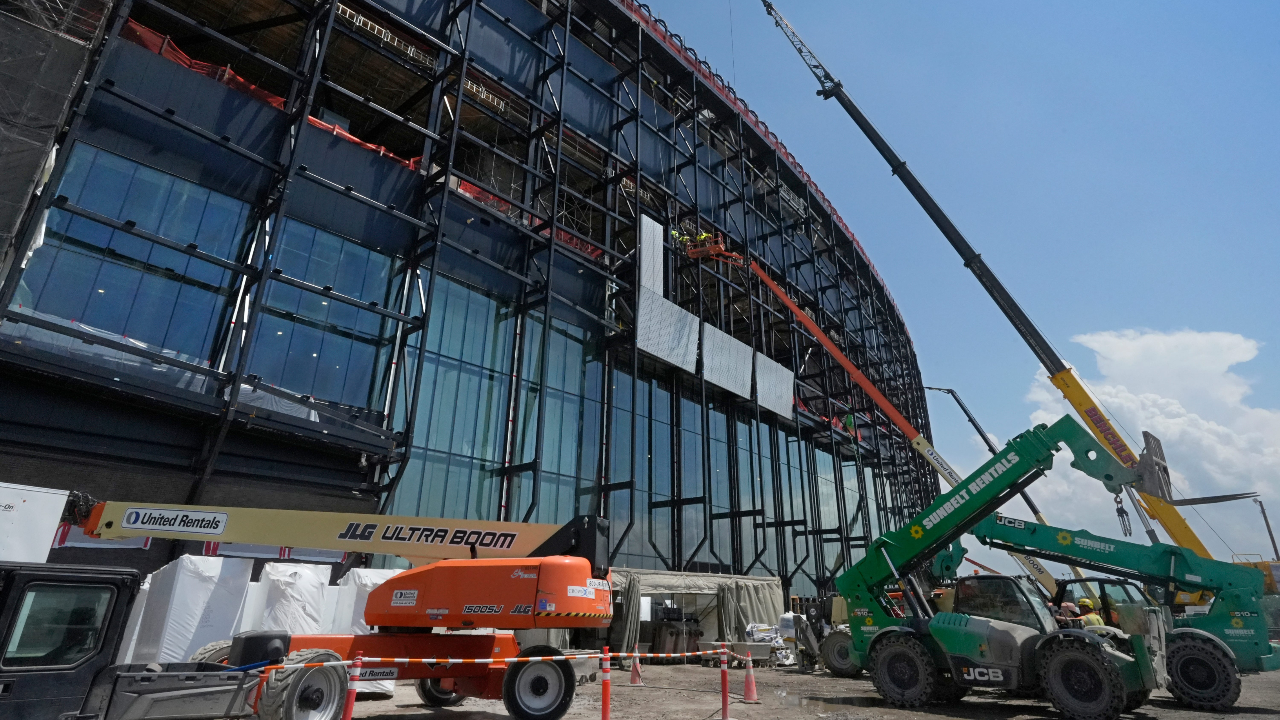
Construction continues on the Buffalo Bills new stadium, across the street from their current home at Highmark Stadium, in Orchard Park, NY Thursday, July 10, 2025. This is the view from one of the end zone’s looking out into the stadium.
Massive investment is supposed to expand access. That’s the assumption everyone carries. Spend more, build more, serve more. The new Highmark Stadium flips that logic on its head. The Bills spent a record-setting sum and deliberately reduced capacity by roughly 15%. More square footage per fan. More luxury suites. More corporate boxes. Fewer actual human beings in the building. The space that once held 11,000 additional fans now holds premium amenities for people willing to pay premium prices.
The Paywall on Top of the Paywall
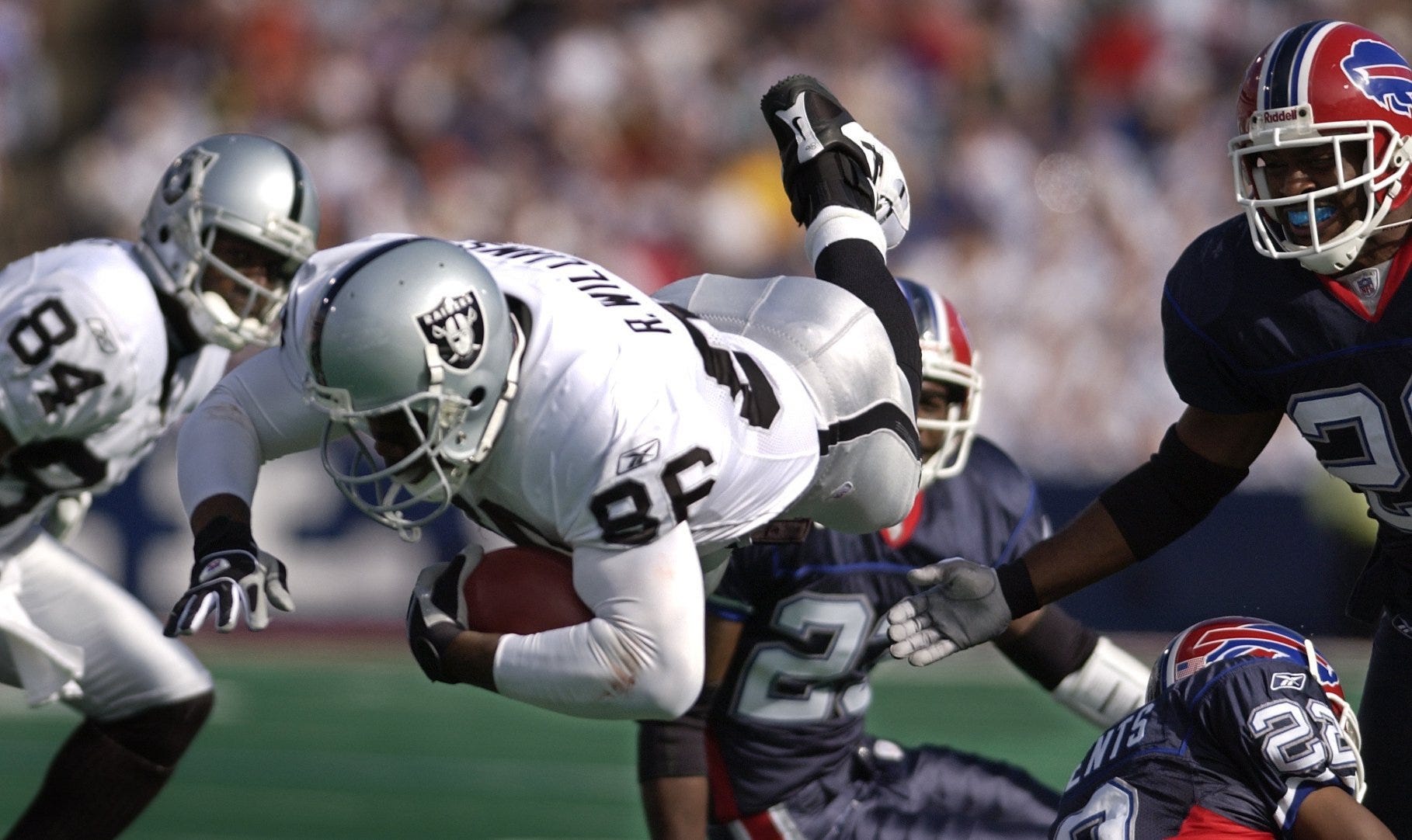
Oakland Raiders tight end, and former East High player, Roland Williams, flies through the air after being tripped up on his lone reception during the Raiders game against the Buffalo Bills Sunday, Oct. 6, 2002 in Orchard Park.
Can’t get a seat? Fine, watch from home. Except the inaugural game will stream exclusively on Amazon Prime Video. That’s $8.99 a month minimum, or $139 annually. Already paying around $480 a year for YouTube’s NFL Sunday Ticket? Doesn’t matter. Thursday Night Football lives on a separate platform. Two subscriptions. Two paywalls. One game. Local over-the-air broadcast will cover Buffalo only. Everyone else will pay or miss the first snap of a new era entirely. The access model mirrors luxury apartment development: fewer units, higher price, reduced inventory.
The Numbers Behind the Curtain
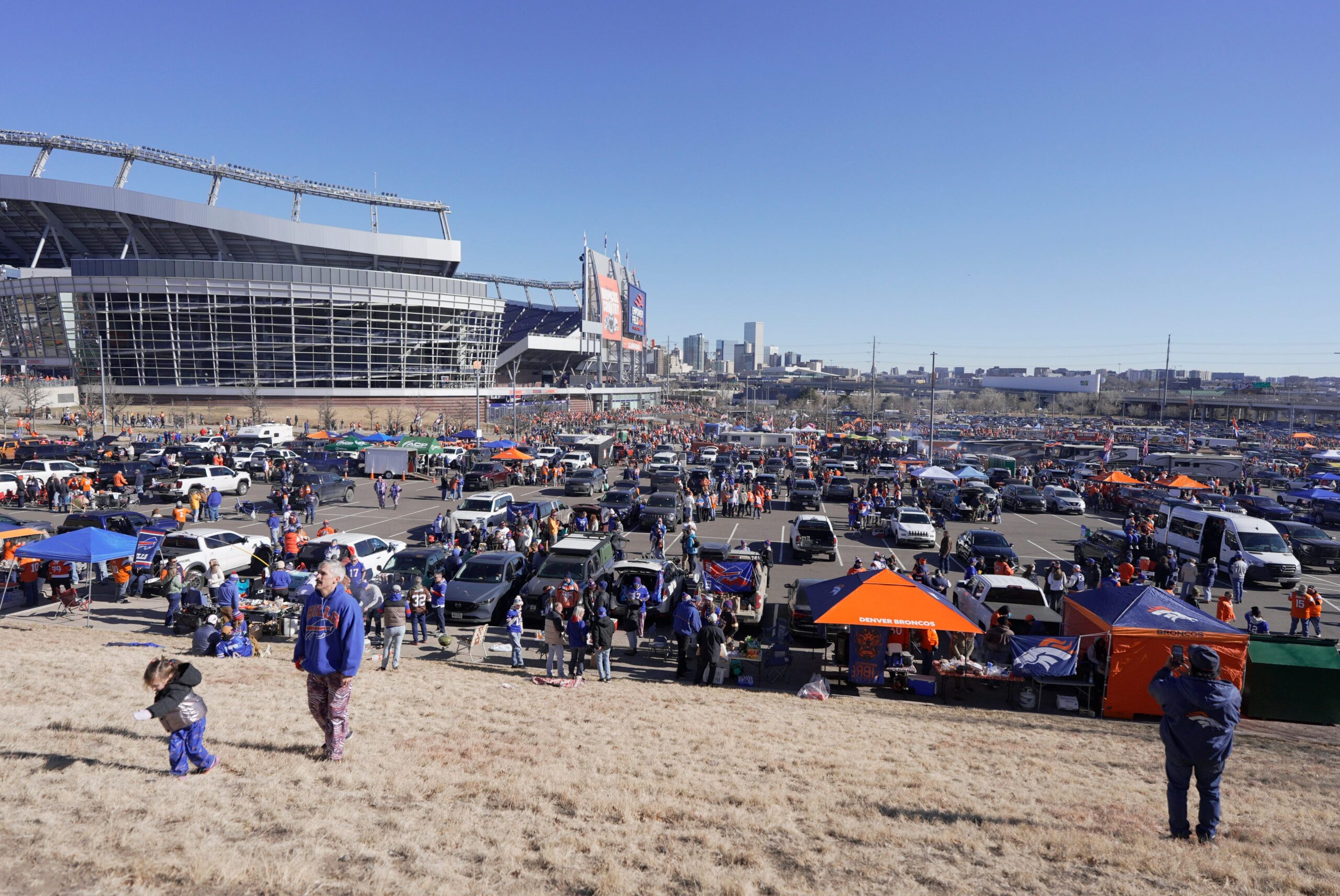
The parking lot is full of people tailgating outside Empower FIeld at Mile High in Denver on Jan. 17, 2026, where the Buffalo Bills were to play the Denver Broncos.
Stadium size grew 54%. Seating capacity dropped roughly 15%. That disproportion tells the entire story of modern NFL economics. The extra 600,000 square feet went to premium lounges, wider concourses, and corporate hospitality, not additional seats. Meanwhile, out-of-market fans face an estimated $480-plus annual minimum just for Sunday Ticket, then another $139 for Prime Video access to Thursday games. The old model charged you once for a ticket and once for cable. The new model charges you in layers.
Who Loses When the Seats Disappear
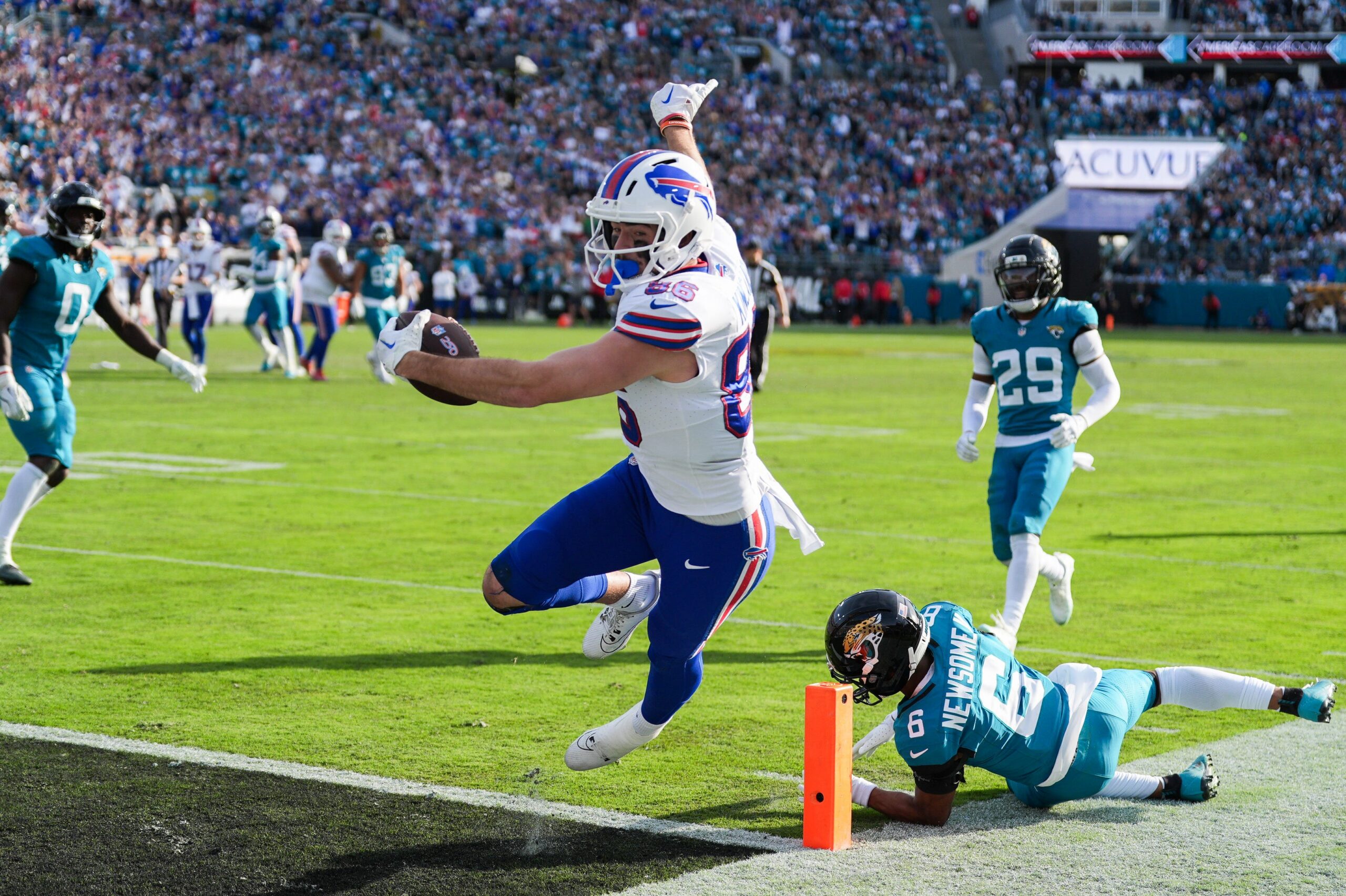
Buffalo Bills tight end Dalton Kincaid (86) scores a touchdown during the fourth quarter in an NFL football AFC Wild Card playoff matchup, Sunday, Jan. 11, 2026, in Jacksonville, Fla. Bills lead 10-7 at the half over the Jaguars. The Bills defeated the Jaguars 27-24.
Fewer seats means fewer fans spending money at restaurants, bars, and hotels around Orchard Park on game day. That’s thousands of missing transactions eight Sundays a year, plus playoffs. The secondary ticket market is set to surge because PSL holders control the primary supply. Working-class season-ticket holders who filled the old stadium through 2-14 seasons will now compete against corporate buyers on resale platforms. The Bills won a Wild Card game over Jacksonville last season. They lost to Denver 33-30 in overtime in the Divisional Round. The fanbase earned this stadium. The pricing model doesn’t care.
The Blueprint Other Teams Will Copy
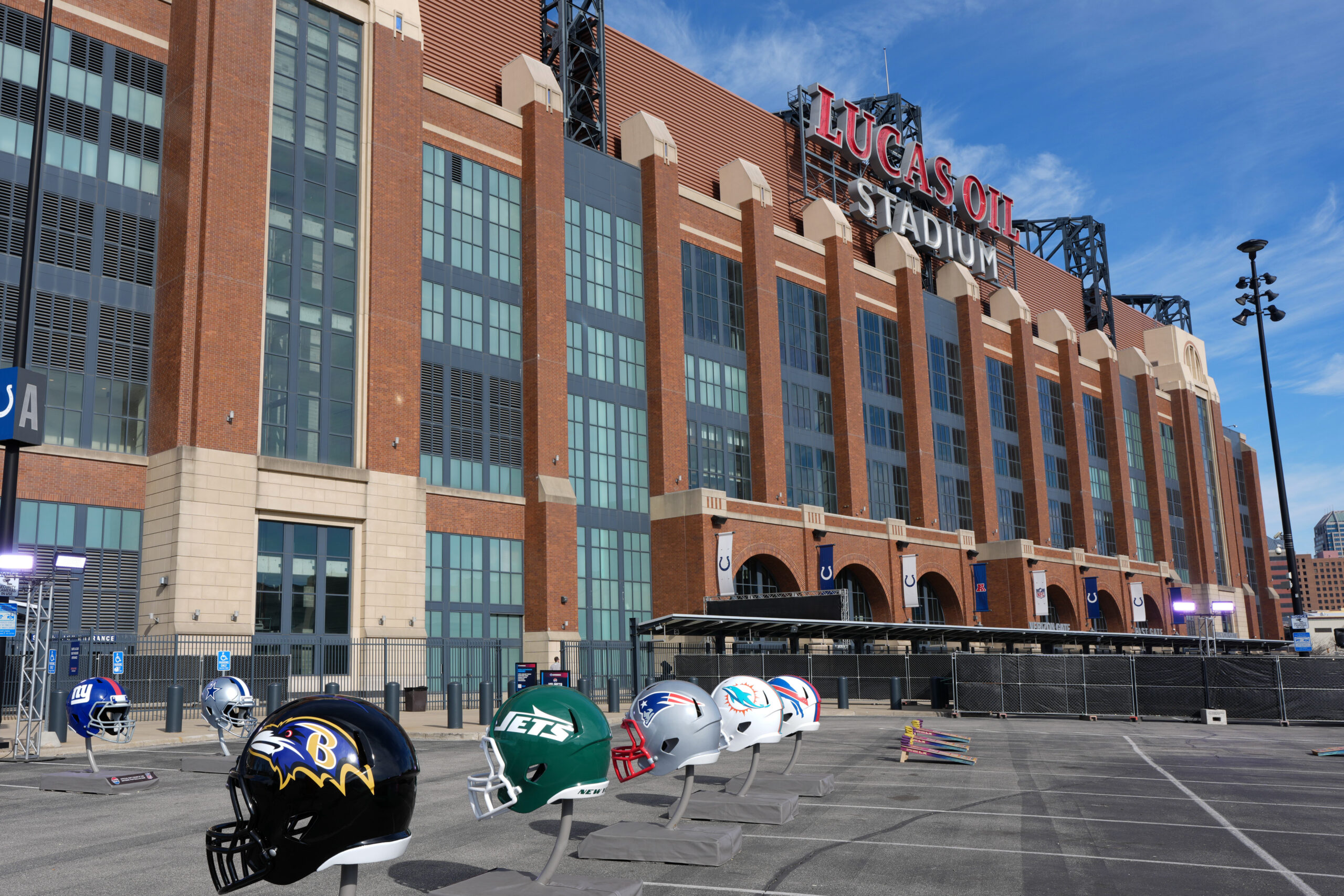
Feb 28, 2026; Indianapolis, IN, USA; Large Baltimore Ravens, New York Jets, New England Patriots, Miami Dolphins and Buffalo Bills helmets at the NFL Scouting Combine Experience at Lucas Oil Stadium. Mandatory Credit: Kirby Lee-Imagn Images
Buffalo just proved something the rest of the league noticed: you can cut 11,000 seats, sell out every PSL, lock the broadcast behind a streaming subscription, and still call it progress. Cold-weather franchises in Green Bay, Minnesota, and Kansas City are watching. The NFL has established that a new stadium debut can be an exclusive-streaming event. Once you see that pattern, you can’t unsee it. Capacity reduction dressed as “premium experience” is becoming the standard, not the exception. The Lions, historically 4-8-1 against Buffalo, walk into a template.
The Subscription Trap Tightens

Fans surround Buffalo Bills safety Damar Hamlin at Acrisure Stadium, Friday April 24, 2026 in Pittsburgh, Pa. Damar Hamlin, the NFL and the American Heart Association are trying to break the world record of 4,000 people trained in hands only CPR.
Streaming was supposed to replace the bloated cable bundle. Instead it has rebuilt the same problem across more platforms at higher total cost. Amazon owns Thursday nights. YouTube owns Sunday Ticket. Local affiliates own Sunday afternoons, for now. Following one NFL team across a full season now requires three to four simultaneous subscriptions. The September 17 opener will launch Amazon’s entire 2026 TNF slate, and any technical failure would damage the platform’s credibility with the league. The stakes for Amazon are enormous. The cost for fans keeps climbing.
The First Generation Priced Out
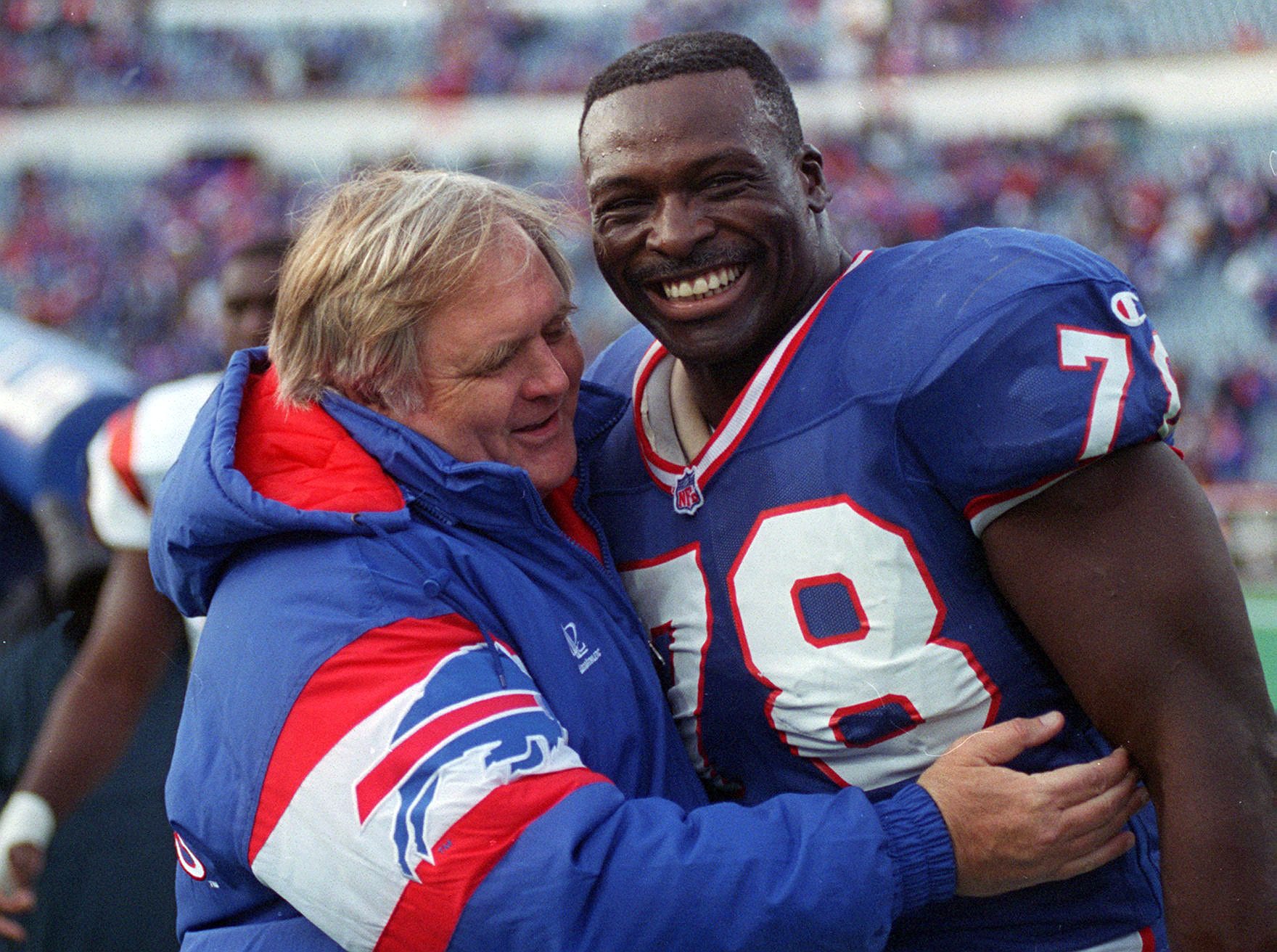
Buffalo Bills defensive end Bruce Smith is hugged by defensive coordinator Wade Phillips after a win over the Cincinnati Bengals in 1996. The sack moved Smith into second place on the NFL’s all-time sacks list.
In 1985, 10,000 people showed up because the product was bad. In 2026, thousands won’t show up because the access model won’t let them. That’s the shift nobody in the league office will say out loud. The Bills built a $2.2 billion monument to modern football and made it harder to enter, harder to watch, and more expensive to follow than the 52-year-old building it replaced. State and local officials who helped finance the project may eventually ask who this stadium actually serves. The fans who built this franchise already know the answer. Bills fans: did you keep your seats, get priced out, or give up on watching the opener entirely? Sound off below.