
The Cleveland Browns needed a quarterback. Everybody knew it. The supplemental draft loomed as a possible path to a name with arm talent, college production, and the kind of upside that makes front offices talk themselves into bad decisions. Todd Monken looked at the file, looked at the résumé, and didn’t flinch. He called it a “slippery slope.” Then he made his reluctance public. The name was Brendan Sorsby, and what sat inside that file made the football part feel almost irrelevant before the conversation could even start.
The Number That Shadowed His Draft Stock
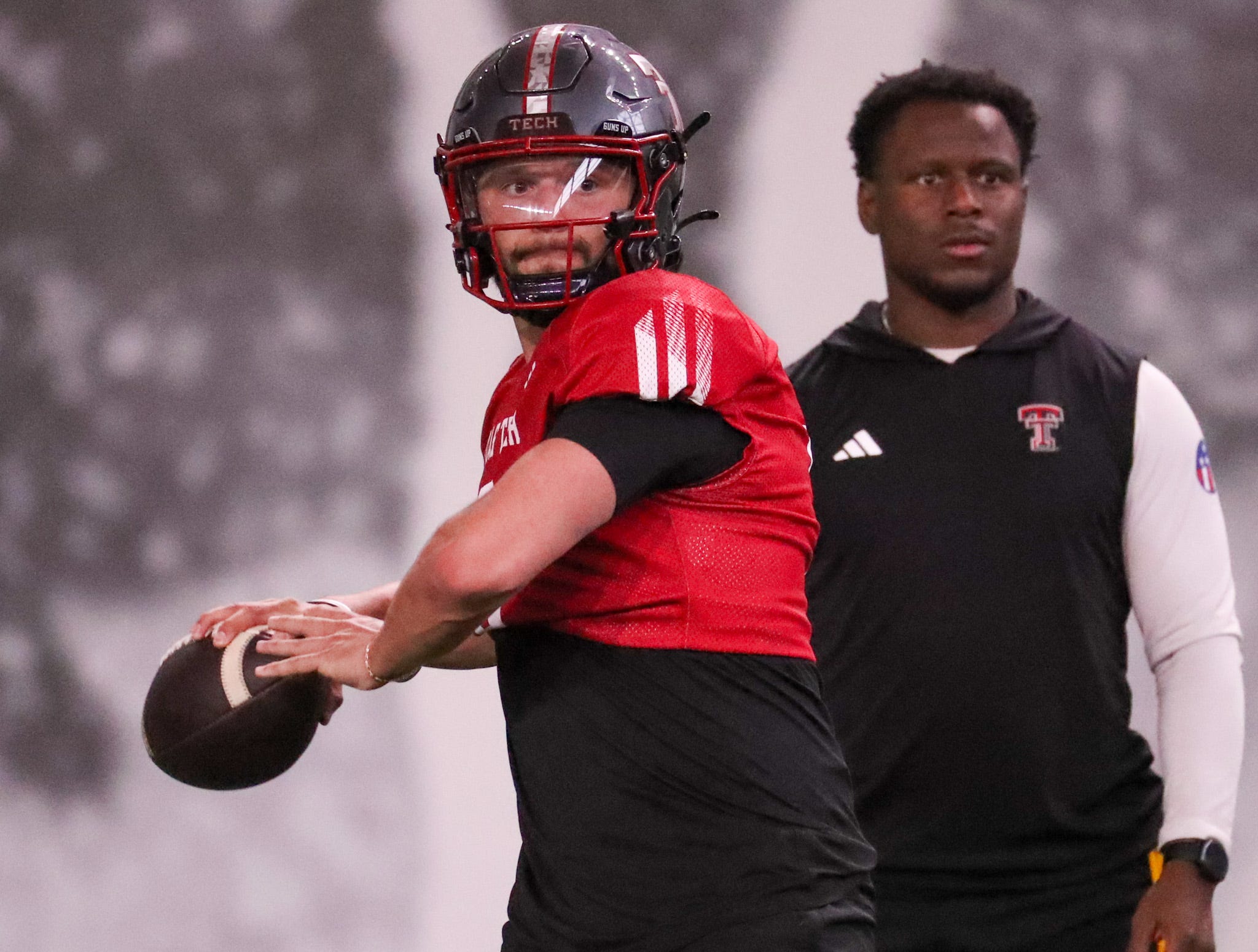
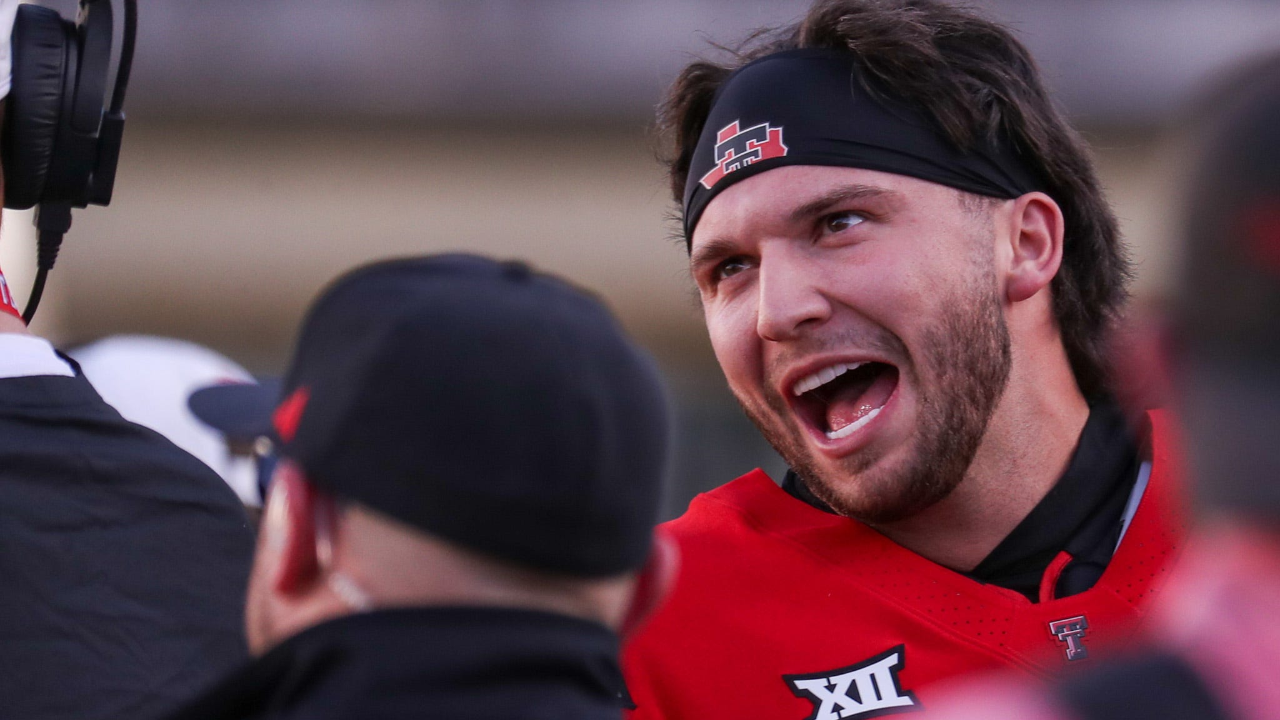
Texas Tech’s Brendan Sorsby goes through a drill during spring football practice, Tuesday, March 24, 2026, at the Womble Football Center.
Court documents filed in district court in Lubbock, Texas, laid it bare. Brendan Sorsby admitted to placing at least 2,900 bets totaling more than $30,000 while enrolled at Indiana University between June 2022 and December 2023. That’s not a weekend habit. That’s roughly five bets a day for eighteen months straight. The sheer volume turned a character concern into something closer to a compulsion — and Sorsby himself has since acknowledged a diagnosed gambling addiction, disclosing that he completed a 35-day inpatient rehabilitation program in Arizona. Across his full college career at Indiana, Cincinnati and Texas Tech, the wagering reportedly approached $90,000.
He Bet on His Own Team
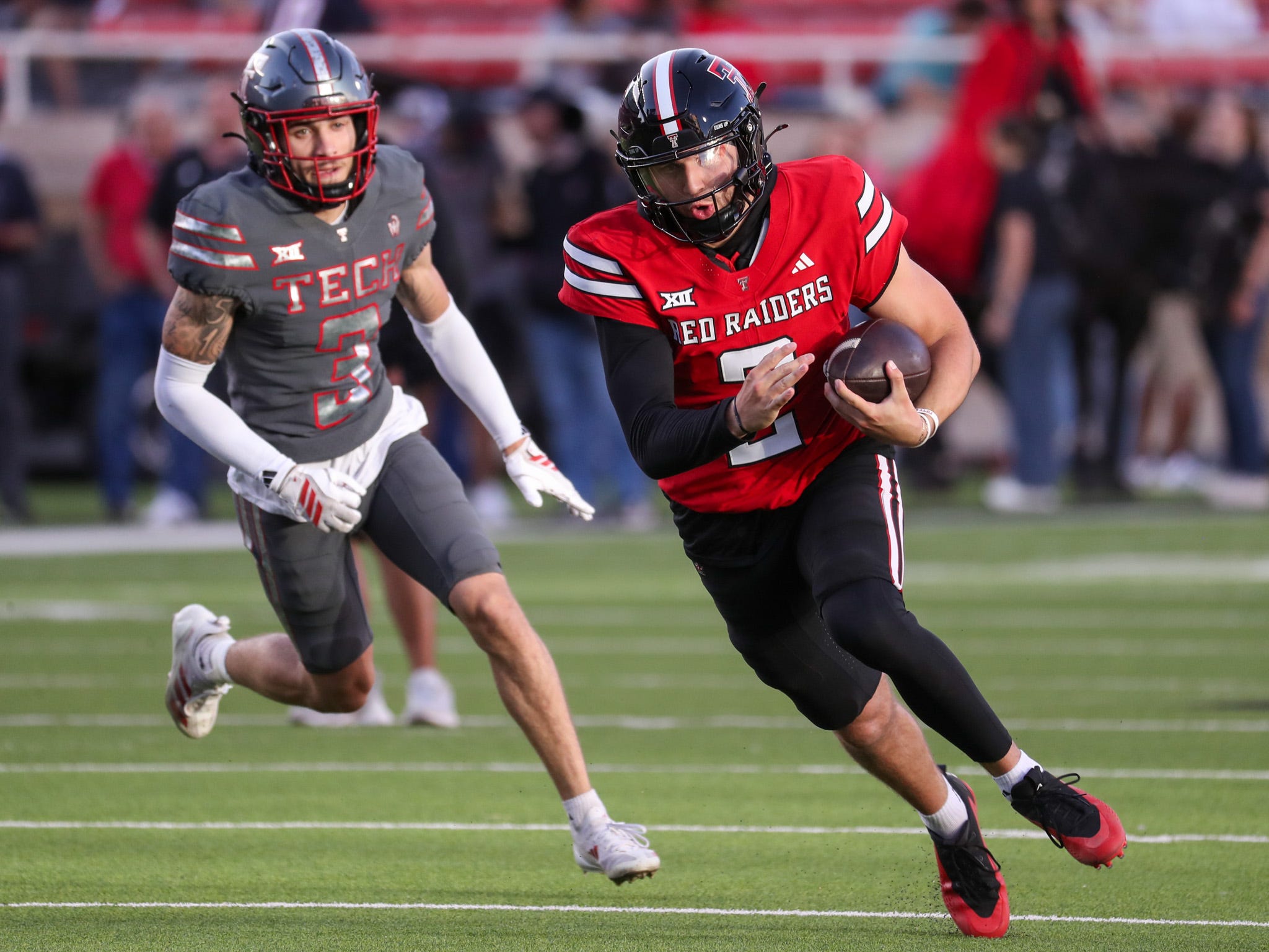
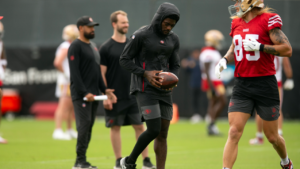
Brendan Sorsby runs with the ball during the Texas Tech football team’s spring game, Friday, April 17, 2026, at Jones AT&T Stadium.
Of those Indiana-era wagers, at least 40 targeted Indiana Hoosiers games and players. Bets ranged from $1 to $114, totaling at least $850 on his own program during a two-month stretch in 2022, when he was a redshirt scout-team quarterback. Crucially, court filings state Sorsby never bet on games he played in or had a legitimate chance of playing in, which keeps this clear of match-fixing territory. But the line between “I didn’t play” and “this is a player who wagered on his own program” is thin enough to worry every compliance officer in professional sports. Cleveland saw that line and stepped back from it.
Monken Didn’t Hide His Hesitation
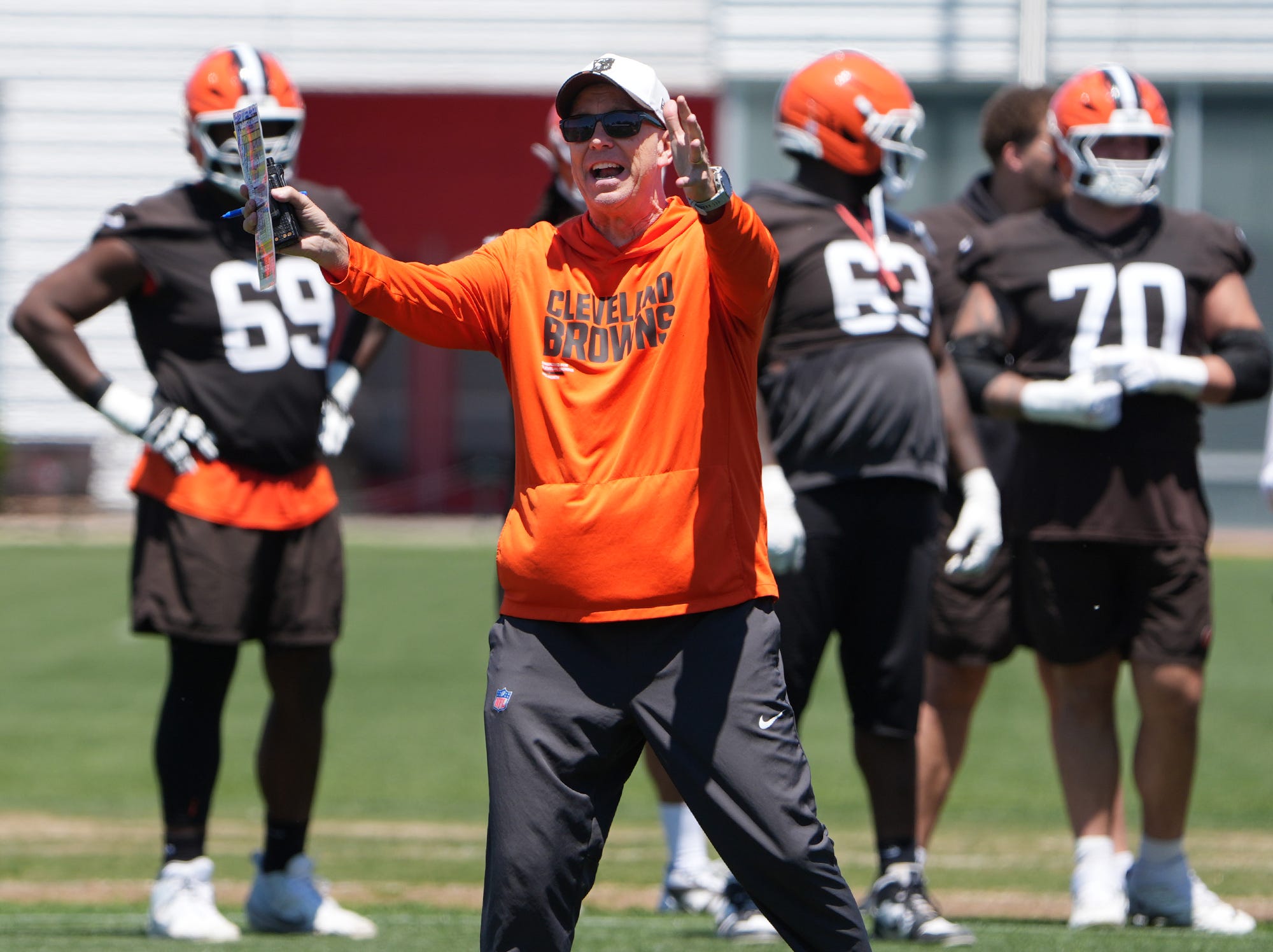
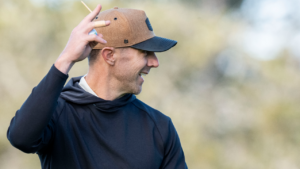
Cleveland Browns head coach Todd Monken calls out to his players during team OTAs at CrossCountry Mortgage Campus of the Cleveland Browns in Berea, Ohio on June 2, 2026.
Browns head coach Todd Monken didn’t hedge on his own view. He called drafting Sorsby a “slippery slope” and said, “I don’t think we’re in a position to want to go down that road.” He was careful to frame it as his read, not the front office’s, adding, “That’s my opinion, that’s not [general manager Andrew Berry’s]. I like the quarterbacks that we have.” That’s a first-year head coach publicly cooling on a prospect’s chances with his own organization. No ambiguity about where Monken personally stands, even as Berry signaled the team would still do its homework on every prospect.
The Integrity Question
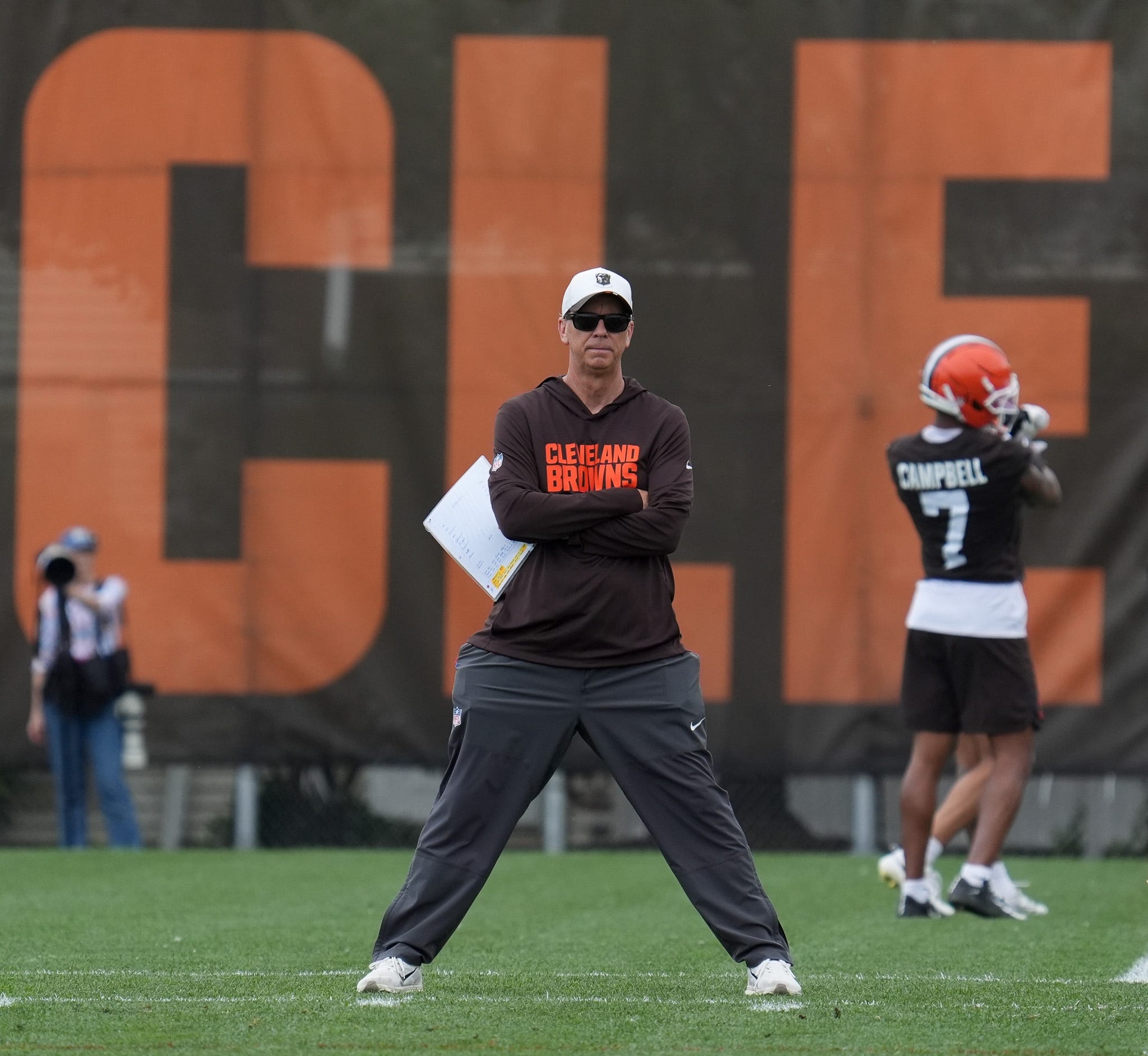
Coach Todd Monken at the Browns OTA in Berea on May 27, 2026.
Think about what Monken really raised. A franchise hungry for quarterback help looked at a talented arm and weighed whether the risk to organizational credibility outweighed the potential reward. That’s a bank thinking twice about hiring someone with a documented history near the vault, regardless of their skills. The NFL’s gambling policies exist precisely for moments like this. Betting on your own program ranks among the most corrosive acts in sports because of what it can do to trust between teammates, coaches, and the league. Cleveland weighed a risk it decided it could live without.
The Scale Nobody Processed
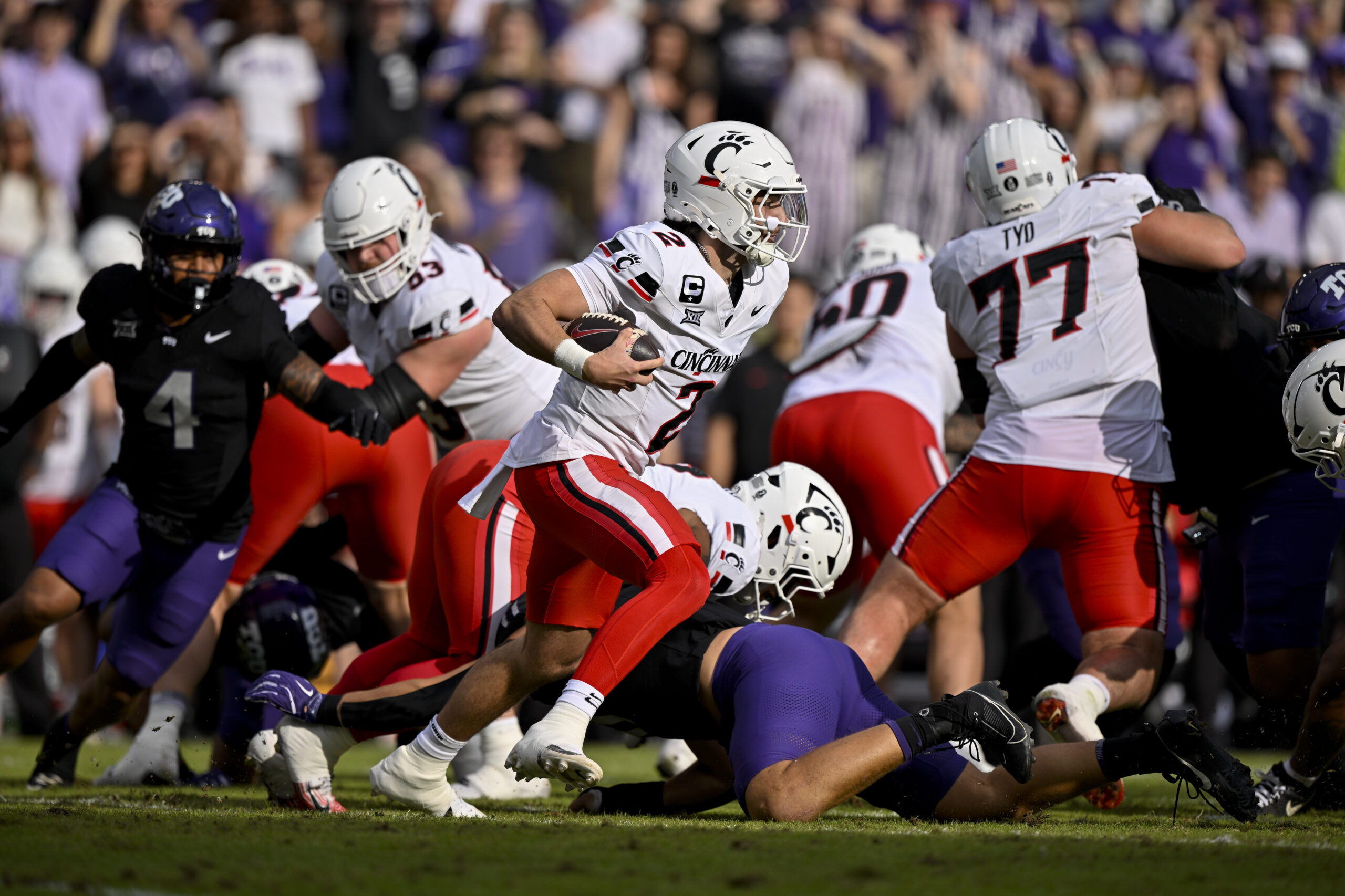
Nov 29, 2025; Fort Worth, Texas, USA; Cincinnati Bearcats quarterback Brendan Sorsby (2) runs with the ball during the game between the Horned Frogs and the Bearcats at Amon G. Carter Stadium. Mandatory Credit: Jerome Miron-Imagn Images
Here’s what gets lost in the headline: 2,900 bets over roughly eighteen months means Sorsby was gambling with a frequency that dwarfs casual sports betting. More than $30,000 wagered in that Indiana window alone, while collecting a college scholarship. The 40 bets on his own team’s games grab attention, but the other ~2,860 — spanning college football, college basketball and pro sports — reveal a pattern that extends far beyond one bad decision. Sorsby has framed it as an addiction he is treating, not a one-off lapse. NFL teams read those filings cover to cover.
Who Else Hesitates
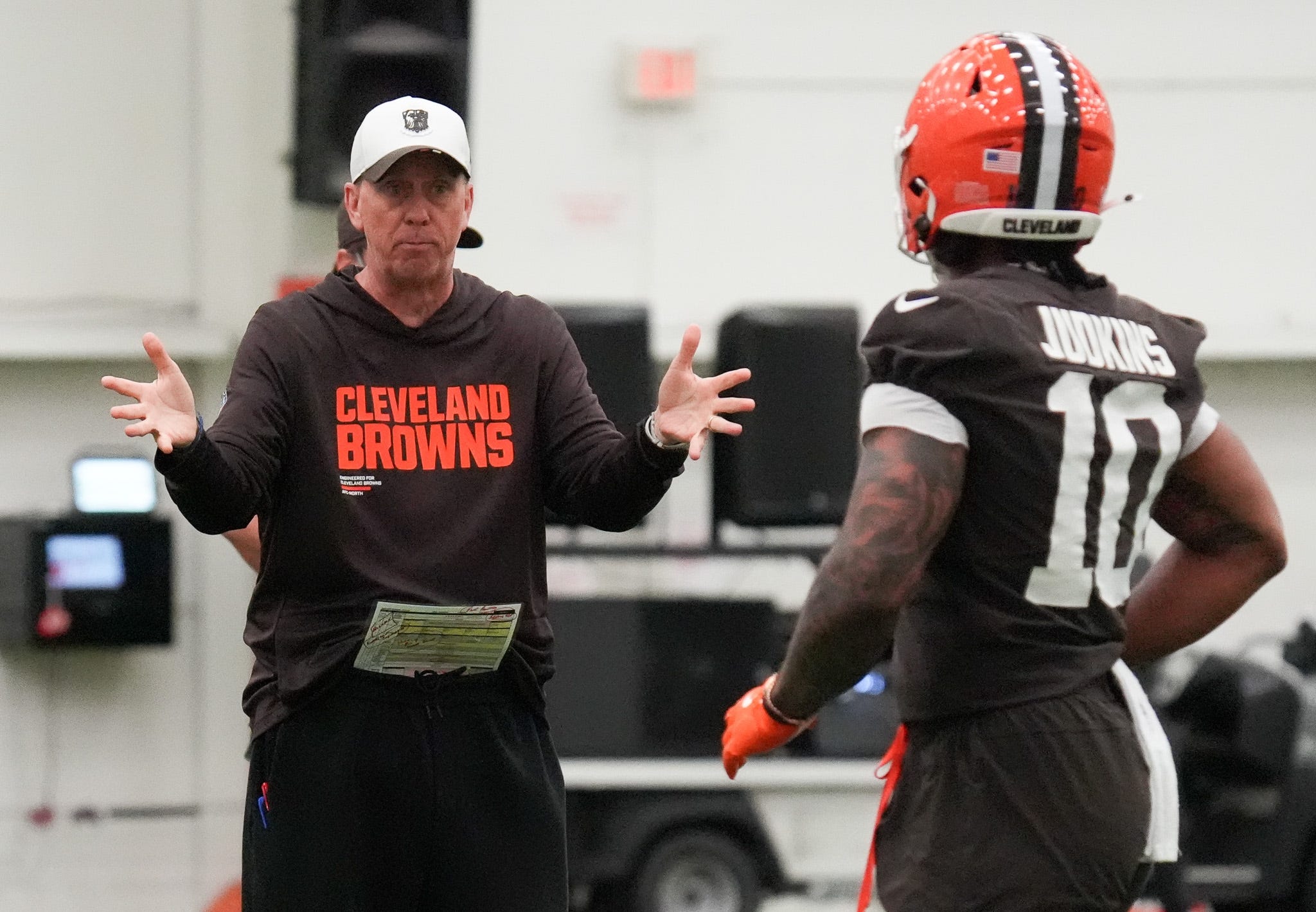
Coach Todd Monken talks with Quinshon Judkins during the Browns OTA camp in Berea on May 20, 2026.
Cleveland’s public caution sent a signal that echoed beyond one franchise. If the Browns, a team short on quarterback certainty, are wary of Sorsby, the calculus gets harder for every other front office weighing the same gamble. Monken’s “slippery slope” comment functions as a warning to the rest of the league. One coach voices doubt about a player who bet on his own program, and suddenly every organization faces pressure to explain how their integrity standards would differ. Cleveland made the easy decision harder for everyone else.
The New Reality in the NFL
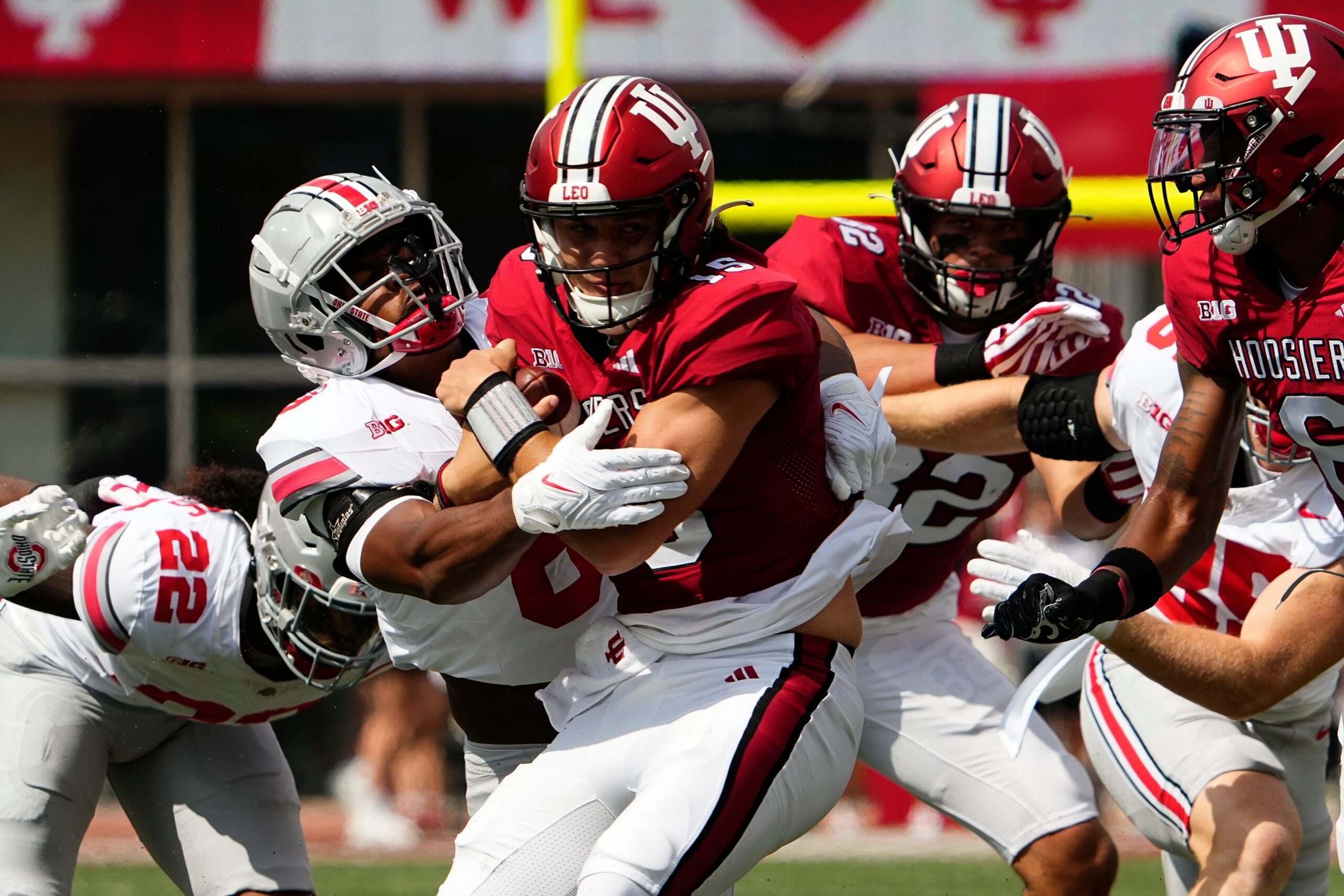
Sep 2, 2023; Bloomington, Indiana, USA; Ohio State Buckeyes safety Sonny Styles (6) tackles Indiana Hoosiers quarterback Brendan Sorsby (15) during the first half of the NCAA football game at Indiana University Memorial Stadium.
Sorsby’s case crystallized something the league hadn’t fully confronted: a college player’s gambling history can follow him toward the draft like a record follows a job applicant. The court documents, the sworn admissions, the precise bet counts — all of it is now part of the public file. Before Sorsby, teams weighed talent against character concerns on a sliding scale. After Sorsby, wagering on your own program sits in a category where that scale barely applies. Talent stops being the first question. The precedent is forming, and it points in one direction.
Sorsby’s Shifting Path
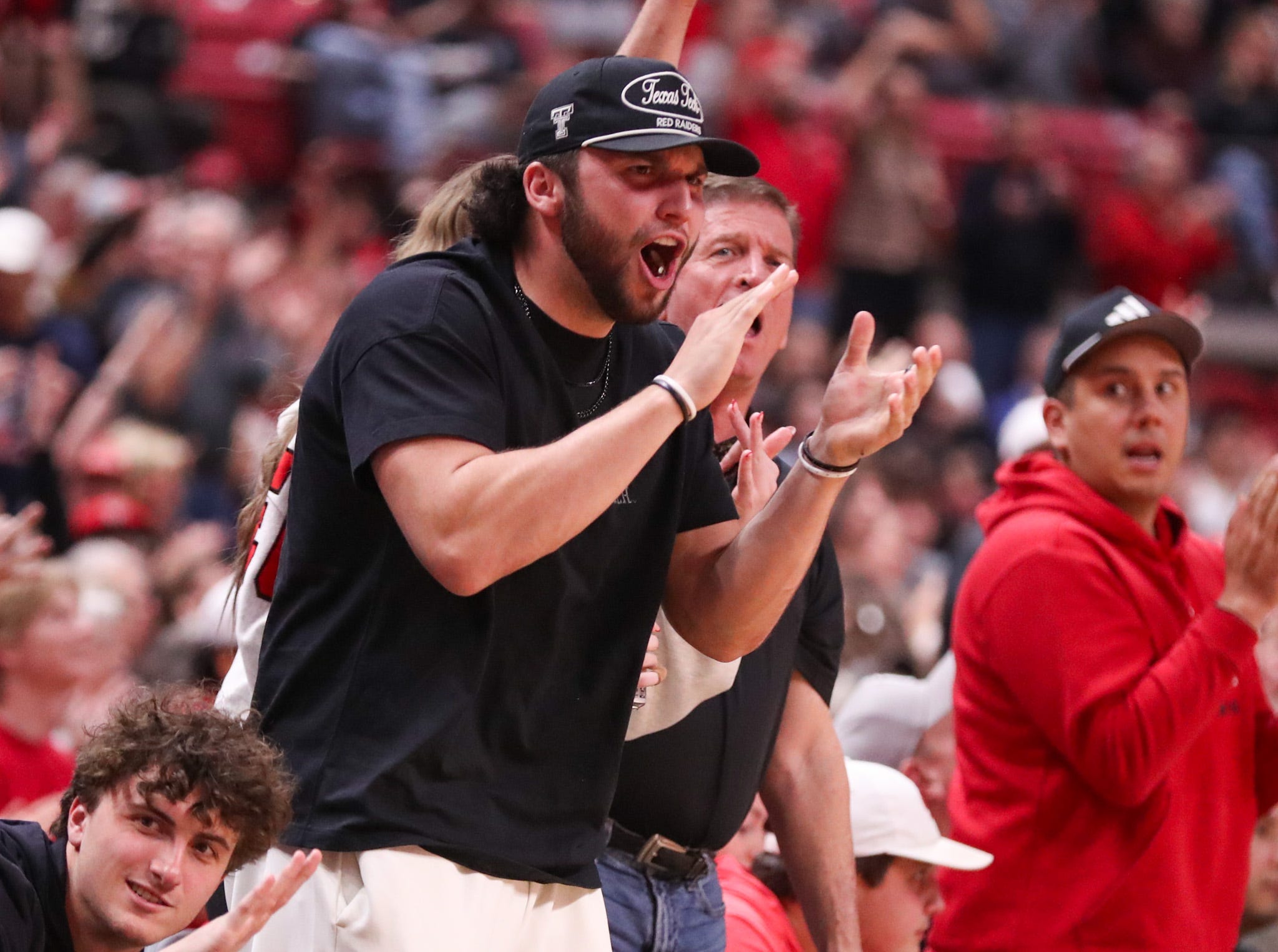
Texas Tech football player Brendan Sorsby reacts to a play during a Big 12 Conference men’s basketball game, Tuesday, Feb. 24, 2026, in United Supermarkets Arena.
Sorsby’s route through college was never a straight line — Indiana, then Cincinnati, then Texas Tech, where he hoped a fresh start would create separation from the scandal. The court filings traveled faster than any transfer. Then the story turned: on June 8, a Texas judge granted Sorsby a temporary injunction against the NCAA, clearing him to play for Texas Tech in 2026 after a two-game suspension to open the season. The NCAA filed a notice of appeal the same day, so his status remains contested — but for now, the supplemental-draft scenario that worried Cleveland may be moot, because Sorsby has a college field to return to.
The Bet Cleveland Was Weighing
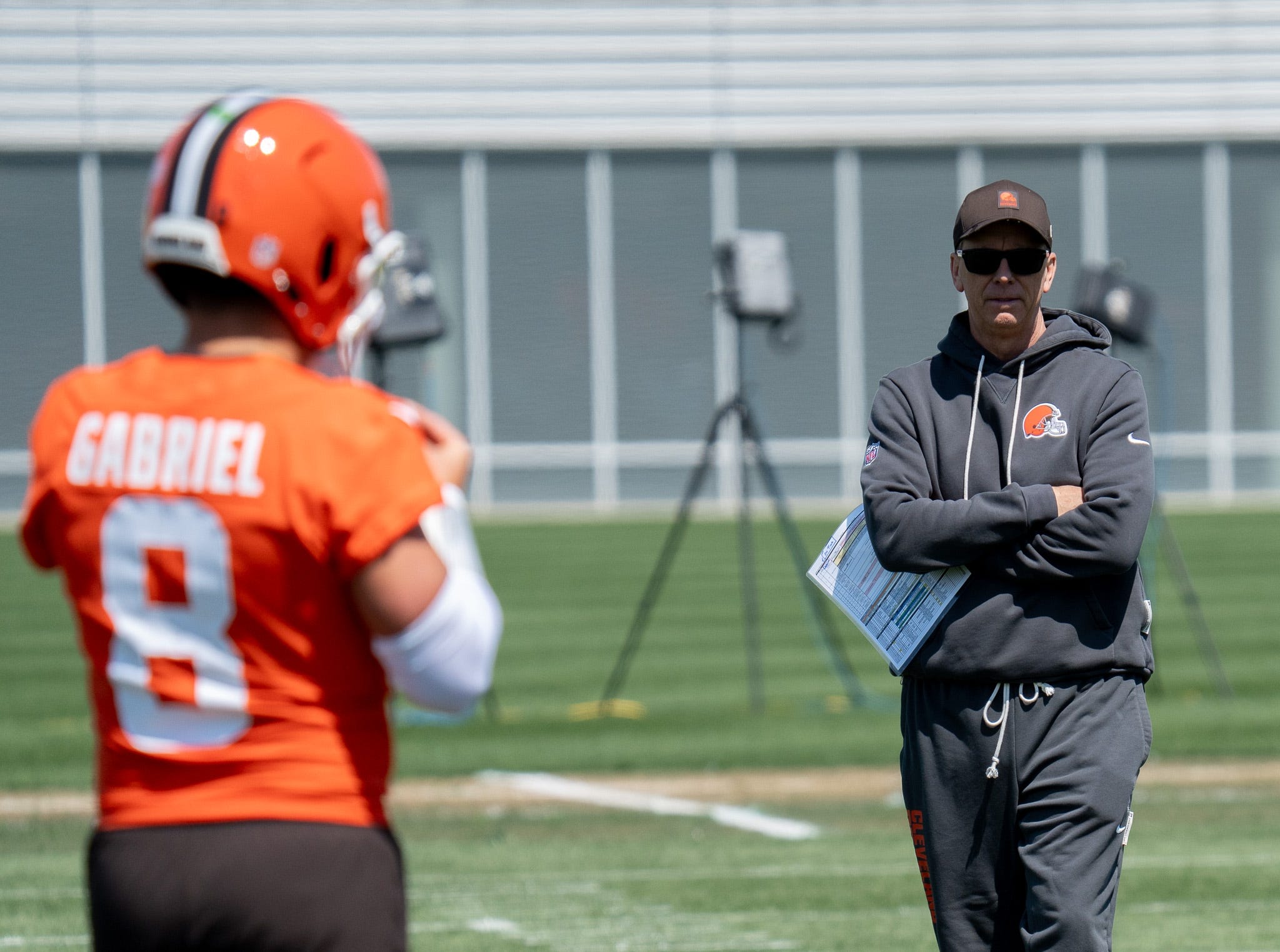
Coach Todd Monken watches quarterbacks practice, including Dillon Gabriel, at the Browns mini camp in Berea on April 21, 2026.
Cleveland has, for now, leaned away from a player who gambled on his own program — and in doing so, weighed something harder to measure than arm strength: organizational credibility. The Browns still need a quarterback. That problem didn’t vanish when Monken aired his reservations. But the franchise signaled it would rather sit with an unsolved roster hole than fill it with a player whose sworn court admissions include betting on his own team. With Sorsby now cleared to play in 2026 pending the NCAA’s appeal, Cleveland may never have to make the call at all — but the hesitation it voiced will outlast this one draft cycle.