
Travis Kelce grew up in Cleveland Heights, fifteen minutes from the ballpark, watching ’90s baseball teams that burned themselves into his memory. He was a standout on the diamond in high school and once figured baseball, not football, was his clearest path to going pro. That kid never made an Opening Day roster. He made three Super Bowls instead, earned more than $111 million in NFL salary, and just bought his way into the franchise he once watched from the cheap seats. The ownership group he joined controls a team valued at about $1.7 billion.
A Cleveland Kid’s Price of Admission
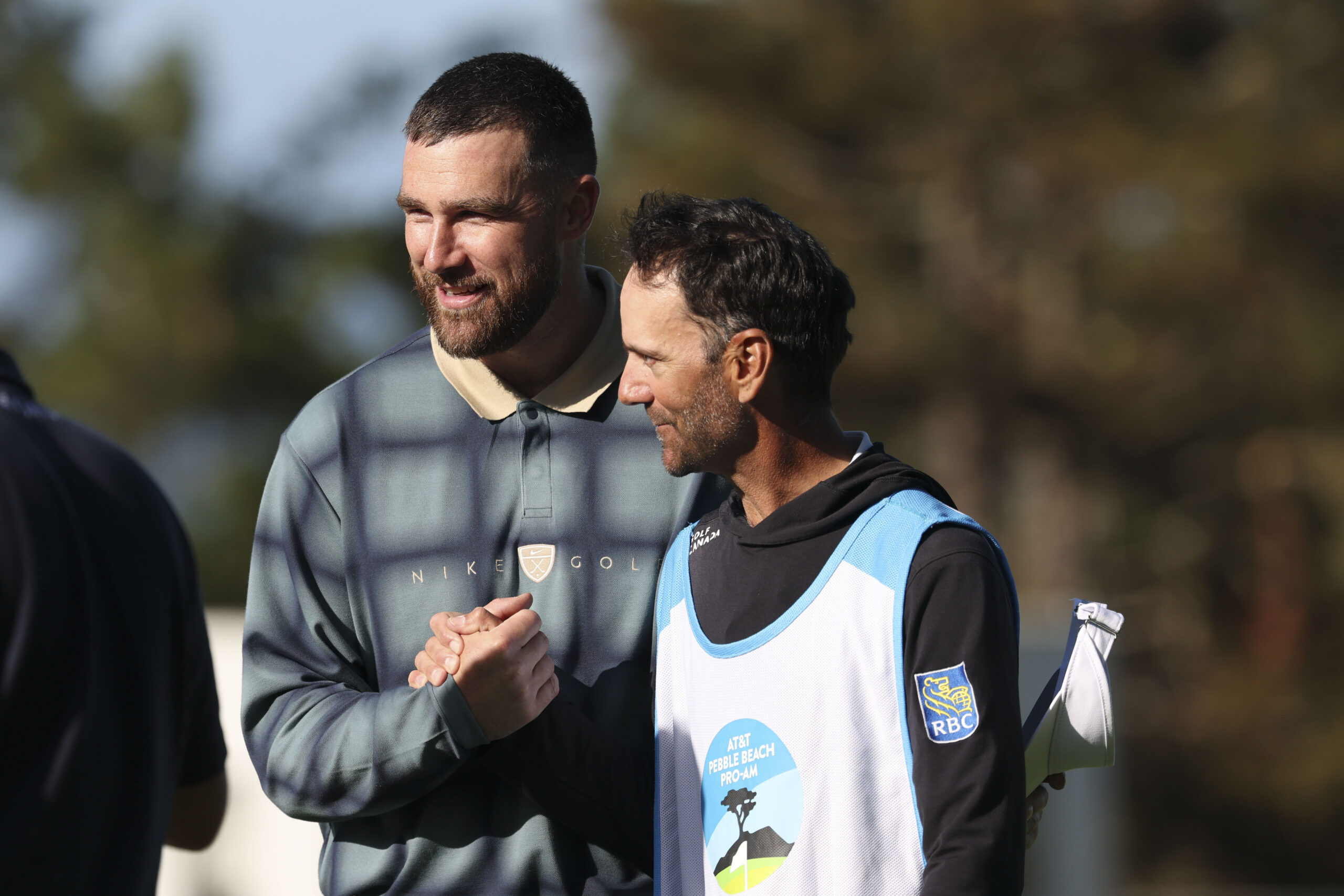
Feb 12, 2026; Pebble Beach, California, USA; Travis Kelce (left) shakes hands with a caddie on the ninth hole during the first round of the AT&T Pebble Beach Pro-Am golf tournament at Spyglass Hill Golf Course. Mandatory Credit: Kiyoshi Mio-Imagn Images
Kelce purchased his minority stake from David Blitzer’s 35 percent share of the Guardians. Blitzer holds an option to become majority owner after the 2027 season, meaning Kelce carved his slice from the portfolio of a man positioning himself to run the entire franchise. The Dolan family, which bought the team for roughly $323 million in 2000, still controls the majority. That purchase price has more than quintupled in value. Even a small percentage of a $1.7 billion franchise translates to roughly $17 million per single point of equity.
The Myth That Just Cracked
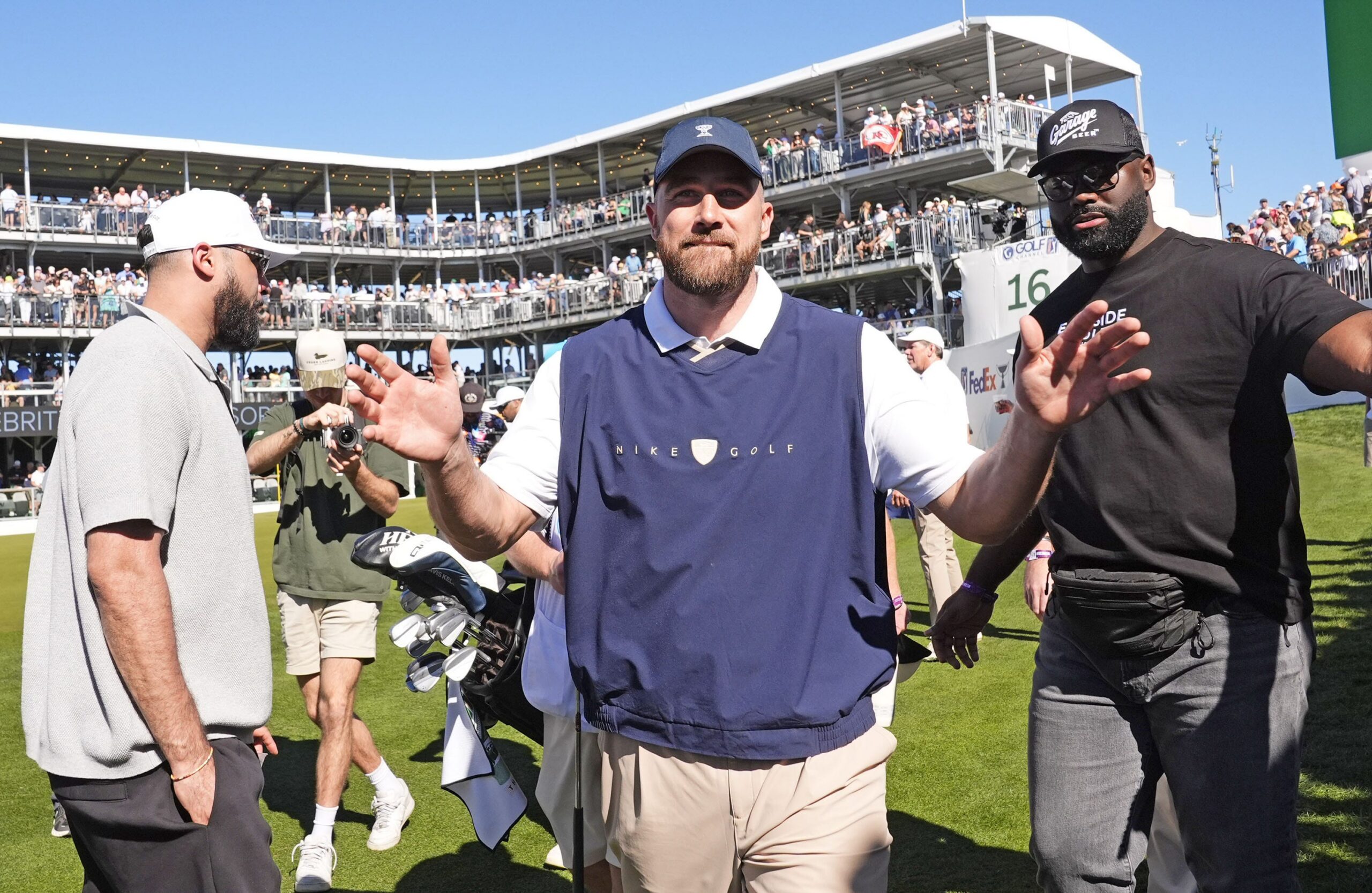
Kansas City Chiefs star Travis Kelce reacts after making a birdie on the 16th hole during the Annexus Pro-Am at the WM Phoenix Open on Feb. 4, 2026, at TPC Scottsdale.
The old assumption held that team ownership belonged to billionaires and legacy dynasties, sealed off from the athletes who fill the stadiums. Kelce’s deal cracks that wall. He joins Patrick Mahomes, who holds a stake in the Kansas City Royals, and LeBron James, who owns a piece of Fenway Sports Group and thus the Boston Red Sox, in a growing class of active players converting fame and earnings into genuine equity. “It’s a dream come true for a Cleveland kid,” Kelce said in various interviews. That dream required more than sentiment. It required eight figures and the right investment partner.
The Backup Plan He Ended Up Buying
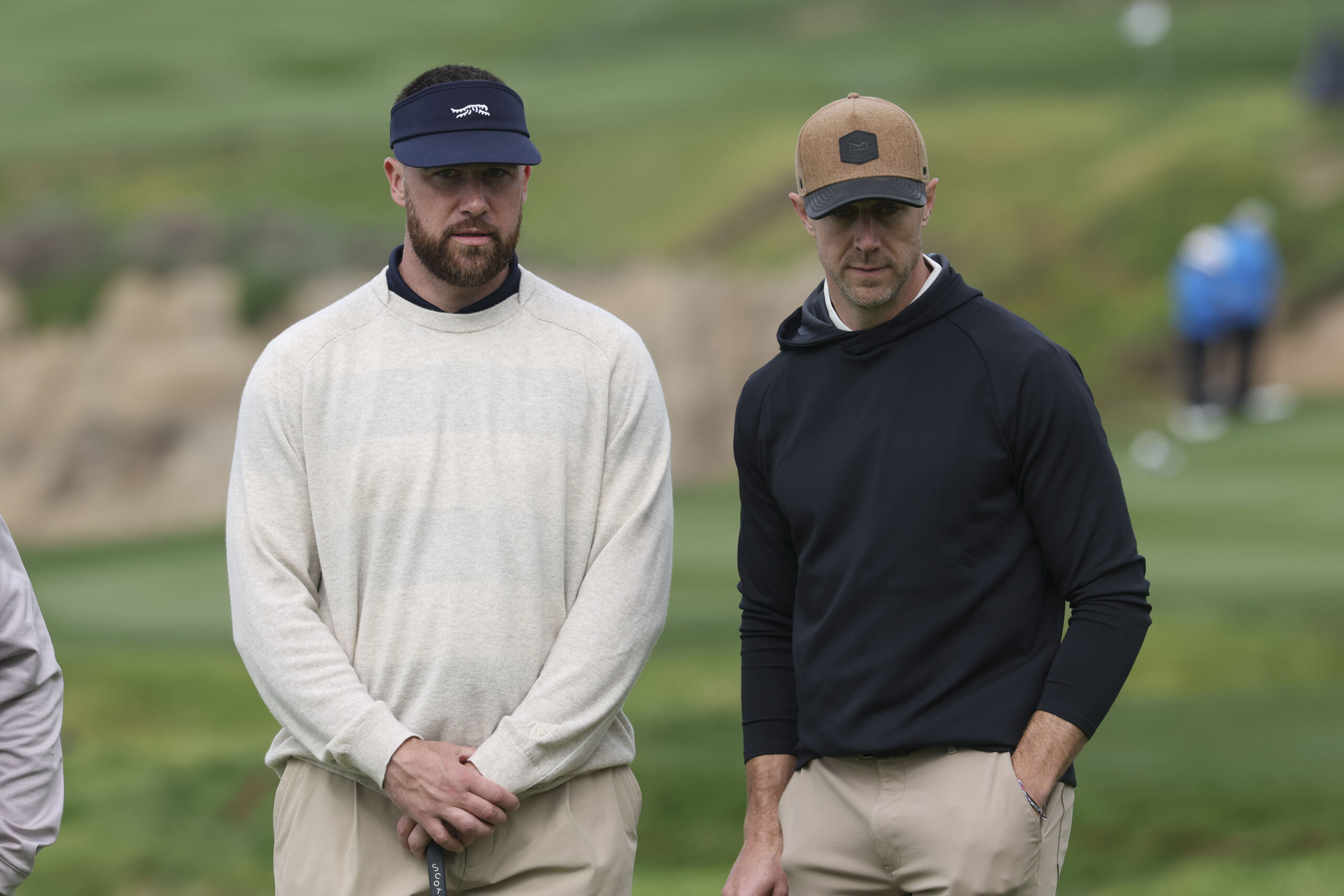
Feb 13, 2026; Pebble Beach, California, USA; Kansas City Chiefs tight end Travis Kelce (left) and NFL former quarterback Alex Smith (right) on the 10th hole during the second round of the AT&T Pebble Beach Pro-Am golf tournament at Pebble Beach Golf Links. Mandatory Credit: Kiyoshi Mio-Imagn Images
Kelce once believed baseball was his best shot at going pro. He never said those exact words about the Guardians, but his own language tells the story: “There was nothing like Cleveland baseball in the ’90s.” Now the sport he left behind is the sport he partially owns. He holds seven consecutive 1,000‑yard receiving seasons, the longest streak by any tight end in NFL history. Three Super Bowl rings. Eleven Pro Bowls. And a seat in an MLB boardroom. The football career funded the baseball dream in reverse.
The Machine Behind the Handshake
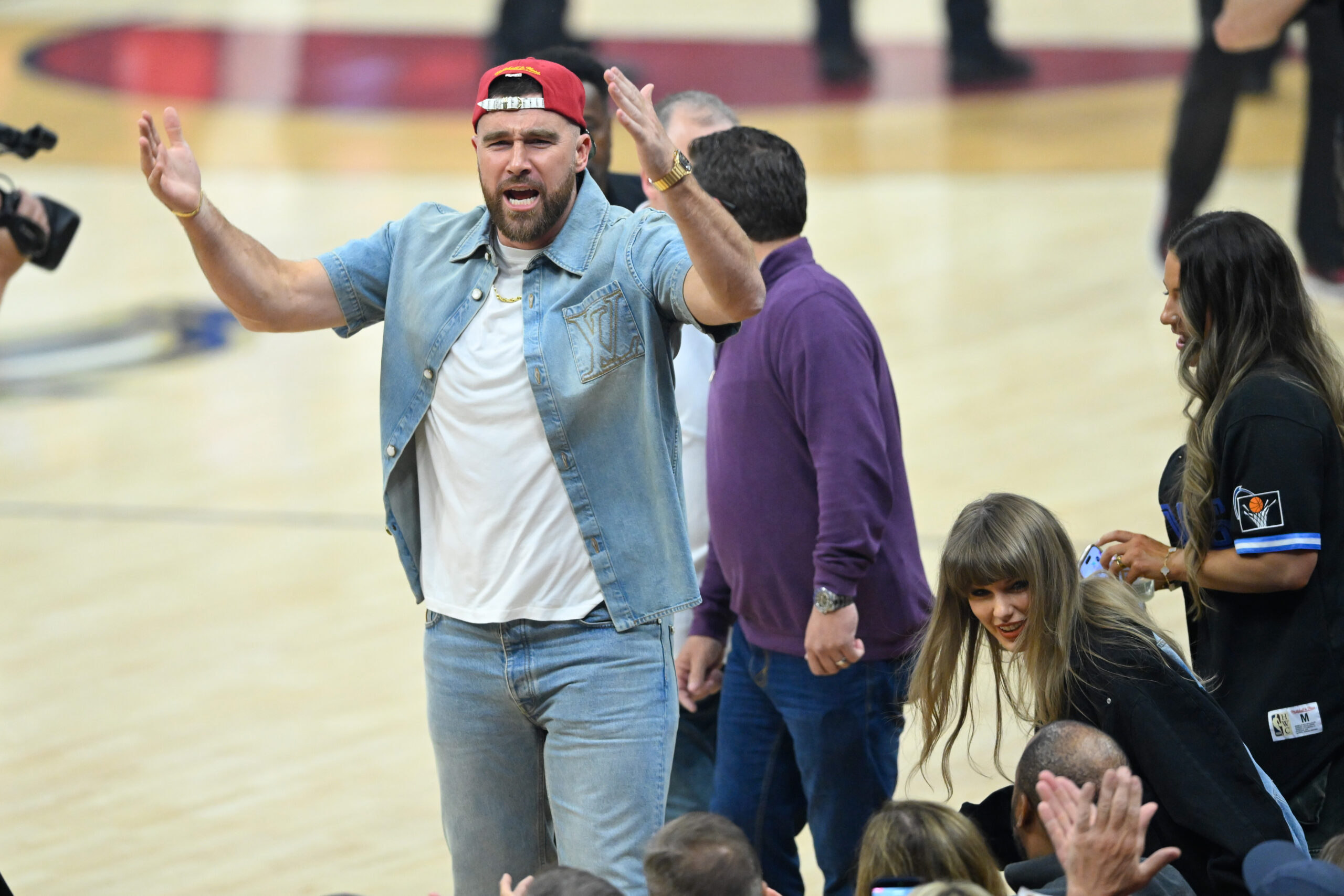
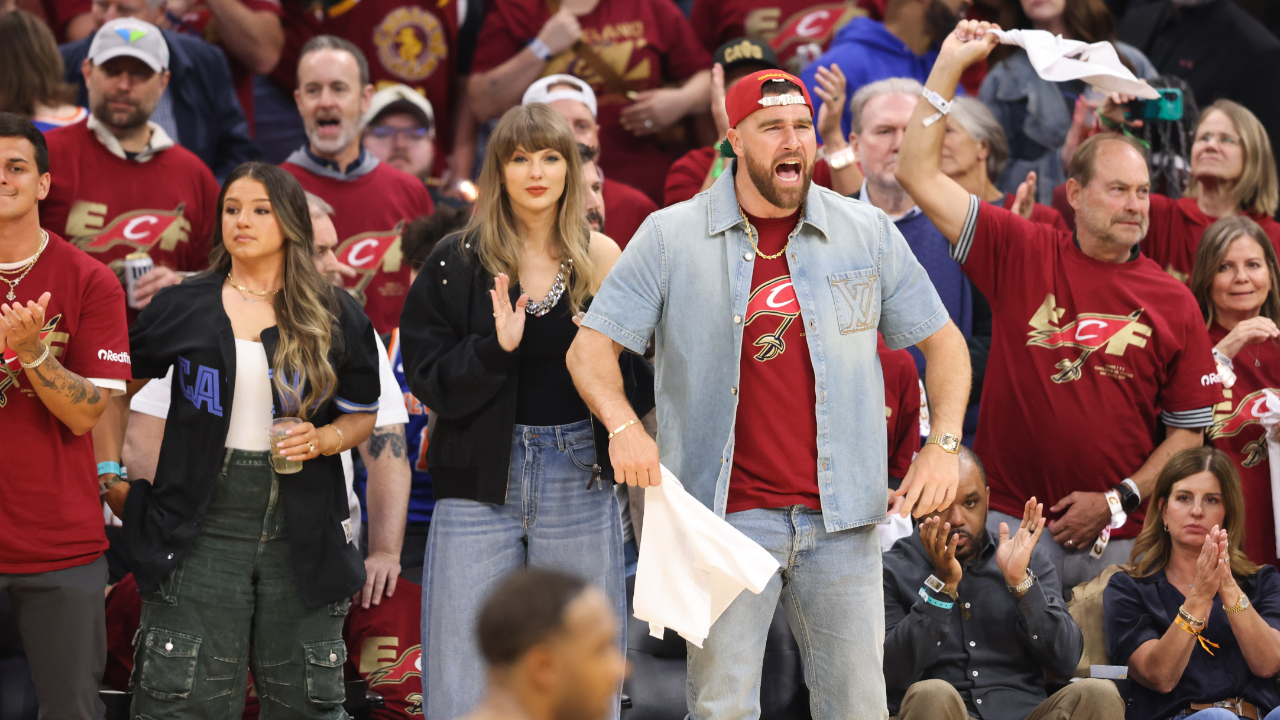
May 23, 2026; Cleveland, Ohio, USA; Travis Kelce reacts on the sideline during the first quarter between the New York Knicks and Cleveland Cavaliers during game three of the eastern conference finals for the 2026 NBA playoffs at Rocket Arena. Mandatory Credit: David Richard-Imagn Images
Look at the structure. Investors like Blitzer and long‑time owners like the Dolans carve franchises into tranches, then open slivers to athletes who bring cultural leverage alongside capital. Blitzer gets Kelce’s name and reach attached to his investment. Kelce gets access to an ownership table that raw wealth alone couldn’t easily unlock at his level. His estimated net worth sits around $70 million, enormous by any standard, modest next to a multibillion‑dollar franchise. The system works because both sides need what the other carries: money meets fame, fame meets the boardroom.
Numbers That Rewrite the Story
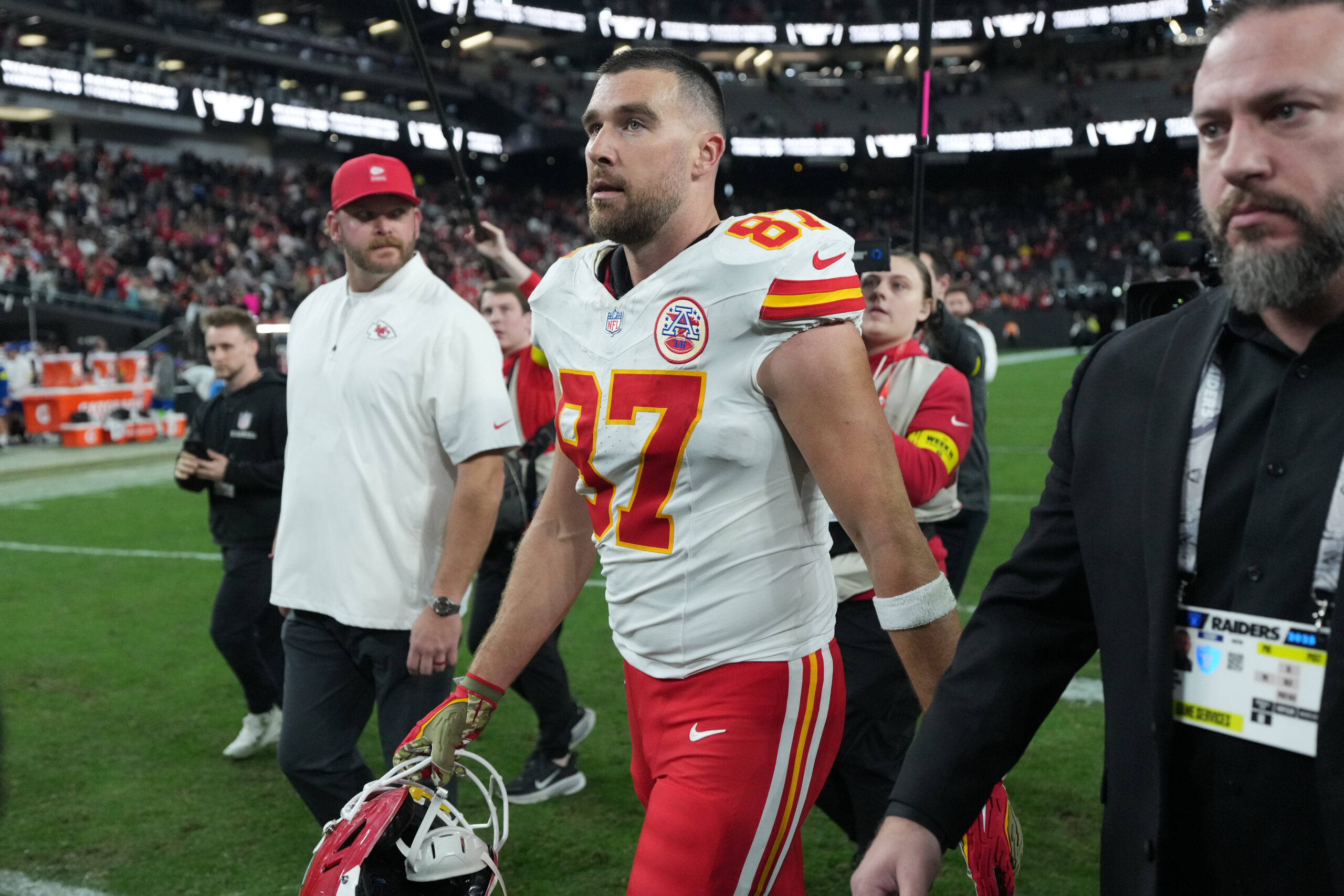
Jan 4, 2026; Paradise, Nevada, USA; Kansas City Chiefs tight end Travis Kelce (87) leaves the field after the game against the Las Vegas Raiders at Allegiant Stadium. Mandatory Credit: Kirby Lee-Imagn Images
Kelce earned more than $111 million in NFL salary. His net worth is roughly $70 million. That gap tells you how much vanishes to taxes, spending, and illiquid holdings before a player can even think about buying franchise equity. Meanwhile, Forbes valuations have the Guardians moving from around $1 billion to roughly $1.7 billion over the past several years. Each percentage point of that franchise appreciates whether Kelce catches another pass or not. Owning a sliver of a skyscraper still means the land beneath you compounds while you sleep.
The Empire Beyond the Ballpark
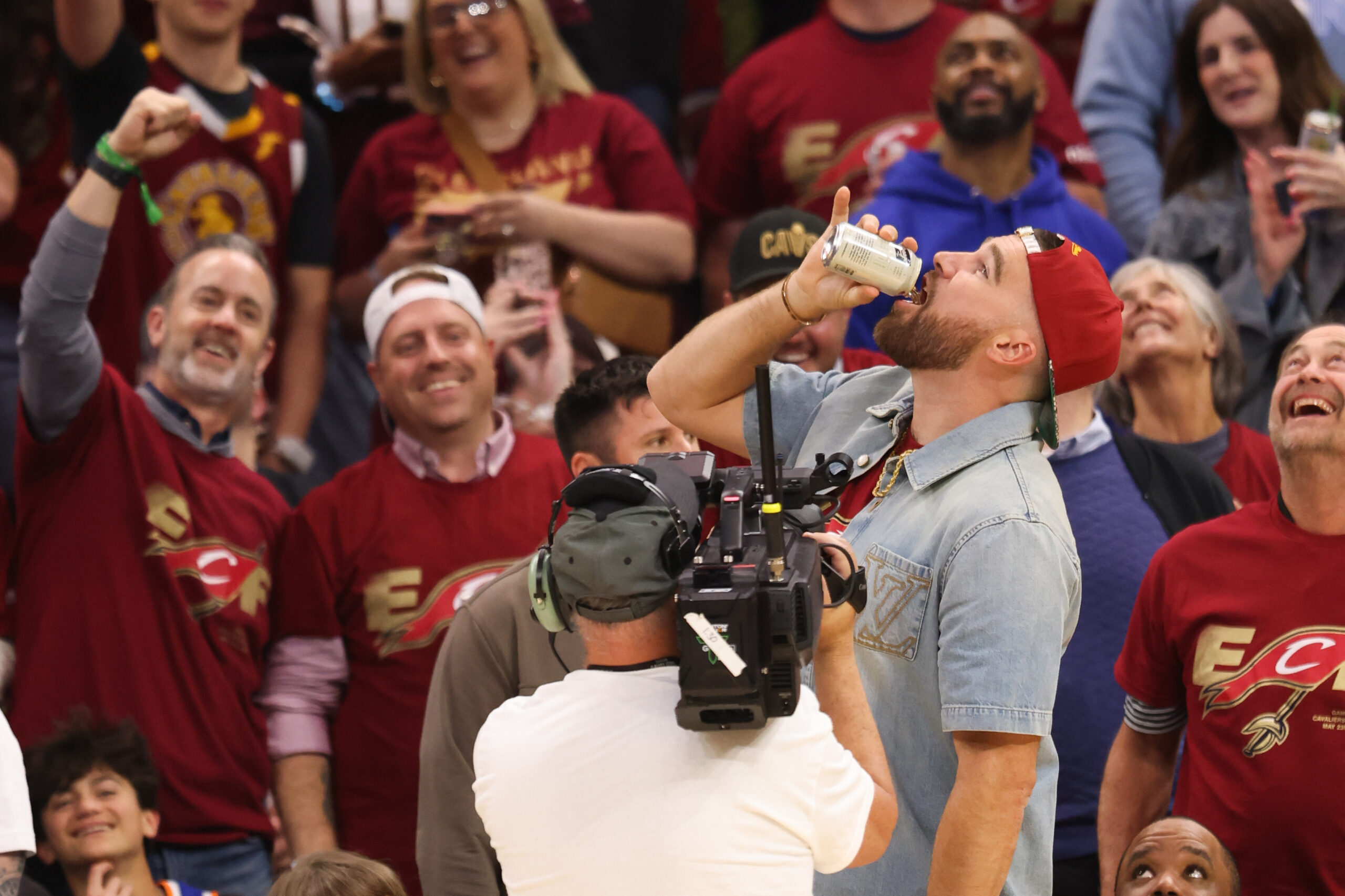
May 23, 2026; Cleveland, Ohio, USA; Travis Kelce drinks beer for TV during game three of the eastern conference finals for the 2026 NBA playoffs between the New York Knicks and Cleveland Cavaliers at Rocket Arena. Mandatory Credit: Scott Galvin-Imagn Images
The Guardians stake is one node in a network. Kelce is part of an investment group that took a significant position in Six Flags, a stake worth hundreds of millions of dollars at recent valuations. He co‑owns Garage Beer with his brother Jason. He invested in Sleep Number as a strategic partner. He co‑founded 1587 Prime steakhouse with Patrick Mahomes. Six Flags carries billions in debt and has posted sizable quarterly losses in recent reports. That is the risk sitting inside the portfolio of a man still catching passes on Sundays.
The New Rule, Not the Exception
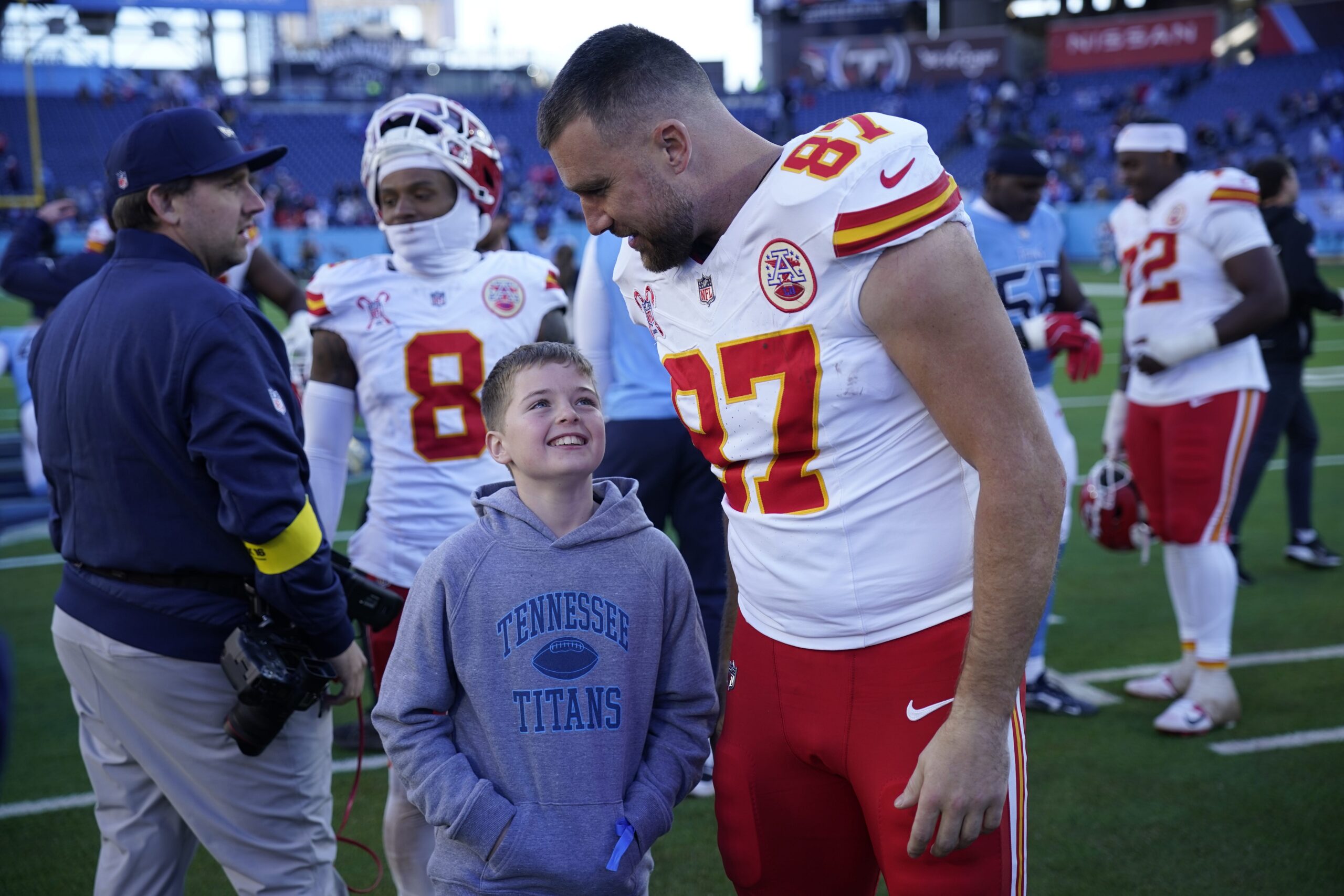
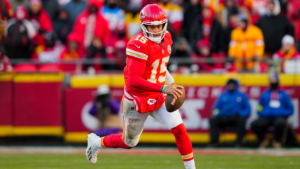
Kansas City Chiefs tight end Travis Kelce (87) greets Joey Borgonzi, 10, after their game at Nissan Stadium Sunday, Dec. 21, 2025. The Titans beat the Chiefs 26-9.
Once you see the pattern, you cannot unsee it. Ballparks, theme parks, restaurants, beer, mattresses, a podcast. Every investment touches the same person: the fan. Kelce has built a portfolio that surrounds the American sports consumer from Saturday afternoon at a theme park to Sunday night on the couch. The Guardians deal underscores a growing precedent for multi‑league, cross‑sector ownership where a single athlete’s brand sits at the center of several industries. Traditional sponsors offering flat endorsement fees may already be losing the bidding war.
The Clock Nobody Mentions
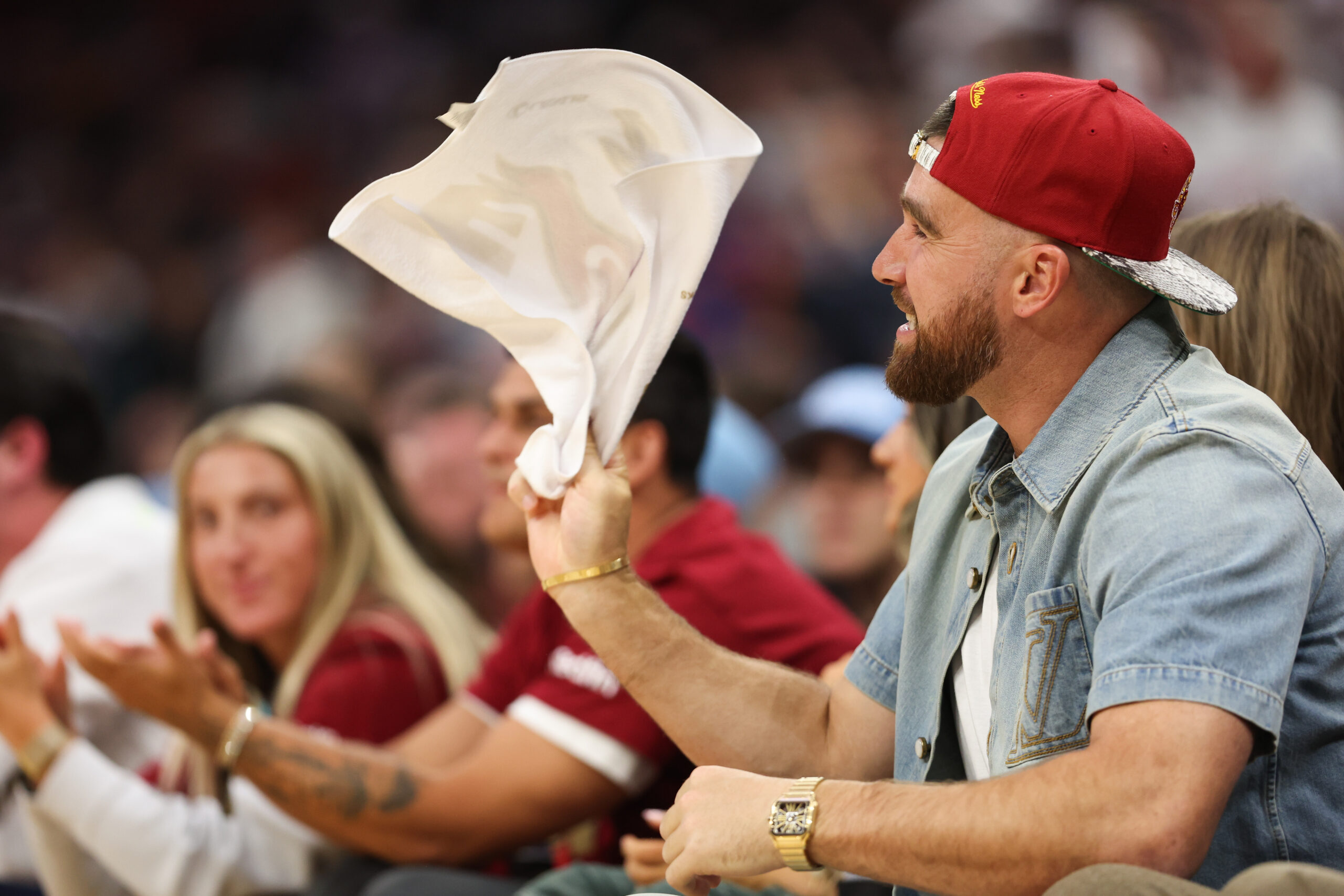
May 23, 2026; Cleveland, Ohio, USA; Travis Kelce reacts in the second quarter between the New York Knicks and Cleveland Cavaliers during game three of the eastern conference finals for the 2026 NBA playoffs at Rocket Arena. Mandatory Credit: Scott Galvin-Imagn Images
Kelce re‑signed with the Chiefs and enters his fourteenth NFL season at age 36. He has said he won’t consider retirement during a season but wants to decide early enough afterward to give Kansas City time to prepare. His financial life already operates in a post‑football phase. The Guardians stake, the Six Flags position, the beer brand, the steakhouse: every piece functions whether he plays another snap or not. Even as Six Flags closes some parks and sells land as part of a restructuring, Kelce’s ambassador smile rides alongside that process.
The Seat Most Fans Will Never Reach
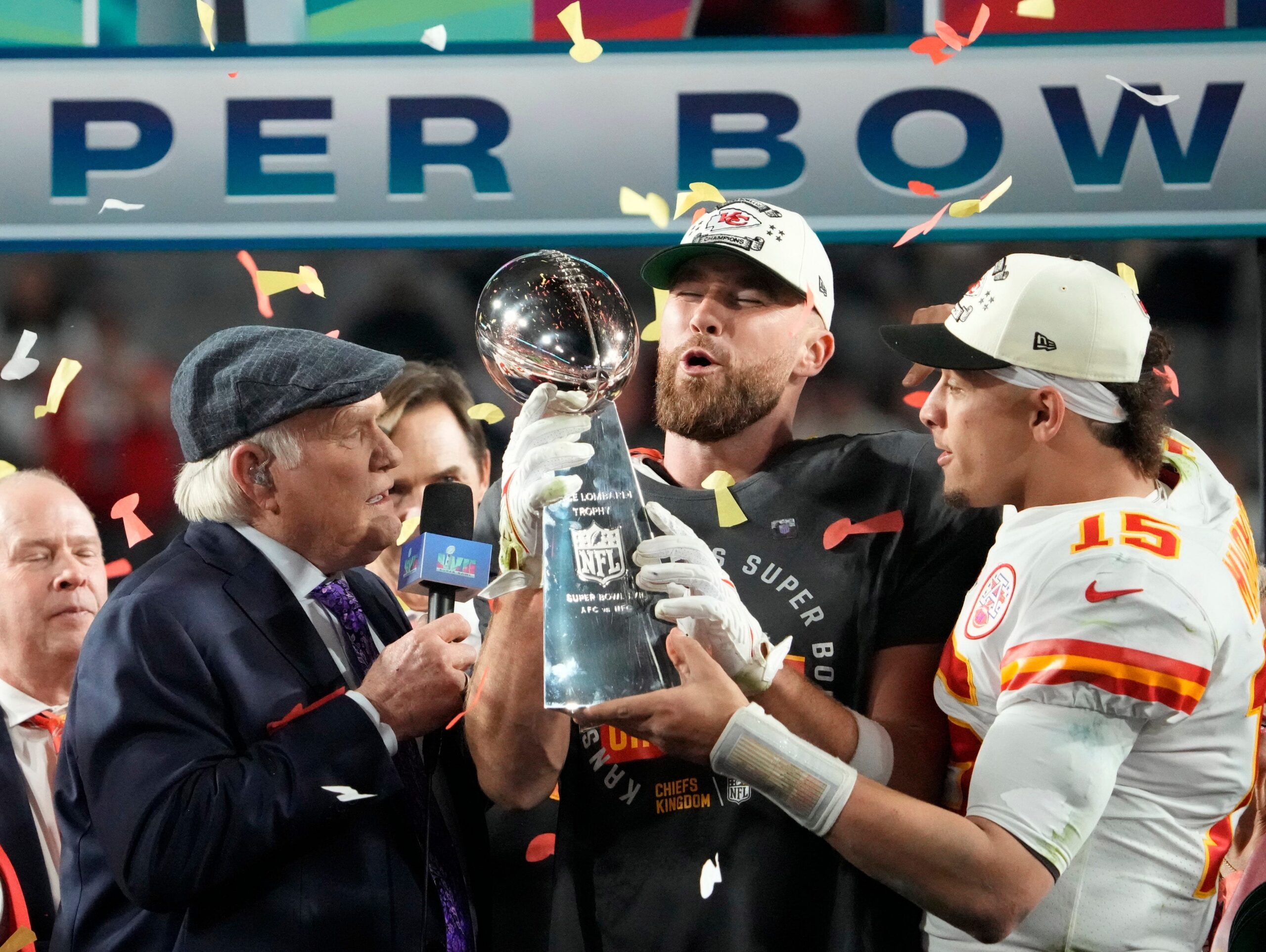
Super Bowl 57: Kansas City Chiefs quarterback Patrick Mahomes passes the the Lombardi Trophy to Travis Kelce after winning the Super Bowl against the Philadelphia Eagles at State Farm Stadium on Feb 12, 2023.
If Kelce’s Guardians investment proves financially and culturally successful, it could eventually lead him toward larger stakes or future bids alongside deep‑pocketed partners. Leagues may formalize frameworks for active players to hold minority positions, or tighten rules if cross‑league ownership raises governance concerns. Either way, the line between labor and capital in professional sports just blurred a little more. The kid from Cleveland Heights didn’t just get a seat at the table. He bought one, and the price tag guarantees most fans will only ever watch from the other side of the glass. Where do you think active players should draw the line between suiting up on the field and owning a piece of the teams they grew up watching?