
Roger Goodell is 18 months away from the expiration of a contract reportedly worth $200 M, yet a loud faction of fans wants him out now. The trigger was Super Bowl LX’s Bad Bunny halftime show. The backdrop is a league that just cleared 23 B USD in annual revenue and delivered one of the most watched broadcasts in television history. That tension between cultural backlash and business dominance defines this story. Here is what is actually happening behind the noise.
What Happened On Game Night
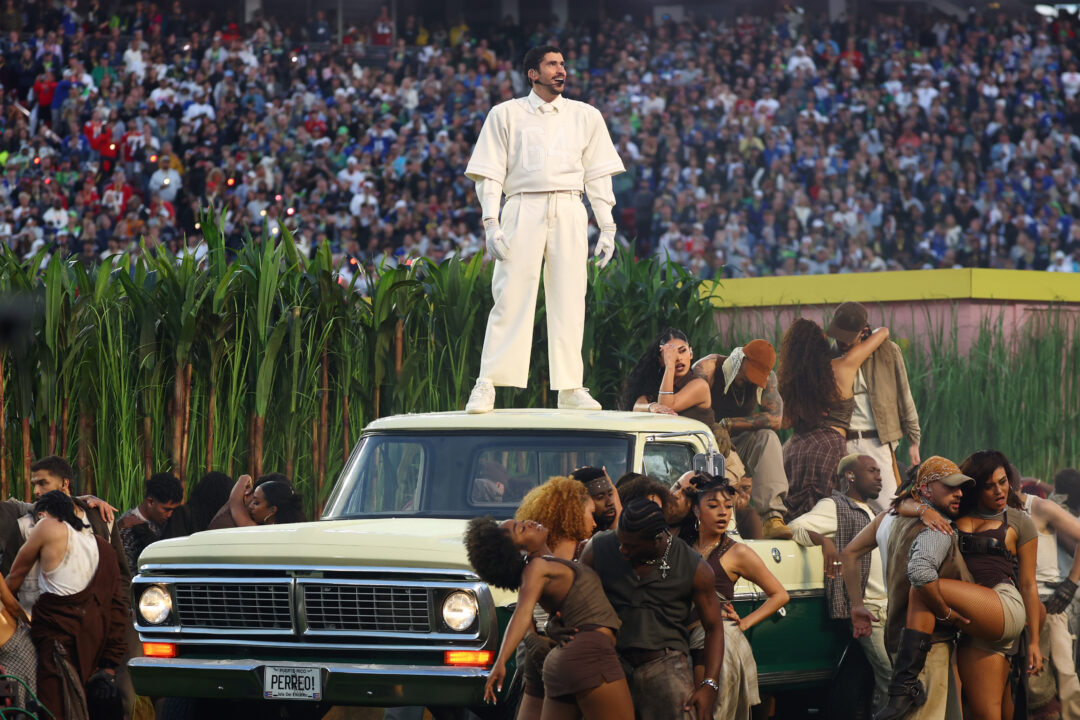
Super Bowl LX in Santa Clara was not a struggling product. NBC’s broadcast of Seattle’s win over New England averaged 124.9 M U.S. viewers and peaked at 137.8 M in the second quarter, according to Nielsen data released February 10. The Bad Bunny halftime show averaged 128.2 M viewers between 8:15 and 8:30 p.m. ET, NBC confirmed the same day. Those are elite numbers in any media environment. Instead of celebrating scale, parts of the audience chose confrontation, setting up a fight that extended well beyond football.
“The NFL Hates America”
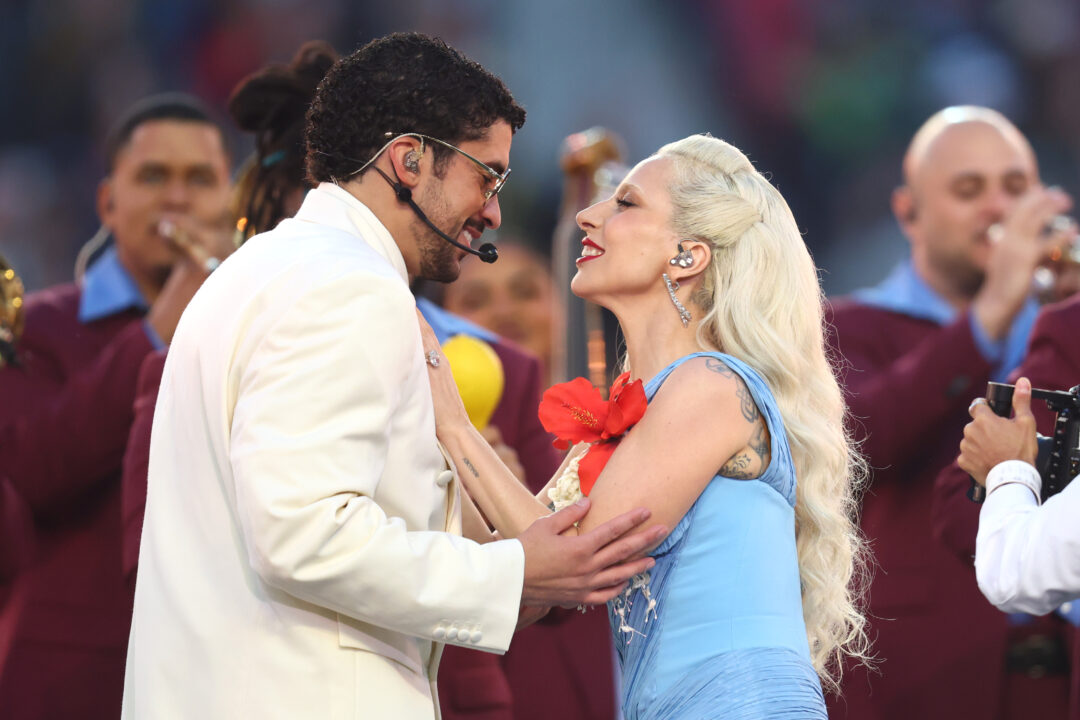
Backlash escalated quickly. Conservative commentators framed the fully Spanish language performance as cultural surrender and blamed Goodell directly. Author Eric Metaxas posted, “The @NFL hates America. Roger Goodell should be fired,” amplifying a message that spread across X within hours. The argument was not about ratings or revenue. It was about identity. Goodell, in this framing, became the executive symbol of perceived drift. That narrative fueled an organized counter effort designed to compete with the league’s biggest stage.
The Counter Programming Strategy
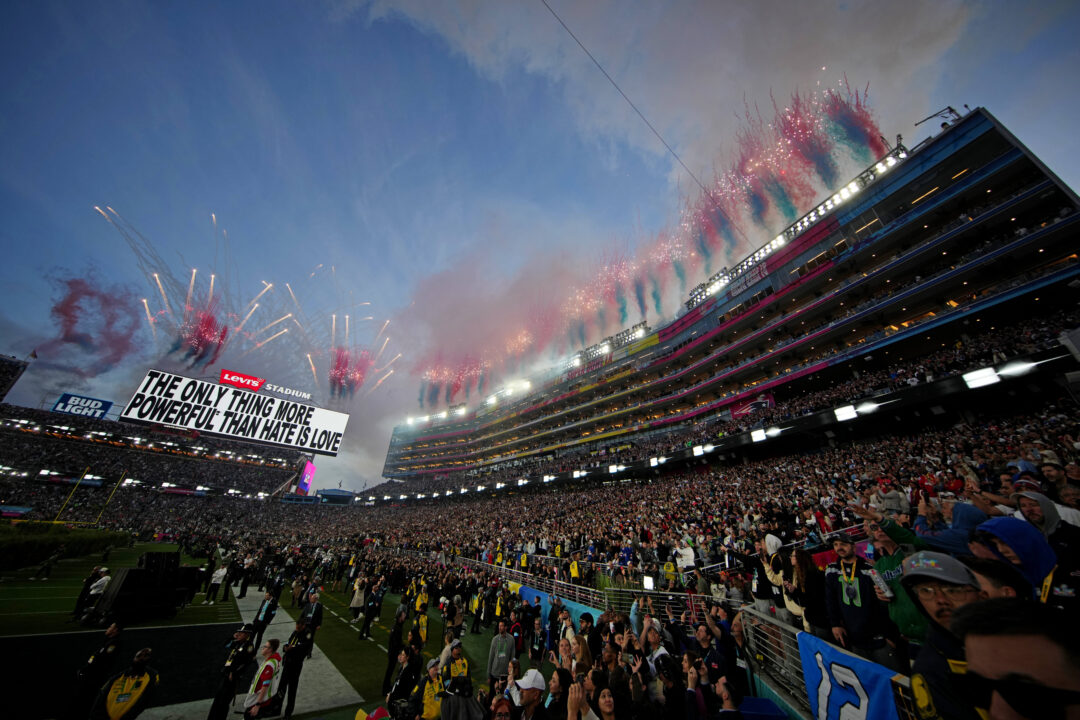
Turning Point USA launched an online “All American Halftime Show” featuring Kid Rock and country leaning acts positioned as a patriotic alternative. The Athletic reported the livestream peaked at roughly 6.1 M concurrent viewers on YouTube, while USA TODAY cited about 5 M during the overlap window on February 9 and 10. People later reported approximately 19 M replay views. Those are real digital numbers. They are not, however, broadcast scale. The comparison becomes sharper once the full audience gap is laid out.
The Audience Gap In Context
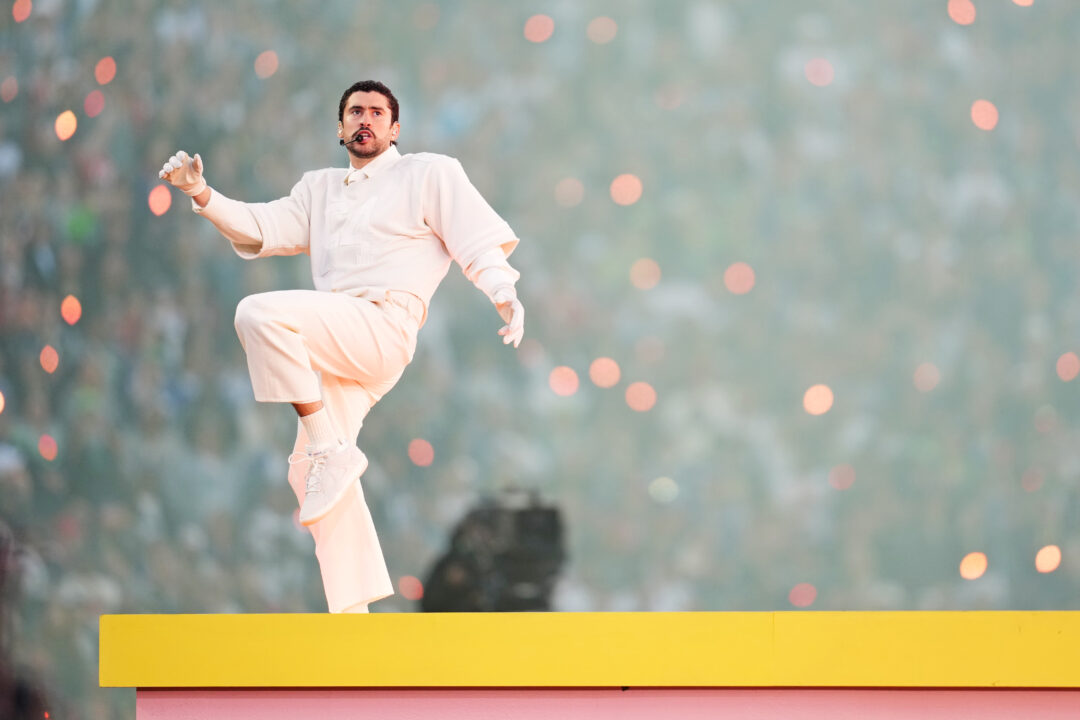
Bad Bunny’s 128.2 M U.S. halftime viewers dwarfed the 6.1 M concurrent peak of the counter show. Even adding 19 M replay views does not materially close that distance. Nielsen confirmed the Super Bowl’s 137.8 M peak in the second quarter, reinforcing how dominant the broadcast window remained. In media terms, the boycott narrative never translated into measurable erosion. If the goal was pressure through ratings decline, the evidence cuts the other way. The real leverage point sits where it usually does in the NFL, with money.
The $23 B Reality
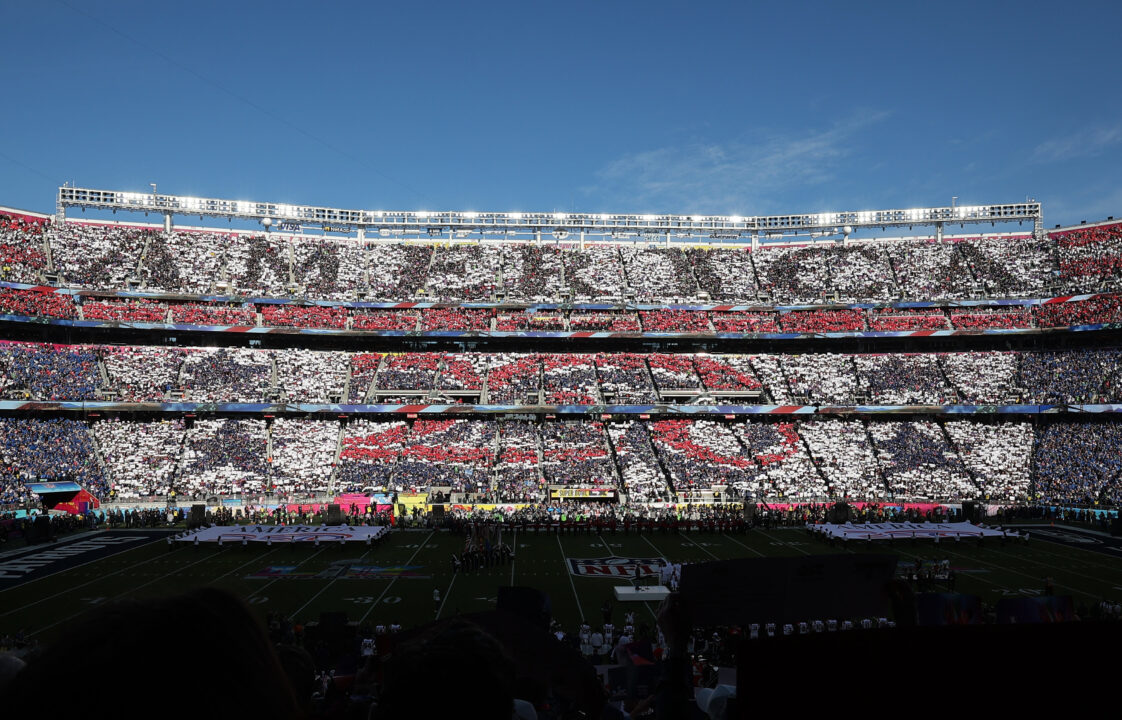
League CFO Christine Dorfler told owners, “Total NFL revenue cleared $23 B in the just completed fiscal year,” according to Sports Business Journal reporting April 9. Each team received 416 M USD, up from 382 M USD the prior year, an 8.9 % increase. Those shared distributions come from media rights, sponsorship, and licensing. That is the commissioner’s primary scoreboard. Cultural backlash is loud. Revenue growth is measurable. Owners tend to prioritize the latter, especially when year over year gains remain steady.
The Long Game Under Goodell
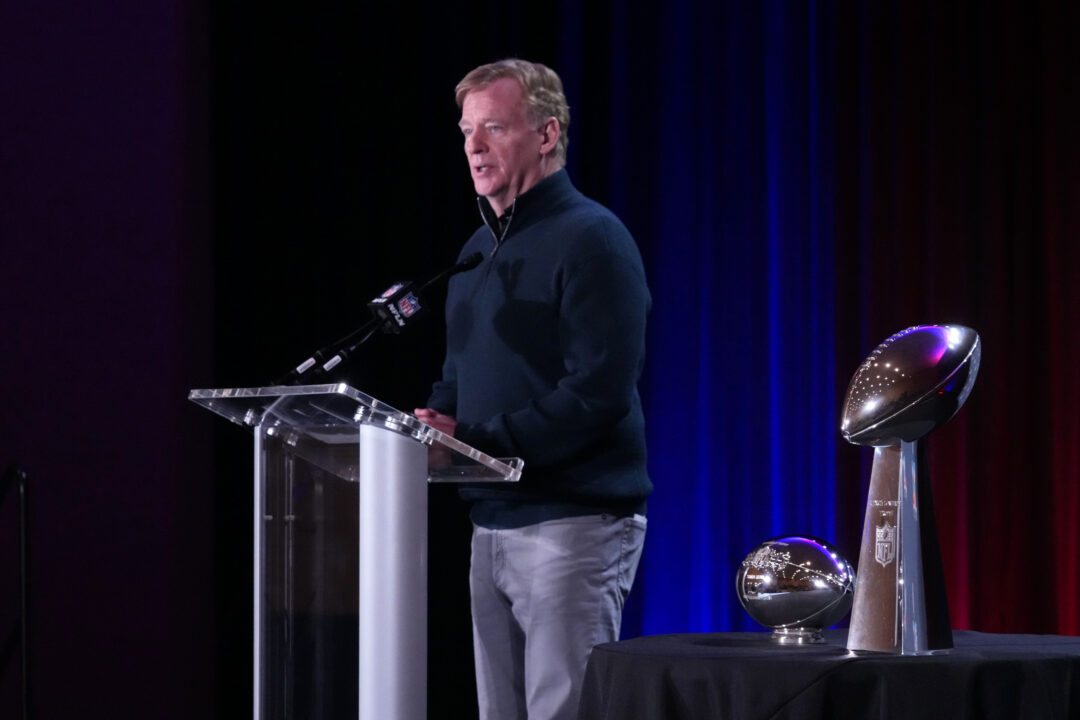
Sports Business Journal noted on April 10, “According to Fischer, NFL commissioner Roger Goodell in 2010 set a goal of hitting 25 B USD in total revenue by 2027.” At the time, league revenue was roughly 8 B USD. Crossing 23 B USD represents about a 15 B USD increase, roughly 187 % growth during his tenure. That kind of expansion reshapes negotiating power, media leverage, and franchise valuations. Critics argue culture has shifted too far. Owners see a commissioner nearing a financial benchmark he projected 17 years ago.
The Economic Ecosystem At Stake
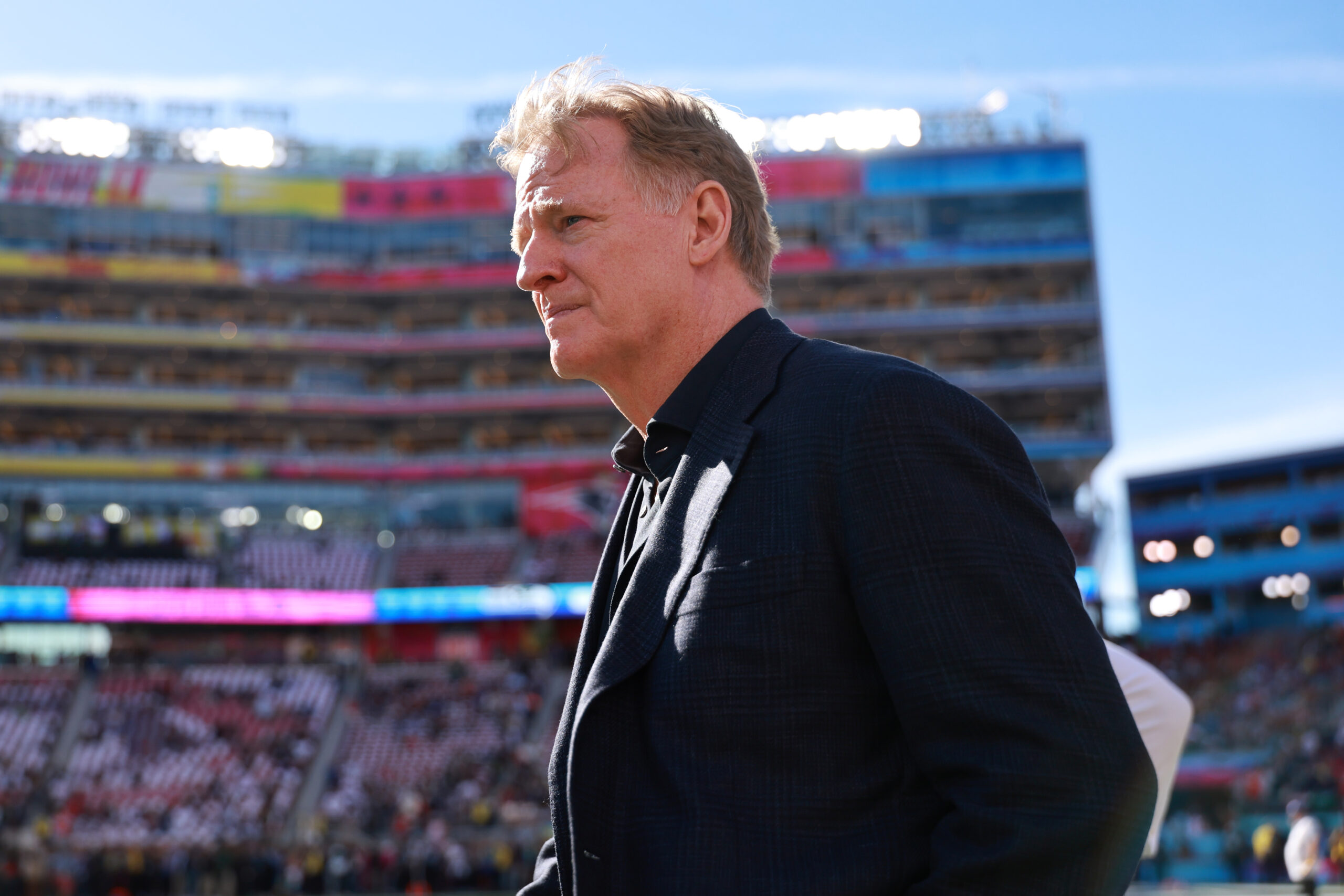
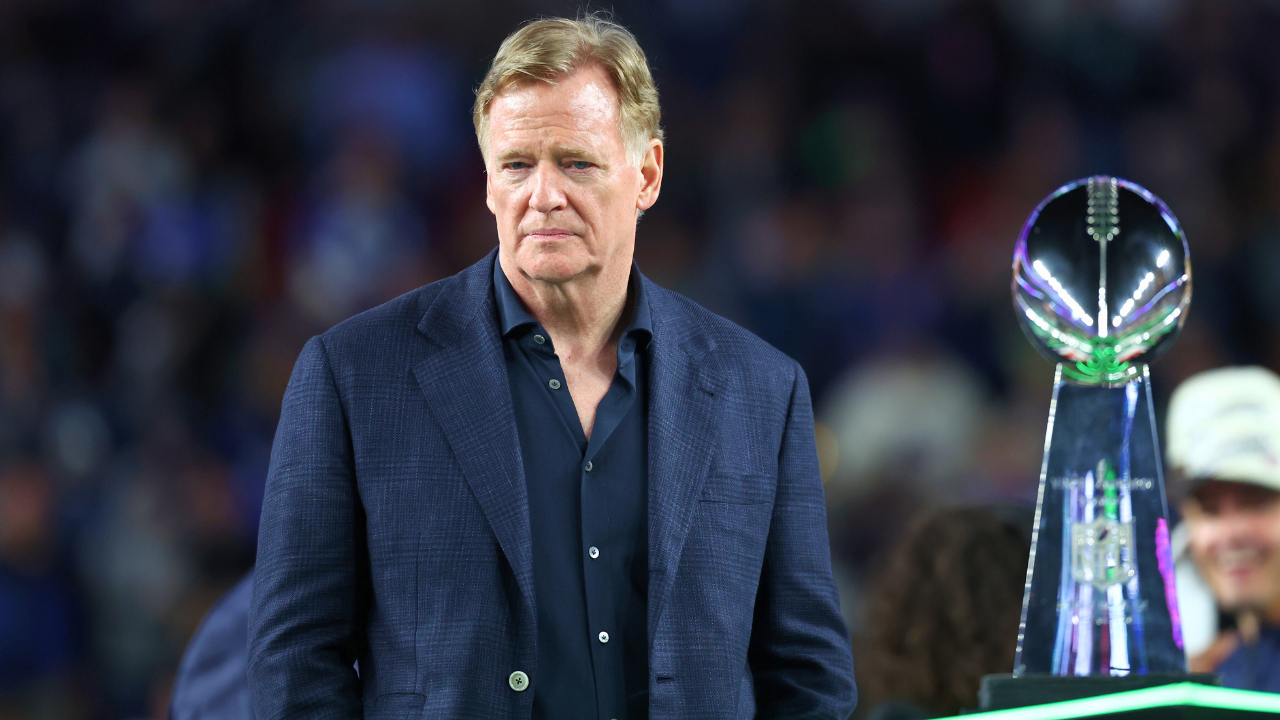
Feb 8, 2026; Santa Clara, CA, USA; NFL commissioner Roger Goodell looks on before Super Bowl LX between the Seattle Seahawks and the New England Patriots at Levi’s Stadium. Mandatory Credit: Mark J. Rebilas-Imagn Images
The $416 M shared payout per team supports more than star contracts. It funds front office operations, stadium staffing, security, and year round infrastructure across 32 markets. Local revenue, roughly a third of total intake by industry estimates, sustains hotels, bars, suppliers, and broadcast partners tied to game days. Firing a commissioner is not symbolic. It signals strategic dissatisfaction at the ownership level. So far, distributions are rising, not shrinking. That reality complicates calls for dramatic change.
Culture War Meets Record Reach
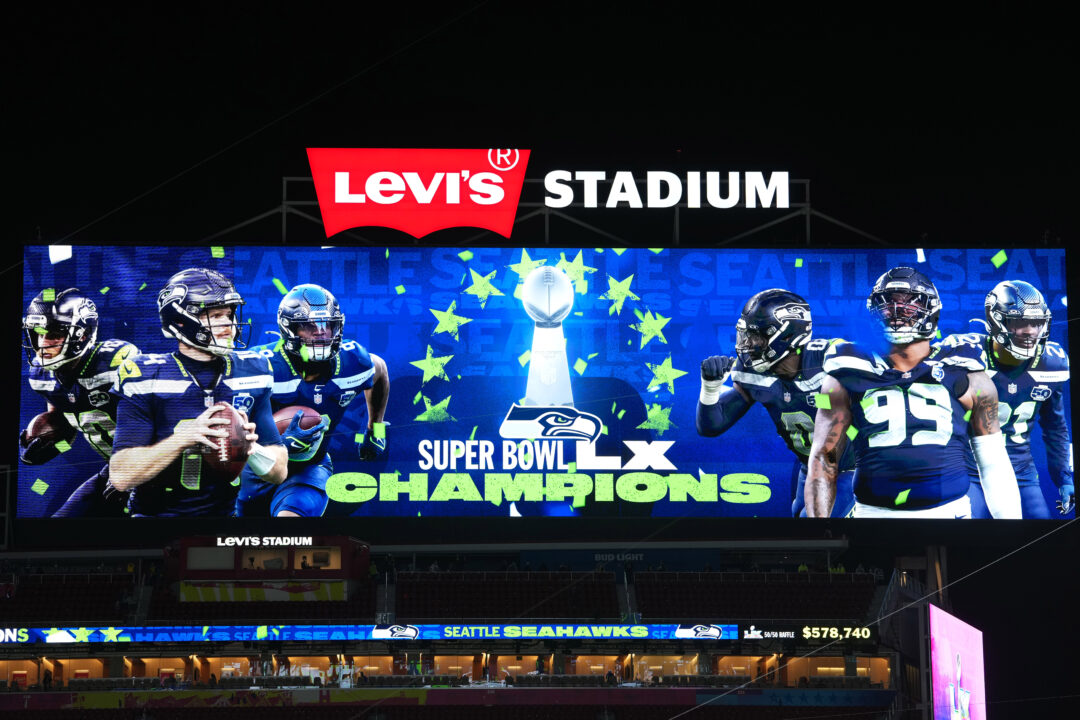
Nielsen’s Big Data plus Panel measurement shows Super Bowl LX averaged 124.9 M viewers, making it the second most watched Super Bowl ever, trailing only the prior year’s 127.7 M. Regional coverage citing Ripple Analytics reported roughly 4 B global social views for the halftime show within 24 hours. Meanwhile, the alternative broadcast peaked at 6.1 M concurrent viewers. The cultural argument is passionate. The reach metrics remain overwhelming. Is that gap enough to quiet demands for leadership change?
Who Actually Decides His Future
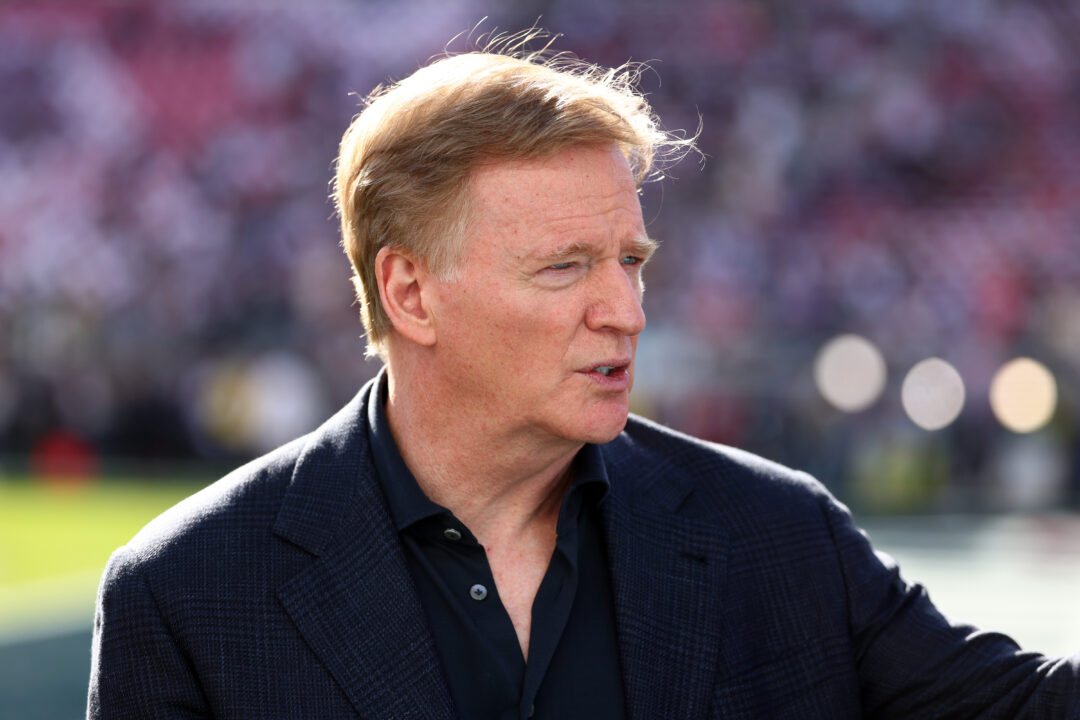
Commissioners answer to owners, not social media blocs. Goodell’s contract reportedly runs another 18 months and is valued around 200 M USD. Owners are evaluating expanding media deals, international growth, and revenue pacing toward 25 B USD by 2027. There is no public indication of internal revolt. The backlash reveals political tension inside the fan base. It does not yet show boardroom instability. In the NFL, performance is defined by financial trajectory. By that metric, Goodell’s position remains structurally secure.
If you enjoyed this article please like and follow us here on MSN! Thank you for reading and have a great day!
Sources:
Super Bowl LX draws 124.9 million viewers, Bad Bunny halftime reaches 128.2 million. The Athletic, February, 10 2026.
NFL revenue ‘cleared US$23bn’ for 2024 financial year. SportsPro (via Sports Business Journal data), April, 11 2025.
Mission Accomplished: NFL to Hit Goodell’s 25B Dollar Revenue Goal. Yahoo Sports (Sportico analysis), February, 02 2026.
NFL revenue passes 23B Dollars in latest fiscal year. Sports Business Journal, April, 09 2025.