

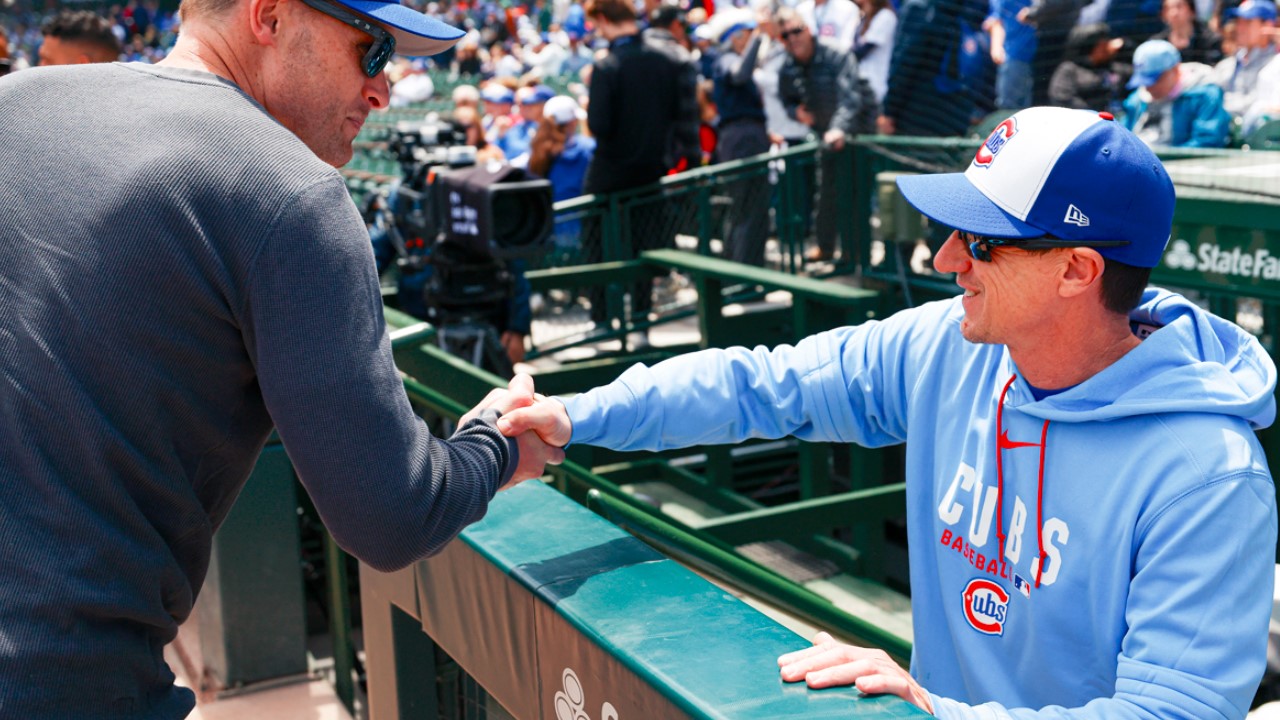
Somewhere in Springfield, past midnight, lawmakers were still rewriting a stadium bill they knew might already be dead. The Chicago Bears had spent months telling anyone with a microphone that the city was finished, that no viable site existed, that the only real options sat in Arlington Heights or across the state line in Hammond, Indiana. Meanwhile, Indiana’s governor had already signed the paperwork. A roughly $1 billion public commitment. A 35-year lease. And a buyout clause that should make every taxpayer’s stomach turn.
The Clock Illinois Couldn’t Outrun
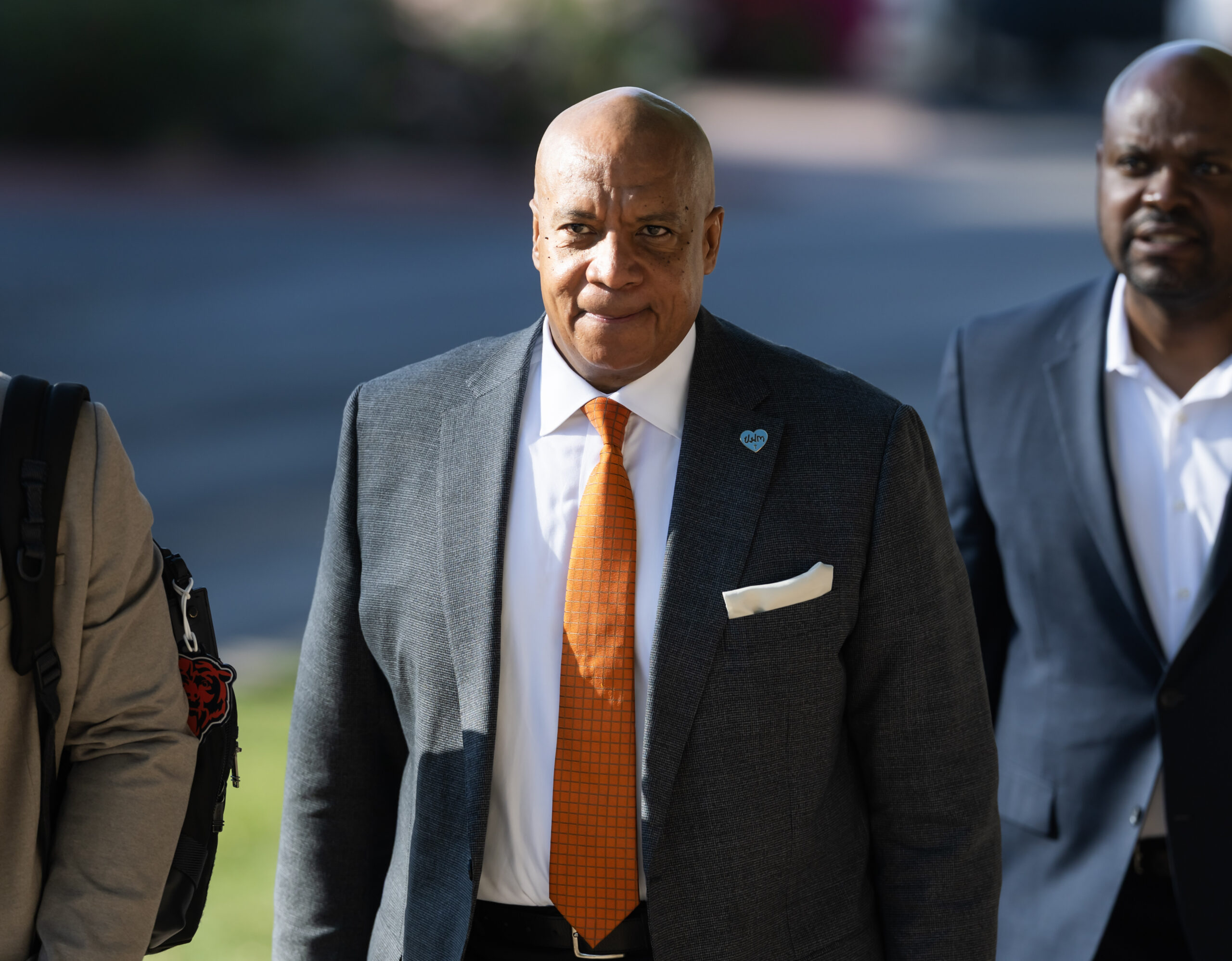
Mar 30, 2026; Phoenix, AZ, USA; Chicago Bears president Kevin Warren during the 2026 NFL Annual League Meeting at the Arizona Biltmore. Mandatory Credit: Mark J. Rebilas-Imagn Images
The Illinois General Assembly’s spring session ended May 31. That deadline mattered because the Bears’ president, Kevin Warren, had publicly tied the franchise’s stadium decision to whether Springfield could deliver tax certainty before adjournment. Warren said the team was targeting a decision in late spring or early summer. Indiana already had Senate Bill 27 signed into law. Illinois had a megaprojects bill built around a PILOT tax-freeze mechanism that Sen. Bill Cunningham admitted flat-out lacked the votes in the Senate Democratic caucus.
The $39 Million Question Nobody Asked

May 22, 2026; Chicago, Illinois, USA; Chicago Bears first-round draft pick Dillon Thieneman throws out a ceremonial first pitch before a baseball game between the Chicago Cubs and Houston Astros at Wrigley Field. Mandatory Credit: Kamil Krzaczynski-Imagn Images
Most fans assumed this fight was about which suburb gets a domed stadium and better tailgating. It wasn’t. The Cook County treasurer’s office estimated that under the failed megaprojects bill, the Bears would have saved roughly $39 million in annual property taxes. Over 40 years, that approaches $1.5 billion in nominal savings. The annual PILOT payment back to local governments? An estimated $10 million. That gap between what the Bears save and what communities recoup is the real scoreboard. Illinois lawmakers rejected the PILOT framing as politically toxic, then scrambled for a new wrapper around the same goal.
The Door That Was Never Closed

May 22, 2026; Chicago, Illinois, USA; Chicago Bears first-round draft pick Dillon Thieneman jokes with Cubs mascot Clark before throwing out a ceremonial first pitch before a baseball game between the Chicago Cubs and Houston Astros at Wrigley Field. Mandatory Credit: Kamil Krzaczynski-Imagn Images
“The Chicago Bears have exhausted every opportunity to stay in Chicago.” That was the team’s official statement. Then Capitol News Illinois reported that the Bears had met repeatedly with City of Chicago officials over several months to discuss stadium options. Publicly closing a door they were privately walking through. That contradiction reveals the engine beneath every NFL relocation threat: declare the hometown dead, force two states into a bidding war, and let the subsidies climb. The myth that teams stay out of loyalty died right there.
Indiana’s Fully Loaded Machine
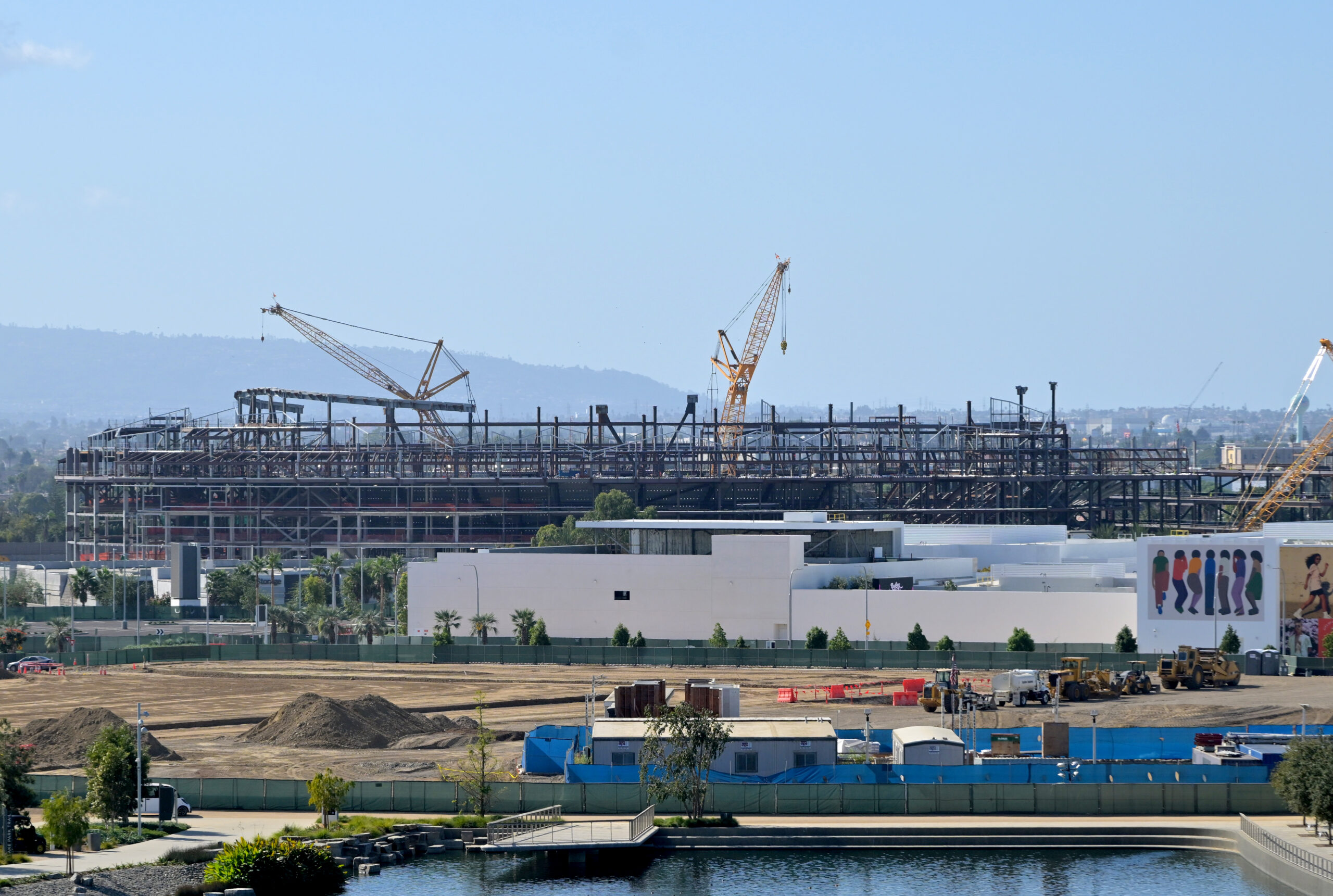
Oct 23, 2022; Inglewood, California, USA; General view the Intuit Dome under construction as seen from SoFi Stadium. Mandatory Credit: Jayne Kamin-Oncea-Imagn Images
Senate Bill 27 created the Northwest Indiana Stadium Authority with power to issue long-term bonds, acquire land near Wolf Lake in Hammond, and build a domed stadium. The Bears would sign a lease of at least 35 years, keep all stadium-generated revenue, and then have the option to buy the building for one dollar at the end of the lease. Taxpayers make the bond payments for decades and hand over the keys for a buck. Indiana officials have pitched the deal as more favorable than anything Illinois could currently offer.
The Numbers Behind the Renderings
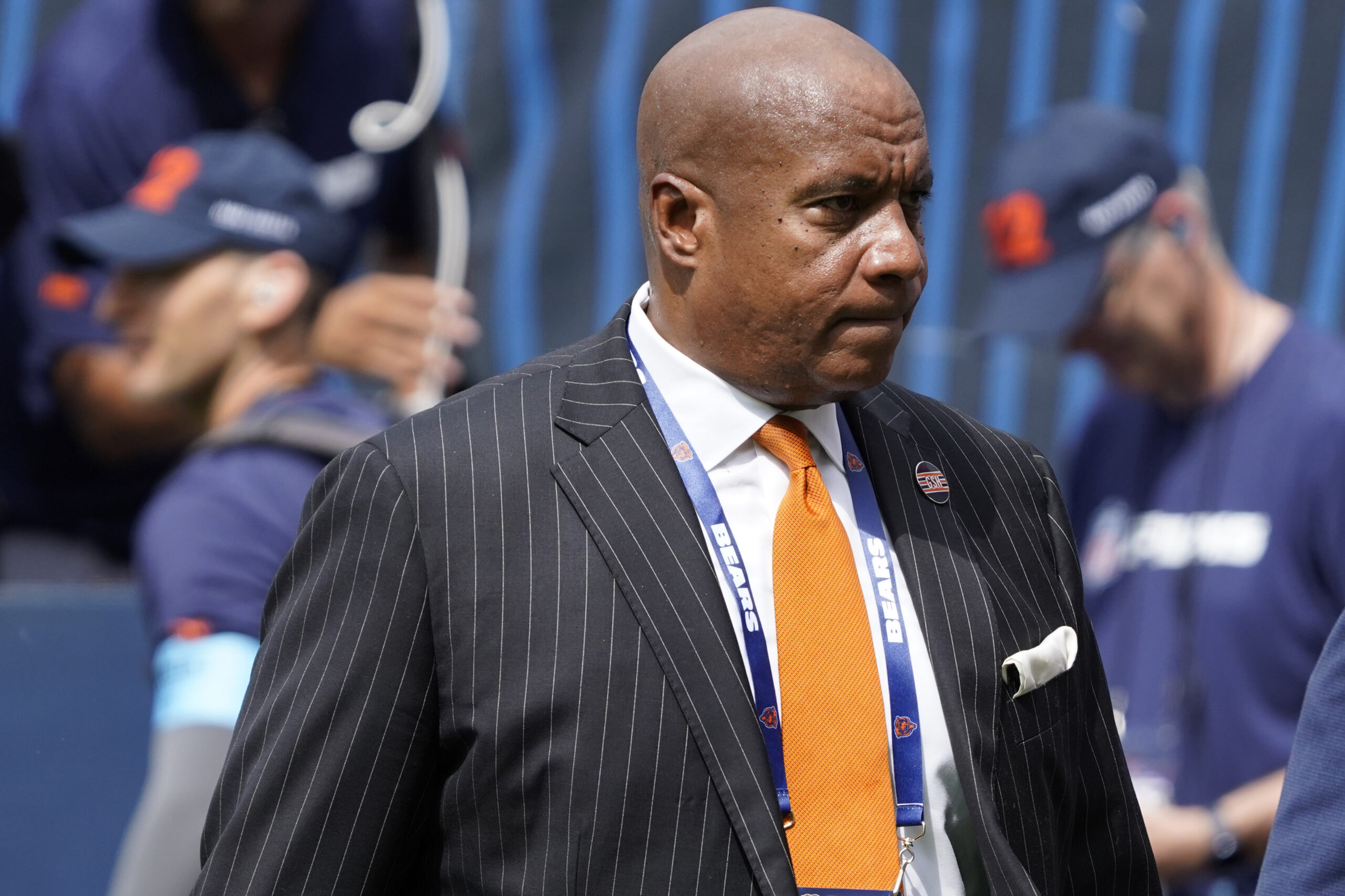
Aug 17, 2024; Chicago, Illinois, USA; Chicago Bears President Kevin Warren on the field before the game against the Cincinnati Bengals at Soldier Field. Mandatory Credit: David Banks-Imagn Images
The Bears’ own economic study projects more than 56,000 construction jobs and roughly 9,000 permanent positions tied to the Arlington Heights plan. The $5 billion development across 326 acres — the former Arlington International Racecourse the team bought in 2023 for about $197 million — is touted as a powerful economic engine, with Arlington Heights’ own analysis projecting about $15 million a year in new village revenue, or roughly $510 million over 40 years. Impressive on paper. But the team also requested about $855 million in public infrastructure support for that same site. Strip out the subsidy, and the “net new” revenue picture shrinks considerably. Those job projections and fiscal forecasts exist to justify the tax diversions baked into every version of the deal.
Two States, One Losing Playbook

May 22, 2026; Chicago, Illinois, USA; Chicago Bears first-round draft pick Dillon Thieneman warms up before throwing out a ceremonial first pitch before a baseball game between the Chicago Cubs and Houston Astros at Wrigley Field. Mandatory Credit: Kamil Krzaczynski-Imagn Images
Indiana financed its offer through food-and-beverage tax increases in Lake and Porter counties, a higher hotel tax in Lake County, and a 12% admissions tax on stadium tickets, with a professional sports development area capturing additional state and local taxes. Illinois’ last-ditch stadium authority bill would let Cook County municipalities over 70,000 residents create local stadium authorities, making the venue a tax-exempt public building while the Bears privately finance construction. Different legal wrappers. Same underlying transfer: decades of hospitality and property-tax revenue redirected from schools, roads, and general funds toward a privately operated NFL asset. Whichever state wins, local budgets absorb the volatility while the franchise locks in certainty.
The Precedent Every Owner Is Watching

May 8, 2026; Lake Forest, IL, USA; Chicago Bears defensive coordinator Dennis Allen looks on during Rookie Minicamp at Halas Hall. Mandatory Credit: Kamil Krzaczynski-Imagn Images
Indiana modeled its financing on the approach that built Lucas Oil Stadium for the Colts. Now it has refined the playbook: long-term bonds, a cheap buyout, dedicated tax districts. If the Bears accept Hammond, every NFL owner with a lease expiring in the next decade will wave this deal at their state legislature. The cross-border bidding war becomes the template. A successful Illinois stadium authority model could set its own precedent, proving states can deliver tax-friendly ownership without the PILOT label. Either outcome raises the national floor for what franchises demand.
Springfield’s Unfinished Business
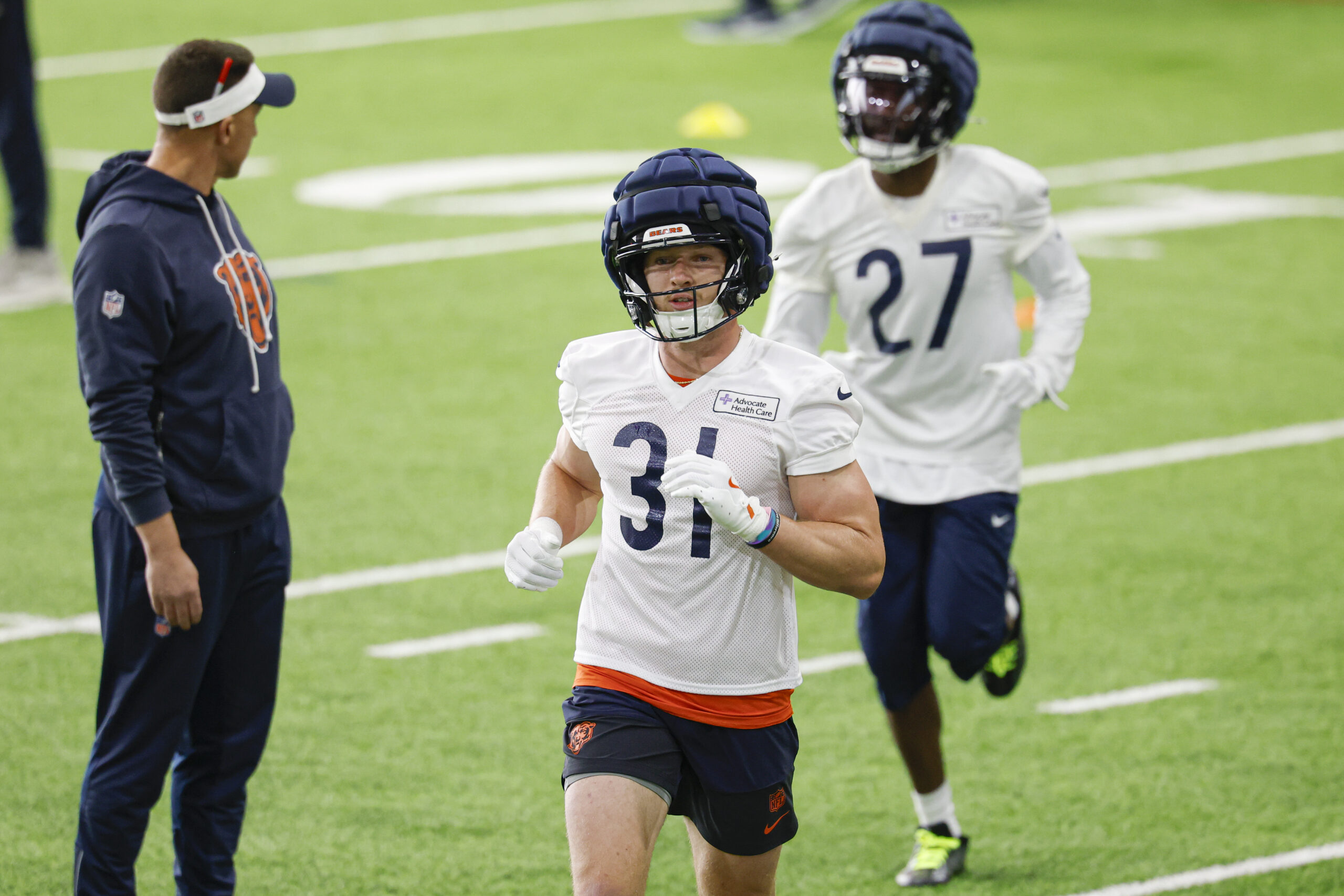
May 8, 2026; Lake Forest, IL, USA; Chicago Bears defensive back Dillon Thieneman (31) runs during Rookie Minicamp at Halas Hall. Mandatory Credit: Kamil Krzaczynski-Imagn Images
The revised stadium framework never made it to the governor’s desk before adjournment. For all the late-night rewrites and Hail Mary amendments, Illinois ended this session without a single Bears stadium bill signed into law. The Bears still hold a Soldier Field lease through 2033, meaning the franchise can wait. But lakefront businesses, Arlington Heights landowners, and ancillary employers who depend on game-day traffic cannot. The longer Springfield stalls, the more leverage shifts permanently across the state line.
What You Now Know That Most People Don’t

May 8, 2026; Lake Forest, IL, USA; Chicago Bears tight end Sam Roush (87) speaks during Rookie Minicamp at Halas Hall. Mandatory Credit: Kamil Krzaczynski-Imagn Images
This was never about seats, skylines, or which suburb has better parking. The decisive variables are bond structures, tax breaks, and who owns the building after decades of public payments. The Bears told Chicago it was dead while quietly keeping the city alive as a bargaining chip. Indiana signed a law. Illinois couldn’t close. And somewhere in the fine print of both offers, taxpayers are being asked to finance a stadium they may never own for a team that carries their city’s name but answers only to the spreadsheet. The counter-move belongs to voters who finally read the terms. So tell us where you land: should Illinois match Indiana’s deal to keep the Bears — or let them walk and protect the taxpayers? Drop your take in the comments