
The resignation letter landed in early February 2026. No leaks beforehand. No agent-planted rumors. Jim Schwartz, the man who built one of the NFL’s most feared defenses in Cleveland over three seasons, simply walked away. The Browns had just handed their head coaching job to Todd Monken, passing over a defensive coordinator who had been one of the finalists for the role and had run their defense since day one. Schwartz said nothing publicly for weeks. Then he picked up the phone and explained exactly what happened, and the reasoning cuts deeper than wounded pride.
The Job He Didn’t Get
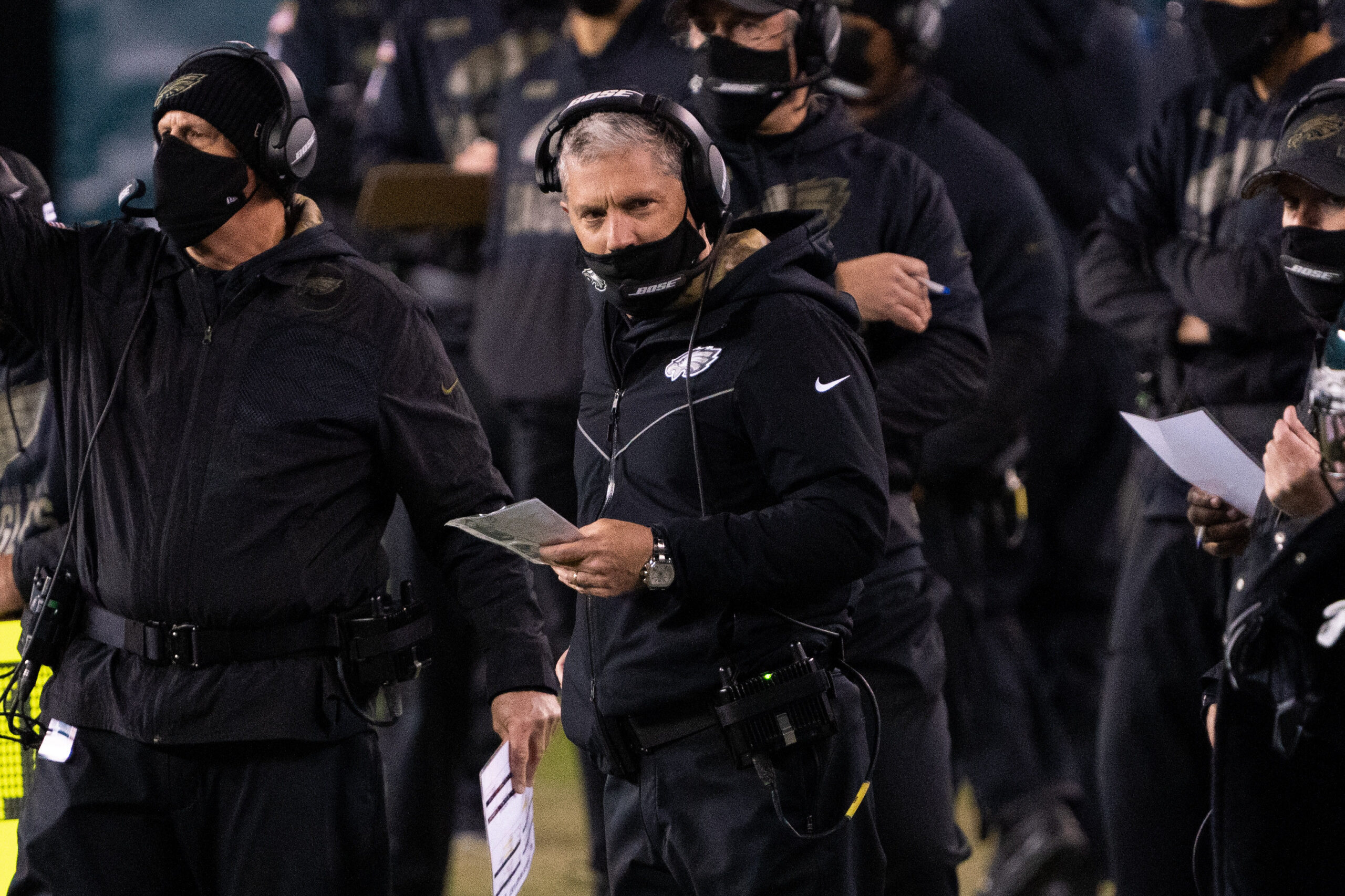
Nov 1, 2020; Philadelphia, Pennsylvania, USA; Philadelphia Eagles defensive coordinator Jim Schwartz during the third quarter against the Dallas Cowboys at Lincoln Financial Field. Mandatory Credit: Bill Streicher-Imagn Images
Schwartz had been a finalist for the Browns’ head coaching vacancy. Three seasons of elite defensive production, including two top-five finishes in fewest total yards allowed. A reputation as one of the league’s best defensive minds. And Cleveland still picked someone else. That kind of rejection reshapes a man’s relationship with an organization overnight. Staying on as defensive coordinator under the guy who beat you out requires a specific kind of professional amnesia that Schwartz refused to fake. The pressure had been building since the moment Monken’s name surfaced as the frontrunner, and Schwartz watched it unfold from inside the building.
A Forced Marriage He Refused
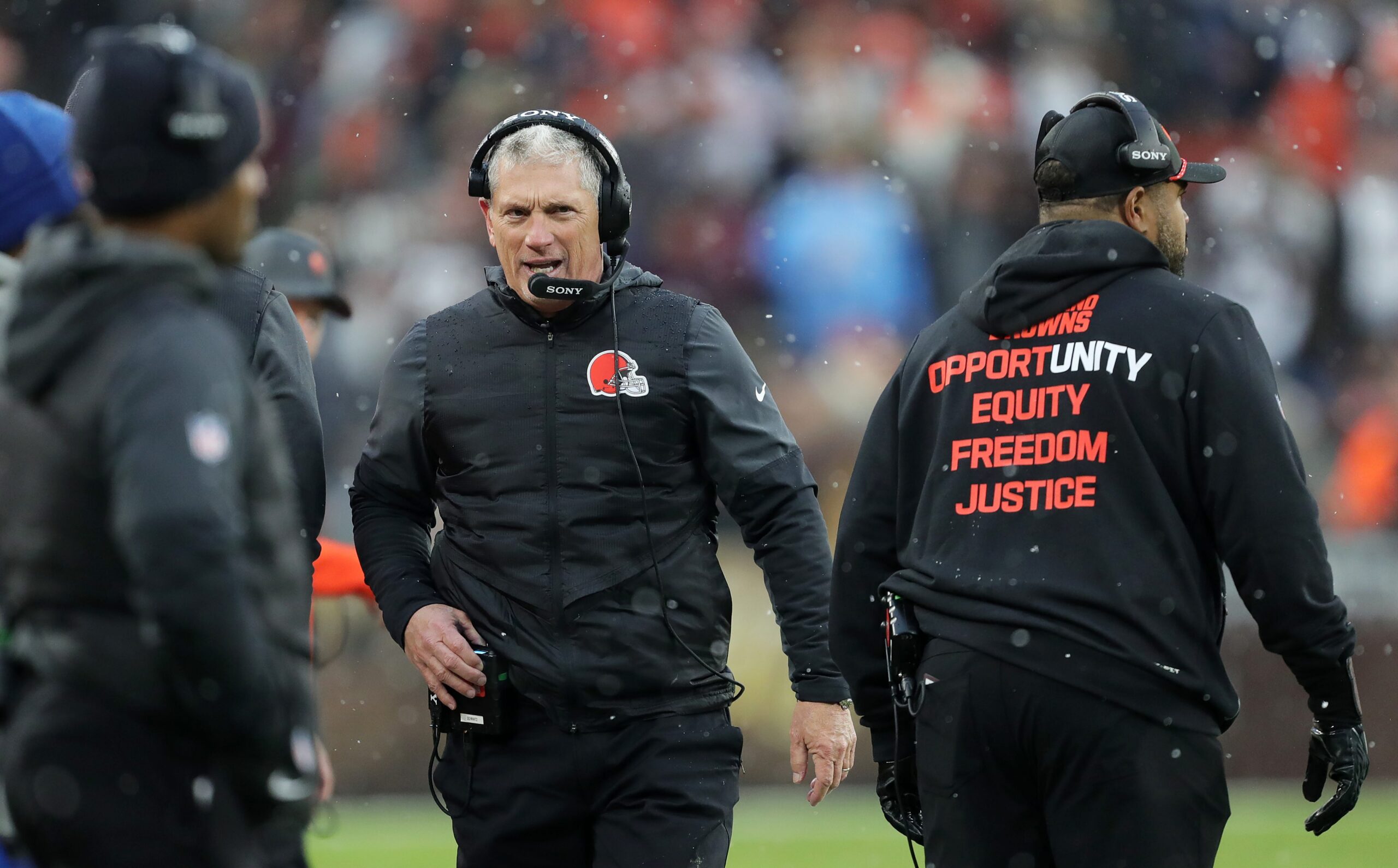
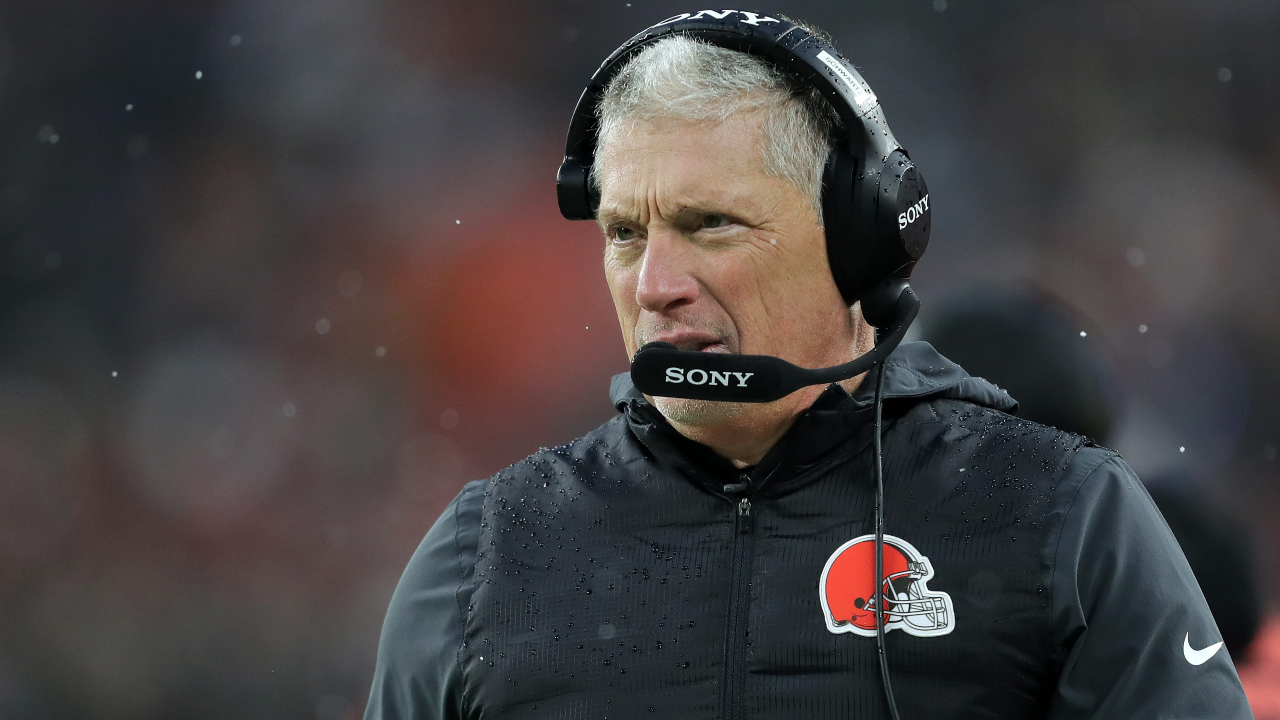
Cleveland Browns defensive coordinator Jim Schwartz works the sideline during the second half of an NFL football game at Huntington Bank Field, Dec. 7, 2025, in Cleveland, Ohio.
Most coordinators swallow the disappointment and stay. Schwartz wouldn’t. “A forced marriage isn’t going to work in the NFL,” he told reporters, and that single sentence carries the weight of decades in professional football. He understood the dynamic would poison everything: meeting rooms, game-day communication, defensive adjustments at halftime. A coordinator who wanted the top job reporting to the man who got it instead. Schwartz had seen that movie before around the league. He knew how it ended, and he chose the exit before the collapse.
The Quote That Tells Everything
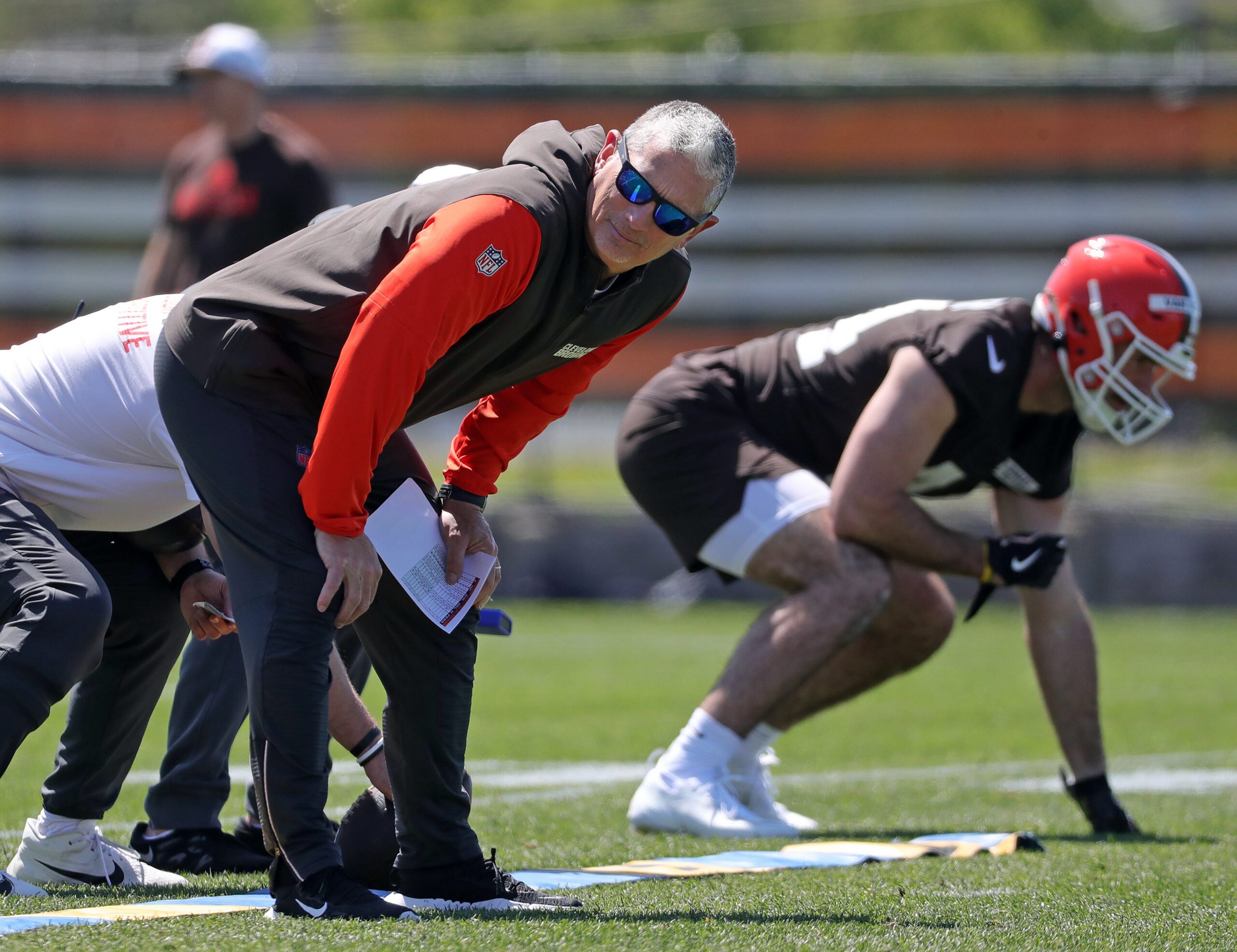
Cleveland Browns defensive coordinator Jim Schwartz at work during NFL rookie minicamp at the Browns training facility May 9, 2025, in Berea.
“Todd deserved his own guy.” Five words, and they reveal the entire architecture of NFL coaching politics. Schwartz didn’t trash the organization. He framed his departure as an act of professional respect, acknowledging that a new head coach needs coordinators who chose him, not coordinators who lost to him. That kind of self-awareness is rare in a business built on ego. But underneath the grace sits an unmistakable truth: Schwartz believed he was the better choice. He just refused to say it out loud. The restraint itself became the loudest statement.
The Contract Trap
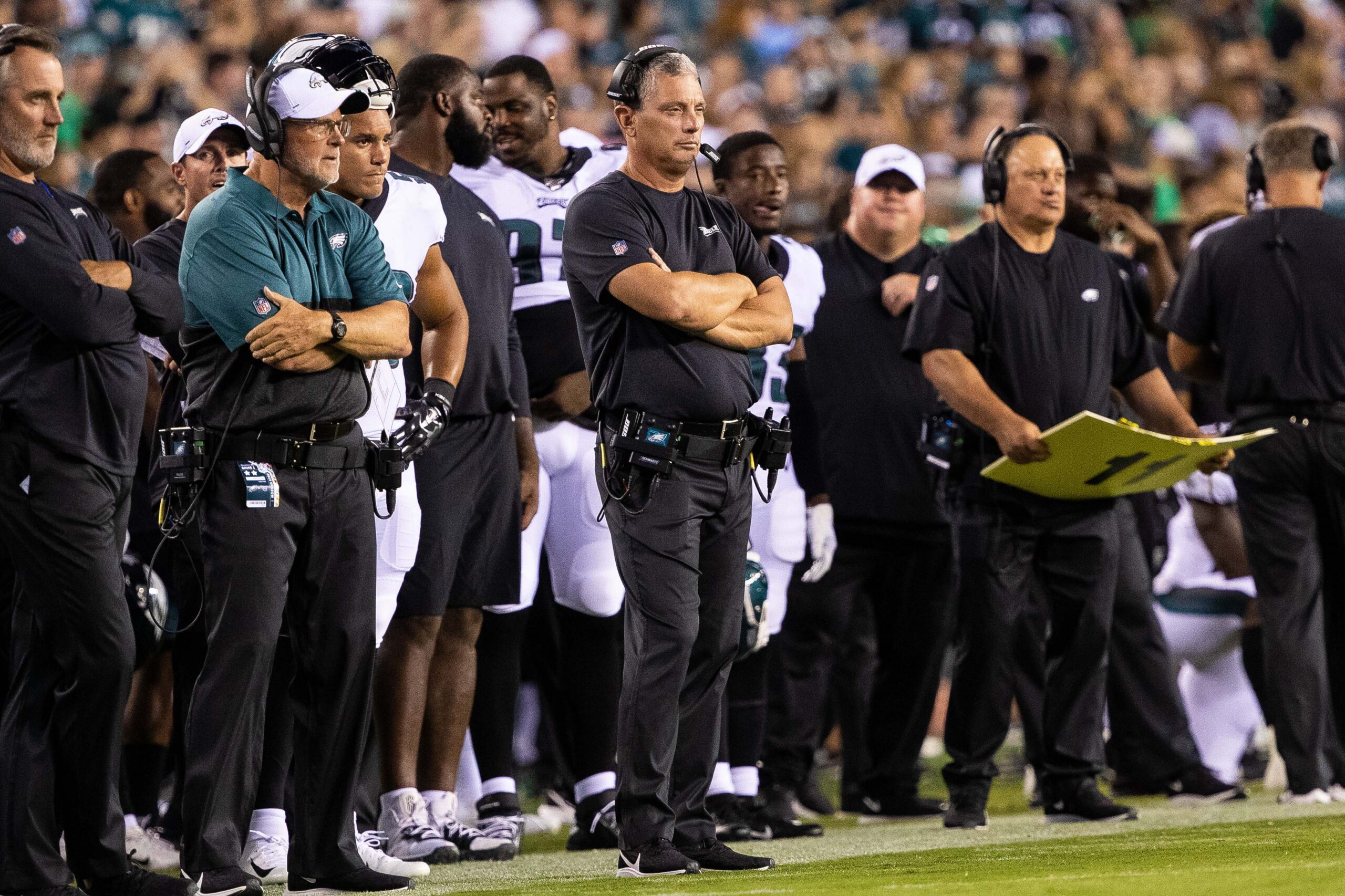
Aug 8, 2019; Philadelphia, PA, USA; Philadelphia Eagles defensive coordinator Jim Schwartz during the second quarter against the Tennessee Titans at Lincoln Financial Field. Mandatory Credit: Bill Streicher-Imagn Images
Here’s where it gets brutal. Schwartz didn’t just leave a job. He forfeited the year remaining on his contract with Cleveland. And NFL rules governing coordinator contracts mean that resignation carries a cost beyond lost salary. Because he resigned rather than being fired or released, Schwartz cannot coach for another team during the 2026 season. He confirmed it himself: “I made the decision to resign, and I have to sit out this year as a result.” One of the league’s most respected defensive strategists, benched by a technicality he triggered voluntarily.
Elite Production on a Sinking Ship
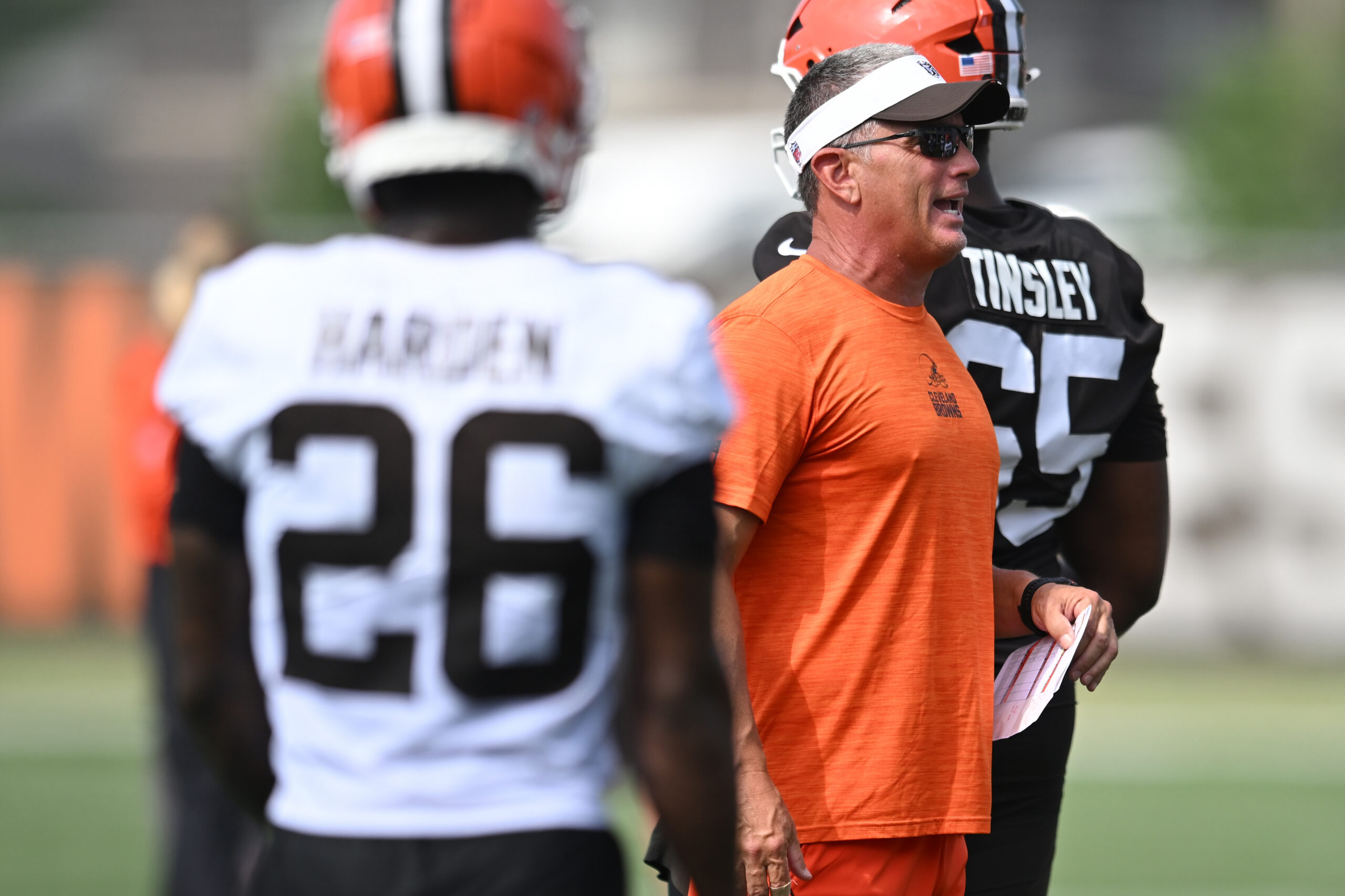
Jul 26, 2025; Berea, OH, USA; Cleveland Browns defensive coordinator Jim Schwartz during training camp at CrossCountry Mortgage Campus. Mandatory Credit: Ken Blaze-Imagn Images
The numbers make Schwartz’s situation even more absurd. Twice in his three seasons, his defense finished top five in fewest total yards allowed, and in 2025 the Browns ranked fourth in total defense even as the franchise struggled around them. He kept a unit dominant while the rest of the team crumbled. Coordinators who produce results like that on bad teams don’t sit at home. They get bidding wars. Unless the contract says otherwise.
The Ripple Across the League
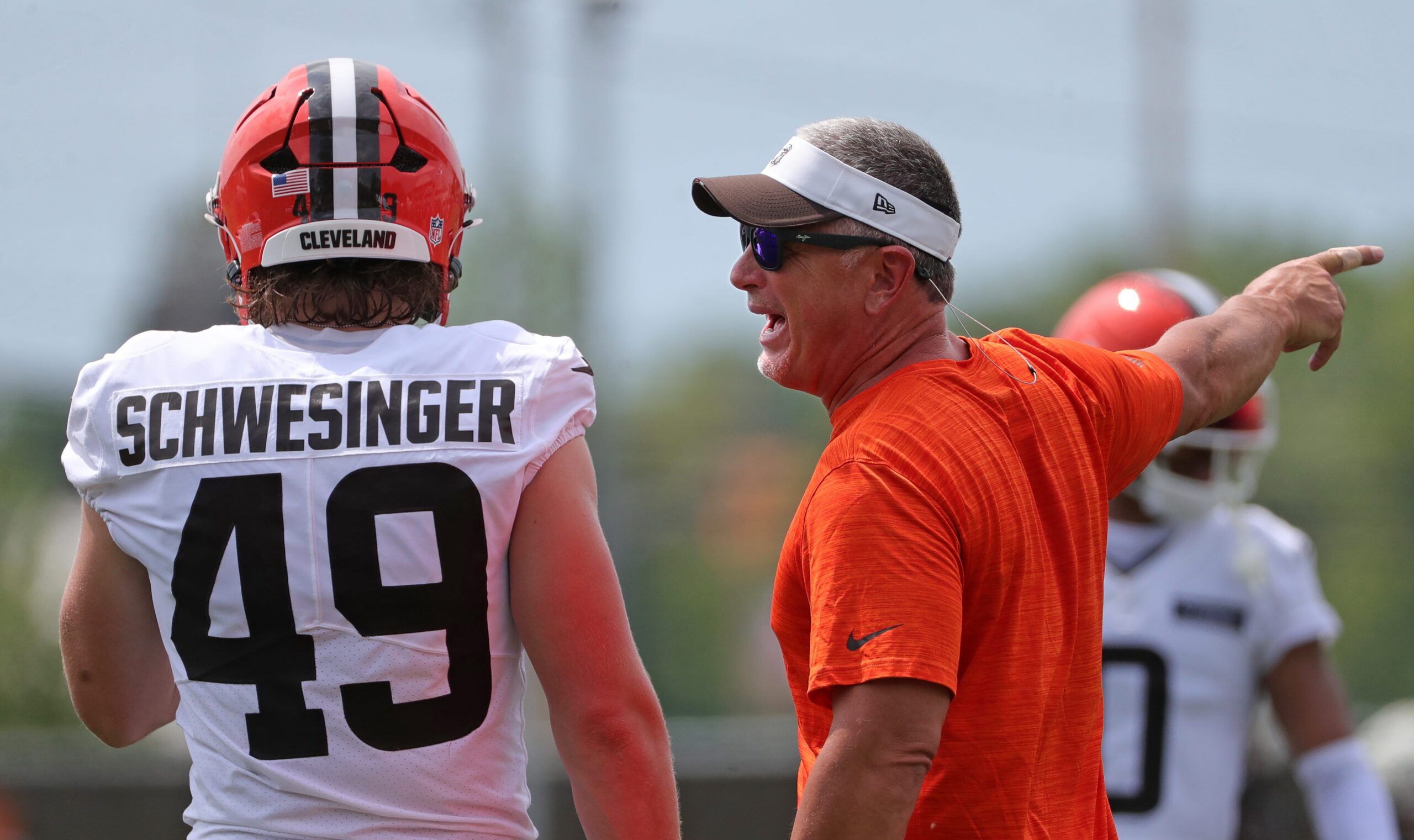
Cleveland Browns defensive coordinator Jim Schwartz has a word with linebacker Carson Schwesinger (49) during NFL training camp at CrossCountry Mortgage Campus, Friday, July 25, 2025, in Berea, Ohio.
Had he been available, Schwartz would instantly have been one of the most sought-after defensive coordinators on the 2026 market. He wasn’t. That absence warped the entire coordinator hiring cycle. Teams needing defensive upgrades had to settle for their second or third choice because the top candidate sat locked behind a contractual wall of his own making. Cleveland, meanwhile, launched an immediate search for his replacement and eventually hired the Falcons’ Mike Rutenberg. The Browns lost their best coach. The league lost its most interesting hire. Nobody won this one.
The Precedent Nobody Wanted
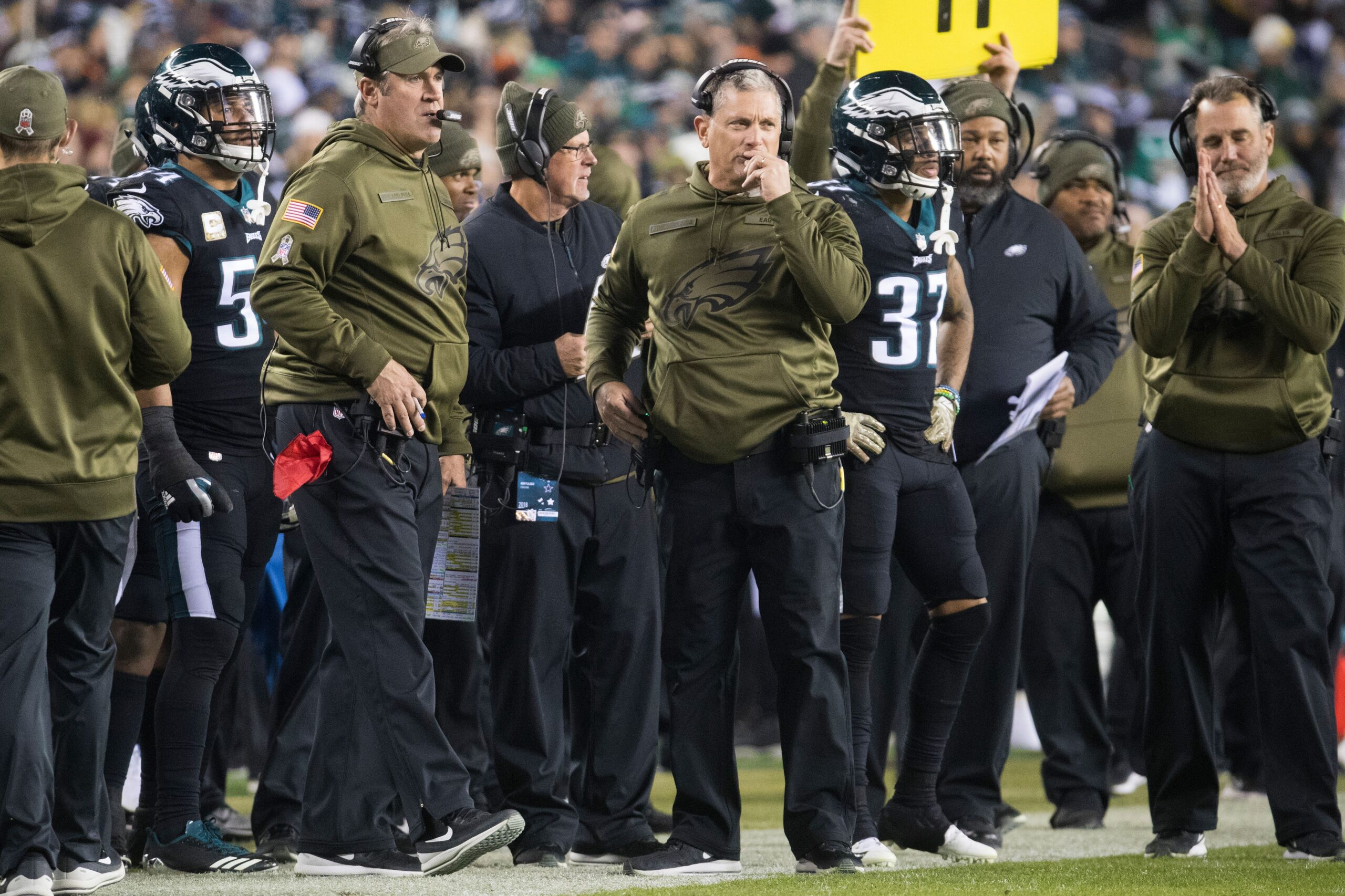
Eagles head coach Doug Pederson, left, and defensive coordinator Jim Schwartz await a ref’s review decision Sunday night against the Cowboys. Sports Eagles Cowboys
Schwartz’s situation exposes a fault line in how the NFL handles coordinator contracts. A coach too proud to stay and too principled to pretend ends up punished for honesty. The league’s contractual structure assumes coordinators will either accept their role or get fired. It has no clean mechanism for a coordinator who says “I deserve better” and walks. Dawg Pound Daily ranked Schwartz eighth among all defensive coordinators in its latest evaluation. The man who earned that ranking now watches football from his couch because the system rewards compliance over conviction.
Sixty Years Old and Waiting
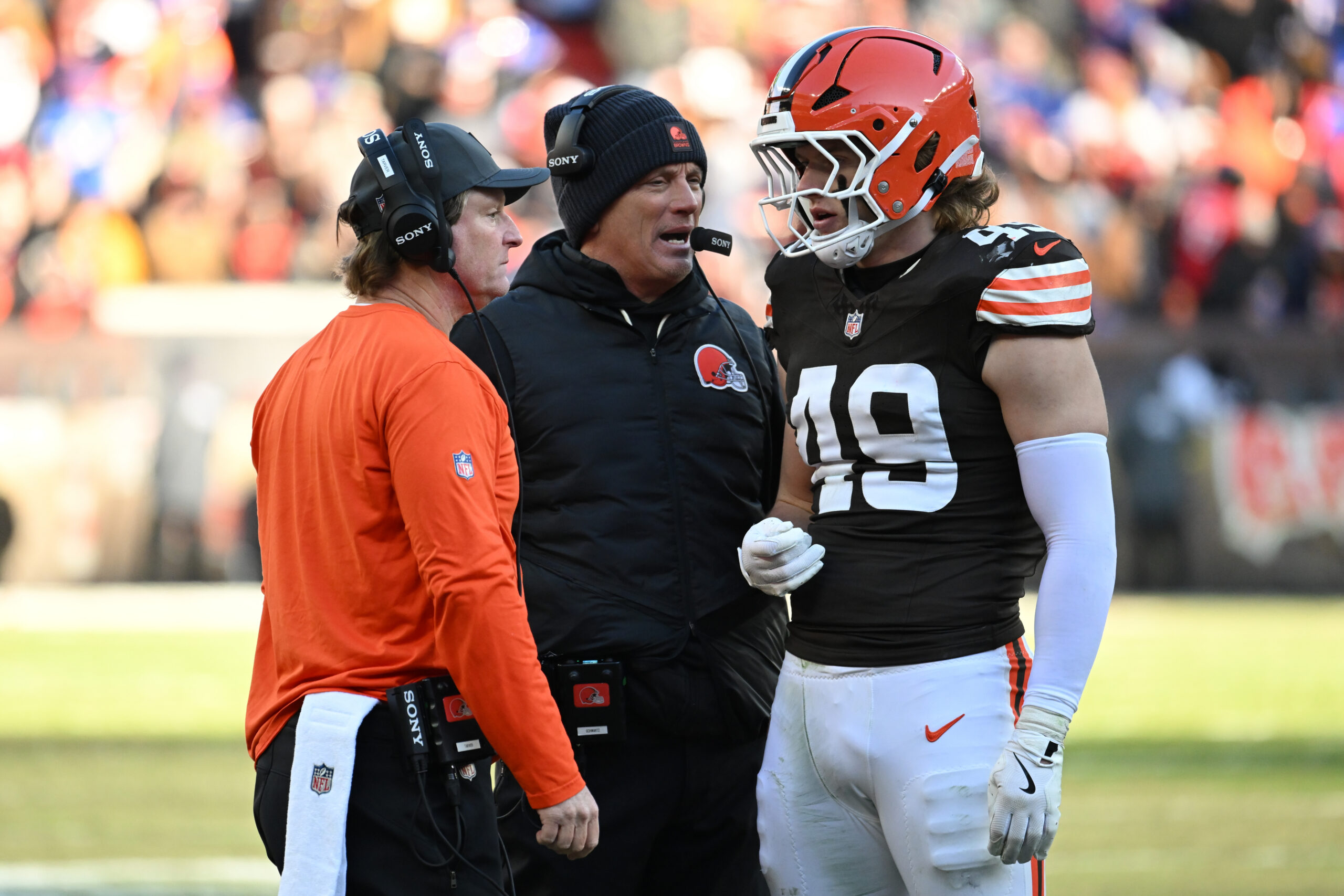
Dec 21, 2025; Cleveland, Ohio, USA; Cleveland Browns linebacker Carson Schwesinger (49) talks with defensive coordinator Jim Schwartz on the during the second half against the Buffalo Bills at Huntington Bank Field. Mandatory Credit: Ken Blaze-Imagn Images
Schwartz turned 60 in June 2026. The coaching carousel doesn’t wait for anyone, and a year away from the game at that age carries real risk. Younger coordinators build relationships with new staffs. Schemes evolve. The NFL moves fast enough to make a one-year absence feel like three. Schwartz gambled that his reputation would survive the gap. Given his track record and the public nature of his departure, that bet looks reasonable. But every month on the sideline is a month where someone else becomes the name teams call first.
Pride Has a Price Tag
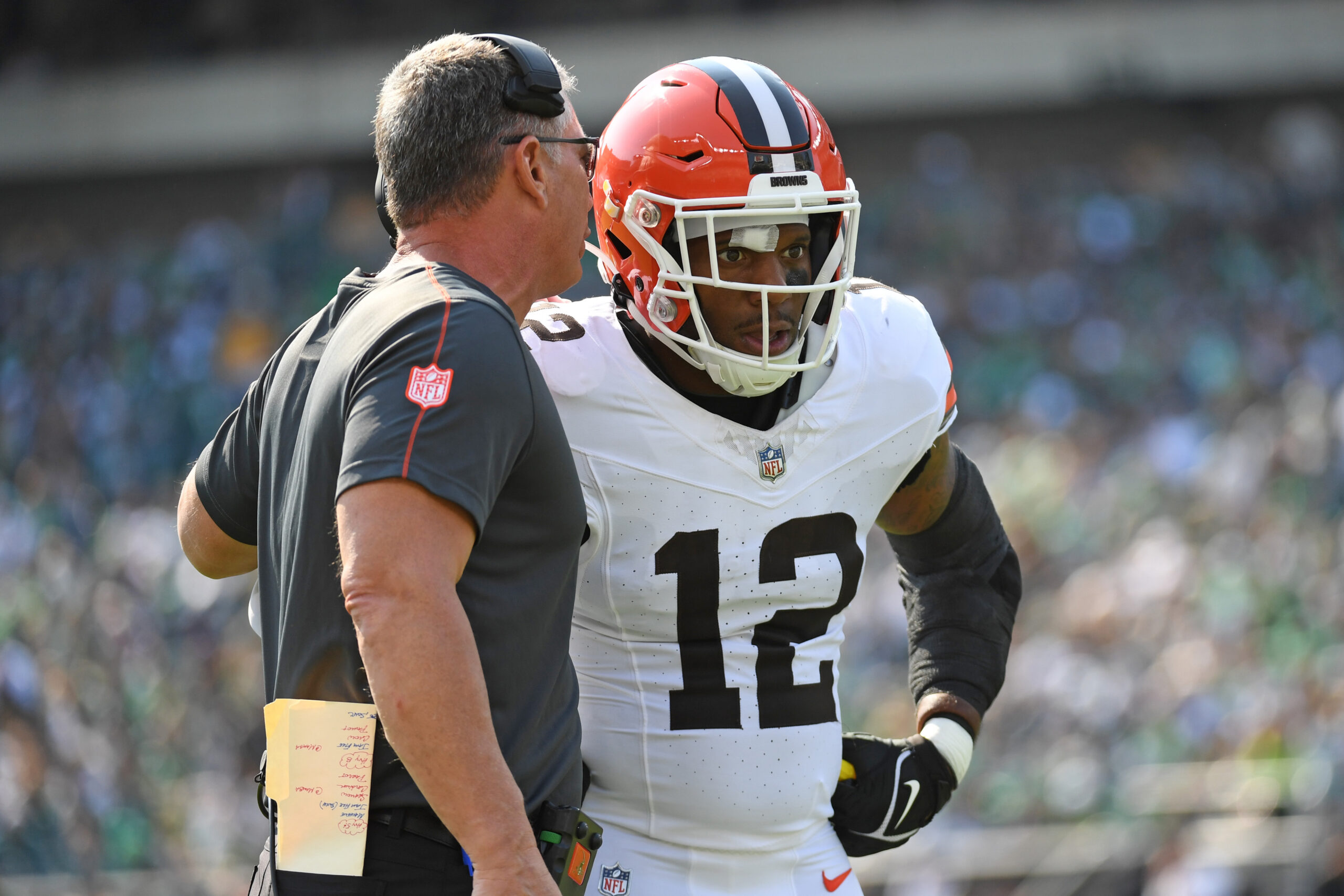
Oct 13, 2024; Philadelphia, Pennsylvania, USA; Cleveland Browns defensive coordinator Jim Schwartz talks with Cleveland Browns safety Rodney McLeod Jr. (12) against the Philadelphia Eagles during the first quarter at Lincoln Financial Field. Mandatory Credit: Eric Hartline-Imagn Images
Jim Schwartz chose dignity over a paycheck, principle over convenience, and silence over spectacle. He forfeited guaranteed money, sacrificed a year of his career, and bet everything on the belief that the NFL will remember what he built in Cleveland. The forced marriage quote will follow him into every future interview. It should. Because the next time a coordinator gets passed over for a head coaching job and considers staying anyway, Schwartz’s decision will be the case study. Whether the league’s next great defensive opening lands on his desk remains the only question worth asking. Was Schwartz right to walk away and sit out a season on principle, or did pride cost him a year he’ll never get back? Drop your take in the comments.