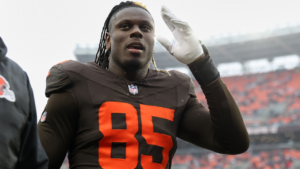

Rookie minicamp had barely ended. The pads were off, the drills logged, the first real taste of professional football still fresh in his legs. Somewhere between the final whistle on May 9 and a quiet weekend in South Florida, a 23-year-old running back from Baton Rouge made a decision most people never see coming. Le’Veon Moss, one of 11 undrafted free agents the Miami Dolphins hand-picked after the 2026 draft, walked away from everything. The Dolphins announced his retirement before OTAs even started.
The Résumé That Should Have Held
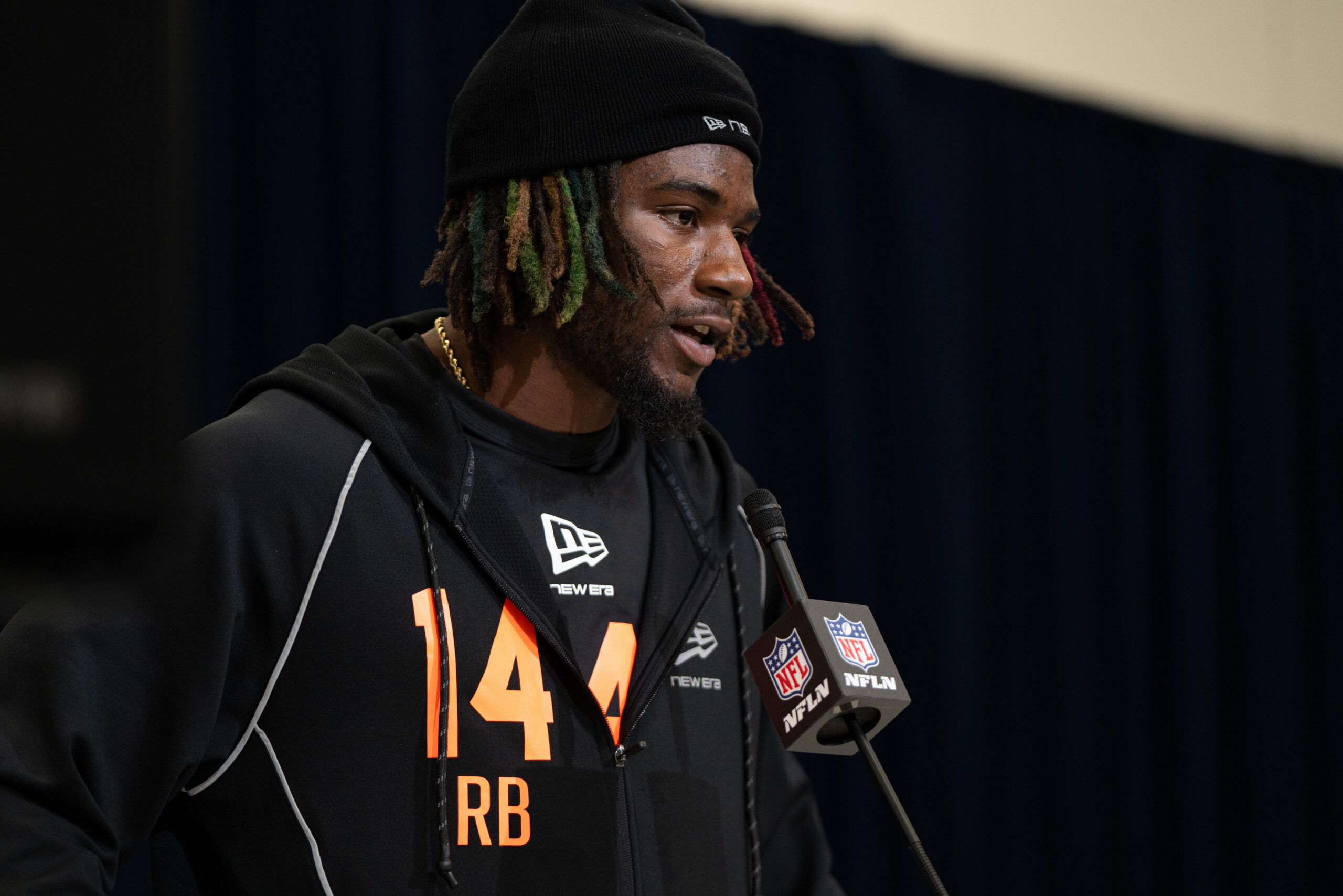
Feb 27, 2026; Indianapolis, IN, USA; Texas A&M running back Le’Veon Moss (RB14) speaks to members of the media during the NFL Combine at the Indiana Convention Center. Mandatory Credit: Jacob Musselman-Imagn Images
Moss wasn’t some fringe camp body. At Texas A&M, he appeared in 32 games with 20 starts across four seasons. He rushed for 1,767 yards on 321 carries, averaging 5.5 yards per attempt, and scored 22 touchdowns. He added 24 receptions for 236 yards. In 2024, he earned All-SEC second-team honors. In 2025, he helped the Aggies reach the College Football Playoff. He attended the 2026 NFL Combine. Miami called him a “prized” undrafted free agent and handed him $258,000 guaranteed.
Cracks Beneath the Surface

Dec 20, 2025; College Station, TX, USA; Texas A&M Aggies running back Le’Veon Moss (8) runs the ball as Miami Hurricanes linebacker Wesley Bissainthe (31) defends during the second half at Kyle Field. Mandatory Credit: Maria Lysaker-Imagn Images
The production told one story. The body told another. Moss tore his ACL and MCL during the 2024 season against South Carolina. He came back for 2025 but dealt with an ankle injury that limited his output. Those aren’t footnotes. They’re load-bearing walls in a decision like this. A player carrying two major lower-body injuries into a professional environment where the speed, contact, and conditioning load all multiply overnight. That’s the context nobody puts on a stat sheet.
Seventy-Two Hours Changed Everything
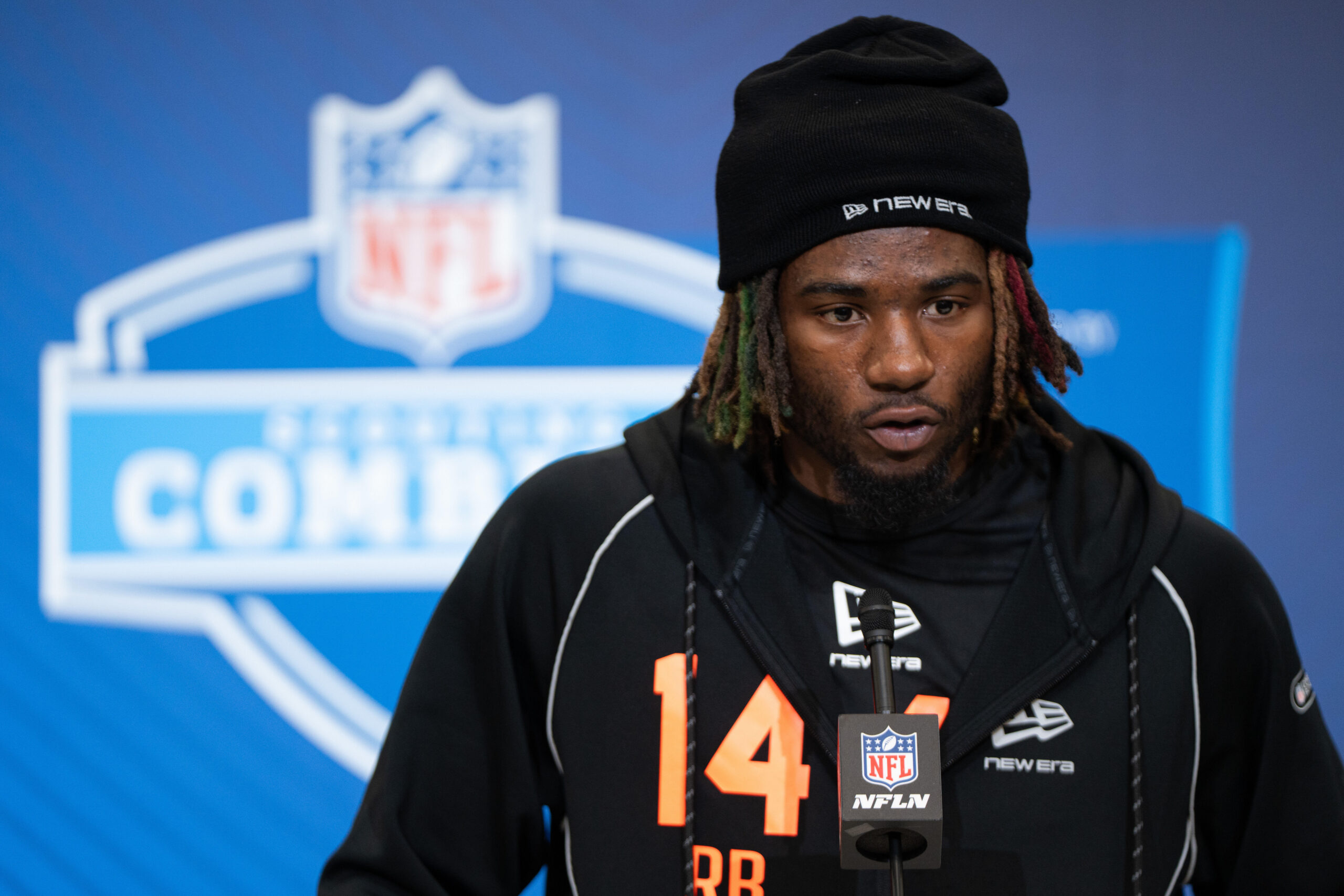
Feb 27, 2026; Indianapolis, IN, USA; Texas A&M running back Le’Veon Moss (RB14) speaks to members of the media during the NFL Combine at the Indiana Convention Center. Mandatory Credit: Jacob Musselman-Imagn Images
Moss signed May 8. He attended minicamp May 8 and 9. On May 12, the Dolphins placed him on the reserve/retired list. Four days. Zero regular-season snaps. Zero OTA reps. Zero preseason carries. He saw one weekend of professional football and concluded the transition was unsustainable. A quarter-million dollars guaranteed couldn’t bridge the gap between what college demanded and what the NFL required.
The Filter Nobody Talks About
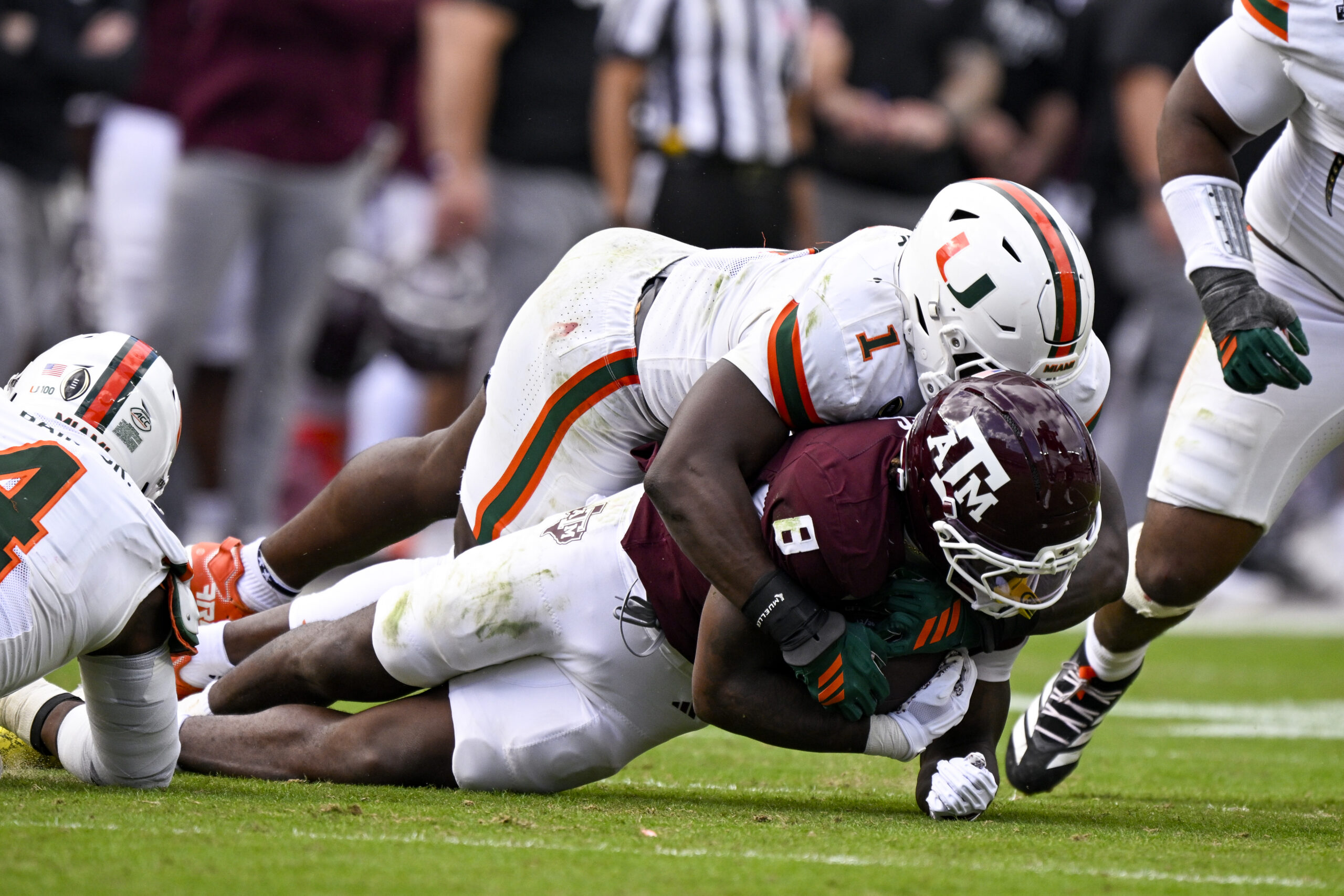
Dec 20, 2025; College Station, TX, USA; Miami Hurricanes linebacker Mohamed Toure (1) tackles Texas A&M Aggies running back Le’Veon Moss (8) during the game between the Aggies and the Hurricanes at Kyle Field. Mandatory Credit: Jerome Miron-Imagn Images
“There is a stark difference between being a college football player and a professional.” That line, from TheBigLead’s analysis, captures what Moss discovered in hours. Rookie minicamp functions as something beyond a coaching exercise. It’s a psychological filter. The intensity, the speed, the violence of professional reps. Moss measured in at 5’11” at the 2026 NFL Combine but did not complete several of the headline athletic drills, leaving scouts to lean on his college film. The film said NFL-caliber. The minicamp said otherwise. The system doesn’t care about your college highlights.
The Numbers That Didn’t Matter
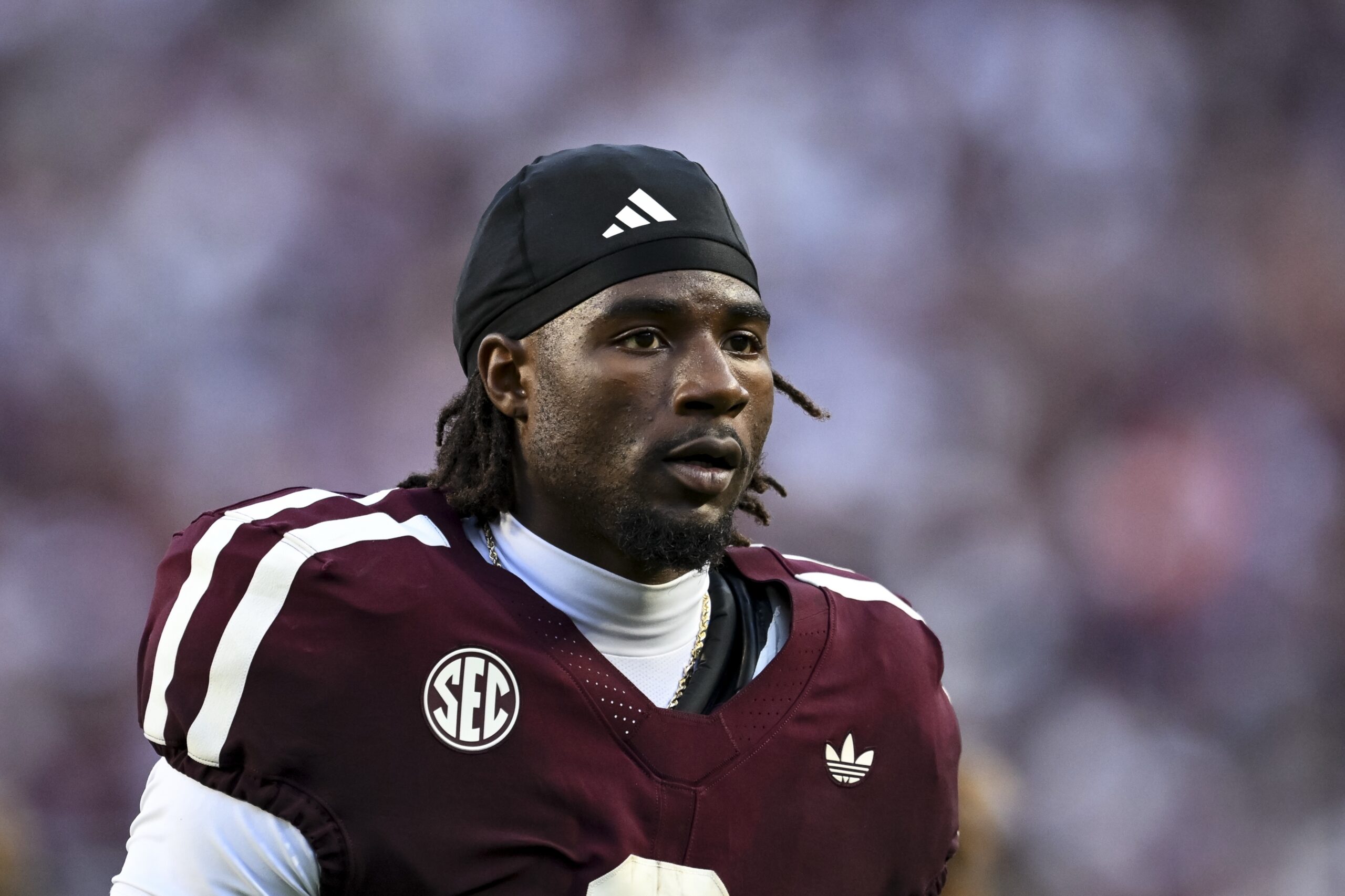
Oct 11, 2025; College Station, Texas, USA; Texas A&M Aggies running back Le’Veon Moss (8) looks on prior to the game against the Florida Gators at Kyle Field. Mandatory Credit: Maria Lysaker-Imagn Images
All-SEC second team. College Football Playoff participant. 5.5 yards per carry. 22 touchdowns. Every one of those credentials predicted exactly nothing about whether Moss could sustain professional demands. That’s the part that should unsettle people. The entire scouting apparatus, the combine invitation, the recruitment as a “prized” free agent, all of it evaluated talent. None of it evaluated resilience. The Dolphins invested $258,000 in guaranteed money on a prospect whose willingness to continue couldn’t survive a single weekend of exposure.
What Miami Lost
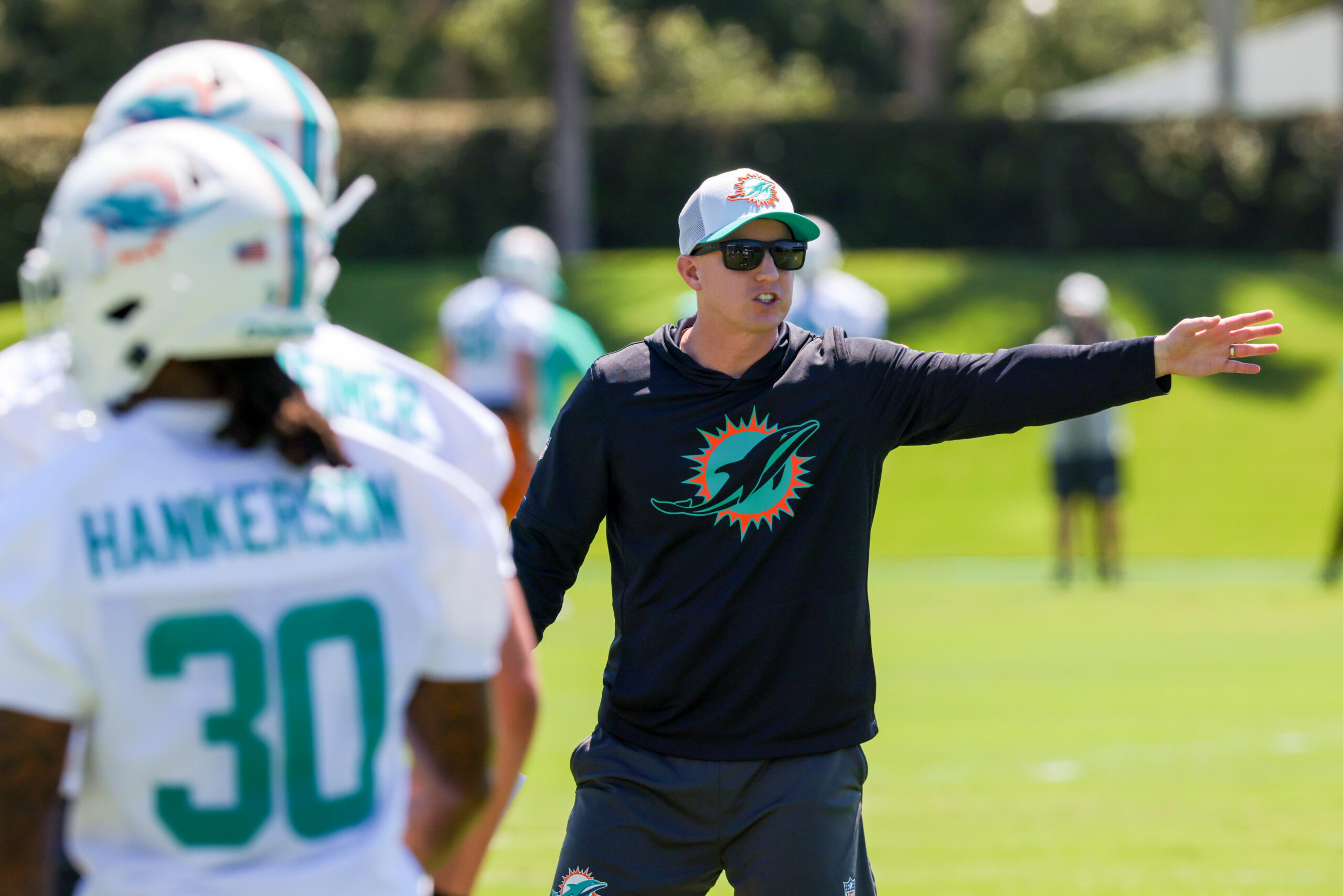
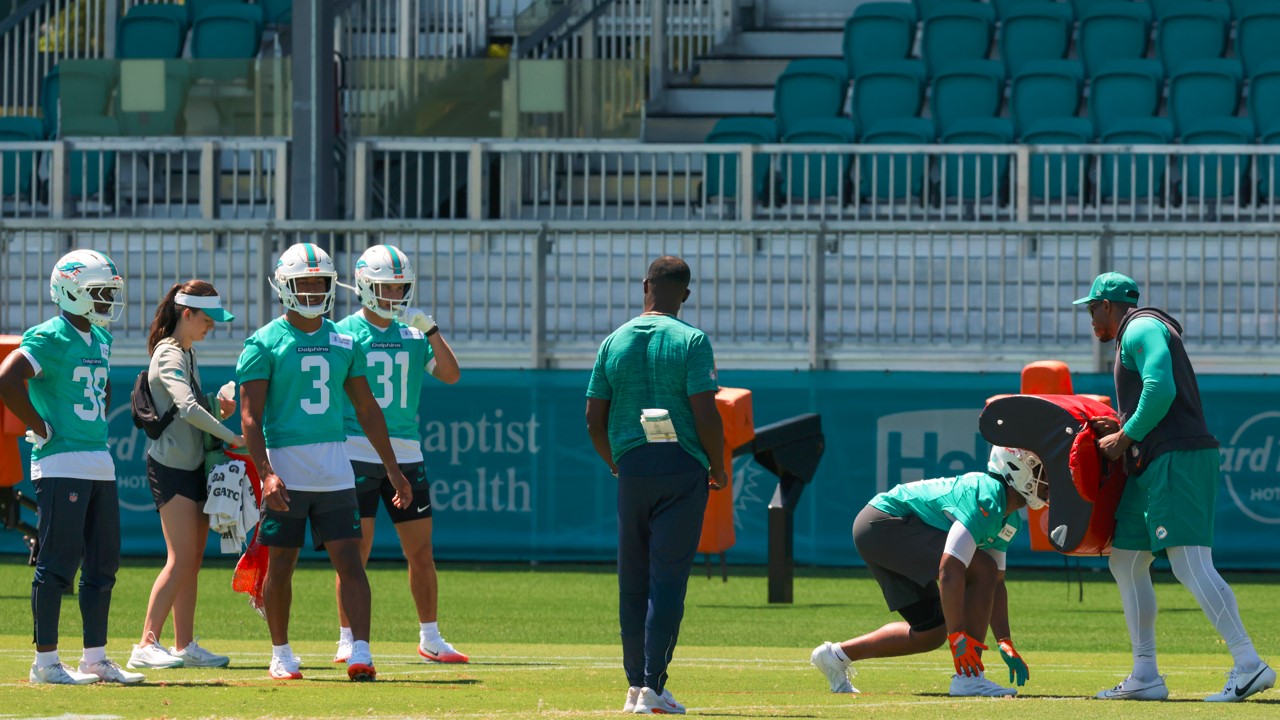
May 8, 2026; Miami Gardens, FL, USA; Miami Dolphins offensive coordinator Bobby Slowik works with his players during rookie minicamp at Baptist Health Training Complex. Mandatory Credit: Sam Navarro-Imagn Images
The Dolphins signed 11 undrafted free agents in their 2026 class. Moss was one of them. Now Miami carries an open roster spot and $258,000 in allocated salary cap money consumed before OTAs begin. The running back room lost a competitor before the competition started. And the ripple extends beyond one team. Other injury-prone prospects watching this story are doing their own math. If a player with All-SEC honors and a Combine invitation couldn’t handle the transition, the calculus for lesser-credentialed UDFAs gets darker fast.
A New Rule, Not an Exception
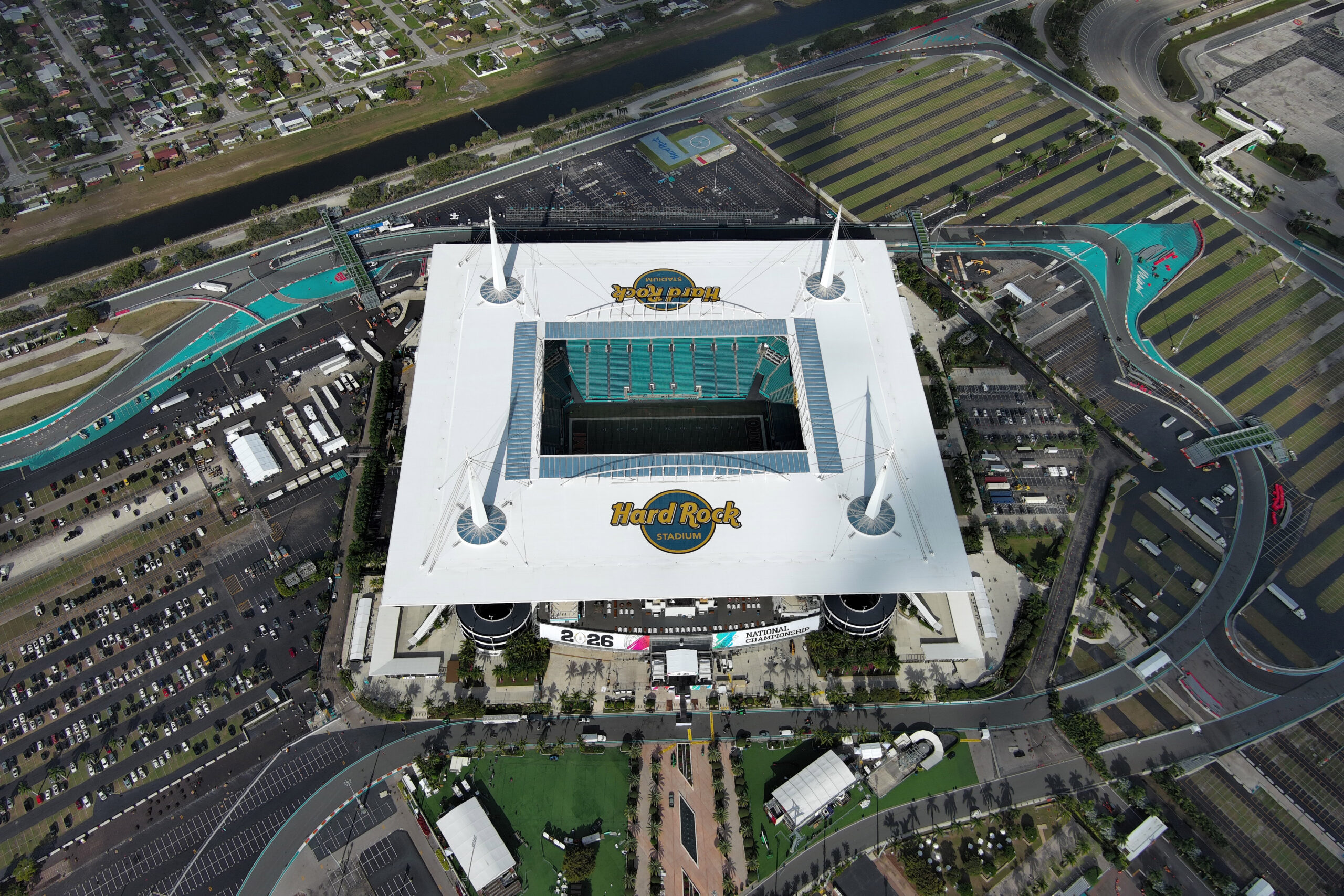
Jan 20, 2026; Miami, FL, USA; A general overall aerial view of Hard Rock Stadium, the home of the Miami Dolphins and site of the 2026 CFP Championship playoff game. Mandatory Credit: Kirby Lee-Imagn Images
Undrafted free agents have always faced the steepest survival odds in the NFL, with first-round picks sticking at far higher rates than late-round and undrafted players. Moss didn’t buck a trend. He confirmed one. The NFL’s transition system doesn’t just filter out low-talent players. It filters out players whose psychological resilience can’t sustain professional demands, regardless of physical ability. Once you see rookie minicamp as a resilience test disguised as football practice, every early retirement makes more sense.
The Dominoes Still Falling
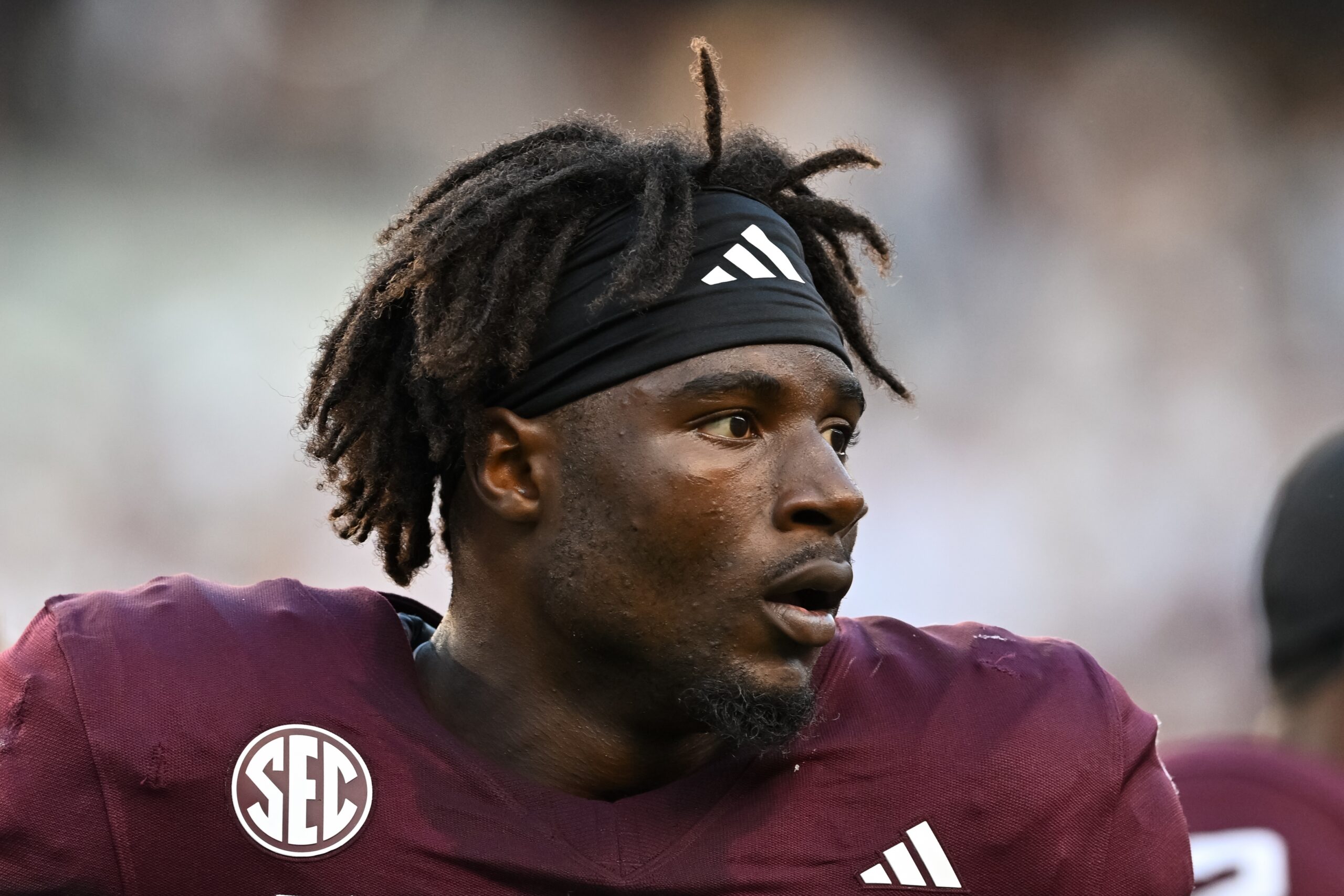
Sep 21, 2024; College Station, Texas, USA; Texas A&M Aggies running back Le’Veon Moss (8) looks on prior to the game against the Bowling Green Falcons at Kyle Field. Mandatory Credit: Maria Lysaker-Imagn Images.
Neither Moss nor the Dolphins have publicly stated a specific reason for the retirement. That silence carries its own weight. If health concerns drove the decision, as some reporting has speculated, teams may soon intensify pre-signing evaluations for prospects carrying injury histories. The precedent is uncomfortable: a four-day exit is now a documented option for any UDFA who discovers the professional barrier is categorical, not incremental. The next wave of undrafted signings will happen against the backdrop of a player who saw the system and opted out immediately.
What Most People Will Miss
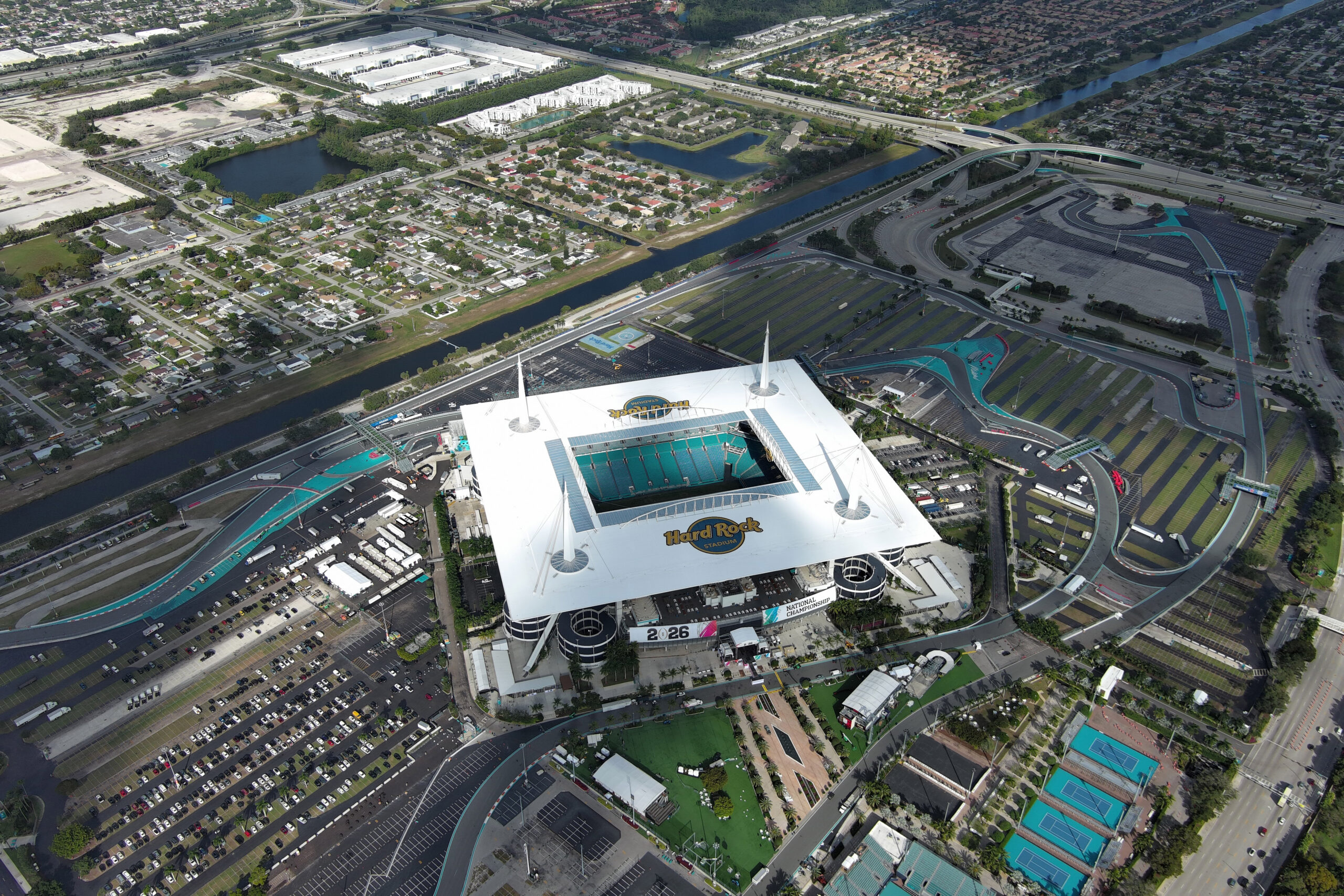
Jan 20, 2026; Miami, FL, USA; A general overall aerial view of Hard Rock Stadium, the home of the Miami Dolphins and site of the 2026 CFP Championship playoff game. Mandatory Credit: Kirby Lee-Imagn Images
The easy take is that Moss wasn’t tough enough. The smarter read is that he was rational enough. He carried a torn ACL, a torn MCL, and an ankle injury into a system designed to push healthy players to the brink. He weighed $258,000 against a body already running on borrowed structural integrity and decided the cost exceeded the benefit. The NFL doesn’t measure that calculation at the combine. Maybe it should. Because the next “prized” undrafted free agent is already signed somewhere, and nobody knows if he’ll last the weekend. Was Moss reading the situation clearly, or walking away from an opportunity most players would kill for? Tell us how you see it in the comments.