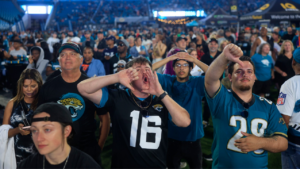

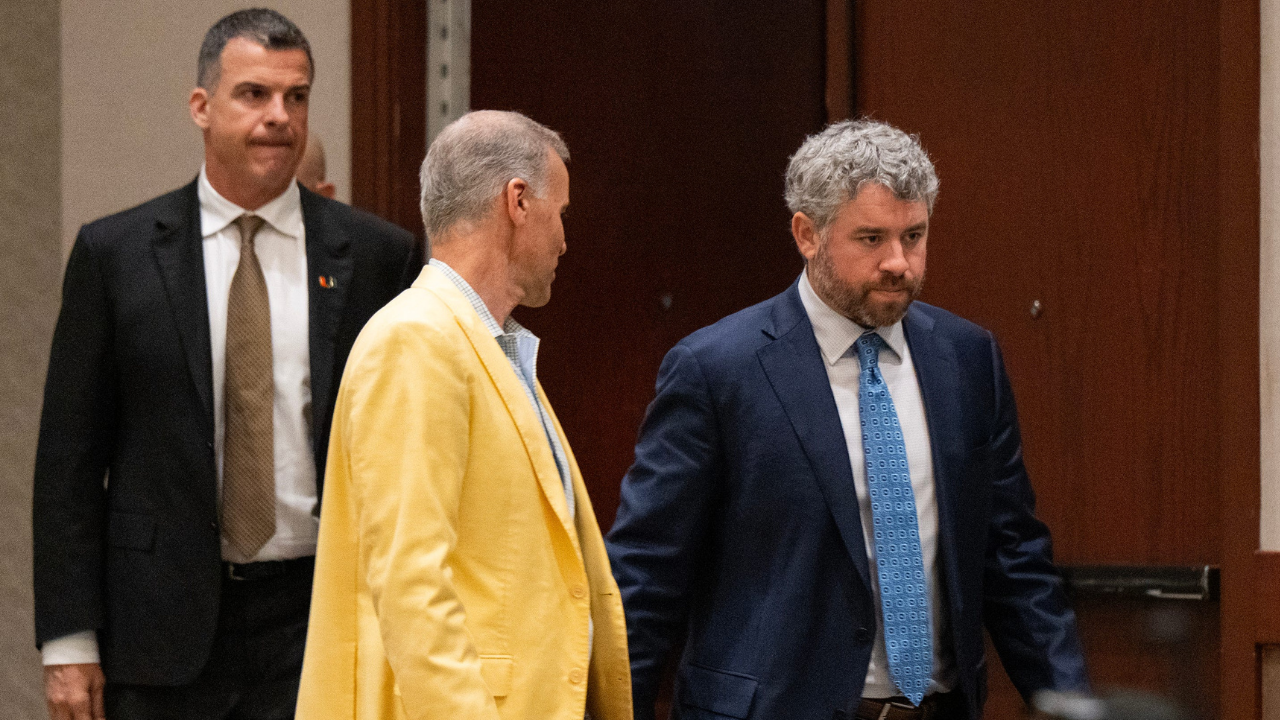
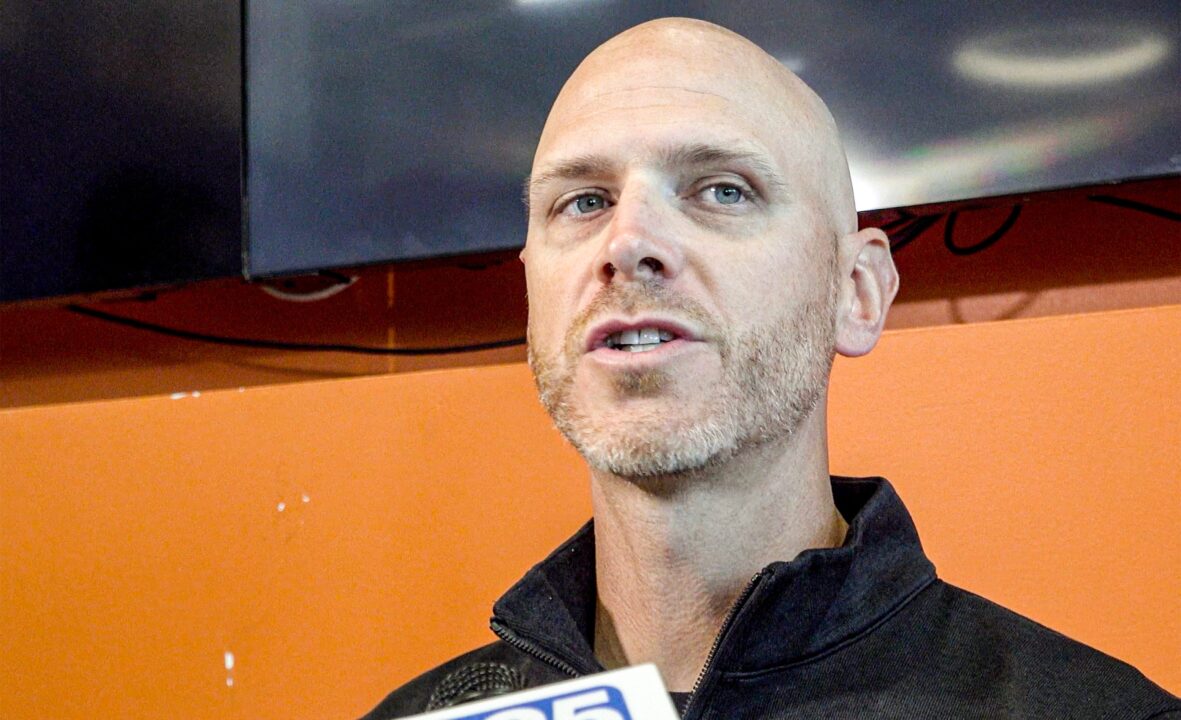
During an extraordinary hour-long press conference in January 2026, Clemson head coach Dabo Swinney revealed that Ole Miss head coach Pete Golding had texted linebacker Luke Ferrelli, who was already enrolled at Clemson and signed to a revenue-sharing contract, a photo of a $1 million contract offer while asking, “I know you’re signed, but what’s the buyout?” Swinney presented the full timeline to the media with documented evidence, calling it “blatant tampering” and demanding accountability.
A Broken System, a Broken Promise
Before Golding’s texts reached Ferrelli, Clemson General Manager Jordan Sorrells had already contacted Ole Miss GM Austin Thomas and formally requested the school stop pursuing Ferrelli. Thomas assured Sorrells that he did not support tampering, but added that Golding “does what he does.” Within hours, the texts, phone calls, and contract photo arrived anyway. Ferrelli spent a chaotic four hours on January 15 assuring Clemson coaches he was staying before ultimately requesting to enter the portal and transfer to Ole Miss.
The NCAA Finally Responds

On February 25, 2026, the NCAA Division I Football Bowl Subdivision Oversight Committee proposed emergency legislation that would penalize any school caught circumventing the official transfer portal window. The proposal covers situations where an enrolled athlete who never properly entered the portal during the designated window participates in athletic activities at a new school. While Ferrelli’s case centered on alleged tampering before his portal entry rather than portal circumvention, coaches and administrators say both issues stem from the same governance failures. This is the first time the NCAA has proposed specific penalties targeting coaches who accept out-of-window transfers since the portal was created in 2018.
The Penalties Are Historic in Scale
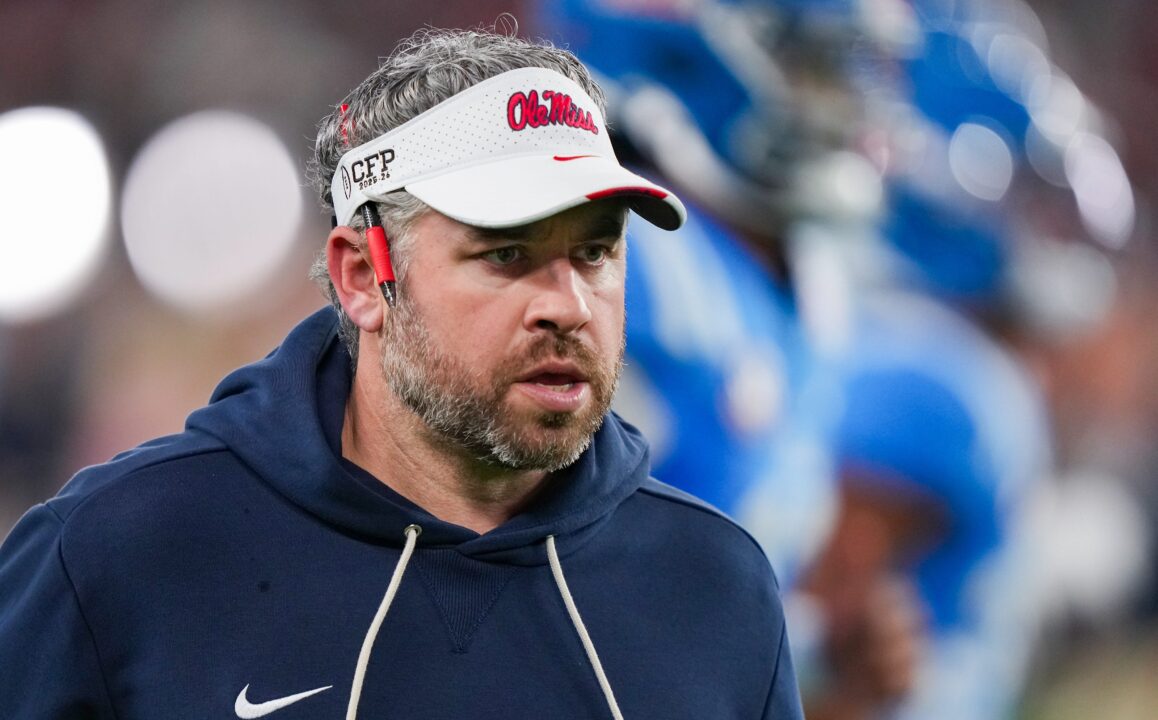
If approved, the proposed penalties include a six-game head coach suspension from all football activities (roughly half of a regular season), covering recruiting, on-field coaching, and team meetings. Schools would also face a fine equal to 20 percent of their total annual football budget, which for major programs could reach into the millions of dollars. Additionally, programs would forfeit five roster spots the following season, regardless of whether the offending coach is still employed there.
The Committee Chair Explains the Rationale
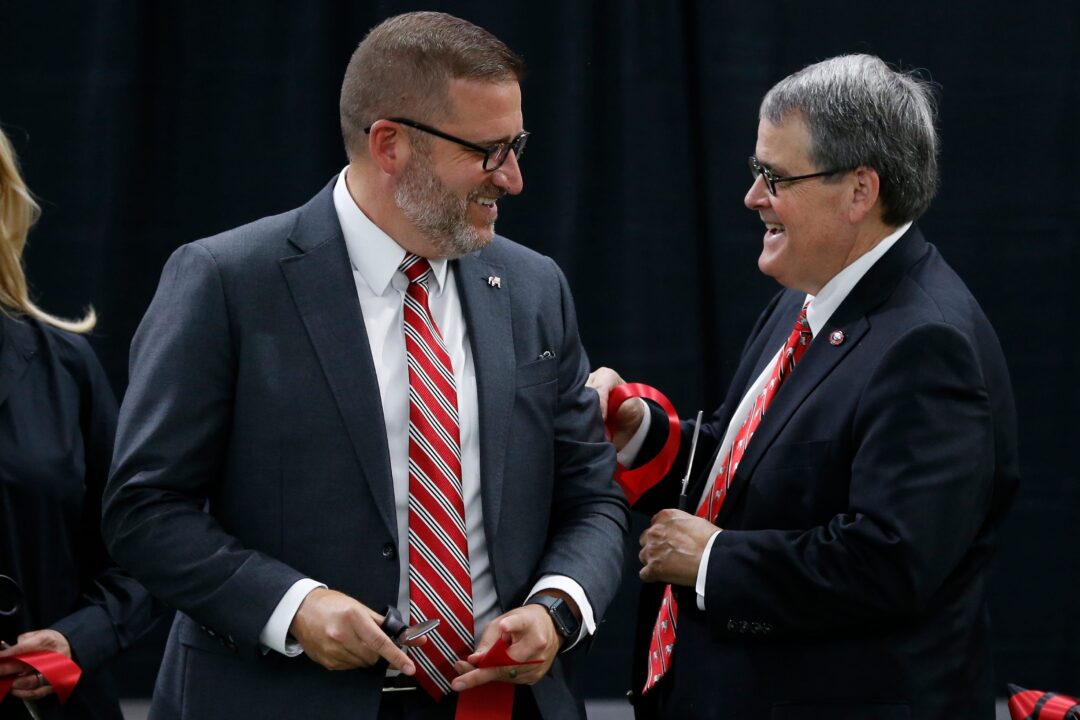
Mark Alnutt, chair of the oversight committee and athletic director at Buffalo, made clear the proposal was designed to make violations too costly to risk. “We felt this was appropriate to place an emphasis on this rule with where we are in Division I football,” Alnutt said. “If there is movement without going through the process as legislated, the committee felt there needed to be significant penalties.” Georgia Athletic Director Josh Brooks also emphasized the urgency, stating the integrity of the transfer window must be protected for all programs.
Eight Years Without a Single Penalty
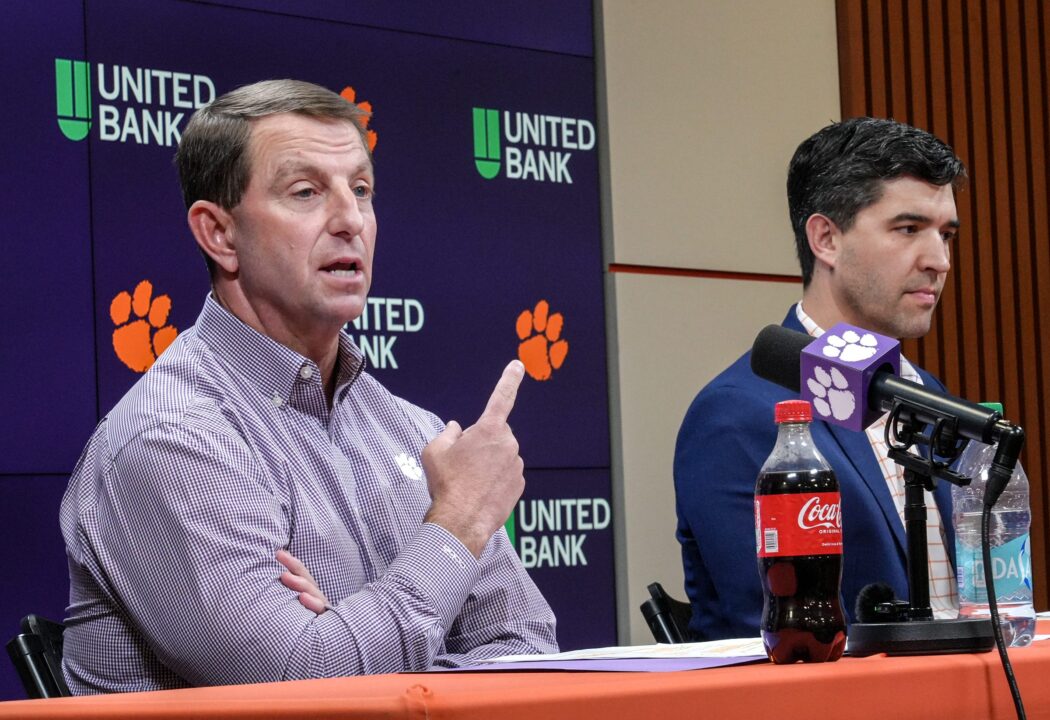
Despite rampant tampering complaints across the eight-year history of the transfer portal and NIL era, not one head coach or program has been formally penalized for tampering. Swinney called out the consequences of that vacuum directly. “This is a whole other level of tampering,” he said. “We have a broken system, and if there are no consequences for tampering, then we have no rules and we have no governance.” The NCAA’s own enforcement VP Jon Duncan sent a memo defining tampering as “any communication” with a student-athlete or their representatives before portal entry, a standard that has never been enforced.
The Sorsby Case Exposes a Parallel Crisis

Nov 29, 2025; Fort Worth, Texas, USA; Cincinnati Bearcats quarterback Brendan Sorsby (2) throws the ball during the game between the Horned Frogs and the Bearcats at Amon G. Carter Stadium. Mandatory Credit: Jerome Miron-Imagn Images
The tampering controversy is unfolding alongside a separate legal battle that reveals the fragility of NIL contracts. Cincinnati filed suit in February 2026 against former quarterback Brendan Sorsby after he transferred to Texas Tech, where he signed a deal reported in the $4 to $6 million range. Sorsby had signed a contract with Cincinnati that included a $1 million buyout clause if he transferred. His attorney called the clause “an unlawful penalty under Ohio law.”
The Agent Problem the NCAA Cannot Solve
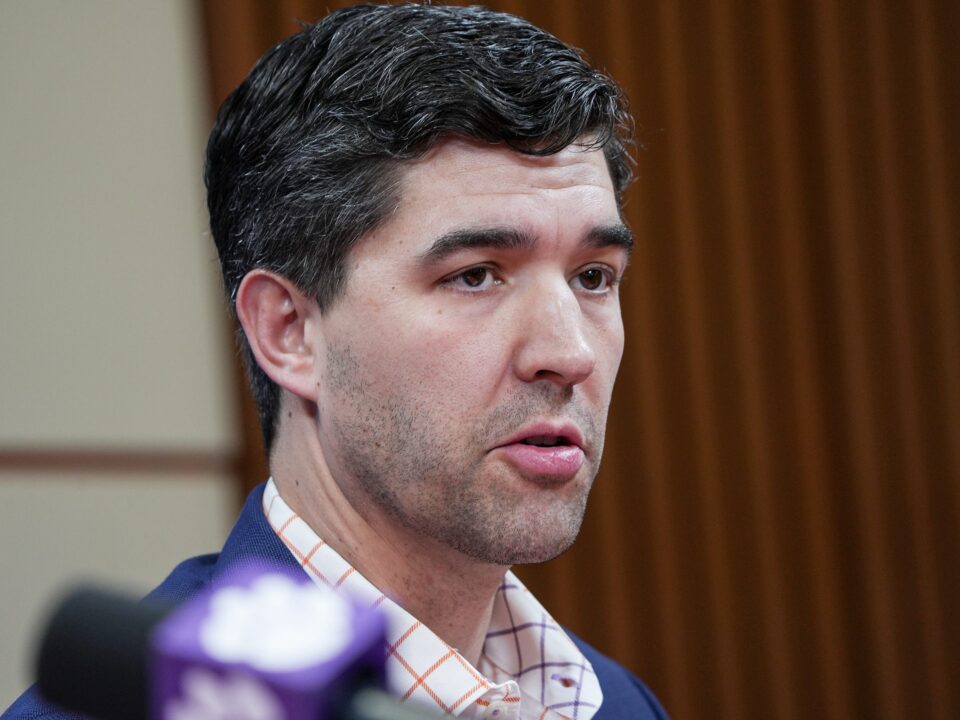
A core flaw in the proposal is that agents, not coaches, often initiate contact with enrolled players before portal entry, operating in a regulatory gray zone the NCAA has no authority to govern. In Ferrelli’s case, it was his own agent, Ryan Williams, who first informed Clemson that “Ole Miss was going hard,” then declined to share the incriminating text messages unless Clemson added $1 million to Ferrelli’s contract extension. The NCAA can penalize schools, but it has no mechanism to sanction agents, collectives, or third parties who drive most transfer negotiations.
Legal Challenges Could Stall Enforcement

Jan 31, 2026; Mobile, AL, USA; New Orleans Saints cheerleaders perform during the second half of the 2026 Senior Bowl at University of South Alabama, Hancock Whitney Stadium. Mandatory Credit: Vasha Hunt-Imagn Images
The proposed penalties face significant legal vulnerability. Federal courts have already ruled against the NCAA on antitrust grounds in cases involving athlete compensation and eligibility restrictions, and legal analysts note that any enforcement action under these new rules could immediately trigger similar challenges. The penalties must first pass a Division I Cabinet vote scheduled for April 2026 before taking effect.
What Happens Next

The April cabinet vote is the pivotal moment. Swinney, who submitted a formal NCAA complaint on January 16, said the issue extends far beyond one player or one program. “This is not about a linebacker at Clemson,” he said. “It’s about the next kid and the next kid, and the message that’s being sent with just blatant tampering being allowed to happen without consequences. It’s about college football.” Whether the April vote delivers consequences or further confirms what coaches already know remains the defining question of the sport’s reform era.
If you enjoyed this article please like and follow us here on MSN! Thank you for reading and have a great day!
Sources
“Committee Proposes Penalties for Attempts to Circumvent Football’s Transfer Process.” NCAA.org, February 25, 2026.
“NCAA Eyes Big Penalties for Violations of Football Transfer Window.” ESPN, February 25, 2026.
“NCAA Oversight Committee Proposes Budget, Roster Penalties for Portal Violations.” Fox Sports, February 25, 2026.
“Cincinnati Sues Sorsby Over $1M Exit Fee After Texas Tech Transfer.” ESPN, February 25, 2026.