
Picture a fourth-quarter scuffle after a late hit. Helmets bump, a shove lands, the on-field crew waves it off and spots the ball. Play continues. Except somewhere in Manhattan, inside a glass-walled room full of monitors, a staffer rewinds the footage, picks up a phone, and tells the referee to throw a flag that never existed. That scenario is now legal. NFL owners approved five rule changes for 2026 at their annual meeting in Phoenix, and two of them hand New York’s command center power the league has never possessed before.
A Labor Fight That Shaped the Rulebook
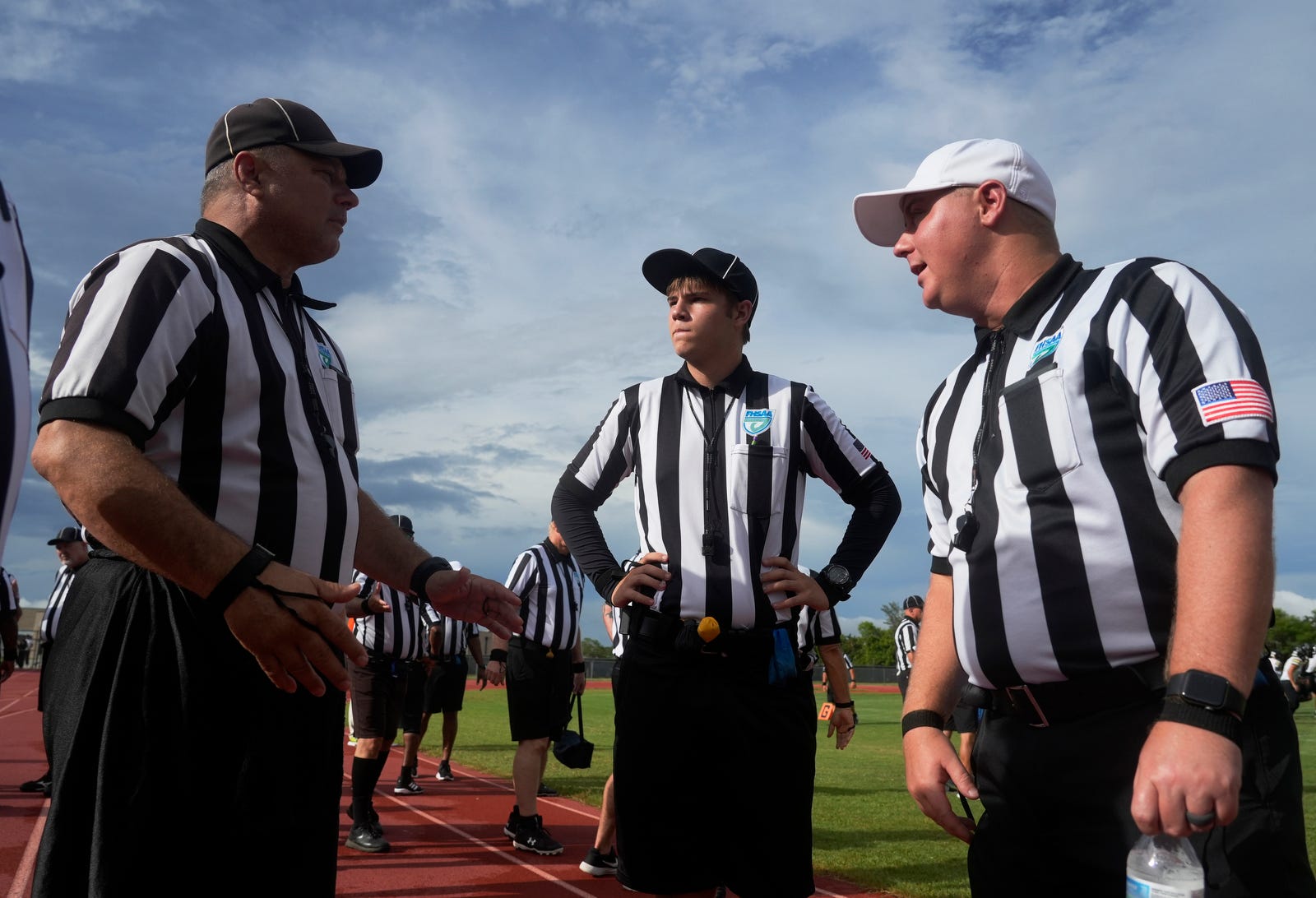
High school football referees from left, Gary Fiscal, Elijah Moffett and Ryan Mozingo discuss strategy prior to their scrimmage. Three football teams participated in the South Gulf Football Officials Association scrimmage Friday, August 8, 2025. The teams included Fort Myers High School, Gateway Charter and Dunbar High School.
The timing explains the text. Negotiations between the NFL and the Referees Association broke off early in March 2026, collapsing before the first day’s lunch break of a scheduled two-day session, with the sides unable to make progress on a new collective bargaining agreement. With the existing deal set to expire May 31, owners authorized executives to begin compiling a list of roughly 150 replacement referees, drawn largely from lower-level college conferences, with training possible as early as May. So the league wrote its boldest replay rules at the exact moment it prepared for the possibility of staffing games with its least experienced crews since the 2012 “Fail Mary.” That threat ultimately eased: on May 8, 2026, the NFLRA ratified a new seven-year CBA running through the 2032 season, meaning replacement officials will not be used in 2026.
What “More Replay” Actually Means
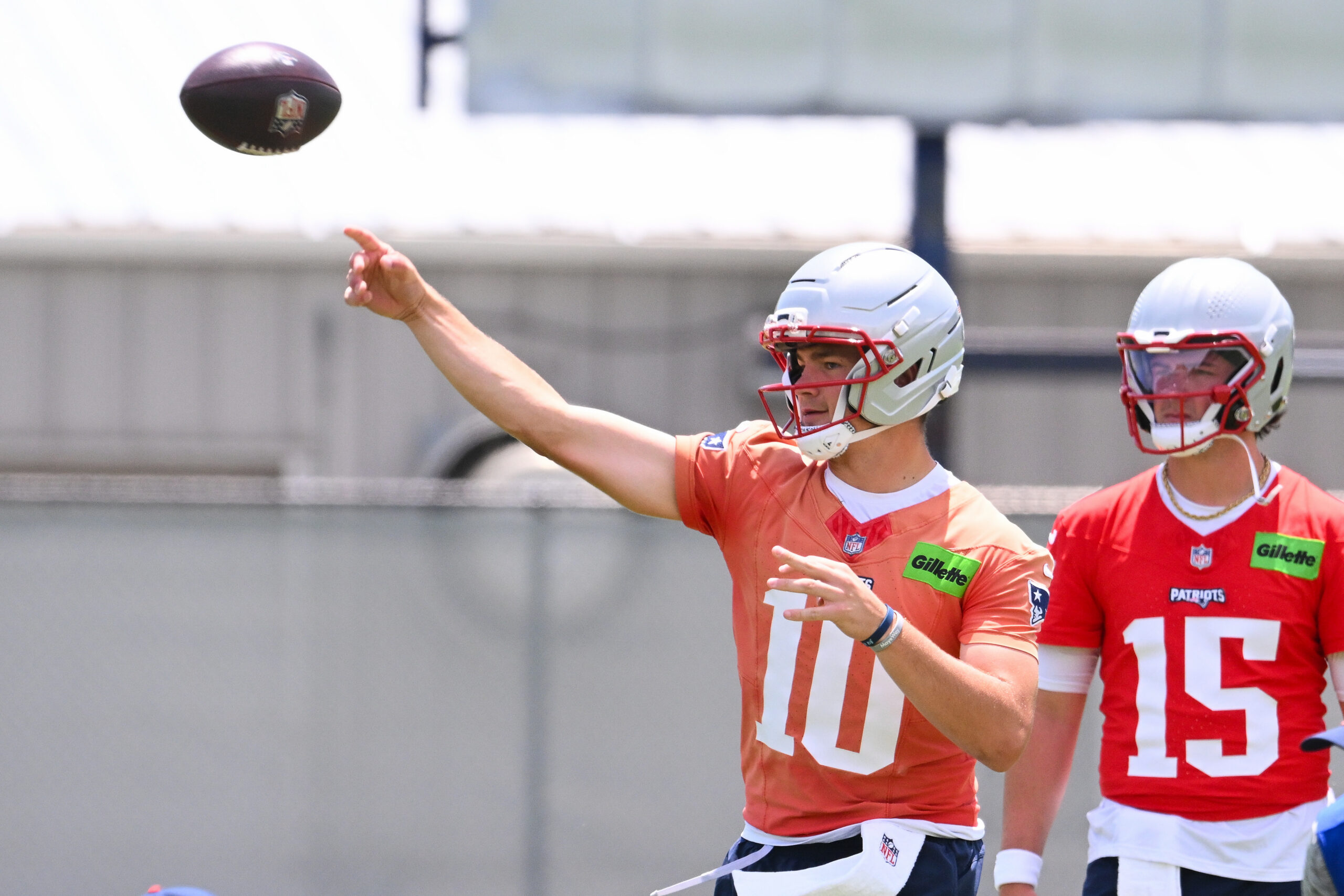
Jun 2, 2026; Foxborough, MA, USA; New England Patriots quarterback Drake Maye (10) throws a pass during the team’s OTA at Gillette Stadium. Mandatory Credit: Eric Canha-Imagn Images
Many fans assumed expanded replay would simply catch obvious blown calls and make Sundays cleaner. The 2026 changes go further than that. One permanent rule lets league personnel consult on disqualifications for flagrant football and non-football acts, then instruct on-field officials to “add a flag” even when no foul was originally called. A second, one-year-only provision was designed to activate only during a work stoppage, empowering the NFL Officiating Department to correct “clear and obvious mistakes” by replacement crews across a sweeping menu of fouls. Because the labor deal was reached, that contingency rule will not take effect in 2026, but the permanent disqualification authority remains in force regardless.
The Flag Nobody in the Stadium Saw
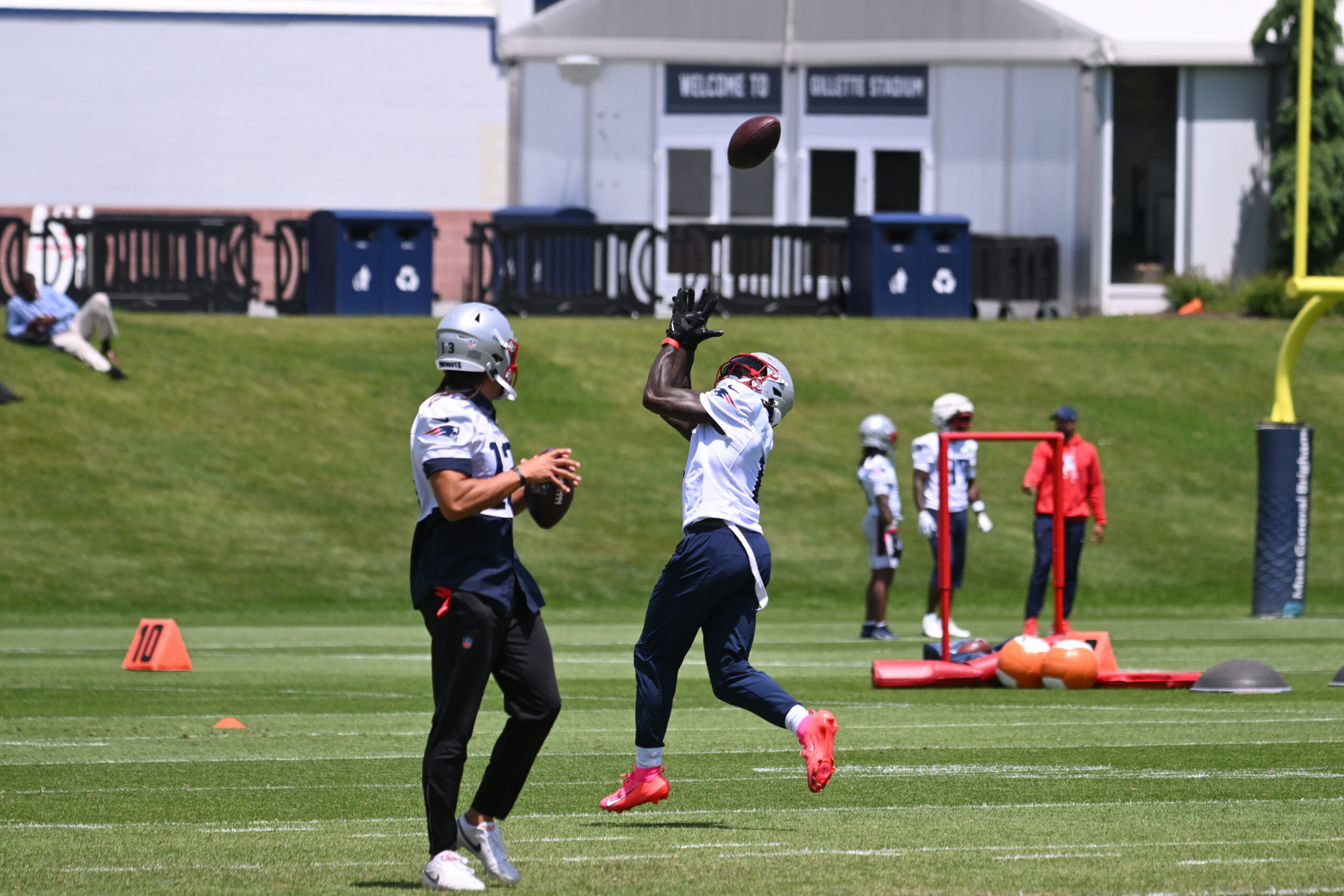
Jun 2, 2026; Foxborough, MA, USA; New England Patriots wide receiver A.J. Brown (1) makes a catch during the team’s OTA at Gillette Stadium. Mandatory Credit: Eric Canha-Imagn Images
ESPN described it as a “massive expansion of authority” for staffers inside Art McNally Gameday Central. Football Zebras used the word “unprecedented.” Here is what the permanent rule looks like in practice: New York can now disqualify a player and direct penalty enforcement for a flagrant act that zero officials on the field penalized. A post-whistle punch. A retaliatory shove away from the ball. Caught on an isolated camera angle, reviewed in Manhattan, enforced in your stadium. One room. Every game. Those consequential flagrant-act calls now have a second set of eyes that can overrule the first.
The Menu of Fouls New York Could Have Touched
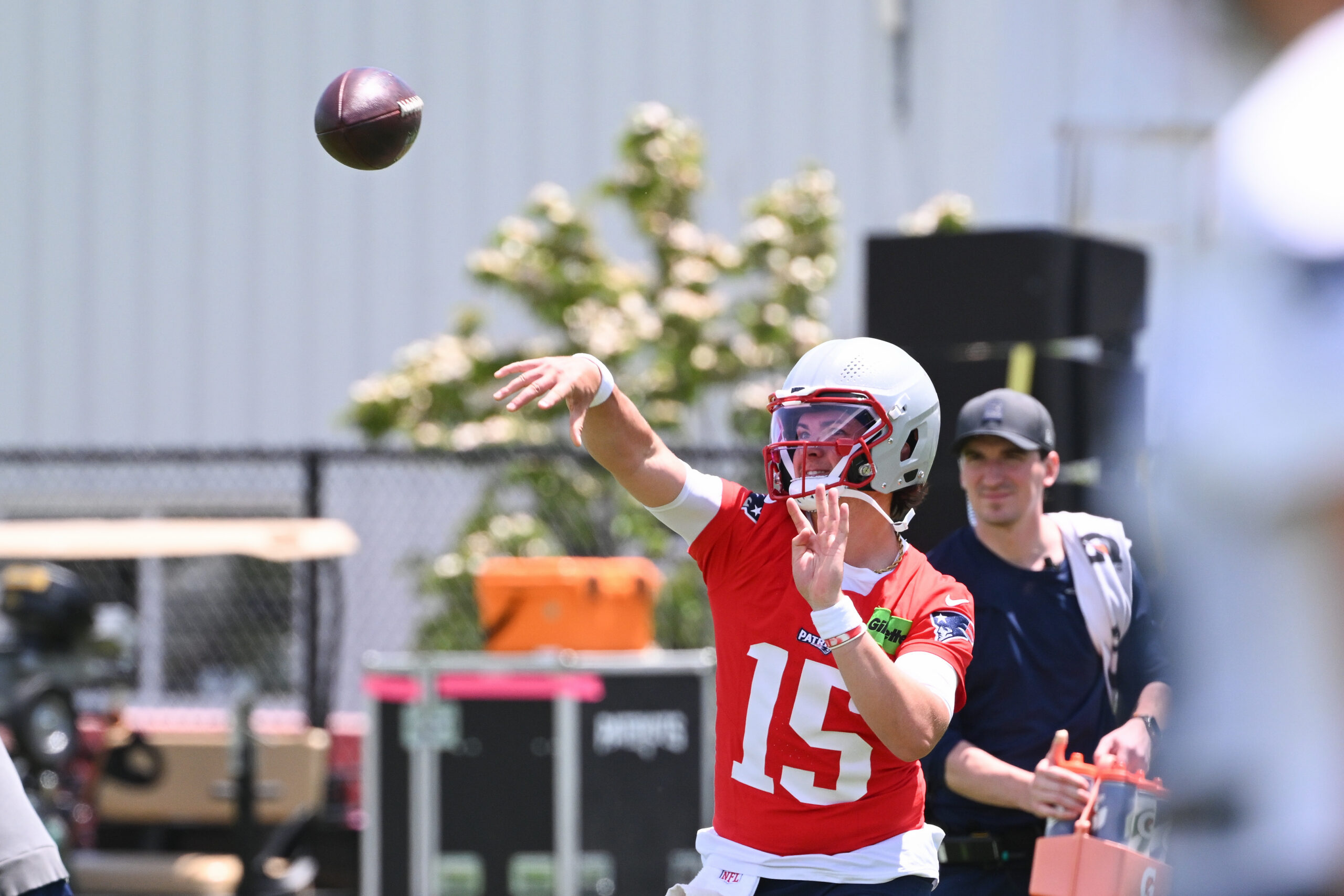
Jun 2, 2026; Foxborough, MA, USA; New England Patriots quarterback Behren Morton (15) throws a pass during the team’s OTA at Gillette Stadium. Mandatory Credit: Eric Canha-Imagn Images
The contingency rule’s reach was staggering, even though it never activated. Had replacement officials worked games, New York staffers could have alerted them to uncalled roughing the passer, intentional grounding, and disqualifiable acts. They could also have told officials to pick up flags when video showed a required element was missing. Eligible fouls included facemask violations, horse-collar tackles, illegal contact, pass interference, and certain unsportsmanlike penalties. After the two-minute warning and in overtime, the scope widened further to cover punching, kicking, leverage on kicks, and distinguishing roughing from running into the kicker. That covered nearly every call that swings a game, though officials noted ordinary uncalled holding and uncalled pass interference would still not be fixable from the command center.
The Numbers Behind the Crackdown
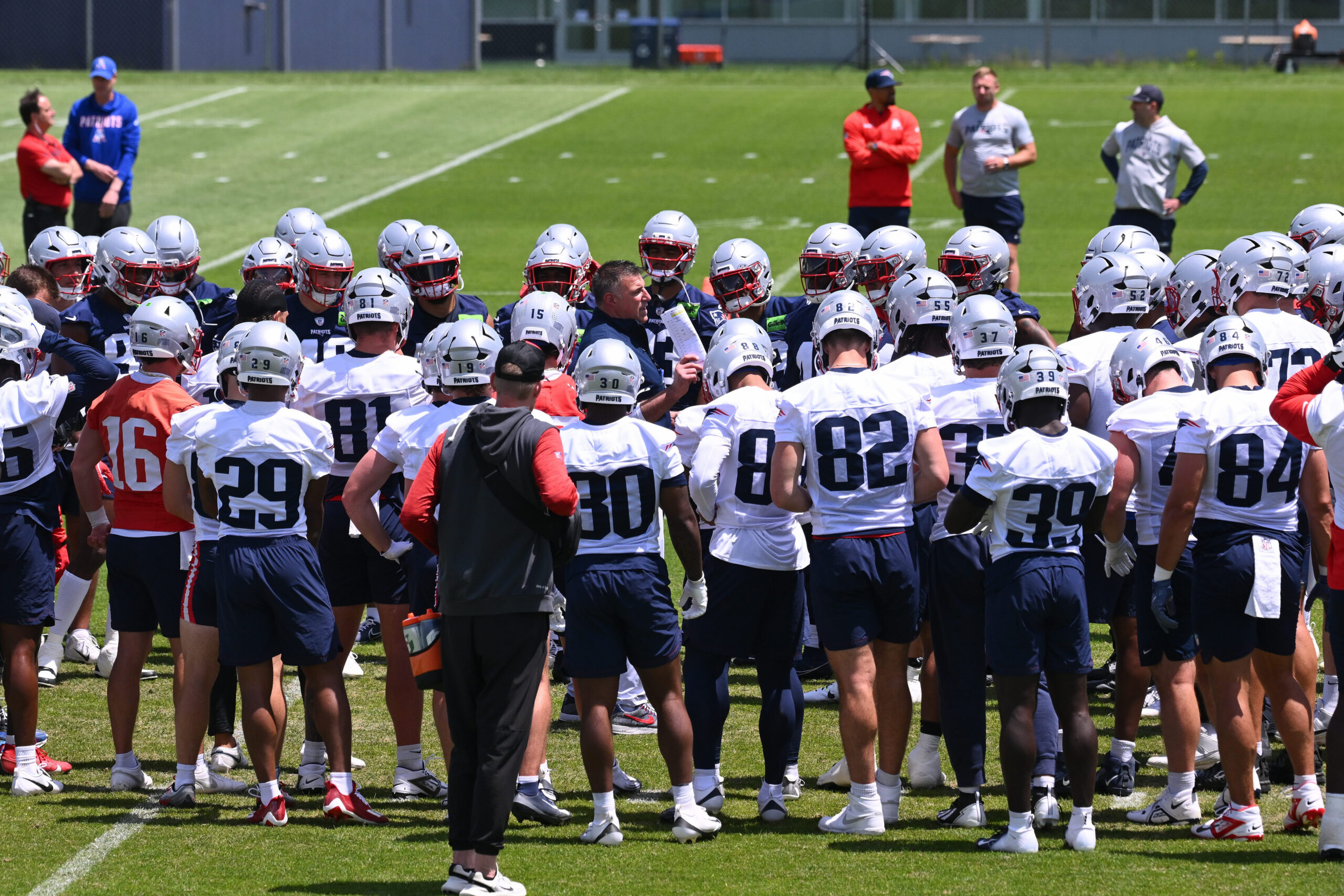
Jun 2, 2026; Foxborough, MA, USA; New England Patriots head coach Mike Vrabel (center) addresses players during the team’s OTA at Gillette Stadium. Mandatory Credit: Eric Canha-Imagn Images
The behavioral dimension explains why owners wanted this lever. Violent gestures, including simulated gunfire and throat slashes, spiked 133% and “sexual taunting” rose 52% before the league’s 2025 crackdown, per executive Troy Vincent. First-offense unsportsmanlike fines sit at $14,491, jumping to $20,288 for a second violation. Taunting starts at $11,593. Players can already be ejected for a single flagrant act. Under the permanent rule, New York can now upgrade those moments to ejections from a control room, even if the crew on the field let the play go. The fine schedule stayed the same. The enforcement architecture changed.
Who Loses When the Command Center Wins
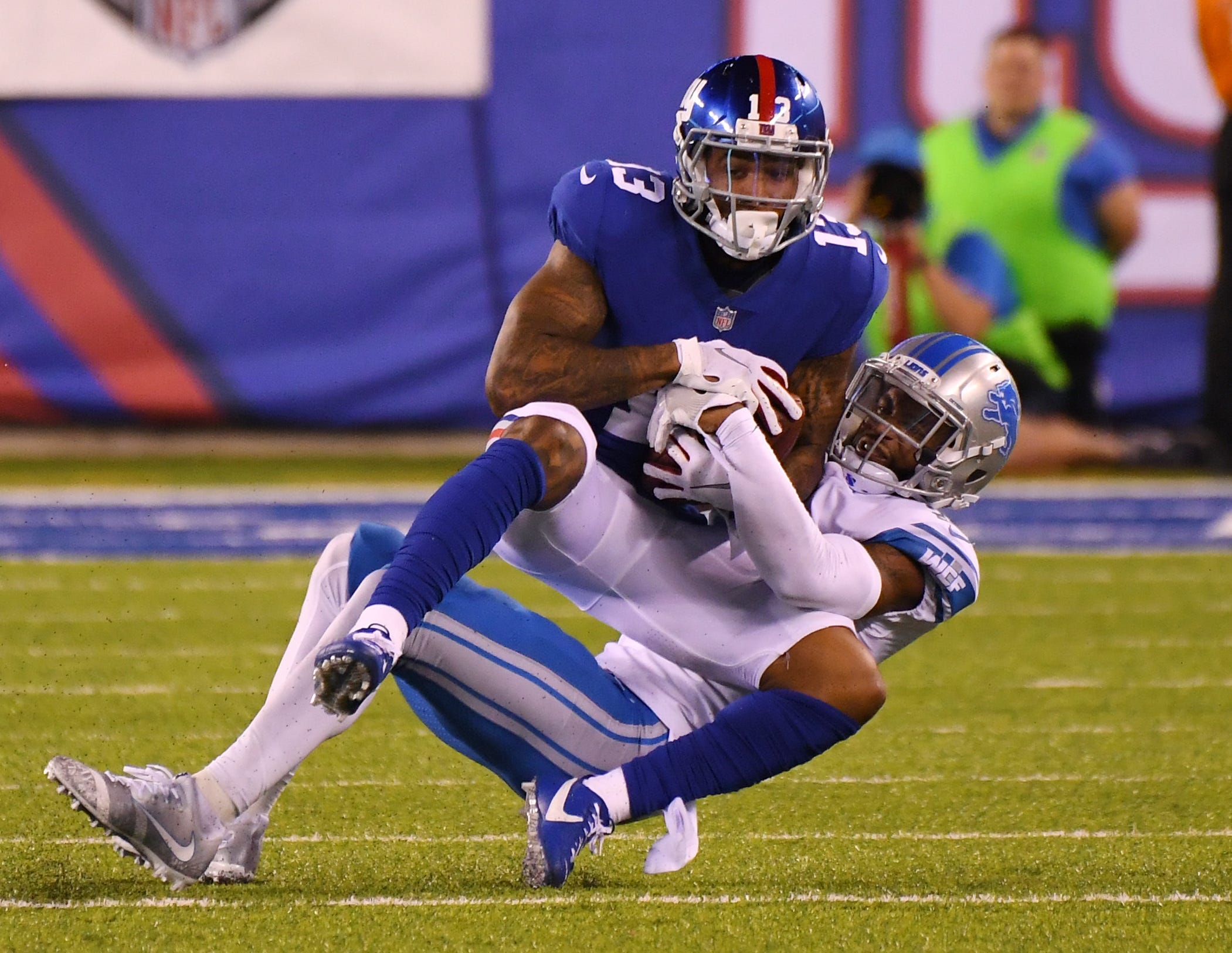
New York Giants wide receiver Odell Beckham Jr, (13) is tackled by Detroit Lions cornerback Darius Slay (23) during a NFL football game at MetLife Stadium on Sep. 18, 2017.
Coaches now have to game-plan around an additional decision-maker. Sideline management of officials, a dark art perfected over decades, loses leverage when disqualification authority can sit in Manhattan. Players lose some of the informal wiggle room that used to exist for emotional outbursts away from the ball. Sportsbooks face a new variable: a late, command-center-generated flag on a flagrant act in the final minutes could swing spreads and totals in ways no model anticipated. And the league demonstrated, through its replacement-ref planning, how much it now leans on its centralized replay apparatus.
A Template, Not an Experiment
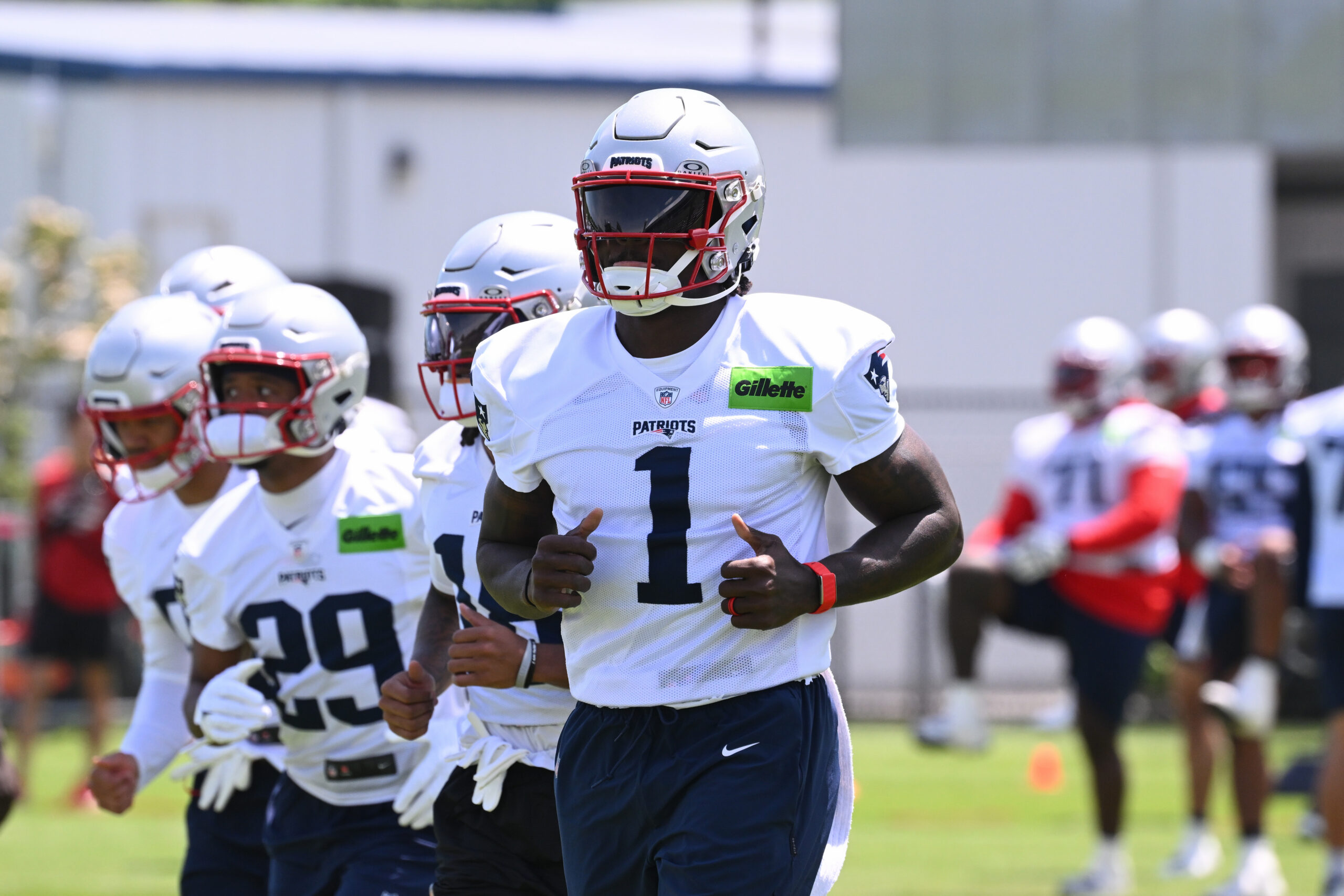
Jun 2, 2026; Foxborough, MA, USA; New England Patriots wide receiver A.J. Brown (1) warms up during the team’s OTA at Gillette Stadium. Mandatory Credit: Eric Canha-Imagn Images
The league has been on a multi-year trajectory toward centralized officiating: replay tweaks, then 2025’s Instant Replay Assist expansion, and now direct command-center flag authority on flagrant acts. Sports Business Journal called it an “aggressive move toward centralized officiating after years of small steps.” That phrasing matters. If the permanent flagrant-act authority is perceived as a success, the league has a template for expanding New York’s jurisdiction further, shrinking on-field autonomy. This is not a one-year patch. It is a precedent established alongside a contingency.
The Ghost of the Fail Mary
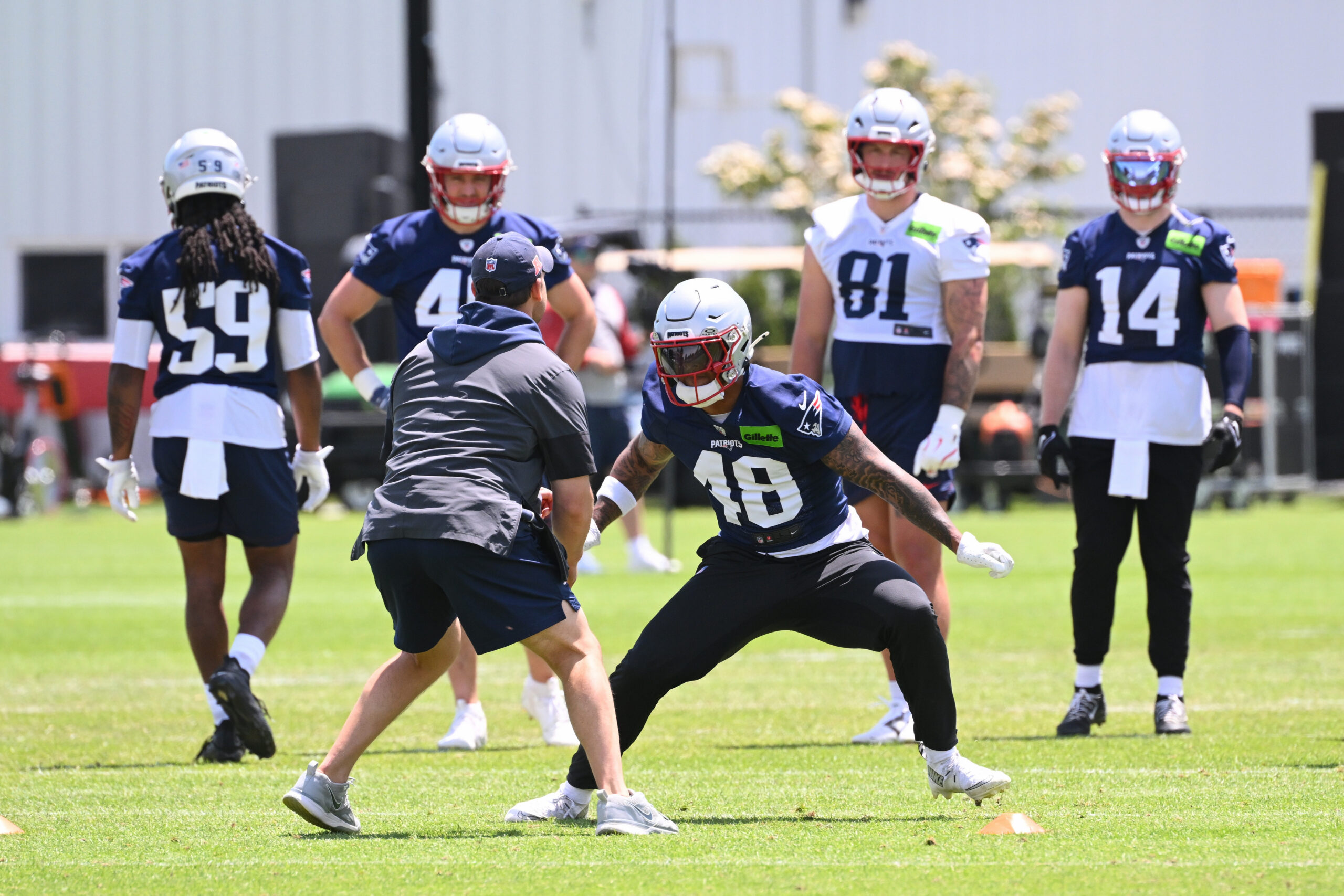
Jun 2, 2026; Foxborough, MA, USA; New England Patriots linebacker Namdi Obiazor (48) works with the coaching staff during the team’s OTA at Gillette Stadium. Mandatory Credit: Eric Canha-Imagn Images
The 2012 replacement-ref debacle still shapes the league’s thinking. That memory is precisely why owners moved fast to prepare a centralized safety net before any first bad call could go viral. The contingency designed to prevent another Fail Mary depended on the same centralized replay apparatus many fans already distrust. With the new seven-year labor deal in place, that backstop stays on the shelf for now, but persistent officiating criticism could still be met with further centralization, potentially extending New York’s reach into holding, illegal contact, and offensive pass interference. The fix and the fear share the same address.
The Game Is Increasingly Refereed in Manhattan
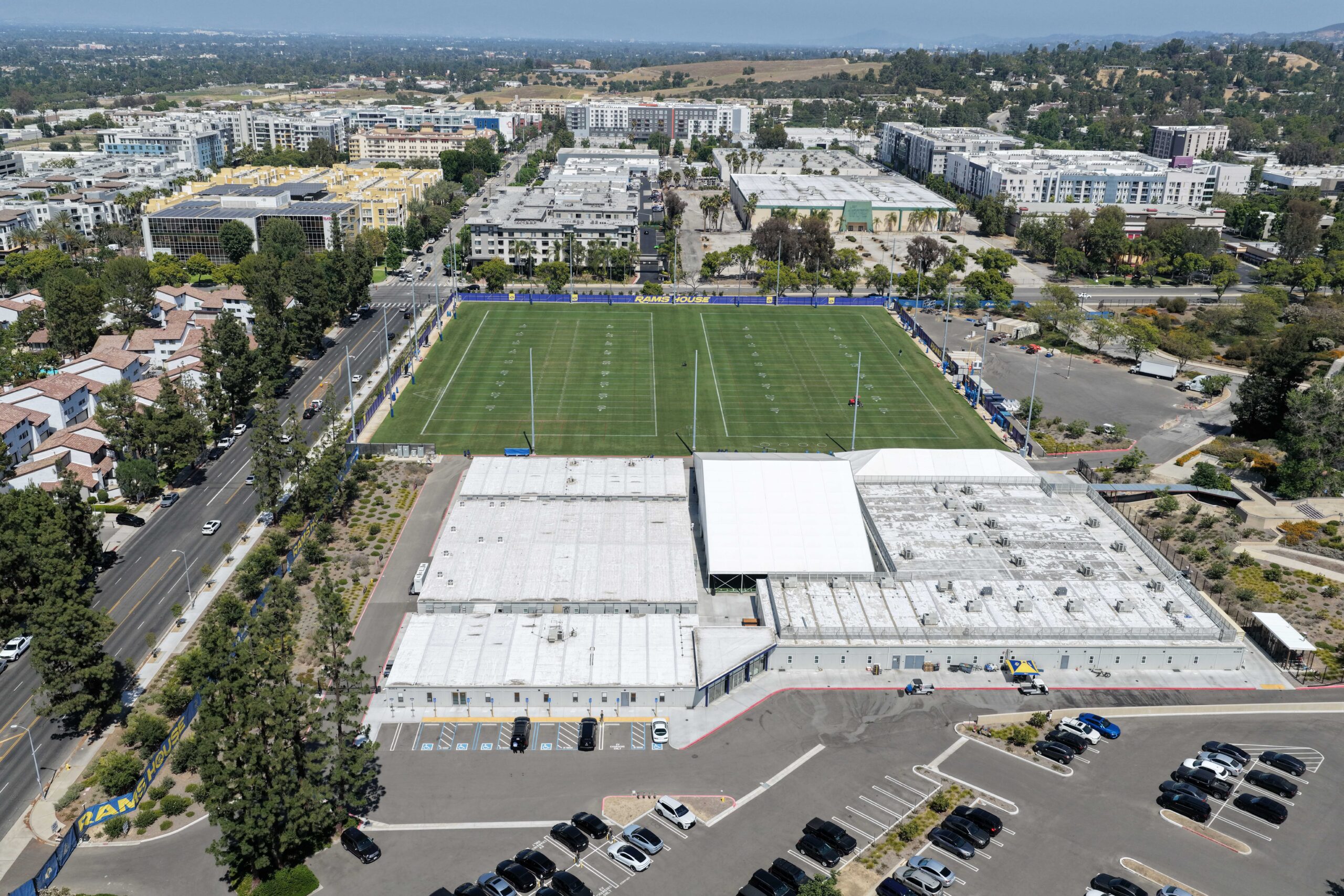
Jun 2, 2026; Woodland Hills, CA, USA; A general overall aerial view of the Los Angeles Rams practice facility. Mandatory Credit: Kirby Lee-Imagn Images
The NFLRA and NFLPA could still push for transparency measures: public release of command-center audio, postgame officiating reports, or joint oversight of replay staff. Without those guardrails, New York’s expanded authority operates as a black box. And that is the thing most fans have not processed yet. On flagrant acts, the seven officials on the field are becoming the front-end interface. Some disciplinary power now lives with a small group of league employees whose names you will never hear, whose calls you cannot challenge, and whose building you will never enter. Is this the fix officiating needed, or the moment the NFL handed too much power to a building you will never see inside? Sound off below.