
Two Pennsylvania gamblers have filed a lawsuit that could reshape the sports betting industry, accusing DraftKings, FanDuel, Genius Sports, and the NFL of engineering an “unreasonably dangerous” product. Filed on March 24, 2026, the case claims microbetting turned routine wagering into compulsive behavior, leading to losses exceeding $2 million combined. Backed by the Public Health Advocacy Institute, the suit targets how bets are designed, delivered, and monetized using real time data and AI. With $126.1 million tied to microbetting commissions alone, the complaint raises a larger question about who profits when addiction is built into the system.
When Casual Betting Turned Into Crisis
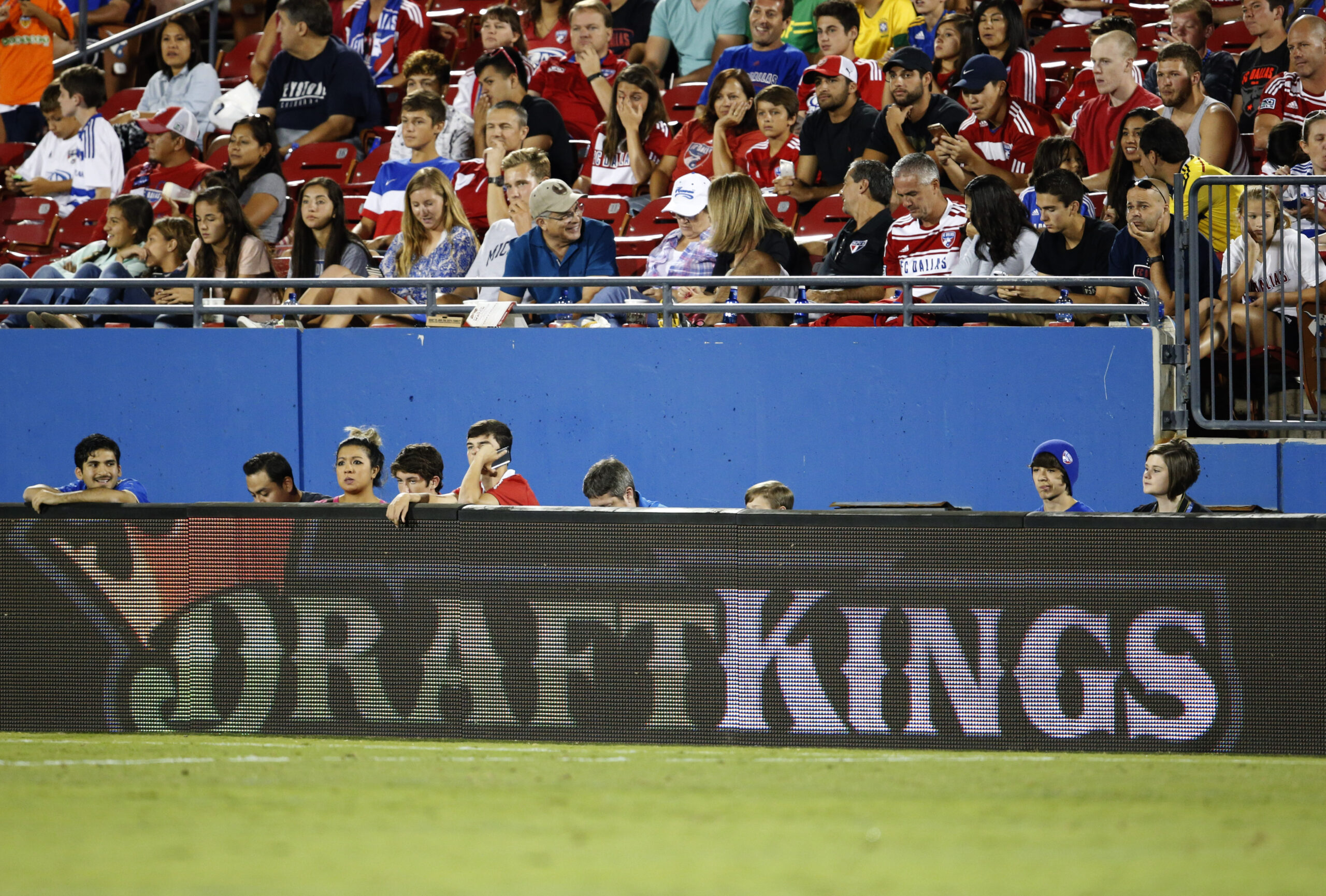
Sep 12, 2015; Dallas, TX, USA; A general view of the DraftKings sign board during the match with FC Dallas playing against New York City FC at Toyota Stadium. Mandatory Credit: Matthew Emmons-Imagn Images
Sage and Thompson are not anonymous data points. Their lawyers say both men spent over 20 years managing risk before live in game betting took over their phones. In a March 24 2026 release, the Public Health Advocacy Institute said both developed severe gambling addictions after embracing microbetting on NFL games and more. One plaintiff allegedly lost about $1.83 million. The other lost roughly $175,000 between DraftKings and FanDuel. Those figures define the case, yet they also reflect a broader shift that many bettors only began to recognize much later.
Four Giants Now Face One Lawsuit
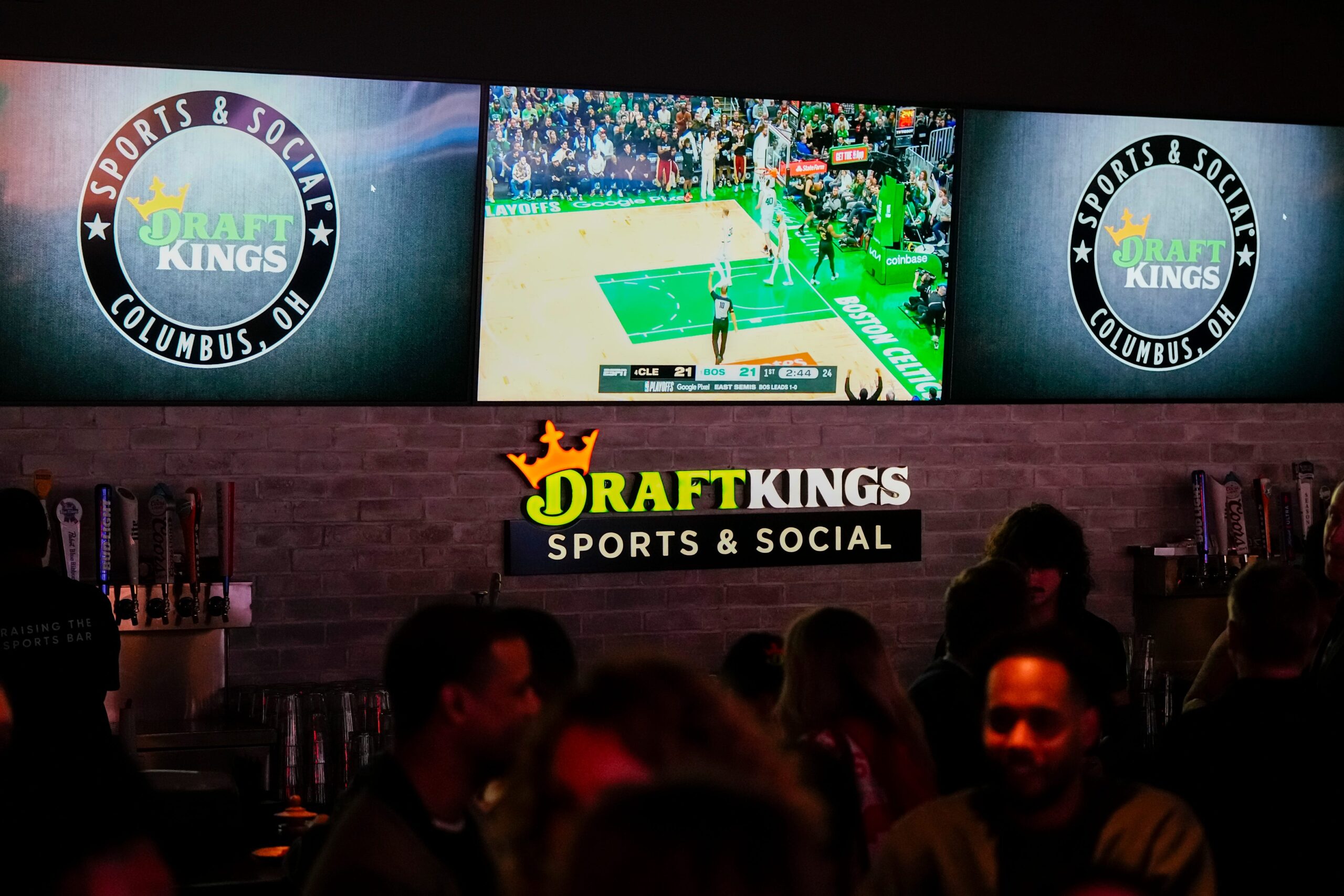
May 9, 2024; Columbus, OH, USA; Sports are shown on TVs behind the bar as guests enjoy the grand opening of DraftKings Sports & Social in the Short North. Though there are no on-site betting windows, eligible customers can place bets through the DraftKings app.-Imagn Images
This complaint stands apart for who it names. DraftKings, FanDuel, Genius Sports, and the NFL appear together in a Pennsylvania state court filing. ESPN reported on March 24 2026 that plaintiffs accuse all four of creating and profiting from an “unreasonably dangerous” product powered by official NFL data. Gambling Insider reported on March 25 2026 that Genius Sports earned $126.1 million from live microbetting in 2025, about 19% of its revenue. With the NFL as its largest shareholder, plaintiffs argue the league shared directly in those profits.
A Game That Never Stops Taking Bets
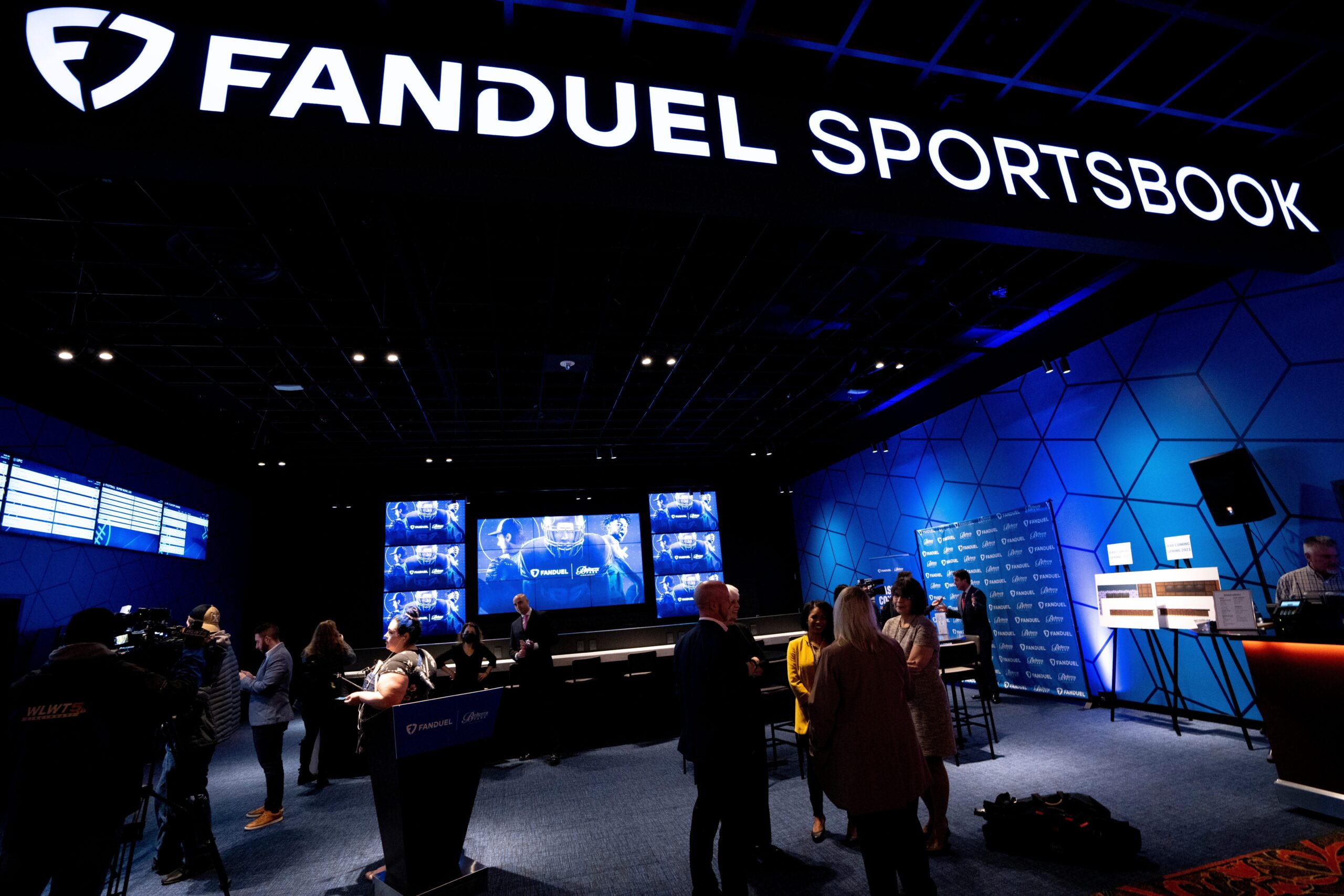
A view of the FanDuel Sportsbook betting area at Belterra Park Cincinnati.-Imagn Images
Microbetting sits at the center of the dispute. Instead of placing occasional wagers, users can bet on the next play, with odds updating in seconds. Yahoo Sports wrote on March 24 2026 that the complaint describes these apps as transforming a “known addictive product” into “an incessant, always-available addiction-enhancing machine” through a customized rapid interface. Each wager resolves almost instantly, shrinking the gap between impulse and outcome. Sportsbooks benefit from that speed. Plaintiffs argue this design reshapes behavior, raising deeper concerns about how control shifts during the game itself.
The VIP Messages That Kept Coming
Ohio State Buckeyes kicker Jayden Fielding places a ball on the tee for a kickoff during Pro Day for NFL scouts at the Woody Hayes Athletics Center on March 25, 2026.-Imagn Images
Beyond the app interface, the lawsuit points to direct human contact. The Public Health Advocacy Institute said on March 24 2026 that both plaintiffs were assigned VIP hosts who texted with offers, trips, and rewards. These messages allegedly continued even after at least one plaintiff asked to stop betting. Yahoo Sports reported similar claims, including that hosts built personal rapport to bring users back. The complaint frames this outreach as a retention strategy focused on high spending users, suggesting the system extended far beyond automated prompts into deliberate personal engagement.
Inside the Algorithms Driving Engagement
Draftkings Sportsbook at the WM Phoenix Open at TPC Scottsdale on Feb 9, 2024.-Imagn Images
Underneath those messages sits a deeper system. The Public Health Advocacy Institute stated on March 24 2026 that the complaint accuses DraftKings and FanDuel of using artificial intelligence and machine learning to “create addicted gamblers and encourage” microbets. Yahoo Sports reported that plaintiffs compare these tactics to social platforms designed for compulsion. Betting apps analyze behavior, timing, and past wagers to recommend bets. Plaintiffs argue this is targeted influence, guiding users toward more frequent wagers and higher losses, raising new questions about how much control remains in each decision.
The Billions Powering Industry Expansion
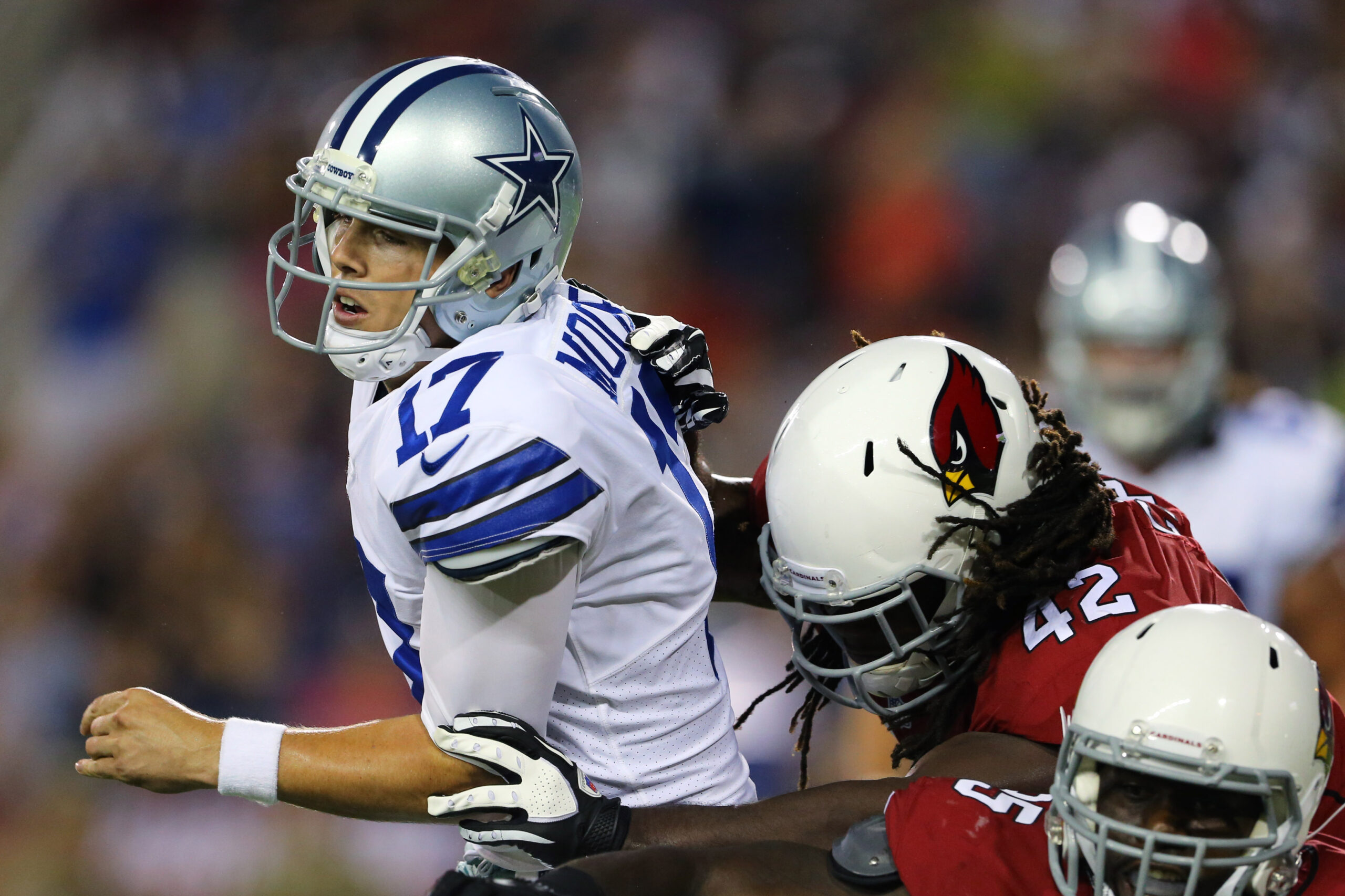
Aug 3, 2017; Canton, OH, USA; Dallas Cowboys quarterback Kellen Moore (17) is hit by Arizona Cardinals linebacker Cap Capi (42) as he throws in the first half at the Tom Benson Hall of Fame Stadium. Mandatory Credit: Aaron Doster-Imagn Images
The financial backdrop explains the rapid growth. The American Gaming Association reported on February 26 2026 that total commercial gaming revenue reached $78.72 billion in 2025, up 9.2%. Sports betting alone generated $16.96 billion from $166.94 billion in wagers, with revenue rising 22.8% from 2024. State taxes from gaming reached $18.09 billion. These figures support jobs across trading, engineering, and marketing. Plaintiffs do not dispute the scale. They argue a share of that growth comes from users whose losses escalated far beyond what they expected.
When Product Design Becomes the Case
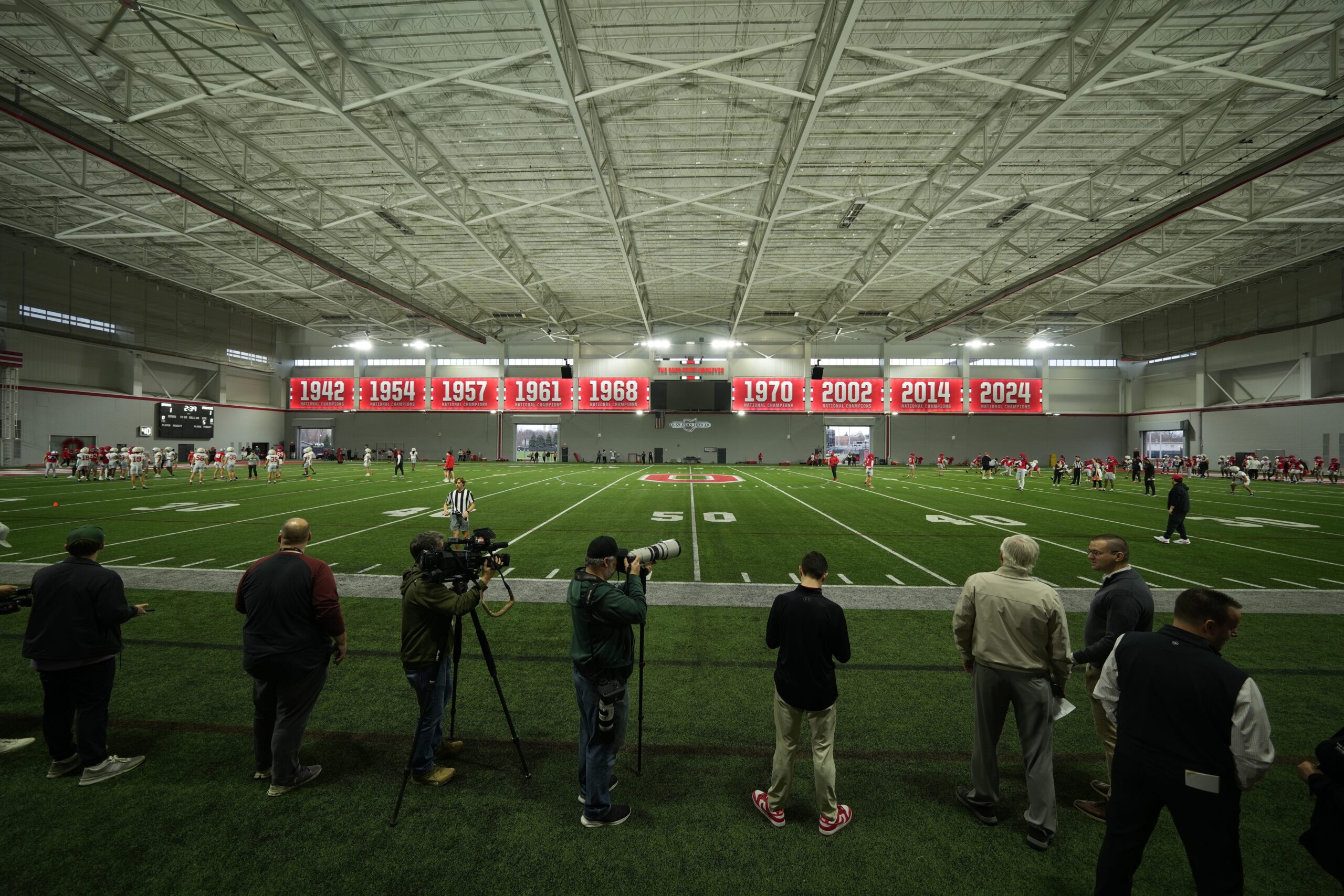
The indoor field of the Woody Hayes Athletic Center serves the football team and other teams.-Imagn Images
The legal strategy shifts the focus. The Public Health Advocacy Institute described the case on March 24 2026 as a product liability claim, calling these platforms “unreasonably dangerous” under Pennsylvania law. The complaint adds that Genius Sports earns premium commissions on microbets while the NFL benefits through its equity stake. That structure ties revenue directly to betting volume. The argument moves away from marketing claims and toward how the system is built, placing design decisions under scrutiny in a way that could affect multiple layers of the industry.
The Fallout Could Reach Beyond Betting Apps
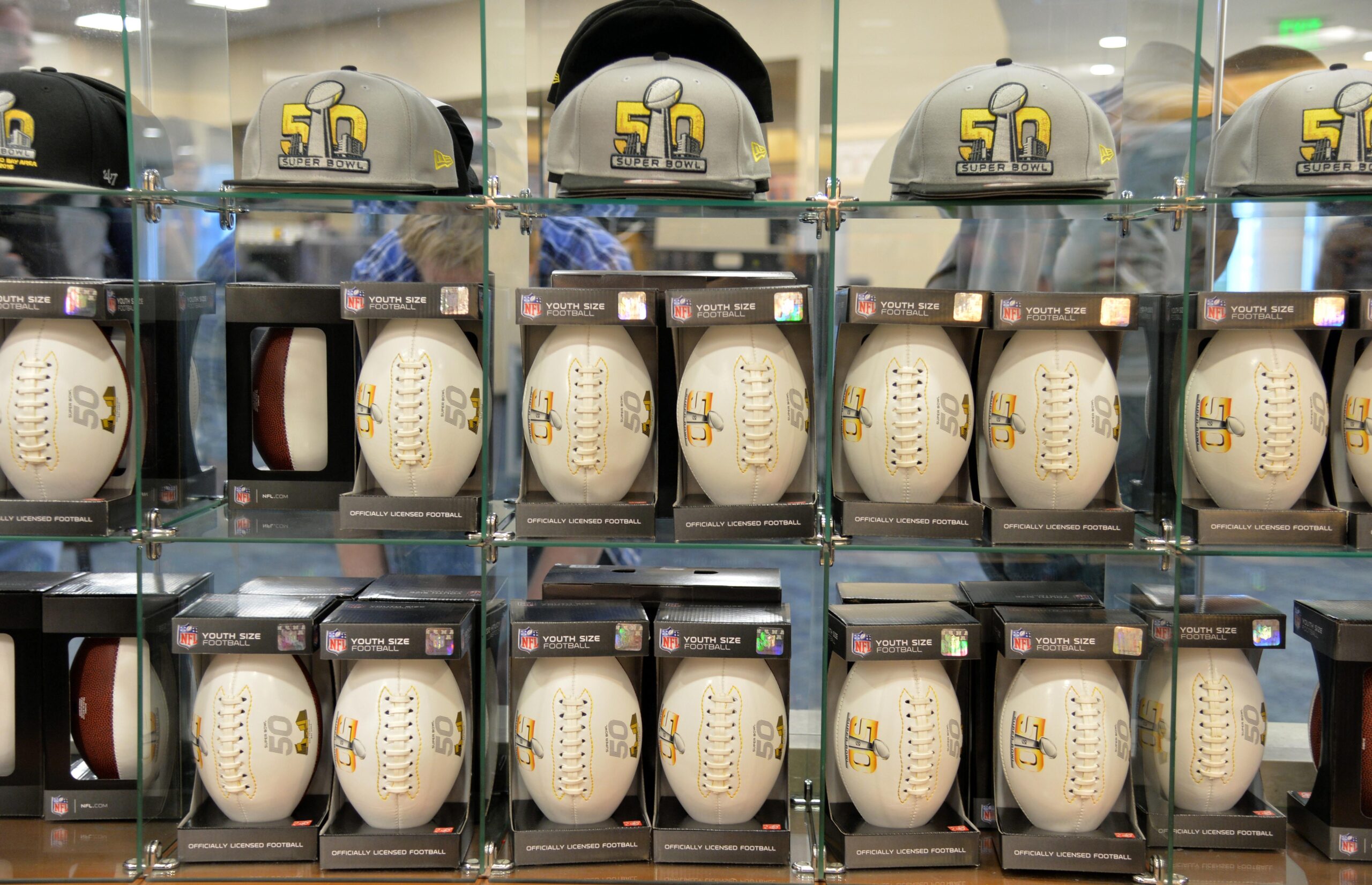
Feb 1, 2016; San Francisco, CA, USA; General view of Super Bowl 50 footballs, caps and merchandise at the Hudson News store at the San Francisco International Airport. Mandatory Credit: Kirby Lee-Imagn Images
The impact may extend beyond the named companies. VIP teams could see internal scripts, incentives, and targets examined during discovery. Engineers and data scientists might face questions about engagement testing and reactivation strategies. Media partners that promote betting could encounter reputational pressure. Lawmakers who supported legalization for tax revenue may also face scrutiny. As details emerge, attention could expand from individual losses to broader accountability, raising questions about who bears responsibility if addictive patterns are built into the system itself.
A Case That Could Redefine Accountability
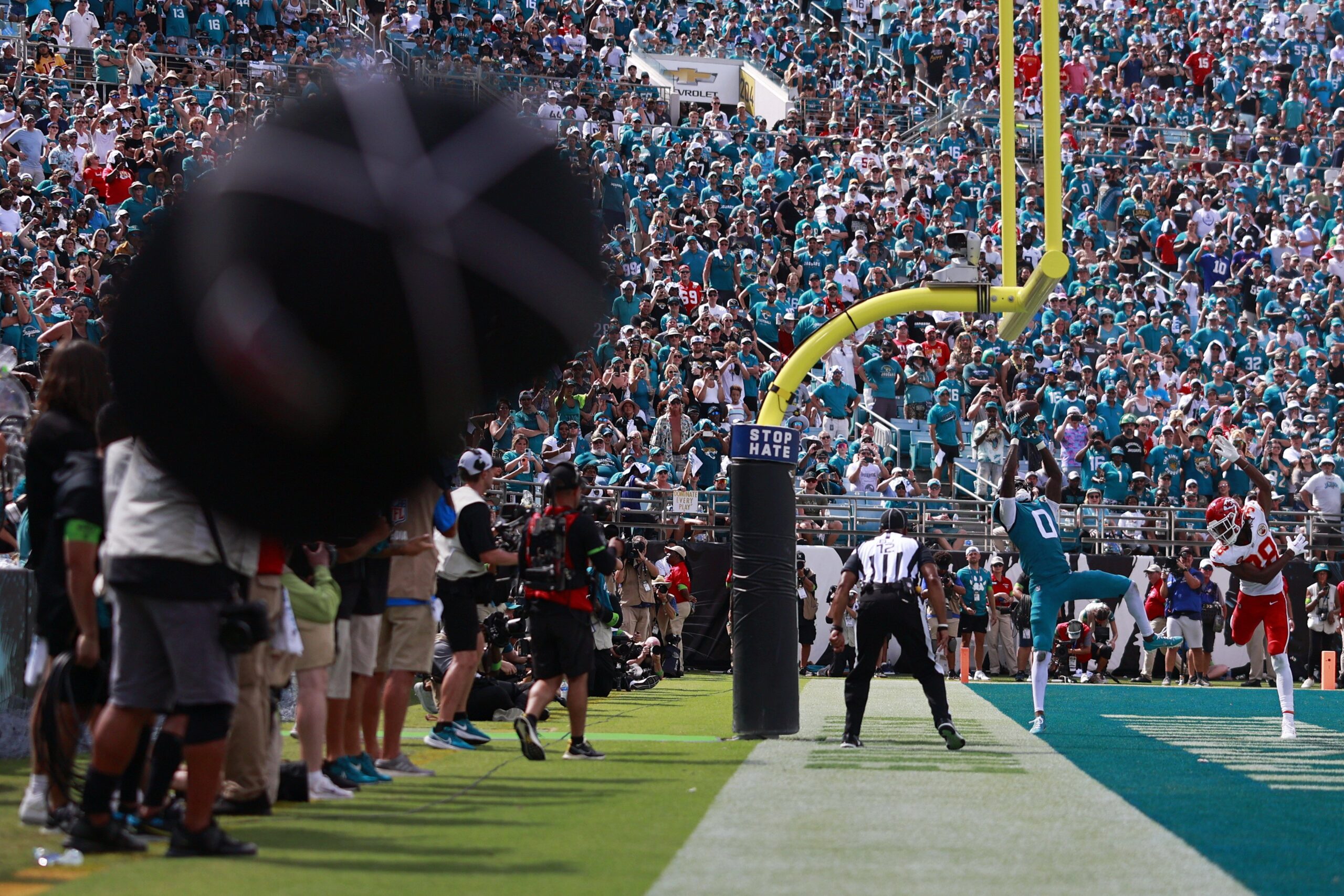
From left, a referee throws their cap as Jacksonville Jaguars wide receiver Calvin Ridley (0) catches a pass out of bounds colliding with the goal post as Kansas City Chiefs cornerback L’Jarius Sneed (38) pressures during the third quarter of a NFL football game Sunday, Sept. 17, 2023 at EverBank Stadium in Jacksonville, Fla. The Kansas City Chiefs defeated the Jacksonville Jaguars 17-9. [Corey Perrine/Florida Times-Union]-Imagn Images
The Public Health Advocacy Institute has signaled its intent. On Tuesday, it compared this case to past litigation involving harmful products defended as personal choice. ESPN reported that Sage and Thompson seek damages and a jury trial, along with access to internal data on VIP programs and AI targeting. American Gaming Association figures show six straight years of record gaming revenue through 2025. The lawsuit now asks whether that growth, and the NFL’s linked upside, depends on an “addiction-enhancing machine” that courts may soon examine closely.
Sources:
NFL, sportsbooks among defendants in gambling addiction lawsuit. ESPN, March 24 2026
PUBLIC HEALTH ADVOCACY INSTITUTE (PHAI) files landmark sports gambling lawsuit against DraftKings, FanDuel, Genius Sports, and the NFL. PR Newswire, March 24 2026
NFL and Sportsbooks Sued Over Microbetting Addictions. Yahoo Sports, March 24 2026
DraftKings, FanDuel, NFL Sued Over Microbetting Addiction Claims. Gambling Insider, March 25 2026
Public Health group sues DraftKings, FanDuel, NFL over betting addiction. Investing.com, March 24 2026
Commercial Gaming Revenue Hits $78.7 Billion in 2025, Driving Record $18.1 Billion in Gaming Tax Revenue. American Gaming Association, February 26 2026