
Every March, the NFL hits the reset button, changing everything. Rosters get blown up. Superstars relocate overnight. Salary records get shattered before most fans finish their morning coffee. The 2026 free agency period is no different, and with the new league year officially kicking off at 4:00 p.m. ET on March 11, the floodgates opened across all 32 teams simultaneously. The CBS Sports live tracker went active, the NFL.com move wire lit up, and within hours, the first dominoes were already falling in real time. But before you take any of those reported signings at face value, there are eight things you need to understand about how this process actually works and which moves are already reshaping the league.
1. The Rule Every Fan Ignores (But Shouldn’t)
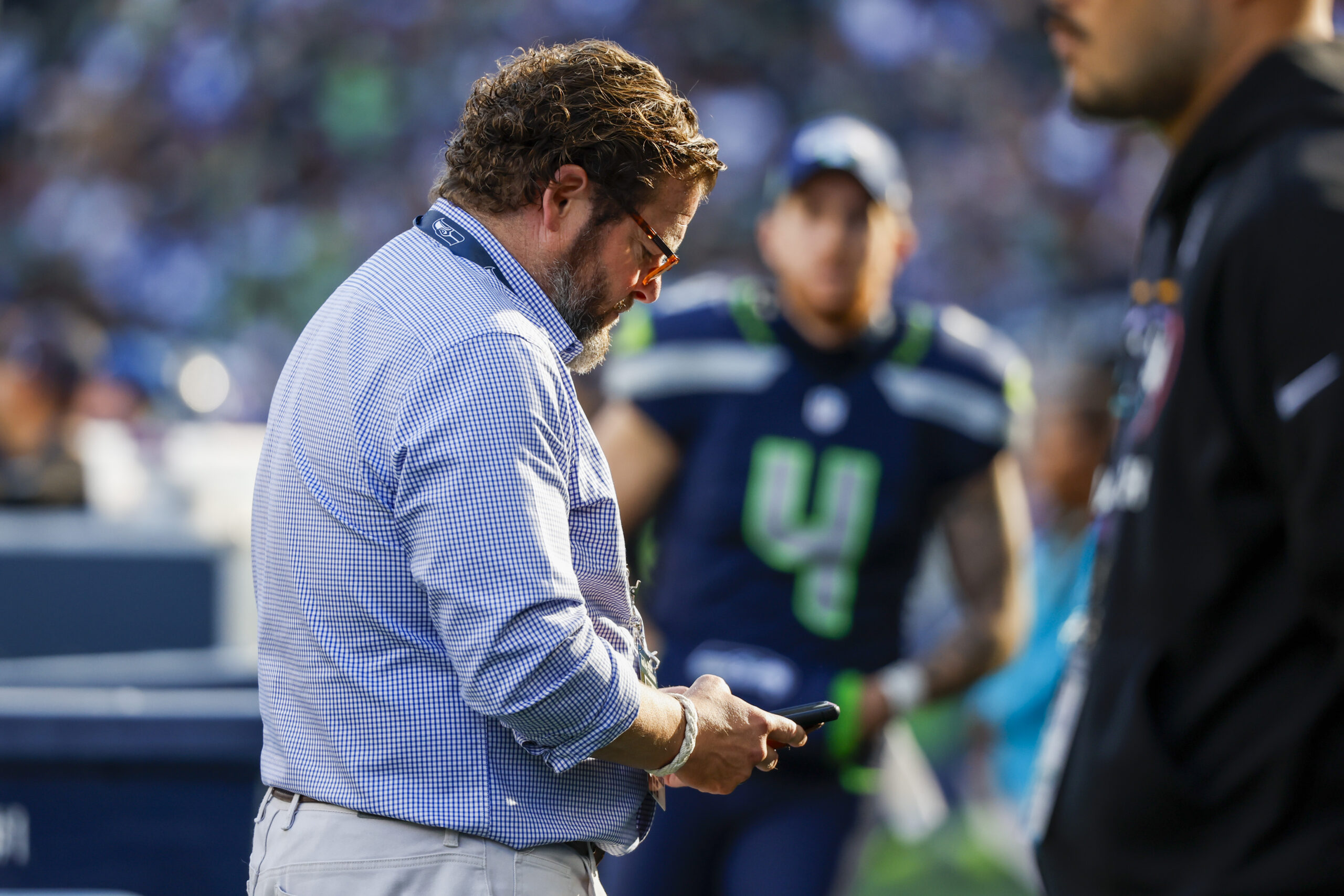
Oct 6, 2024; Seattle, Washington, USA; Seattle Seahawks general manager John Schneider looks at his phone during the fourth quarter against the New York Giants at Lumen Field. Mandatory Credit: Joe Nicholson-Imagn Images
Before any of those splashy signings hit official paperwork, there was a 48-hour negotiating window most casual fans overlook entirely. The NFL’s legal tampering period ran from noon ET on March 9 through 4:00 p.m. ET on March 11, a narrow window during which teams could negotiate with agents of pending free agents, but no contracts could be signed. Deals “agreed upon” during tampering get reported and hyped, but they’re not binding until the league year flips. It’s the difference between a handshake and a signature. This year also brought a new wrinkle, as clubs were permitted to hold direct video or phone calls with up to five players during the window, rather than going exclusively through agents.
2. The Calendar Is the Real GM

The NFL’s official dates framework is the backbone that turns rumors into transactions, and most fans skip straight to the highlight reel without understanding the mechanism that drives it. March 9 opens negotiations. March 11 opens the checkbooks. The moment the new league year starts at 4:00 p.m. ET on March 11, all prior-year contracts expire, unrestricted free agents hit the open market, and the trading period unlocks simultaneously. That’s the exact second when “reported” becomes “official.” Miss that distinction and you’ll be circulating roster news that technically doesn’t exist yet.
3. The Cap Just Hit $301.2 Million — A First in NFL History
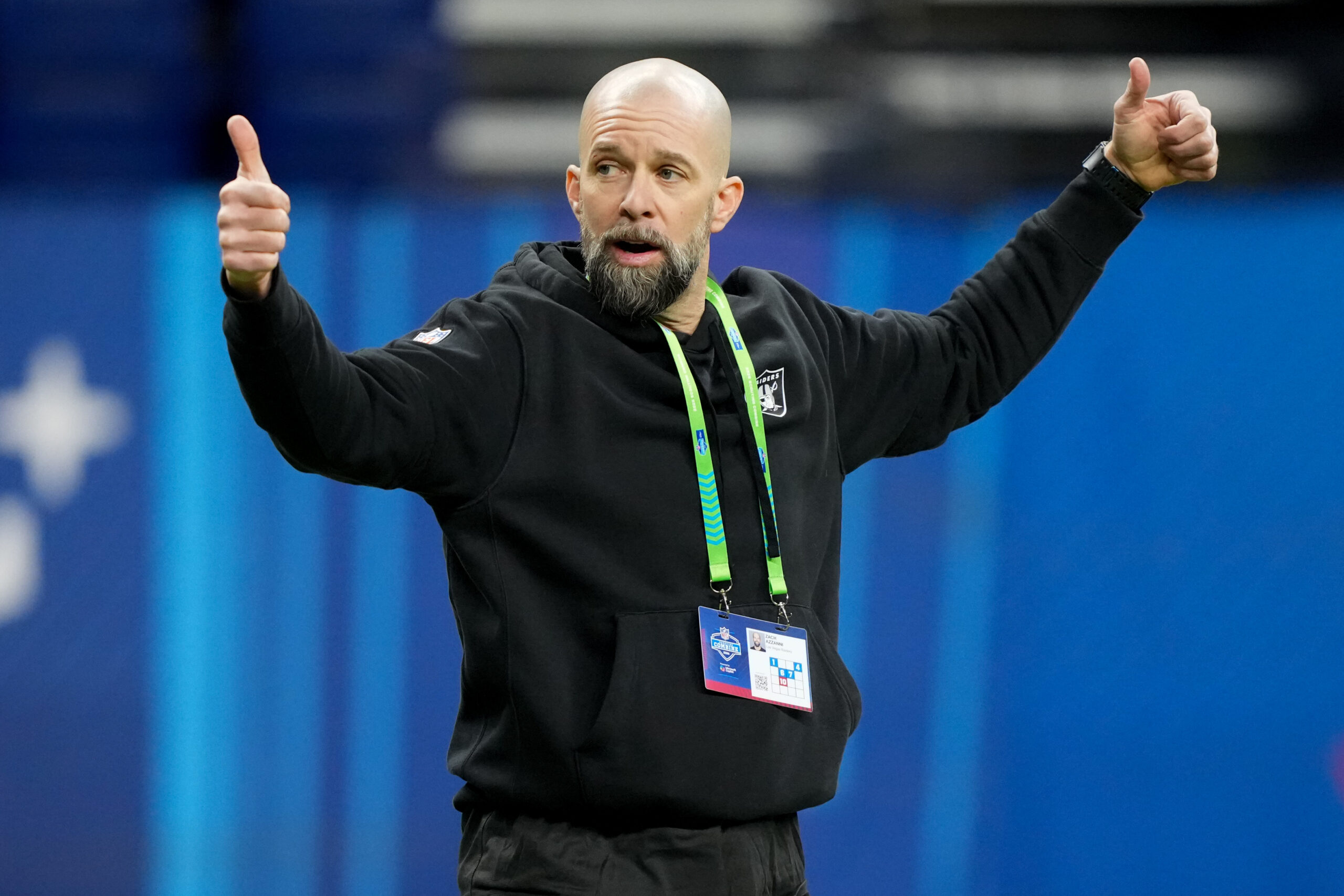
Feb 28, 2026; Indianapolis, IN, USA; Las Vegas Raiders wide receivers coach Zach Azzanni looks on during the NFL Scouting Combine at Lucas Oil Stadium. Mandatory Credit: Kirby Lee-Imagn Images
This free agency class arrived with a record salary cap attached. The NFL set the 2026 cap at $301.2 million per club, the first time in league history the number has crossed the $300 million threshold, up from last year’s $279.2 million limit. Going into the open period, the Las Vegas Raiders led all teams with a staggering $121.7 million in available space, per OverTheCap, a number inflated by the Maxx Crosby situation, which freed up significant cap room overnight. At the other end, the Buffalo Bills were sitting over the cap by $12.94 million when the window opened, requiring cuts before a single deal could clear.
4. The Trade That Blindsided Everyone: Trent McDuffie to L.A.
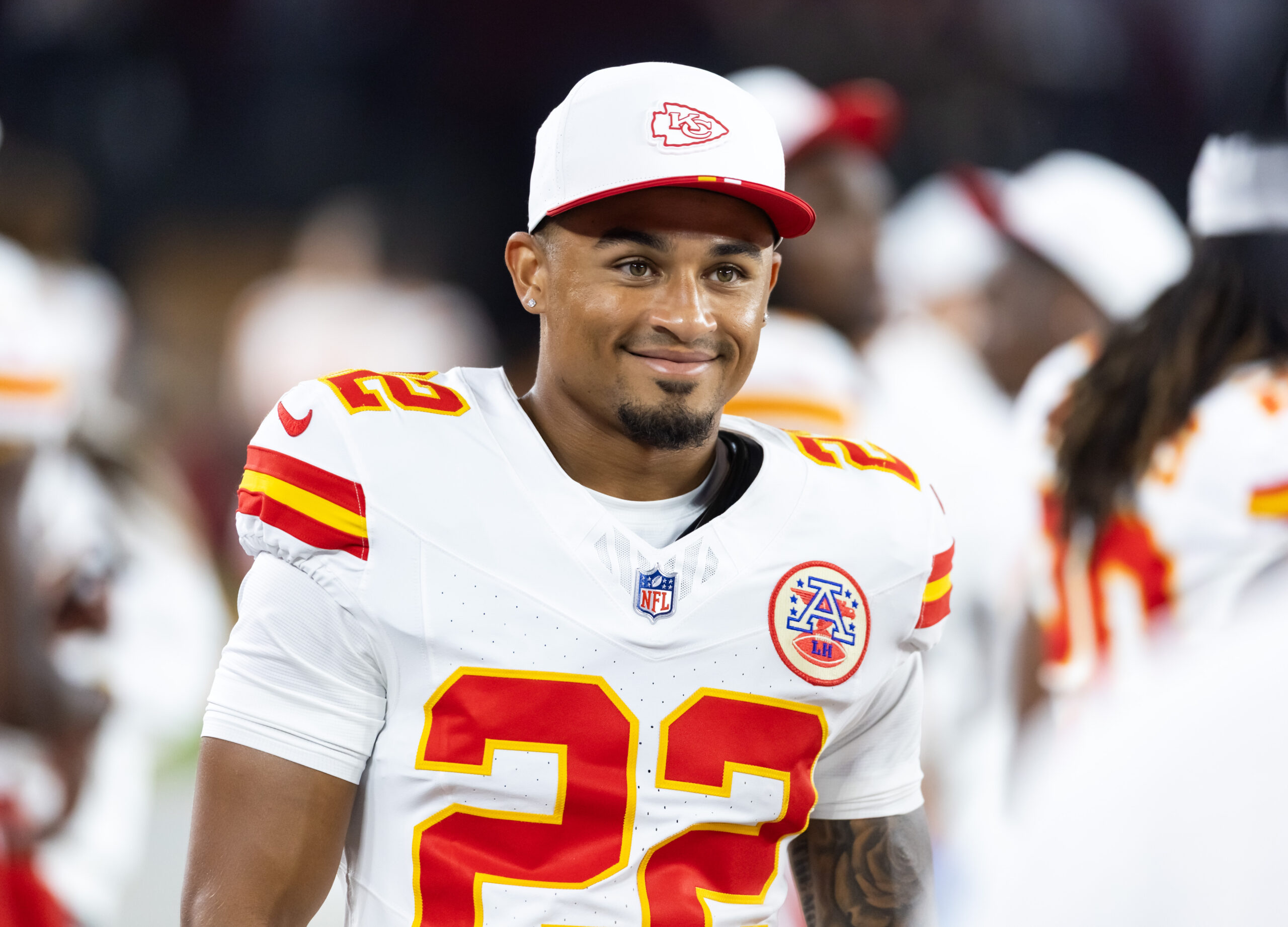
Aug 9, 2025; Glendale, Arizona, USA; Kansas City Chiefs cornerback Trent McDuffie (22) against the Arizona Cardinals during a preseason NFL game at State Farm Stadium. Mandatory Credit: Mark J. Rebilas-Imagn Images
The biggest blockbuster of the early offseason didn’t happen in free agency; it happened on the trade market, and it came from the last team anyone expected to move cornerstone talent. The Kansas City Chiefs shipped All-Pro cornerback Trent McDuffie to the Los Angeles Rams in exchange for the 29th overall pick in the 2026 NFL Draft, a fifth, a sixth, and a 2027 third-rounder. The Rams immediately locked McDuffie into a four-year, $124 million extension with $100 million guaranteed, making him the highest-paid cornerback in NFL history at $31 million per year. For Kansas City, it was a cap survival move. For Los Angeles, it was an all-in statement.
5. Indianapolis Went All-In: Pierce and Jones Both Locked Up
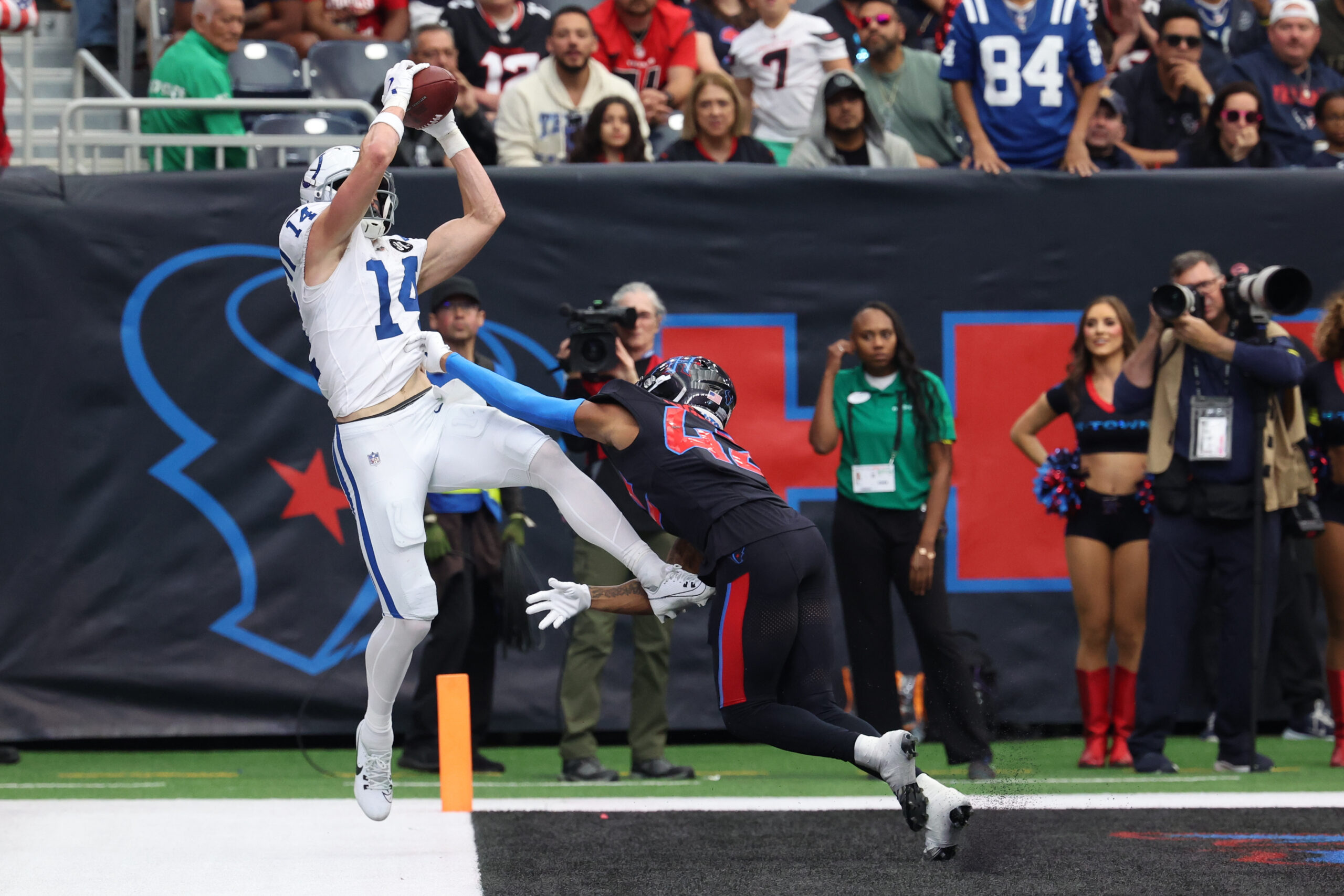
Jan 4, 2026; Houston, Texas, USA; Indianapolis Colts wide receiver Alec Pierce (14) is pushed out of bounds by Houston Texans cornerback Ja’marcus Ingram (42) during the second half at NRG Stadium. Mandatory Credit: Thomas Shea-Imagn Images
Not every team spent this offseason dodging cap landmines. The Indianapolis Colts committed to their core with conviction, locking up two key pieces in the same week. Wide receiver Alec Pierce, who led all qualifying players in yards per reception in both 2024 and 2025, re-signed on a four-year, $114 million deal worth up to $116 million with $84 million guaranteed, setting a new record for a free-agent receiver. Hours later, quarterback Daniel Jones returned on a two-year deal worth $88 million that could reach $100 million with incentives. Pierce made clear he wasn’t leaving Indy. Now the question is whether they can finish what last season started.
6. Baltimore Blinked on Crosby — Then Scrambled for Hendrickson
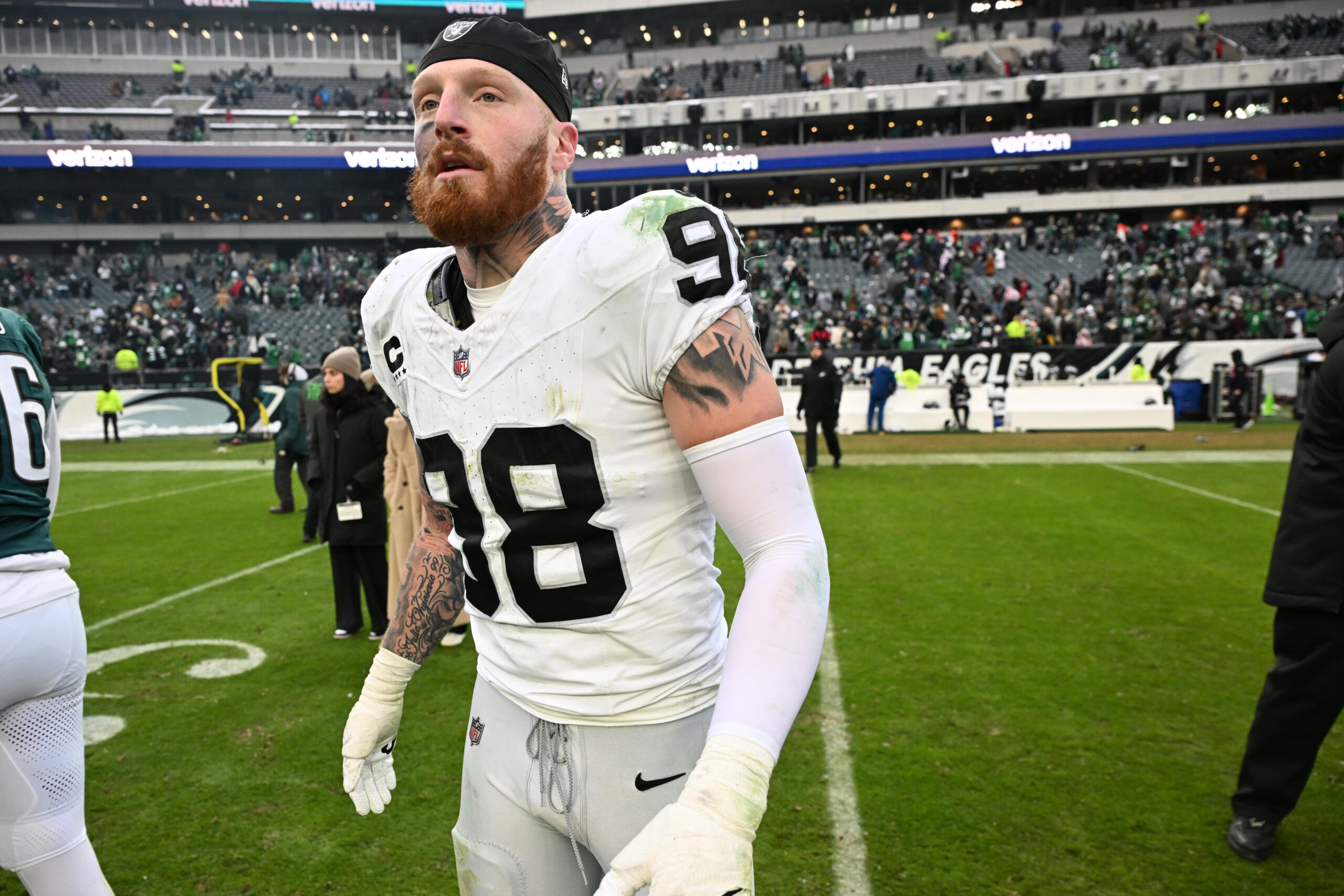
Dec 14, 2025; Philadelphia, Pennsylvania, USA; Las Vegas Raiders defensive end Maxx Crosby (98) on the field after loss to the Philadelphia Eagles at Lincoln Financial Field. Mandatory Credit: Eric Hartline-Imagn Images
The Baltimore Ravens’ offseason started with a bombshell and ended with a pivot that raised eyebrows league-wide. The Ravens had agreed to acquire Raiders pass-rusher Maxx Crosby, then backed out after a failed physical tied to his January knee surgery. By the next morning, Baltimore had Trey Hendrickson under contract on a four-year, $112 million deal at $28 million per year. Hendrickson had spent years being underpaid by Cincinnati despite elite production, and now he gets to prove himself twice a season against his former team. As one agent told CBS Sports in the fallout, the league’s broader question was pointed: “How can a team ever trust the Ravens again?”
7. Cap Space Is a Moving Target — Not a Scoreboard
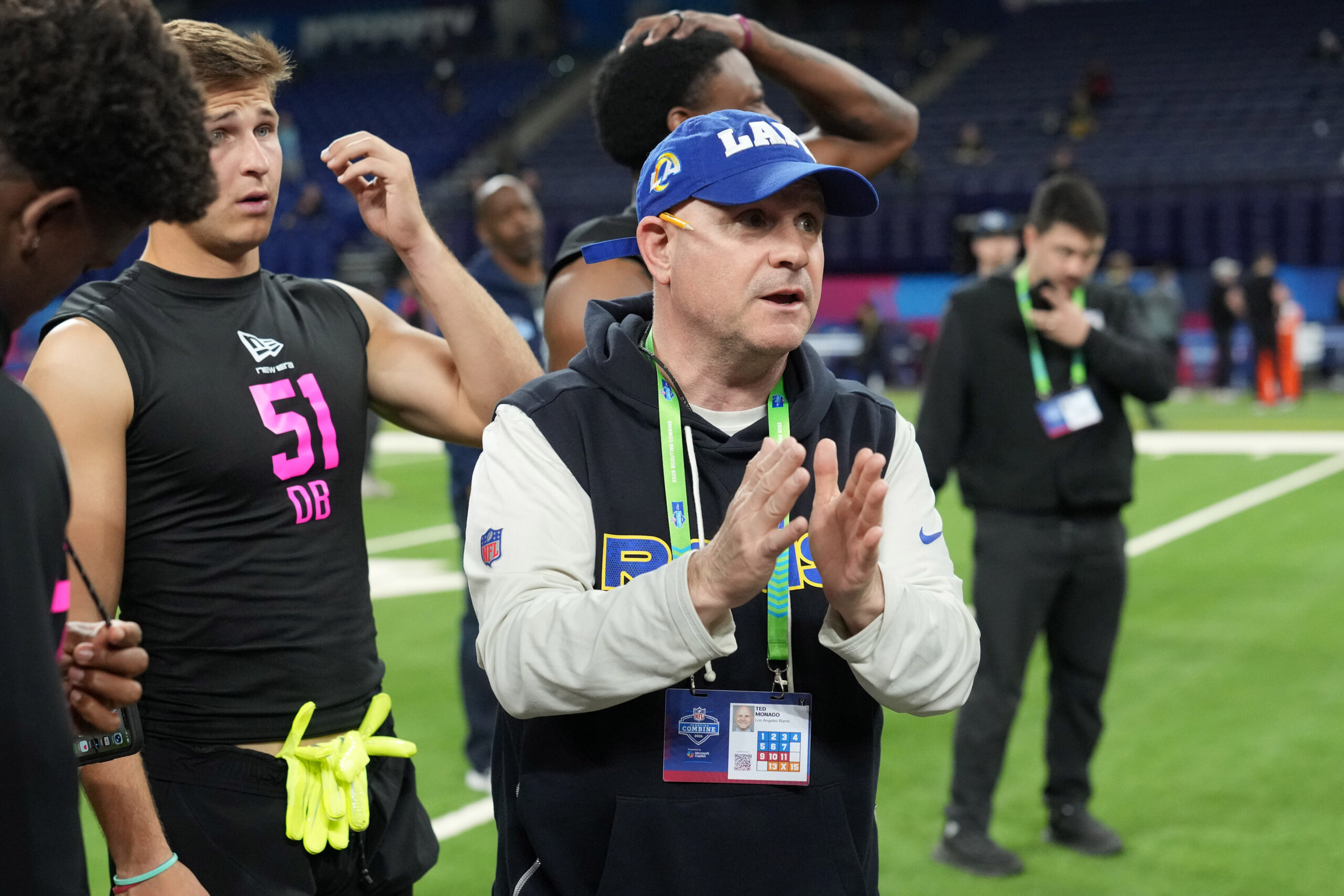
Feb 27, 2026; Indianapolis, IN, USA; Los Angeles Rams senior personnel executive Ted Monago during the NFL Scouting Combine at Lucas Oil Stadium. Mandatory Credit: Kirby Lee-Imagn Images
When fans see a team’s cap number reported, they often treat it like a bank balance. It isn’t. Salary cap accounting is a living, shifting calculation; teams can create space through post-June 1 designations, restructured contracts, voidable years, and dead-money adjustments that vary across trackers. OverTheCap and Spotrac are the two most trusted public tools, but they can show different available space for the same team due to different accounting assumptions for pending deals. After the first wave of free agency, the Rams went from $27.5 million in available space to a much tighter window almost overnight. One player’s contract can shift a team’s flexibility by tens of millions before the ink dries.
8. The Veterans Finding New Homes
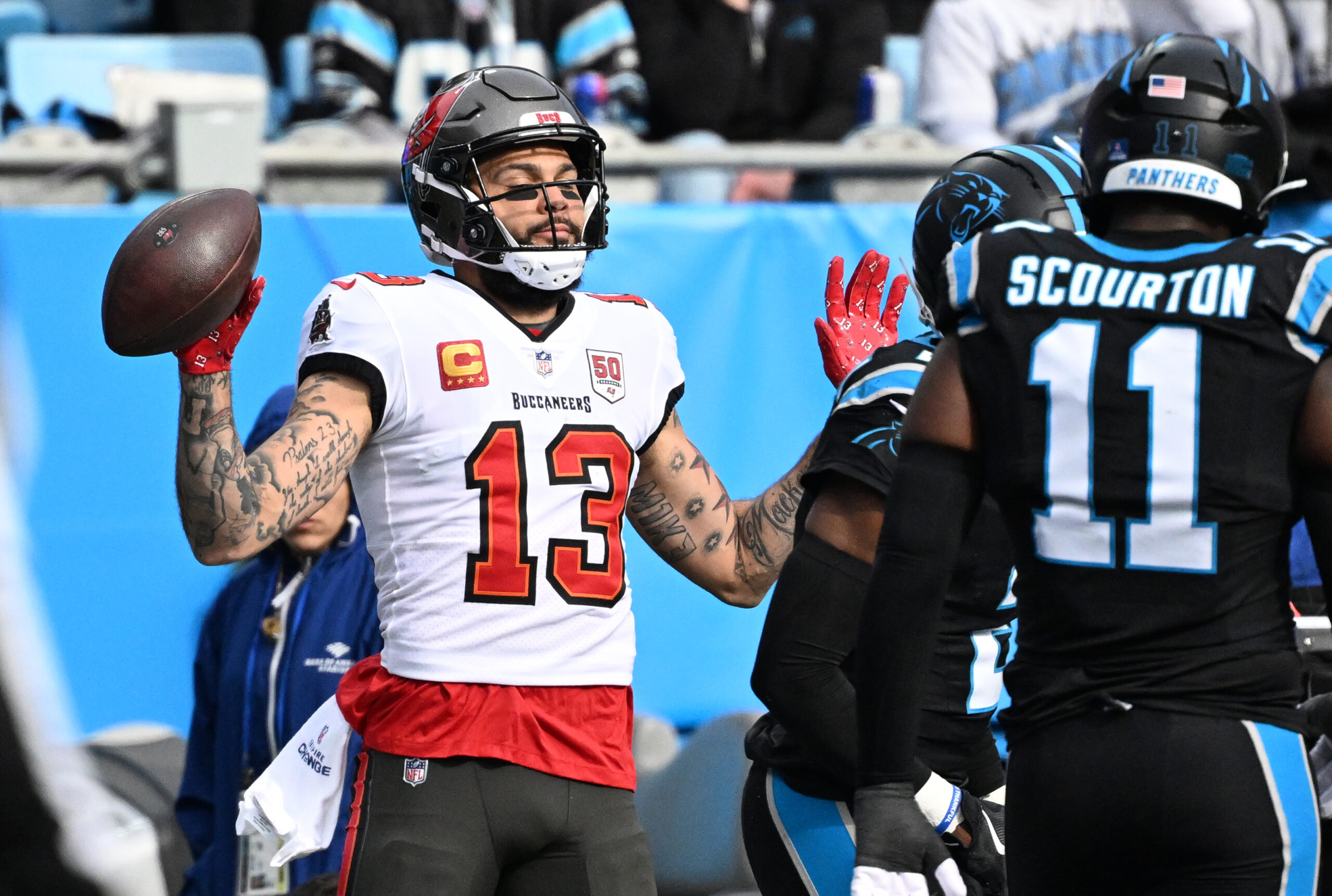
Dec 21, 2025; Charlotte, North Carolina, USA; Tampa Bay Buccaneers wide receiver Mike Evans (13) reacts after a touchdown during the first half against the Carolina Panthers at Bank of America Stadium. Mandatory Credit: Bob Donnan-Imagn Images
Not every story in the 2026 tracker involves a nine-figure extension. Travis Kelce, 36, returned to Kansas City on a one-year, $12 million deal, modest for a generational tight end, but a clear signal his role is evolving with the team’s rebuilt roster. Mike Evans, who turns 33 in August, left Tampa Bay after 12 seasons to join San Francisco on a three-year contract worth $42.4 million that can reach $60.4 million with incentives, telling reporters the move gave him “a second wind” in his career. The volume of veterans navigating one-year prove-it deals across the league tells you how quickly the market stratifies. The elite get overpaid early. Everyone else negotiates against the clock.
What The Tracker Really Tells You — And What It Doesn’t
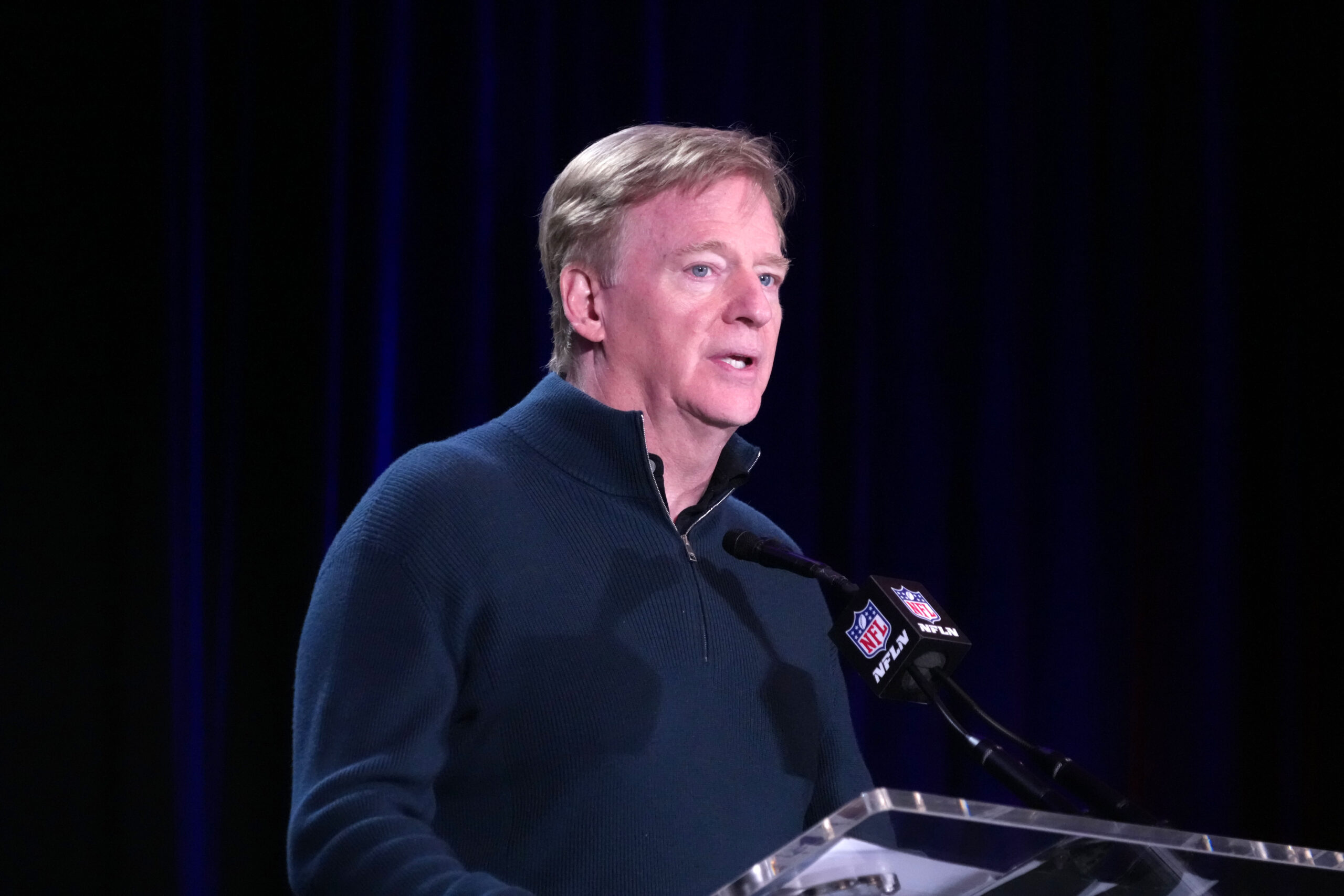
Feb 9, 2026; San Francisco, CA, USA; NFL commissioner Roger Goodell speaks at the Super Bowl LX host committee handoff press conference at Moscone Center. Mandatory Credit: Kirby Lee-Imagn Images
The CBS Sports 2026 team-by-team tracker, the NFL.com move wire, and outlets like Spotrac and OverTheCap aren’t just scoreboards; they’re real-time reflections of front offices gambling their futures, one contract at a time. But here’s what the headlines won’t tell you: a reported deal during the legal tampering window is not an official transaction, a cap number before June 1 designations may not reflect a team’s real flexibility, and a “live tracker” only becomes credible when entries are tied to a verified league year date and a signed contract. Once you understand the calendar — March 9 for talks, March 11 for signatures- you stop following rumors and start tracking reality. The NFL is a league governed by paperwork, not press releases. The 2026 window is wide open. Now comes the hard part: figuring out who actually got better.
If you enjoyed this article please like and follow us here on MSN! Thank you for reading and have a great day!
Sources:
NFL.com — NFL Announces 2026 Salary Cap Set at $301.2 Million Per Team
NFL Football Operations — 2026 Important NFL Dates
ESPN — Sources: Chiefs Trade Trent McDuffie to Rams for Four Draft Picks
NFL.com — WR Alec Pierce Re-Signing With Colts on Four-Year, $114 Million Deal
ESPN — Sources: Ravens Agree to Sign Trey Hendrickson to 4-Year, $112M Deal
CBS Sports — 2026 NFL Free Agency Live Tracker: Full List of Team-by-Team Moves