
The 2026 NFL free agency period has reshaped rosters across the league, yet some of the most talented players in football remain without a team. While front offices chase flashy signings at premium positions, a clear pattern has emerged in how certain roles lag behind in spending and attention. From Pro Bowl-caliber veterans to proven pass rushers, these unsigned players could still transform a contender’s fortunes — and one often undervalued position exposes a gap between on-field importance and market price.
6. Taylor Decker: A Starting Left Tackle Still on the Street
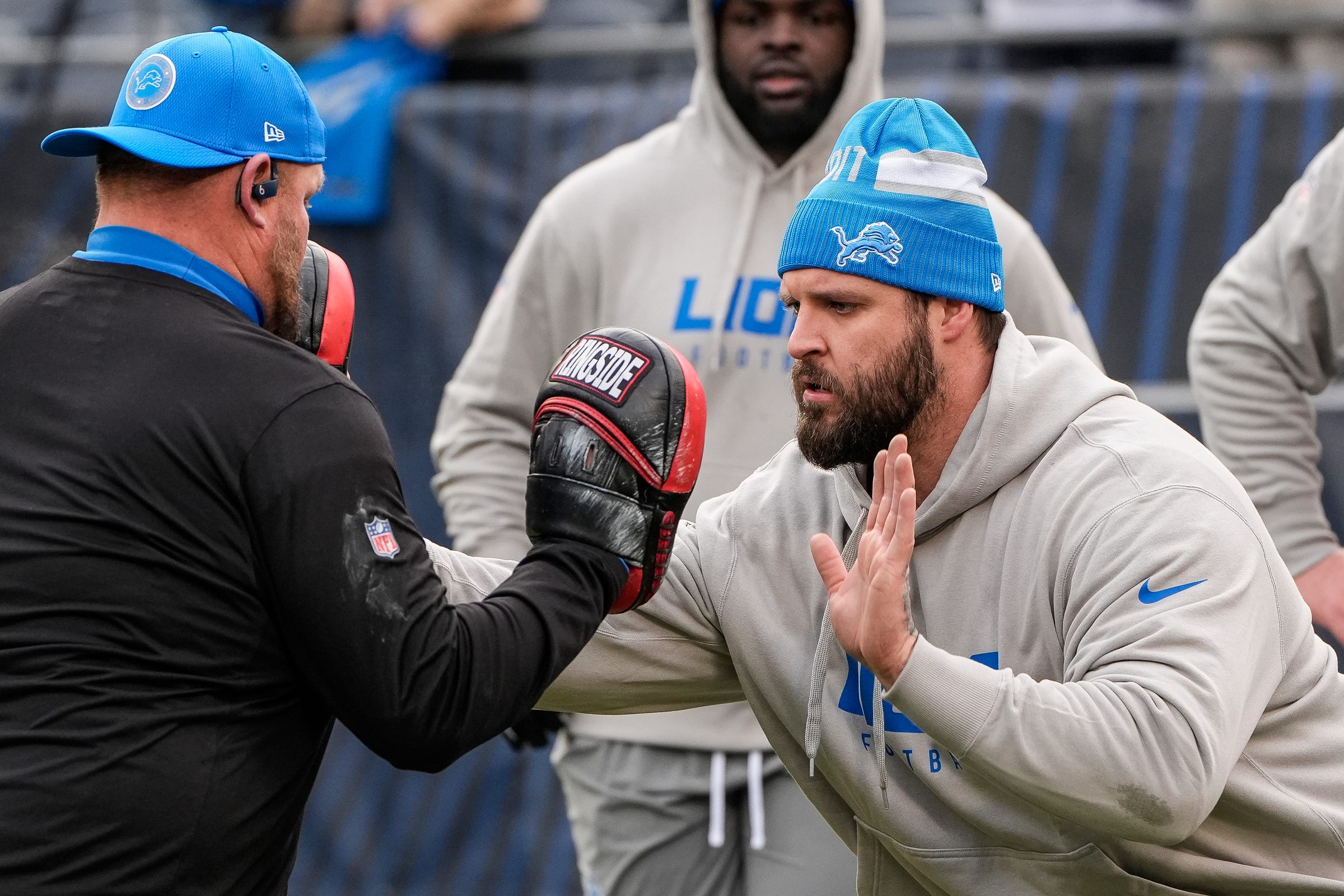
Detroit Lions offensive tackle Taylor Decker (68) warms up before the game between Chicago Bears and Detroit Lions at Soldier Field in Chicago, Ill. on Sunday, Dec. 22, 2024.
Former Detroit Lions left tackle Taylor Decker remains one of the most experienced offensive linemen still available in 2026 NFL free agency, even after being granted his release following 10 seasons with the franchise. The veteran has anchored offensive lines at a high level and was widely projected to command a strong multi‑year deal, yet he sits without a contract as the offseason rolls on. With several teams still needing immediate offensive line upgrades, Decker’s continued availability suggests that some front offices may be slow‑playing the market or waiting for prices to settle rather than aggressively closing a deal.
5. Stefon Diggs: Elite Résumé, Unclaimed Jersey
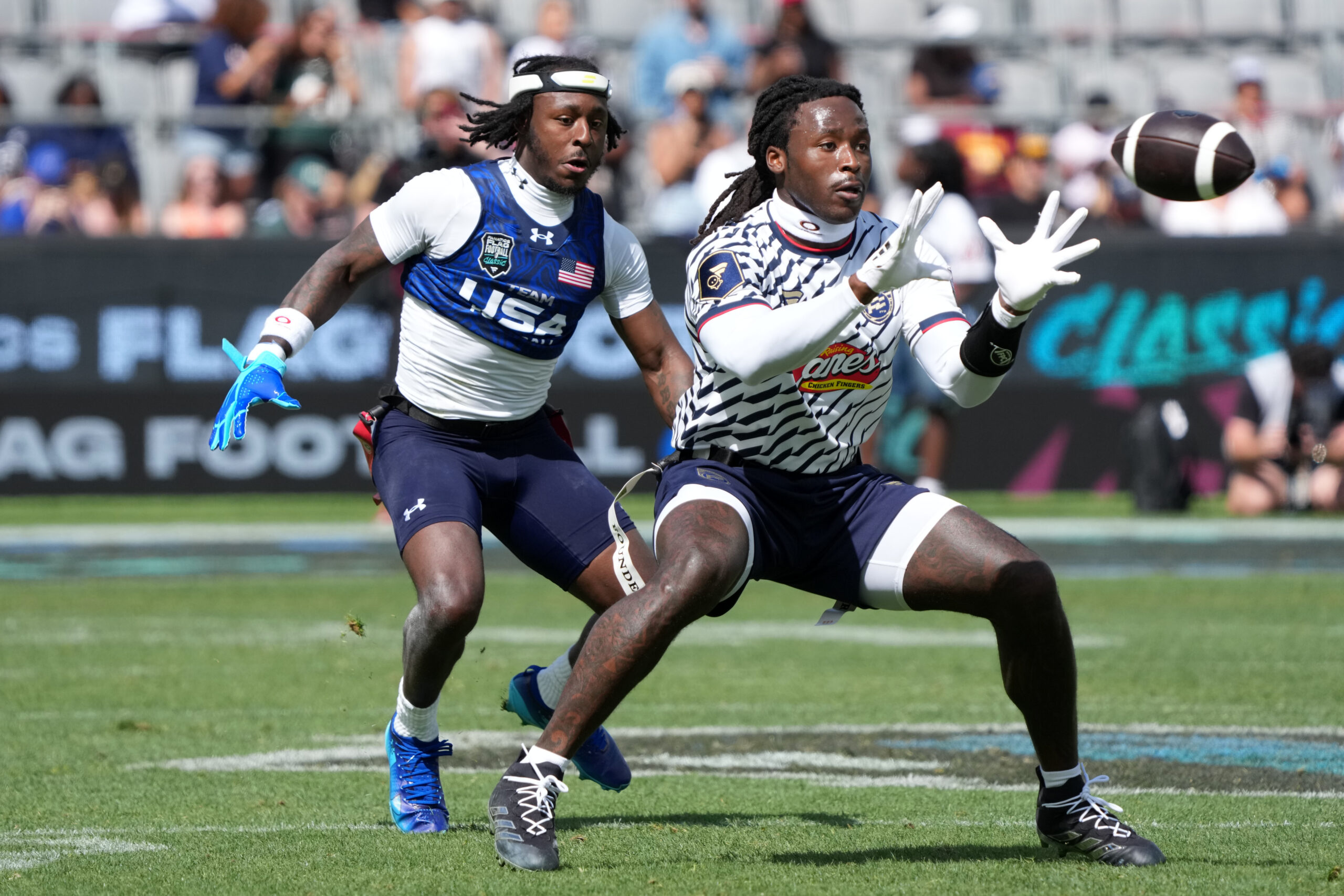
Mar 21, 2026; Los Angeles, CA, USA; Founders FFC receiver Stefon Diggs catches the ball against Team USA defensive back Aamir Brown during the Fanatics Flag Football Classic at BMO stadium. Mandatory Credit: Kirby Lee-Imagn Images
Wide receiver Stefon Diggs is consistently discussed among the top available free agents, an unusual spot for a player with his production history and multiple 1,000‑yard seasons. Diggs has been one of the NFL’s most productive receivers over the past decade, yet he remains unsigned deep into the offseason. His status raises questions about how the league is valuing veteran wideouts in their 30s and whether age and contract expectations are outweighing prior on‑field performance.
4. Joey Bosa: Premium Pass Rush Without a Premium Deal
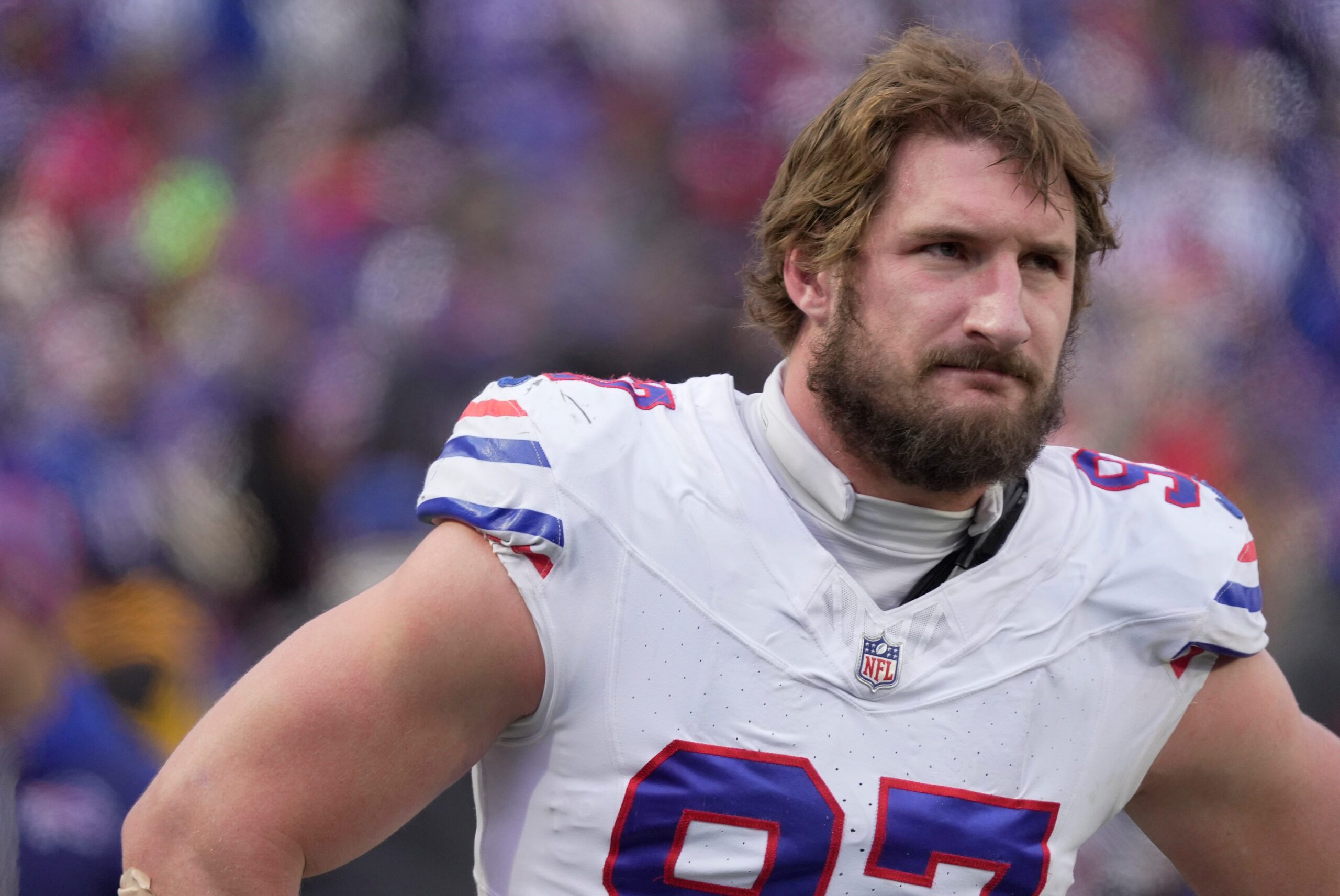
Buffalo Bills defensive end Joey Bosa watches the offensive line on the field during second half action against the Tampa Bay Buccaneers on Nov 16, 2025 at Highmark Stadium in Orchard Park.
Former Defensive Rookie of the Year Joey Bosa appears prominently in current discussions of top remaining free agents, underscoring how unusual it is for a pass rusher with his résumé to be available this late. Edge rushers traditionally command premium contracts and rank near the top of positional spending charts, yet Bosa is still searching for his next team. His situation highlights the tension between teams’ willingness to pay for pass rush and their concerns about age, injuries, or cap flexibility, even for proven players.
3. Deebo Samuel: A Swiss Army Knife No One Has Claimed
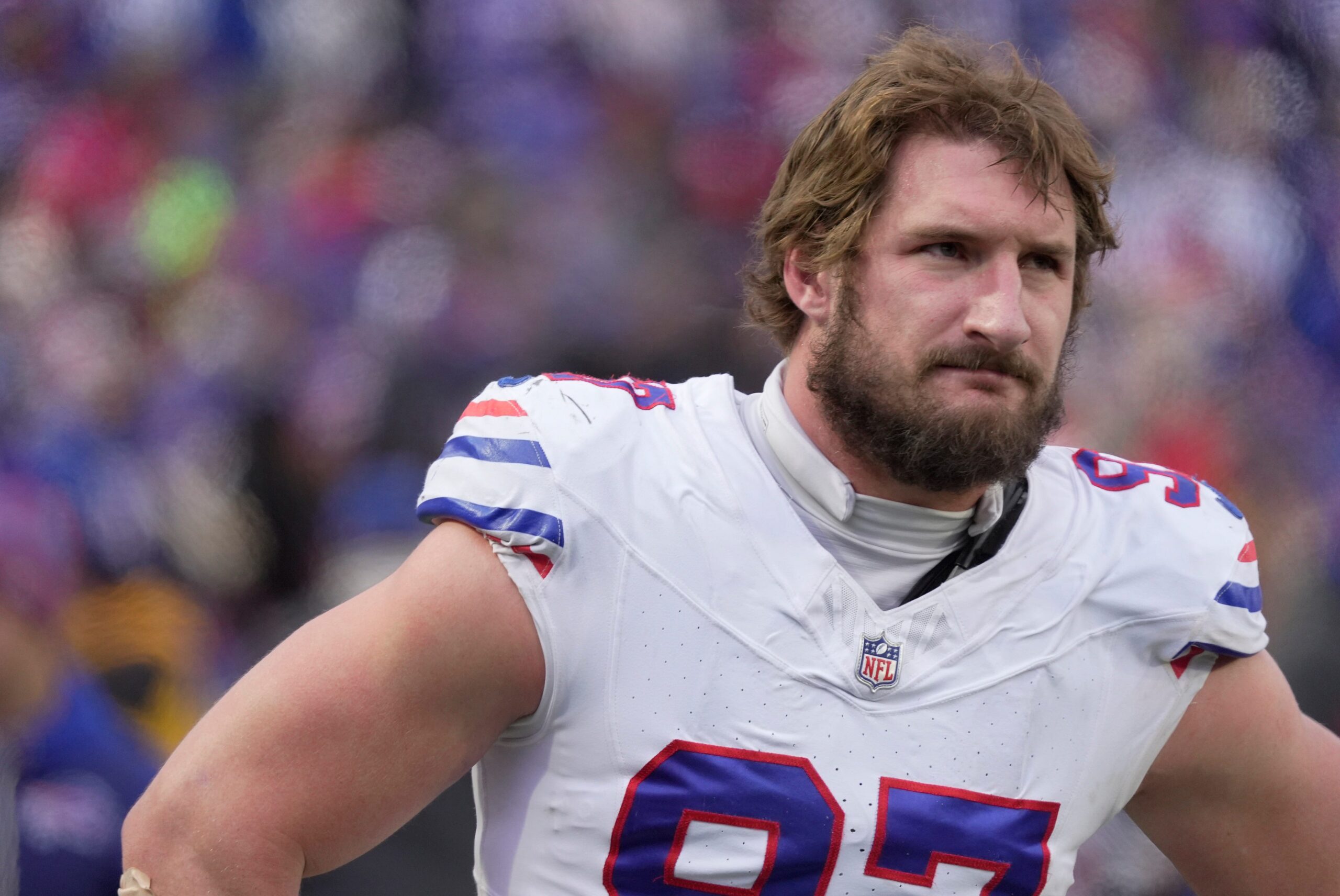
Buffalo Bills defensive end Joey Bosa watches the offensive line on the field during second half action against the Tampa Bay Buccaneers on Nov 16, 2025 at Highmark Stadium in Orchard Park.
Deebo Samuel is widely cited as one of the most impactful unsigned players because of his ability to threaten defenses as both a receiver and a runner. His skill set allows offensive coordinators to move him around the formation and stress defenses in multiple ways, a trait that has helped redefine how some offenses use hybrid playmakers. Samuel’s continued availability suggests that teams may be weighing durability, role fit, and long‑term value against his unique versatility rather than rushing into a multi‑year commitment.
The Spending Hierarchy: Glamour Positions vs. Hidden Value
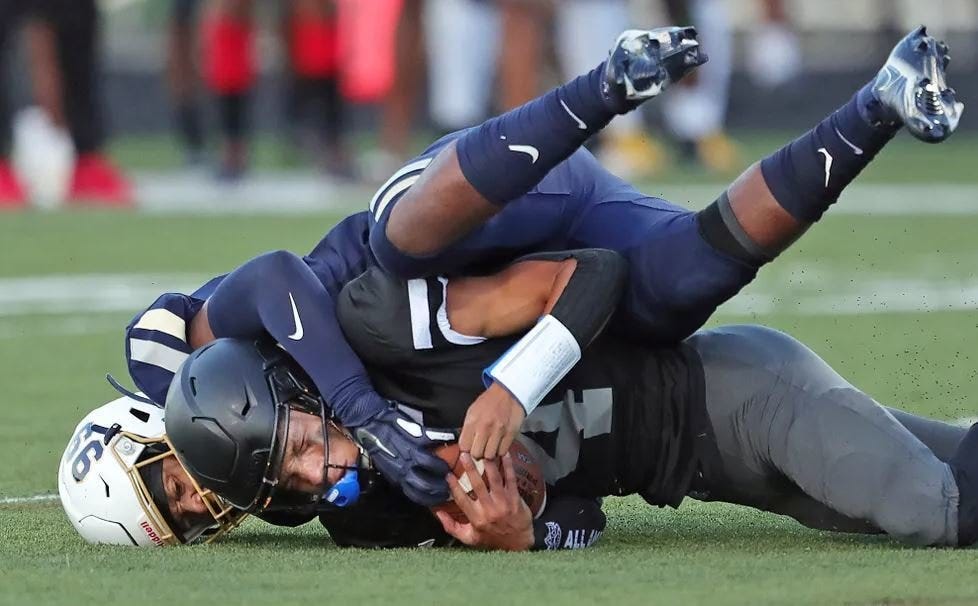
Bishop Sycamore quarterback Jailen Knight is sacked by Akron Archbishop Hoban defensive end Grant Thompson on Aug. 19. Since 2020, Bishop Sycamore is winless and has been outscored 342-49.
Recent positional‑value studies and contract data show that quarterbacks, edge rushers, and wide receivers sit near the top of the league in average annual value, while other positions lag significantly behind. This spending hierarchy reflects how teams are prioritizing premium positions, but it does not always track perfectly with how often other roles — including interior offensive line, safety, and off‑ball linebacker — influence game outcomes. In many cases, clubs are channeling resources into positions traditionally viewed as “glamour” spots while leaving potential value on the table at less‑celebrated positions.
2. Bobby Wagner: Hall of Fame Résumé, Cold Market
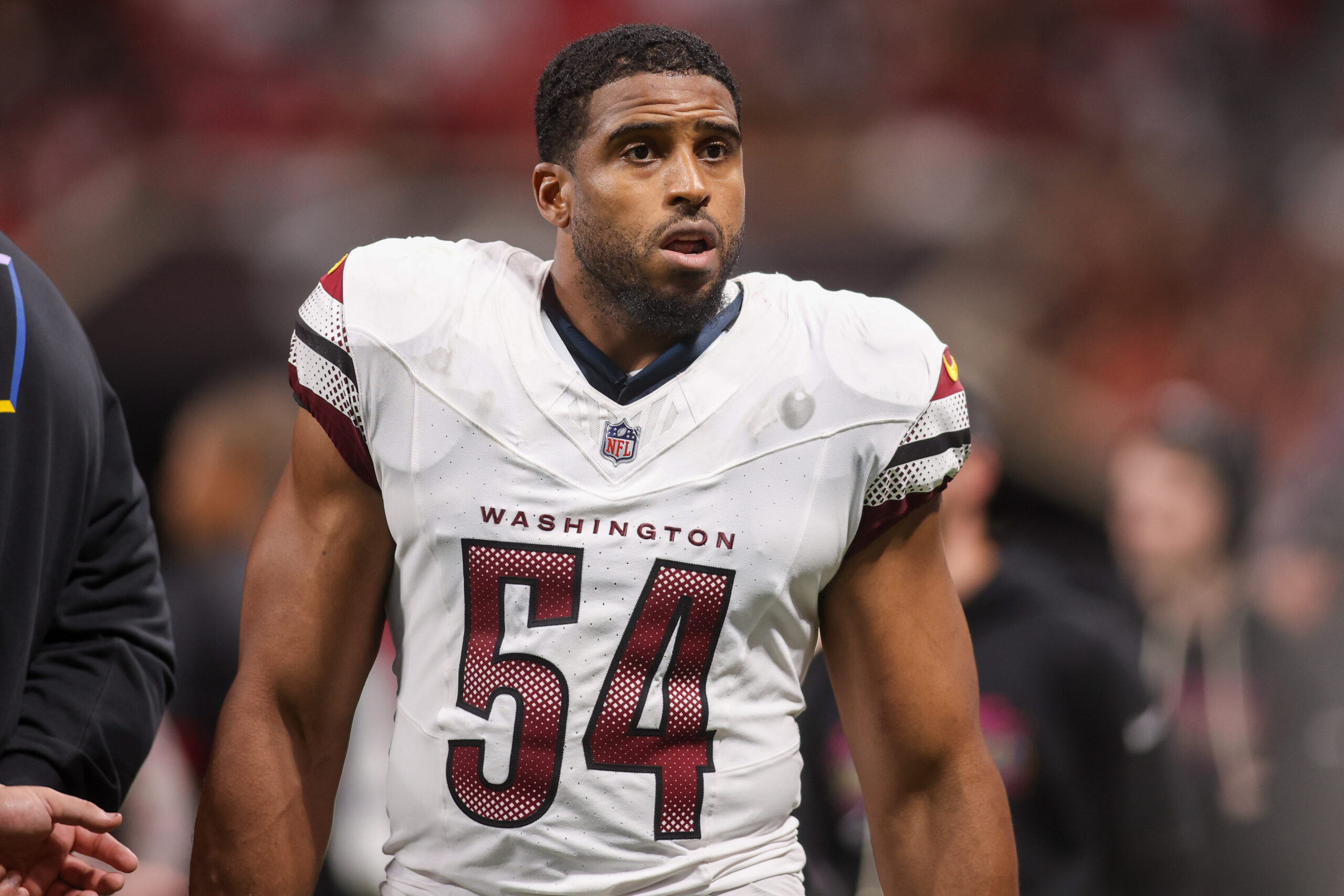
Sep 28, 2025; Atlanta, Georgia, USA; Washington Commanders linebacker Bobby Wagner (54) on the field during a game against the Atlanta Falcons at Mercedes-Benz Stadium. Mandatory Credit: Brett Davis-Imagn Images
Future Hall of Fame candidate Bobby Wagner continues to be mentioned near the top of remaining‑free‑agent lists at linebacker, yet his market has moved more slowly than his résumé might suggest. Wagner’s situation reflects a broader trend: off‑ball linebackers often earn less in free agency than edge rushers or top cornerbacks, even when they are central to a defense’s communication and run support. Several outlets have identified potential fits for Wagner, including teams still looking for veteran help in the middle, but as of late May, those projections have not yet materialized into a finalized contract.
Team Blueprints: Strong Edges, Soft Middles
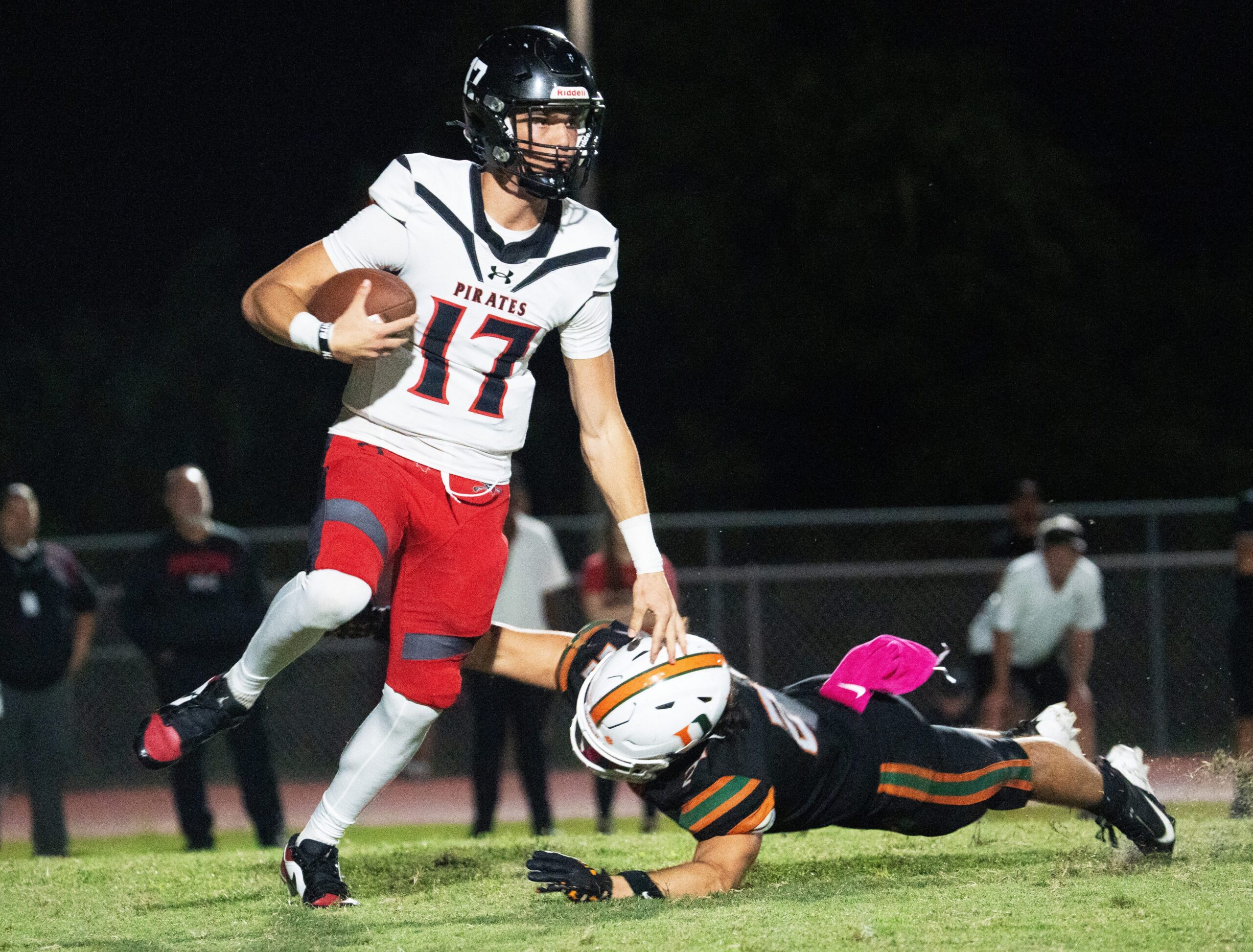
Logan Flaherty, the quarterback of Port Charlotte eludes a Dunbar defender during a game at Dunbar on Friday, Oct. 10, 2025. Port Charlotte won.
Across the league, some teams have invested heavily in pass rushers and secondary players while committing fewer resources to off‑ball linebackers, trusting cheaper veterans and mid‑round draft picks to carry the load. This approach can work when scouting and coaching align, but it also creates a risk of defenses that are strong on the edges and in coverage yet vulnerable to runs and intermediate passes over the middle if linebacker play lags behind. The pattern is less about any one franchise and more about a recurring league‑wide tendency to allocate cap dollars away from traditional second‑level defenders.
1. Kirk Cousins: One Quarterback Move, Many Ripple Effects
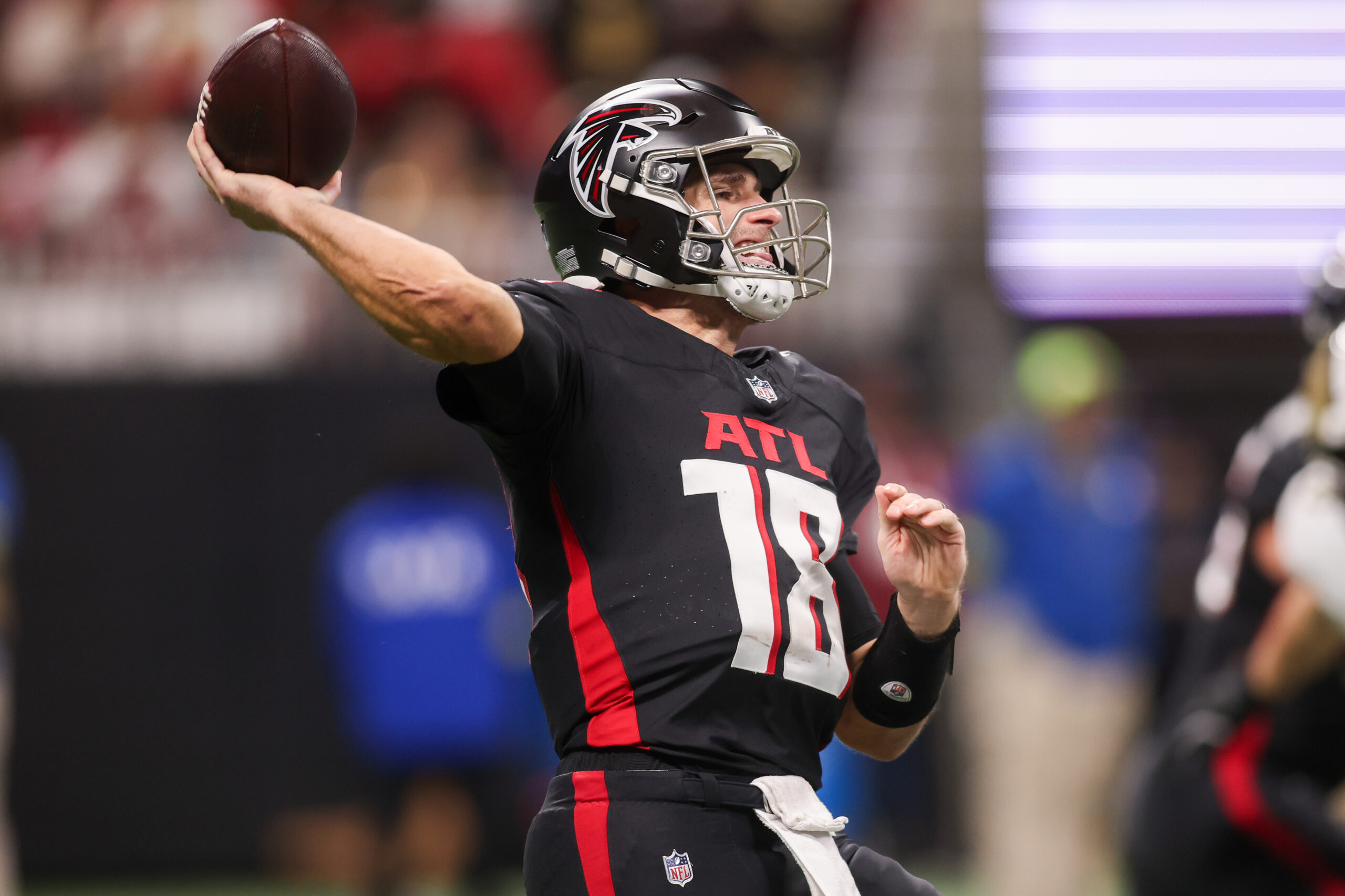
Jan 4, 2026; Atlanta, Georgia, USA; Atlanta Falcons quarterback Kirk Cousins (18) throws a pass against the New Orleans Saints in the first quarter at Mercedes-Benz Stadium. Mandatory Credit: Brett Davis-Imagn Images
Kirk Cousins’ decision to sign with the Las Vegas Raiders reshaped the quarterback market by removing a major starter‑level option from the board and clarifying where other teams would turn for help under center. When a high‑profile quarterback signs, it often prompts teams to reassess their cap plans, leaving some veterans at other positions to wait while front offices reset their priorities and budgets. In 2026, Cousins’ move was one of several big deals that helped define the top of the market and indirectly influenced the timing and leverage of remaining free agents across multiple position groups.
Linebacker: The Undervalued Position That Could Decide Everything
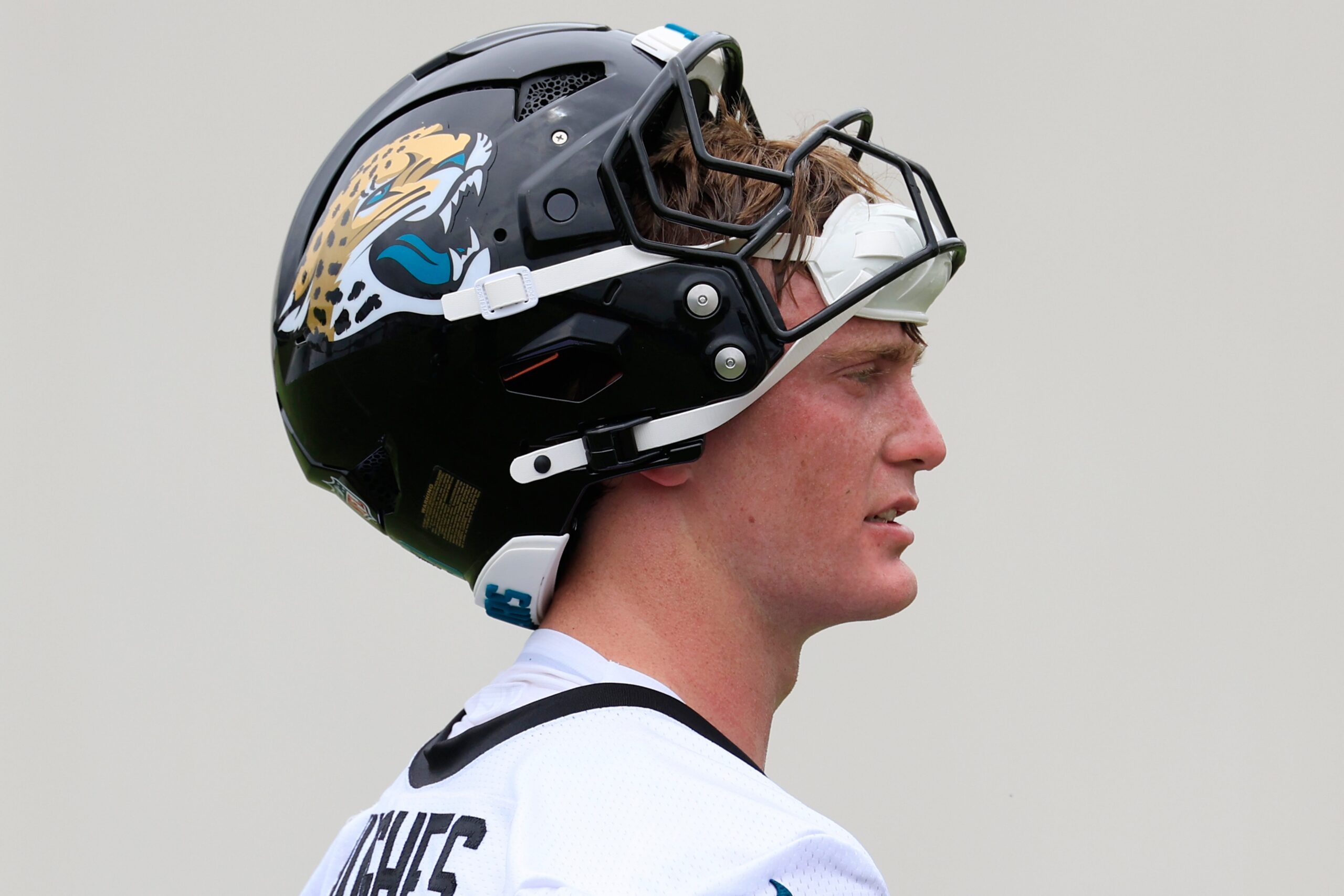
Jacksonville Jaguars linebacker Parker Hughes (53) runs off the field during rookie minicamp at the Miller Electric Center, Saturday, May 9, 2026 in Jacksonville, Fla. Today was the second of a three day camp concluding Sunday.
Off‑ball linebacker has emerged as one of the most consistently undervalued spots in today’s NFL free agency, with average salaries and guaranteed money trailing those of edge rushers, corners, and wide receivers. Yet quality linebackers play a central role in defending modern offenses that lean on play‑action, RPOs, and spread looks, requiring them to diagnose quickly, tackle reliably, and cover in space. For any front office willing to prioritize this position while others wait, the current market offers a chance to add experienced, scheme‑savvy linebackers at prices that compare favorably to other premium roles — a potential edge that could decide close games over a full season.