
On April 9, 2026, the Department of Justice opened an antitrust investigation into the National Football League, marking the first federal probe into the league’s business practices in 65 years. That same afternoon, the NFL defended its structure as “the most fan- and broadcast-friendly” model in sports. A government official told ABC News the inquiry focuses on affordability and fair competition among providers. After decades of legal protection, the timing of that statement drew immediate attention, especially as scrutiny over rising costs had already been building behind the scenes.
A Law Designed For Simpler Broadcast Times
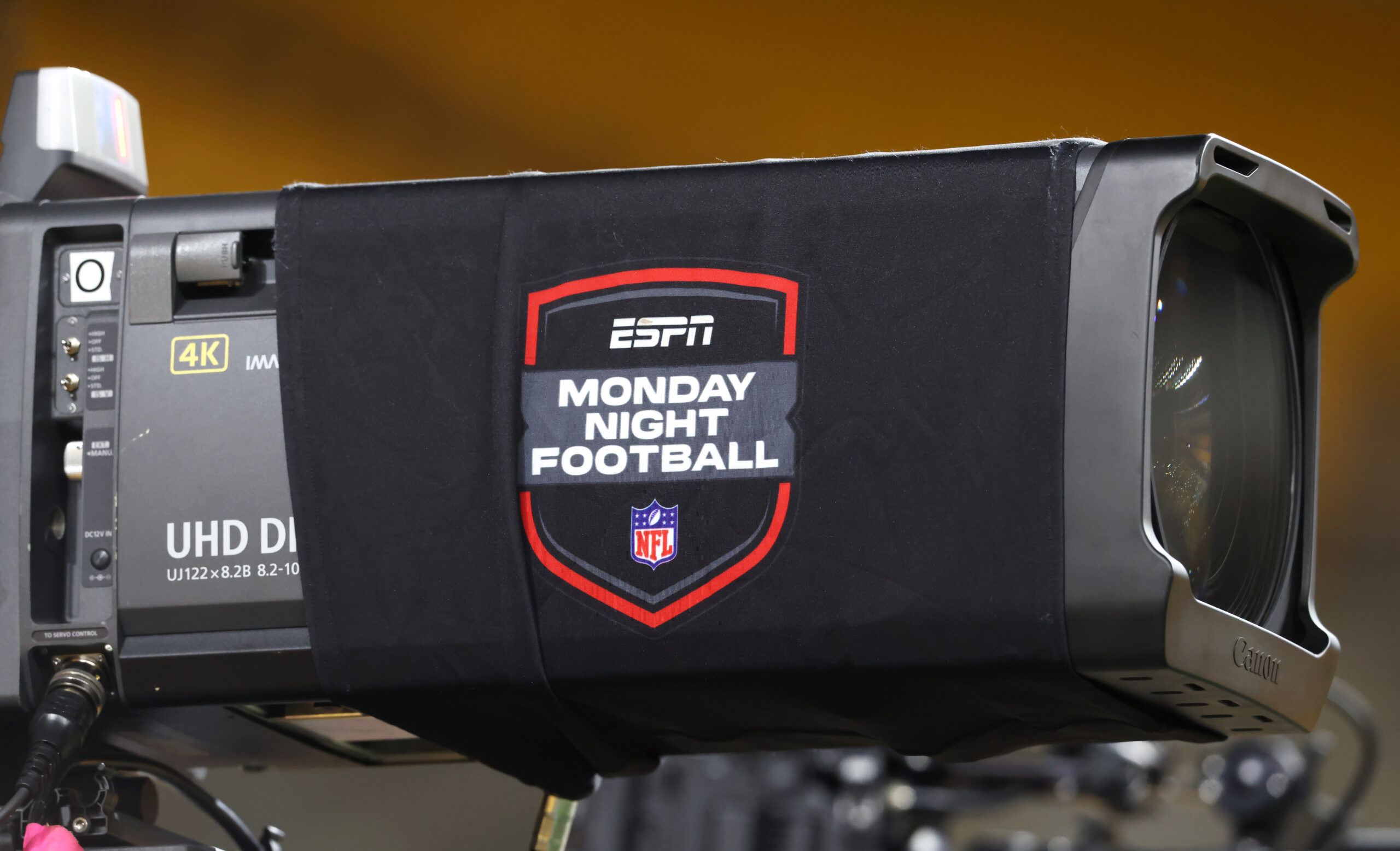
Jan 12, 2026; Pittsburgh, PA, USA; ESPN Monday Night Football logo on an end zone camera before the Pittsburgh Steelers host the Houston Texans in an AFC Wild Card Round game at Acrisure Stadium. Mandatory Credit: Charles LeClaire-Imagn Images
The NFL’s legal shield traces back to the Sports Broadcasting Act of 1961, which allowed 32 teams to negotiate television deals collectively. Congress approved the arrangement to stabilize weaker franchises and ensure games reached fans through free broadcast television. For nearly 40 years, the system worked as intended. Fans accessed games using antennas, and networks funded broadcasts through advertising. The model depended on universal availability, not subscription fees. That balance began shifting once cable television expanded, quietly introducing new costs that would later reshape the entire viewing experience.
Regulators Raised Concerns Weeks Earlier
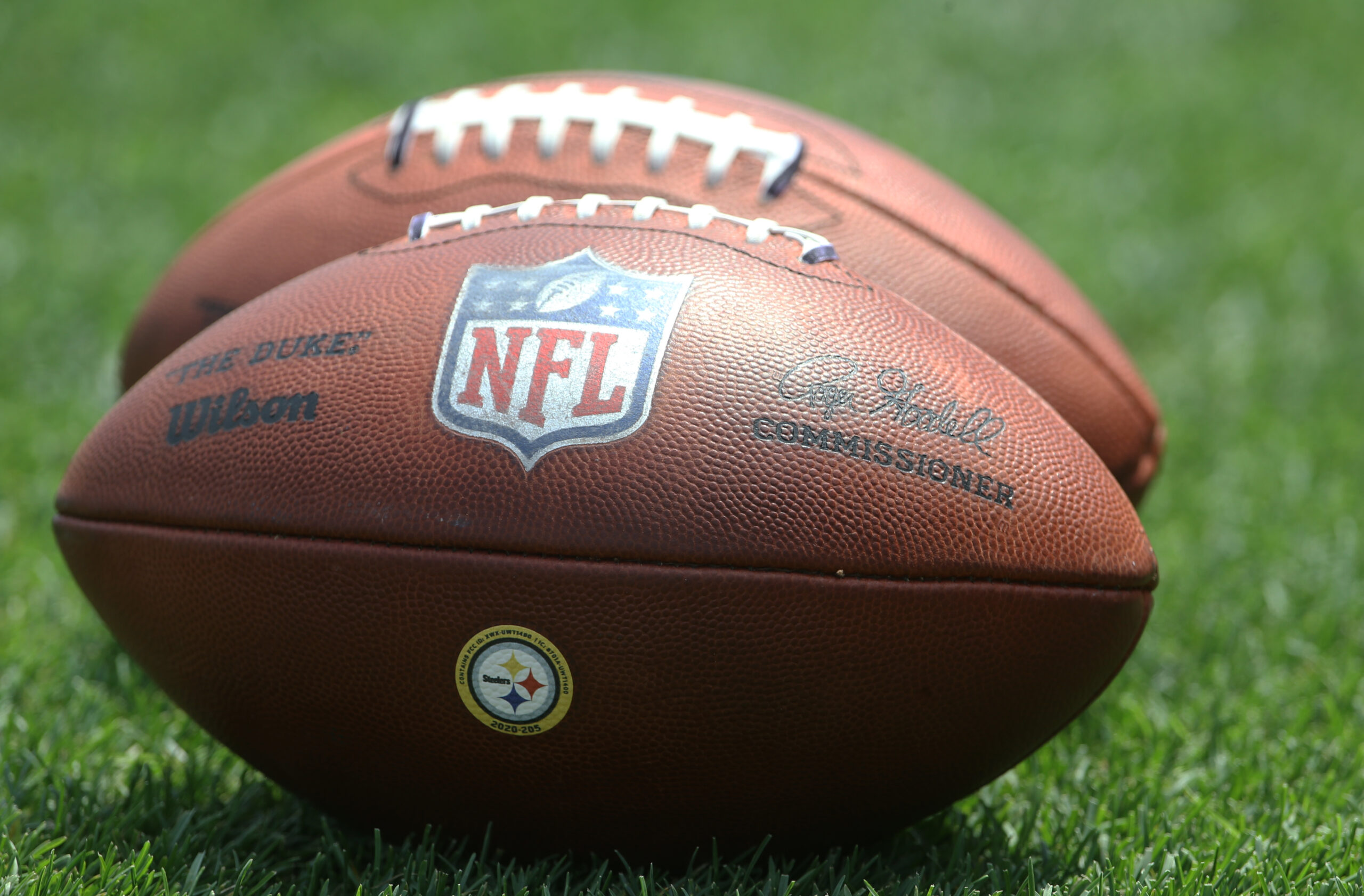
Jul 23, 2021; Pittsburgh, PA, United States; NFL official branded Pittsburgh Steelers footballs are seen during training camp at the Rooney UPMC Sports Performance Complex. Mandatory Credit: Charles LeClaire-Imagn Images
Pressure on the NFL had been mounting well before April 2026. On March 3, 2026, Senator Mike Lee urged federal regulators to review whether paid streaming still fit within the law’s original intent. He argued that subscription-based access “may no longer align with the statutory concept of sponsored telecasting.” Soon after, FCC Chair Brendan Carr warned that leagues were nearing a tipping point where paywalls could undermine their legal protections. Within weeks, multiple regulators voiced concerns, signaling that the NFL’s long-standing exemption was entering uncertain territory as scrutiny intensified.
When “Fan-Friendly” Became A Flashpointx
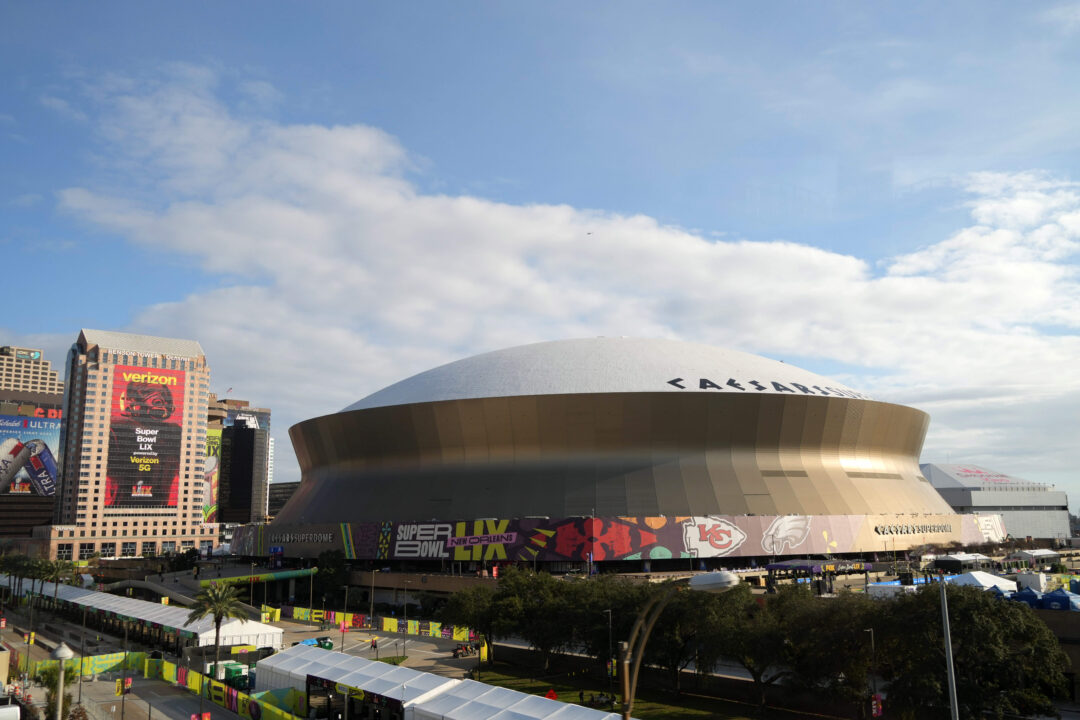
The NFL reports that 87% of its games still air on free broadcast television, leaving 13% available only through paid platforms like ESPN, Amazon Prime, and Netflix. For fans seeking full access, annual costs now range from $1,000 to $1,500. The league described this system as “fan-friendly,” a claim that drew attention during the investigation. In 2024, a Los Angeles jury awarded $4.7 billion in damages over Sunday Ticket pricing, though the verdict was later overturned due to flawed testimony. Even so, the underlying concerns never fully disappeared.
How The System Quietly Flipped Direction
The NFL’s collective bargaining model once ensured equal revenue sharing and broad access to games. Over time, that same structure enabled exclusive deals with streaming platforms willing to pay billions for premium rights. Instead of expanding access, collective negotiations now divide games across multiple paid services. The legal question remains whether this still serves consumers as originally intended. What once unified broadcasts under a single system now disperses them across platforms, creating a fragmented viewing experience that challenges the original purpose behind the league’s unique exemption.
Financial Power Meets Legal Exposure
The NFL’s media rights agreements now exceed $100 billion, according to the FCC. In 2024 alone, each team received $432.6 million in shared revenue. The league also dominated television, accounting for 72 of the top 100 broadcasts that year. Yet these numbers come with risk. The earlier $4.7 billion jury award could have reached about $14.1 billion under antitrust law if upheld. That gap between financial strength and legal vulnerability has drawn federal attention, raising questions about whether the league’s current model can withstand deeper regulatory examination.
Local Stations Face A Growing Threat
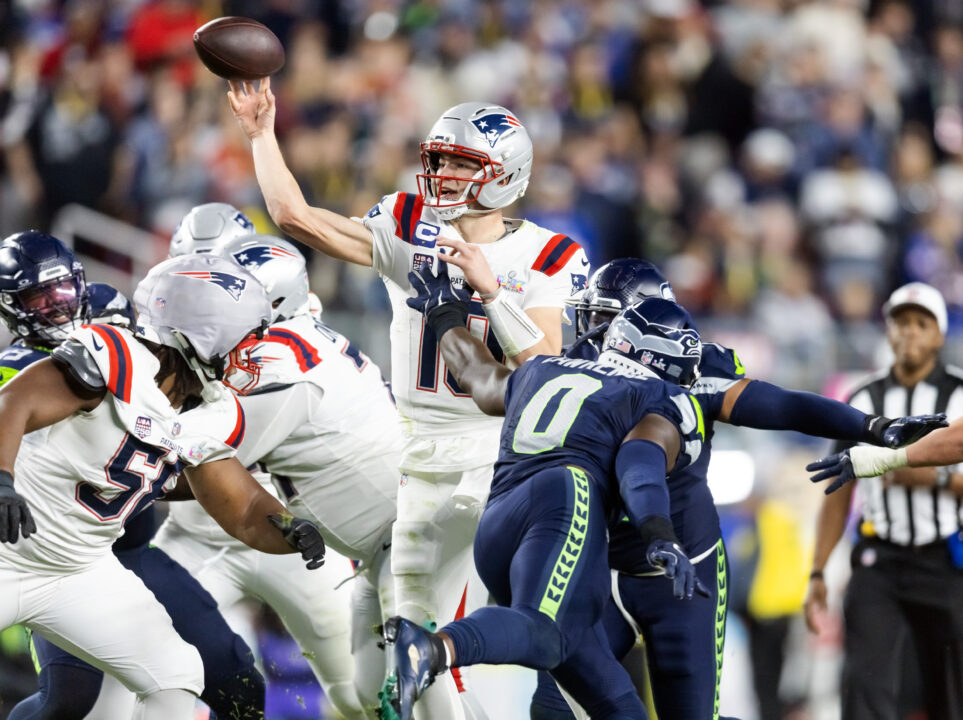
Local television stations rely heavily on NFL games to attract viewers and advertising revenue. As more games shift to streaming platforms, these stations risk losing their most valuable programming. That loss could ripple into reduced funding for local news and investigative reporting. At the same time, traditional networks like CBS, NBC, and Fox face weaker negotiating positions as tech companies secure direct deals with the league. With contracts extending through 2033 and opt-out clauses beginning in 2029, the balance of power in sports broadcasting appears poised for further disruption.
From Emergency Fix To Legal Flashpoint
The NFL’s exemption began as a response to a 1953 court ruling that blocked collective broadcasting agreements. Congress intervened in 1961 to preserve league stability and public access. Over decades, evolving technology stretched the definition of that protection. Cable introduced subscription elements, satellite expanded reach, and streaming altered the model entirely. Now, regulators are reassessing whether the exemption still serves its original purpose. The outcome could influence not just football but other major leagues operating under similar protections, placing decades of precedent under renewed examination.
A Critical Window Opens In 2029
The NFL’s media agreements include opt-out clauses starting in 2029, creating a period where contracts can be renegotiated. If federal regulators determine the exemption no longer applies to streaming, the league could face pressure to restructure deals mid-cycle. Without collective bargaining protection, individual teams might negotiate separately, putting smaller markets like Green Bay and Buffalo at financial risk. The stability that defined the league for decades could shift quickly, depending on how the investigation unfolds and whether legal protections remain intact during upcoming negotiations.
The Future Hinges On Public And Political Will
The NFL is expected to pursue legislative solutions, potentially seeking renewed protections from Congress or offering concessions like pricing limits. League officials will likely argue that the exemption supports competitive balance across all teams. Yet rising costs for fans and increasing reliance on paid platforms have drawn attention to how the system operates today. Public awareness of these dynamics continues to grow, placing pressure on policymakers to act. The outcome of this investigation may ultimately depend on whether that balance still aligns with the interests it was meant to protect.
If you enjoyed this article please like and follow us here on MSN! Thank you for reading and have a great day!
Sources:
Sources: DOJ Opens Antitrust Investigation of NFL Over TV Deals. ESPN, April 8, 2026
Justice Department Opening Probe Into NFL ‘Tactics’: Report. Newsweek, April 9, 2026
Senator Lee Urges Probe of NFL’s Soaring Streaming Service Prices. U.S. Senate (Lee.senate.gov), March 3, 2026
FCC Chair Warns NFL That Increase in Streaming Could “Collapse” Antitrust Exemption. NBC Sports / ProFootballTalk, March 26, 2026
Why a Judge Overturned the $4.7 Billion NFL Sunday Ticket Verdict. USA Today, August 1, 2024
NFL Games Accounted for 72 of the 100 Most Watched Telecasts in 2024. Forbes, January 8, 2025
Packers Say They Received Record $432.6M in Revenue Sharing. ESPN, July 22, 2025